Why Ultrahard Material Tools Are Becoming Process Solutions Instead of Generic Consumables
18 06,2026
UHD Ultrahard Tools Co., Ltd
Problem Thinking
UHD Ultrahard Tools Co., Ltd explains why ultrahard material tools are evolving from general consumables to process-oriented solutions, highlighting industry trends, application-specific matching, performance customization, and value-upgrade logic for B2B buyers.
Ultrahard material tools have traditionally been purchased as general consumables—ordered by size, grit, or a familiar grade and replaced when worn. In today’s metalworking and stone-processing environments, that buying logic is changing.
At UHD Ultrahard Tools Co., Ltd, we see ultrahard tooling increasingly evaluated as part of a process solution: a set of tool choices and parameters that must match the material, machine condition, production targets, and quality requirements. This page explains the industry trend and the value-upgrade logic B2B buyers use when moving from “tool-by-tool comparison” to “process-by-process optimization.”
What “Process Solution” Means in Ultrahard Tooling
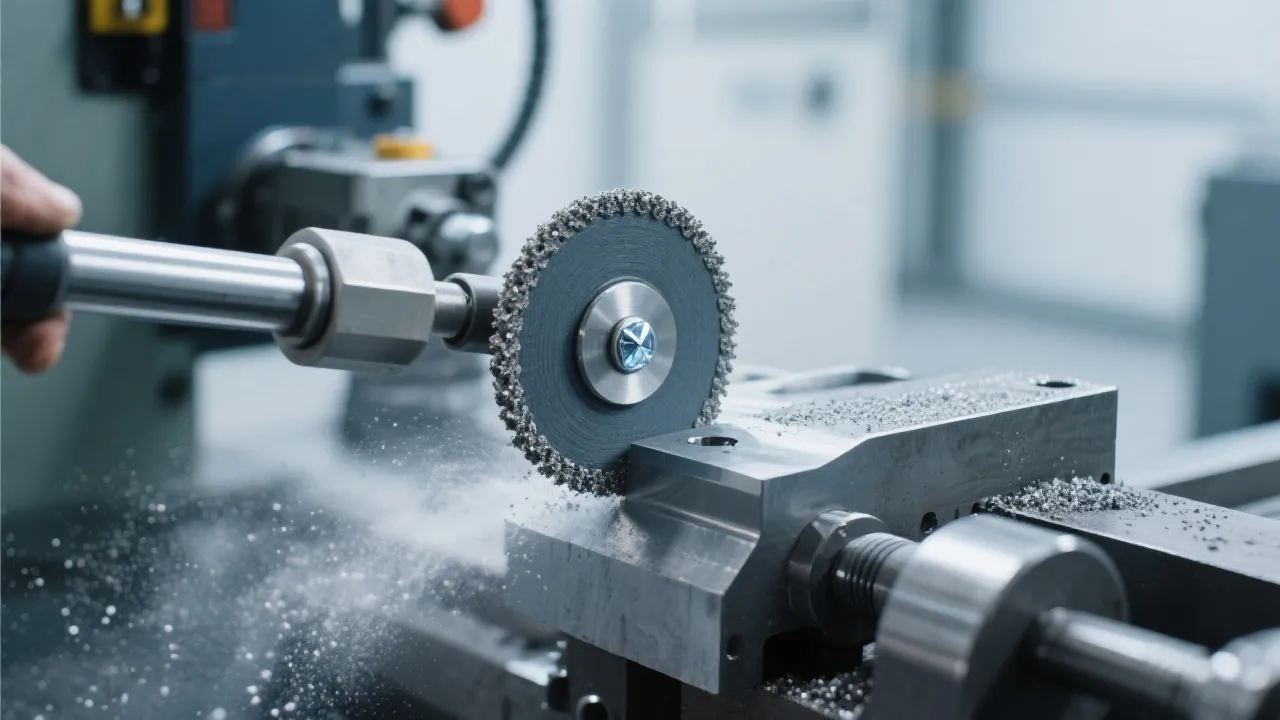
A process solution is not a single tool SKU. It is the application-specific matching of:
Workpiece material (hardness, abrasiveness, microstructure, inclusions, brittleness)
Why the Industry Is Moving Away from “Generic Consumables”
1) More variable materials & higher expectations
Whether in metal machining or stone processing, production is increasingly sensitive to tool-workpiece interaction. The same “standard” tool can deliver very different results across batches, suppliers, or material grades—making process-level matching more valuable than one-size-fits-all purchasing.
2) Single-parameter comparison no longer predicts outcomes
Parameters like grit size or a general tool grade matter, but they don’t fully predict stability, finish, or process yield. Buyers are shifting toward evaluating the total value inside the full operation rather than optimizing only for unit price or one tool attribute.
3) Downtime and rework cost more than the tool
In B2B environments, a tool that causes unstable cutting/grinding, frequent dressing, or inconsistent results can create hidden losses: line stops, scrap, rework, and delivery risk. This drives interest in tools that are tuned to the process window.
4) Customization is becoming a practical requirement
Performance customization—within reasonable lead times and with clear technical boundaries—helps align tooling with the exact operation. For many buyers, customization is not “premium”; it is a way to achieve repeatability and control.
From Consumable to Process Solution: A Buyer’s Value-Upgrade Path
Many procurement teams move through a predictable evaluation path. The goal is not to complicate purchasing—it is to reduce uncertainty and improve process performance.
Stage
How tools are compared
What improves at process-solution level
Consumable
Unit price, availability, basic specs
Fewer mismatches; less trial-and-error when specs look similar but behave differently
Application-specific
Matched to operation type, material behavior, and machine constraints
More stable results, more predictable tool life, improved yield
Customized performance
Adjusted geometry / structure / spec selection to expand the stable process window
Reduced downtime, less rework, easier standardization across lines
Total value optimization across throughput, quality, and cost-of-operation
How UHD Supports Application-Specific Matching
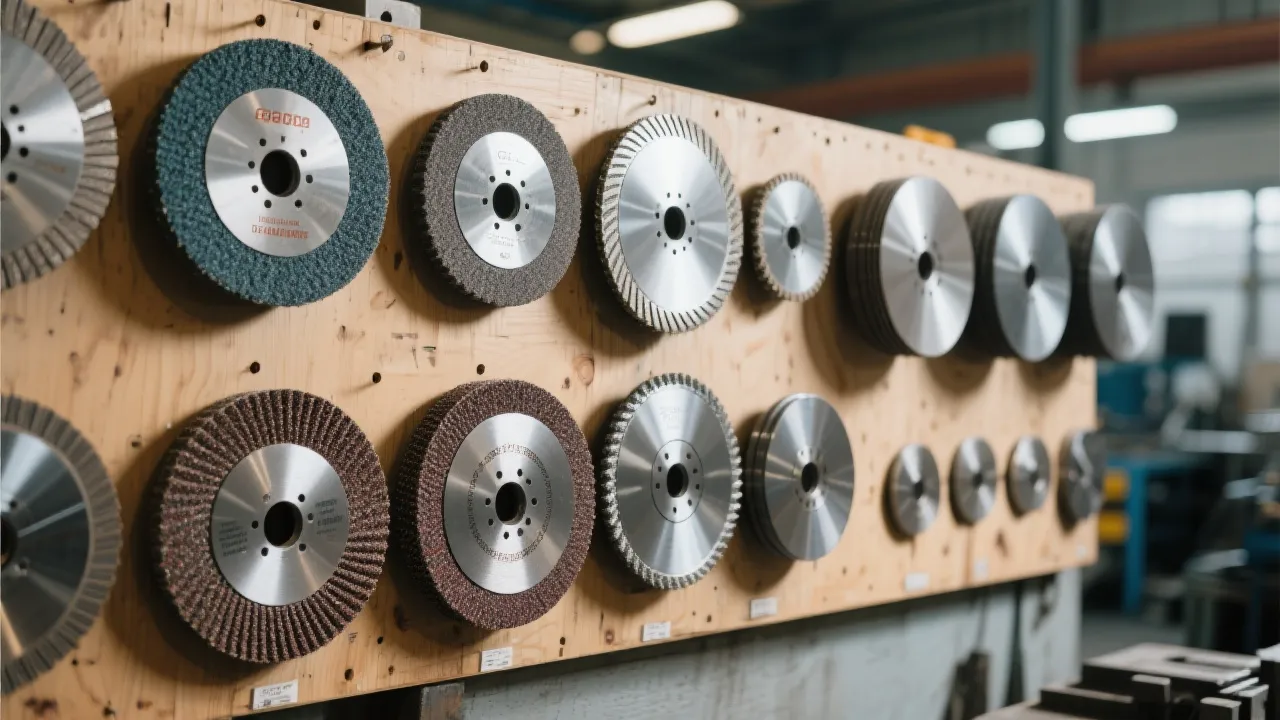
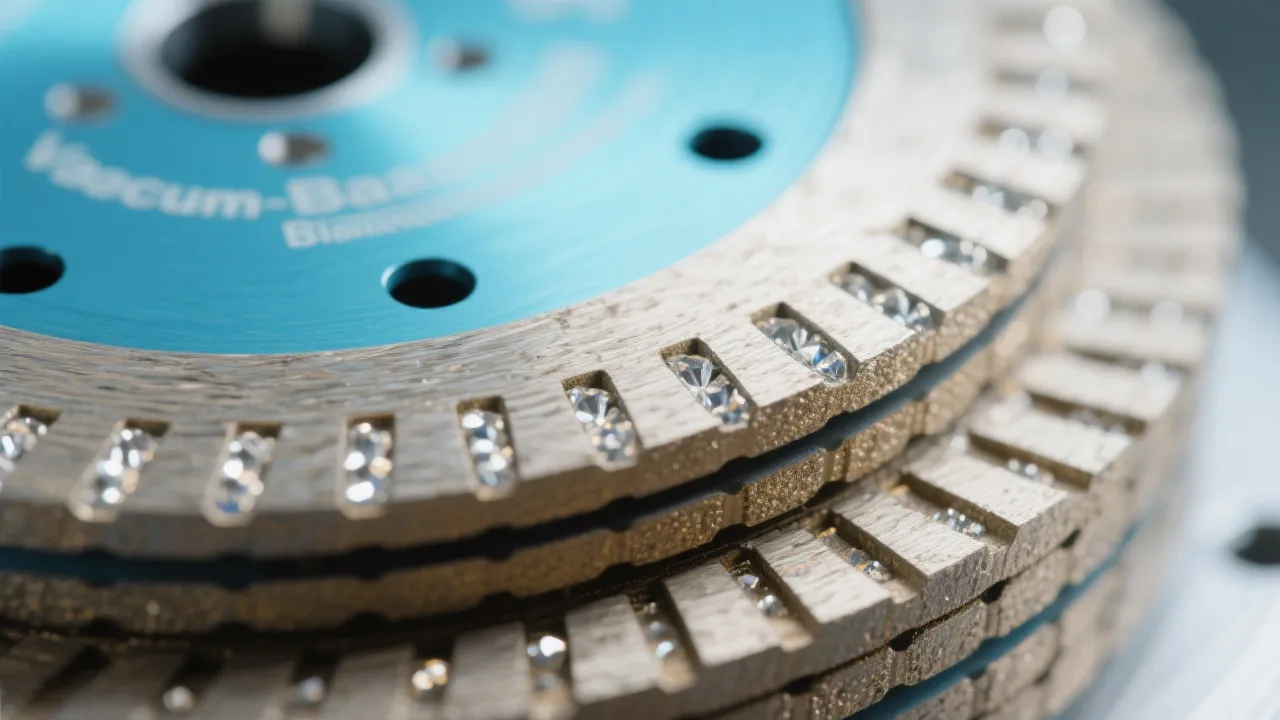
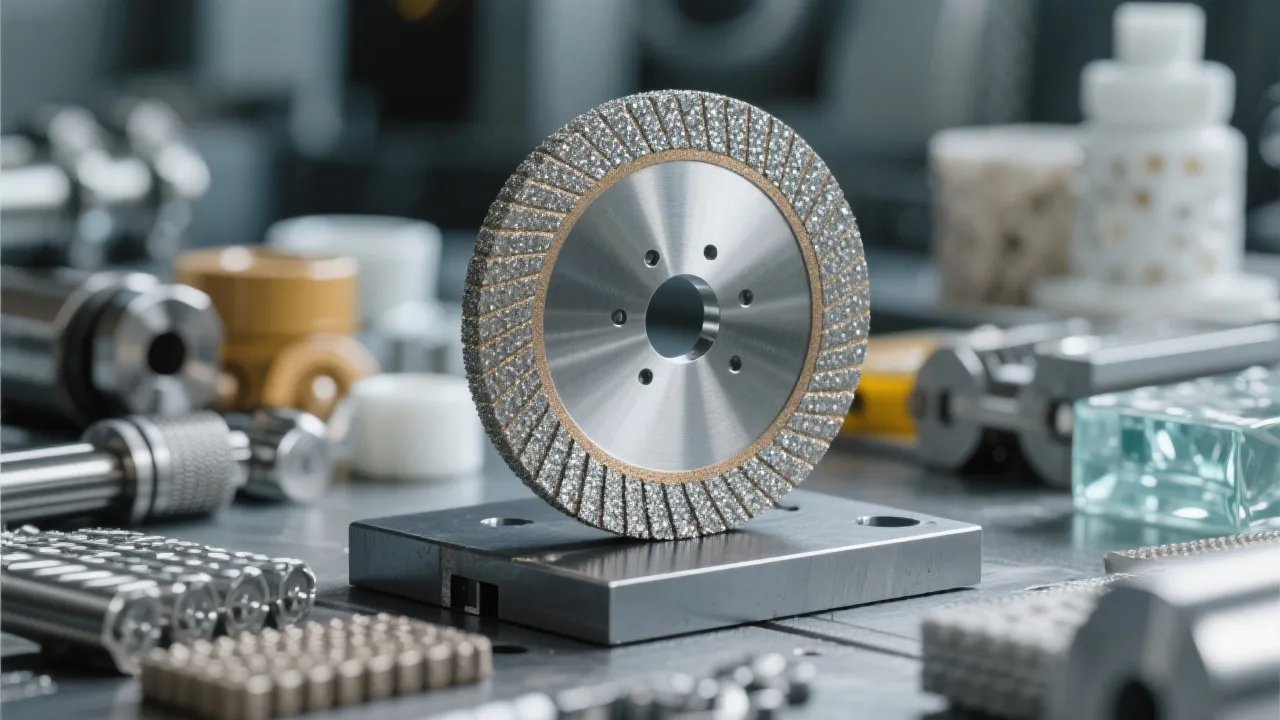
As a high-tech enterprise focused on ultrahard material tooling, UHD develops and supplies products including diamond tools, abrasives & grinding wheels, and custom brazed diamond abrasives. Our approach emphasizes fit-for-process selection rather than a one-size product pitch.
Process-first product positioning
Tools are positioned by where they perform best—metalworking or stone-processing scenarios—so that selection is driven by the operation’s needs and constraints.
R&D-backed development
UHD works with research platforms such as Henan University of Technology to support ongoing R&D on ultrahard material cutting and grinding tools—helping translate application feedback into engineering improvements.
B2B delivery readiness
A structured export-oriented service workflow supports global buyers via mainstream B2B channels, with an emphasis on clear specifications, consistent quality control, and practical communication for cross-border projects.
Quality-led brand philosophy
UHD’s positioning—“Quality builds the brand”—is reflected in how we evaluate tooling: not only by specification, but by repeatable performance within the customer’s process.
A Practical Framework to Specify Ultrahard Tools as a Process Solution
To reduce back-and-forth and speed up correct selection, buyers can frame requirements using process-oriented inputs. This supports clearer evaluation and fewer mismatches.
Provide the application context
Workpiece material and key properties (hardness/abrasiveness, brittleness)
Operation type (cutting, grinding, profiling) and desired output
Acceptable trade-offs (e.g., slower rate for better finish)
Plan verification (no overpromises)
Because real results depend on the full setup, a process-solution approach typically includes a clear verification method (trial parameters, inspection points, and acceptance criteria) rather than blanket performance claims.
For B2B Buyers: When to Choose a Process-Solution Approach
Strong signals you need process matching
Tool performance varies widely between shifts/batches
Surface/edge quality issues drive rework
Frequent dressing, burning, chipping, or unstable cutting/grinding
New materials, new machines, or new output targets are introduced
What to request from a supplier
Clear application boundary: where the tool is designed to perform best
A recommended operating window aligned with your machine capability
Customization options explained in practical terms (what changes, what it affects)
A straightforward trial and validation plan for your line
UHD Ultrahard Tools Co., Ltd supports this shift by focusing on application-specific tooling and performance customization—helping buyers evaluate ultrahard material tools within the full manufacturing process, not as generic consumables.


.png?x-oss-process=image/resize,h_1000,m_lfit/format,webp)

.png?x-oss-process=image/resize,h_1000,m_lfit/format,webp)