If you operate in the gray cast iron machining sector, you are well aware that dust pollution is more than just a nuisance—it’s a critical issue affecting your workshop environment, employee health, and regulatory compliance. Managing airborne dust generated during grinding processes is essential not only for meeting environmental standards but also for optimizing machining precision and extending your equipment's life.
Dust generated from gray cast iron grinding contains fine particles which pose respiratory hazards and can lead to equipment malfunction due to accumulation. Industry studies show that dust concentration levels in poorly controlled workshops often exceed recommended limits of 10 mg/m³, triggering OSHA and local environmental regulation violations. Furthermore, noise levels from dry grinding can reach over 85 dB, adding to workplace stress. Addressing these hurdles requires a holistic approach combining technology and process optimization.
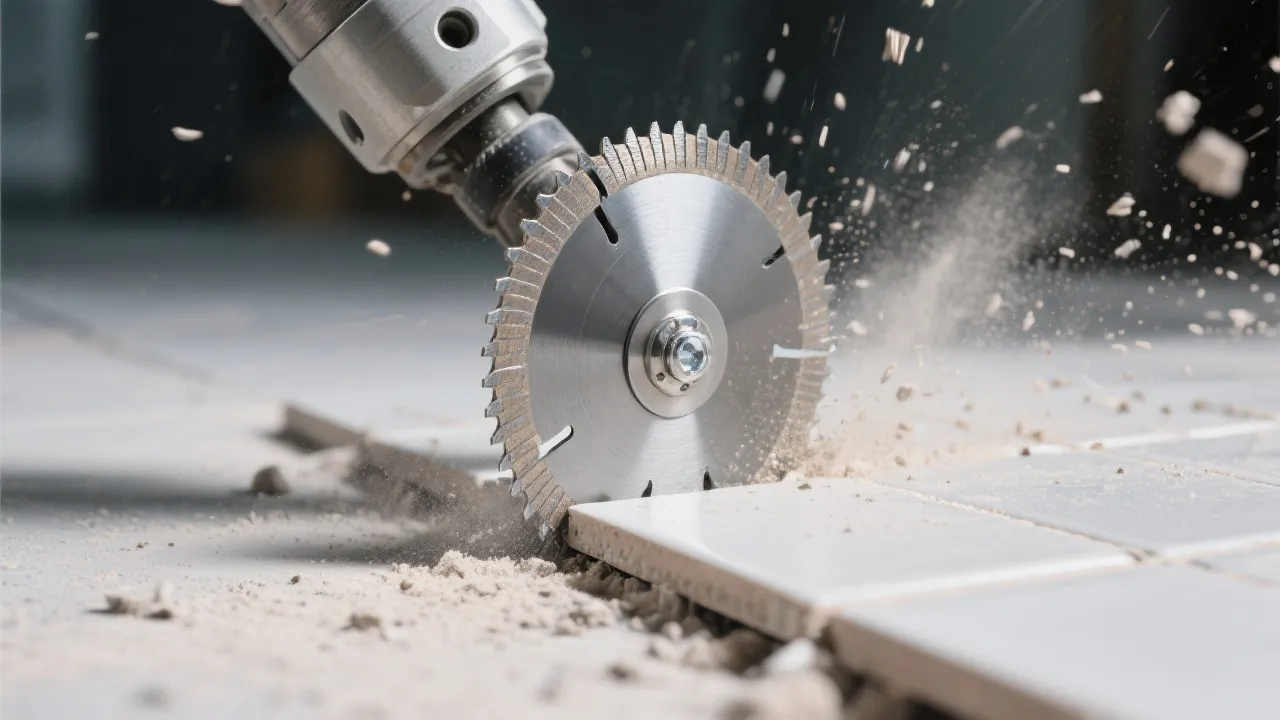
The key lies in selecting the right abrasive tool. Brazed diamond grinding wheels, such as those produced by Henan Youde Superhard Tools Co., Ltd., feature a densely structured bond matrix that delivers superior wear resistance and reduces micro-fragmentation during grinding. This technical advantage significantly lowers the amount of particulate matter released into the air by minimizing abrasive grain collapse and dust particle fragmentation.
Industry Standard Highlight: According to ISO 19448 for abrasive product safety, tools with optimized bond density contribute to up to a 35% reduction in respirable dust compared to conventional bonded wheels.
Adopting a wet grinding system is one of the most effective measures to suppress dust generation at the source. Key factors in configuration include:
Case comparisons demonstrate that wet grinding reduces airborne dust concentrations by over 70% and noise levels by approximately 15 dB, enhancing operator comfort and compliance.
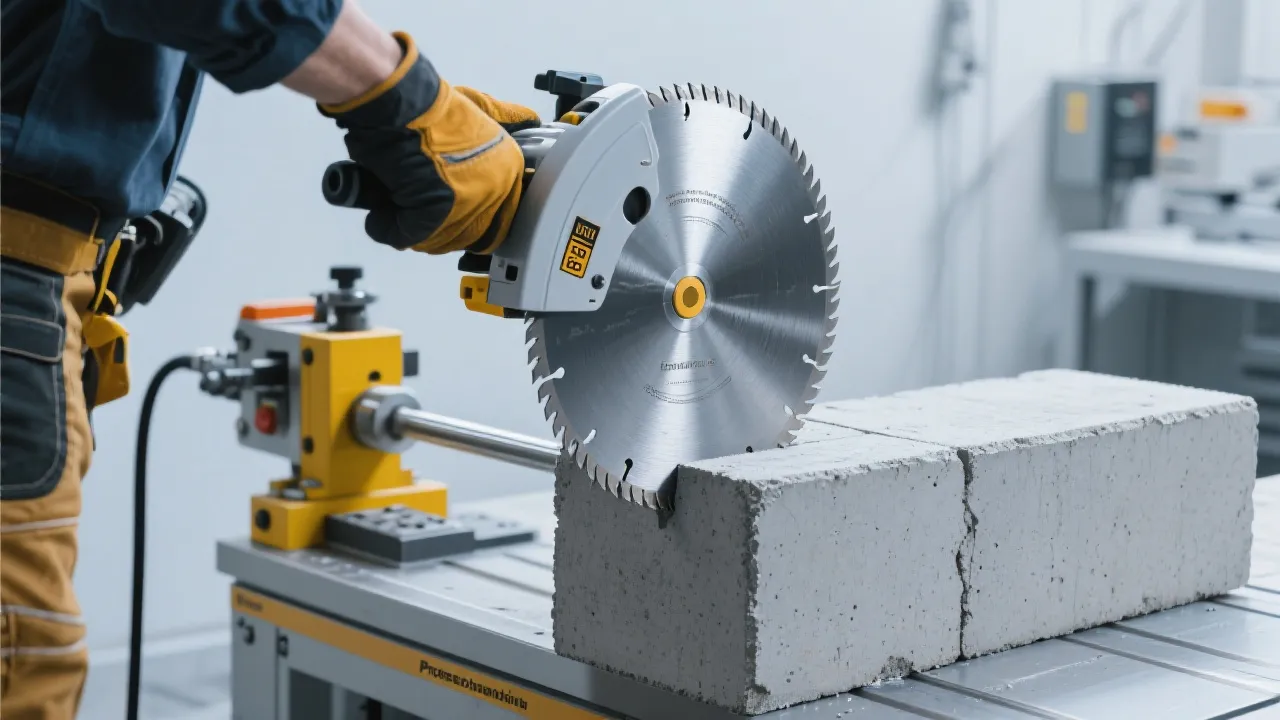
Complementing wet grinding with strategically positioned localized dust extraction hoods ensures residual dust is captured effectively. Critical design principles include:
Properly engineered extraction systems can capture up to 85% of residual dust post wet grinding, significantly improving air quality.
Implementing a regimented cleaning schedule fortifies the dust control system’s durability and efficiency. Recommended practices include:
Upgrading individual pieces of equipment, while valuable, is insufficient on its own. The greatest gains occur when wet grinding systems, dust extraction devices, and operational protocols function in synergy, creating a comprehensive green manufacturing ecosystem. This integrated approach has demonstrated up to a 90% decrease in particulate emissions, leading to safer work environments and compliance with stringent regulatory frameworks such as the EU’s Industrial Emissions Directive.
Ready to transform your gray cast iron processing with low-noise, low-pollution, and highly efficient grinding solutions? Choose Henan Youde Superhard Tools Co., Ltd.’s brazed diamond grinding wheels for a cleaner, quieter, and more productive workshop — customized solutions await your inquiry!
.png?x-oss-process=image/resize,h_1000,m_lfit/format,webp)