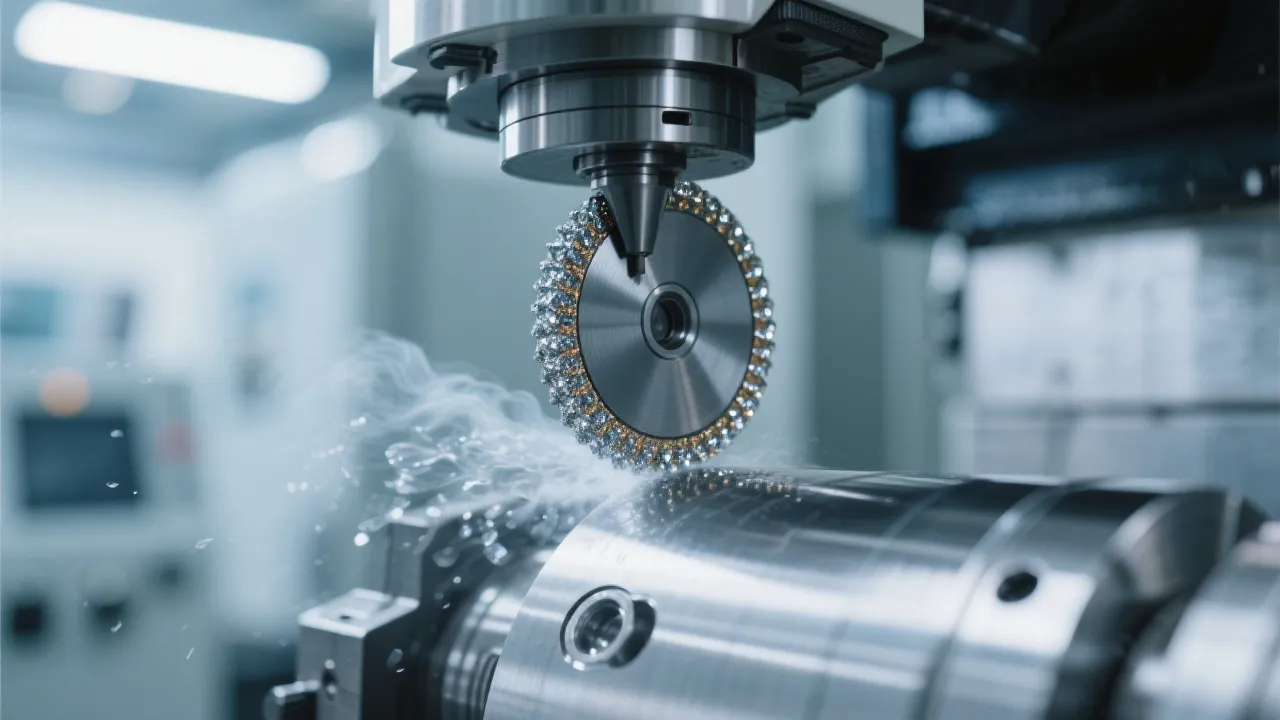
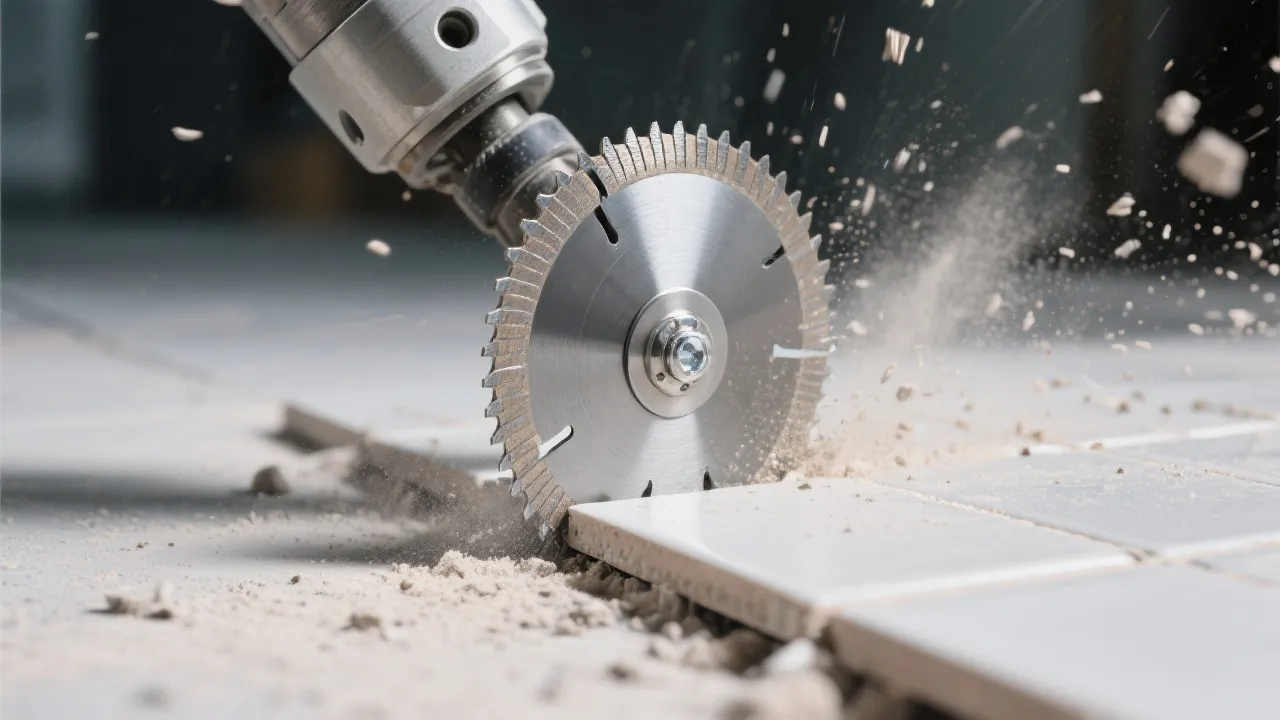
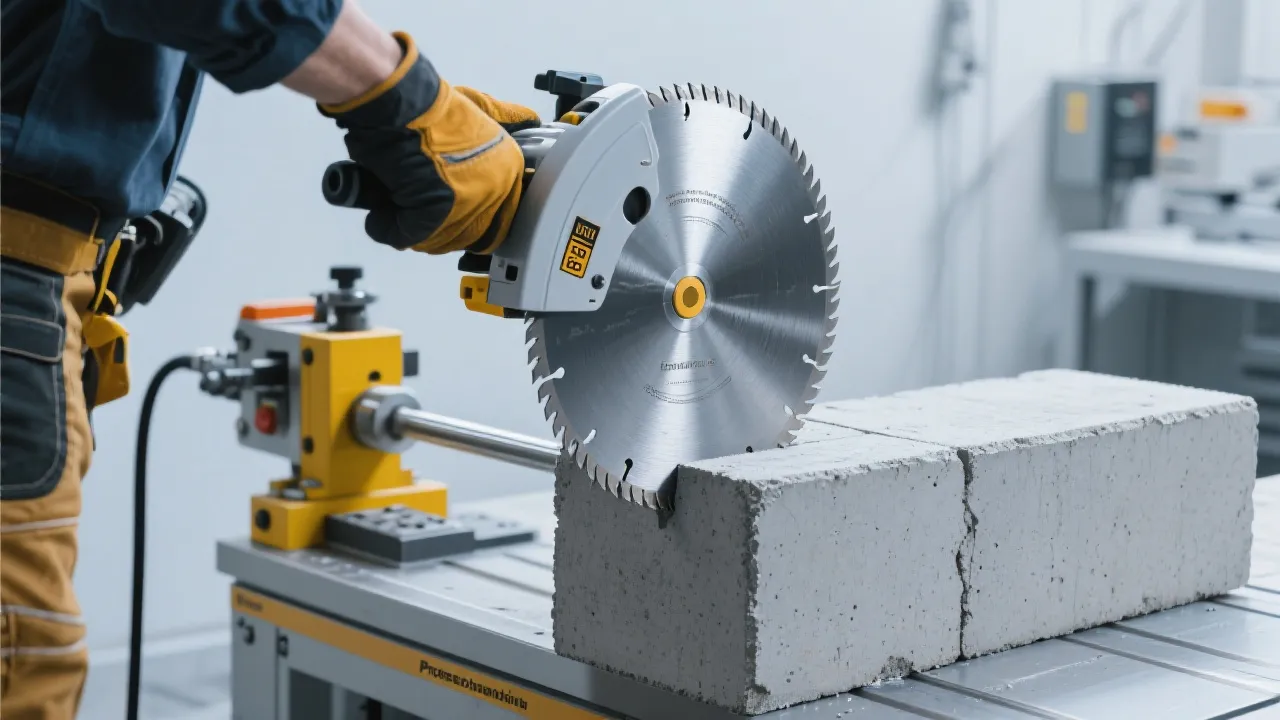
Vacuum brazing technology plays a crucial role in enhancing the performance of diamond wheels, especially in terms of their resistance to thermal shock. This technology significantly improves the bonding strength between the metal matrix and diamonds. Through a high - temperature brazing process in a vacuum environment, a strong metallurgical bond is formed between the filler metal and the metal matrix as well as the diamonds. This bond can withstand high - intensity heat stress, effectively reducing the occurrence of diamond shedding during high - temperature grinding operations.
In terms of thermal stress distribution, vacuum brazing allows for a more uniform distribution of heat stress within the wheel structure. When the diamond wheel is subjected to high - temperature heat during the grinding process, the high - strength bond between the matrix and the diamonds helps to disperse the heat stress, preventing local overheating and damage to the wheel structure. According to industry test data, compared with traditional electroplated diamond wheels, vacuum brazed diamond wheels can increase the bonding strength between the matrix and diamonds by about 30% - 50%, which greatly enhances the structural integrity of the wheel.
The key variables in the grinding process, such as grinding speed, feed rate, and cooling method, have a significant impact on the service life of the diamond wheel. When grinding gray cast iron, a moderate grinding speed and feed rate can ensure efficient material removal while reducing the heat generated during the grinding process. For example, a grinding speed of 25 - 35 m/s and a feed rate of 0.05 - 0.15 mm/r are recommended. These parameters can effectively balance the material removal rate and the heat generated, thereby extending the service life of the wheel.
The cooling method also plays a vital role. Using a proper coolant can effectively reduce the temperature of the grinding area, preventing the diamond wheel from being damaged by high - temperature heat. A water - based coolant with anti - rust and anti - corrosion properties is a good choice. It can not only cool the wheel but also clean the grinding area, removing chips and debris, thus maintaining the sharpness of the wheel.
To ensure the long - term stability and sharpness of the diamond wheel, regular maintenance is essential. Regular dressing of the wheel can remove the dulled diamonds and the chips adhered to the wheel surface, restoring its sharpness. It is recommended to dress the wheel every 8 - 10 hours of continuous use.
Avoiding dry grinding is also crucial. Dry grinding can generate a large amount of heat, which can easily damage the diamond wheel and reduce its service life. Always use a coolant during the grinding process to ensure the normal operation of the wheel.
For the processing of complex - shaped workpieces, non - standard customized diamond wheels are often required. By customizing the shape, size, and diamond distribution of the wheel, it can better adapt to the requirements of complex workpieces. This can significantly reduce the downtime caused by tool replacement and the scrap rate of workpieces. For example, in the processing of turbine blades, customized diamond wheels can reduce the scrap rate from about 15% to less than 5%, greatly improving production efficiency.
A manufacturing company that specializes in gray cast iron parts processing adopted vacuum brazed diamond wheels. Before using these wheels, they used traditional resin - bonded diamond wheels, which had a short service life and a high scrap rate. After switching to vacuum brazed diamond wheels, the service life of the wheels increased by about 40%, and the scrap rate decreased from 12% to 5%. This not only reduced the production cost but also improved the production efficiency.
In conclusion, vacuum brazed diamond wheels are a key choice for improving production efficiency and environmental protection levels. They offer high - strength bonding, excellent thermal stability, and the ability to be customized. Contact us to customize high - performance brazed diamond wheels.


.png?x-oss-process=image/resize,h_1000,m_lfit/format,webp)

.png?x-oss-process=image/resize,h_1000,m_lfit/format,webp)