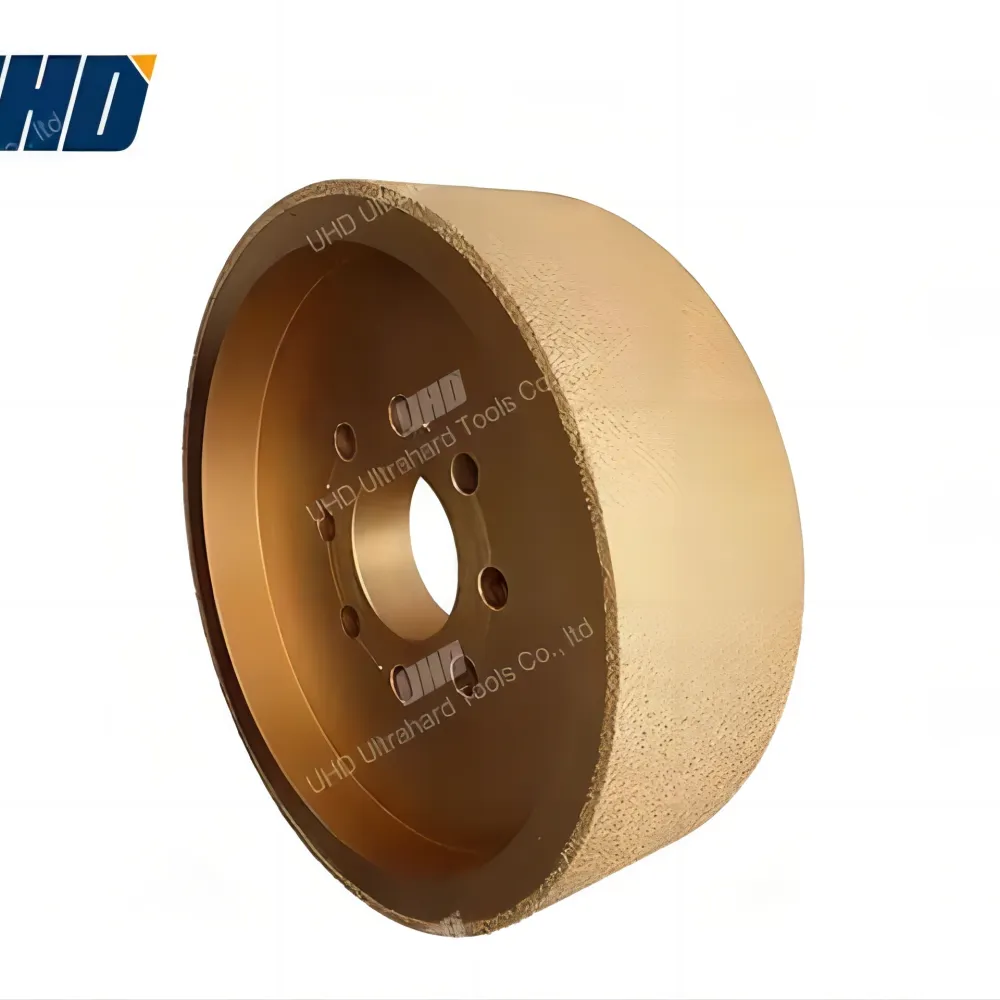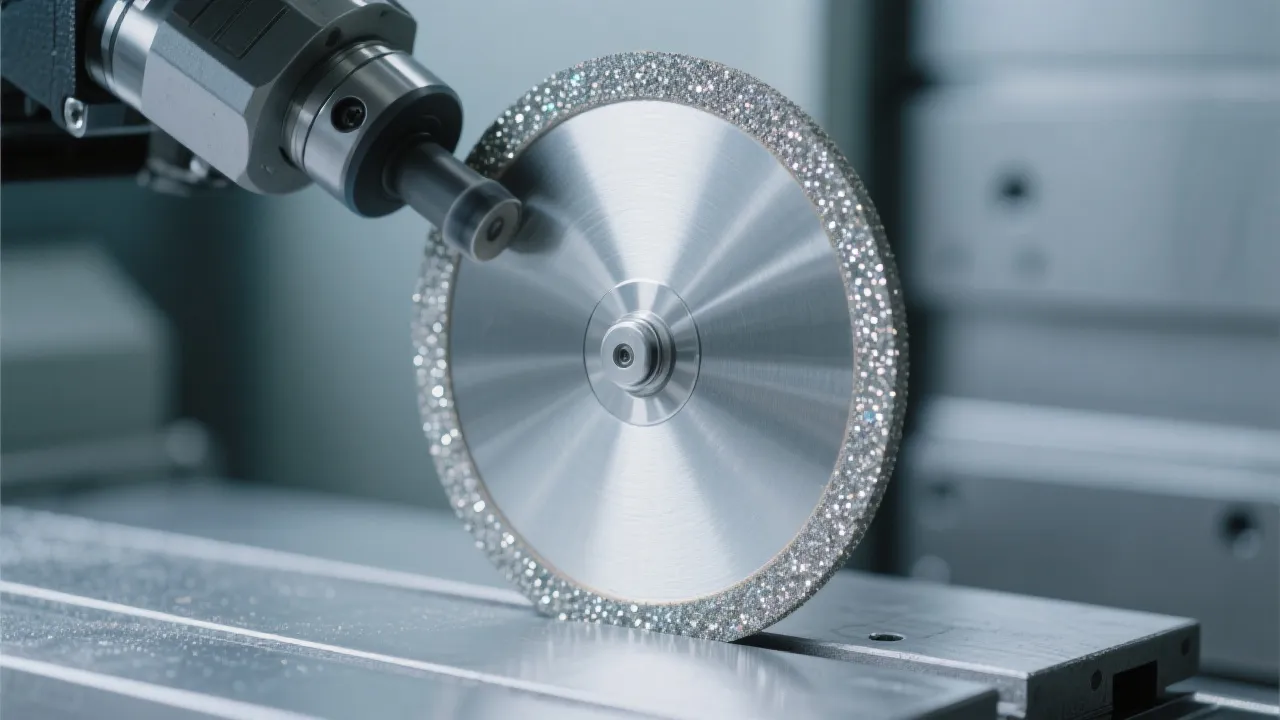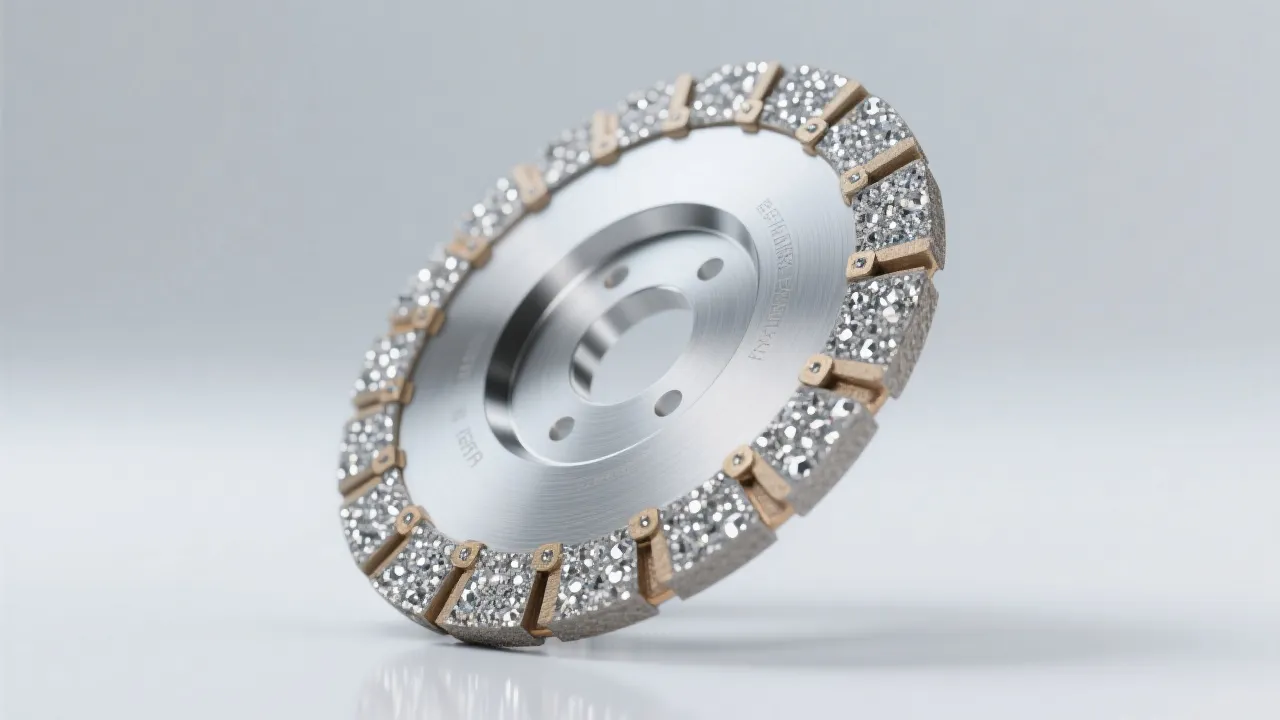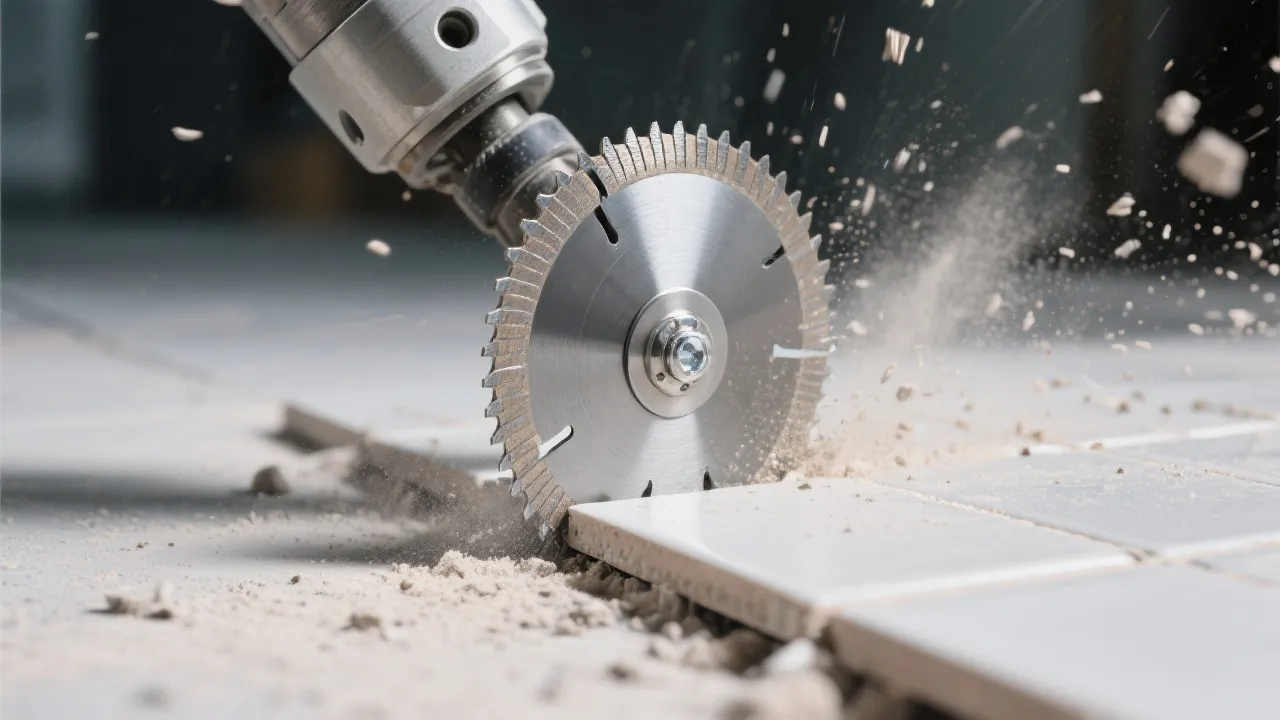
You're likely familiar with the frustration of frequent diamond wheel wear during gray cast iron grinding — especially when it leads to inconsistent finishes, increased downtime, and higher scrap rates. The good news? Vacuum brazed diamond wheels offer a proven solution that can extend tool life by up to 40–60% compared to traditional bonding methods.
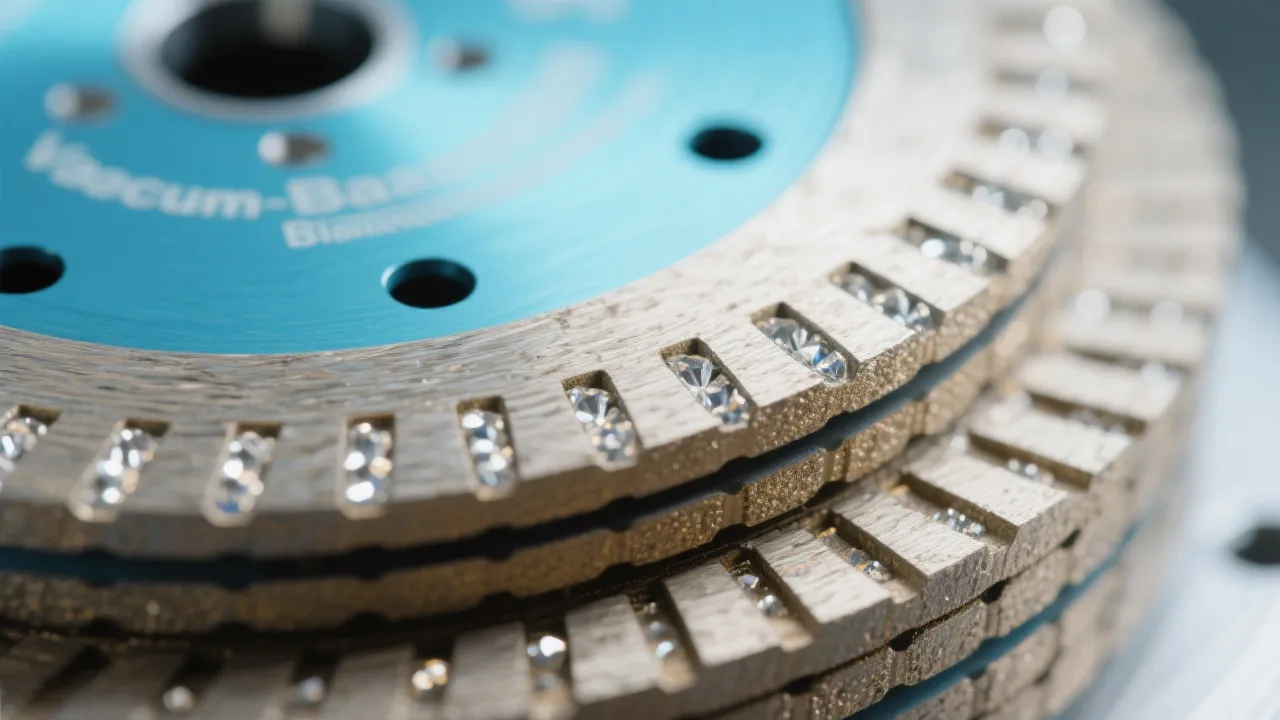
Vacuum brazing creates a molecular-level bond between diamond grits and the steel matrix — resulting in superior thermal stability, reduced grain pull-out, and consistent cutting performance even under high-speed conditions (up to 60 m/s).
In conventional resin or metal-bonded wheels, the interface between abrasive grains and the binder is prone to micro-cracking under heat stress. Vacuum brazing eliminates this weakness by using a copper-based alloy (typically Cu–Ag–Ti) that melts at ~900°C and forms an intermetallic compound with diamond surfaces. This ensures no delamination — even after repeated thermal cycles (think: 300+ heating/cooling events per shift).
| Parameter | Recommended Range | Why It Matters |
|---|---|---|
| Grinding Speed (m/s) | 40–60 | Prevents excessive heat buildup while maintaining material removal rate. |
| Feed Rate (mm/min) | 50–150 | Avoids overloading the wheel; reduces vibration-induced damage. |
| Coolant Type | Soluble oil-based (3–5%) | Minimizes oxidation and extends both wheel and workpiece life. |
Even the best vacuum brazed wheel needs care. Here’s what top manufacturers do:
For irregular geometries like brake rotors or engine blocks, non-standard wheel shapes are essential. Our engineers use finite element analysis (FEA) to simulate stress distribution across custom profiles — ensuring uniform load transfer and minimizing chatter. One client saw a 27% reduction in rework after switching to tailored vacuum brazed wheels for their complex casting parts.
Still wondering if this technology fits your operation? You’re not alone. Many shops hesitate until they see real results — which is why we invite you to try our free consultation service.


.png?x-oss-process=image/resize,h_1000,m_lfit/format,webp)

.png?x-oss-process=image/resize,h_1000,m_lfit/format,webp)