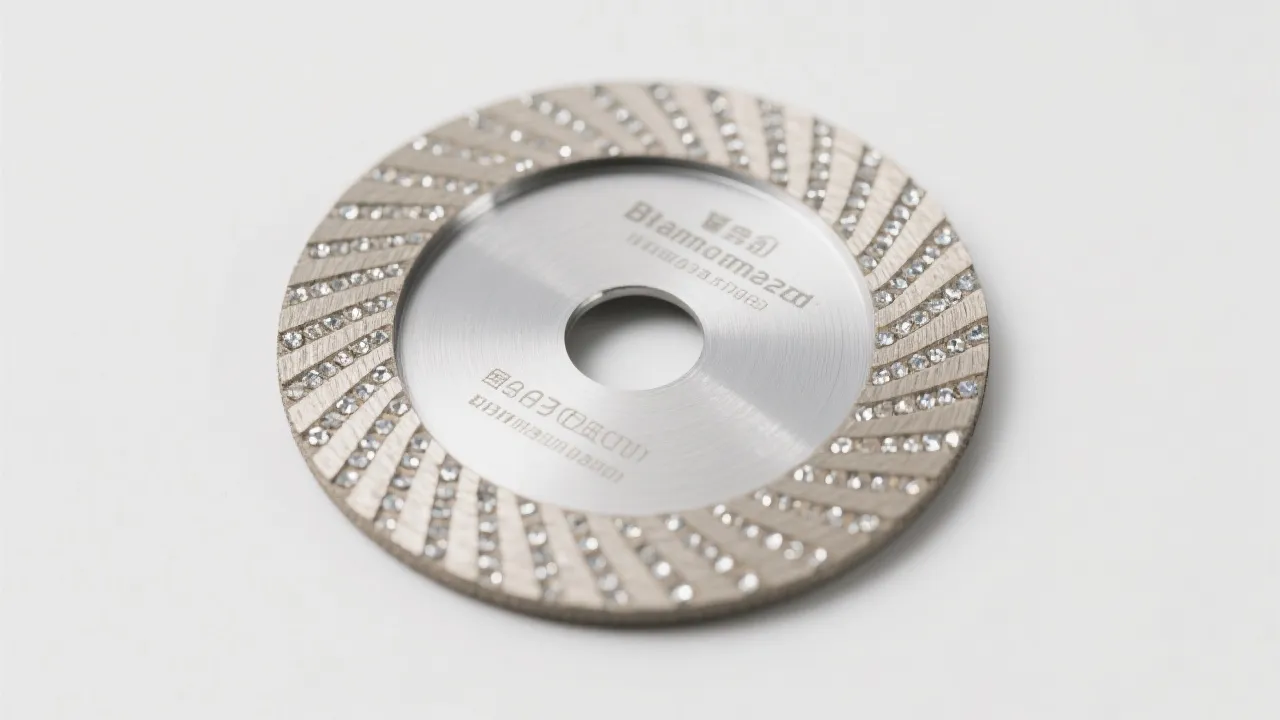
Vacuum Brazed Diamond Wheels: Enhancing Ductile Iron Machining Durability

06 02,2026
UHD
Technical knowledge
Struggling with short wheel life and low efficiency in ductile iron machining? This article delves into the core technology of vacuum brazed diamond wheels, explaining how the vacuum brazing process achieves superior bonding strength and outstanding thermal shock resistance to significantly enhance wheel durability. From optimizing grinding parameters to practical maintenance techniques and custom non-standard wheel design considerations, we provide comprehensive guidance to extend wheel lifespan and reduce downtime costs. Real-world case studies illustrate tangible benefits, helping you implement efficient, energy-saving, and eco-friendly precision machining solutions.
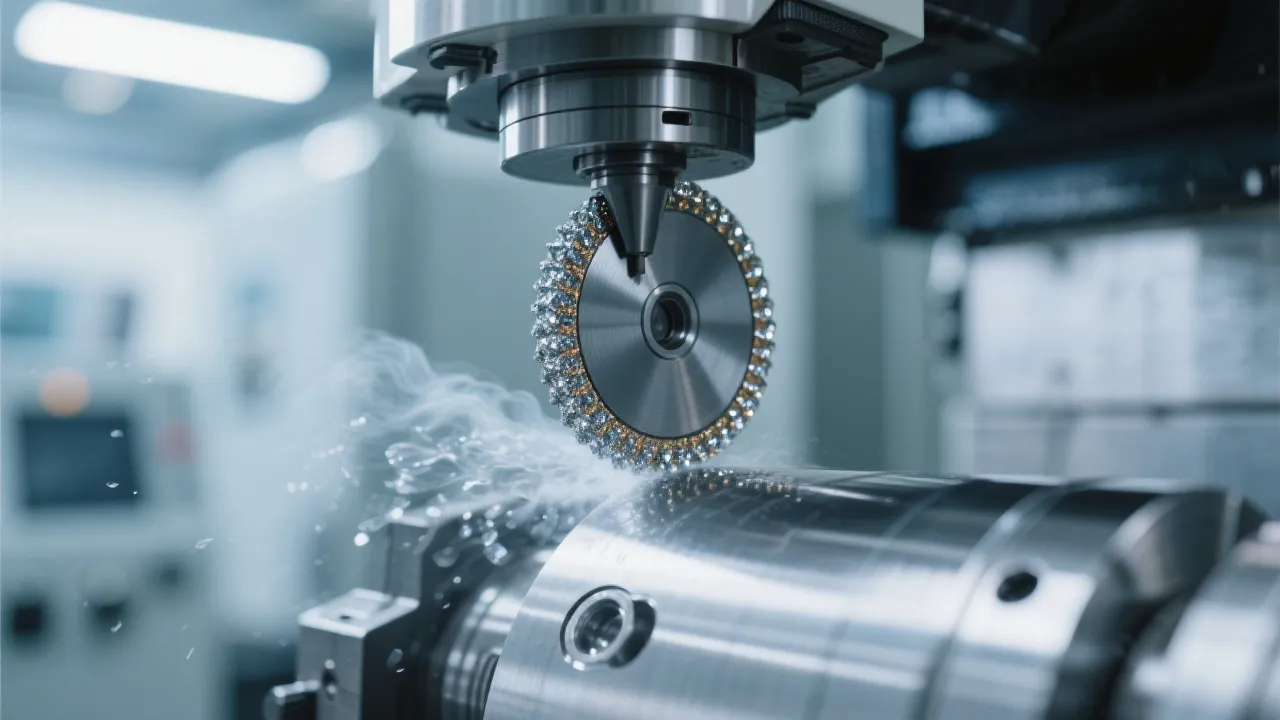
Vacuum Brazing Process Schematic of Diamond Grinding Wheel Manufacturing

Understanding Vacuum Brazed Diamond Grinding Wheels: Enhancing Durability in Gray Cast Iron Processing

When it comes to grinding gray cast iron, the short lifespan and low efficiency of conventional grinding wheels often translate to frequent downtime and rising operational costs. Enter vacuum brazed diamond grinding wheels—a revolutionary solution engineered for durability and precision. This article dives deep into the technical principles behind vacuum brazing, offers practical parameter guidelines, maintenance tips, and custom design insights—all tailored to help you maximize the longevity and performance of your grinding operations.

Technical Principles: Why Vacuum Brazing Elevates Bond Strength & Thermal Resistance

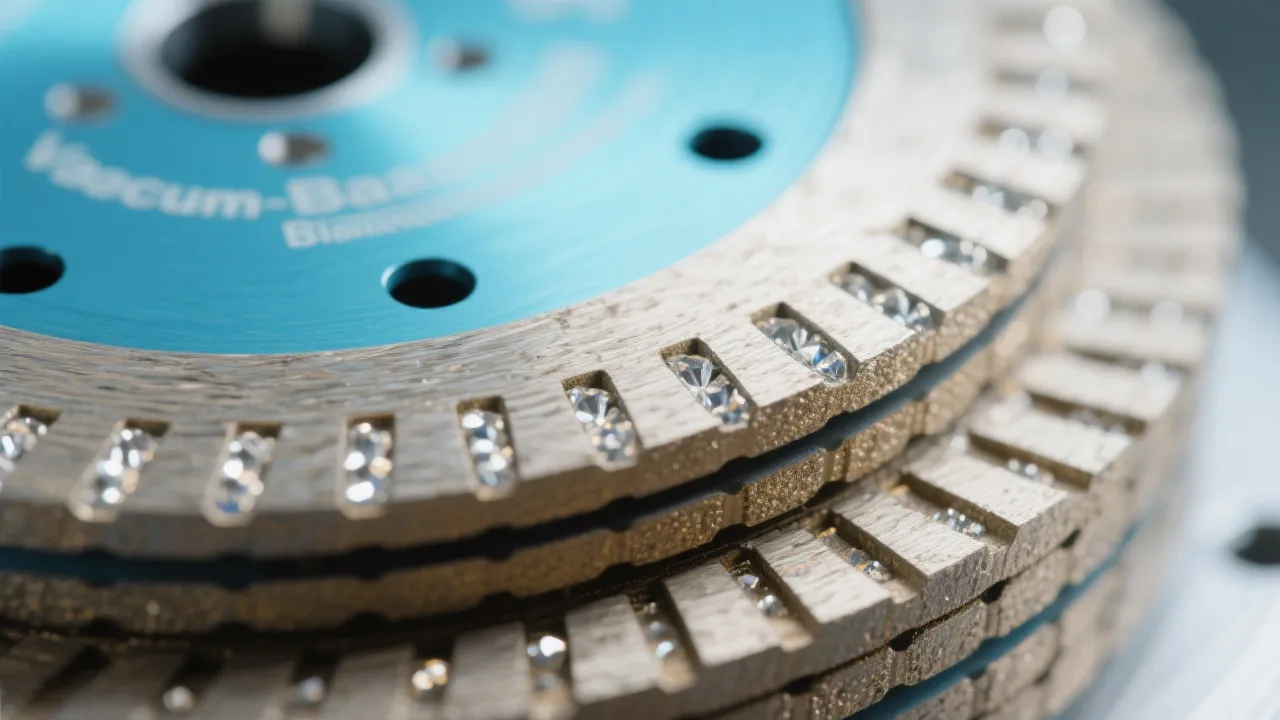
The core advantage of vacuum brazed diamond grinding wheels lies in the vacuum brazing process that fuses diamond particles directly to a metal matrix under high-vacuum and controlled temperature conditions. This ensures an exceptionally strong metallurgical bond, which is resistant to mechanical stresses and high temperatures commonly encountered in gray cast iron grinding. Unlike traditional resin or electroplated bonds prone to premature wear or thermal degradation, vacuum brazing maintains structural integrity under repeated, intense thermal cycling—dramatically reducing bond failure rates.

Expert View: "Vacuum brazing is a game-changer for abrasive tool manufacturing—a fusion of science and precision engineering that optimizes diamond retention and heat dispersion simultaneously." – Dr. Ellen Freeman, Materials Engineering Specialist

Optimizing Grinding Parameters for Prolonged Wheel Lifespan

Fine-tuning grinding parameters plays a vital role in harnessing the full potential of vacuum brazed wheels. Based on operational data, here are recommended settings to significantly enhance wheel life:

  • Grinding speed: Maintain speeds between 30-40 m/s to balance material removal rate and heat generation.
  • Feed rate: Moderate feed rates (0.01–0.05 mm/rev) help avoid excessive wheel loading and premature wear.
  • Coolant application: Use a high-pressure flood coolant system with thorough coverage to prevent thermal damage and reduce powdering.

Following these parameters typically results in extending wheel life by 50–70% compared to conventional grinding wheels in similar applications.

Maintenance Strategies: Preserving Sharpness and Stability

To keep your vacuum brazed diamond wheels performing at peak efficiency, regular maintenance is essential. Key practices include:

  • Periodic dressing: Use diamond dressers at scheduled intervals to restore cutting edge and surface finish quality.
  • Avoid dry grinding: Operating without adequate cooling can rapidly degrade bond strength and cause cracking.
  • Monitor wheel balance: Ensuring wheel concentricity reduces vibration-induced damage and uneven wear.

Customer Feedback: "Implementing these maintenance steps helped us maintain consistent grinding precision while reducing wheel changeover frequency by nearly half." – Industrial Grinding Manager

Custom Design Considerations for Complex Workpieces

Vacuum brazed wheels can be tailored to the unique geometry and material challenges of your gray cast iron parts. Critical customization factors include:

  • Wheel shape & profile: Designing for precise contour matching reduces over-grinding and scrap rates.
  • Bond composition adjustment: Optimizing matrix hardness for the specific cast iron grade enhances wear resistance without brittleness.
  • Diamond grit size and concentration: Selecting the right grit leads to ideal surface finishes and throughput.

These design optimizations contribute directly to minimizing production downtime and improving process stability.
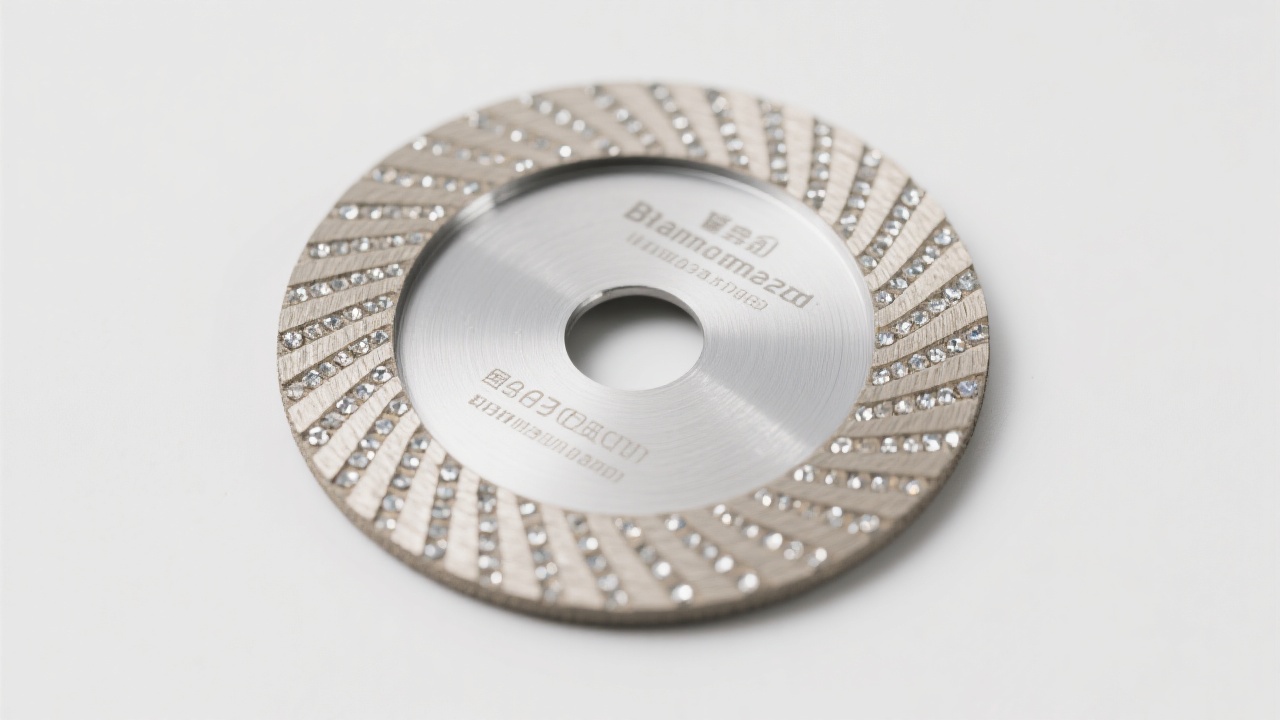
Vacuum Brazing Process Schematic of Diamond Grinding Wheel Manufacturing

Real-World Benefits: Case Study Highlights

One of our clients in the automotive sector transitioned to vacuum brazed diamond wheels for gray cast iron cylinder head machining. Key improvements were recorded within three months:
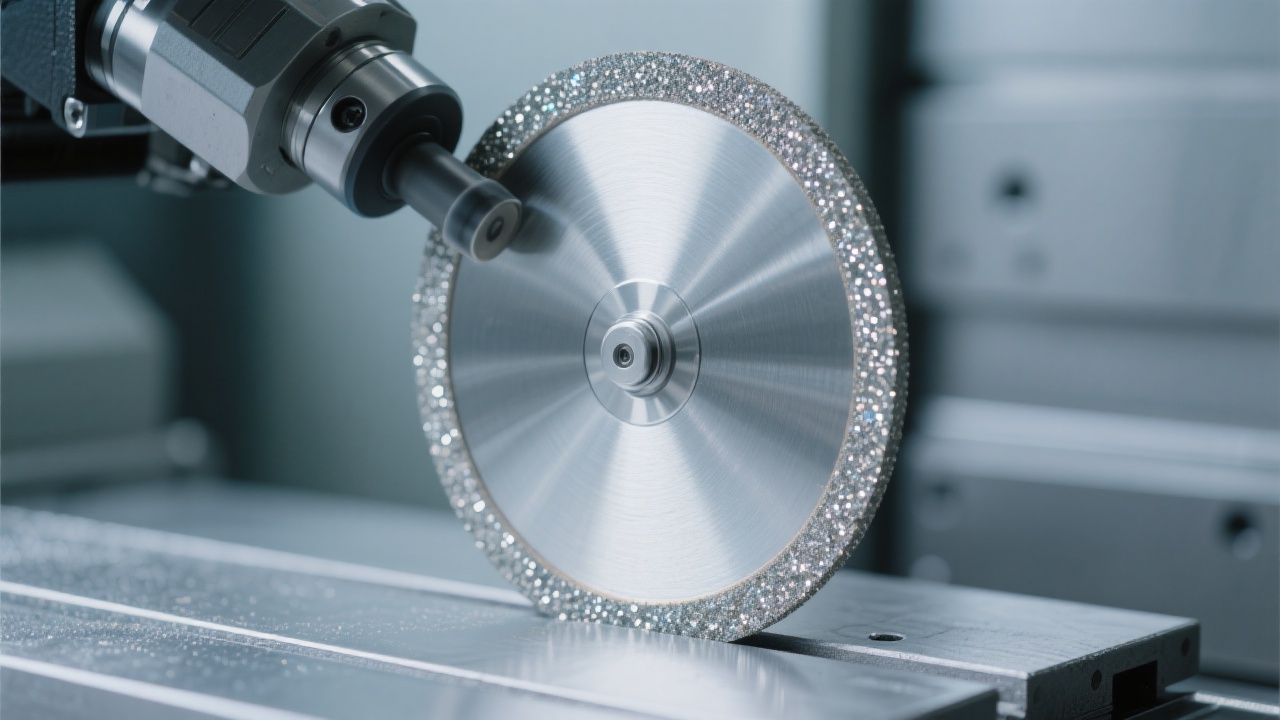
  • Wheel life extension: Over 60% increase in wheel service intervals, reducing tool replacement frequency from every 30 hours to 48+ hours.
  • Dust & debris reduction: Measurable 35% drop in particulate emissions due to improved grinding efficiency and coolant use.
  • Cost savings: Lower inventory holding and maintenance costs combined with higher throughput increased overall profitability.
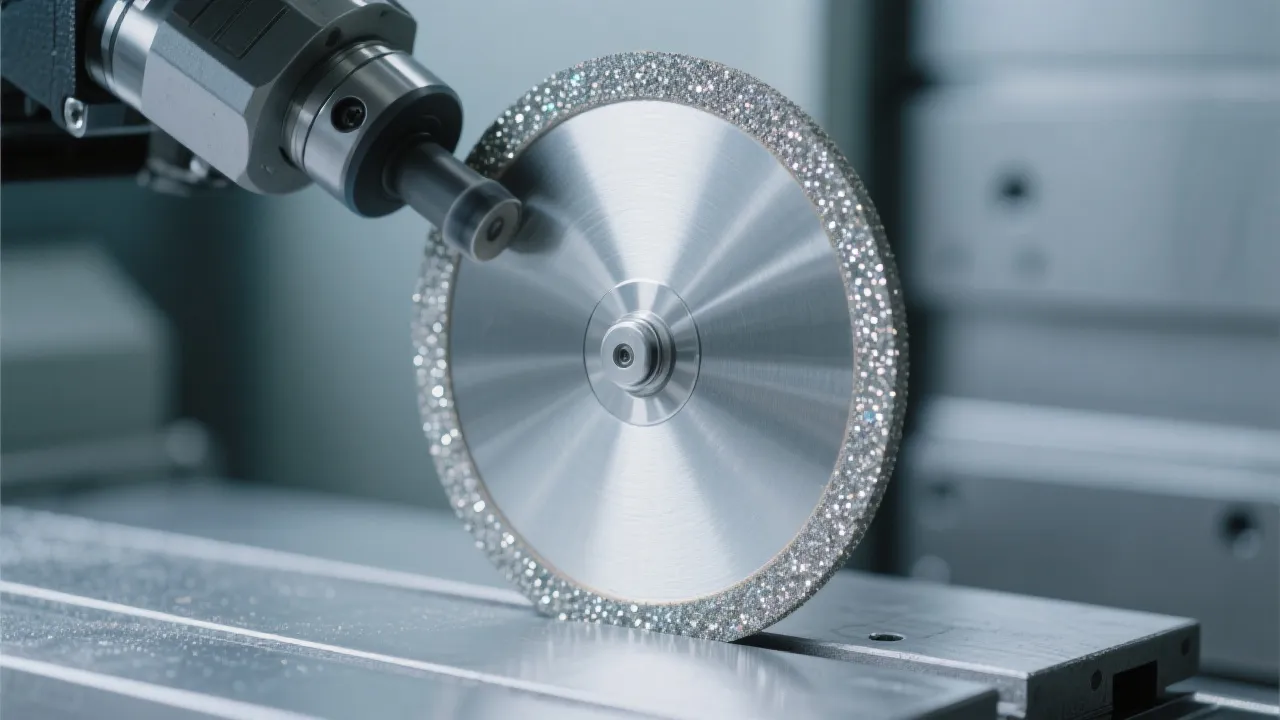
Performance Comparison Chart of Vacuum Brazed vs Traditional Diamond Grinding Wheels in Gray Cast Iron

Elevate Your Grinding Operations Today

Vacuum brazed diamond grinding wheels present an unmatched combination of strength, thermal resistance, and longevity designed for the toughest gray cast iron applications. By adopting this advanced technology, you unlock new levels of operational efficiency, cost control, and product quality.
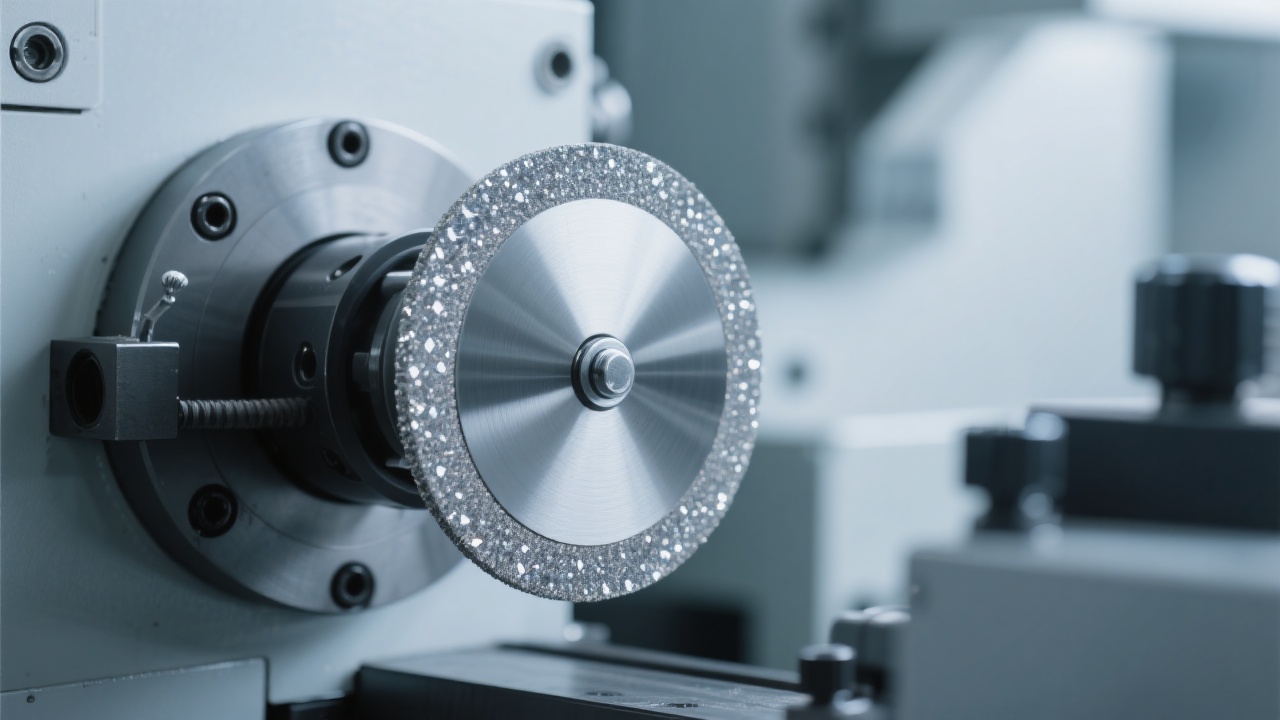
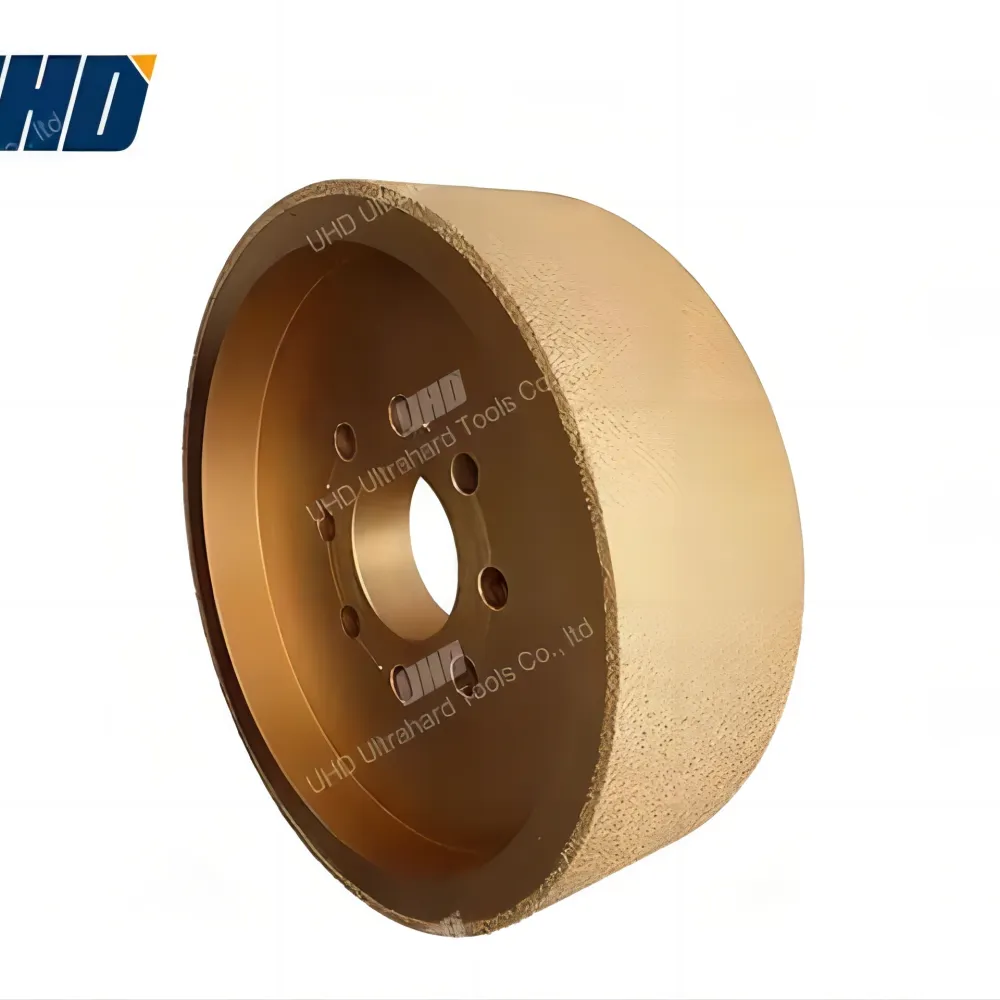
Custom Vacuum Brazed Diamond Grinding Wheel Configurations for Complex Gray Cast Iron Workpieces
Name *
Email *
Message*

Recommended Products

Popular articles
Recommended Reading

Related Reading

Contact us
Contact us
https://shmuker.oss-accelerate.aliyuncs.com/tmp/temporary/60ec5bd7f8d5a86c84ef79f2/60ec5bdcf8d5a86c84ef7a9a/thumb-prev.png