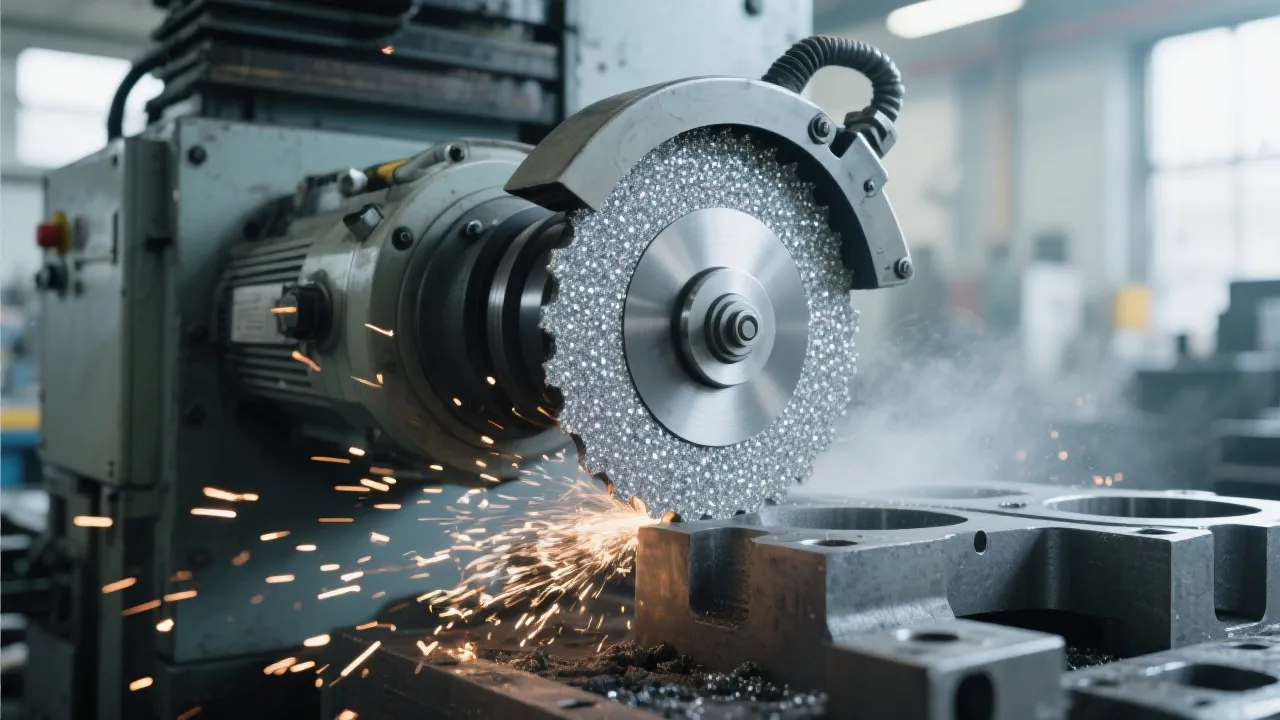
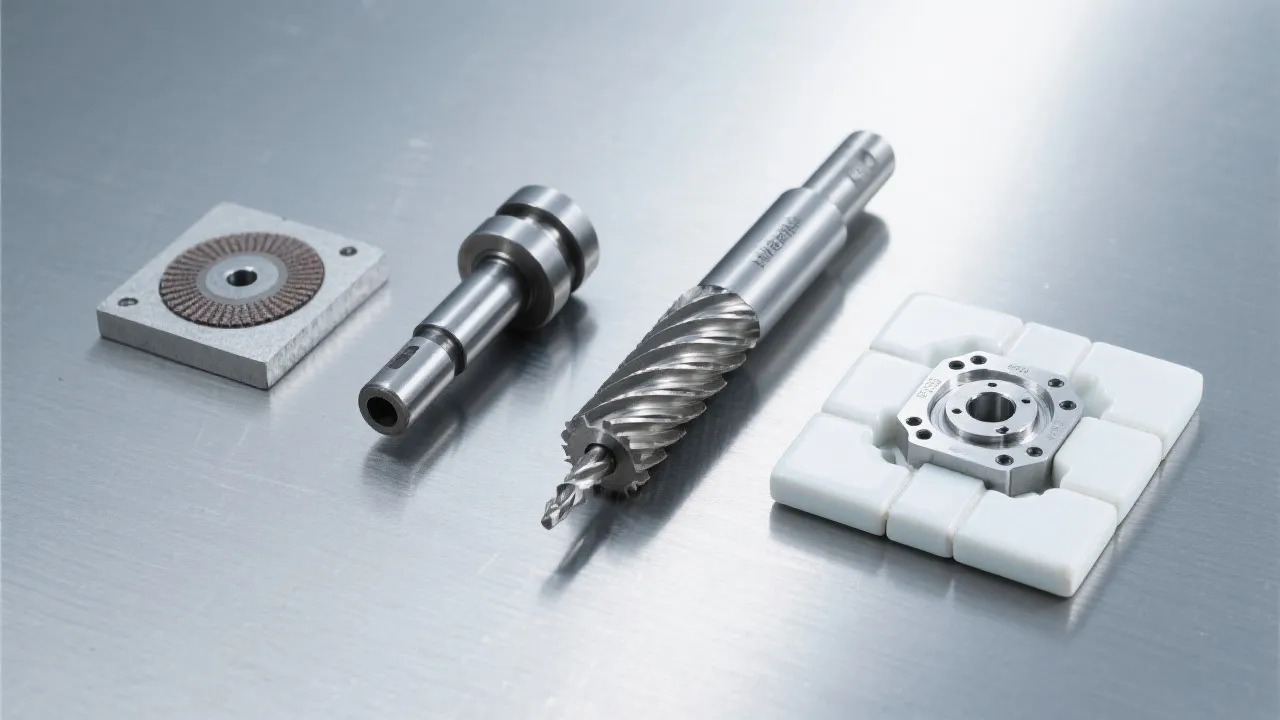
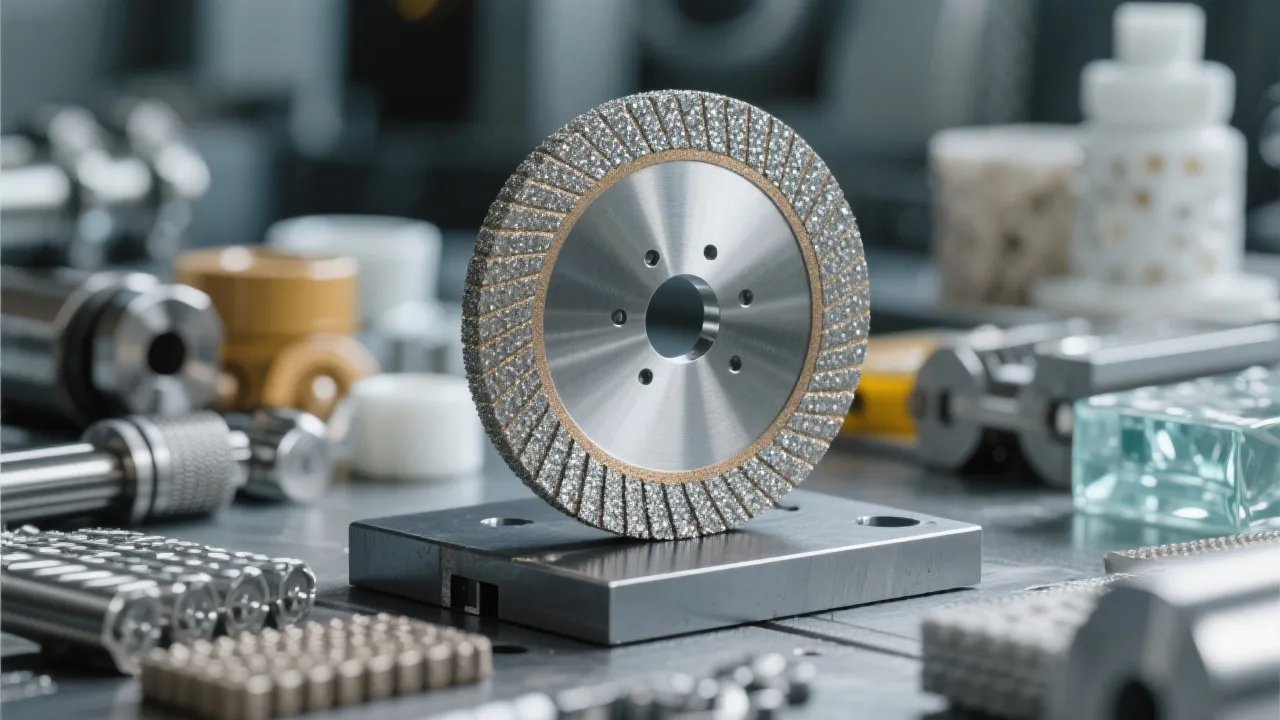
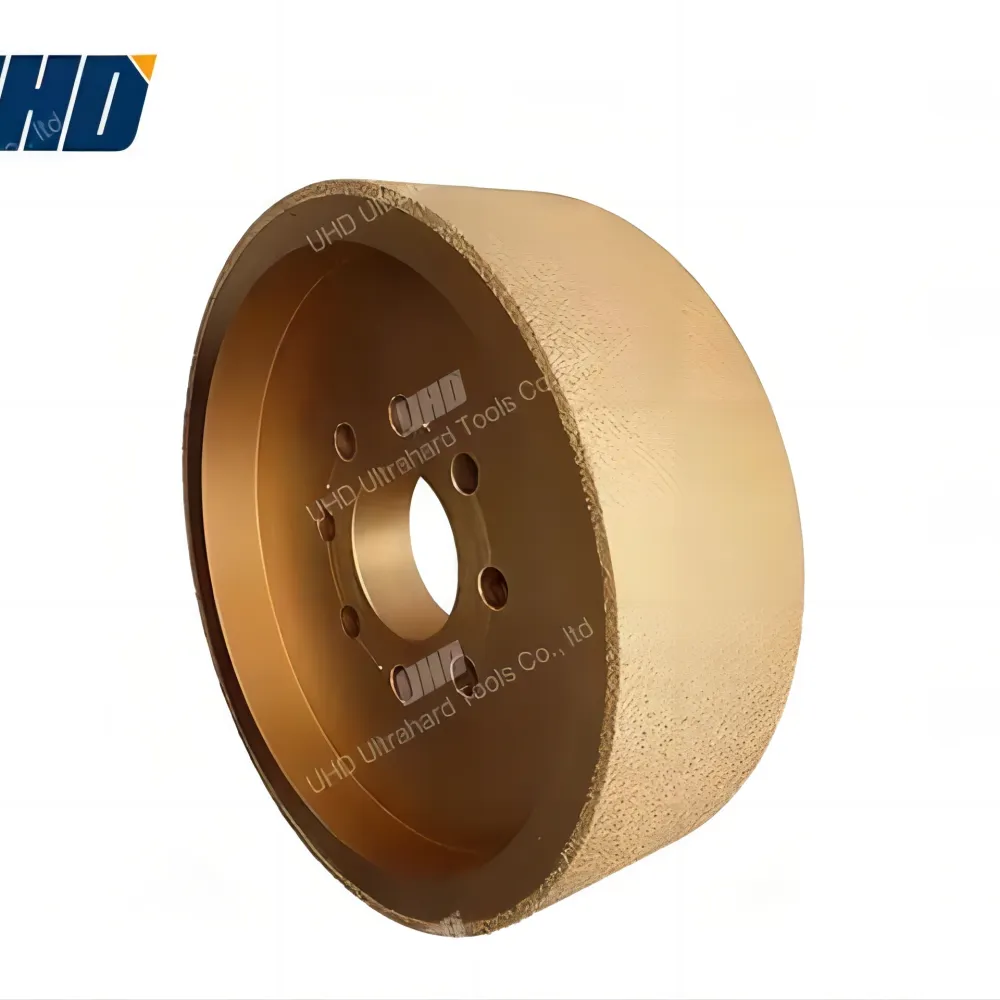
Vacuum brazed diamond tools are a key category of ultrahard tools designed for high-efficiency cutting and material removal. They are widely used where conventional abrasives struggle to balance speed, stability, and tool life—especially in metalworking and stone processing.
This page provides a practical, buyer-friendly overview of the definition, tool structure, working principle, and typical applications, helping industrial teams build a clear foundation for selection and specification. Brand context: UHD Ultrahard Tools Co., Ltd develops and supplies vacuum brazed diamond tool solutions within its ultrahard tooling portfolio.
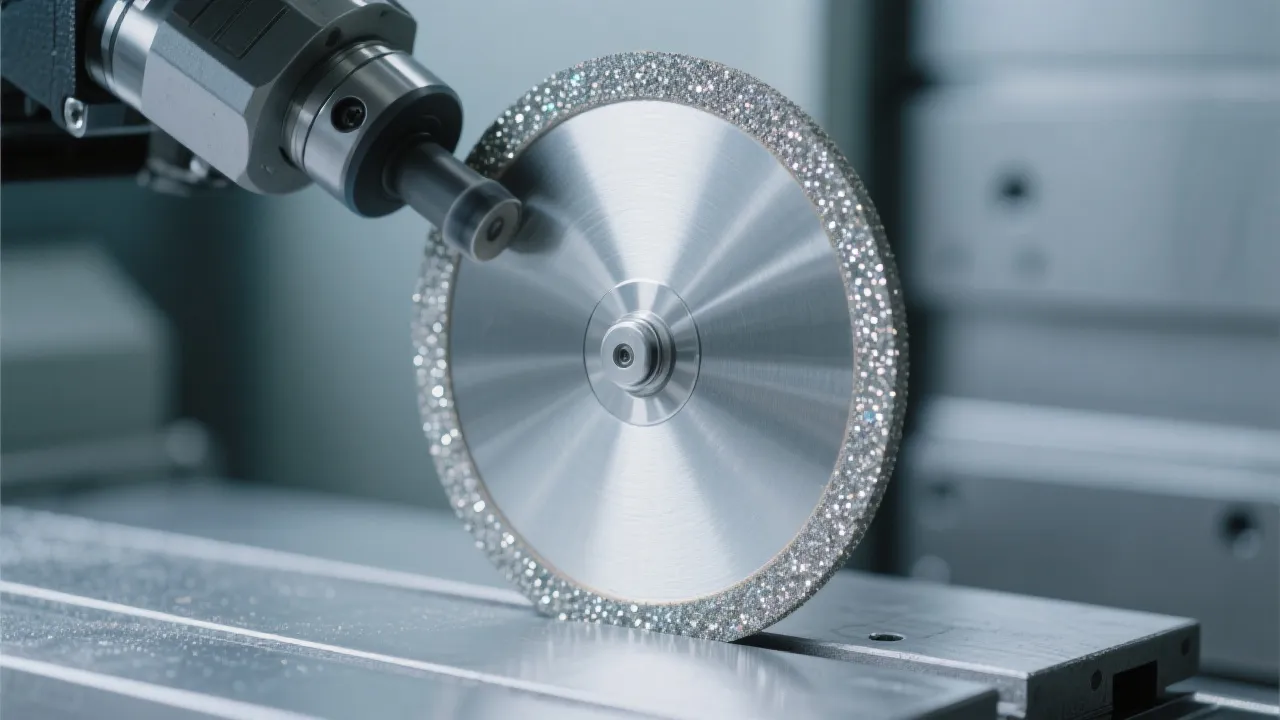
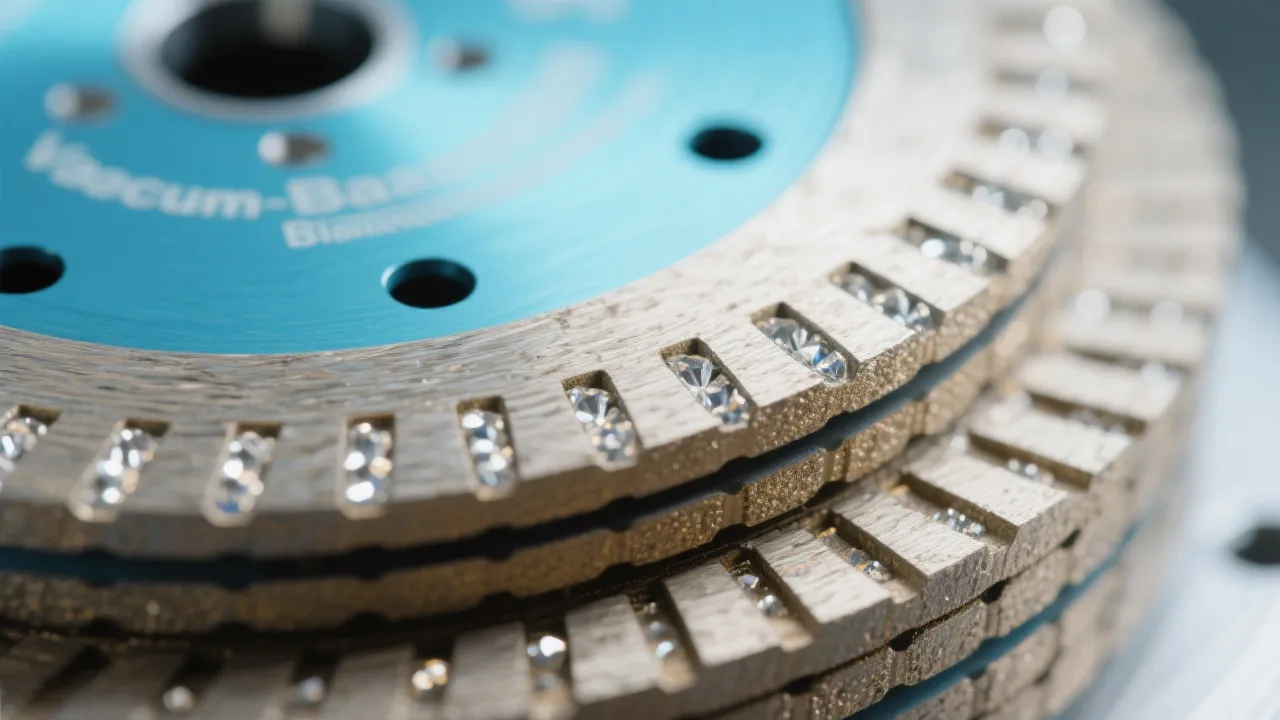
Vacuum brazed diamond tools are cutting or grinding tools in which diamond grits are bonded to a metal tool body using a brazing alloy under a controlled vacuum environment. The brazing process creates a strong metallurgical bond that holds the diamond particles firmly during high-load cutting and grinding.
In simple terms: vacuum brazing focuses on strong grit retention and effective grit exposure, enabling stable cutting action across demanding materials and conditions.
The cutting action comes from diamond grits acting as countless micro-cutting edges. Under load, each grit removes material by scratching, ploughing, and micro-fracturing the work surface (depending on the material). Vacuum brazing primarily contributes in two ways:
Practical takeaway for industrial selection: vacuum brazed diamond tools are often chosen when the application needs stable cutting performance and efficient material removal across challenging substrates—while maintaining controlled, repeatable results in production.
| Industry | Common operations | Why vacuum brazed diamond tools are considered |
|---|---|---|
| Metalworking | Cutting, grinding, deburring, edge shaping on hard or abrasive materials | Strong grit anchoring and consistent cutting engagement under demanding loads |
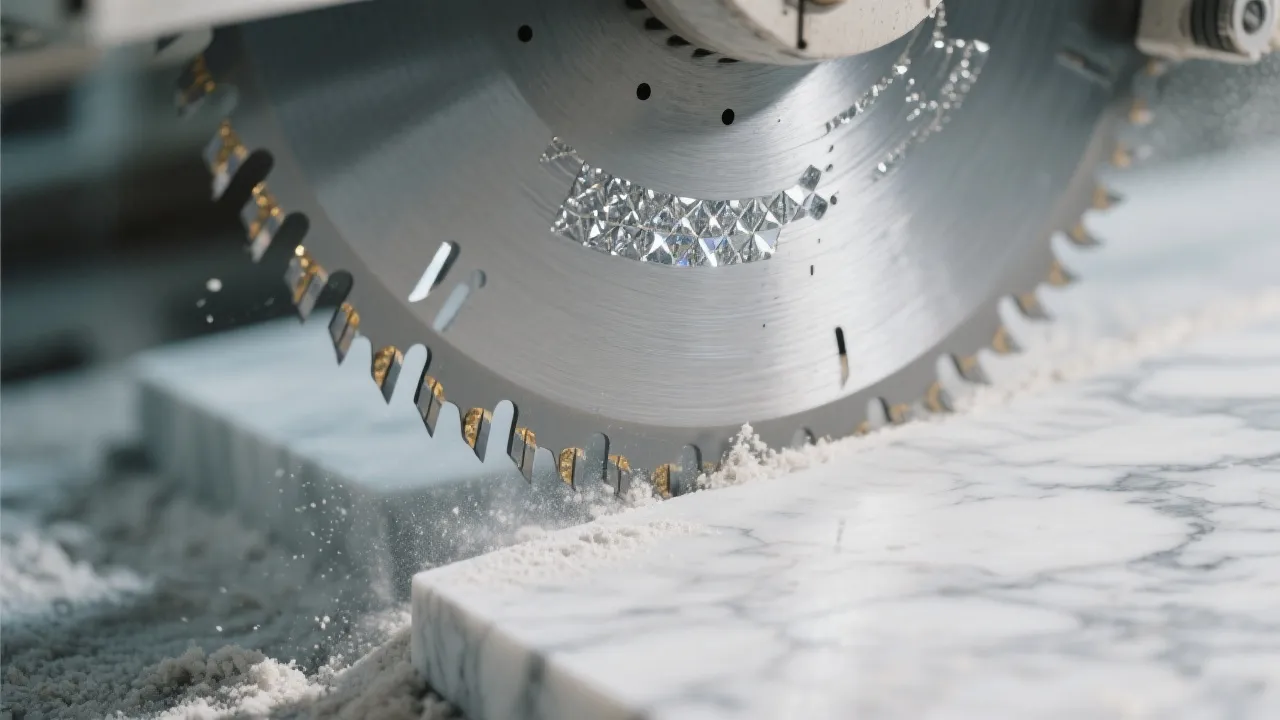
| Stone processing | Profiling, grinding, trimming, and surface preparation | Efficient material removal with stable performance on abrasive, brittle substrates |
| Mixed industrial workflows | Tooling for varied materials and changing job requirements | Versatile ultrahard tooling option where reliable cutting behavior is required |
Actual performance depends on the workpiece material, machine power, coolant/dry conditions, and the selected tool specification (grit size, geometry, and brazed layer design).
UHD Ultrahard Tools Co., Ltd focuses on R&D, manufacturing, and B2B supply of ultrahard tooling—covering diamond tools, abrasives, and custom vacuum brazed diamond abrasives. UHD also works with research partners such as Henan University of Technology to support ongoing tool development and application-oriented improvement.
By understanding the definition, structure, and working principle of vacuum brazed diamond tools, industrial buyers can create clearer selection criteria for high-efficiency cutting in metalworking and stone processing. UHD supports this decision process with an ultrahard tooling portfolio and B2B-oriented technical communication for specification alignment.
.png?x-oss-process=image/resize,h_1000,m_lfit/format,webp)