Vacuum Brazed Diamond Tools: Structure, Bonding Method, and Typical Applications
18 07,2026
UHD Ultrahard Tools Co., Ltd
Concept Explanation
This page from UHD Ultrahard Tools Co., Ltd explains what vacuum brazed diamond tools are, how the brazing bond works, typical tool structures, and where vacuum brazed diamond cutting abrasives fit in metalworking and stone processing compared with conventional diamond tools.

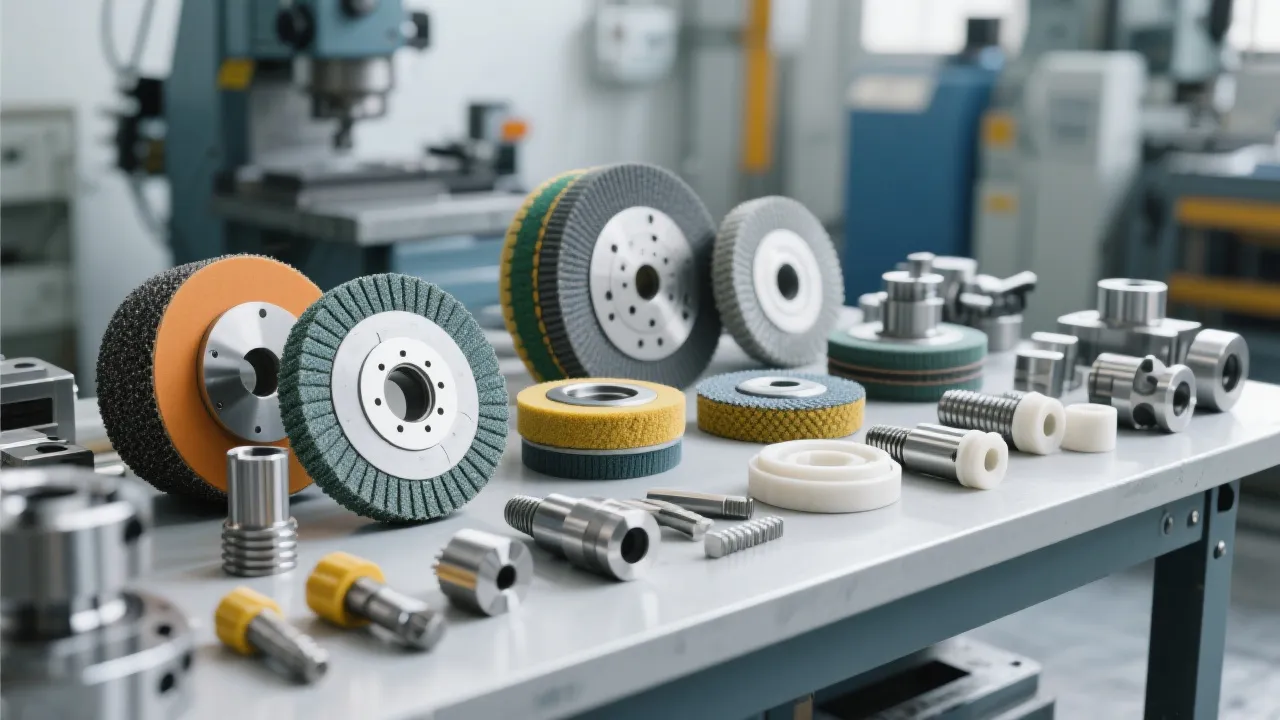
Vacuum brazed diamond tools are a key category of superhard tools used for industrial cutting and grinding where tool stability, grit retention, and application-fit design matter. On this page, UHD Ultrahard Tools Co., Ltd explains the structure, bonding method, and typical applications of vacuum brazed diamond cutting abrasives—especially for metalworking and stone processing.
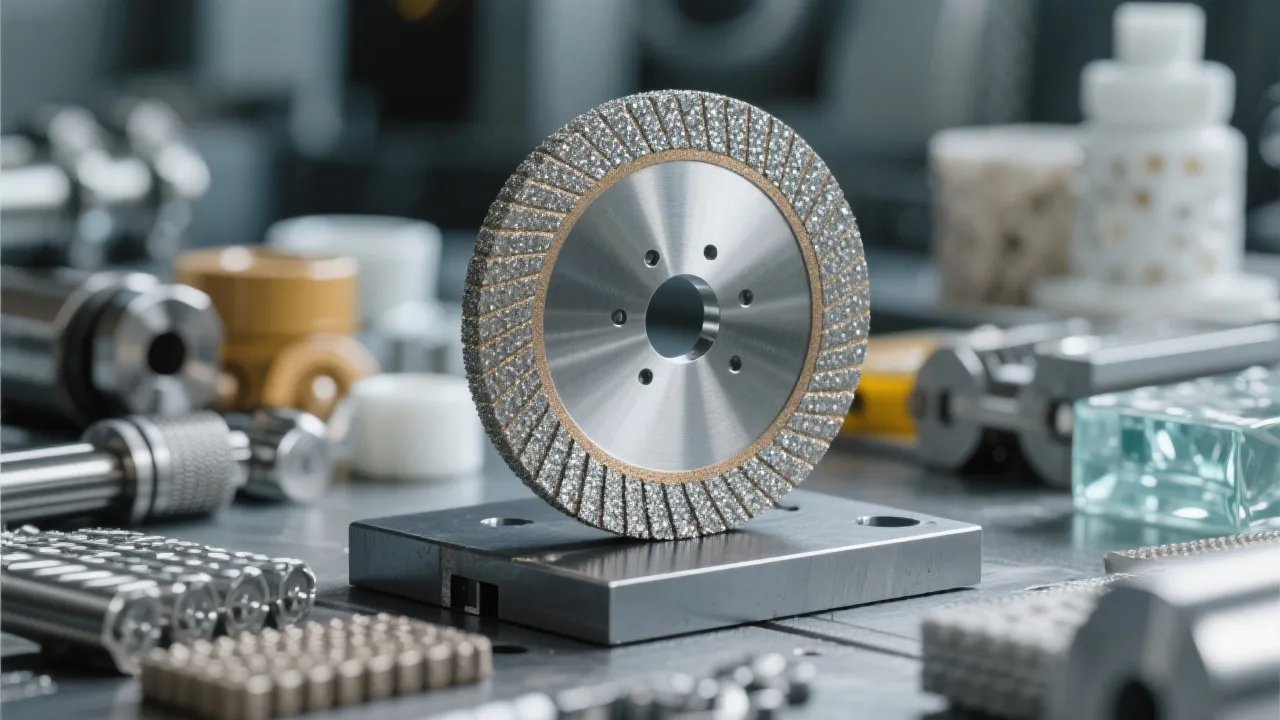
Quick definition: A vacuum brazed diamond tool is a tool where diamond grits are anchored to a substrate by a brazed alloy layer formed under vacuum, creating a metallurgical bond designed for high grit holding strength and process compatibility.
What Are Vacuum Brazed Diamond Tools?
A vacuum brazed diamond tool is built around three essentials: (1) a tool body/substrate, (2) diamond abrasive grits, and (3) a brazing alloy that bonds the grits to the substrate. Unlike resin-bond or metal-bond sintered tools that embed grits in a matrix, vacuum brazing focuses on direct anchoring of diamond grits through a brazed bond layer.
For industrial users, this bonding approach is typically considered when the process calls for reliable grit retention and consistent cutting/grinding behavior across specific workpiece materials and operating conditions.
Bonding Method & Working Principle (Vacuum Brazing)
How the brazed bond works
- Under vacuum, oxidation is reduced, helping the brazing alloy wet and bond effectively.
- The brazing alloy forms a metallurgical joint between the substrate and diamond grits.
- Diamond grits act as the primary cutting points; the brazed layer’s role is to hold and support them under load.
Why the vacuum process matters
- Helps create a cleaner bonding environment for consistent brazing results.
- Supports stable bonding behavior across production batches when parameters are controlled.
- Improves suitability for designs where grit retention is a key performance consideration.
In practical terms, the “working principle” of vacuum brazed diamond cutting abrasives is straightforward: diamond grits do the cutting, while the brazed bond ensures they stay anchored during cutting or grinding operations.
Typical Tool Structures
Vacuum brazed diamond tools can be engineered into multiple tool geometries depending on the application. While specific designs vary by process and machine setup, typical structures share common elements: a rigid base body, a brazed abrasive layer, and a grit arrangement designed for the target cutting/grinding mode.
| Structure element |
What it does |
Design notes (application-fit) |
| Tool body / substrate |
Provides rigidity, mounting interface, and load transfer. |
Material and geometry should match machine speed, stiffness, and thermal conditions. |
| Brazed alloy layer |
Anchors grits to the substrate via brazing. |
Bond integrity and coverage influence grit holding and operational stability. |
| Diamond grits (abrasive layer) |
Primary cutting points for material removal. |
Grit size and distribution should align with the required surface finish and removal rate. |
| Tool form factor |
Determines contact mode: edge cutting, surface grinding, profiling, etc. |
Chosen based on workpiece geometry (flat, curved, hole/slot), accessibility, and coolant/dust control. |
Where Vacuum Brazed Diamond Cutting Abrasives Are Used
Vacuum brazed diamond tools are commonly evaluated for processes that demand application-specific tool design and stable abrasive engagement. At UHD, vacuum brazed diamond cutting abrasives are positioned for industrial scenarios including:
Metalworking
- Cutting or grinding tasks where consistent abrasive retention is important.
- Operations requiring tool designs matched to fixtures, profiles, and machine parameters.
- Use cases where superhard tools are selected to address demanding materials or production needs.
Stone processing
- Cutting, shaping, and grinding processes where stable tool engagement is required.
- Application-specific designs for edges, contours, and surface finishing stages.
- Scenarios where consistent performance matters for both productivity and process control.
Selection reminder: Tool suitability depends on workpiece material, machine speed/power, dry vs. wet processing, target finish, and safety constraints. UHD supports application matching so the tool structure and grit specification align with real operating conditions.
How They Differ from Conventional Diamond Tools
Vacuum brazed diamond tools differ primarily in how diamond grits are retained and how that retention interacts with process conditions. The comparison below is provided as a structural and mechanism-level reference (final performance depends on specification and application).
| Aspect |
Vacuum brazed diamond tools |
Conventional diamond tools (general) |
| Grit retention mechanism |
Brazed alloy layer forms a metallurgical bond holding the grit. |
Often relies on embedding grits in resin/metal matrix depending on bond type. |
| Process compatibility focus |
Designed around bond strength and application-fit geometry. |
Designed around matrix wear behavior and grit exposure control. |
| Typical selection driver |
When stable grit anchoring and tailored tool design are priorities. |
When matrix wear rate and self-sharpening behavior are primary considerations. |
UHD Capabilities for Industrial Buyers (B2B)
UHD Ultrahard Tools Co., Ltd is a high-tech enterprise focused on R&D, manufacturing, and sales of superhard tools, including vacuum brazed diamond cutting abrasives. Guided by a quality-first approach, UHD supports industrial customers with product positioning aligned to specific process requirements.
- R&D collaboration: cooperation with universities such as Henan University of Technology to support ongoing development of superhard tooling.
- Application-oriented development: tool structures and abrasive specifications can be matched to metalworking and stone processing needs.
- Export-ready service: established B2B foreign trade service system supporting communication with global buyers via major trade platforms.
Information to Prepare for Tool Matching
To help UHD recommend an appropriate vacuum brazed diamond tool structure and grit specification, it is useful to share:
- Workpiece material and hardness (metal type / stone type).
- Operation type (cutting, grinding, profiling) and target finish.
- Machine parameters (spindle speed, power, tool mounting).
- Processing conditions (dry/wet, coolant, dust control constraints).
- Tool dimensions or drawing, and expected production rhythm.
UHD’s positioning is “Quality builds the brand”. For vacuum brazed diamond cutting abrasives, that means focusing on clear tool definition, stable bonding logic, and application-specific design—so the selected tool fits your process rather than forcing the process to fit the tool.


.png?x-oss-process=image/resize,h_1000,m_lfit/format,webp)