Case Breakdown: Using Vacuum Brazed Diamond Tools to Improve Cutting Stability in Metalworking
06 07,2026
UHD Ultrahard Tools Co., Ltd
Case Breakdown
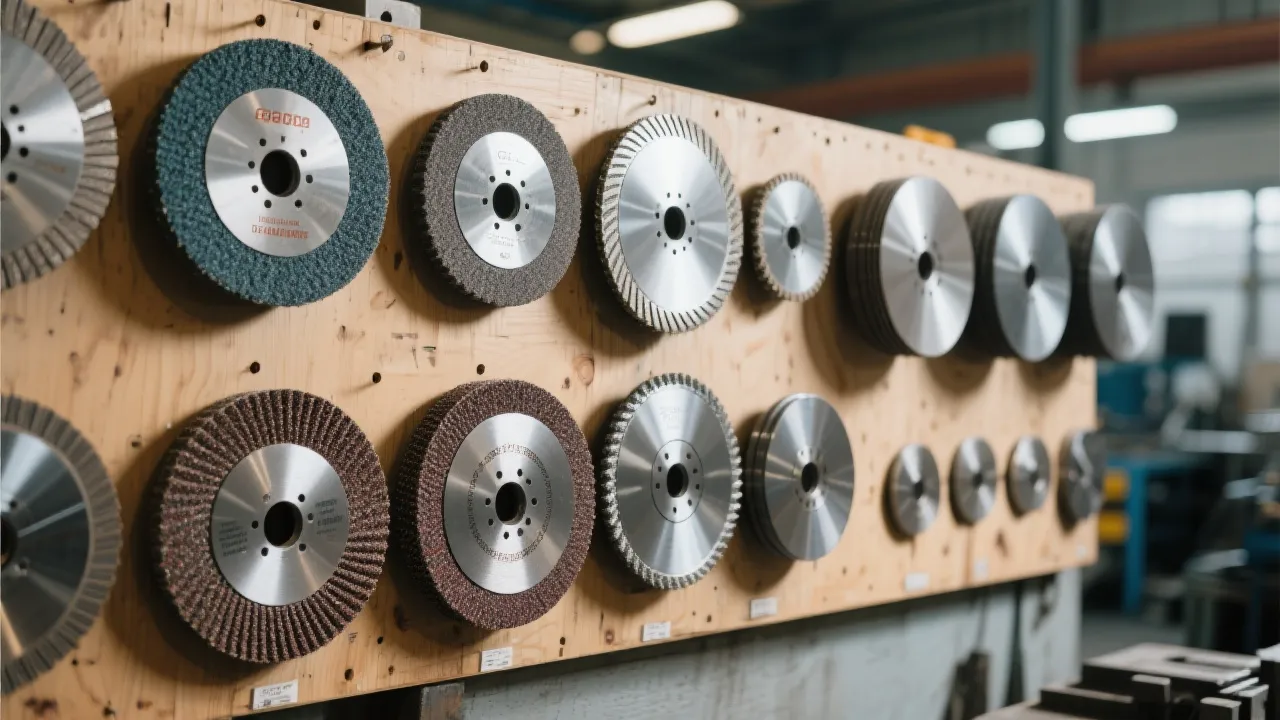
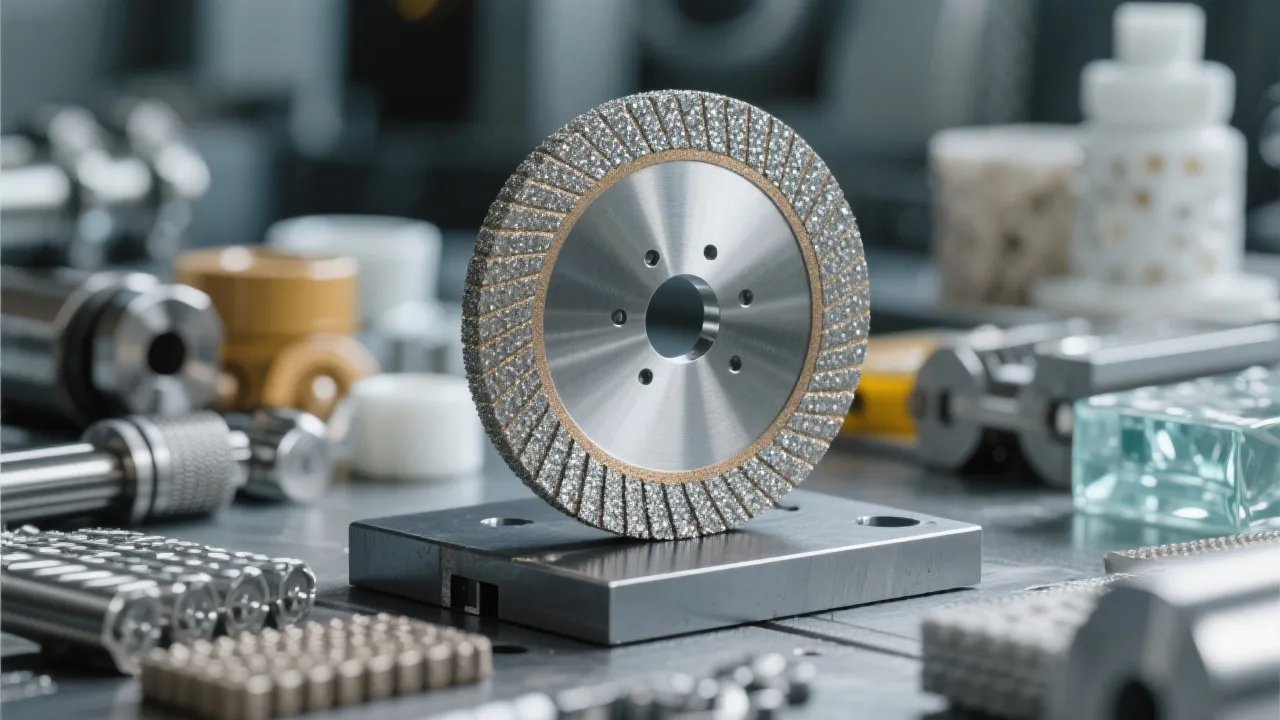
Explore how vacuum brazed diamond tools are applied in typical metalworking scenarios to improve cutting stability, process fit, and tool wear control, and see how UHD Ultrahard Tools Co., Ltd supports buyers with solution matching and technical service.

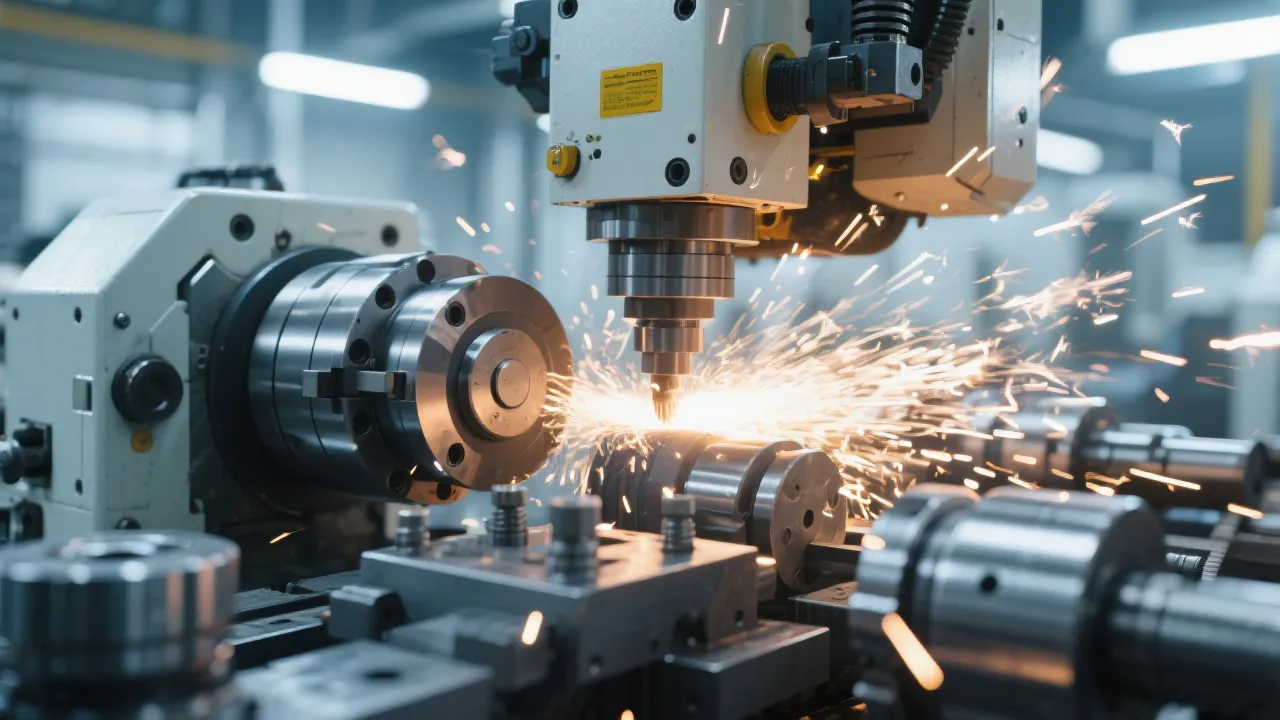
Stable cutting in metalworking is often decided by how well the tool configuration matches real shop-floor conditions—material behavior, heat generation, chip evacuation, vibration, and the chosen machine parameters. This page provides a case breakdown of how vacuum brazed diamond tools are evaluated and applied to improve cutting stability, strengthen process compatibility, and support more predictable wear/loss control.
For: B2B buyers, process engineers, and production teams selecting diamond tools for metal processing where stable cutting and controllable consumption matter.
Supported by: UHD Ultrahard Tools Co., Ltd (UHD) — R&D and manufacturing focused on ultrahard tooling, with solution matching and technical service for industrial applications.
Why vacuum brazed diamond tools are considered for metalworking stability
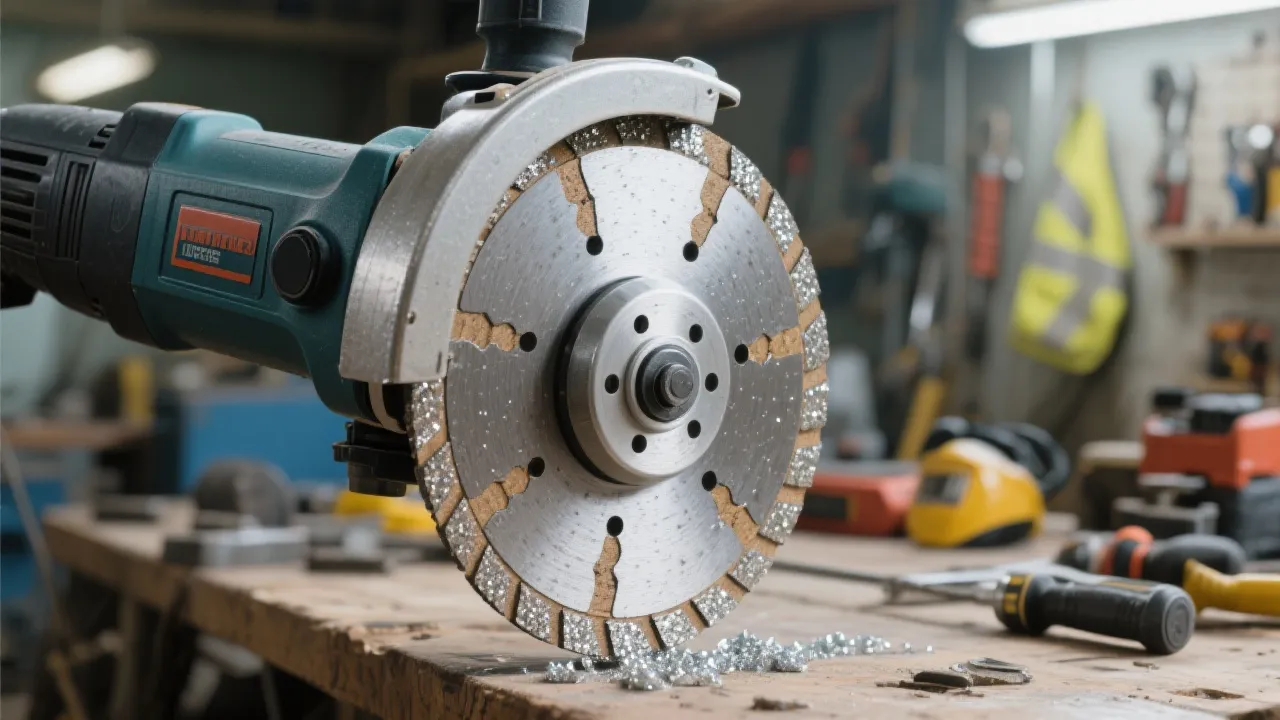
Vacuum brazing is used to join diamond abrasive to the tool body under controlled conditions. In metalworking selection, the practical question is not “diamond vs. non-diamond,” but whether the tool can maintain consistent engagement while limiting instability sources such as vibration, glazing/loading, uneven wear, and local overheating.
- Process-fit first: tool geometry and abrasive arrangement must match the operation (cutting/grinding route, contact area, and required surface outcome).
- Stability = controllable variables: stable cutting improves when the tool, machine, and parameters reduce “unknowns” in heat, chip flow, and tool-workpiece interaction.
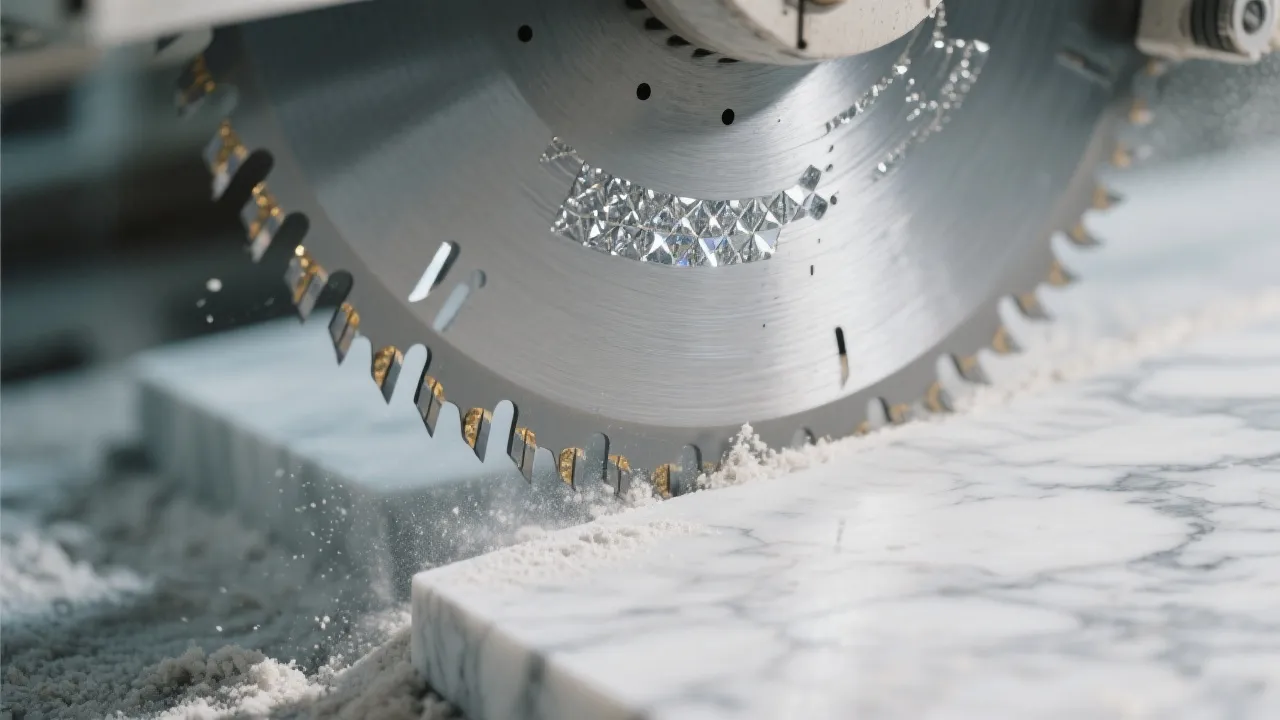
- Wear/loss is measurable: consumption typically shows up as abrasive pull-out, edge rounding, clogging/loading, or bond fatigue—each with different root causes and remedies.
Case breakdown: typical metalworking scenario and what impacts stability
1) Shop-floor conditions to map before tool selection
- Workpiece: alloy type and condition (hardness range, ductility, scale/oxide, inclusions).
- Operation: cutting/grinding path, contact length, and required edge quality or surface finish.
- Machine: spindle power, stiffness, runout, and fixturing rigidity.
- Cooling & lubrication: dry vs. wet, coolant access to contact zone, and chip evacuation.
- Parameters: speed/feed/depth strategy and whether the process is prone to resonance.
2) Common instability symptoms and what they usually indicate
- Chatter / vibration marks: stiffness mismatch, runout, or overly aggressive engagement.
- Sudden temperature rise / discoloration: insufficient cooling to the contact zone, excessive speed, or extended rubbing.
- Loading / clogging: chip adhesion and poor evacuation; can also point to parameter mismatch.
- Fast edge rounding: high thermal-mechanical stress or abrasive/bond not aligned with the operation.
Evaluating process compatibility (a practical checklist)
In UHD’s tool-matching discussions, process compatibility is evaluated by confirming the operation window where the tool stays stable and wear remains predictable. The goal is to avoid “trial-and-error consumption” by validating constraints early.
| Evaluation item |
What to confirm on site |
Why it matters for cutting stability |
| Operation goal |
Material removal vs. edge quality vs. surface finish priority |
Defines acceptable engagement, heat, and contact mode |
| Machine constraints |
Power, spindle speed range, rigidity, runout level |
Limits stable operating window and affects vibration risk |
| Cooling & chip flow |
Coolant type/delivery, access to contact zone, chip evacuation path |
Directly impacts heat control and loading/glazing behavior |
| Parameter strategy |
Speed/feed/depth, ramping approach, pass plan |
Prevents unstable contact and reduces sudden wear/loss |
| Tool form factor |
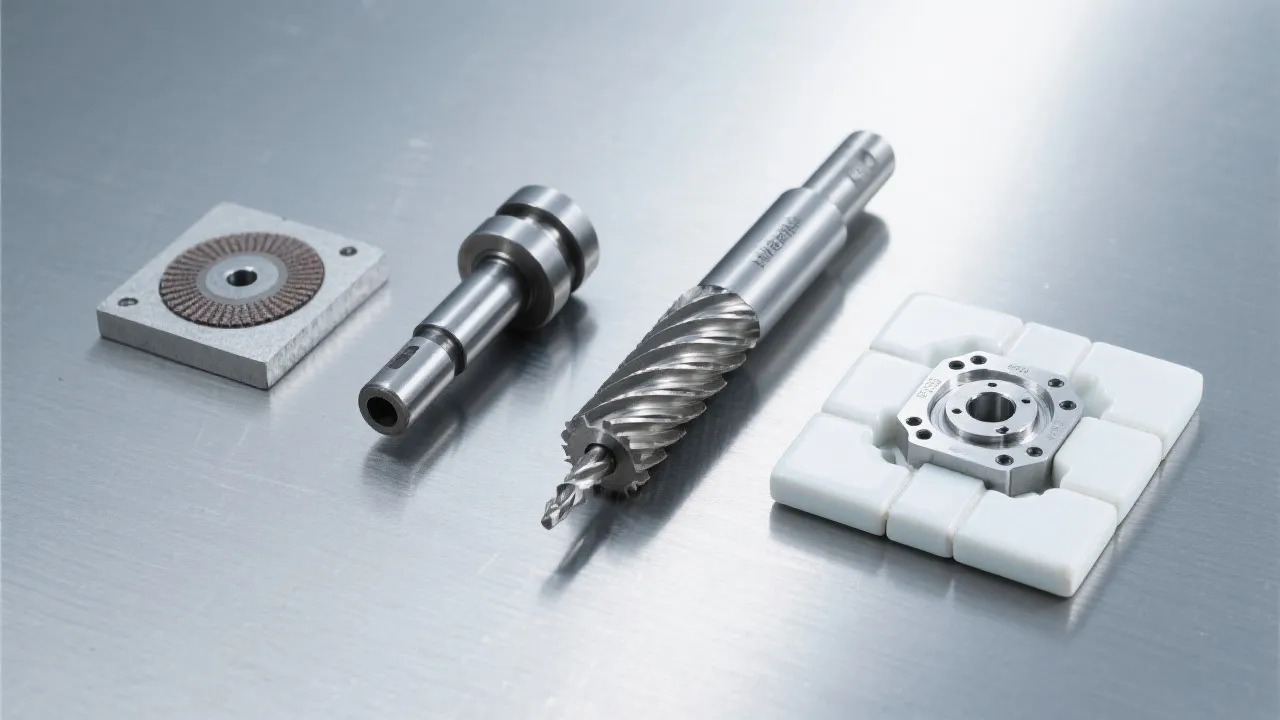
Diameter/shape, abrasive layout, intended contact area |
Controls engagement consistency and influences vibration sensitivity |
Where wear and loss typically occur (and how to diagnose)
Wear/loss control becomes more effective when the team can distinguish normal wear from process-induced loss. For vacuum brazed diamond tools in metalworking, the following patterns are commonly checked during inspection and feedback loops.
Wear pattern → likely driver → improvement direction
- Abrasive pull-out / sudden shedding → overload, shock, or unsuitable engagement → stabilize fixturing, adjust pass plan, verify tool form factor for contact mode.
- Loading/clogging (chips sticking) → chip evacuation or coolant delivery issues → improve coolant access/flow, optimize parameters to reduce rubbing, check chip path.
- Glazing / reduced cutting action → insufficient chip formation or inappropriate operating window → tune speed/feed balance and contact pressure; confirm operation goal vs. tool design.
- Thermal damage signs → heat concentration at contact zone → evaluate coolant method, reduce continuous contact time, and reassess parameter strategy.
Practical note: Stable cutting is often improved more by aligning tool-workpiece contact conditions than by pushing aggressive parameters. A controlled operating window usually yields more predictable wear.
How UHD supports B2B buyers: tool matching + technical service
UHD Ultrahard Tools Co., Ltd develops and supplies ultrahard tooling solutions for industrial customers. In vacuum brazed diamond tool applications for metalworking, UHD’s support focuses on aligning the tool configuration to the actual process requirements and reducing unnecessary consumption through clearer selection logic and feedback-based adjustment.
Solution matching (selection logic)
- Confirm operation type and stability targets (finish, consistency, controllable wear).
- Map constraints: machine rigidity, runout risk, coolant availability, chip removal path.
- Recommend suitable tool form factors for the contact mode and process route.
Technical service (use-phase guidance)
- Parameter alignment guidance based on the intended operating window.
- Wear pattern feedback collection to identify loss mechanisms.
- Support for iterative optimization when conditions change (material batch, fixture, coolant method).
About UHD: UHD is a China-based high-tech enterprise specializing in the R&D, production, and sales of ultrahard tools, including diamond tools and customized vacuum brazed diamond abrasives, serving industrial B2B markets with a quality-focused approach.
Information to prepare for faster tool selection
To evaluate vacuum brazed diamond tools for your metalworking line with higher confidence, prepare the following details for a more accurate process-fit review:
- Workpiece material type and condition (hardness range if available).
- Operation description (cut type, contact area, target finish/edge quality).
- Machine and fixture details (spindle speed range, rigidity concerns, runout history).
- Cooling method and chip evacuation constraints.
- Current tool issues (symptoms, photos of wear if possible, and parameter set used).
With these inputs, UHD can better align tool configuration and provide technical guidance aimed at improving cutting stability and reducing avoidable wear/loss during metalworking.

.png?x-oss-process=image/resize,h_1000,m_lfit/format,webp)

.png?x-oss-process=image/resize,h_1000,m_lfit/format,webp)