In high-intensity cutting, diamond tools are pushed to their limits: high contact pressure, frequent thermal cycles, and aggressive material removal can quickly expose weaknesses in grit retention and bond stability. UHD Ultrahard Tools Co., Ltd focuses on superhard tooling solutions for industrial buyers, and this page explains—clearly and technically—why vacuum brazed diamond tools are a strong fit for demanding cutting conditions, and what performance advantages you can reasonably expect from the technology.
What you’ll learn
For industrial buyers
If you source diamond tools for metalworking, stone processing, or other heavy-duty operations, understanding bonding technology helps you balance cutting efficiency, stability, and lifecycle cost—without relying on vague claims.
Vacuum brazing is a joining process performed in a controlled vacuum environment where a brazing filler metal melts and creates a metallurgical bond between the tool body (often steel) and the diamond grits. Compared with bonding approaches that rely primarily on mechanical holding, vacuum brazing aims to form a more stable connection at the interface.
Key idea: By brazing in vacuum, oxidation is reduced and the wetting/spreading behavior of the filler metal can be more controlled—supporting consistent bonding quality for diamond grit retention.
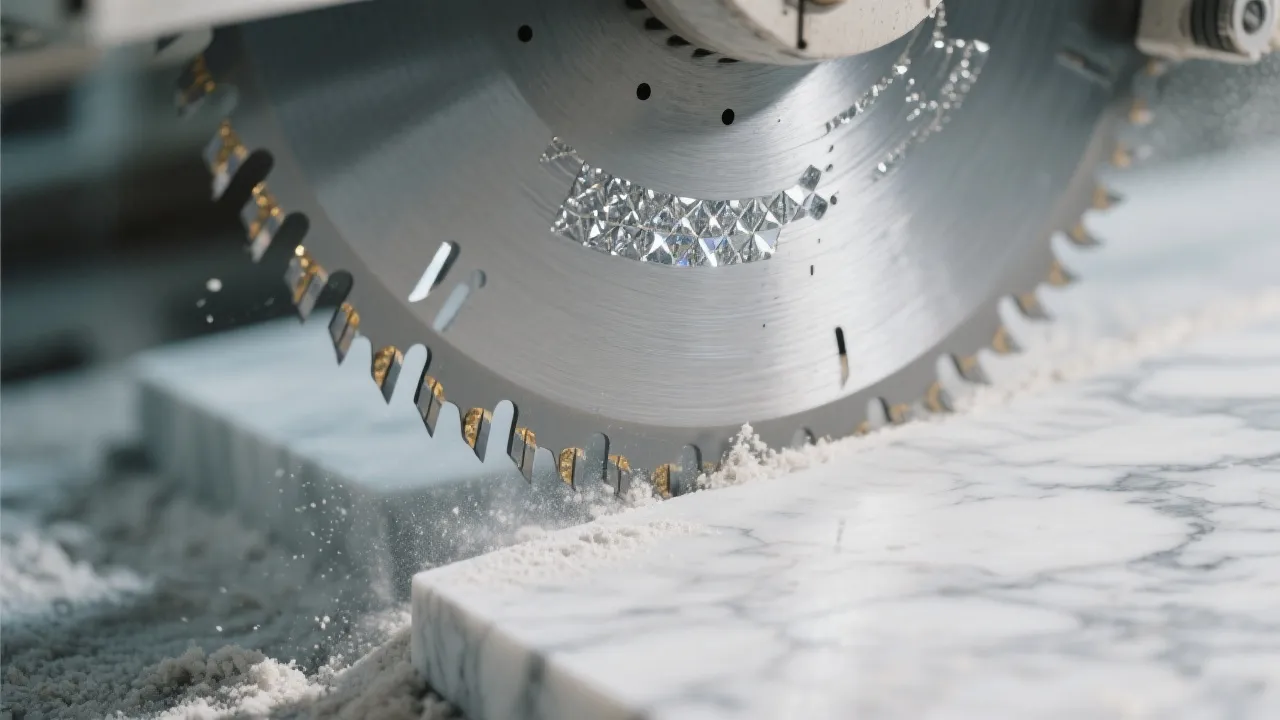
High-intensity cutting increases the risk of diamond pull-out and premature loss of cutting points. Vacuum brazing is designed to create a robust bond between diamond grits and the substrate, improving retention stability so the tool can maintain usable cutting edges longer under demanding conditions.
In many cutting operations, sharpness is less about “initial aggressiveness” and more about how consistently new cutting points remain available. With effective brazed grit anchoring, diamond particles can better withstand cutting forces, helping the tool maintain efficient material removal during high-intensity cutting cycles.
High-intensity cutting often means elevated temperatures and repeated thermal shock. Vacuum brazing supports a controlled metallurgical joint, which can enhance bond strength and reduce failure risks caused by interface weakening—supporting more stable performance in heat-affected cutting scenarios.
Tool life depends on application variables (material, coolant, feed rate, machine rigidity, operator practice). Vacuum brazed diamond tools are frequently selected when buyers need more consistent lifecycle behavior under challenging loads—because grit retention and bond stability are central drivers of wear progression.
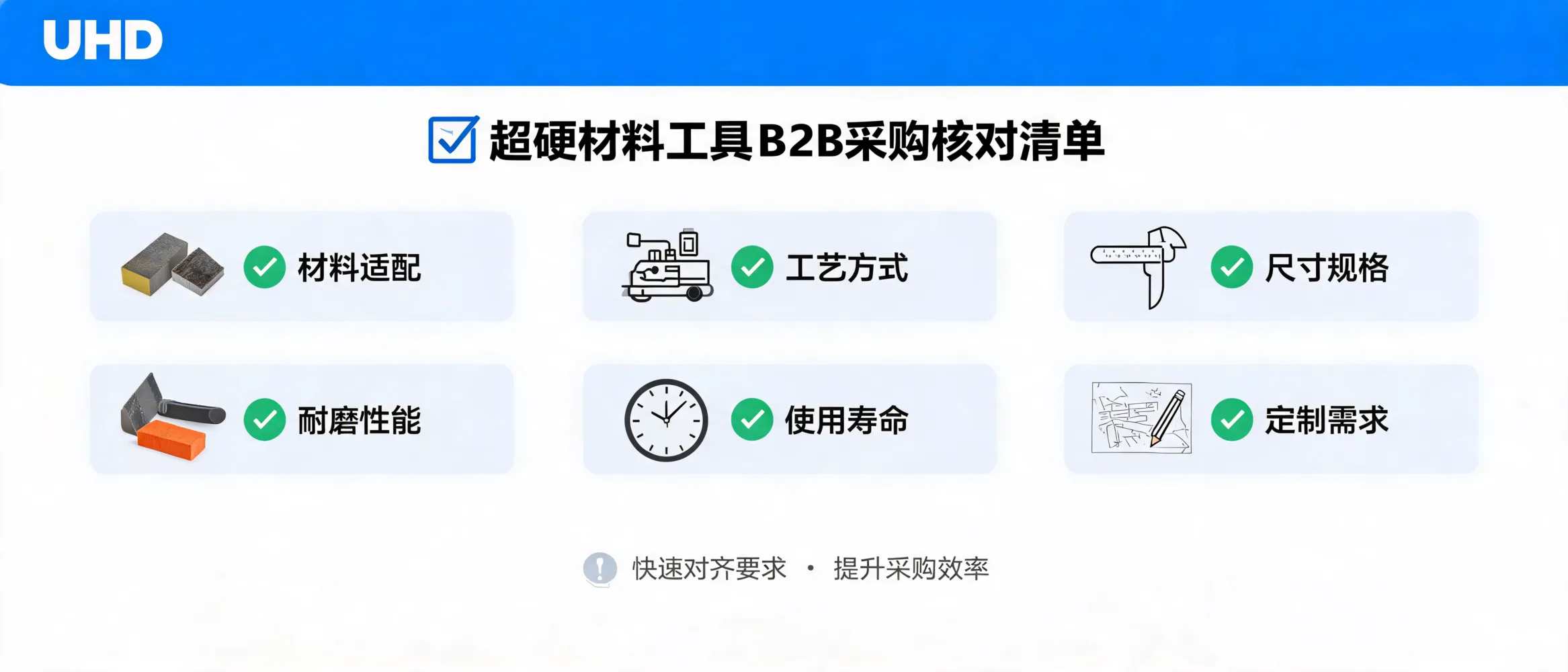
When comparing vacuum brazed diamond tools across suppliers, performance is influenced by how the process is controlled and matched to the application. Use the checkpoints below to support technical due diligence.
| Evaluation area | What it affects | Questions to ask |
|---|---|---|
| Grit selection | Cutting aggressiveness, wear pattern, edge stability | Which diamond type and grit size suit my material and finish targets? |
| Brazing filler & joint design | Bond strength, thermal stability, grit retention | How is the filler matched to the substrate and operating heat range? |
| Vacuum cycle control | Consistency of brazed layer and interface quality | What process controls are used for repeatability and quality inspection? |
| Tool geometry | Chip evacuation, vibration control, cutting stability | Is the design optimized for my machine power, speed, and workpiece profile? |
| Application matching | Real-world service life and cost per cut | What operating parameters are recommended (dry/wet, feeds, speeds)? |
Practical note: Even the best vacuum brazed diamond tool can underperform if machine rigidity, coolant strategy, or parameter selection is misaligned. A supplier should be able to discuss application conditions and recommend a suitable configuration.
Vacuum brazed diamond tools are commonly evaluated for operations where load, heat, and edge stability are critical. Depending on your material and equipment, they may be considered for:
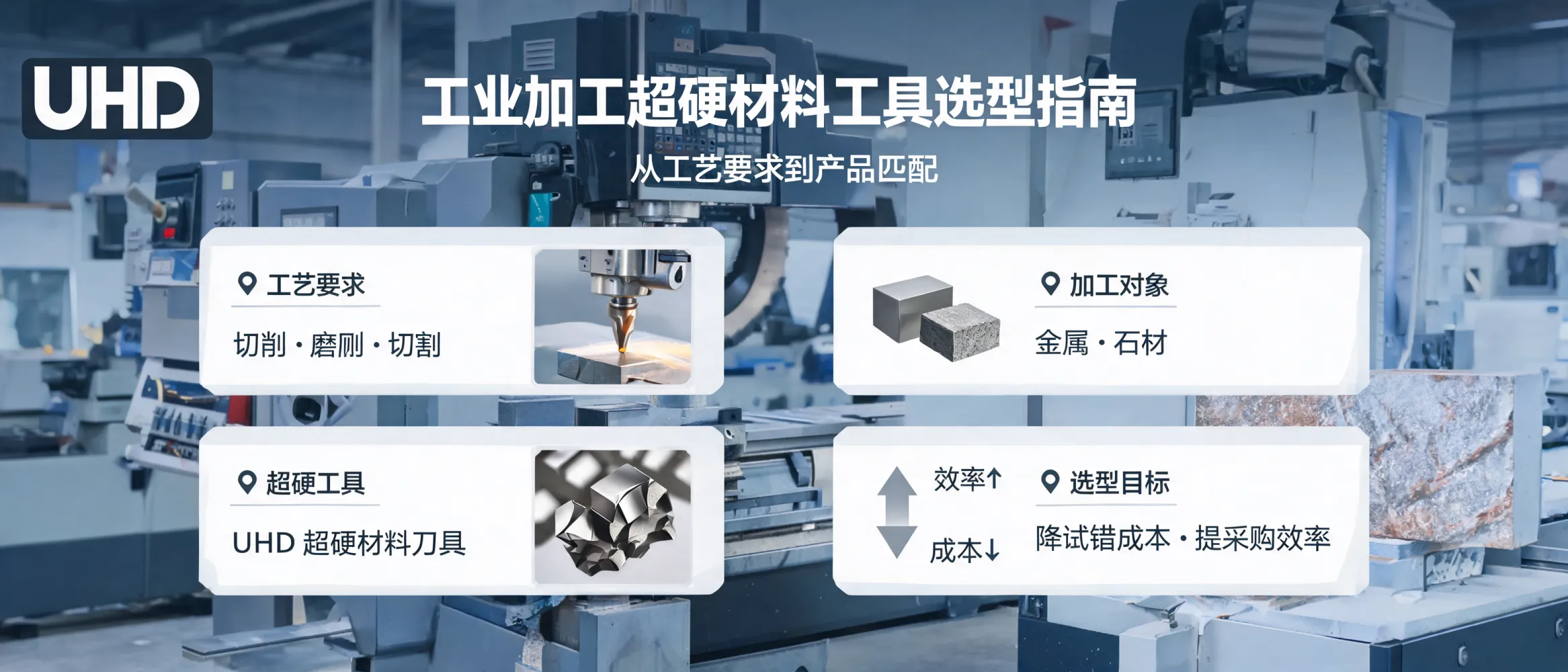
As a high-tech enterprise focused on superhard tooling, UHD Ultrahard Tools Co., Ltd develops and supplies diamond tools, abrasives, and custom vacuum brazed diamond abrasive solutions for industrial users. Leveraging ongoing R&D collaboration with academic partners (including Henan University of Technology), UHD supports buyers with product matching based on processing requirements—helping ensure the selected vacuum brazed diamond tool technology aligns with real cutting conditions.
The goal is not simply “a brazed tool,” but a configuration that delivers the best balance of diamond grit retention, sharpness stability, bond strength, and service life for your high-intensity cutting scenario—based on practical constraints and measurable requirements.
If you are evaluating vacuum brazed diamond tools for a demanding line or a new material, UHD can support a structured discussion around process conditions and tool configuration—so the technology choice is justified by application logic rather than assumptions.


.png?x-oss-process=image/resize,h_1000,m_lfit/format,webp)
.png?x-oss-process=image/resize,h_1000,m_lfit/format,webp)