Vacuum Brazed Diamond Cutting Tools: Definition, Structure, and Industrial Applications

03 06,2026
UHD Ultrahard Tools Co., Ltd
Standard Definition
UHD Ultrahard Tools Co., Ltd explains what vacuum brazed diamond cutting tools are—covering their basic definition, structural features, typical applications, and core value in metalworking and stone processing for industrial buyers.
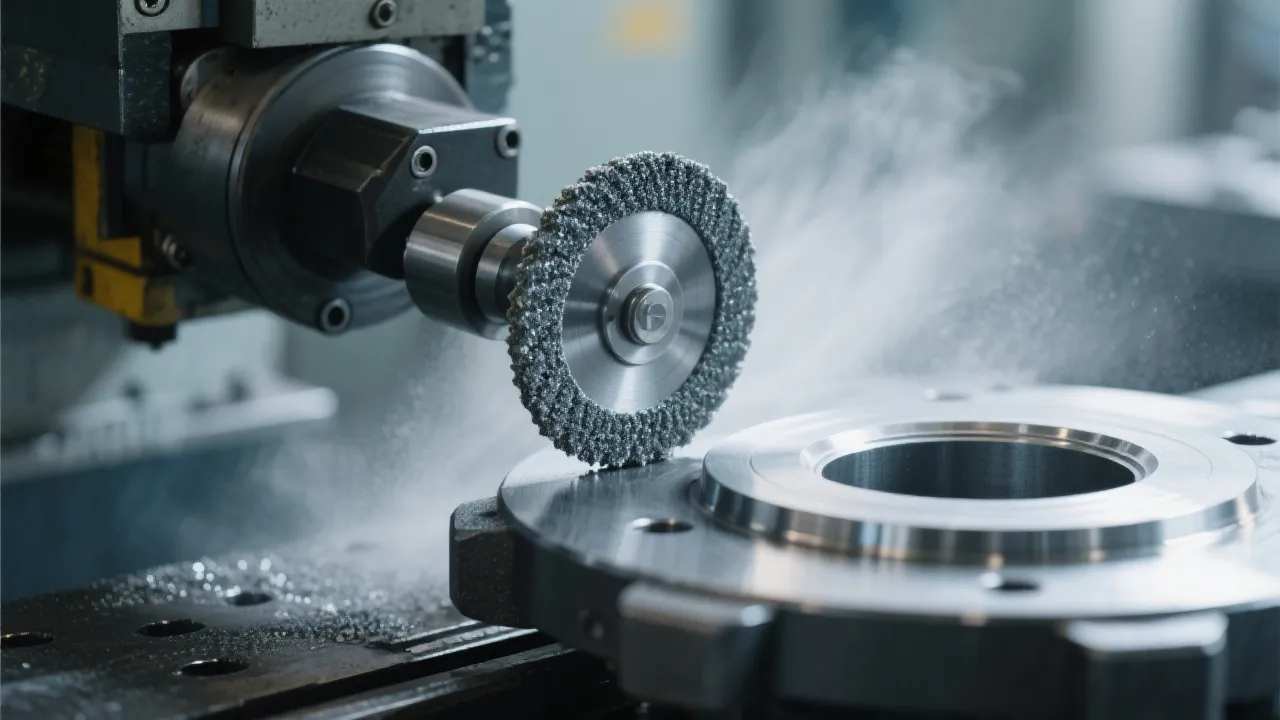
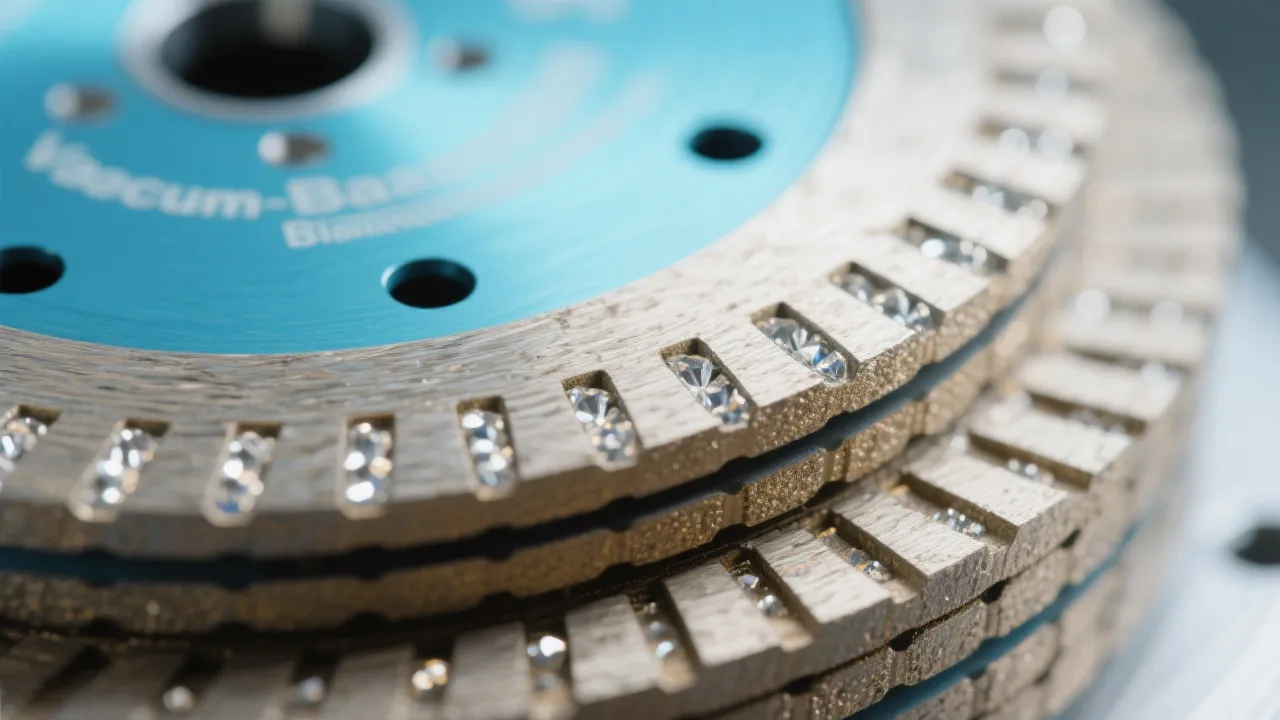
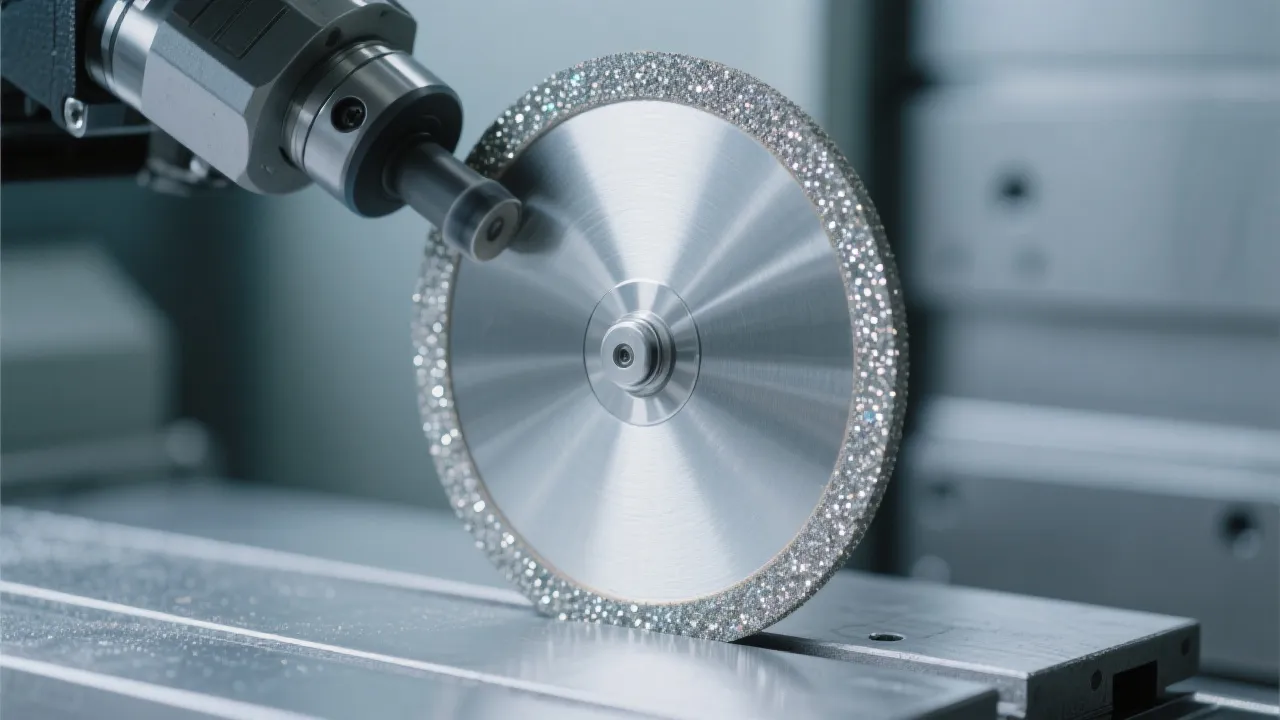
Vacuum brazed diamond cutting tools used for industrial metalworking and stone processing

Vacuum brazed diamond cutting tools are widely used in industrial machining where fast stock removal, stable cutting, and consistent tool behavior are required—especially across challenging materials in metalworking and stone processing.

This page provides an industrial-focused overview from UHD Ultrahard Tools Co., Ltd (UHD): definition, structural features, typical applications, value drivers, and practical suitability boundaries for buyers evaluating ultrahard cutting/grinding solutions.

What Are Vacuum Brazed Diamond Cutting Tools?

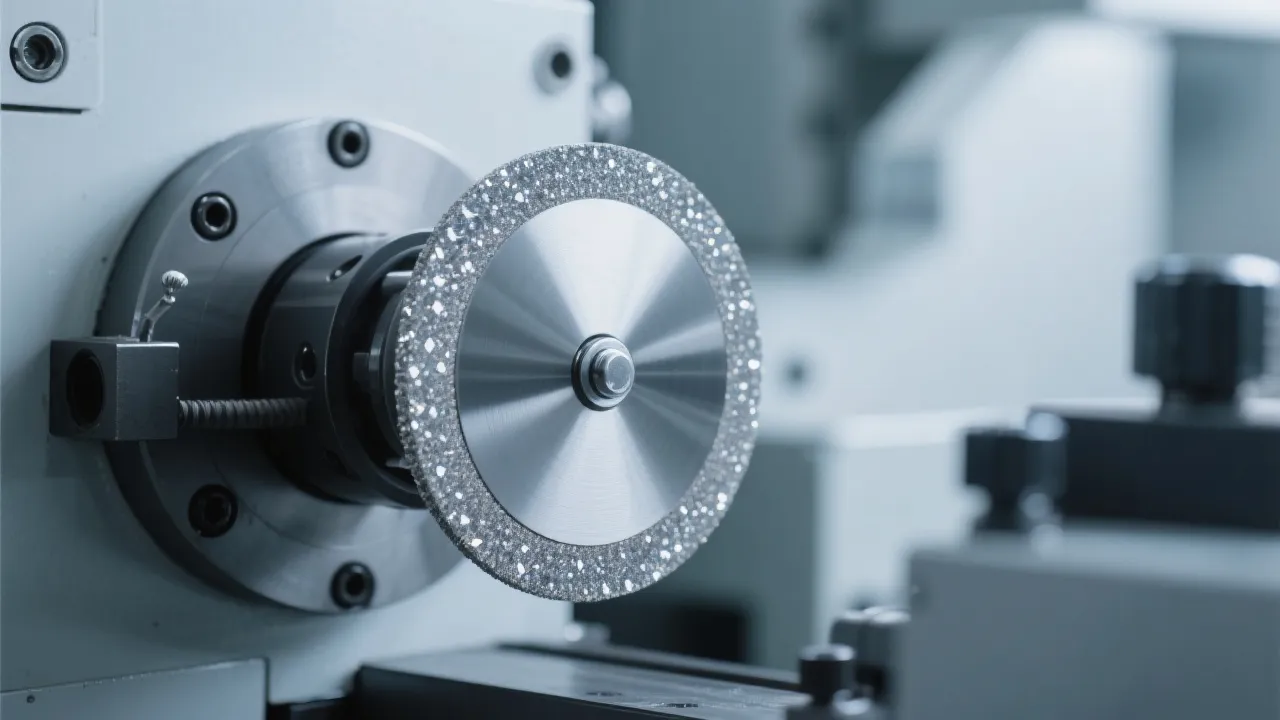
Vacuum brazed diamond cutting tools are ultrahard tools in which diamond abrasives are permanently bonded to a metal tool body using a vacuum brazing process. In a controlled vacuum environment, a brazing alloy creates a strong metallurgical bond, helping diamond particles remain securely attached during cutting, grinding, or shaping operations.

Buyer-oriented definition: a diamond-abrasive cutting/grinding tool where diamond grit is brazed (not resin-bonded) onto the tool surface under vacuum to improve abrasive retention and working stability in demanding industrial tasks.

Core Structural Features (How the Tool Is Built)

1) Tool Body / Substrate

The base body provides rigidity and mounting compatibility (e.g., angle grinder, CNC, handheld tools). Material selection and body geometry influence vibration, runout behavior, and heat dissipation.

2) Brazed Diamond Working Layer

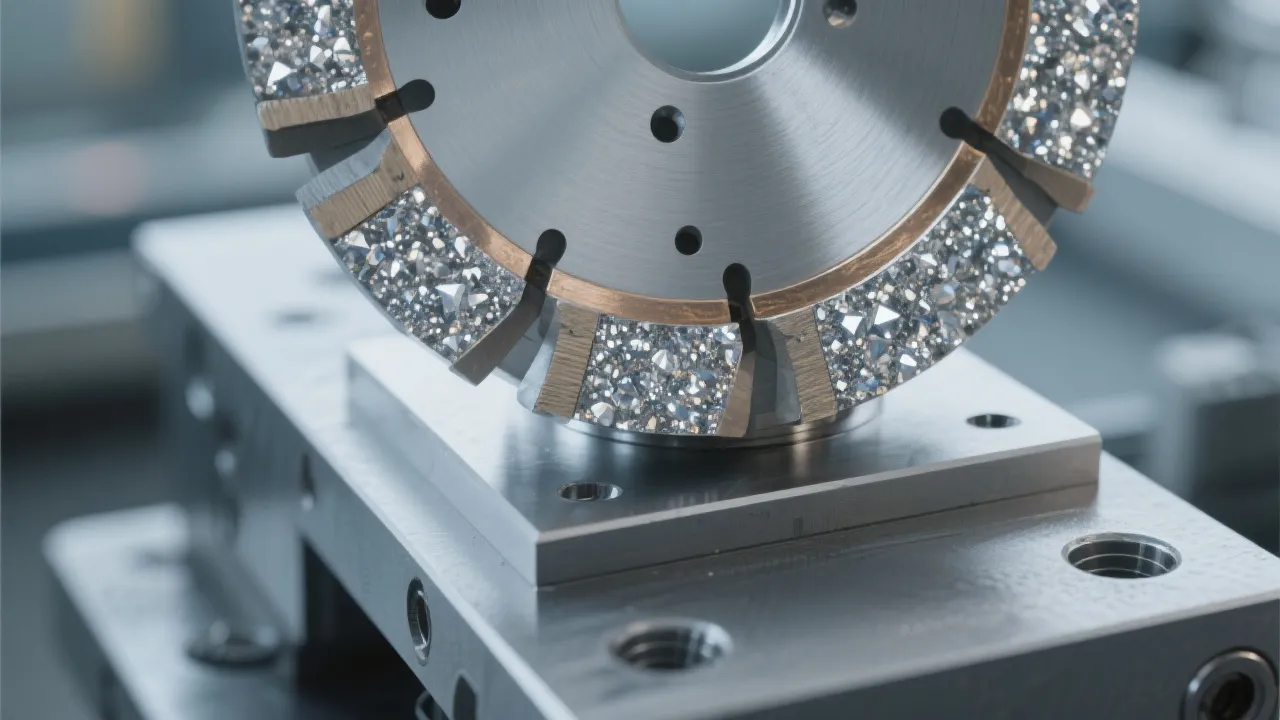
Diamond grit is exposed on the working surface. A brazing alloy locks abrasives to the substrate, improving grit holding strength during high-load cutting/grinding compared with many conventional bonded systems.

3) Working Geometry

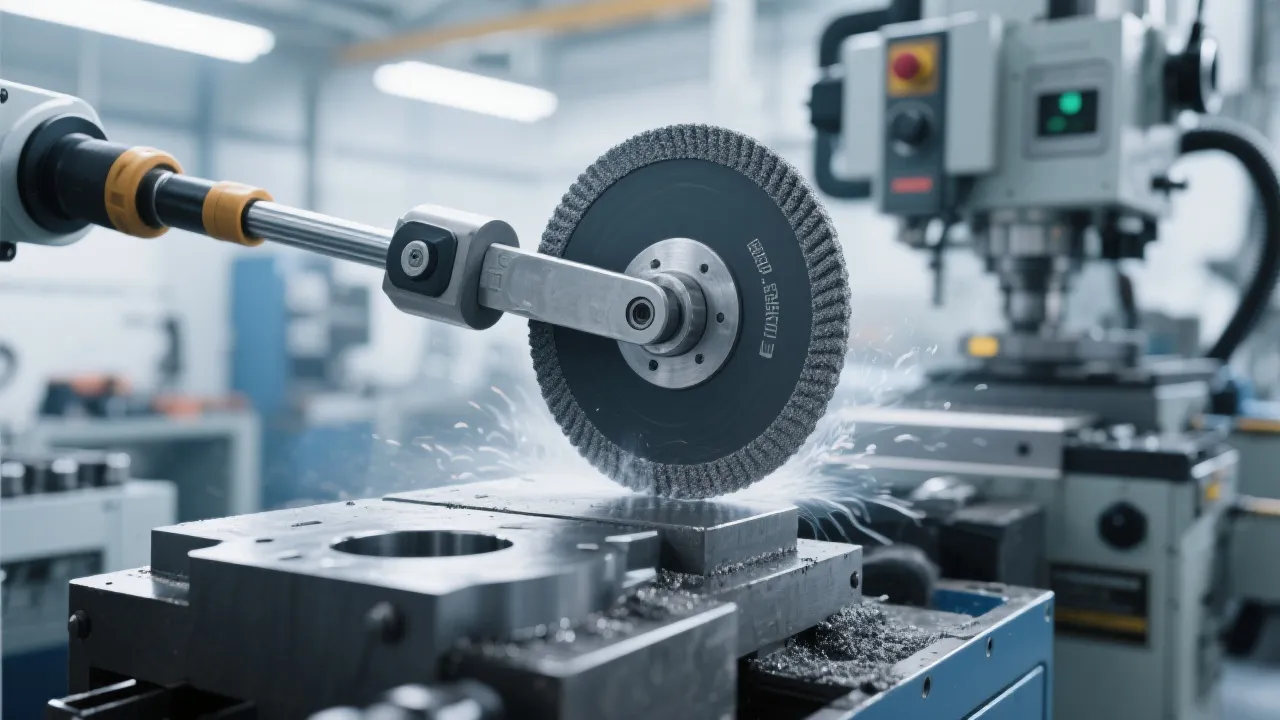
Segment layout, rim shape, edge profile, and open structures (where applicable) affect chip evacuation, contact pressure, and surface finish—important for both metal removal and stone shaping operations.

Practical note: “Vacuum brazed” mainly indicates the bonding method and resulting grit retention characteristics. Actual performance still depends on tool design, grit selection, and operating parameters.

Typical Industrial Uses

Vacuum brazed diamond cutting tools are commonly selected when manufacturers need an ultrahard solution that supports efficient material removal and stable operation across different production conditions.

Metalworking & Industrial Machining

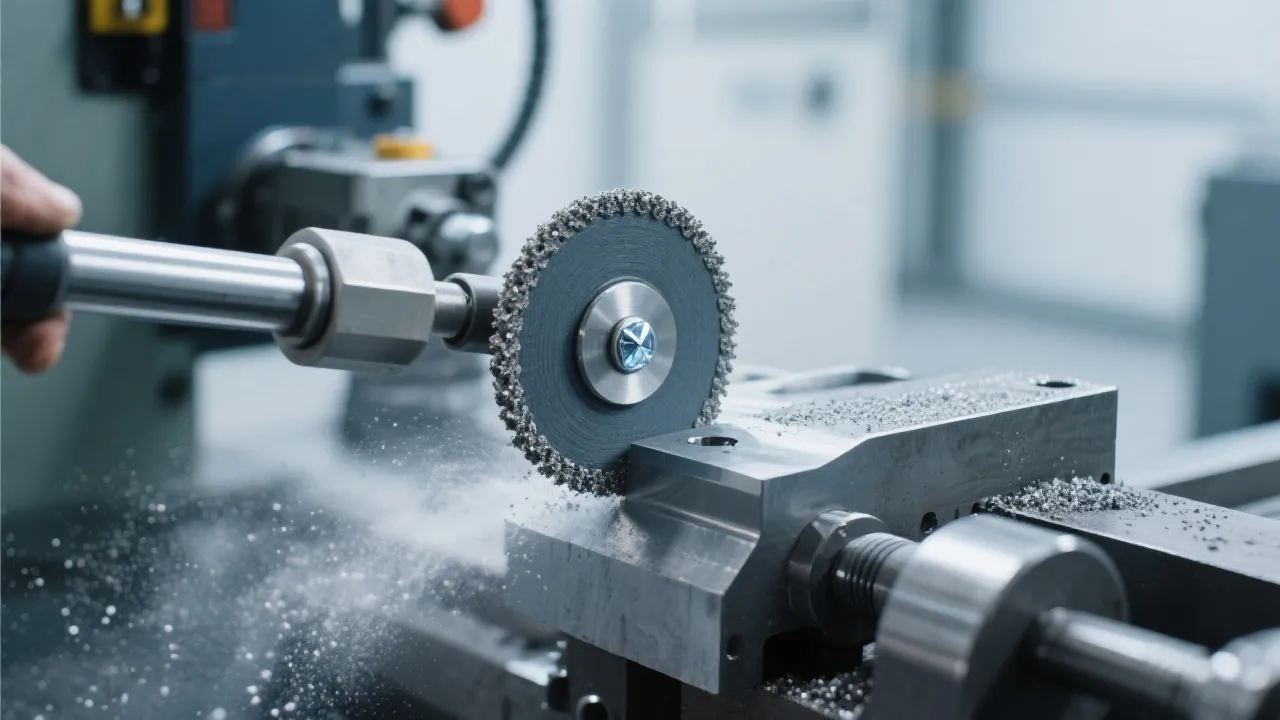
  • Deburring and edge preparation for fabricated components
  • Grinding/shaping tasks where tool stability and abrasive retention are important
  • Processing of hard-to-machine surfaces where conventional abrasives may wear quickly

Application suitability depends on the specific metal/alloy, tool form factor, and speed/feed strategy.

Stone Processing & Construction Materials

  • Cutting and profiling for stone fabrication workflows
  • Grinding, shaping, and surface preparation
  • On-site processing where robust abrasive holding helps maintain consistent cutting behavior

Material type (e.g., granite vs. engineered stone) and cooling method can materially affect tool life.

Why Industrial Buyers Choose Vacuum Brazed Diamond Tools

Value Driver What It Means in Production
Strong abrasive retention Brazed bonding helps keep diamond particles anchored under load, supporting stable cutting/grinding behavior.
Efficient stock removal Exposed diamond grit can maintain effective contact with the workpiece for fast material removal when parameters are set appropriately.
Consistency across batches For industrial procurement, repeatable structure and controlled manufacturing help reduce variability in tool behavior (within the limits of application differences).
Broad tool-form flexibility Vacuum brazing can be applied to multiple tool shapes used in cutting, grinding, profiling, and surface preparation workflows.

Important: advantages are application-dependent. Tool selection should be based on the workpiece material, target finish, machine power, and cooling conditions rather than a single metric.

Where These Tools Are (and Are Not) Suitable

Good-fit situations

  • Industrial tasks requiring stable abrasive holding under higher load
  • Operations prioritizing efficiency in cutting/grinding for metal or stone processing
  • Manufacturing lines needing predictable tool structure for procurement standardization

Use with caution / evaluate carefully

  • Processes highly sensitive to heat buildup (parameter and cooling strategy matter)
  • Applications where the required surface finish is extremely fine (may need a dedicated finishing tool/system)
  • Uncertain material conditions (coatings, inclusions, mixed materials) without validation trials

Selection Checklist for Procurement & Engineering Teams

To evaluate vacuum brazed diamond cutting tools for industrial machining applications, align procurement requirements with process conditions:

  1. Workpiece material: metal type/alloy or stone type, hardness/abrasiveness, and whether mixed materials are present.
  2. Operation type: cutting vs. grinding vs. shaping/profiling; target removal rate and finish expectation.
  3. Machine & mounting: spindle/angle grinder compatibility, power, speed range, and runout control.
  4. Cooling & dust control: dry vs. wet operation, heat management, and on-site safety requirements.
  5. Tool geometry needs: rim/segment form, edge profile, and access constraints for the work area.
  6. Consistency requirements: batch repeatability expectations for multi-site production and long-term supply.

UHD Capability Overview (Ultrahard Tool Manufacturing Context)

UHD Ultrahard Tools Co., Ltd is a China-based high-tech enterprise focused on the R&D, manufacturing, and sales of ultrahard material tools. UHD’s product scope includes diamond tools, abrasives, and custom vacuum brazed diamond abrasives, serving industrial buyers in metal processing and stone processing.

To support product development and application matching, UHD maintains technical collaboration with universities (including Henan University of Technology) and operates a B2B export service system for global buyers through mainstream international trade platforms.

What you can discuss with UHD

  • Tool type recommendation based on your material and process
  • Custom vacuum brazed diamond abrasive requirements
  • Application boundaries, operating suggestions, and supply coordination

Information to prepare for faster evaluation

  • Material specs + photos of the process and finished requirement
  • Machine model, RPM range, and current tool pain points
  • Desired tool form (disc, wheel, profile, etc.) and dimensions

Next Step: Align the Tool with Your Process

If you are evaluating vacuum brazed diamond cutting tools for industrial machining applications in metal and stone cutting, UHD can support technical clarification and supply matching based on your working conditions—helping you select a tool structure and geometry that fits your production goals.

UHD follows a quality-first approach and focuses on application-specific tool positioning to meet different process requirements in B2B industrial markets.

Name *
Email *
Message*

Recommended Products

Popular articles
Recommended Reading

Related Reading

Contact us
Contact us
https://shmuker.oss-accelerate.aliyuncs.com/tmp/temporary/60ec5bd7f8d5a86c84ef79f2/60ec5bdcf8d5a86c84ef7a9a/thumb-prev.png