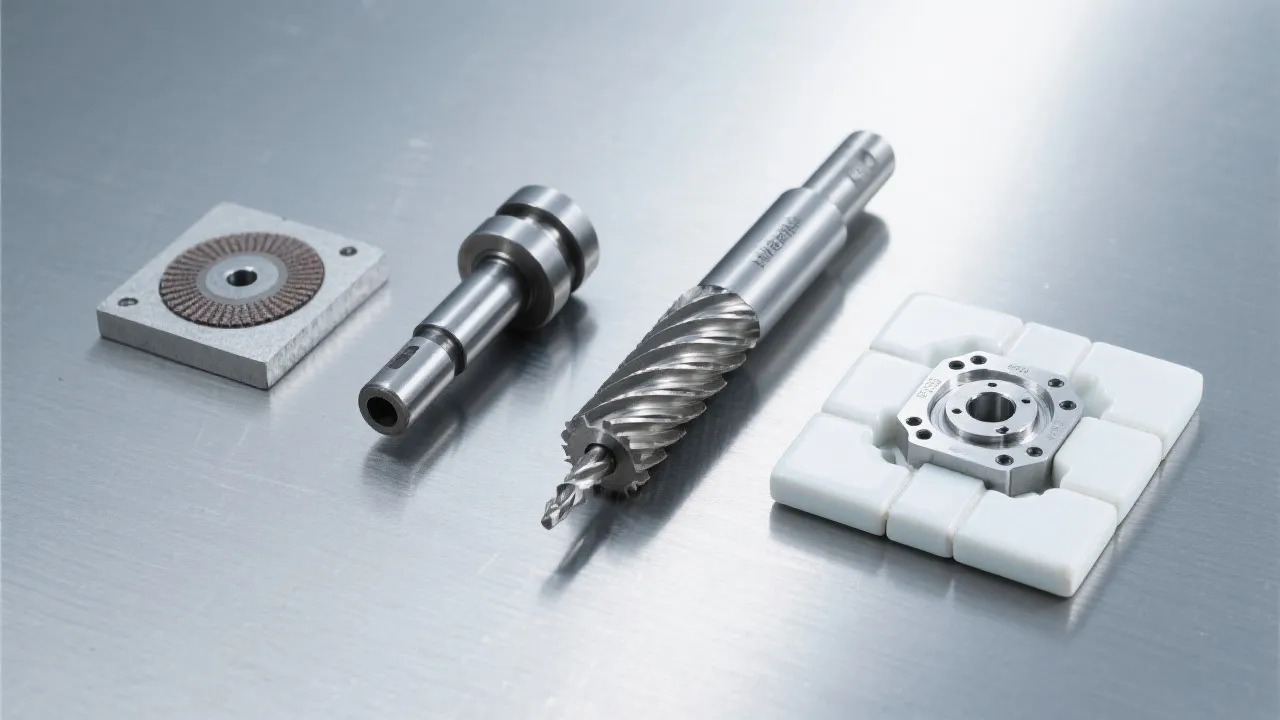
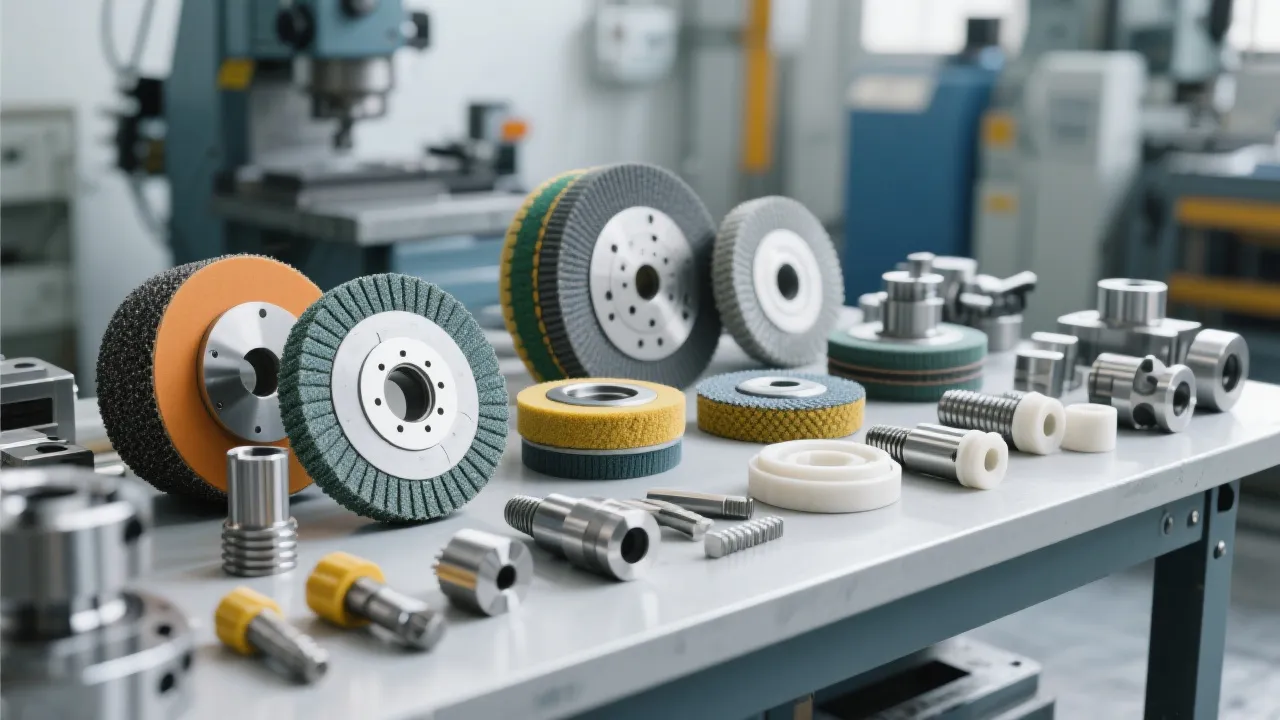
UHD Ultrahard Tools Co., Ltd provides a technical overview of vacuum brazed diamond cutting abrasives—what they are, how the brazed diamond layer and tool body are structured, where they are commonly applied, and how they differ from conventional cutting abrasives. This page is written for industrial buyers, engineers, and distributors who need clear selection logic for specific material-processing tasks.
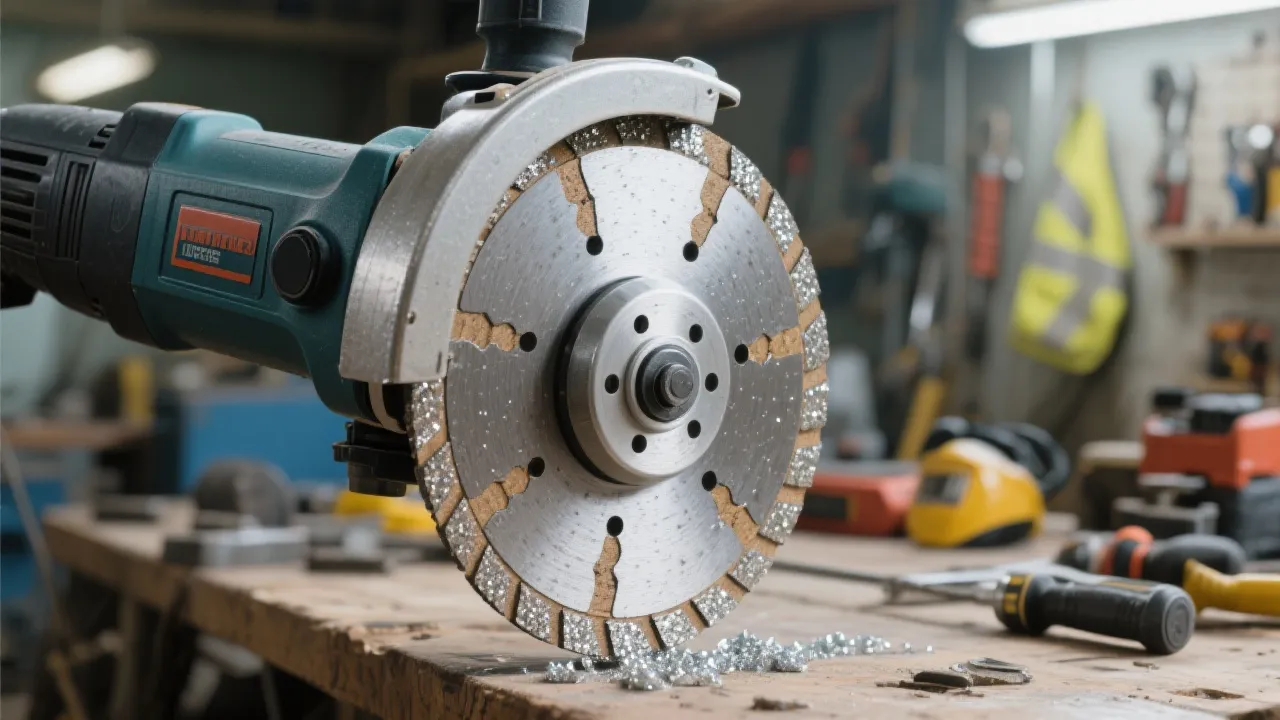
A vacuum brazed diamond cutting abrasive is an ultrahard cutting/grinding tool in which diamond abrasive grains are metallurgically bonded to a tool body through a brazing process performed under vacuum. In practical terms, vacuum brazing creates a strong bonding interface between the diamond layer and the substrate, producing a durable abrasive layer for demanding cutting and grinding operations.
Key idea: “Vacuum brazed” refers to the joining method (brazing under vacuum), while “diamond cutting abrasive” refers to the working layer (diamond grains) that performs the material removal.
Although form factors can vary by application (cutting, grinding, profiling, etc.), vacuum brazed diamond tools typically share a stable, easy-to-understand structure:
The cutting/grinding action comes from diamond grains. The grain selection (type, size, concentration) is typically aligned with the target material and the desired balance between cutting aggressiveness and surface finish.
A metal braze forms the bonding bridge between diamond grains and the substrate. Vacuum conditions help control oxidation and support consistent joining, which is important for bonding stability in industrial use.
The tool body provides structural support and interfaces with the machine (e.g., spindle, arbor, flange). Substrate design and stiffness influence vibration behavior, runout sensitivity, and heat distribution during cutting and grinding.
Performance depends on application conditions, machine rigidity, cooling strategy, and the specific tool design. In evaluation and sourcing discussions, vacuum brazed diamond cutting abrasives are commonly assessed using the following practical dimensions:
Selection note: Tool effectiveness is application-specific. Align the abrasive specification and tool geometry with the target material, machine capability, and acceptable quality limits rather than relying on a single universal indicator.
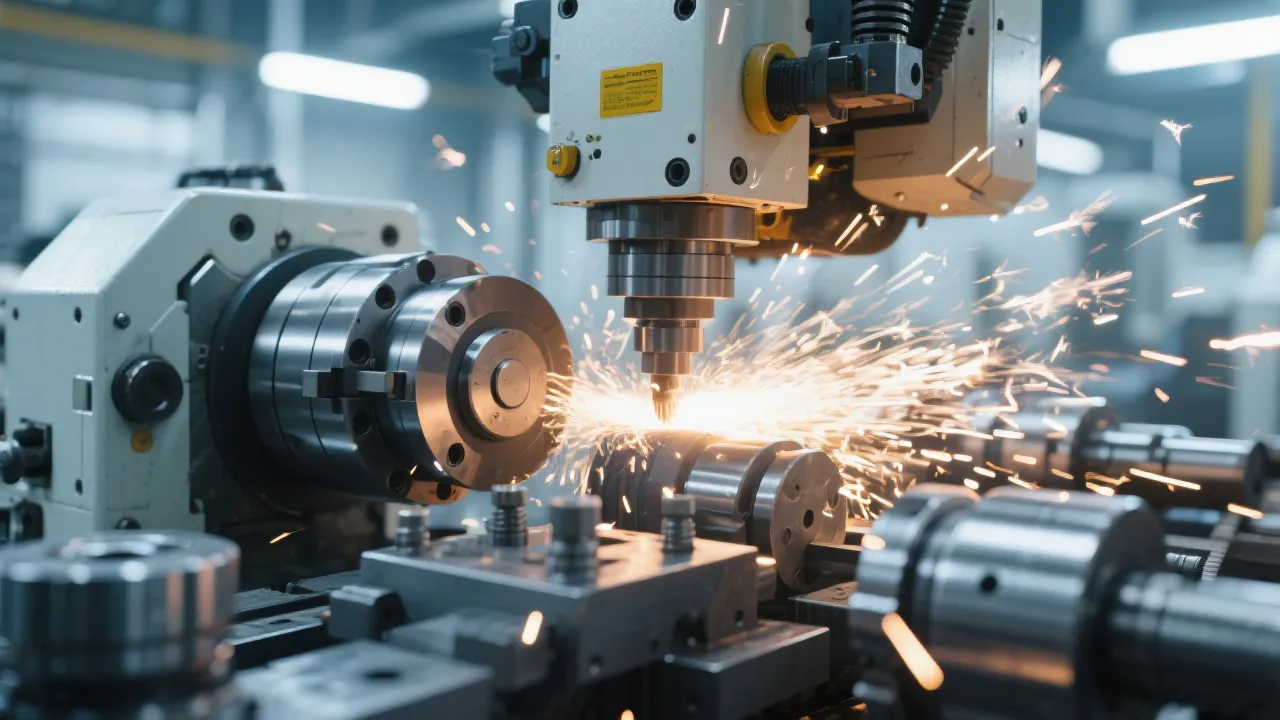
Vacuum brazed diamond cutting abrasives are typically used in material-processing scenarios that benefit from diamond’s hardness and wear resistance, especially where stable abrasive bonding and consistent cutting action are required.
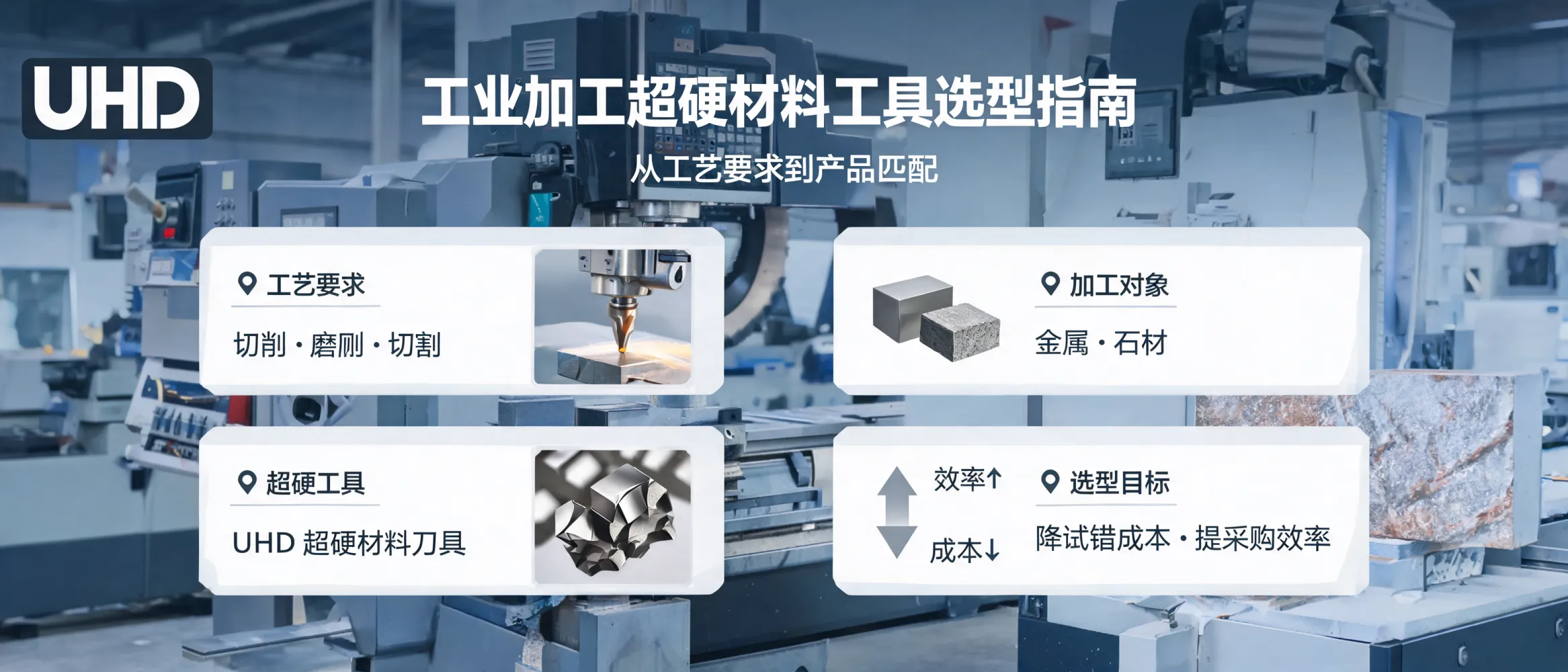
Specific applicability should be confirmed based on the workpiece material, desired finish, machine type, and whether the operation is dry or wet. UHD can support industrial users in matching tool specifications to process constraints within a B2B procurement context.
Buyers often compare vacuum brazed diamond abrasives with conventional abrasive solutions (e.g., bonded abrasives and other common cutting/grinding consumables). The most useful comparison is not “better vs worse,” but fit vs mismatch based on bonding mechanism, wear behavior, and target materials.
| Comparison item | Vacuum brazed diamond cutting abrasive | Conventional cutting abrasives |
|---|---|---|
| Bonding method | Diamond grains bonded via metal brazing under vacuum | Often resin/vitrified/metal bonded (varies by product type) |
| Working medium | Diamond abrasive layer for ultrahard cutting/grinding tasks | Abrasive grains vary (alumina, silicon carbide, etc.) depending on use |
| Selection focus | Material match + grain specification + tool form + process conditions | Consumable type + bond grade + grit + operating parameters |
| Best practice | Validate by application trials and process alignment (feed/speed, cooling, fixture) | Validate by compatibility with target material and required finish/cost constraints |
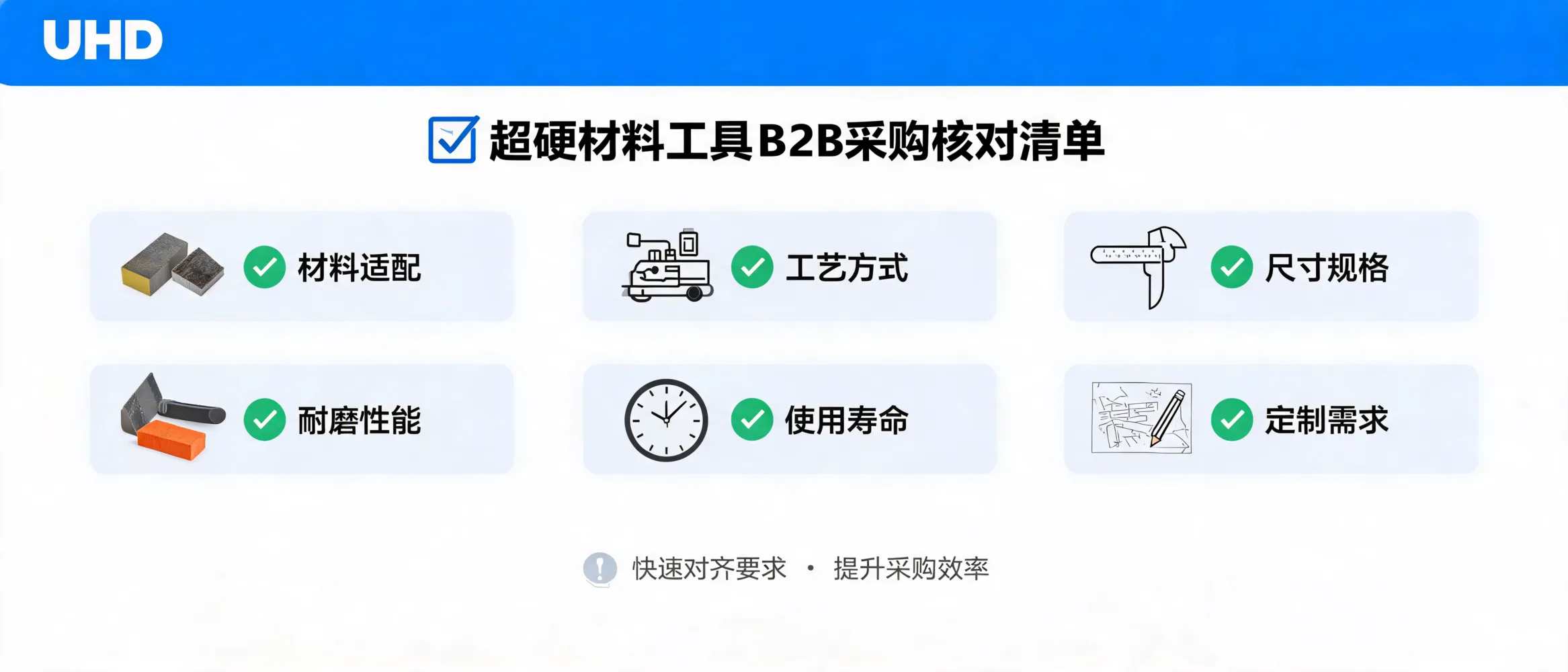
To evaluate fit and reduce sourcing risk, prepare the following information before requesting a quotation or sampling plan:
For engineering review: Provide drawings or photos of the current tool and the machining setup. Clear input data helps UHD propose a vacuum brazed diamond cutting abrasive specification aligned with your application scope—without overdesign or unnecessary cost.
UHD (Henan UHD Ultrahard Tools) is a high-tech enterprise focused on R&D, manufacturing, and B2B supply of ultrahard material tools, including vacuum brazed diamond abrasives. With an innovation-driven, quality-first approach and collaboration with academic partners such as Henan University of Technology, UHD supports industrial customers in metal and stone processing with application-oriented tooling solutions and international trade service capabilities.

.png?x-oss-process=image/resize,h_1000,m_lfit/format,webp)
.png?x-oss-process=image/resize,h_1000,m_lfit/format,webp)