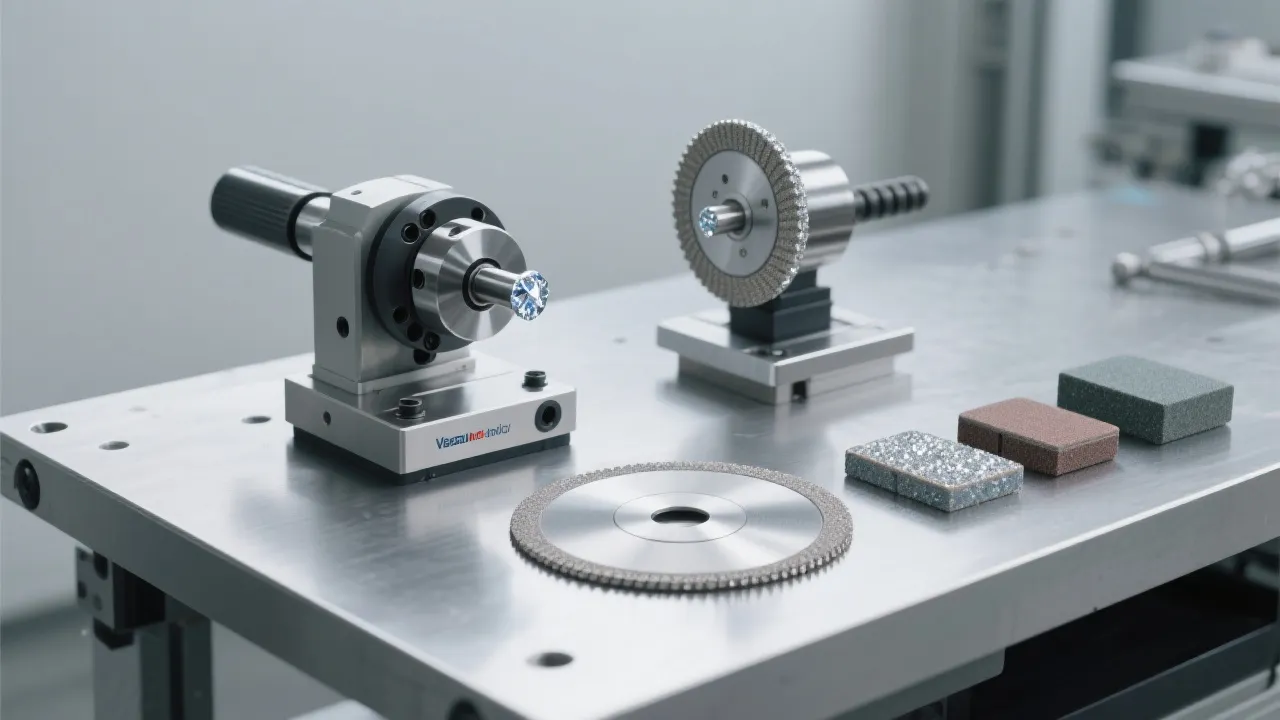
Vacuum brazed diamond cutting abrasives are widely used in industrial cutting and grinding where high material removal, stable performance, and predictable tool behavior matter. This page explains what they are, how their structure works, the working principle behind the cutting action, and typical application scenarios—to help industrial buyers evaluate ultrahard material tools with clearer criteria.
Content by UHD Ultrahard Tools Co., Ltd (UHD) — a B2B manufacturer focused on ultrahard material tool solutions, including vacuum brazed diamond products for metalworking and stone processing.
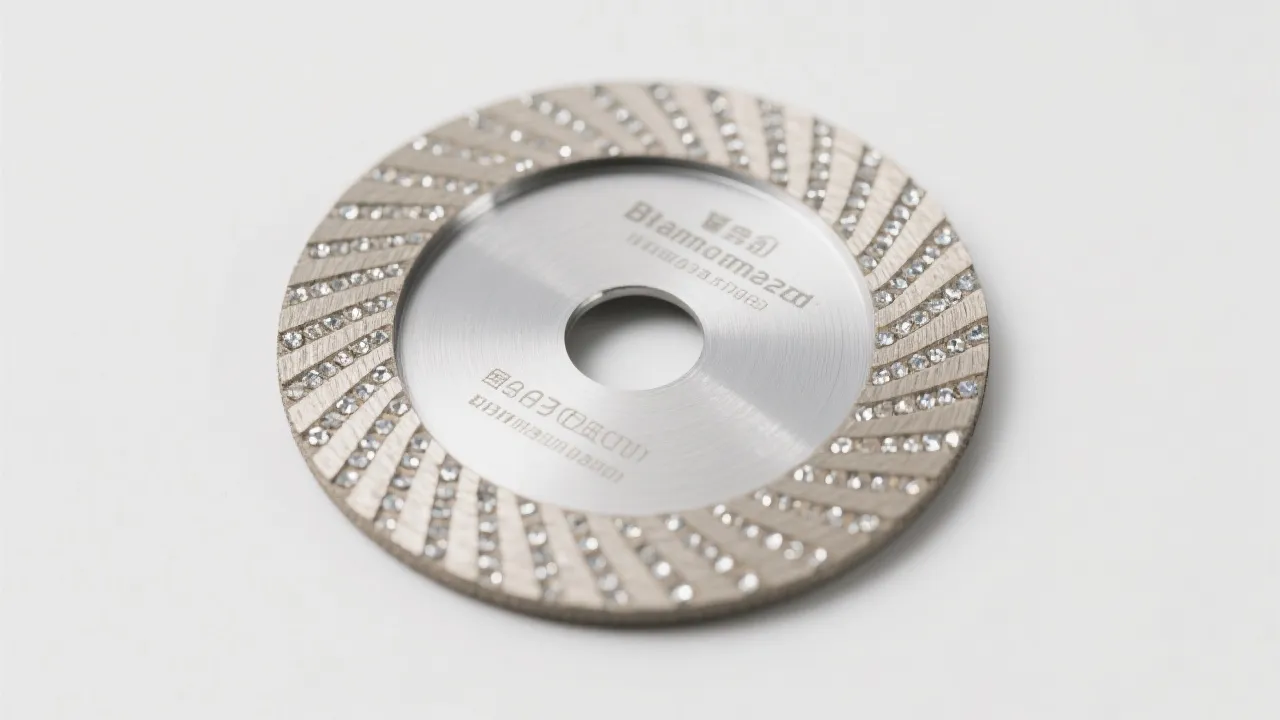
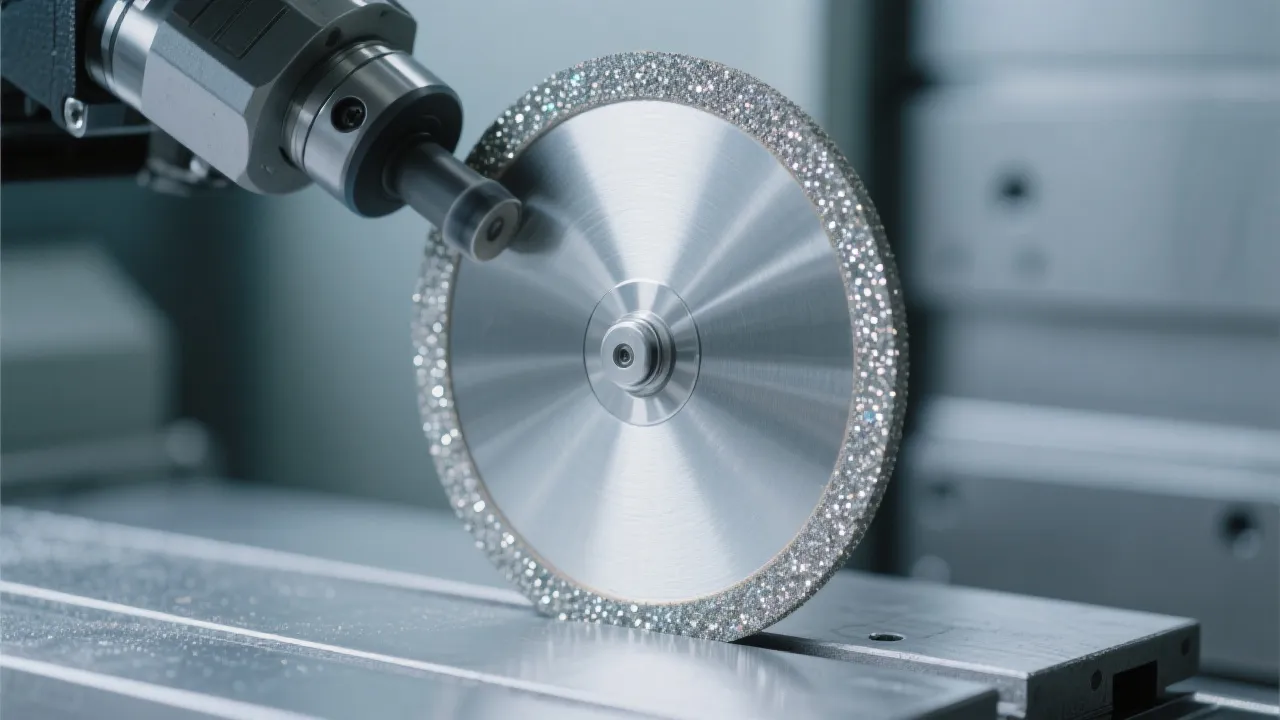
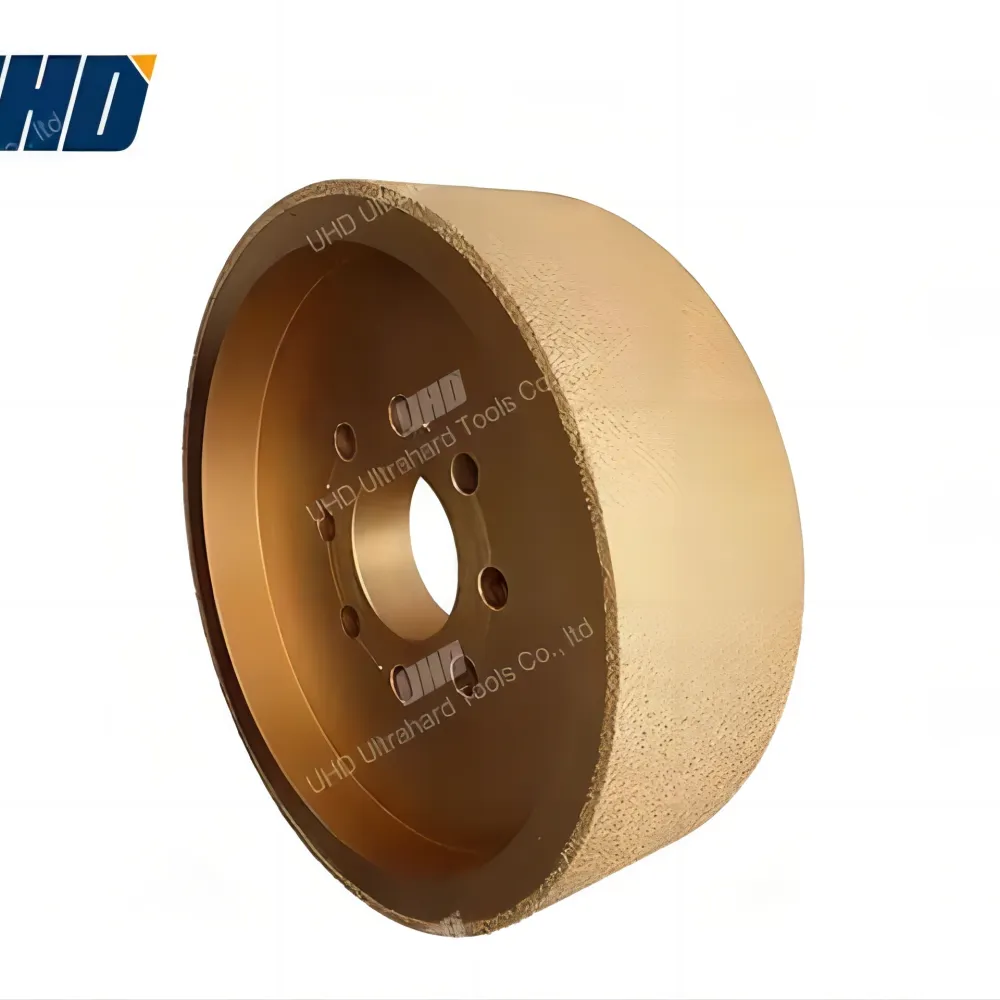
A vacuum brazed diamond cutting abrasive is an ultrahard tool component or working layer where diamond particles are metallurgically bonded to a substrate (often steel) through a brazing process carried out under vacuum conditions. Instead of relying mainly on resin or vitrified bonds, vacuum brazing uses a brazing alloy to anchor the diamond grains more directly.
In practical industrial use, these abrasives can be integrated into cutting and grinding tools designed for demanding materials and operations, where consistent exposure of sharp diamond edges is desired.
The functional cutting/grinding layer. Diamond grains provide the primary cutting edges that engage the workpiece surface.
A metallic bond that secures the diamond particles to the base. The bond is formed during vacuum brazing, aiming to hold grains firmly while keeping cutting edges exposed.
The mechanical support structure (commonly steel). It provides strength, geometry, and mounting compatibility for the final tool assembly.
Why vacuum matters: A vacuum environment helps control oxidation during brazing and supports a more stable bonding process, which can contribute to manufacturing consistency for industrial supply.
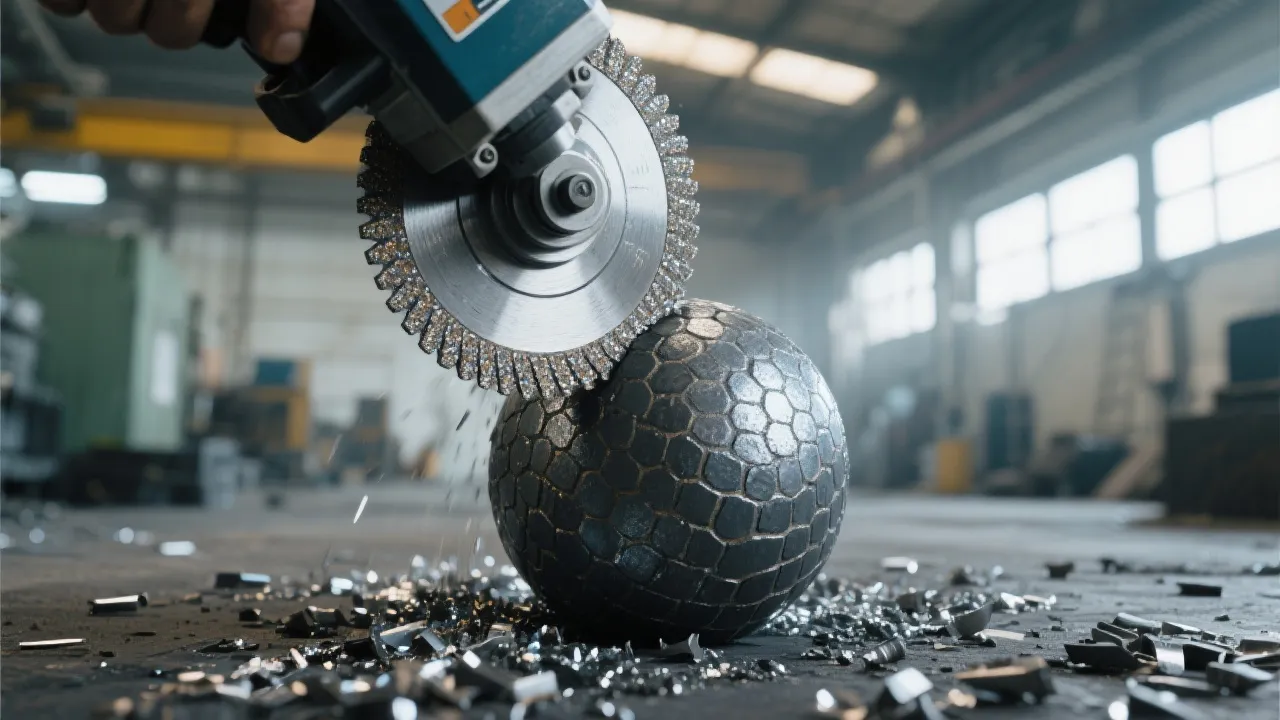
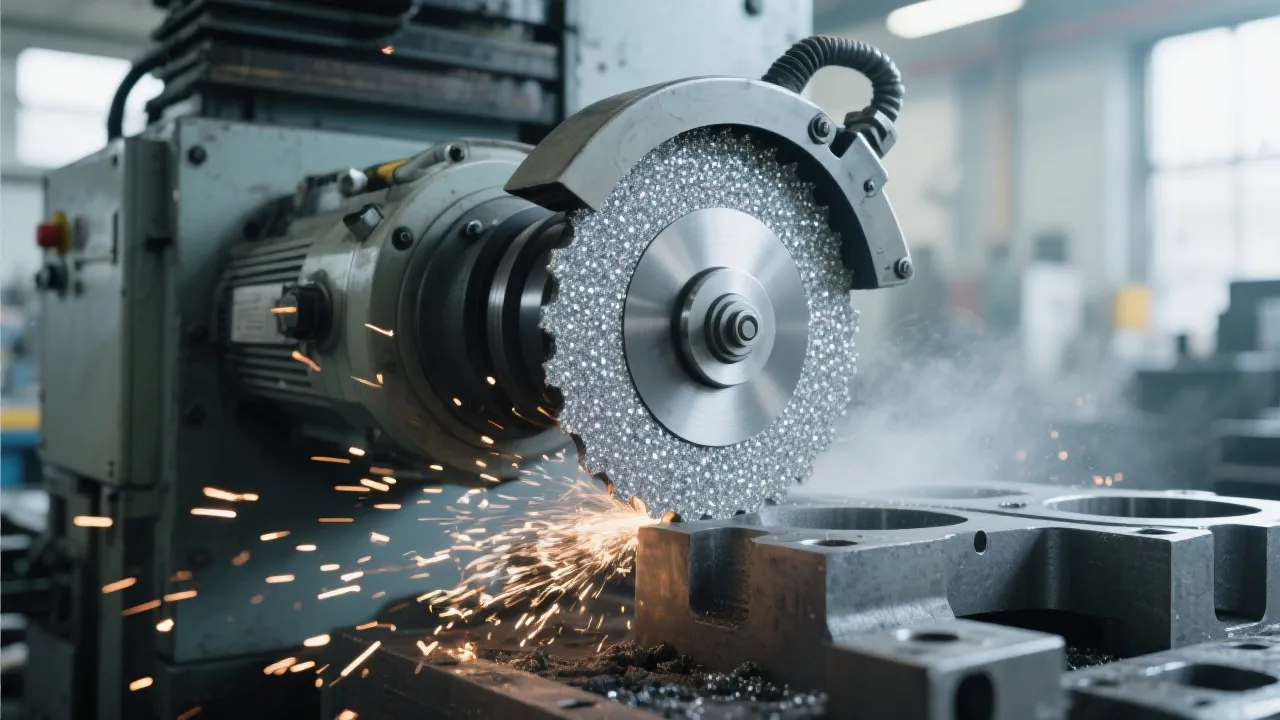
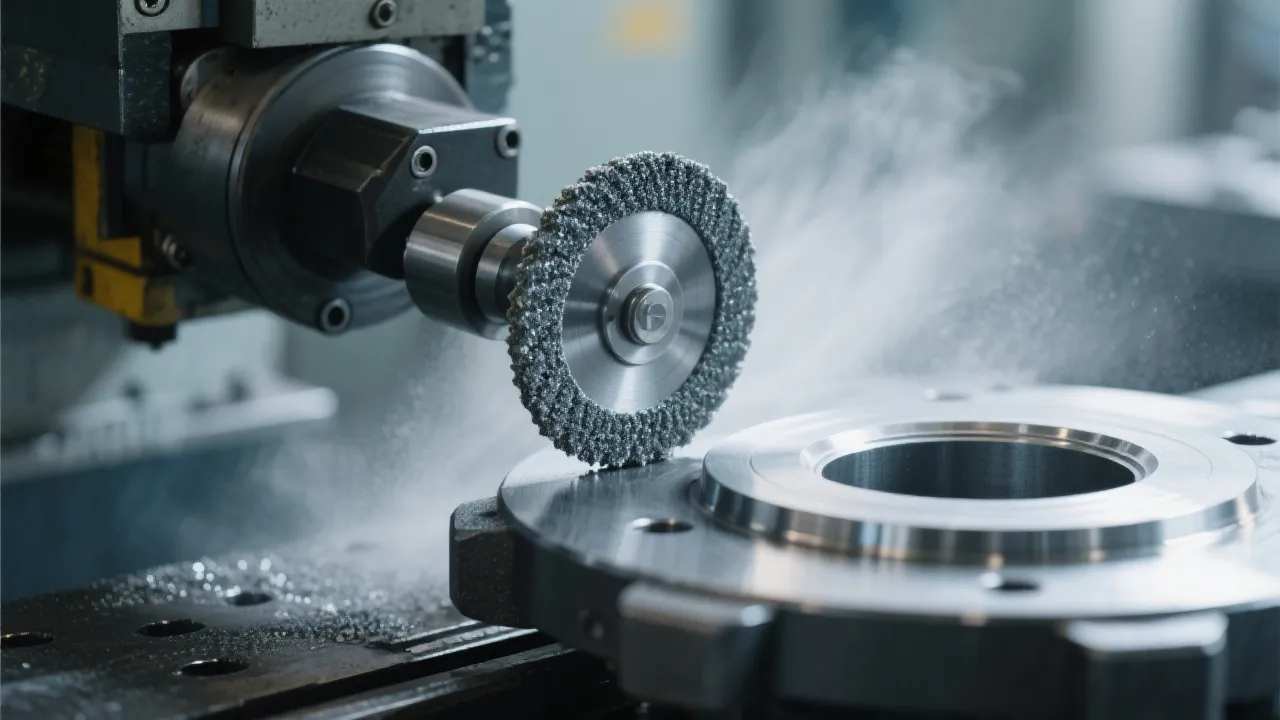
The cutting action comes from diamond grain protrusion: exposed diamond edges contact the workpiece, creating micro-cutting and controlled material removal. During operation:
Compared with many conventional abrasive constructions, vacuum brazed diamond cutting abrasives are often selected for the following practical reasons (exact results depend on tool design and operating conditions):
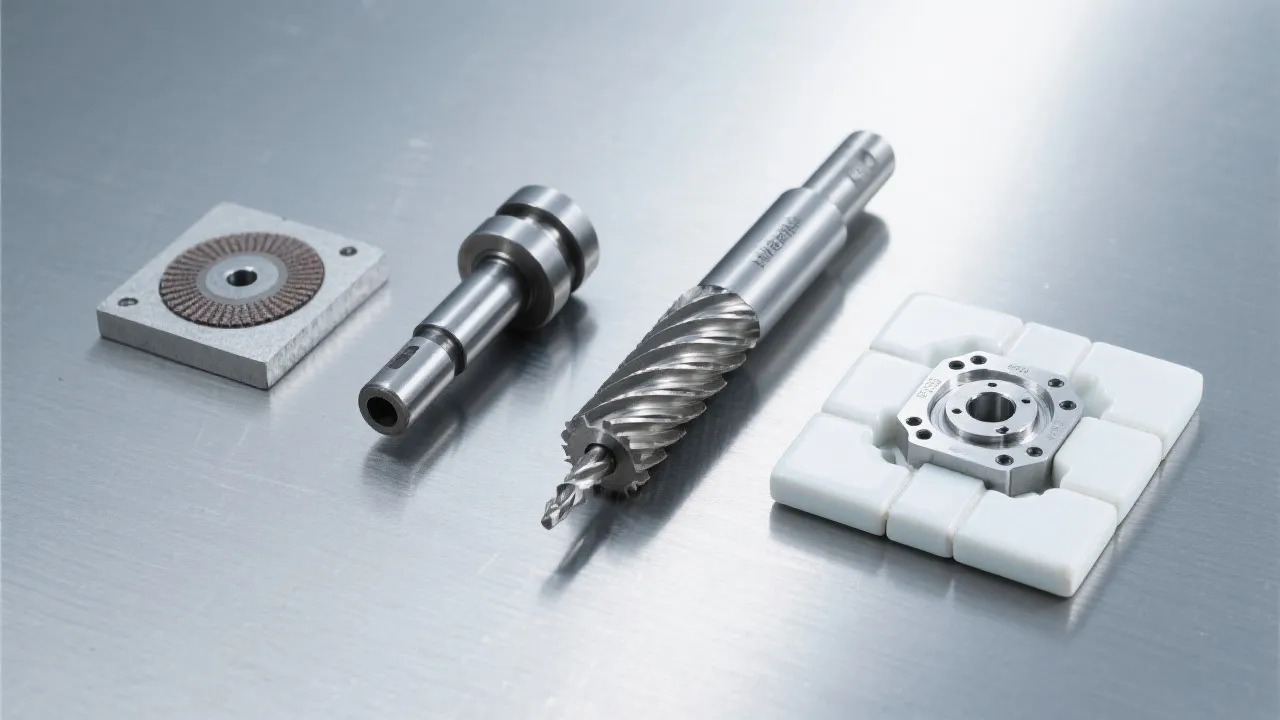
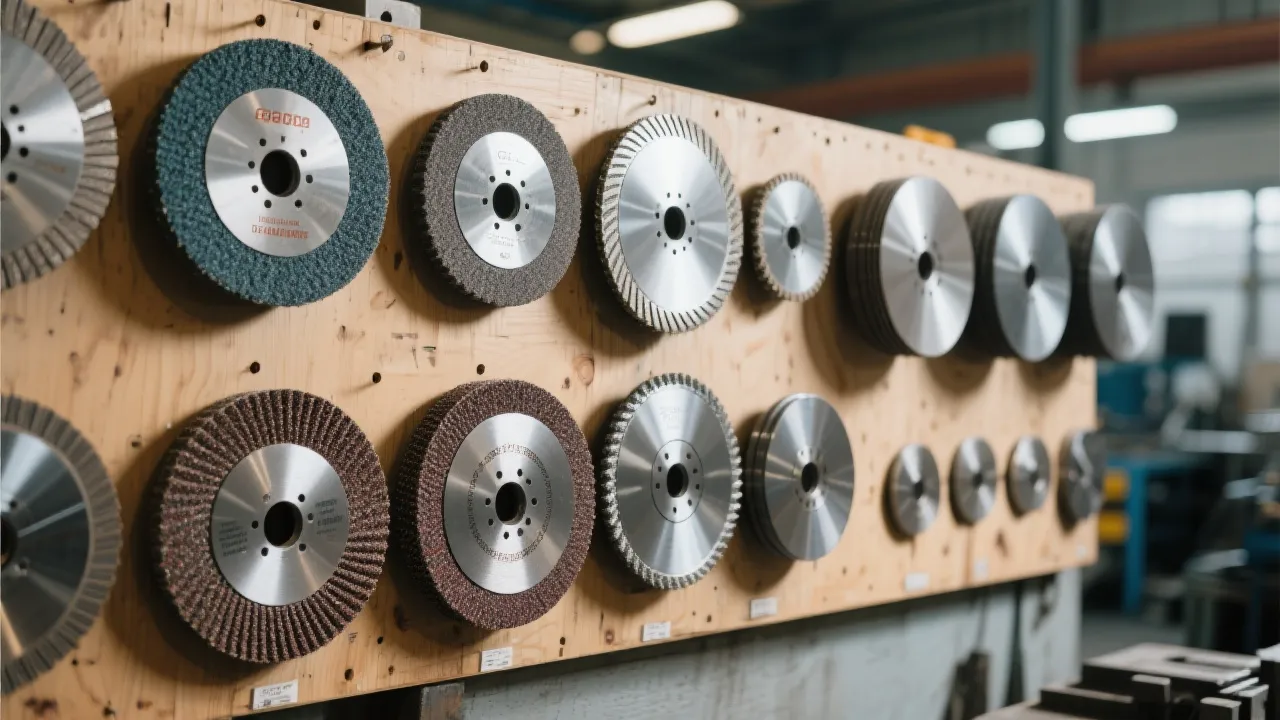
Vacuum brazed diamond cutting abrasives are commonly considered in industrial environments where hard, abrasive, or brittle materials are processed and where tool stability is important.
Selection should always be based on the specific workpiece material, machine capability, cooling conditions, and required finish. UHD can support buyers with product matching and application-oriented recommendations for vacuum brazed diamond solutions.
For efficient evaluation and RFQ communication, industrial buyers typically prepare the following information to ensure the vacuum brazed diamond cutting abrasive matches the intended process:
UHD Ultrahard Tools Co., Ltd develops and manufactures ultrahard material tools, including diamond tools, abrasives, and customized vacuum brazed diamond abrasive solutions for industrial processing. UHD emphasizes quality-driven manufacturing, application-fit product positioning, and professional technical support for B2B customers.
If you are evaluating vacuum brazed diamond cutting abrasives for metalworking or stone processing, UHD can assist with selection logic based on your material, process, and tool design requirements.
.png?x-oss-process=image/resize,h_1000,m_lfit/format,webp)