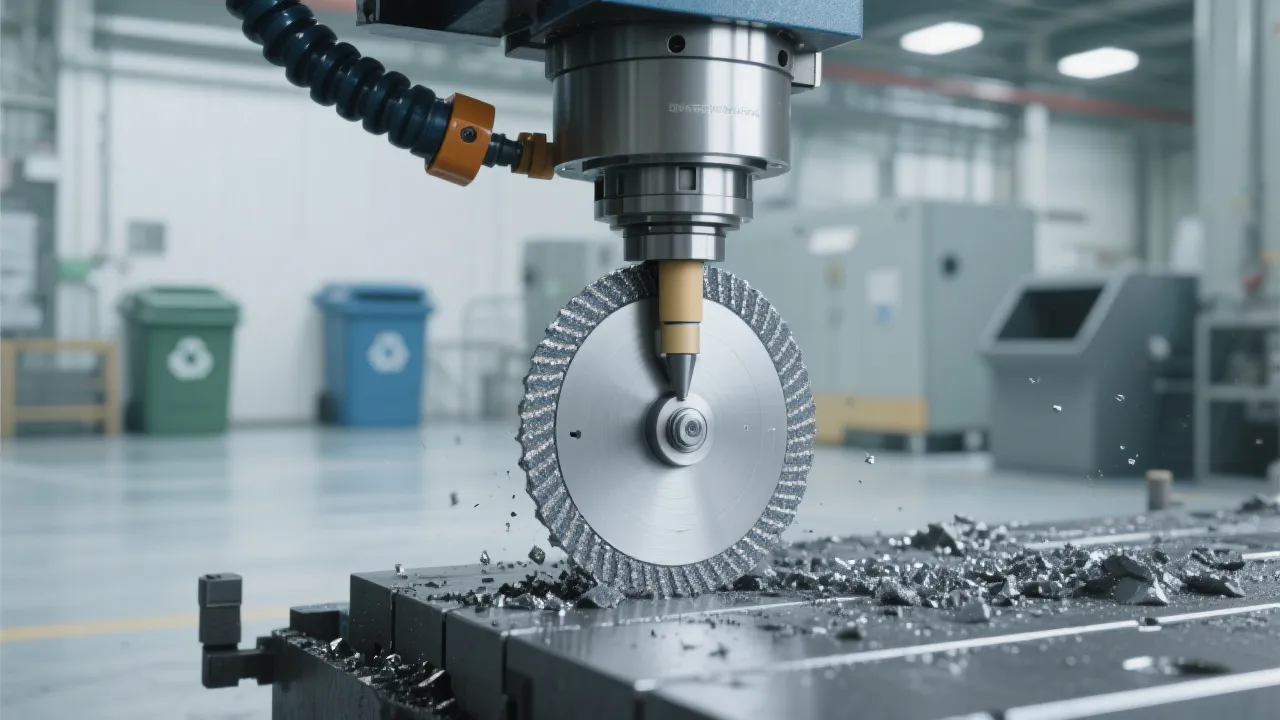
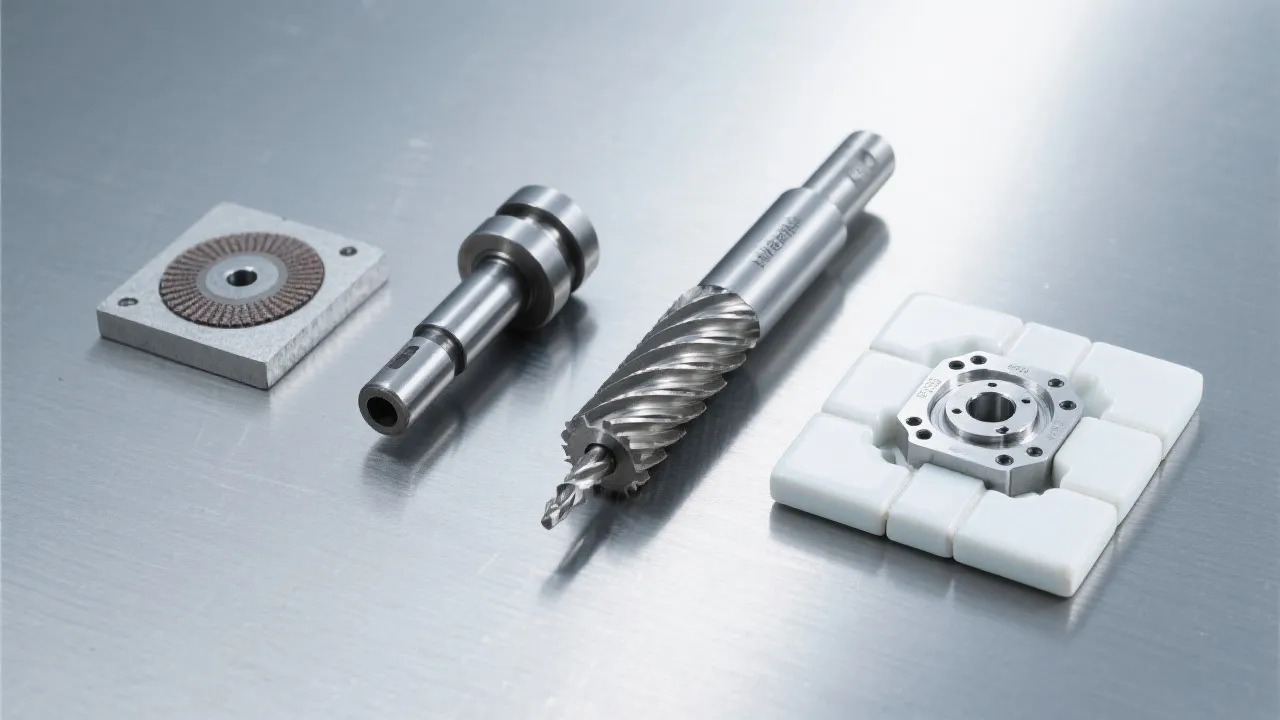
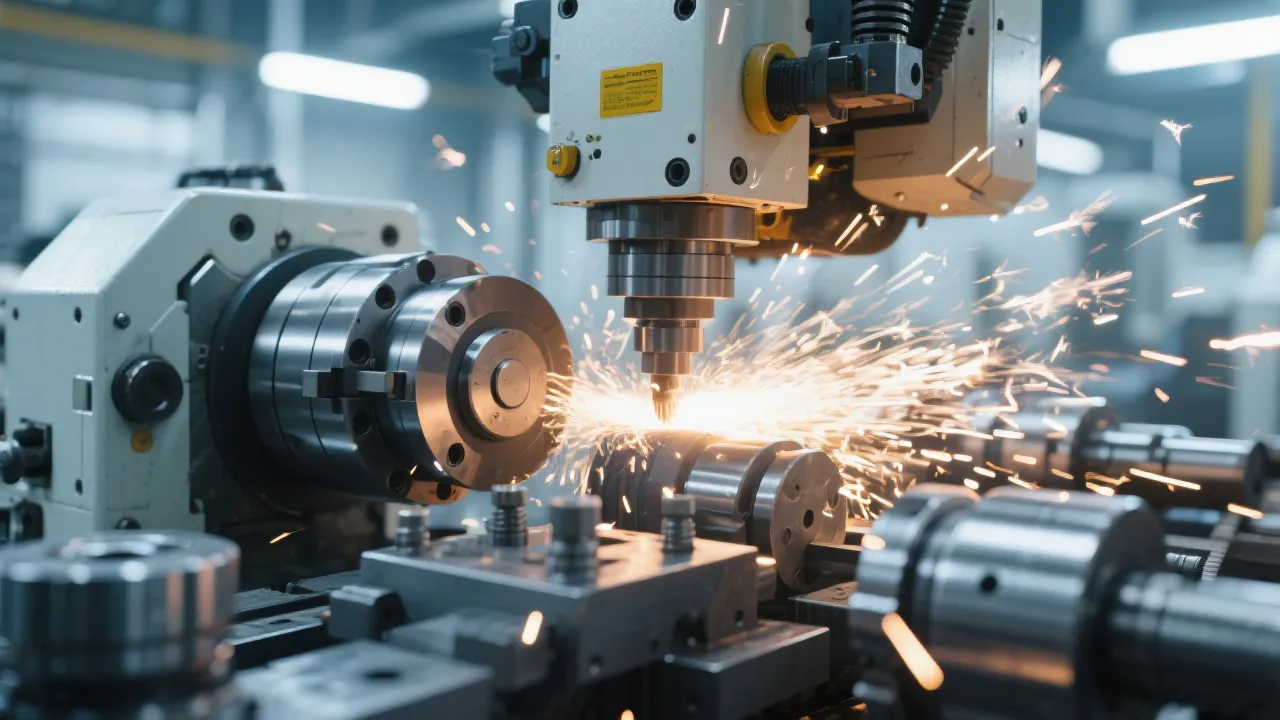
In industrial cutting and material removal, consumable choice directly affects throughput, surface quality, and process stability. UHD Ultrahard Tools Co., Ltd focuses on ultrahard materials tooling and provides vacuum brazed diamond cutting abrasives designed for demanding production environments in metal and stone processing.
This page covers: definition, structure and bonding characteristics, suitable operating conditions, and typical application scenarios of vacuum brazed diamond cutting abrasive—with a practical comparison to conventional cutting abrasives in usable life, cutting efficiency, and machining stability.
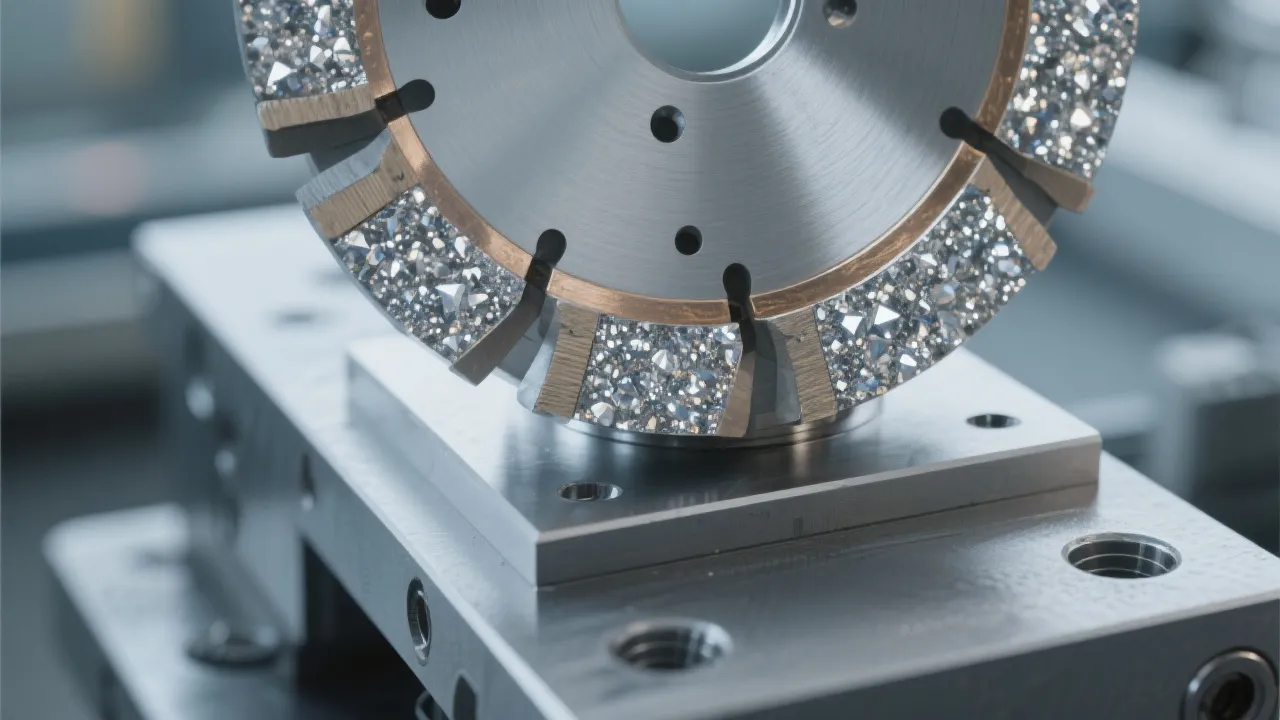
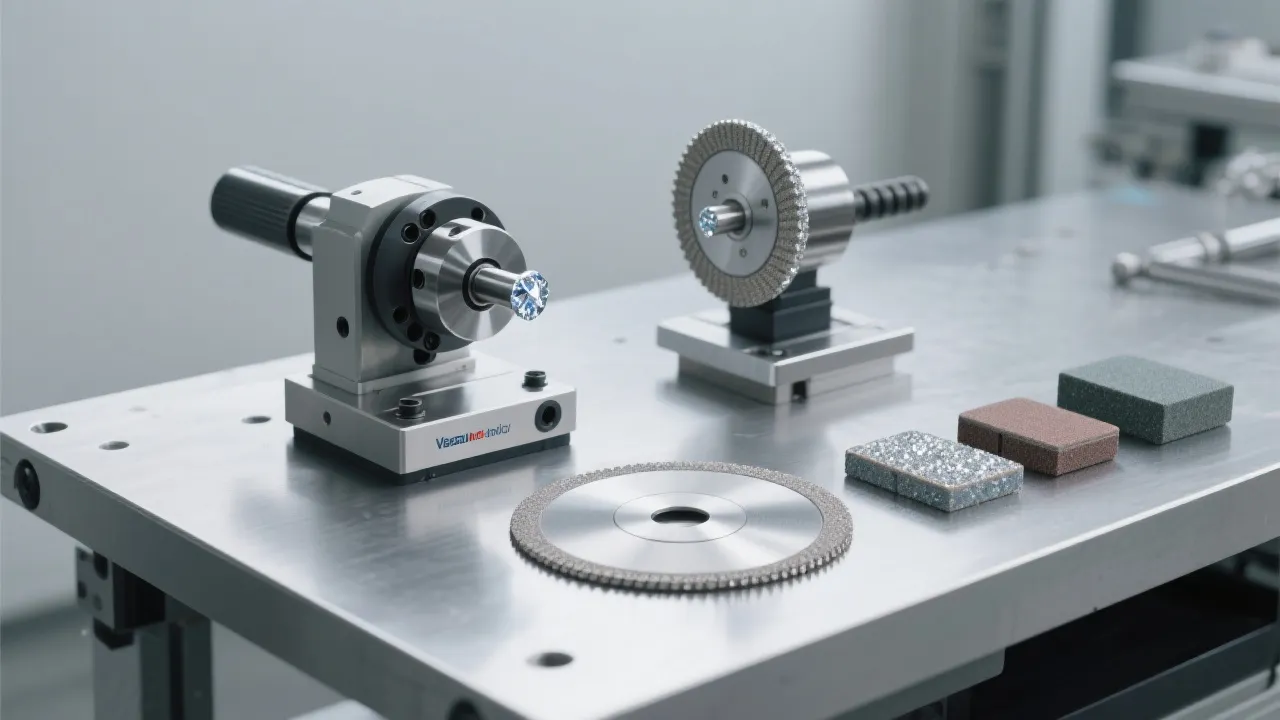
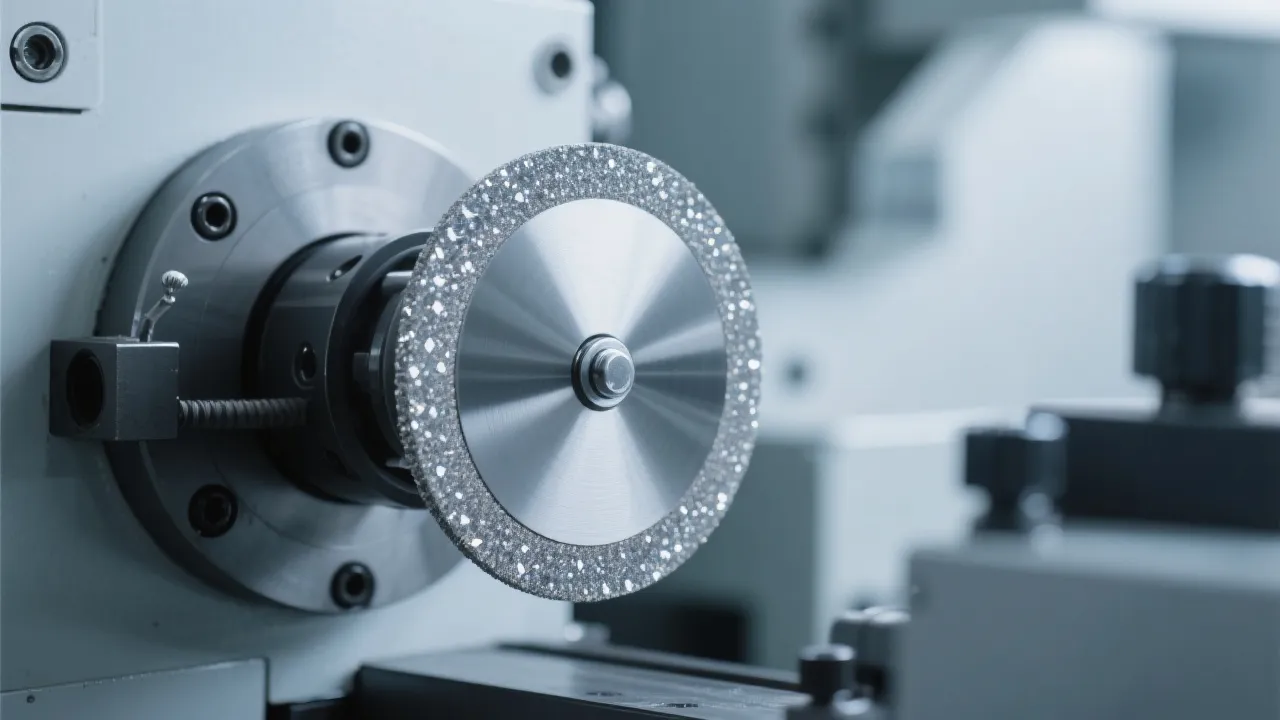
A vacuum brazed diamond cutting abrasive is an ultrahard cutting consumable where diamond grains are metallurgically bonded to a substrate through a brazing layer formed under vacuum conditions. Compared with resin- or electroplated-type products, the vacuum brazing process is commonly selected when users require a more robust grain retention mechanism and stable performance under heavier industrial loads.
Practical definition: diamond grains + brazing alloy + tool body/substrate, integrated through vacuum brazing to improve grain holding and cutting consistency for industrial processing.
Engineering note: performance depends on the matched design of diamond grade, grain size, brazing formulation, and tool geometry—selection should align with the workpiece material, machine capability, coolant strategy, and target finish.
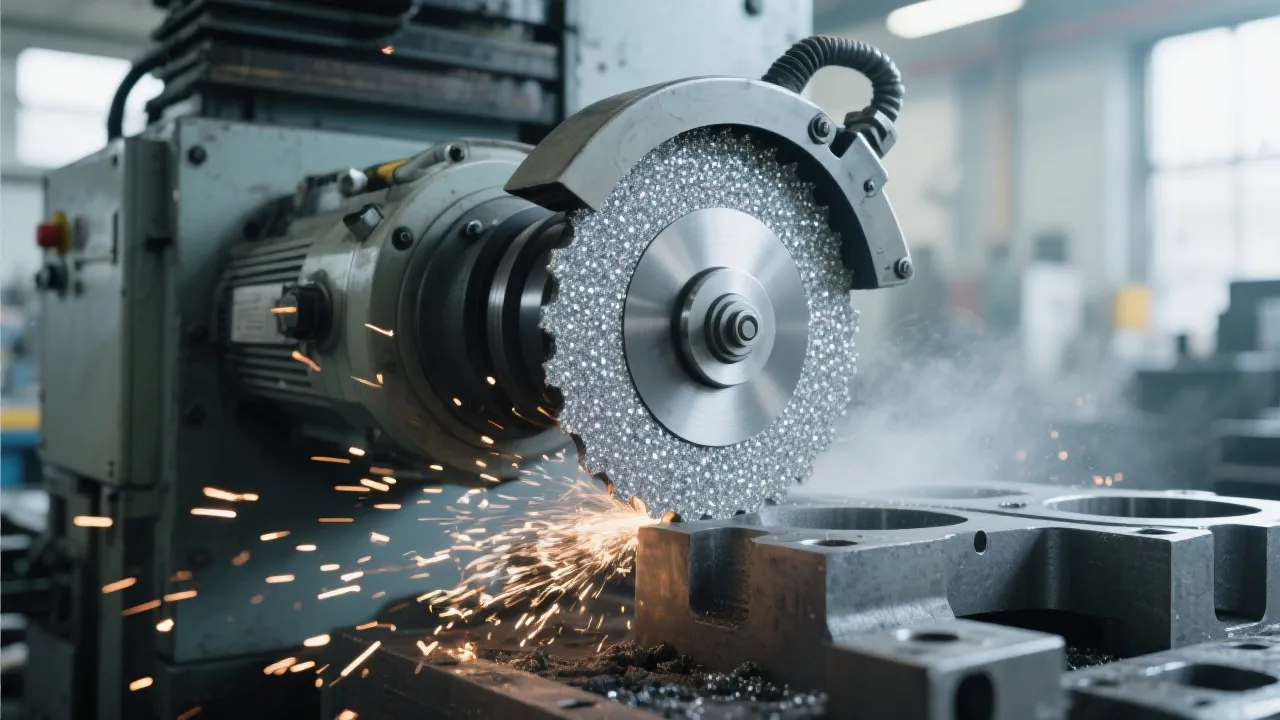
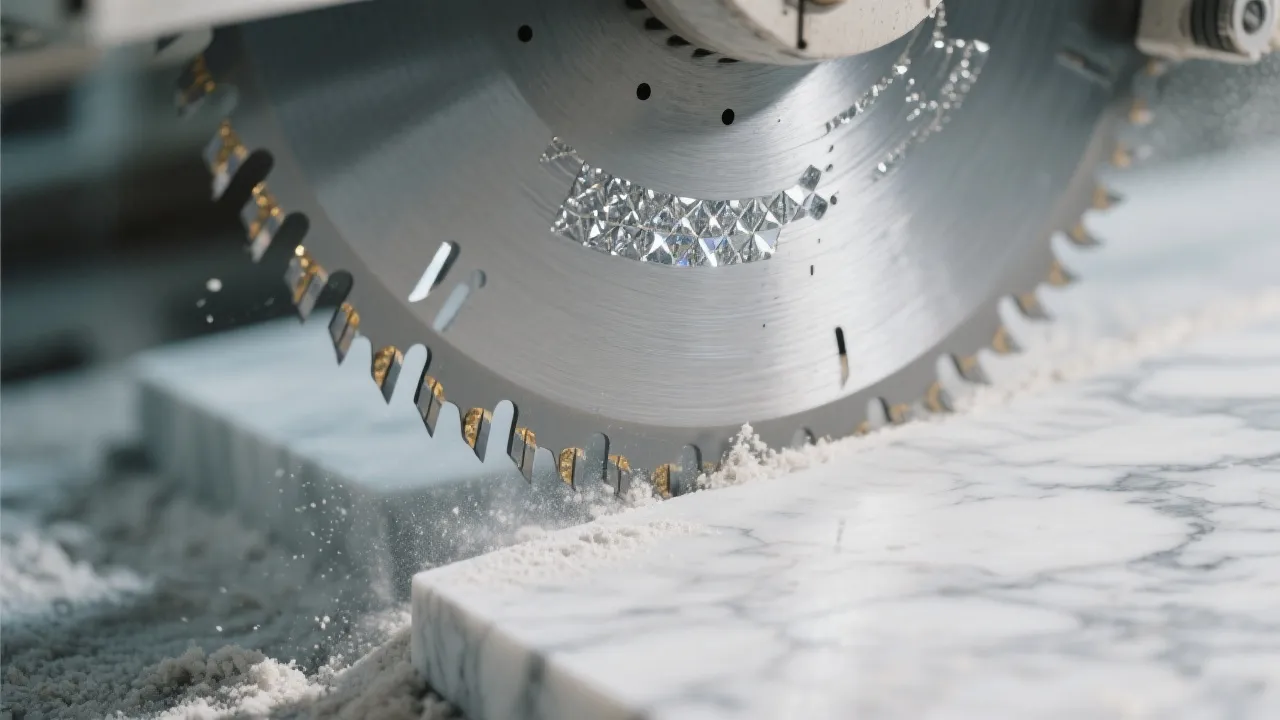
Vacuum brazed diamond cutting abrasives are typically evaluated for industrial lines where higher cutting efficiency and process stability are prioritized. They are commonly considered under conditions such as:
Selection should be based on real cutting conditions and validation trials. The table below summarizes how vacuum brazed diamond cutting abrasives are often differentiated from conventional alternatives.
| Decision factor | Vacuum brazed diamond cutting abrasive | Conventional cutting abrasives (general) |
|---|---|---|
| Bonding mechanism | Metallurgical brazing bond formed under vacuum | Often resin, vitrified, plated, or other bonding modes (varies by product) |
| Cutting efficiency | Often selected for higher removal rate in demanding cutting | Can be sufficient for moderate loads; performance depends on abrasive type |
| Usable life | Often evaluated for longer usable life due to strong grain retention | May wear faster in high-stress applications; varies widely |
| Process stability | Often chosen for stable cutting action and consistent tool behavior | May show greater fluctuation as bond wears or loads change |
| Typical fit | Industrial lines prioritizing throughput, stability, and reduced changeovers | Cost-sensitive or lower-load processes; broad general-purpose usage |
Note: Actual performance depends on material, machine parameters, coolant, operator method, and tool specification. UHD recommends application-based evaluation for final selection.
UHD aligns vacuum brazed diamond cutting abrasive options with your processing goals—material type, operation mode, target finish, and productivity constraints—so purchasing decisions match real shop-floor conditions.
As a high-tech enterprise focusing on ultrahard tooling, UHD continues to strengthen product development through industry-academia collaboration, supporting continuous optimization of tool design and manufacturing consistency.
UHD maintains a structured export service process for global buyers, focusing on clear communication of specifications, stable delivery coordination, and support aligned with different market requirements.
If you are evaluating a vacuum brazed diamond cutting abrasive for your production line, sharing the following information helps UHD recommend a suitable configuration:
UHD Ultrahard Tools Co., Ltd will respond with application-based suggestions focused on cutting efficiency, usable life, and stable machining performance—aligned with your actual process conditions.
.png?x-oss-process=image/resize,h_1000,m_lfit/format,webp)