Case Study: Using Vacuum Brazed Diamond Abrasives to Improve Industrial Cutting Efficiency and Stability

11 07,2026
UHD Ultrahard Tools Co., Ltd
Case Breakdown
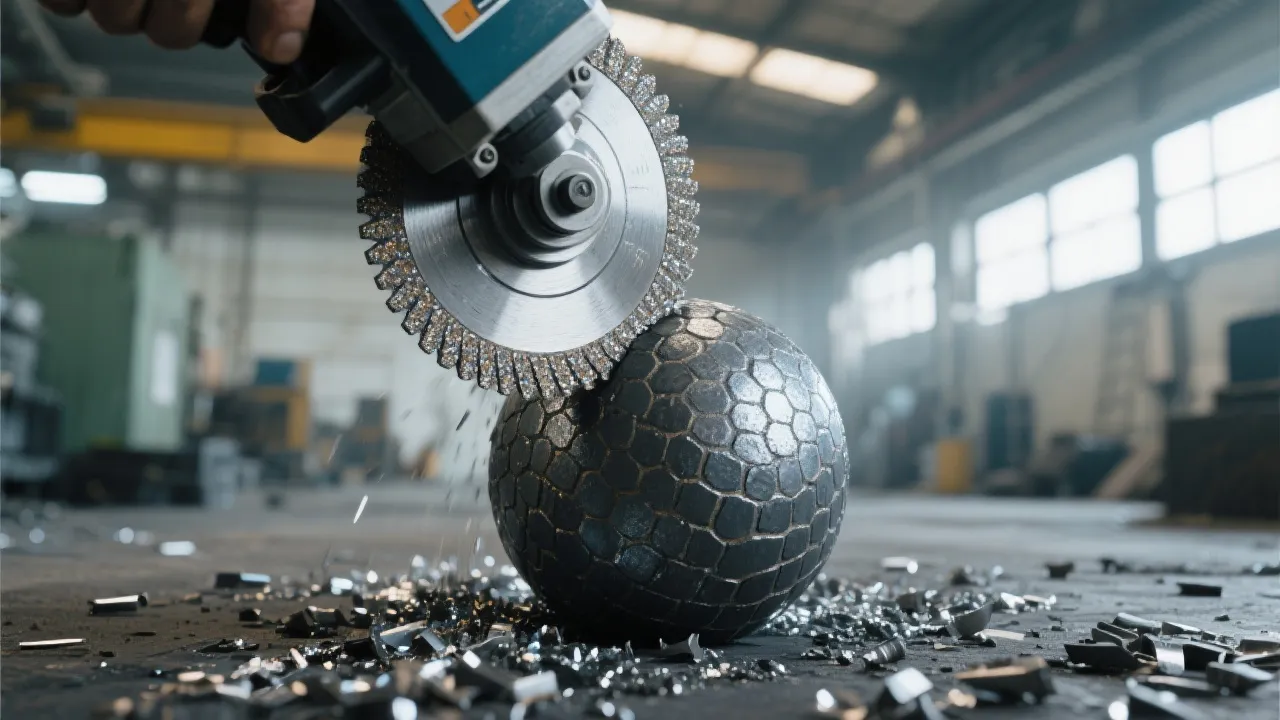
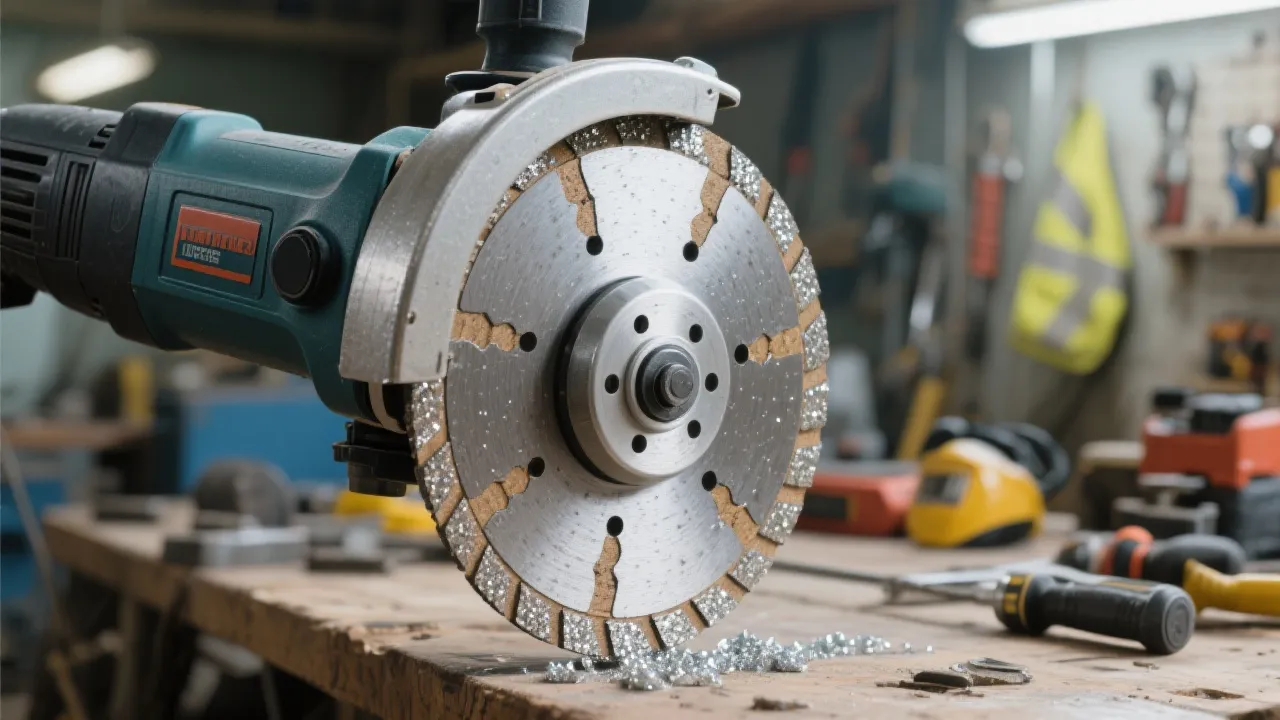
UHD Ultrahard Tools Co., Ltd shares a practical industrial cutting case study showing how vacuum brazed diamond abrasives can improve cutting efficiency, extend service life, and enhance process stability based on real-use results.

Industrial cutting case study · Vacuum brazed diamond abrasives · B2B application reference

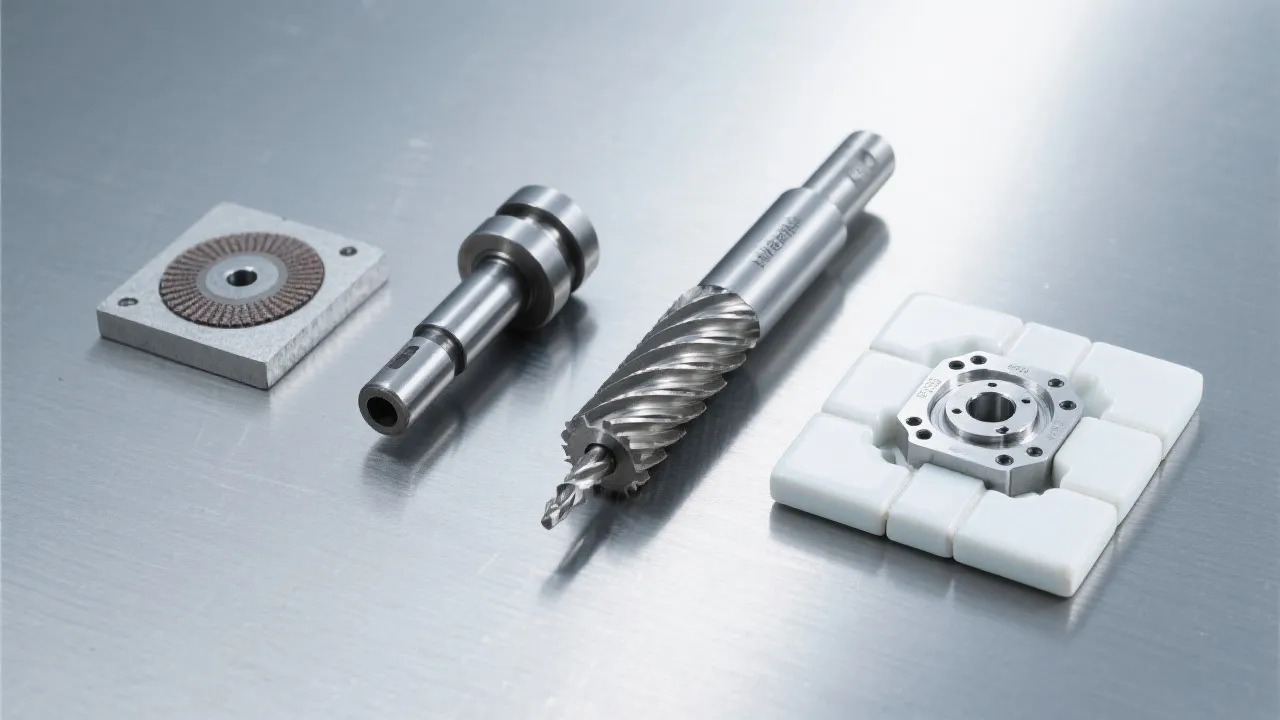
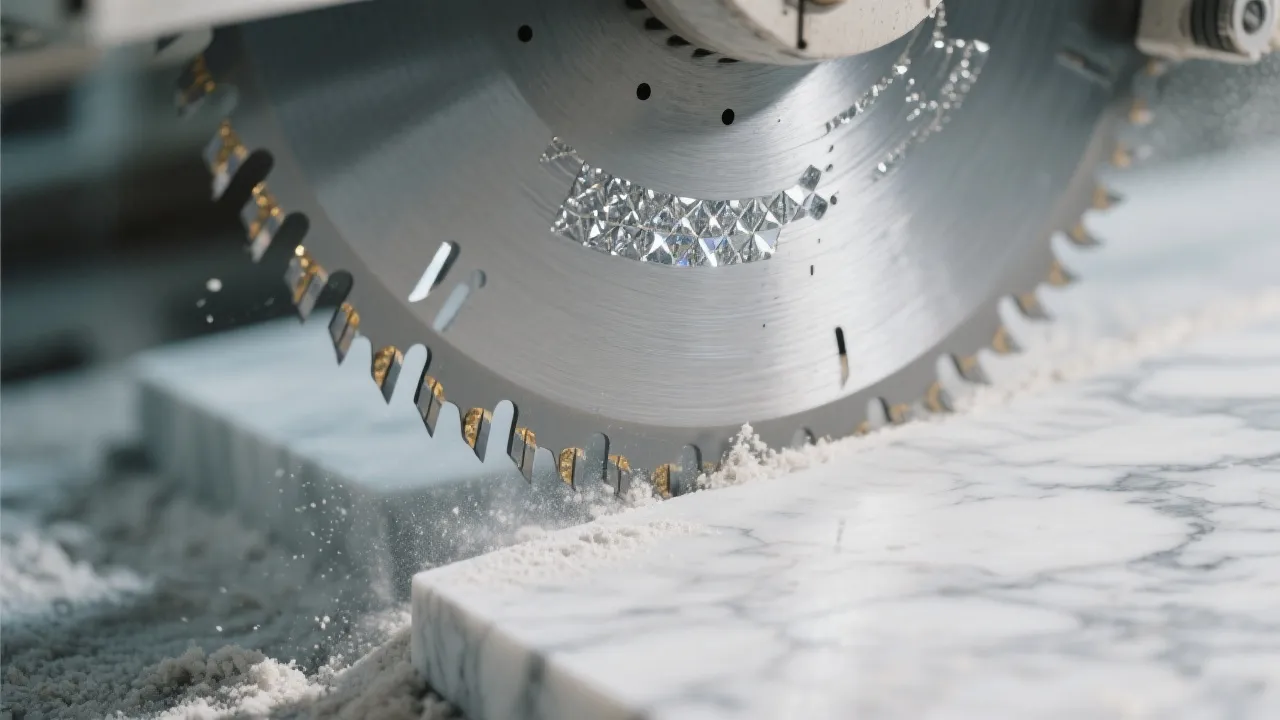
This page shares a practical, production-oriented case study on using vacuum brazed diamond abrasives for industrial cutting, with a focus on two outcomes manufacturers care about most: cutting efficiency and process stability. As a high-tech enterprise specializing in ultrahard tooling, UHD Ultrahard Tools Co., Ltd provides vacuum brazed diamond abrasive solutions designed for consistent performance in metal and stone processing workflows.

What this case study helps you evaluate

  • Where vacuum brazed diamond abrasives fit in industrial cutting lines
  • How stability and efficiency can be improved through correct selection & process setup
  • What to verify during trial runs and supplier qualification

Background: Why vacuum brazed diamond abrasives for industrial cutting

In continuous production, inconsistent cutting behavior typically shows up as unstable feed, increased burrs/chipping, frequent dressing or replacement, and unpredictable downtime. Vacuum brazed diamond abrasives are often evaluated when manufacturers need an abrasive tool option that can deliver stable cutting behavior while supporting higher throughput under controlled conditions.

Typical evaluation goals

  • Increase effective cutting speed or feed rate without sacrificing finish
  • Reduce process fluctuations caused by tool wear or clogging
  • Extend usable service life and reduce changeover frequency

What “stability” means in this page

  • Stable cutting force / reduced vibration sensitivity (setup-dependent)
  • More consistent edge condition across batches or shifts
  • Predictable wear trend that is easier to manage in production planning

Case study scope (real-use oriented, non-exaggerated)

This case study is structured around a standard B2B trial-to-adoption workflow used by industrial buyers. Because performance varies by material, equipment rigidity, coolant, and operator settings, the focus here is on what was evaluated and how to verify results, rather than claiming universal outcomes.

Application Industrial cutting where stable output and predictable tool changeovers are key decision factors.
Tool type Vacuum brazed diamond abrasives supplied by UHD for trial evaluation.
What was assessed Cutting efficiency (throughput indicators), service life trend, and process stability across typical operating windows.
How to interpret results Results should be compared against the buyer’s current baseline tool under the same machine, workpiece, and parameter controls.
Practical note: Vacuum brazed diamond abrasives can show strong cutting capability, but stable results depend on correct matching of grit/bond design, tool geometry, and process parameters (speed, feed, depth, coolant/airflow, and fixture rigidity).

Implementation approach used in the trial

Step-by-step evaluation flow

  1. Define baseline: record current tool type, parameter window, output rate, typical defects, and changeover frequency.
  2. Select abrasive configuration: match vacuum brazed diamond abrasive spec to the target workpiece and cutting objective (finish vs throughput vs stability).
  3. Controlled trial run: keep machine setup and material lot consistent; adjust one parameter set at a time.
  4. Stability check: monitor vibration tendency, heat marks, chipping/burr behavior, and consistency across parts.
  5. Wear & life tracking: log wear progression and define a practical end-of-life criterion aligned with the production quality requirement.
  6. Decision review: evaluate total production impact (throughput + quality + downtime + purchasing cadence).

What UHD typically supports in B2B trials

  • Specification confirmation for vacuum brazed diamond abrasives (application-based)
  • Process discussion for industrial cutting stability and efficiency targets
  • Customization options for brazed diamond abrasive formats (upon request)
  • Export-oriented coordination through UHD’s B2B foreign trade service workflow
UHD is an innovation-driven manufacturer of ultrahard tools, cooperating with research partners such as Henan University of Technology to strengthen R&D capability and application matching.

How efficiency and stability improvements are verified

To make the evaluation usable for purchasing and production teams, indicators should be defined in measurable terms and reviewed against a stable baseline. Below are common verification items used during industrial cutting trials of vacuum brazed diamond abrasives.

Evaluation dimension What to record Why it matters
Cutting efficiency Parts/hour, cycle time, permissible feed/speed window, rework rate changes Shows whether throughput improves without transferring cost to quality control
Process stability Consistency across shifts, vibration/deflection observations, heat marks, edge chipping/burr trend Stability drives predictability, scheduling reliability, and fewer unplanned stops
Service life (practical) Wear progression logs, tool-change interval, end-of-life criteria tied to tolerance/finish Supports cost-in-use calculation and replacement planning
Operational robustness Sensitivity to coolant/airflow changes, fixture rigidity, and parameter deviations Indicates how forgiving the process is in real production environments

Selection notes for B2B buyers (avoid mismatch risks)

Information to prepare for inquiry

  • Workpiece material and hardness/grade range (if available)
  • Cutting method, target finish, and key defect constraints
  • Machine type, spindle power, and fixture rigidity overview
  • Coolant/airflow condition and current parameter window
  • Current tool pain points (life, clogging, vibration, consistency)

Common trial best practices

  • Start with conservative parameters, then expand the window stepwise
  • Use the same lot of workpieces to reduce variability
  • Define acceptance criteria jointly (quality + throughput + changeover)
  • Document results to support purchasing approval and repeatability

Compliance-friendly statement: This case study is intended as an application reference for industrial buyers. Actual performance of vacuum brazed diamond abrasives depends on material, equipment, and process parameters; UHD supports technical communication to help align specifications with your production conditions.

About UHD Ultrahard Tools Co., Ltd

UHD Ultrahard Tools Co., Ltd (Henan Youde Ultrahard Tools) focuses on R&D, manufacturing, and sales of ultrahard tooling, including diamond tools, abrasives, and customized vacuum brazed diamond abrasives. With an innovation-driven mindset and quality-first practice, UHD serves industrial markets through a structured B2B supply approach and supports global buyers via established foreign trade processes.

Positioning

Quality builds the brand · Solution-oriented ultrahard tooling supplier

Service model

B2B support from specification matching to repeatable supply

R&D collaboration

Application-driven development with academic partners

Request a trial-oriented technical discussion

If you are evaluating vacuum brazed diamond abrasives for improved industrial cutting efficiency and process stability, prepare your workpiece material, current tool type, and target outcomes. UHD can then recommend a suitable abrasive configuration and a verification plan aligned with your production constraints.

Name *
Email *
Message*

Recommended Products

Popular articles
Recommended Reading

Related Reading

Contact us
Contact us
https://shmuker.oss-accelerate.aliyuncs.com/tmp/temporary/60ec5bd7f8d5a86c84ef79f2/60ec5bdcf8d5a86c84ef7a9a/thumb-prev.png