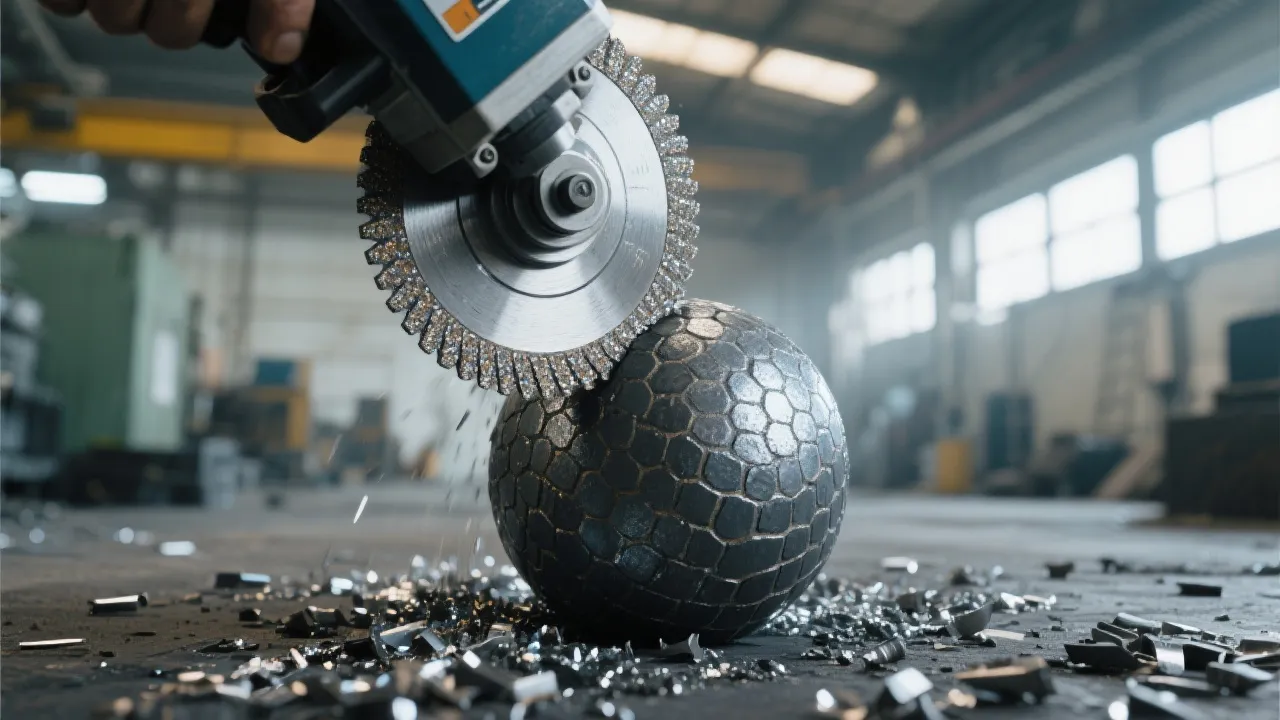
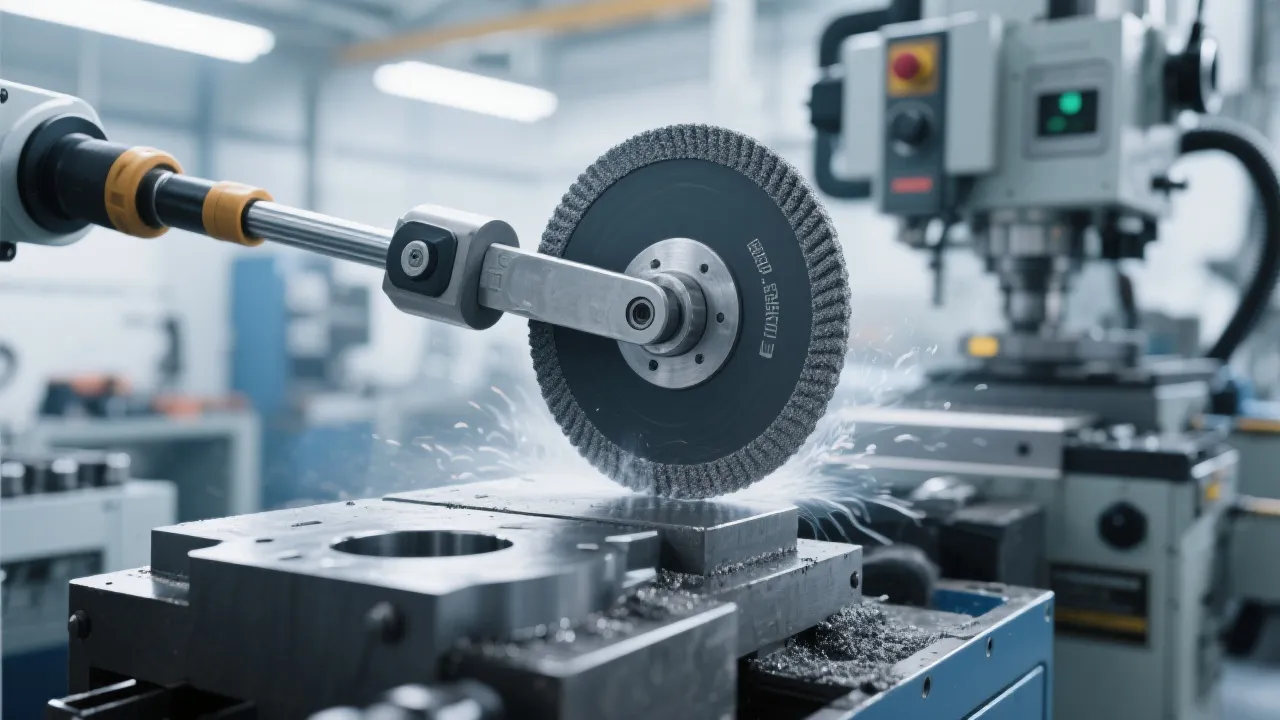
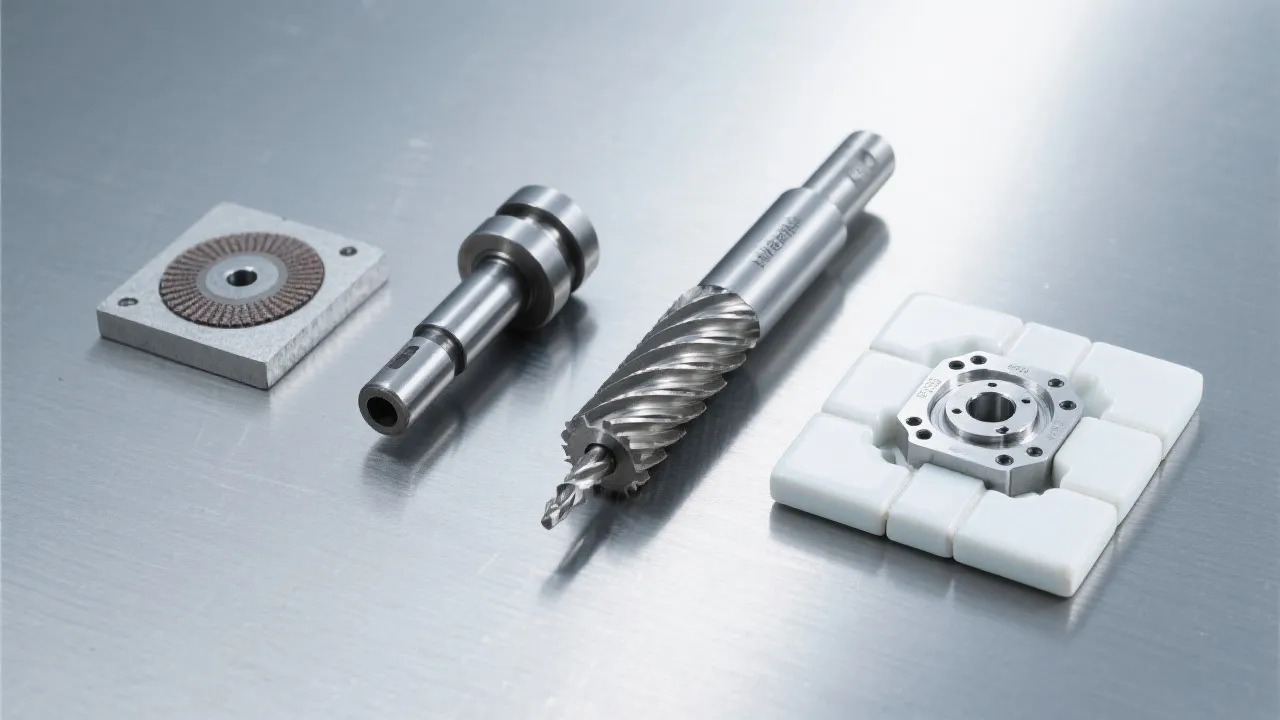
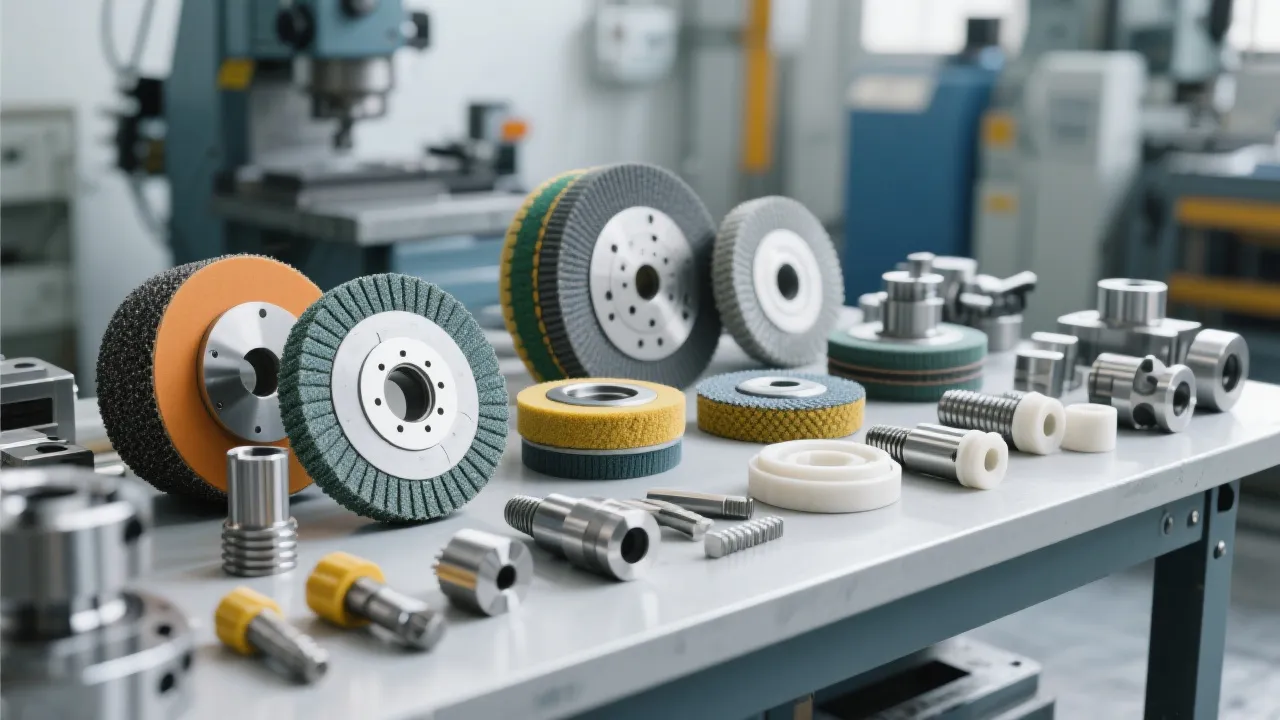
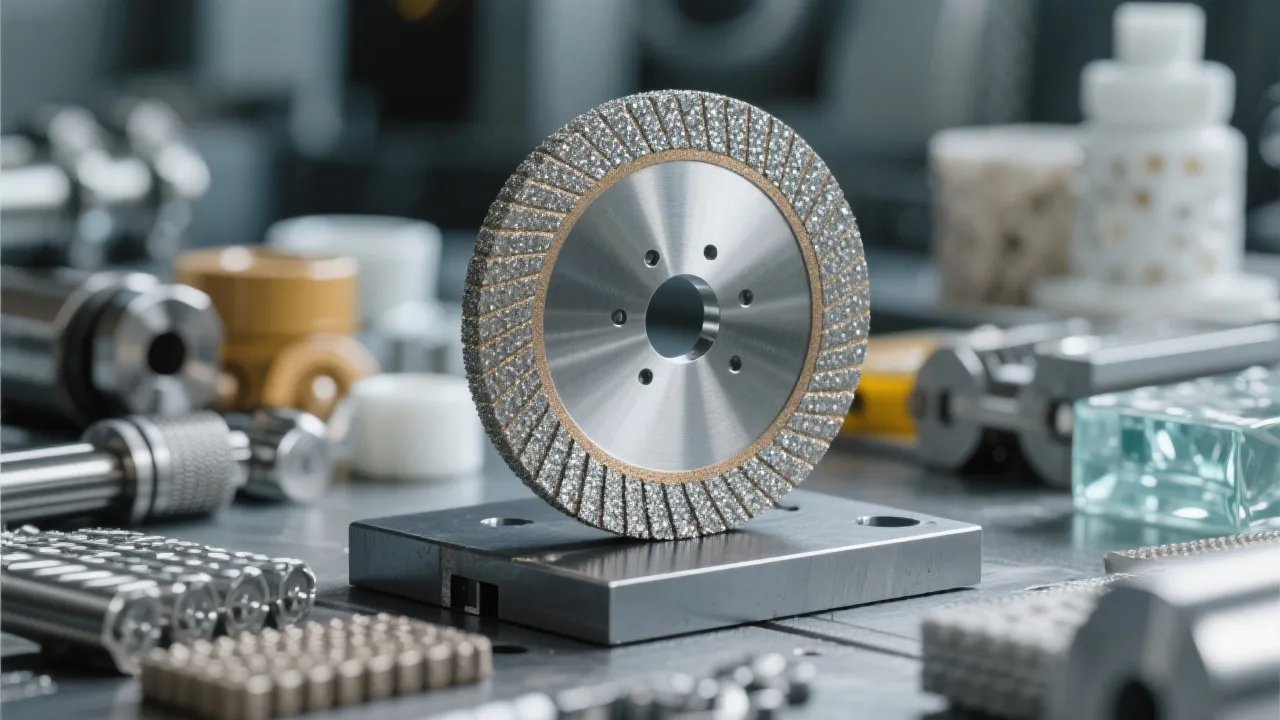
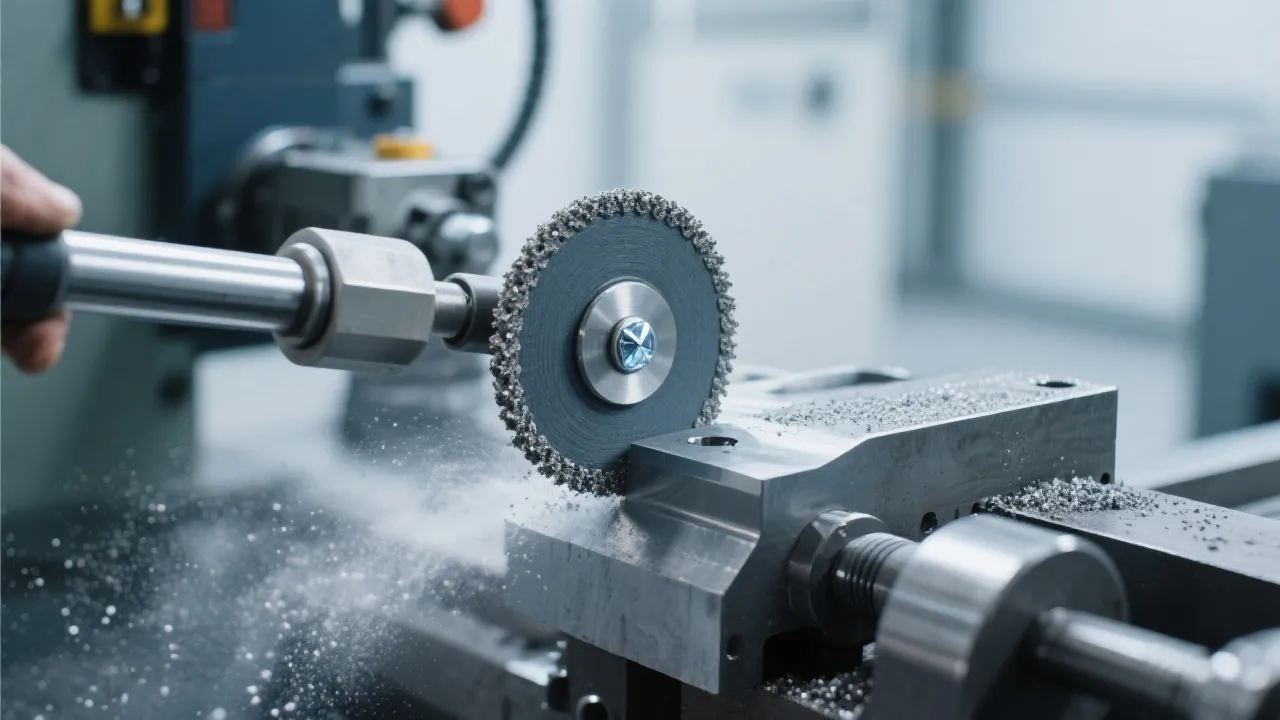
UHD Ultrahard Tools Co., Ltd provides vacuum brazed diamond abrasive solutions for B2B users who need stable cutting/grinding performance in specific processes. This page explains what vacuum brazed diamond abrasive is, the vacuum brazing process principle, its performance advantages versus conventional abrasives, and the application limits you should consider before selection.
Vacuum brazed diamond abrasive is a superhard abrasive form where diamond grains are metallurgically bonded (brazed) onto a substrate (often a metal base) in a vacuum environment. Instead of relying primarily on resin, vitrified bonds, or electroplating alone, the brazing filler metal creates a strong bond that helps keep abrasive grains retained under load.
In practical terms, vacuum brazed diamond abrasive is typically used when engineers want a tool surface with stable, exposed diamond cutting points and a bond system designed for demanding cutting and grinding tasks—while recognizing it is not a universal replacement for all conventional abrasive products.
Why vacuum matters: A vacuum environment helps minimize oxidation and supports cleaner wetting/bonding behavior—one reason vacuum brazing is used for superhard abrasive manufacturing where interface quality is critical.
The following advantages are commonly associated with vacuum brazed diamond abrasive when properly designed for the target process. Actual performance depends on grain size, distribution, bond design, tool geometry, and operating parameters.
Brazed bonding creates a metallurgical connection that can help keep diamond grains anchored under load, supporting stable cutting points during operation.
With controlled grain exposure and distribution, vacuum brazed structures can support process stability (repeatability) in suitable cutting and grinding tasks.
Compared with general-purpose abrasives, vacuum brazed diamond abrasive is often selected to improve efficiency and durability in specific applications—especially where maintaining sharp, exposed diamond edges is beneficial.
| Comparison dimension | Vacuum brazed diamond abrasive | Conventional abrasives (general) |
|---|---|---|
| Grain retention mechanism | Metallurgical brazed bonding | Resin/vitrified bond or plating (depends on type) |
| Typical selection intent | Stable exposed diamonds for targeted cutting/grinding tasks | Broad use cases; often cost/availability driven |
| Process stability | Often designed for repeatability in suitable conditions | Varies by abrasive type and bond system |
| Best-fit approach | Application-specific engineering and parameter matching | General selection rules; may require more trial-and-error in demanding tasks |
Vacuum brazed diamond abrasive is commonly considered in industrial workflows where diamond-based abrasion is required and where grain exposure and retention are important to process consistency.
UHD’s vacuum brazed diamond abrasives and related superhard tooling are used across metal processing and stone-related workflows, with configurations typically customized to the specific material, machine, and process requirement.
Understanding boundaries helps avoid mismatches and unexpected wear. Vacuum brazed diamond abrasive is application-specific—not a general-purpose abrasive that fits every material or process.
If the job requires a different wear mode (e.g., self-sharpening behavior typical of some bonded wheels) or a different cost structure, conventional abrasives may be more suitable. The best choice depends on the process goal: surface finish, removal rate, tool stability, and total cost of use.
For engineering alignment and faster quotation, prepare the following information. UHD Ultrahard Tools Co., Ltd can use these inputs to recommend an appropriate structure and configuration.
This specification approach helps distinguish vacuum brazed diamond abrasive from conventional abrasive options and supports a clearer selection decision for cutting and grinding tasks.
UHD is a high-tech enterprise focused on R&D, manufacturing, and sales of superhard material tools, including diamond tools, abrasives, and custom vacuum brazed diamond abrasives. With an export-oriented B2B service system and collaboration with academic partners such as Henan University of Technology, UHD supports industrial customers with product positioning and application-driven tool solutions.
If you are evaluating vacuum brazed diamond abrasive for a specific cutting or grinding process, share your material and operating conditions to enable a technically grounded recommendation within the correct application boundaries.
Vacuum brazed diamond abrasive performs best when the process objective (efficiency, stability, finish) and the operating window (speed/feed/cooling) are aligned with the designed abrasive structure.
For production use, confirm drawing requirements, inspection criteria, and any market-specific trade documentation needs during procurement. UHD supports B2B delivery processes aligned with different export markets.
.png?x-oss-process=image/resize,h_1000,m_lfit/format,webp)