How Ultrahard Material Tools Match Metal and Stone Processing: From Process Pain Points to Product Solutions
20 07,2026
UHD Ultrahard Tools Co., Ltd
Case Breakdown
UHD Ultrahard Tools Co., Ltd explains how ultrahard material tools are selected and positioned for metal and stone processing—from common cutting and grinding pain points to tool matching, customization logic, and application feedback, without unverified performance claims.
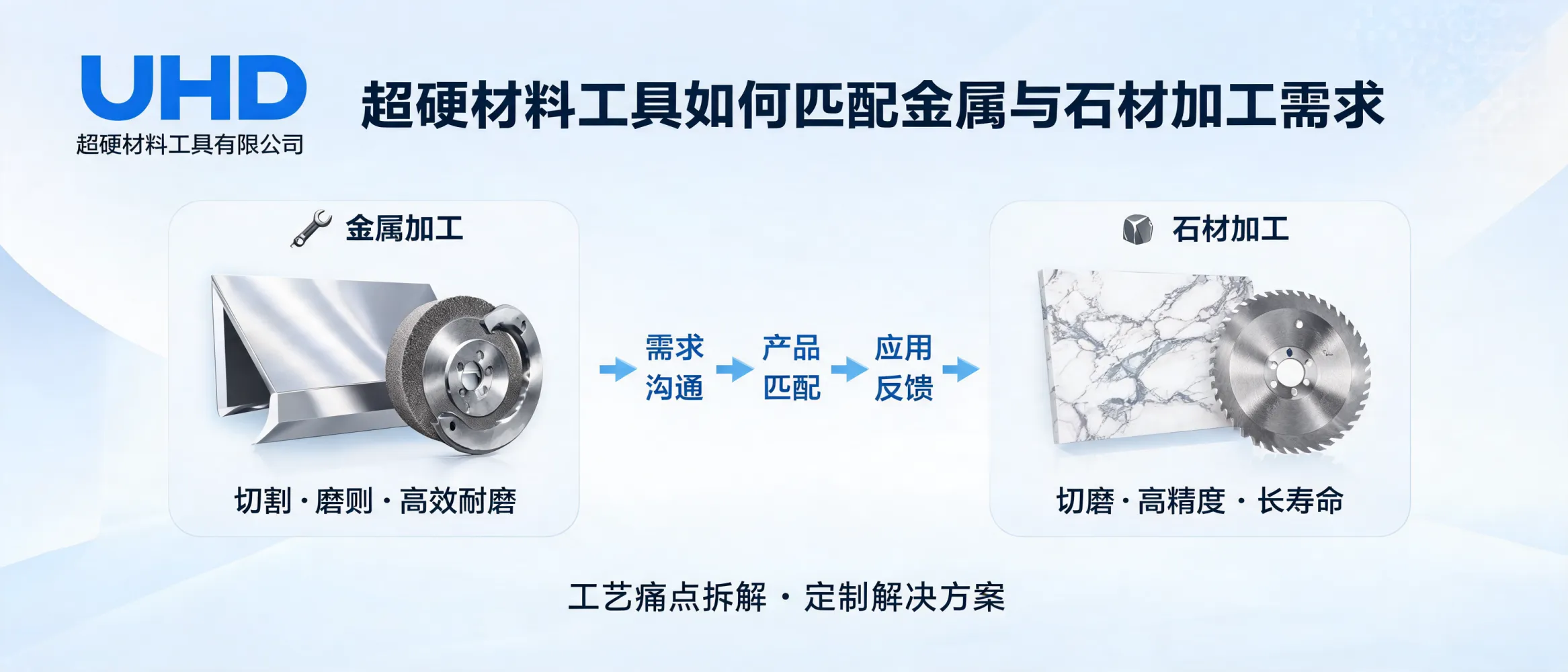
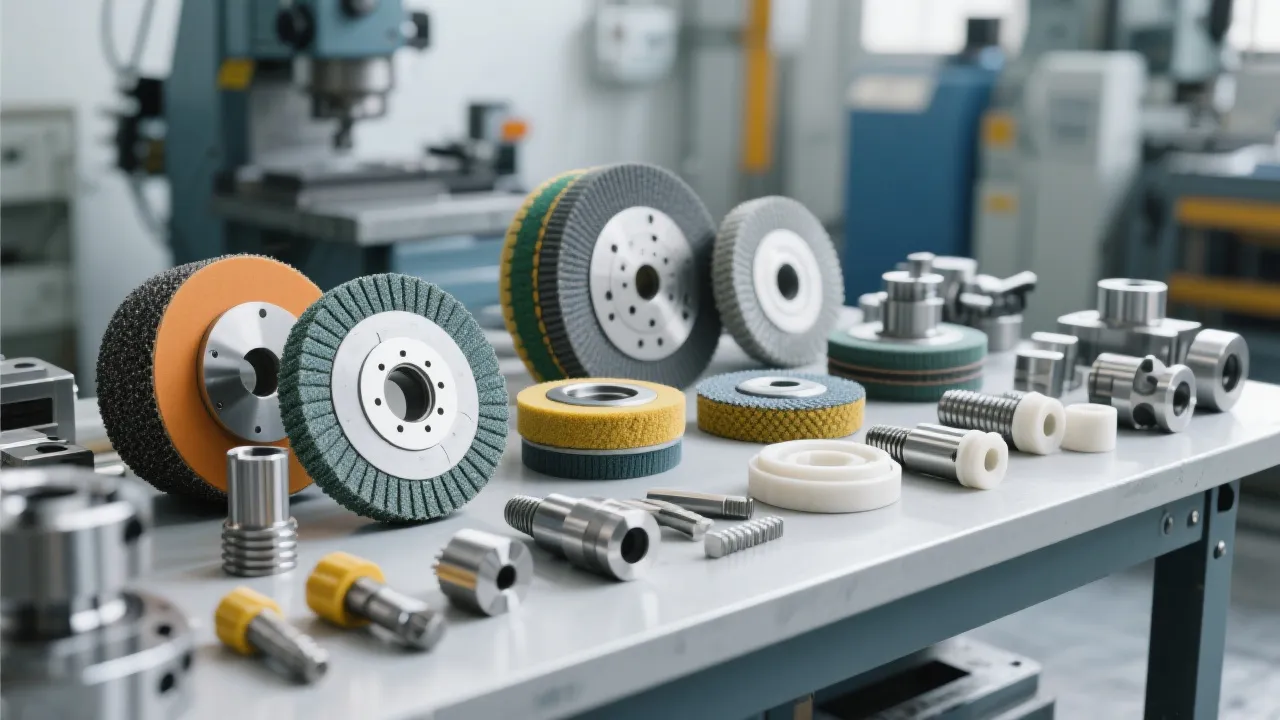
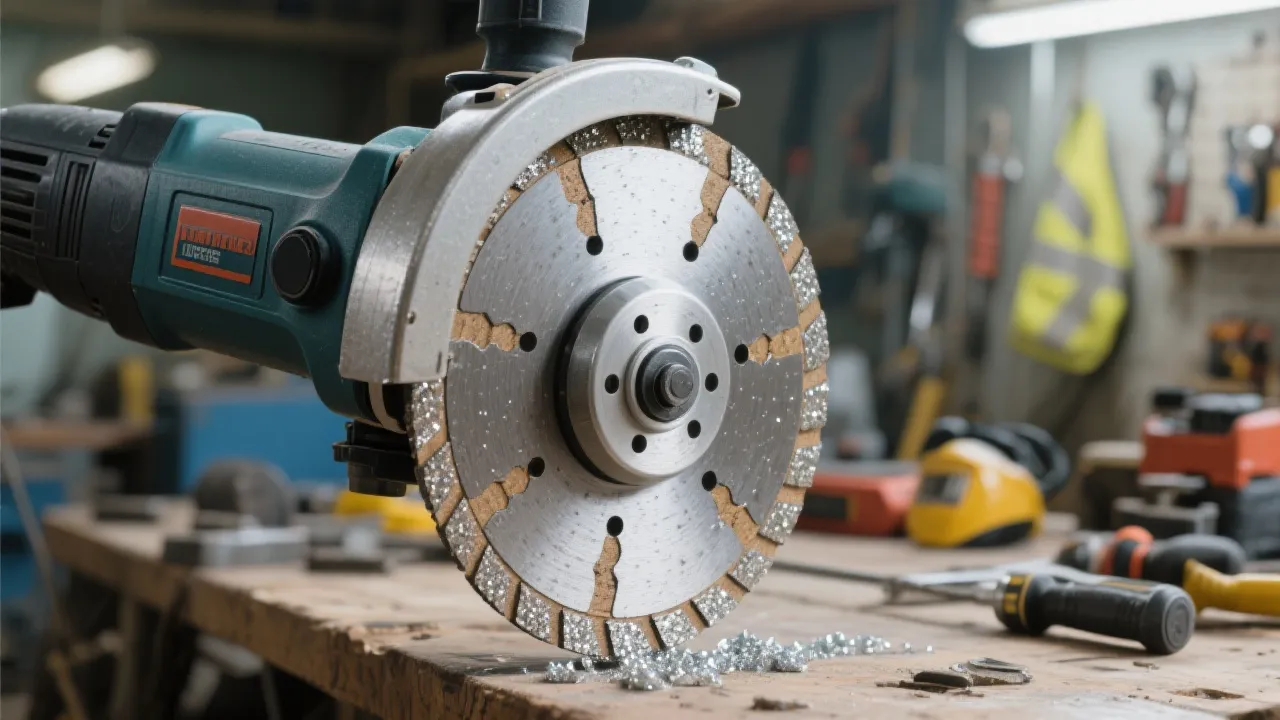
In metal processing and stone processing, “the right tool” is rarely a single SKU—it’s a match between material, process, machine conditions, and quality targets. UHD Ultrahard Tools Co., Ltd focuses on ultrahard material tools (including diamond tools, abrasives, and customized brazed diamond abrasives) and provides a practical, process-fit selection approach designed for B2B production environments—without relying on unverified performance claims.
This page explains how ultrahard material tools are positioned and selected for typical cutting, grinding, and material removal tasks—starting from common pain points, moving to tool matching and customization logic, and ending with a compliant feedback loop for continuous improvement.
Typical Pain Points in Cutting & Grinding (What to Diagnose First)
Many tool issues are not caused by “tool quality” alone. A reliable selection begins with a structured diagnosis of the process and constraints.
Efficiency & Throughput
- Is removal rate limited by heat, vibration, or machine power?
- Is the bottleneck in cutting speed, feed stability, or frequent dressing/changeover?
Tool Life & Consistency
- Is wear normal and predictable, or is there chipping, glazing, pull-out, or sudden failure?
- Are outcomes stable across batches, operators, and shifts?
Surface Quality & Dimensional Control
- Are there burn marks, micro-cracks, edge breakout (stone), or burrs (metal)?
- Is the finish limited by grit choice, bond behavior, or process parameters?
Process Compatibility
- Is the tool matched to wet/dry operation, coolant type, and dust control requirements?
- Does the tool geometry fit the actual contact area and machine spindle/interface?
Process-Fit Tool Matching: A Practical Selection Framework
UHD uses a “process-fit” logic to narrow tool options. The goal is to translate application conditions into controllable specifications—so selection and customization remain verifiable and repeatable.
| Input from Your Process |
What It Affects in Tool Choice |
Typical Output (Selection Direction) |
| Workpiece type (metal / stone), hardness & structure |
Abrasive behavior, cutting vs grinding approach |
Tool category, abrasive type, and application-specific build |
| Operation (cutting / grinding / material removal) |
Contact mode, heat generation, stability needs |
Geometry direction, grit range direction, bonding logic |
| Wet vs dry, coolant and dust constraints |
Thermal load, chip evacuation, safety & cleanliness |
Cooling-compatible design and stable cutting/grinding behavior |
| Machine condition (power, RPM, rigidity, interface) |
Vibration sensitivity, load capacity, mounting fit |
Dimension & interface match; stability-oriented spec selection |
| Quality targets (surface finish, edge integrity, tolerance) |
Grit direction, process sequencing, risk of defects |
Process route suggestion + tool set matching (rough → finish) |
Selection is most effective when the application is described in process language (workpiece, operation, machine, environment, quality target) rather than only by “tool name” or “desired lifespan.”
Where Ultrahard Tools Fit: Metal vs Stone Processing Scenarios
Metal Processing (Cutting / Grinding / Material Removal)
- Primary focus: stable material removal, heat management, and surface integrity under controlled parameters.
- Common matching variables: machine rigidity, coolant practice, and the balance between aggressiveness and finish.
- Tool positioning: choosing the ultrahard tool form and specification that fits the operation window and production constraints.
Stone Processing (Cutting / Shaping / Grinding)
- Primary focus: edge quality, chipping control, dust/water management, and process stability across varying stone structures.
- Common matching variables: stone type differences, contact pressure, and sequencing (roughing to finishing).
- Tool positioning: selecting diamond tools and abrasive configurations aligned with the specific stone process step.
Customization Logic (When “Standard” Isn’t Enough)
In B2B production, customization typically aims to reduce uncertainty in tool-process compatibility. UHD supports process-fit custom tools—especially within its scope of ultrahard material tooling and customized brazed diamond abrasives—by clarifying the purpose of customization first.
Common Reasons to Customize
- Geometry fit: dimensions, mounting interface, working profile, or contact area matching.
- Process window: aligning the tool to available RPM/power and stability limits.
- Quality objectives: targeting a specific surface quality stage (rough → semi-finish → finish).
- Operating environment: wet/dry constraints and shop-floor dust/coolant practices.
Note: Customization should be evaluated through controlled trials and application feedback. UHD avoids promising fixed performance results without verified, application-specific evidence.
A Compliant Workflow: From Requirement Communication to Application Feedback
-
Requirement intake: clarify workpiece, operation type, machine conditions, wet/dry environment, and quality targets.
-
Tool matching: propose a suitable ultrahard material tool direction (tool form + specification direction) aligned with the process window.
-
Customization check (if needed): confirm dimensions/interface and the reason for customization (fit, stability, finish stage, environment).
-
Trial guidance: align basic operating recommendations with your on-site constraints (e.g., coolant practice, stability, safety).
-
Application feedback loop: collect observations on wear mode, surface quality, and process stability to refine the next iteration.
Why UHD: Engineering-Driven Support for Industrial Buyers
- Clear positioning: ultrahard material tool solutions for metal and stone processing, centered on process-fit matching.
- R&D collaboration: ongoing cooperation with universities (e.g., Henan University of Technology) to support ultrahard tool development and application understanding.
- B2B export readiness: structured foreign trade service and communication through mainstream B2B channels to meet diverse market needs.
- Quality-first mindset: “Quality builds the brand” is reflected in controlled product positioning and requirement-based recommendations.
What to Prepare for an Effective Tool Matching Discussion
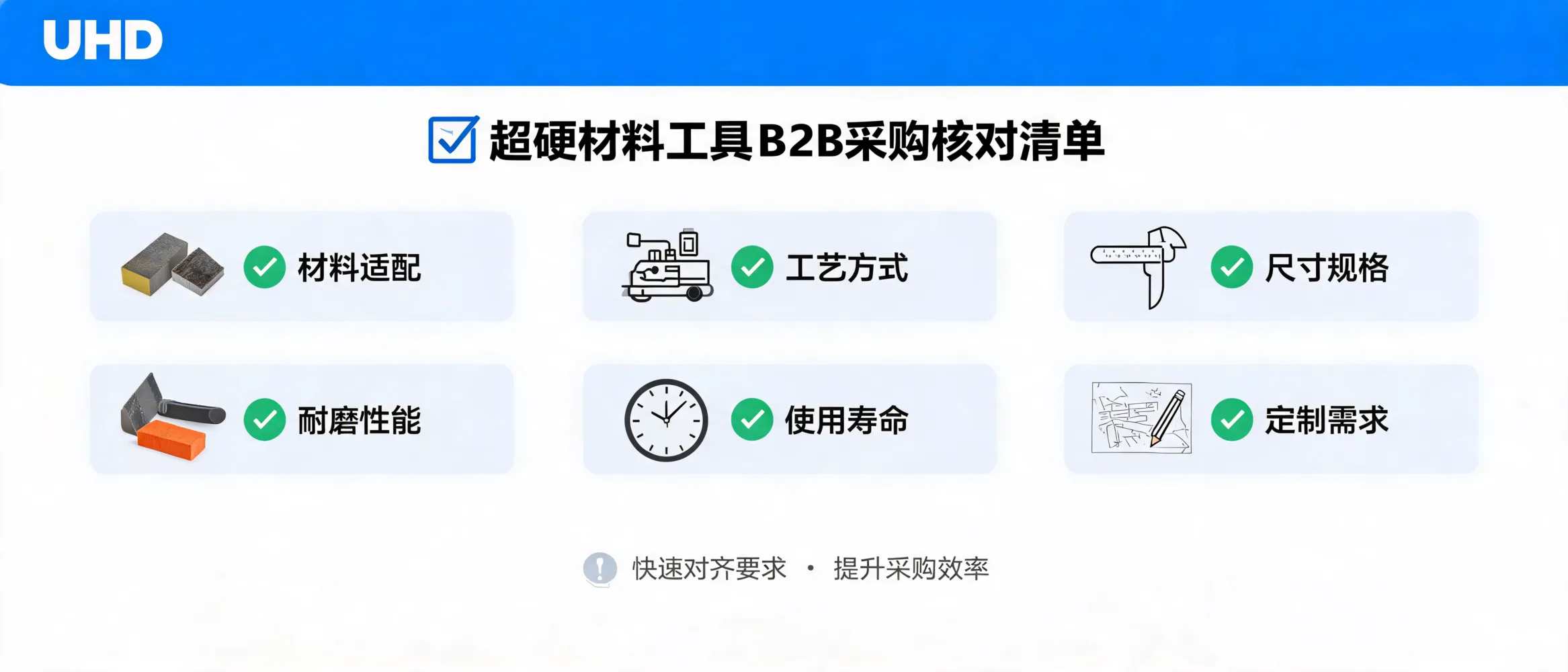
- Workpiece material and basic condition (metal/stone type, hardness/structure if known)
- Operation description (cutting, grinding, shaping, material removal) and current pain point
- Machine info (model constraints, RPM range, power, mounting/interface)
- Wet/dry practice and coolant/dust management requirements
- Target outcome (surface quality stage, dimensional needs, stability expectations)
With these inputs, UHD Ultrahard Tools Co., Ltd can respond with a process-fit recommendation and a clear path for trials and feedback—helping you move from pain points to a practical ultrahard tooling solution.

.png?x-oss-process=image/resize,h_1000,m_lfit/format,webp)

.png?x-oss-process=image/resize,h_1000,m_lfit/format,webp)