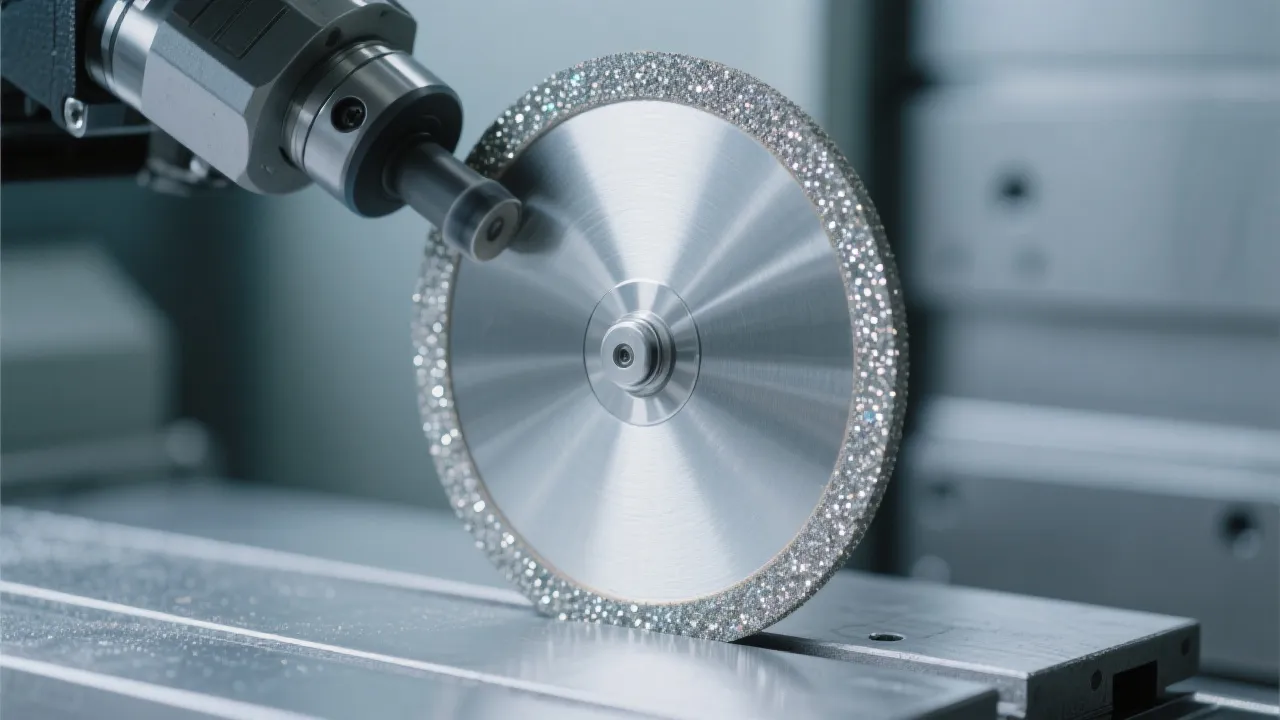
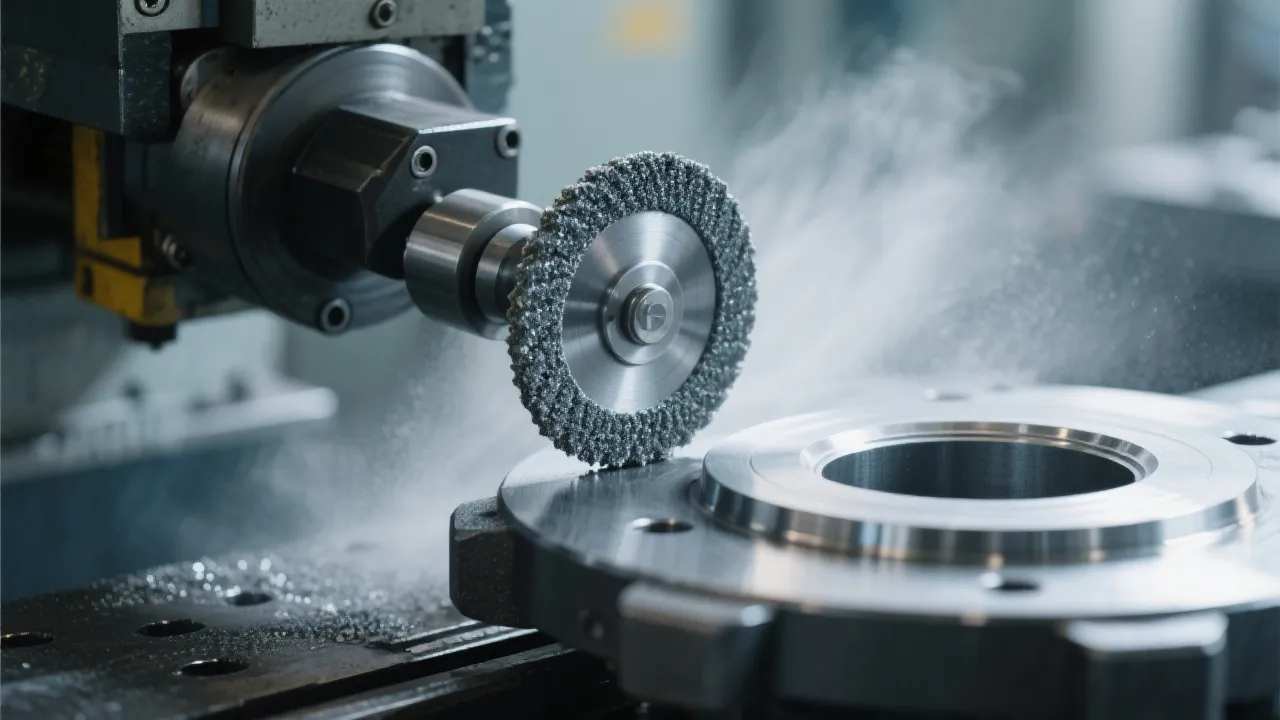
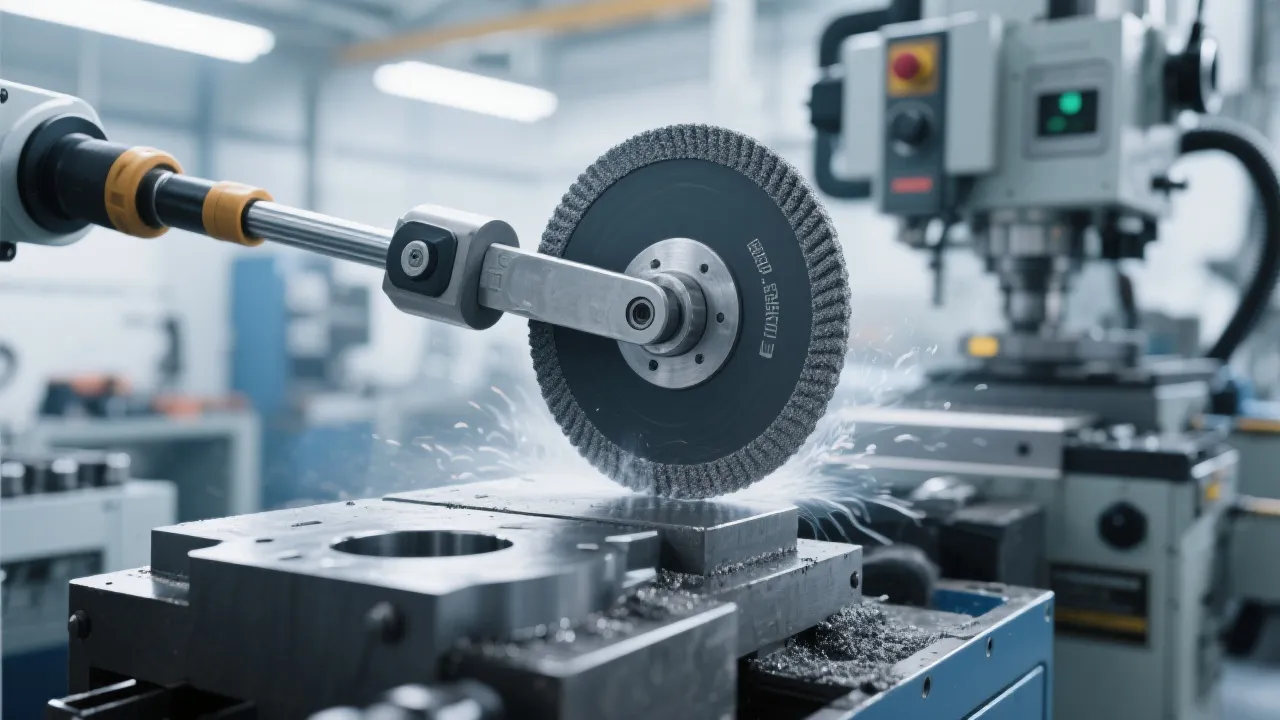
Selecting an ultrahard tool is not just about “harder is better”. For industrial buyers and process engineers, the right choice depends on how the tool’s material system and structure match your machining scenario—including the workpiece, operation type, heat generation, and acceptable finish.
This guide from UHD Ultrahard Tools Co., Ltd (UHD Ultrahard Tools) explains practical principles to match diamond tools, abrasive products, and vacuum brazed diamond cutting abrasives to metalworking and stone processing, with clear application boundaries and performance priorities.
Identify the material family (metal vs stone), hardness/abrasiveness, and whether the process produces continuous chips or powder-like swarf. This determines whether you need cutting-focused or grinding-focused behavior.
Define if it is cutting, shaping, surface grinding, edge profiling, or finishing. Consider contact area, stability, and required geometry—these govern tool form and abrasive layout.
Estimate heat generation and whether coolant is used. Also confirm spindle power, RPM limits, and rigidity. These factors influence the recommended tool structure and performance priority.
A reliable selection process starts with application boundaries (what the tool is meant to do and under what conditions), then evaluates performance priorities (speed, finish, stability, wear behavior) rather than choosing by name alone.
| Category | Typical role in machining | Selection focus | Common fit |
|---|---|---|---|
| Diamond tools | Cutting/grinding tools using diamond as the working abrasive for hard, abrasive materials and precision tasks. | Tool form, diamond exposure, stability, heat handling, and process compatibility. | Stone processing and selected industrial grinding/cutting scenarios. |
| Abrasives | Material removal through controlled abrasion—often used to tune surface finish and dimensional consistency. | Grit/structure match to finish requirement, productivity needs, and wear behavior. | Metalworking and stone finishing workflows where consistency is critical. |
| Vacuum brazed diamond cutting abrasives | Abrasive tools where diamond is bonded by vacuum brazing for robust grain retention in demanding cutting/grinding conditions. | Bond robustness, cutting aggressiveness vs control, heat management, and application boundaries. | High-demand cutting/grinding tasks in stone processing and certain metalworking applications. |
Note: Exact configuration should be confirmed against your workpiece, machine condition, and process requirements.
In metalworking, tool choice should follow the operation’s chip formation, heat profile, and tolerance/finish targets. Ultrahard solutions may be used where abrasion resistance and stable performance are critical.
Stone applications are typically abrasive and can be sensitive to edge chipping and thermal stress. Selection should clarify the step (rough cutting vs shaping vs finishing) and the required edge/surface quality.
Selection tip: When comparing options, keep the evaluation consistent—same machine, same workpiece, same pass strategy—so differences in tool behavior can be attributed to the tool rather than the process.
UHD focuses on ultrahard material tooling, covering diamond tools, abrasive products, and custom vacuum brazed diamond abrasives for industrial machining scenarios in metalworking and stone processing.
With an innovation-and-quality-driven approach and collaboration with academic research platforms, UHD supports B2B customers by aligning tool selection with application requirements—helping clarify boundaries, priorities, and feasible configurations.
Providing these details helps UHD recommend a tool type and configuration that matches your machining scenario without over-specifying.
UHD Ultrahard Tools works with industrial customers to select ultrahard tools based on scenario matching—connecting diamond tools, abrasives, and vacuum brazed diamond cutting abrasives to real operating boundaries in metalworking and stone processing.


.png?x-oss-process=image/resize,h_1000,m_lfit/format,webp)