Ultrahard Material Tool Purchasing Checklist: Key Parameters to Confirm Before You Buy
20 06,2026
UHD Ultrahard Tools Co., Ltd
Operating Instructions
UHD Ultrahard Tools Co., Ltd provides a practical technical checklist for B2B procurement of ultrahard material tools—covering material compatibility, process method, dimensions, wear resistance, service life, and customization requirements to align RFQ, sampling, and mass production decisions.
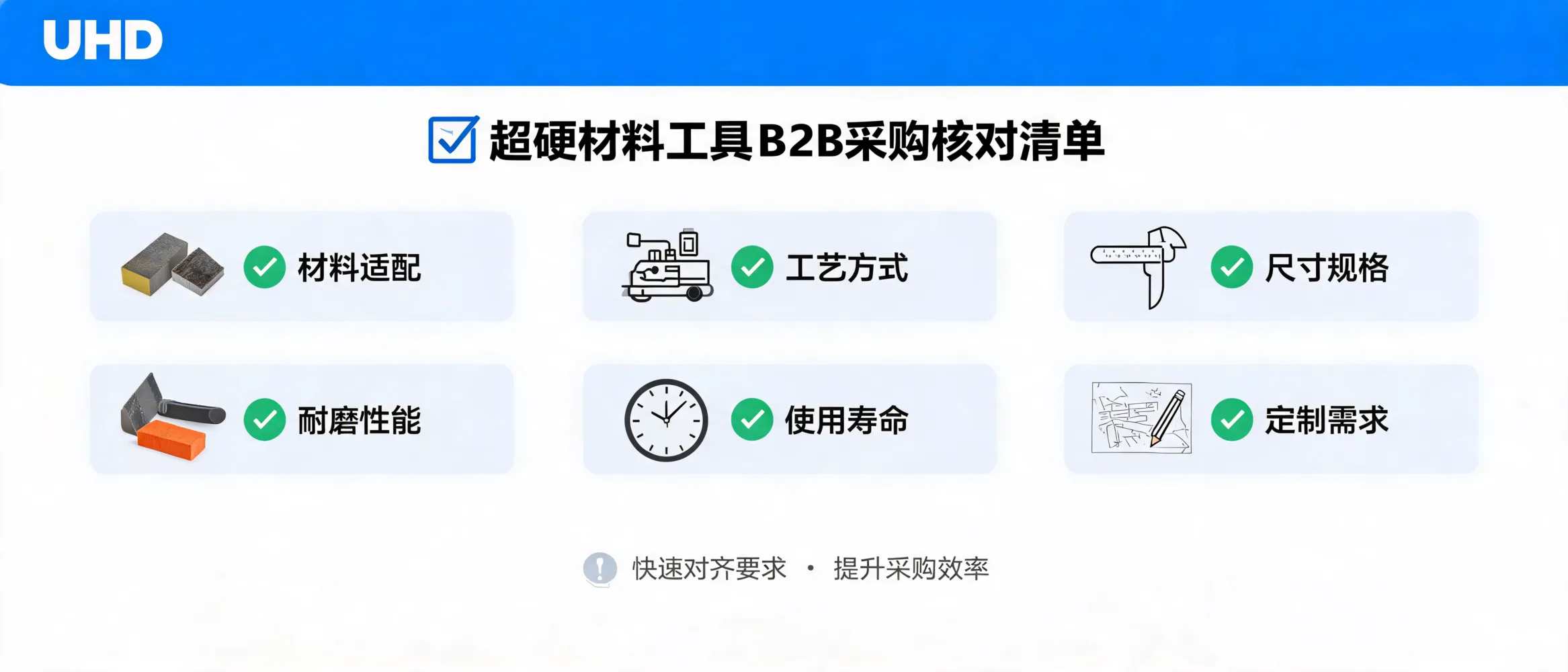
For B2B buyers, sourcing ultrahard material tools is most efficient when procurement and engineering share the same parameter language. This checklist from UHD Ultrahard Tools Co., Ltd helps you verify key purchasing parameters before RFQ, sampling, and mass production—reducing ambiguity and improving batch-order certainty.
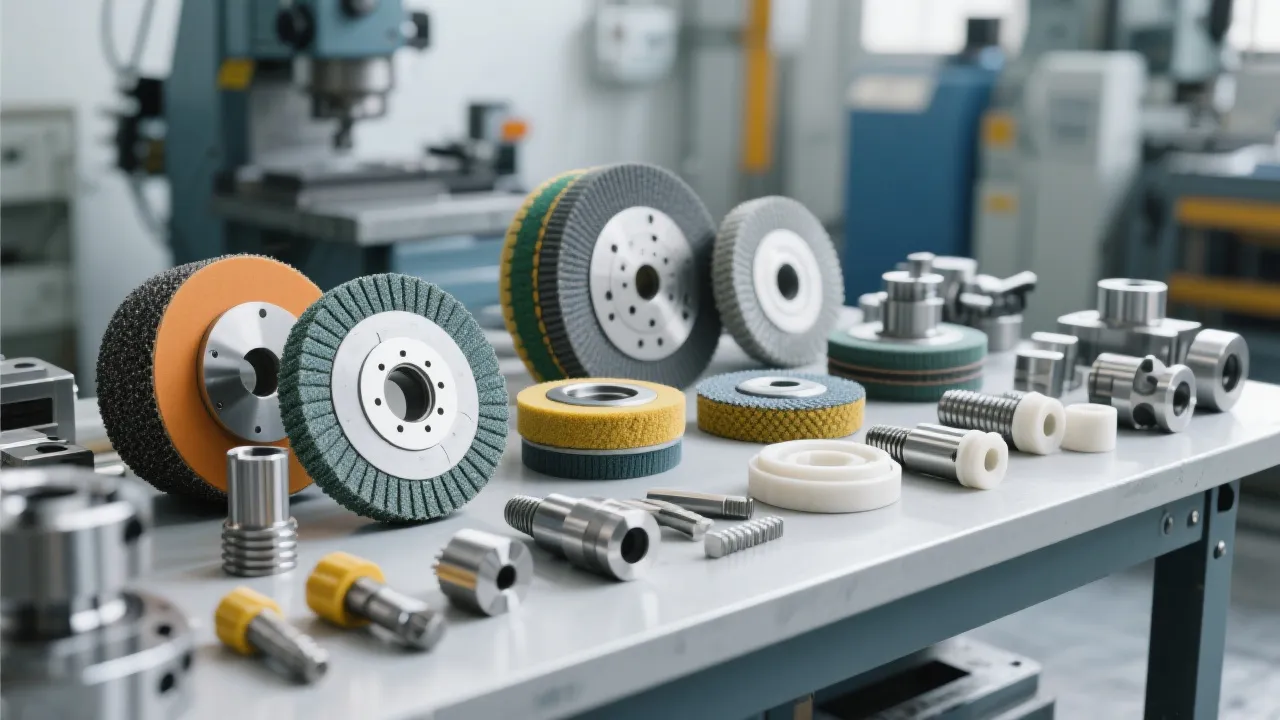
Scope: ultrahard tooling used in metal/stone processing and related applications, including diamond tools, abrasives, and custom vacuum-brazed diamond abrasive solutions where applicable.
1) Workpiece & Material Compatibility (What are you processing?)
- Workpiece material: metal grade/alloy, stone type, composite, coated surface, or mixed-material stack.
- Hardness / abrasiveness: any known hardness range, presence of hard particles, porosity, or inclusions.
- Thermal sensitivity: risk of burning, micro-cracks, glazing, or surface discoloration.
- Coolant & environment: dry vs. wet processing, coolant type, and any restrictions (e.g., no water).
Tip for RFQ: include a short description of defects you must avoid (chipping, edge breakout, burn marks, burrs) so tooling selection can target the right balance between cutting aggressiveness and finish.
2) Process Method (How will the tool be used?)
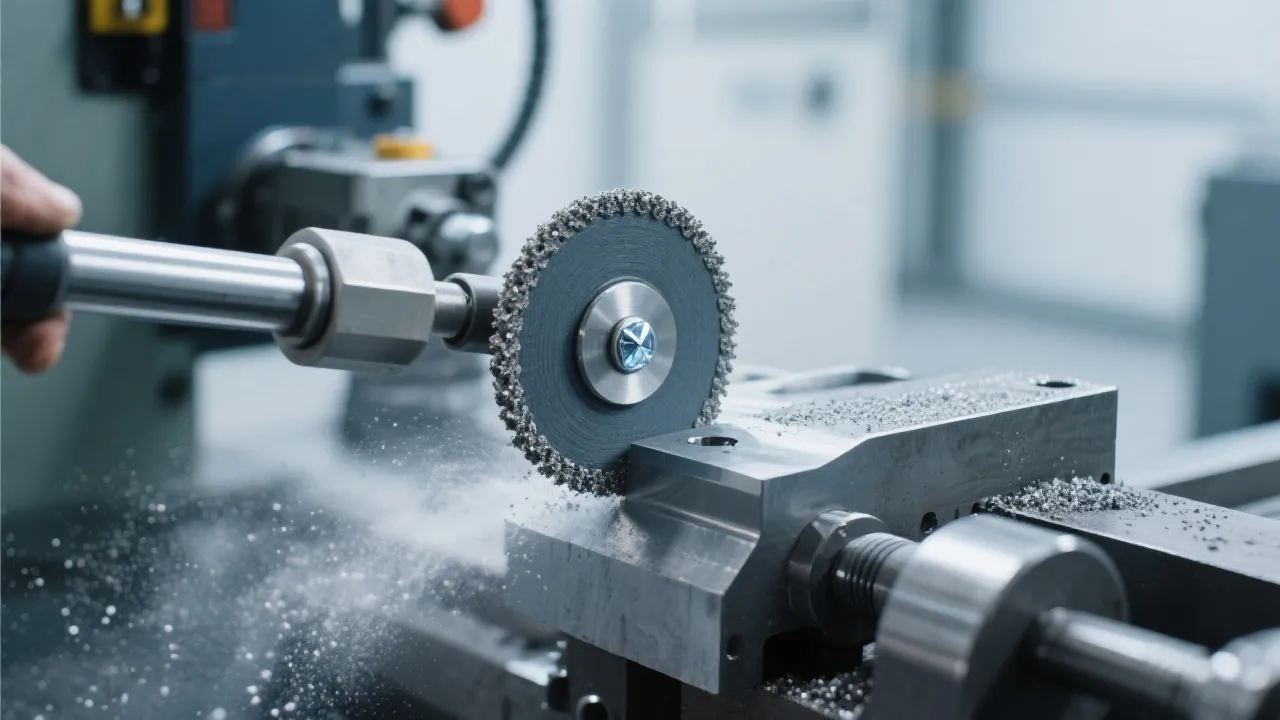
Confirming the process method early prevents mismatched designs. Ultrahard tools may be applied in cutting, grinding, shaping, finishing, or brazed abrasive applications depending on your equipment and target output.
Confirm these process inputs
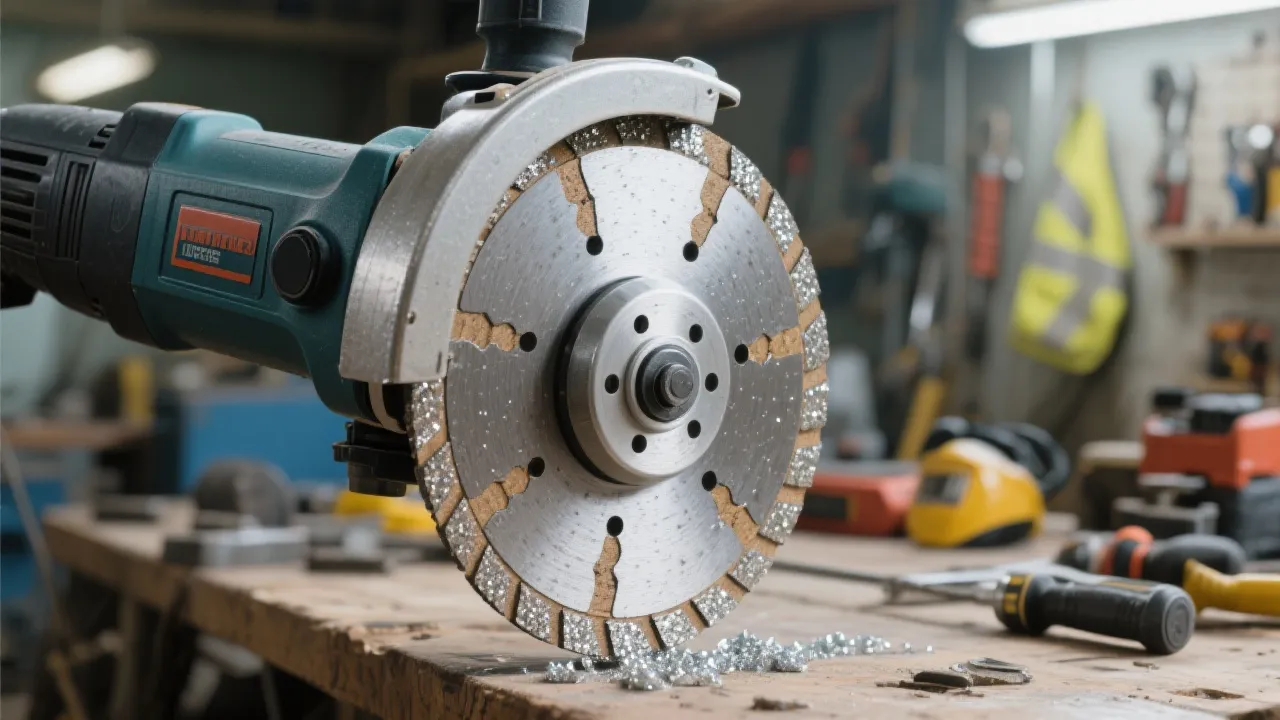
- Machine type: angle grinder / CNC / saw / hand tool / dedicated grinding station (as applicable).
- Operation: roughing vs. finishing; edge work vs. surface work; continuous vs. intermittent contact.
- Cut/grind parameters: spindle speed (RPM), feed rate, depth of cut, contact pressure (if known).
- Process stability: vibration risk, runout, tool overhang, and fixture rigidity.
3) Dimensions, Specs & Tolerances (What must fit your system?)
| Parameter |
What to provide in RFQ |
Why it matters |
| Overall size |
Diameter/length/width; usable abrasive area |
Determines fit, reach, and contact geometry |
| Mounting interface |
Bore size, thread type, flange requirements |
Avoids incompatibility with your machine/spindle |
| Segment / layer details |
Working layer thickness, segment height/shape (if applicable) |
Impacts service life and cutting/grinding behavior |
| Tolerance & runout targets |
Critical tolerances; max runout or wobble |
Supports stability, finish quality, and consistency |
| Drawing & standards |
2D/3D drawings; test methods; any required standards |
Aligns sampling inspection and batch acceptance |
Note: If you do not have a drawing, a clear photo of the current tool plus measured dimensions can be used as a starting point for clarification during sampling.
4) Wear Resistance Targets (How fast can it wear?)
- Wear mode observed: glazing, rapid dulling, segment loss, uneven wear, or edge rounding.
- Priority: longer wear life vs. higher removal rate vs. better surface finish (rank your top 2).
- Acceptance criteria: allowed tool wear, dimensional change limit, or finish threshold before replacement.
- Operating conditions: dry/wet, intermittent cutting, dust load, and contamination.
Procurement best practice: specify what “wear resistance” means in your line—e.g., “maintain sharpness for stable output” or “avoid rapid glazing in dry grinding”—so sample evaluation reflects real production pain points.
5) Expected Service Life (How will you measure tool life?)
Service life is meaningful only when the measurement method is defined. Before ordering, align on how tool life will be evaluated during sampling and batch use.
Define the service-life metric
- Unit of measure: pieces processed, meters cut, hours of runtime, or area ground.
- Production conditions: specify typical settings (RPM/feed/depth/coolant) used for evaluation.
- End-of-life definition: when removal rate drops, finish fails, dimension drifts, or safety risk increases.
- Sampling plan: number of tools, number of shifts, and evaluation record format.
6) Customization Requirements (What must be tailored?)
UHD supports B2B-oriented customization discussions for ultrahard tool requirements—especially when standard specs cannot meet your process stability, finish, or lifecycle needs. To speed up engineering alignment, prepare the information below.
- Application goal: what improvement you need (e.g., reduce chipping, stabilize finish, improve consistency).
- Constraints: fixed machine interface, maximum diameter/length, noise/dust limits, dry-only operation.
- Current tool reference: photos, drawings, and pain points observed in production.
- Incoming inspection & acceptance: must-check dimensions, runout, appearance, packaging labels.
- Sampling-to-mass production criteria: what must remain consistent between sample and batch.
A Practical RFQ Template (Copy & Fill)
Use the following structure to keep your RFQ clear and comparable across suppliers:
- Workpiece: material/type, hardness/abrasiveness notes, defects to avoid
- Process: cutting/grinding/brazed application; machine type; dry/wet; typical parameters
- Tool spec: dimensions, mounting interface, drawings/tolerance requirements
- Performance priorities: removal rate vs finish vs wear resistance (rank)
- Service life metric: how you will measure life and define end-of-life
- Customization: what must be changed from your current tool and why
- Sampling plan: quantity, evaluation timeline, acceptance criteria for mass production
Why UHD for B2B Ultrahard Tool Sourcing
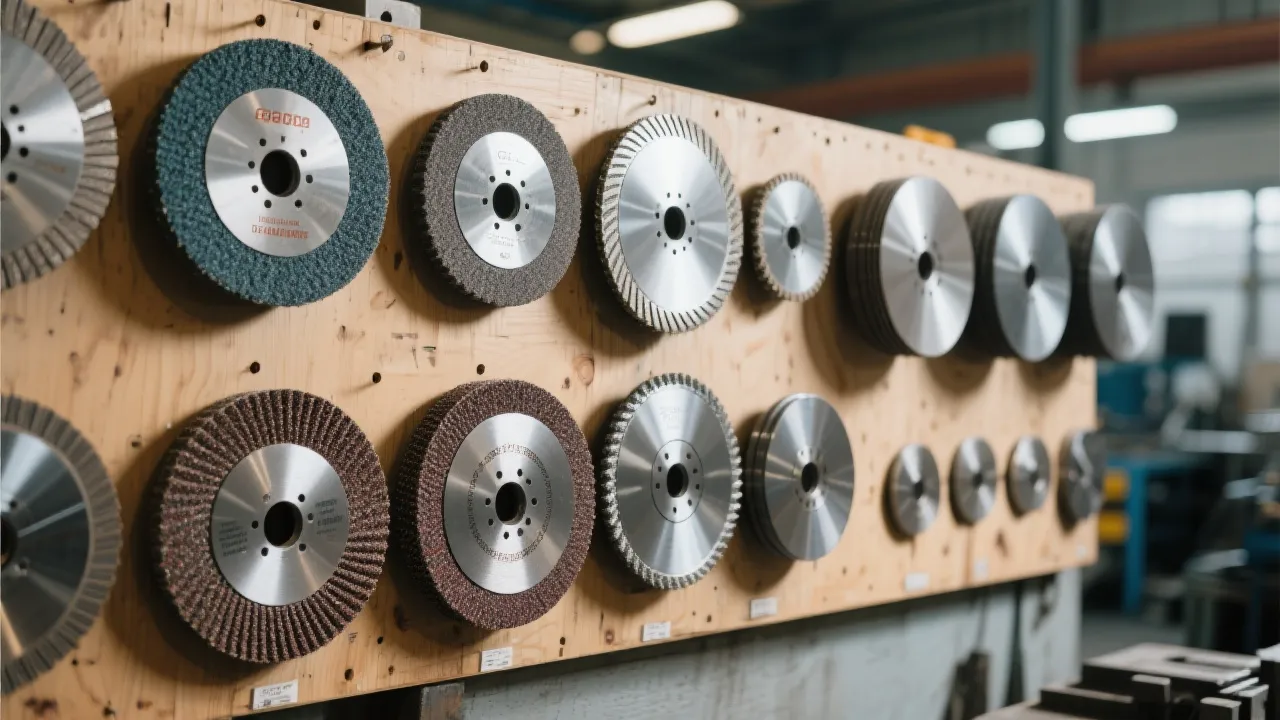
UHD Ultrahard Tools Co., Ltd focuses on R&D, manufacturing, and sales of ultrahard material tooling solutions. Our product coverage includes diamond tools, abrasives, and custom brazed diamond abrasive options for industrial applications. We emphasize application-oriented positioning—matching tool design to the process requirement rather than forcing a one-spec-fits-all approach.
- R&D collaboration with universities (e.g., Henan University of Technology) to support ongoing tooling development
- B2B export service experience via established international trade platforms, supporting global buyer communication and requirement alignment
- Quality-driven manufacturing philosophy aligned with industrial procurement expectations
If you share your workpiece details, process method, and the dimensional/interface requirements, UHD can support a clearer technical discussion for sampling and batch decision-making.
Procurement Reminder
Before finalizing a purchase of ultrahard material tools, ensure material compatibility, process method, dimensions & tolerances, wear resistance targets, service-life measurement, and customization needs are confirmed in writing. This single step typically makes RFQs faster to quote and samples easier to evaluate.

.png?x-oss-process=image/resize,h_1000,m_lfit/format,webp)

.png?x-oss-process=image/resize,h_1000,m_lfit/format,webp)