Ultrahard Tool Customization Workflow: From Process Requirements to Product Validation
02 08,2026
UHD Ultrahard Tools Co., Ltd
Project Experience
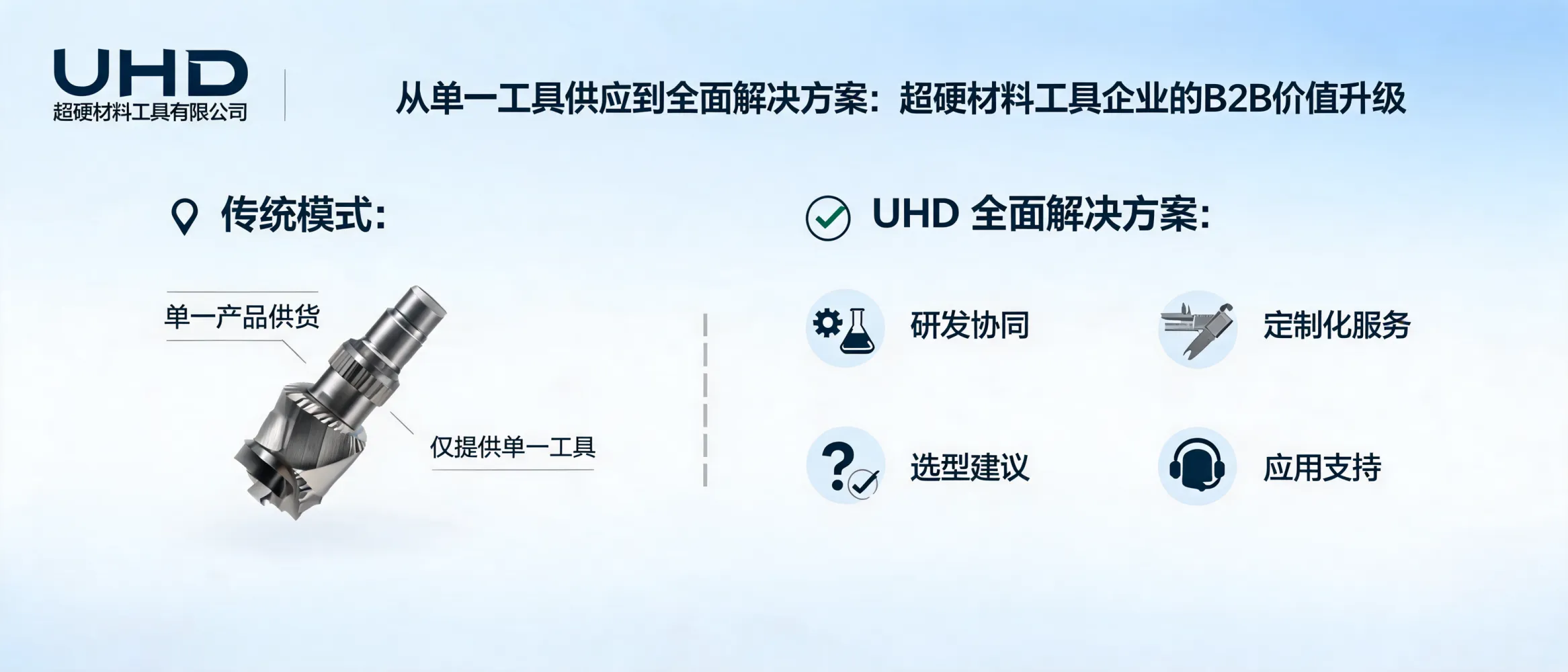
UHD Ultrahard Tools Co., Ltd explains how an ultrahard tool customization project is executed—from process requirement confirmation and workpiece material analysis to tool design, abrasive configuration, sample trials, on-site testing, performance feedback, and batch delivery—helping industrial buyers reduce selection risk through R&D collaboration and technical service.
Custom ultrahard tools are rarely “one-size-fits-all.” In industrial production, performance depends on how well a tool matches the process requirements, workpiece material, and validation method under real operating conditions.
UHD Ultrahard Tools Co., Ltd (河南优德超硬工具有限公司) provides a practical workflow for ultrahard tool customization—from requirement confirmation and material analysis to design, abrasive configuration, sample trials, on-site testing, performance feedback, and batch delivery—helping engineering and procurement teams reduce selection risk through R&D collaboration and technical service.
Who This Workflow Is For
Engineering & Process Teams
- Need tool design aligned with cutting/grinding parameters and tolerance targets
- Want predictable wear behavior and stable consistency across shifts
- Require a clear validation plan before scaling to batch production
Procurement & Supply Chain
- Need a structured, auditable customization process
- Prefer sample-based decisions over catalog-only selection
- Value defined acceptance criteria, feedback loops, and delivery readiness
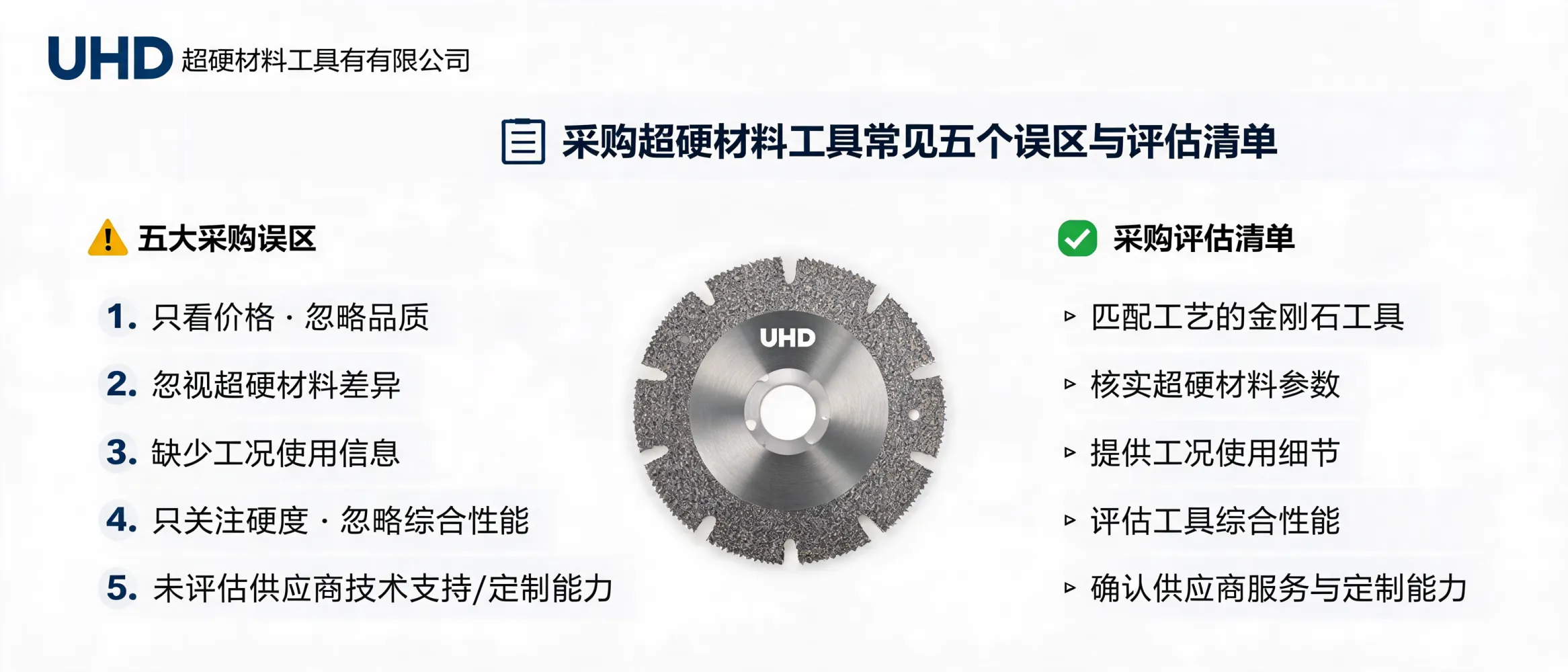
Typical application areas include metal processing and stone processing where diamond tools, abrasives, and customized brazed diamond abrasives are used.
Ultrahard Tool Customization Workflow (Project Execution Steps)
How to use this section: Each step lists what UHD clarifies, what the customer typically provides, and what is validated before moving forward.
-
Process requirement confirmation
Confirm the target operation and constraints: machining/grinding purpose, desired surface/edge condition, dimensional goals, cycle time expectations, and any limitations on equipment or tooling interfaces. This aligns project scope before design begins.
-
Workpiece material analysis
Identify key material factors that affect tool choice: material type, hardness/brittleness characteristics, and any structural features that impact chip removal or heat generation. This step reduces mismatch between abrasive selection and material behavior.
-
Tool design: structure & interface
Define tool geometry and structure based on the confirmed process: working layer layout, body style, mounting/connection method, and balancing considerations when applicable. The output is a manufacturable design suitable for trial production.
-
Abrasive configuration
Select and configure ultrahard abrasive components to match material removal needs and stability targets. For customized projects, this may include vacuum-brazed diamond abrasive configurations and related specifications aligned with the intended application.
-
Sample trial production
Produce trial samples under controlled manufacturing conditions, ensuring the sample reflects the finalized design intent. Samples enable objective evaluation before committing to batch quantities.
-
On-site or application testing
Validate samples under real or representative operating conditions. Testing focuses on whether the tool performs within the customer’s process window (equipment, parameters, coolant/dry conditions where applicable), not just on bench observations.
-
Performance evaluation & feedback loop
Review test outcomes and operational feedback with both engineering and procurement stakeholders. If improvement is needed, update design/abrasive configuration and repeat targeted trials to reach an agreed acceptance baseline.
-
Batch delivery readiness
After validation, confirm batch specifications, packaging/labeling needs, and delivery schedule. UHD supports B2B export workflows and communication through established international trade channels to align with different market requirements.
What “Product Validation” Means in Practice
Common validation angles (agreed case-by-case)
- Fit with the real process window (parameters, machine condition, operator practices)
- Consistency: repeatability across parts or across a defined trial batch
- Tool behavior signals: wear pattern stability, heat sensitivity, and process smoothness
- Quality impact: whether the tool supports the intended finish/edge state for the application
Typical outputs
- Defined acceptance criteria for the validated configuration
- Documented feedback for iteration (if needed)
- Confirmed batch specification and delivery plan
A reliable customization project is not only about “making a tool,” but about validating it with traceable requirements and repeatable testing conditions—so decisions are based on evidence, not assumptions.
Collaboration Model: How UHD Supports Custom Projects
-
R&D-oriented development: UHD focuses on the R&D, manufacturing, and sales of ultrahard material tools, building project execution around engineering requirements.
-
Academic collaboration: UHD maintains cooperation with higher-education research platforms (e.g., Henan University of Technology) to support ultrahard tool development and technical discussion.
-
Industrial B2B delivery mindset: from sample trials to batch delivery, with communication suited to cross-functional teams and international buyers.
-
Product scope alignment: UHD’s portfolio includes diamond tools, abrasives, and customized vacuum-brazed diamond abrasives for metal and stone processing applications.
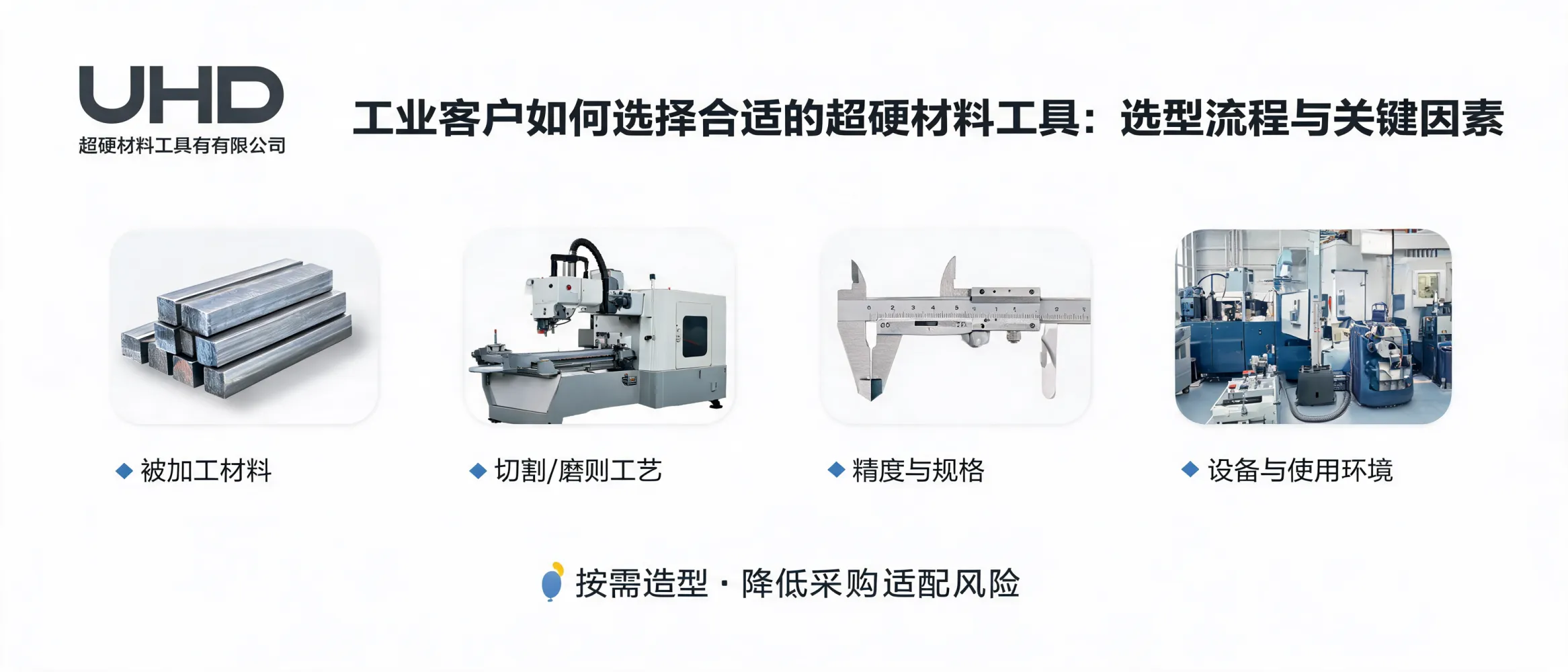
Information to Prepare for a Faster Quotation & Trial Plan
| Item |
Examples of what to share |
Why it matters |
| Process goal |
Operation type, target finish/edge condition, tolerance concerns |
Guides structure and abrasive configuration |
| Workpiece material |
Material category, key properties affecting wear/heat |
Reduces mismatch and speeds up trial planning |
| Machine & setup |
Equipment type, mounting interface, available power/rigidity notes |
Ensures design is manufacturable and installable |
| Trial conditions |
Planned parameters, coolant/dry notes, expected run time per test |
Makes sample testing comparable and decision-ready |
| Acceptance method |
How you judge pass/fail (quality checks, stability, consistency) |
Clarifies what “validated” means for your team |
Practical note: If your internal data cannot be fully disclosed, UHD can still proceed by confirming the minimum necessary boundary conditions and establishing a controlled sample test plan.
Next Step: Start a Custom Tool Validation Project
What you can expect
- Clear requirement confirmation and engineering alignment
- Sample testing that supports objective product validation
- Iterative feedback to reduce selection risk before batch delivery
Best-fit project types
- New processes needing tool trials before ramp-up
- Material or workpiece changes affecting tool performance
- Applications requiring customized diamond tools or brazed diamond abrasives
To initiate the workflow with UHD Ultrahard Tools Co., Ltd, prepare your process requirements and any available workpiece material details. The team can then propose a trial plan that leads to measurable, application-based product validation and a batch delivery pathway aligned to your procurement needs.


.png?x-oss-process=image/resize,h_1000,m_lfit/format,webp)