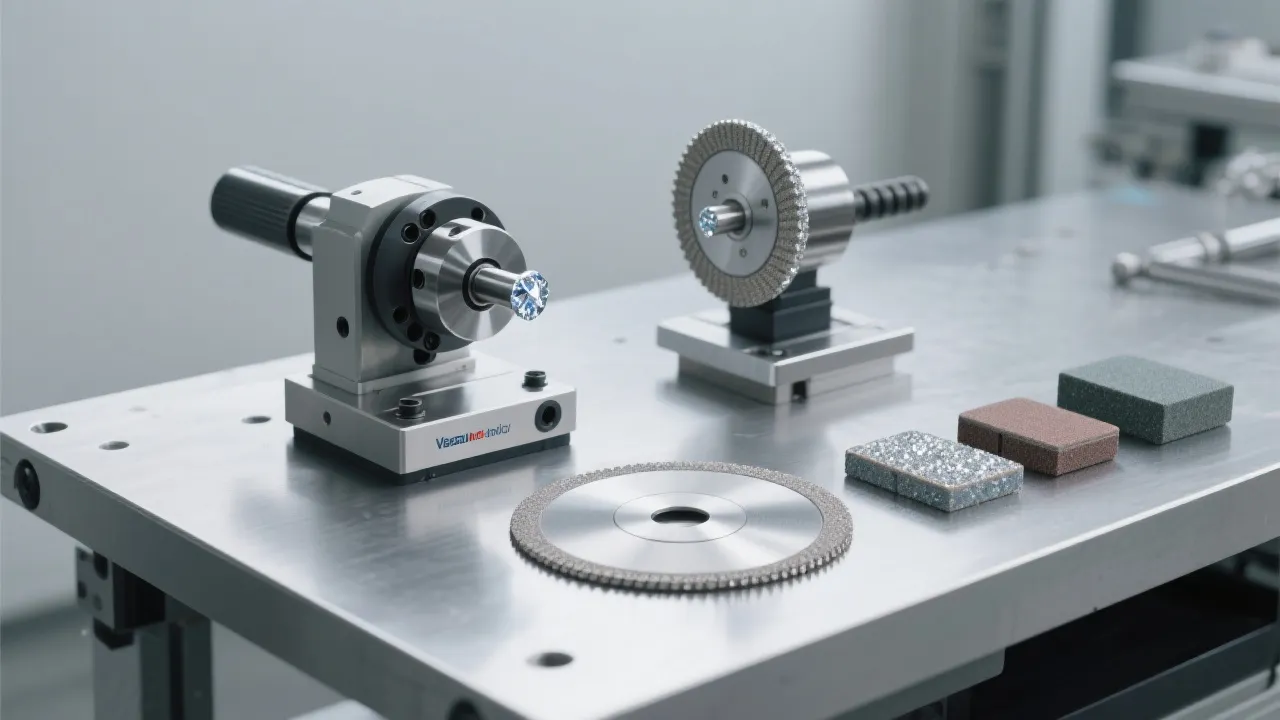
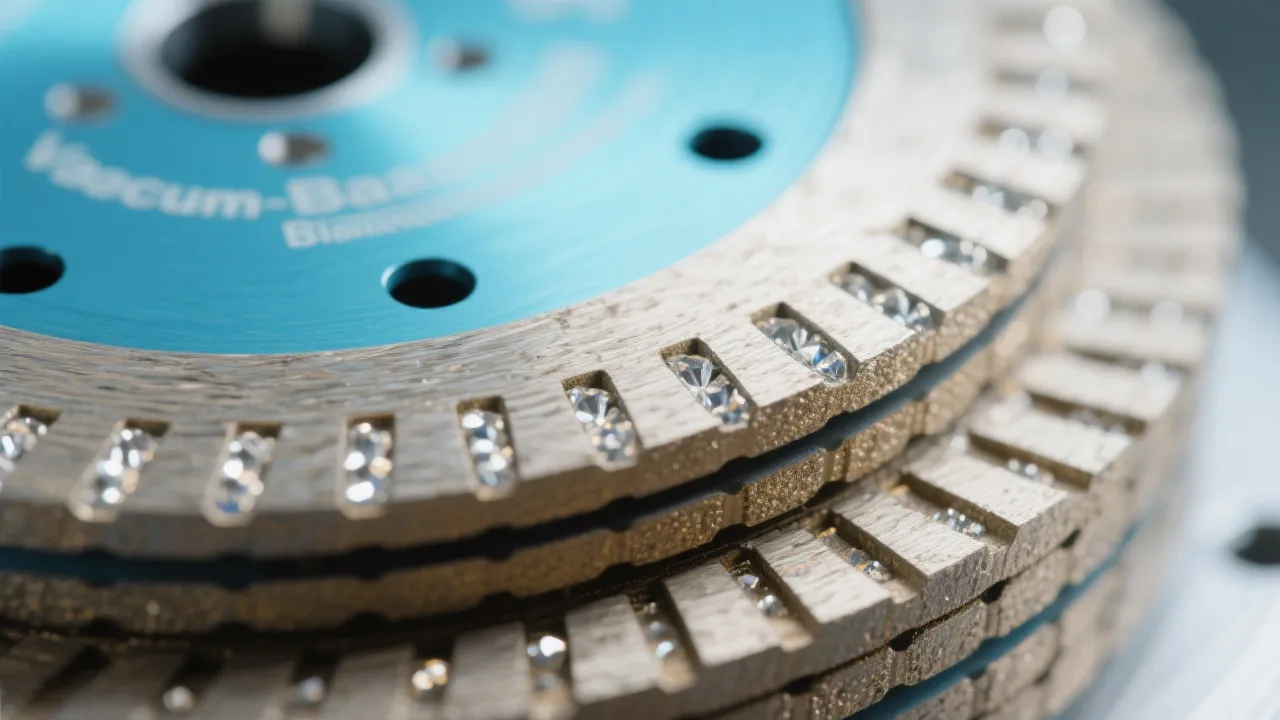
In industrial cutting, grinding, and surface finishing, the term ultrahard material tools often appears alongside “abrasives” and “grinding tools”—but they are not interchangeable. This page from UHD Ultrahard Tools Co., Ltd explains what ultrahard tools are, how they differ from conventional abrasives, and how to define application boundaries to reduce tool selection errors in metal and stone processing.
Focus: material behavior, efficiency & durability, and working-condition fit
Outcome: clearer selection logic and fewer mismatches on the shop floor
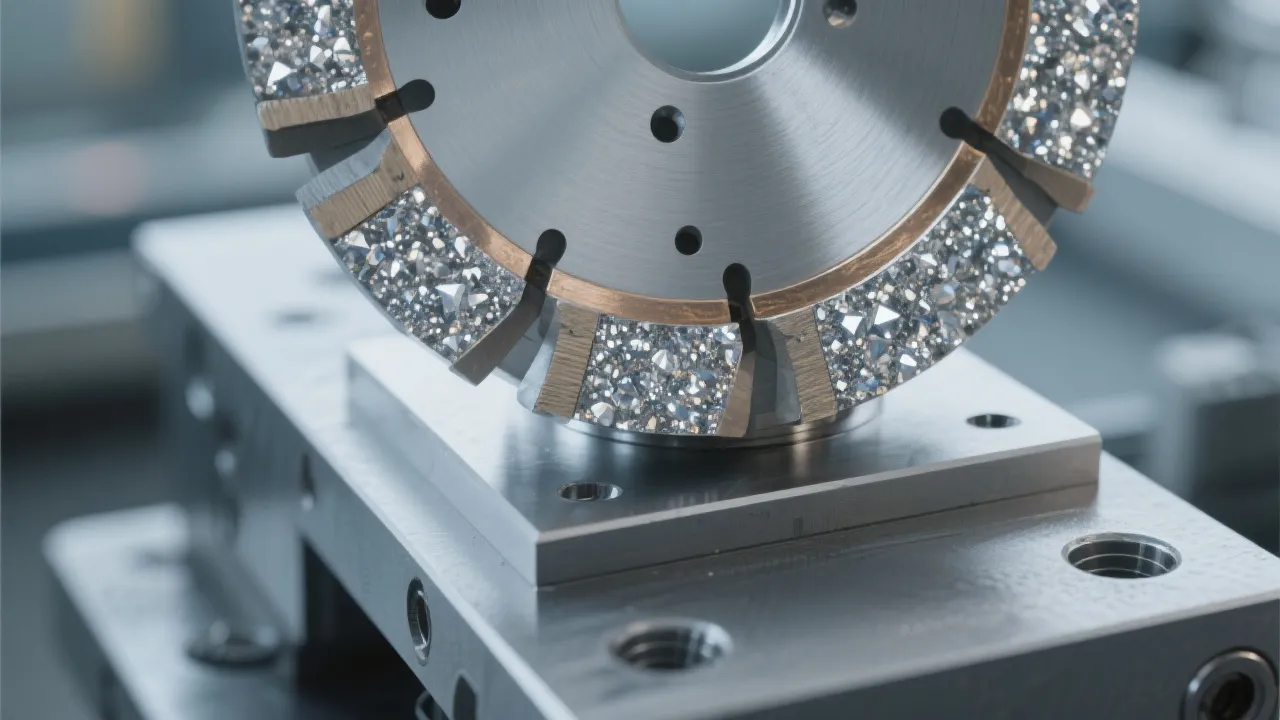
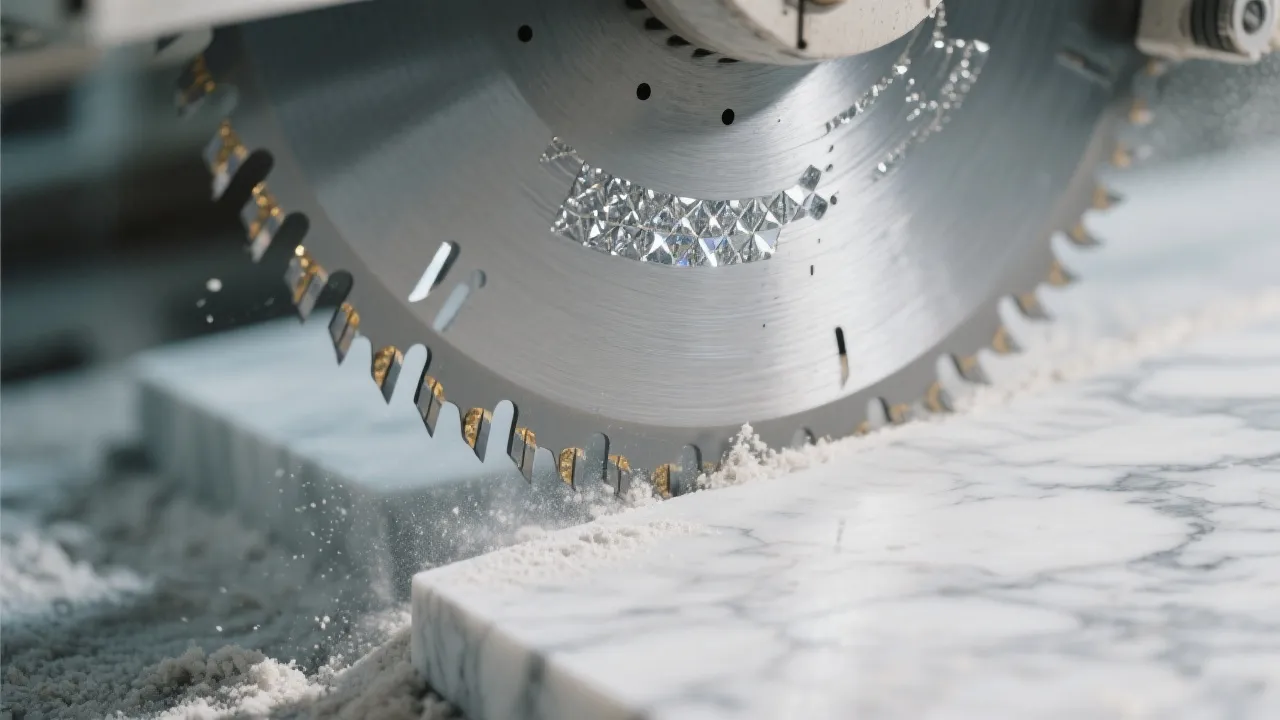
Ultrahard material tools are cutting or grinding tools built with ultrahard media—most commonly diamond-based structures—to deliver high wear resistance and stable performance under demanding industrial conditions. In practice, these tools are designed to maintain cutting/grinding ability for longer periods when processing hard, abrasive, or brittle materials.
UHD Ultrahard Tools Co., Ltd develops and supplies ultrahard tool solutions including diamond tools, abrasives & grinding tools, and custom brazed diamond abrasives for B2B industrial customers.
Both categories aim to remove material through cutting or abrasion. The differences show up in material properties, wear mechanisms, and how consistently the tool behaves across working conditions. The table below outlines practical distinctions without assuming a “one-size-fits-all” winner.
| Dimension | Ultrahard material tools (e.g., diamond-based) | Conventional abrasives / grinding tools |
|---|---|---|
| Primary media | Ultrahard structures; often diamond-based | Traditional abrasive grains and bonded systems |
| Wear resistance | Typically higher wear resistance in abrasive/brittle materials | May wear faster under highly abrasive conditions, but can be suitable for many general tasks |
| Processing efficiency | Often supports stable cutting/grinding action at demanding loads when matched correctly | Efficiency can be adequate for general machining; depends heavily on grain type, bond, and parameters |
| Durability & consistency | Designed for stable performance and longer service life under suitable conditions | Durability varies widely; can be cost-effective when conditions are less demanding |
| Selection sensitivity | More sensitive to correct matching of workpiece, heat, and bonding method (e.g., brazed) | Broader tolerance for general use, but may underperform in highly abrasive applications |
| Typical use | Hard/brittle/abrasive materials; precision or long-run stability needs | General grinding and finishing across diverse materials, depending on abrasive system |
Practical takeaway: selection is less about “best tool” and more about fit—workpiece material, target finish, removal rate, and working conditions determine whether ultrahard tools or conventional abrasives make more sense.
Clear application boundaries help prevent tool selection mistakes—such as choosing an ultrahard tool for a job where conventional abrasives are sufficient, or using a conventional abrasive where wear and consistency become limiting factors. Use the following boundary checks as a starting point.
To reduce rework and procurement cycles, a simple selection workflow keeps tool choice aligned with process reality. UHD typically supports B2B customers by aligning tool type, abrasive system, and customization needs to the required application boundary.
Note: Ultrahard tools can be highly effective, but correct matching is essential. Clarifying application boundaries up front is often the fastest path to reliable results.
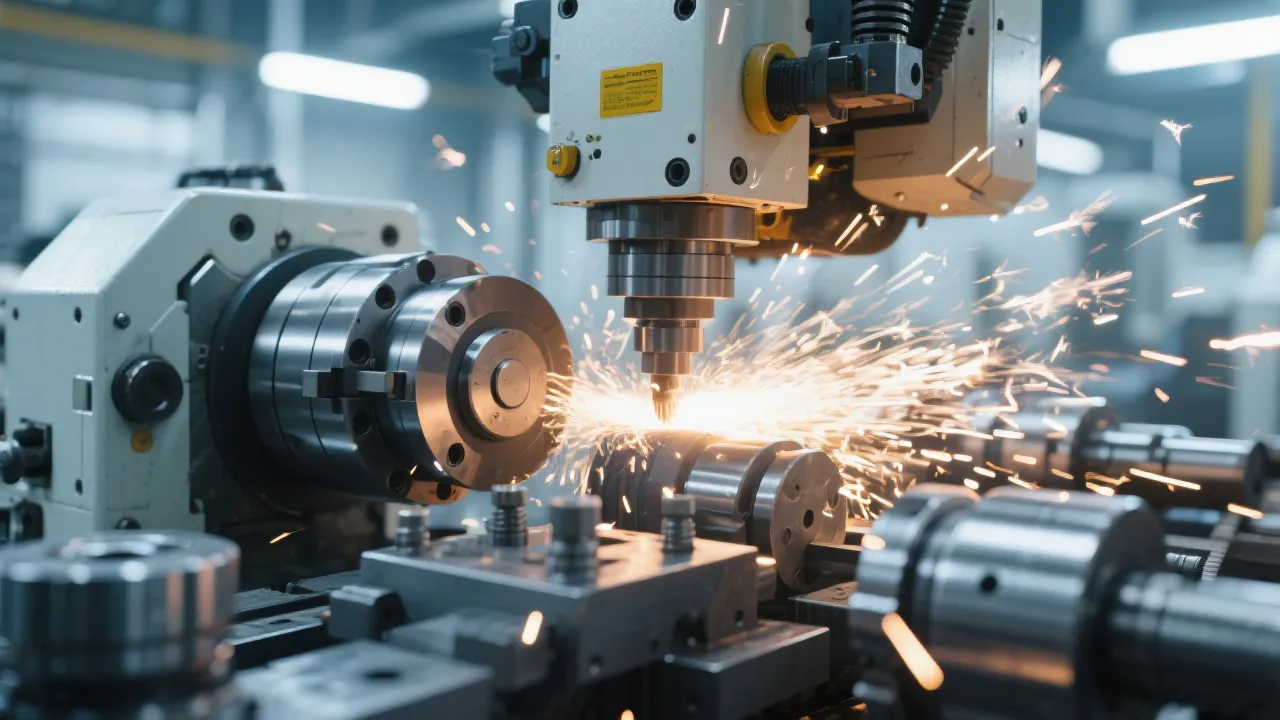
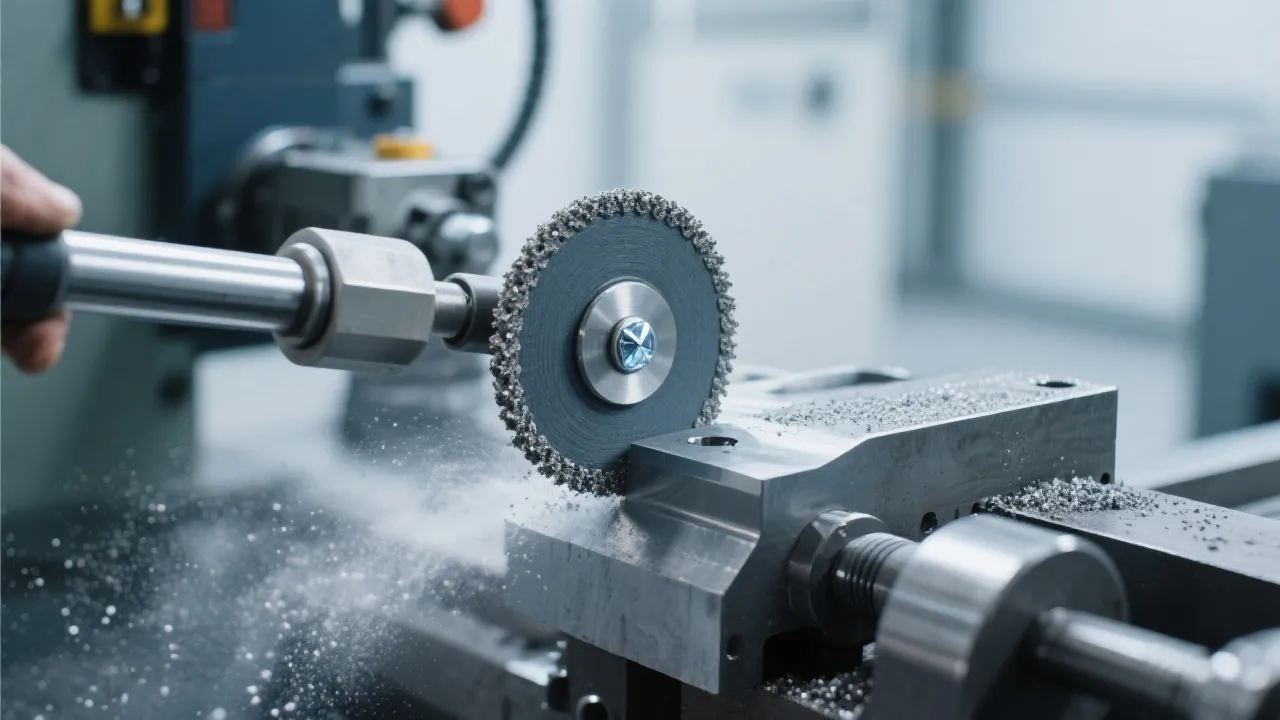
UHD is a high-tech enterprise focused on the R&D, manufacturing, and sales of ultrahard material tools. The company works with academic partners (including Henan University of Technology) and serves industrial markets through an established B2B export service system. UHD’s product scope includes diamond tools, abrasives and grinding tools, and custom brazed diamond abrasives—supporting metal processing and stone processing applications.
If you are comparing ultrahard material tools with conventional abrasives for a specific cutting or grinding operation, UHD Ultrahard Tools Co., Ltd can help you clarify boundaries and choose a tool direction that matches your working conditions—especially for metalworking and stone processing scenarios where wear resistance and stable performance matter.

.png?x-oss-process=image/resize,h_1000,m_lfit/format,webp)
.png?x-oss-process=image/resize,h_1000,m_lfit/format,webp)