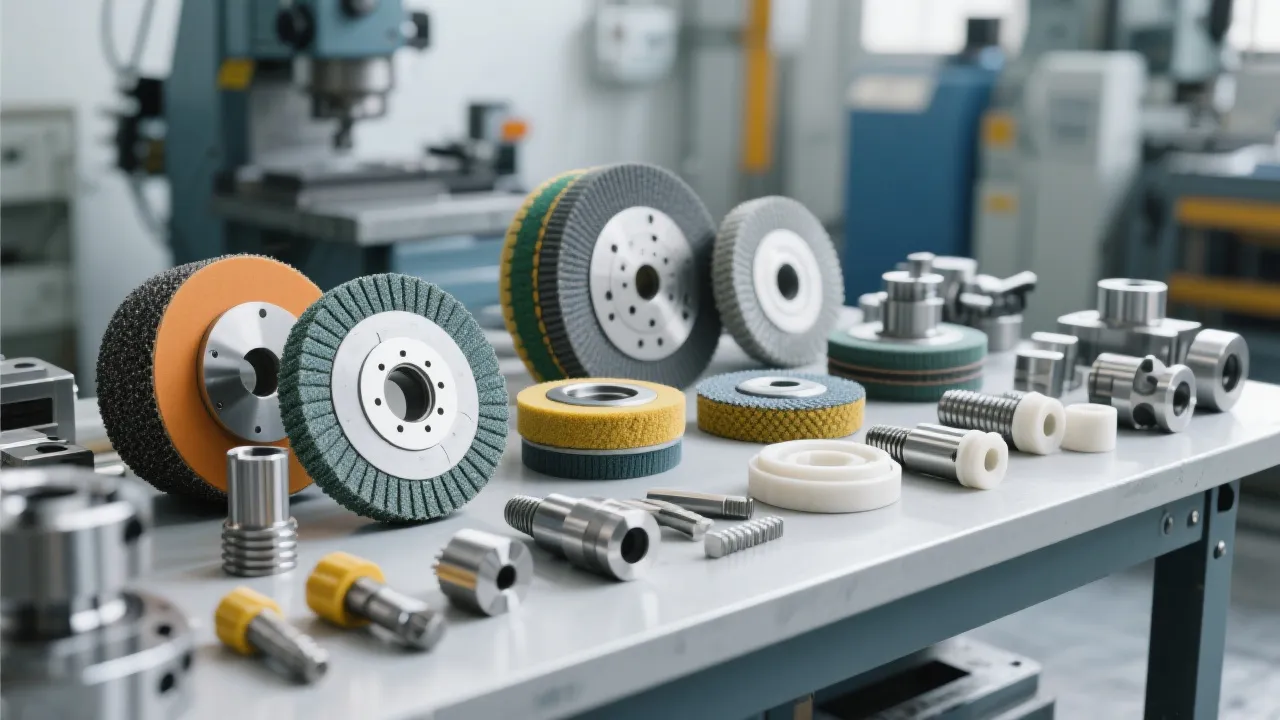
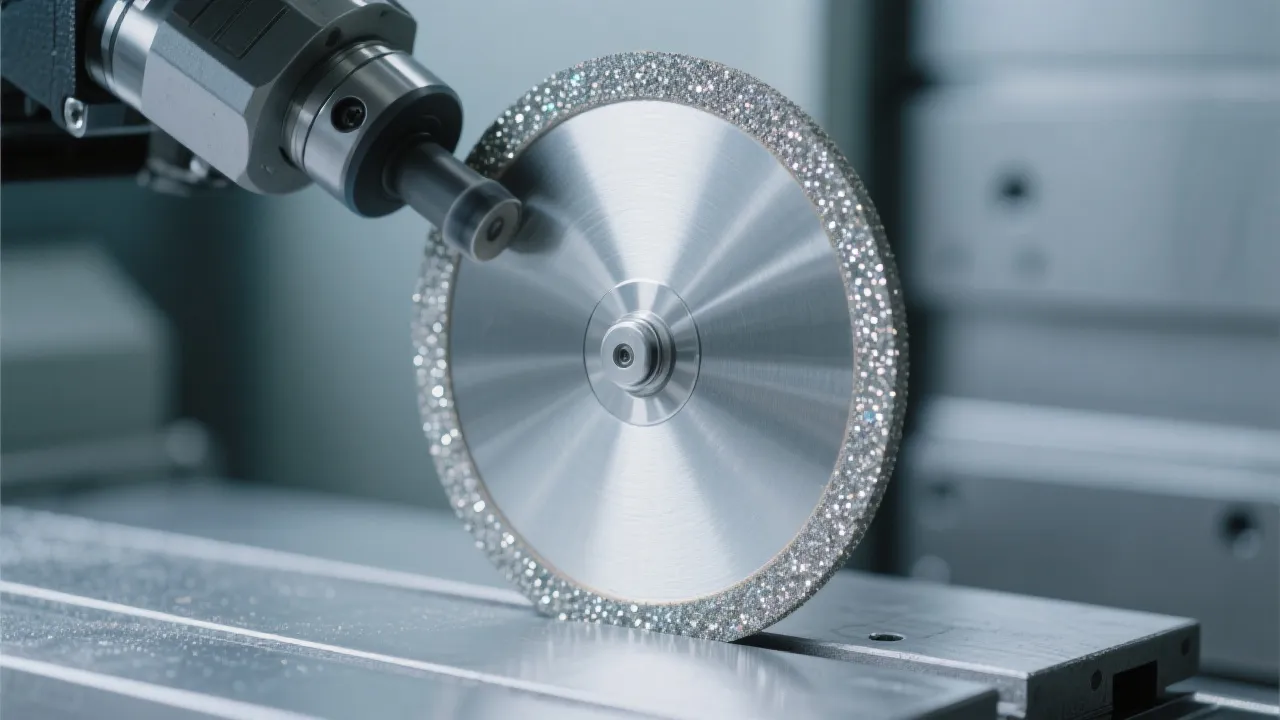
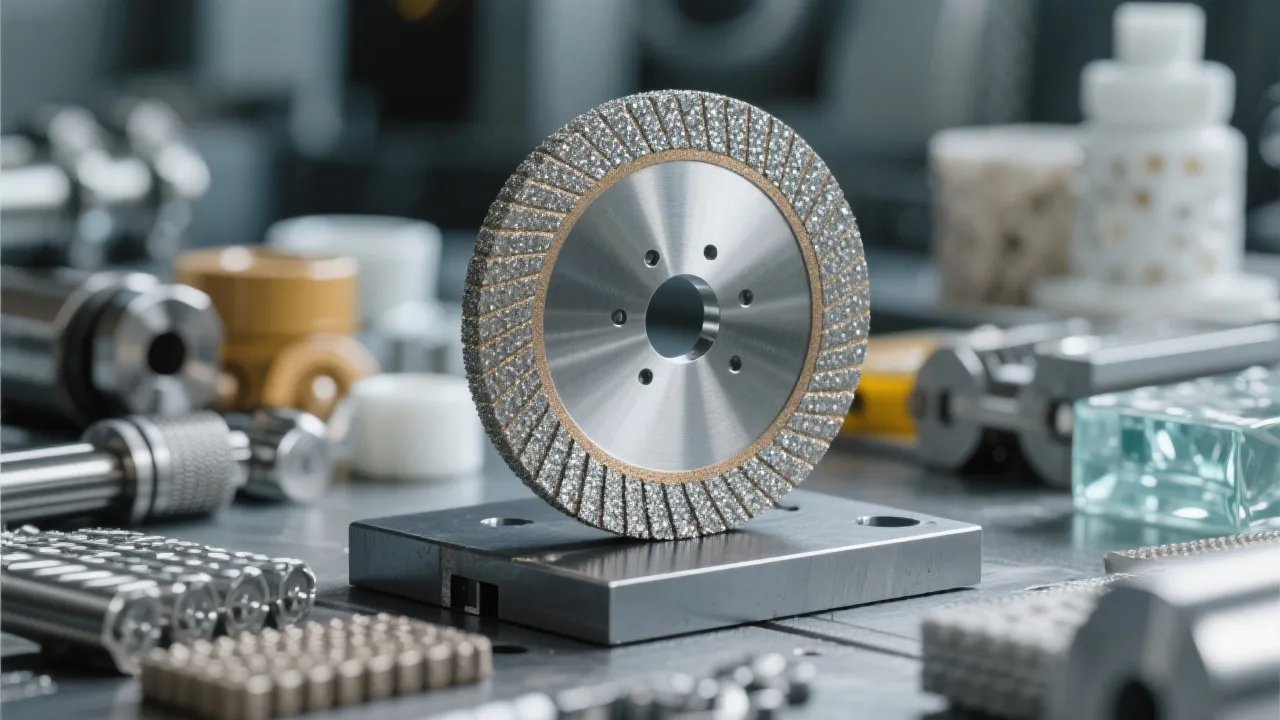
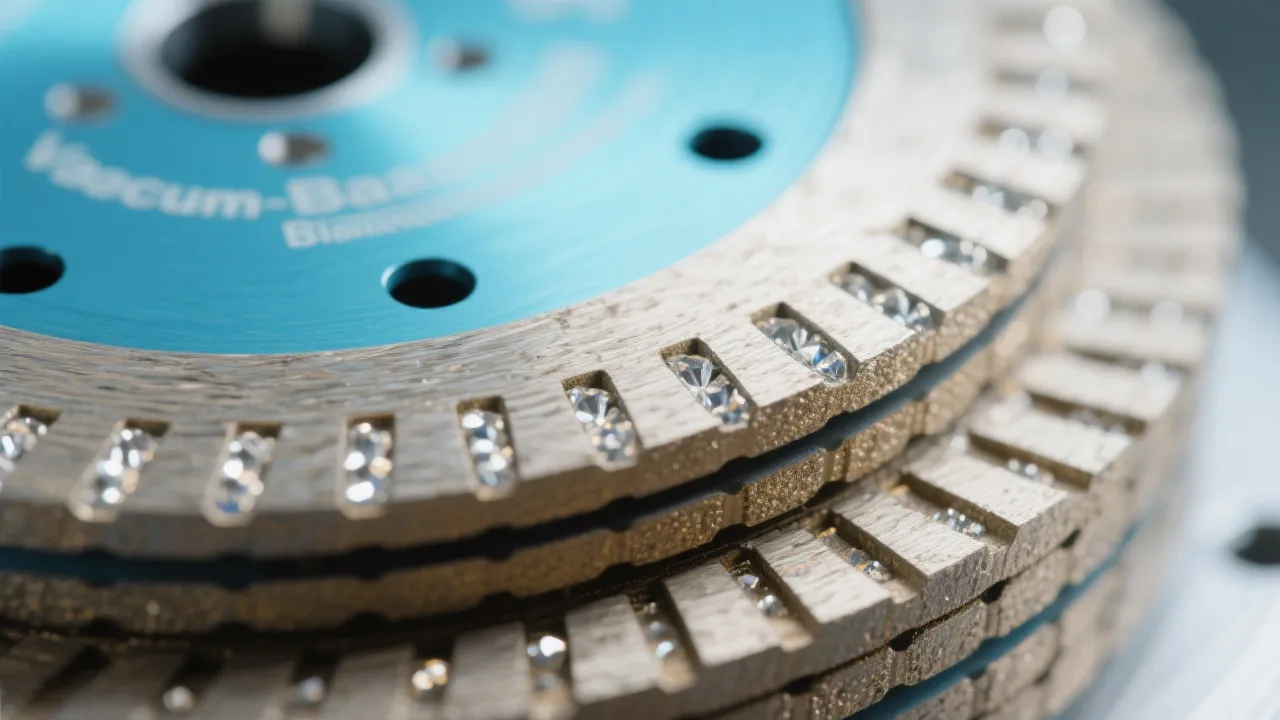
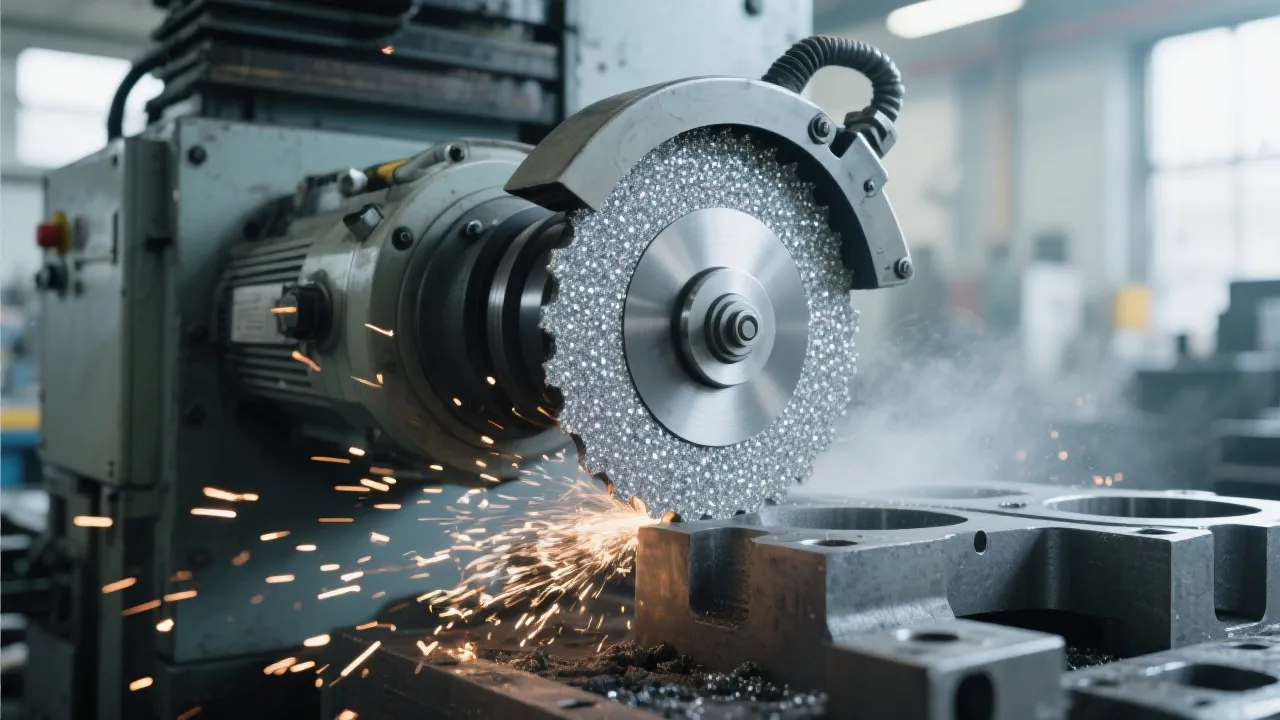
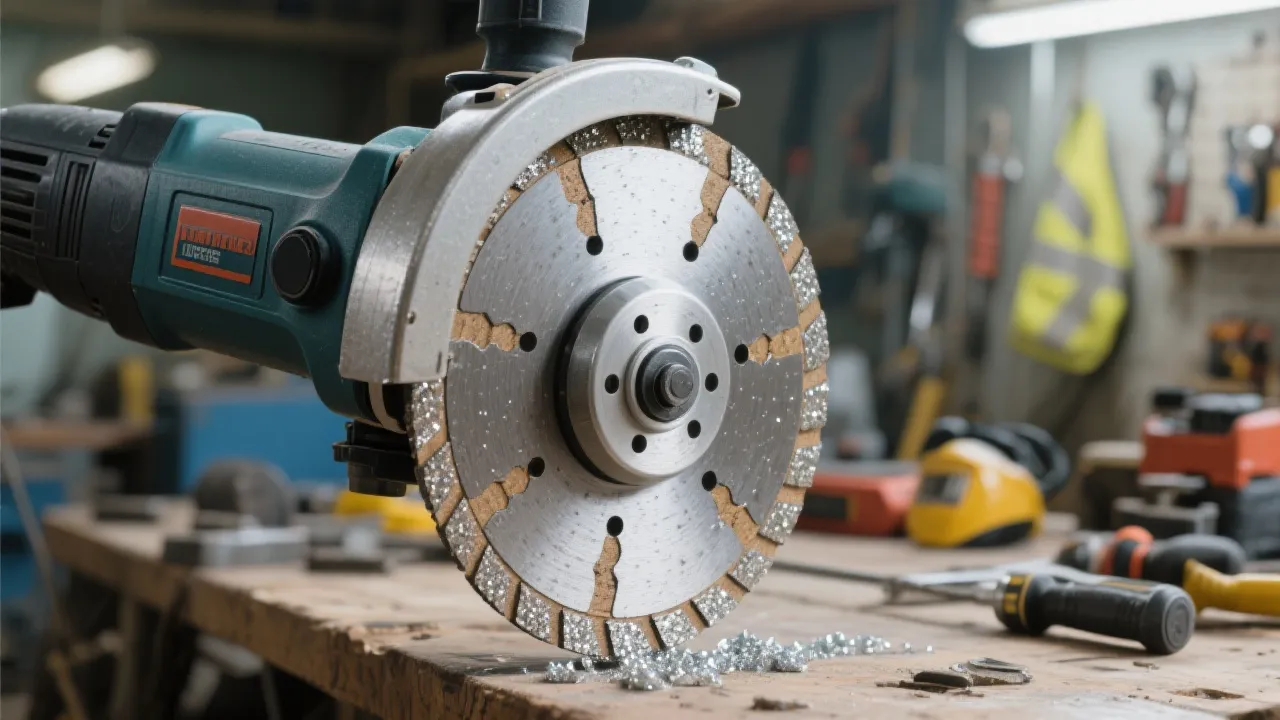
Ultrahard material tools (including diamond tools and related abrasives) can be highly effective in metalworking—when the tool type, process window, and usage boundaries are clearly defined.
This practical guide from UHD Ultrahard Tools Co., Ltd (UHD) is written for industrial buyers, process engineers, and technical teams who need selection logic that prevents tool/process mismatch. It focuses on how to select, where to apply, and what limits to respect in real production settings.
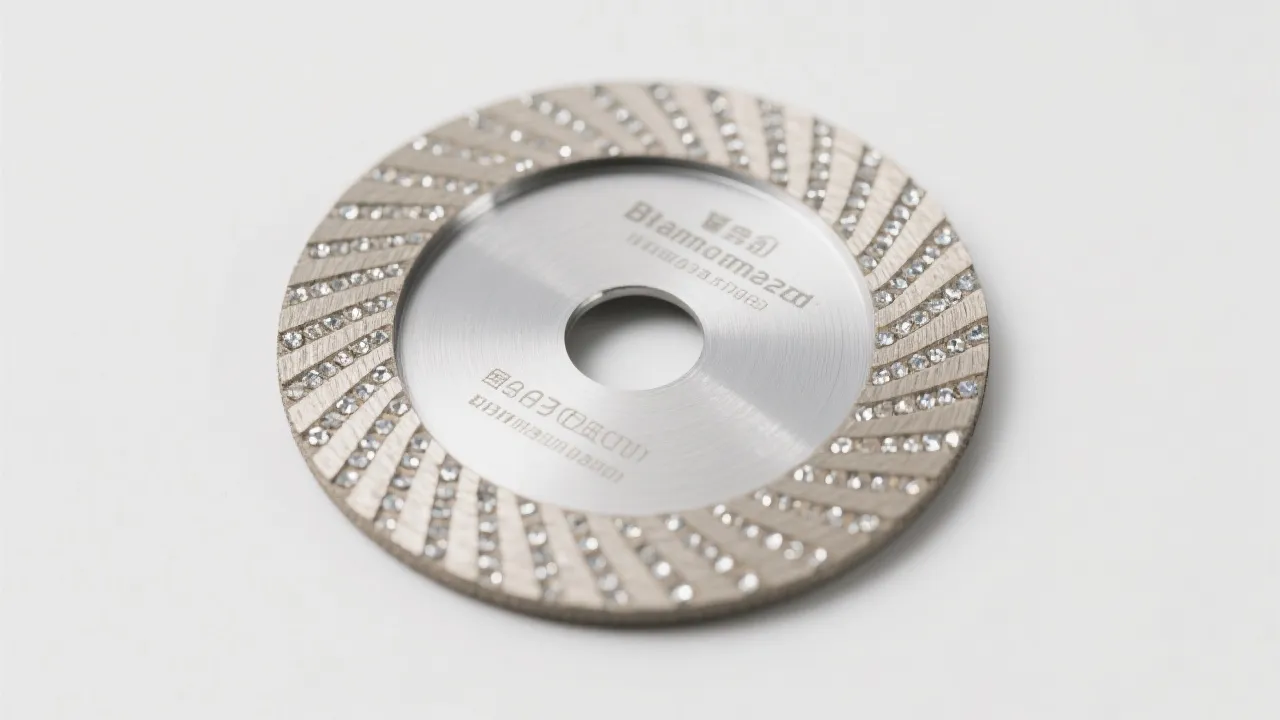
In industrial purchasing and process planning, “ultrahard material tools” commonly refers to tool solutions built around superhard cutting/grinding media such as diamond-based tools, abrasive systems, and engineered brazed structures designed for stable retention under load and heat.
Mismatch is usually not caused by “tool quality” alone. It more often results from incomplete definition of the application boundary—such as the workpiece material class, the dominant wear mechanism, or the machine’s stability window.
Ultrahard tools are typically considered for processes where wear resistance, edge/form retention, and consistent surface interaction matter. The exact fit depends on the workpiece material, removal mode, and machine conditions.
| Process type | Typical objective | Key selection focus | Common boundary to check |
|---|---|---|---|
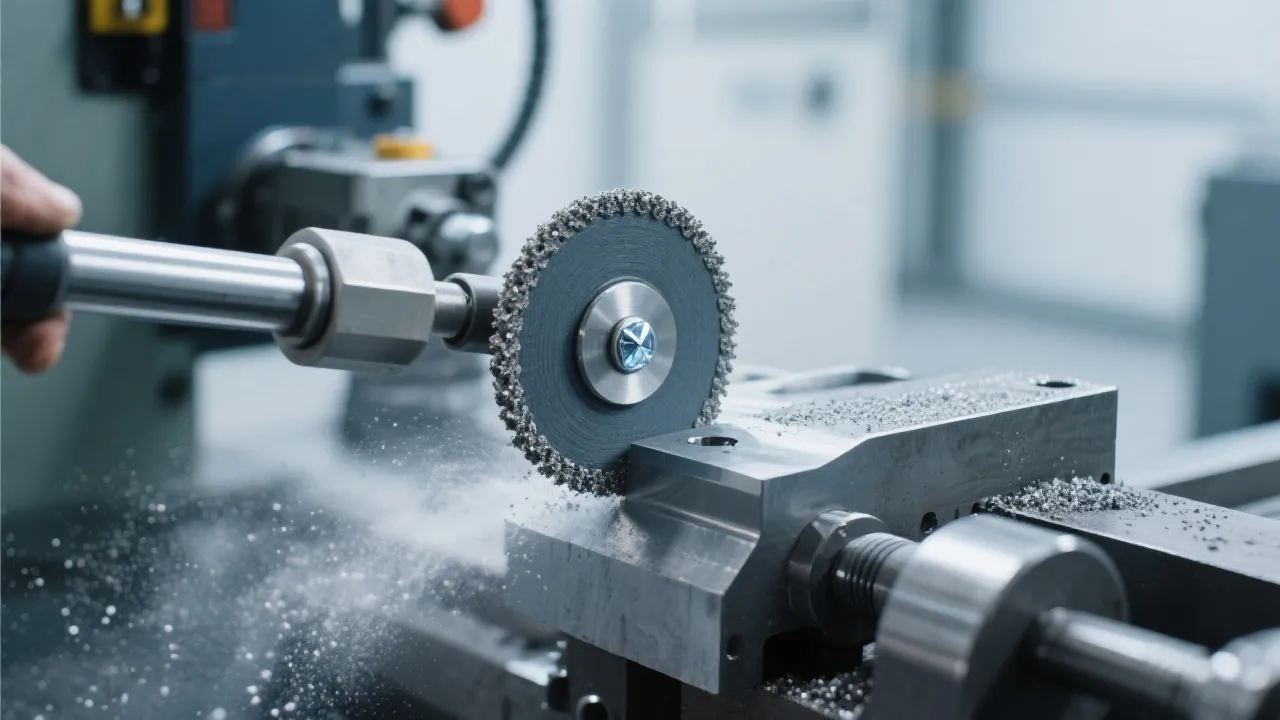
| Grinding / stock removal | Stable removal, controlled heat, surface integrity | Grit size, concentration, retention method, coolant strategy | Thermal load, vibration, glazing/loading risk |
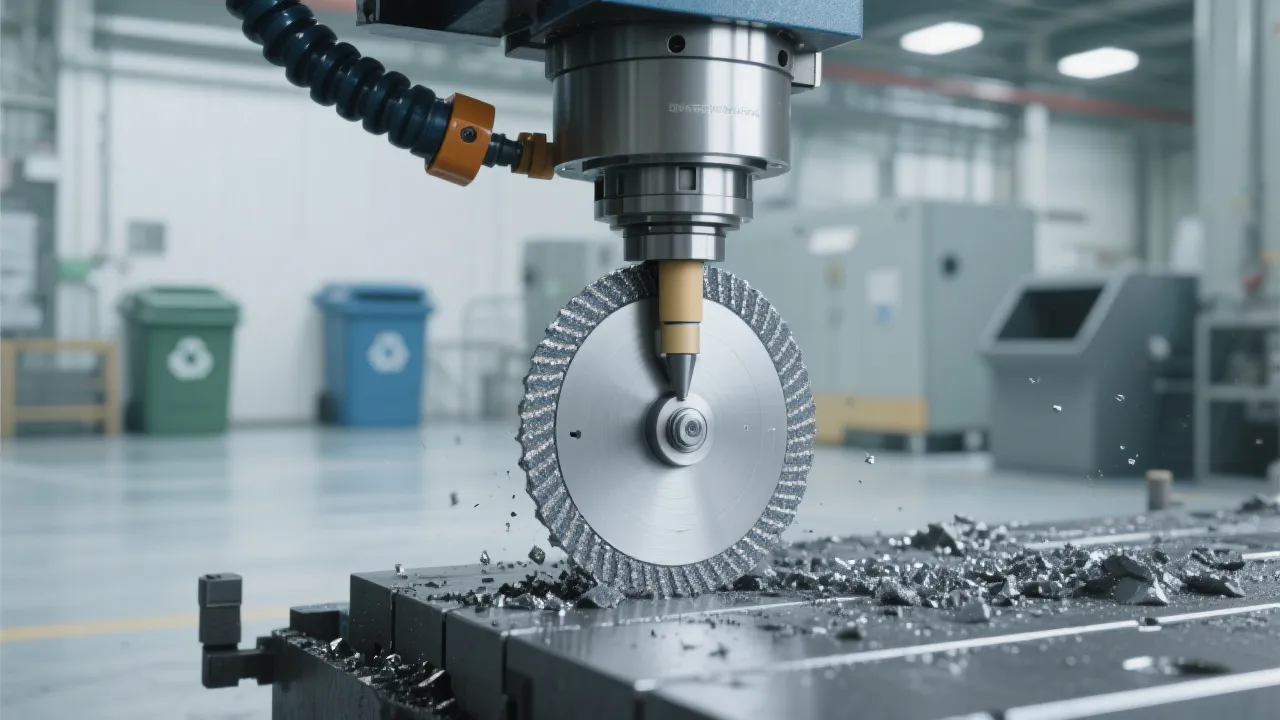
| Cutting / sectioning | Clean cut, minimized burrs, predictable tool life | Edge form, segment/abrasive layout, machine power | Workholding rigidity and chip/swarf evacuation |
| Finishing / surface preparation | Surface consistency, reduced rework, controlled Ra | Abrasive type, grit progression, contact pressure | Surface burn risk and process repeatability |
| Custom applications (brazed diamond abrasives) | Fit special geometry, localized wear, or constrained access | Brazing design, grit distribution, form accuracy | Heat input and tolerance to impact/shock loads |
Note: suitability varies by workpiece material and operating window. Defining boundaries early helps avoid avoidable trial-and-error.
Use the checklist below to translate “we need a diamond tool” into a specification that aligns with your machining reality. UHD typically recommends confirming process goal, workpiece behavior, and machine constraints before locking a tool type.
“Limits” are not negatives—they are the conditions where a tool may become unstable, inefficient, or uneconomical. Making boundaries explicit helps engineering teams set correct expectations and helps purchasing compare alternatives fairly.
If the operation generates high, localized heat and coolant delivery is restricted, evaluate whether the tool structure and abrasive system can maintain retention and avoid surface burn. Define acceptable temperature-related outcomes (discoloration, micro-cracking risk indicators, or finish drift).
Ultrahard tool solutions perform best when the machine-fixture-workpiece system is stable. Intermittent contact, chatter, or poor clamping can shift wear patterns and accelerate failure. Define the acceptable vibration level and ensure the fixture design supports the intended contact mode.
Not every “hard” problem is solved by a harder tool. Confirm that the selected tool type matches the actual removal mechanism required (cutting vs. grinding vs. finishing). When objectives change (e.g., higher removal rate vs. better finish), tool architecture and abrasive parameters often need to change as well.
UHD Ultrahard Tools Co., Ltd focuses on the R&D, manufacturing, and supply of ultrahard material tool solutions, including diamond tools, abrasives, and customized brazed diamond abrasives. UHD serves B2B industrial customers with an emphasis on application matching and quality-first execution.
Tools are positioned to specific process requirements to reduce ambiguity in selection and improve consistency in procurement and production planning.
UHD maintains close cooperation with academic partners (including Henan University of Technology) to strengthen development and validation of ultrahard tool solutions.
An established foreign trade workflow supports communication and delivery needs for different markets through mainstream B2B channels.
If you are evaluating ultrahard material tools for a metalworking line, a brief fit-check can clarify selection and limits before sampling or bulk purchasing. To support accurate matching, prepare the following information for UHD:
UHD’s brand principle—“Quality builds the brand”—is applied through clear specification, process-appropriate tool positioning, and disciplined manufacturing for industrial B2B delivery.
.png?x-oss-process=image/resize,h_1000,m_lfit/format,webp)

.png?x-oss-process=image/resize,h_1000,m_lfit/format,webp)