Industrial buyers of ultrahard material tools are navigating a market defined by higher performance expectations, tighter process windows, and increasingly global procurement. In metalworking and stone processing, the conversation has shifted from “can it cut/grind” to how consistently it performs across batches, machines, and operators.
This page summarizes practical ultrahard tool industry trends—with a buyer-focused lens on wear resistance, machining efficiency, stable tool life, and customization—plus what to look for when selecting a supplier in an international B2B environment.
Across both metalworking and stone processing, demand continues to rise for tools that deliver predictable outcomes. Buyers increasingly evaluate “high performance” through:
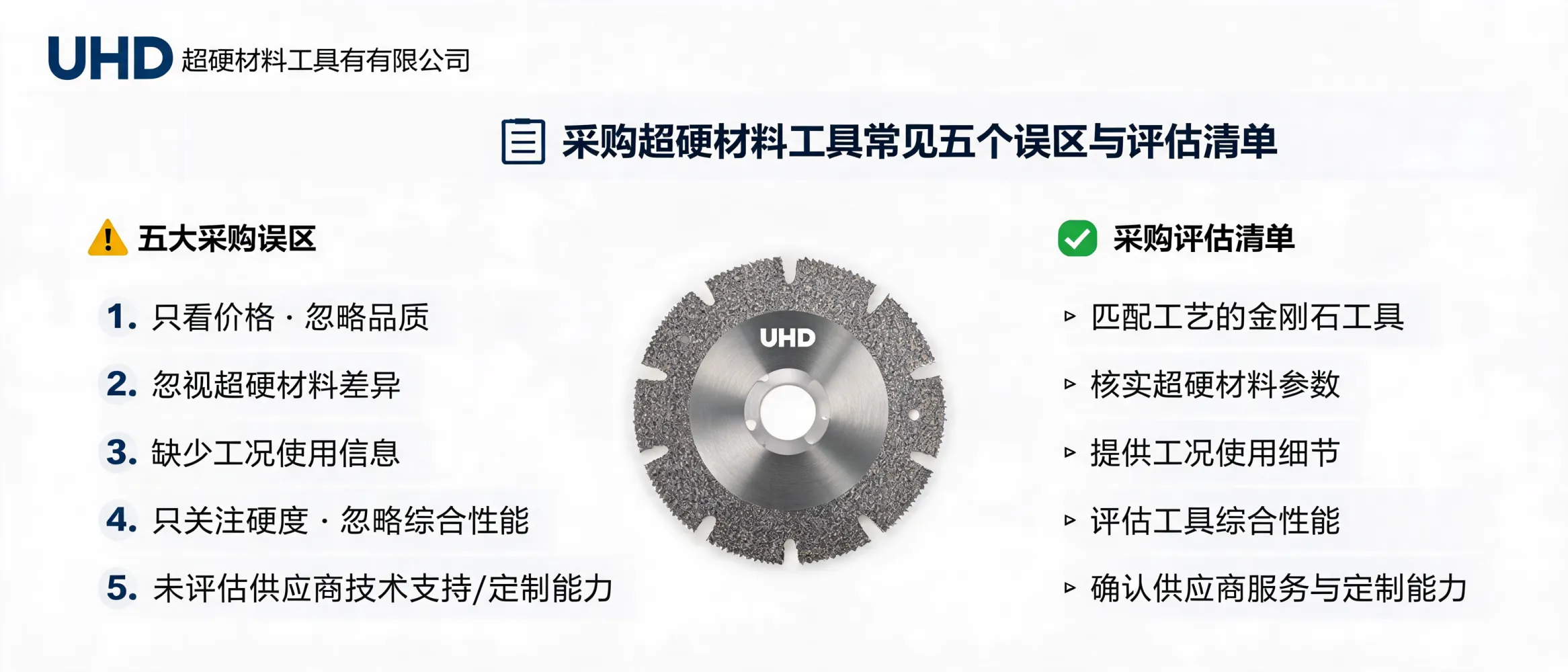
Buyer takeaway: When evaluating ultrahard tooling, request evidence of repeatability—specs aligned to your process requirements, and clear communication on how the tool is positioned for your application rather than generic “one-size-fits-all” claims.
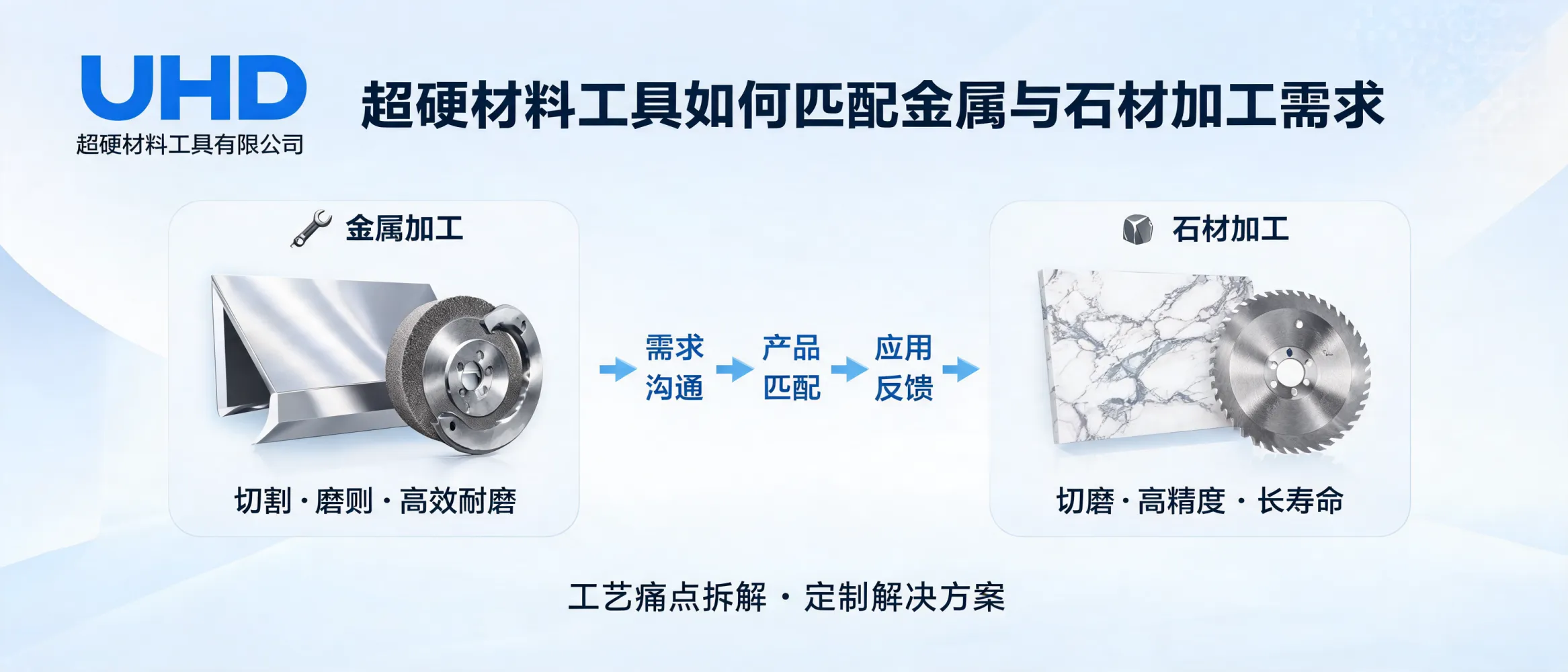
In many industrial workflows, the best results come from matching tool design to a specific process route. As a result, customized tooling solutions are becoming a procurement norm—especially where materials, machine rigidity, cooling strategy, and surface requirements vary.
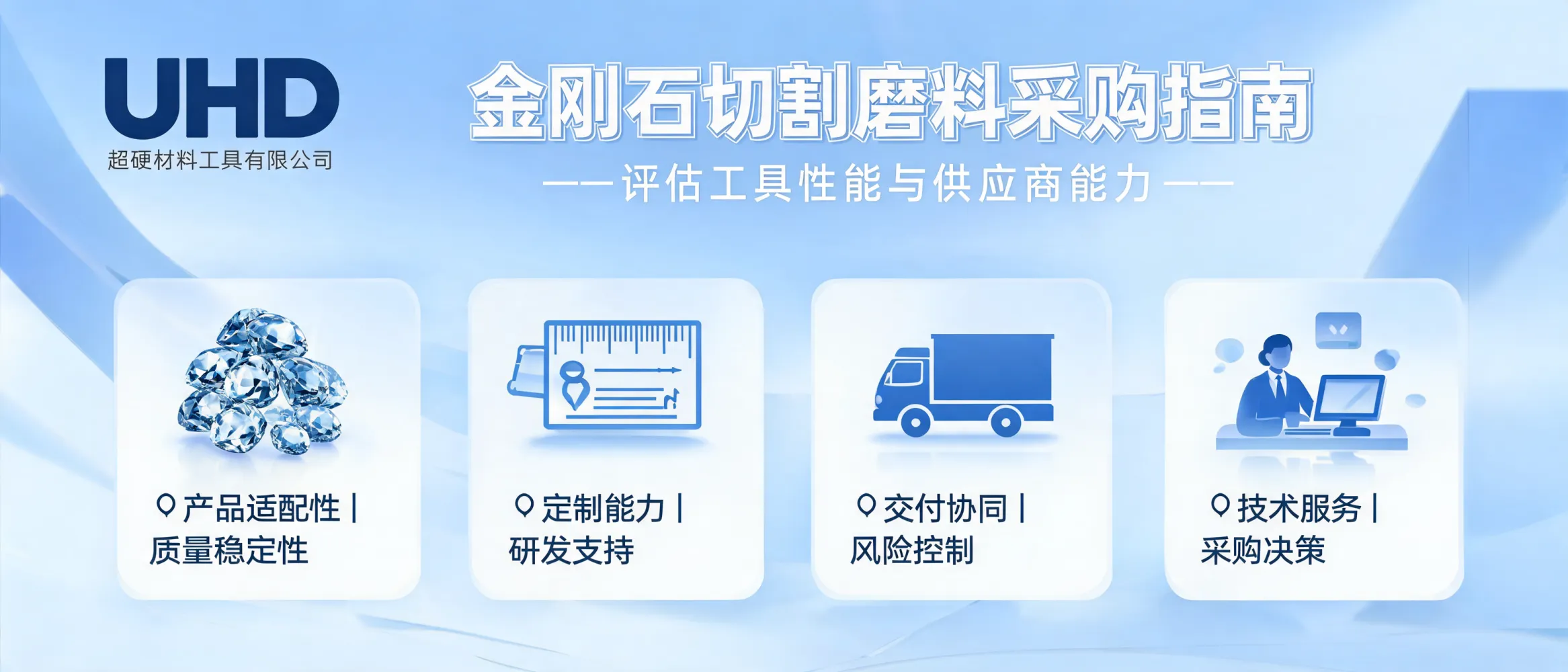
With rising expectations for efficiency and tool-life stability, industrial buyers are increasingly assessing suppliers by their ability to translate process requirements into tool solutions. Beyond quoting price, capable suppliers typically demonstrate:
Global sourcing is now common in ultrahard material tools, but international procurement success depends on reliable supply service and clear technical alignment. For buyers, this often translates into prioritizing:
Procurement teams increasingly favor suppliers who can explain why a tool fits a process—not just provide a catalog and a price.
UHD Ultrahard Tools Co., Ltd (UHD) is a high-tech enterprise focused on the R&D, manufacturing, and sales of ultrahard material tools, serving industrial markets with an emphasis on “Quality builds the brand.” UHD’s offering includes diamond tools, abrasives and grinding tools, and custom brazed diamond abrasives, supporting applications in metalworking and stone processing.
UHD maintains close cooperation with academic institutions such as Henan University of Technology, leveraging research platforms to support ongoing development of ultrahard tooling—helping match products to evolving processing needs.
For global buyers, UHD operates a structured B2B foreign trade service model and engages through platforms such as Alibaba and Global Sources—supporting cross-border communication and supplier coordination aligned to different market requirements.
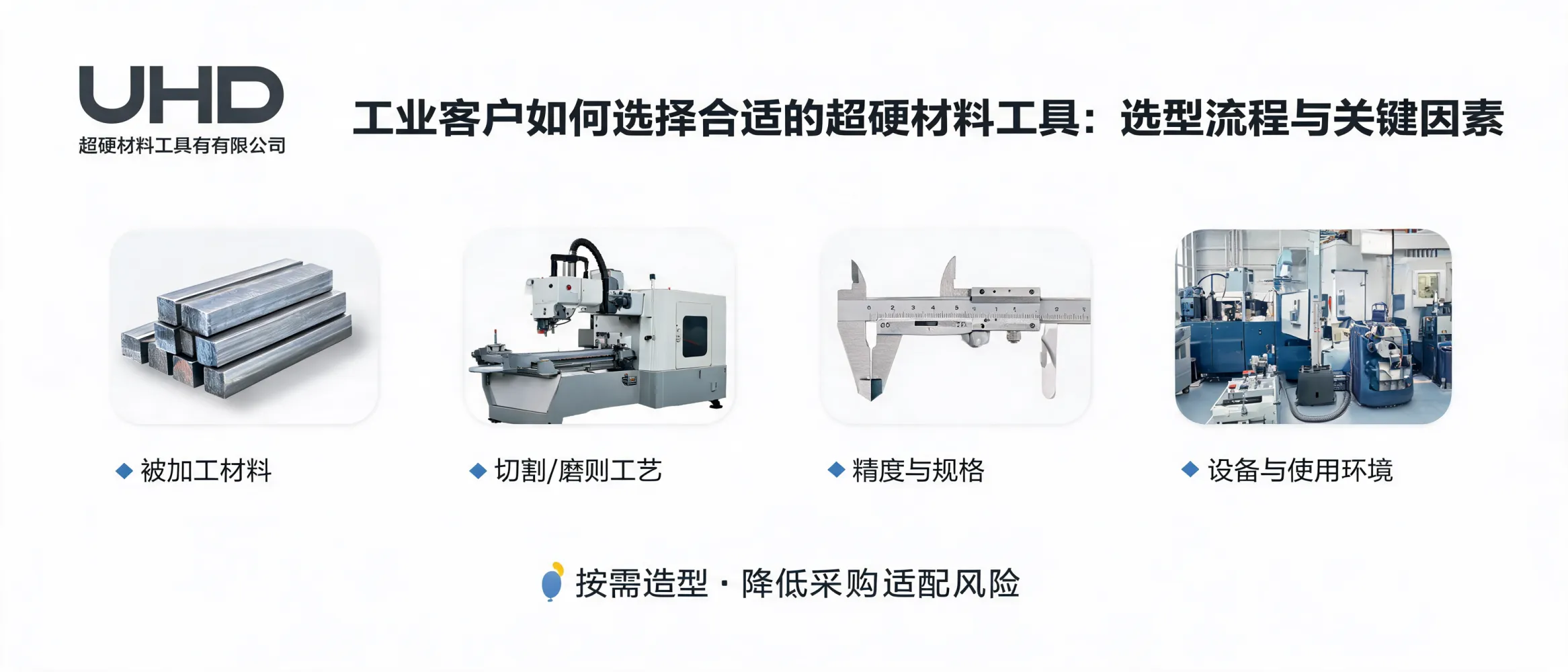
When sourcing high-performance ultrahard material tools or exploring customized tooling solutions, consider preparing the following inputs to speed up supplier evaluation and improve tool-process matching:
With these details, suppliers can position products more accurately to your process requirements and propose a realistic path toward improved stability and efficiency—without relying on generic claims.
If you are evaluating ultrahard material tools for industrial production, UHD can support requirement discussion for metalworking and stone processing scenarios—focusing on performance stability, tool-life expectations, and customization needs to match your specific workflow.


.png?x-oss-process=image/resize,h_1000,m_lfit/format,webp)