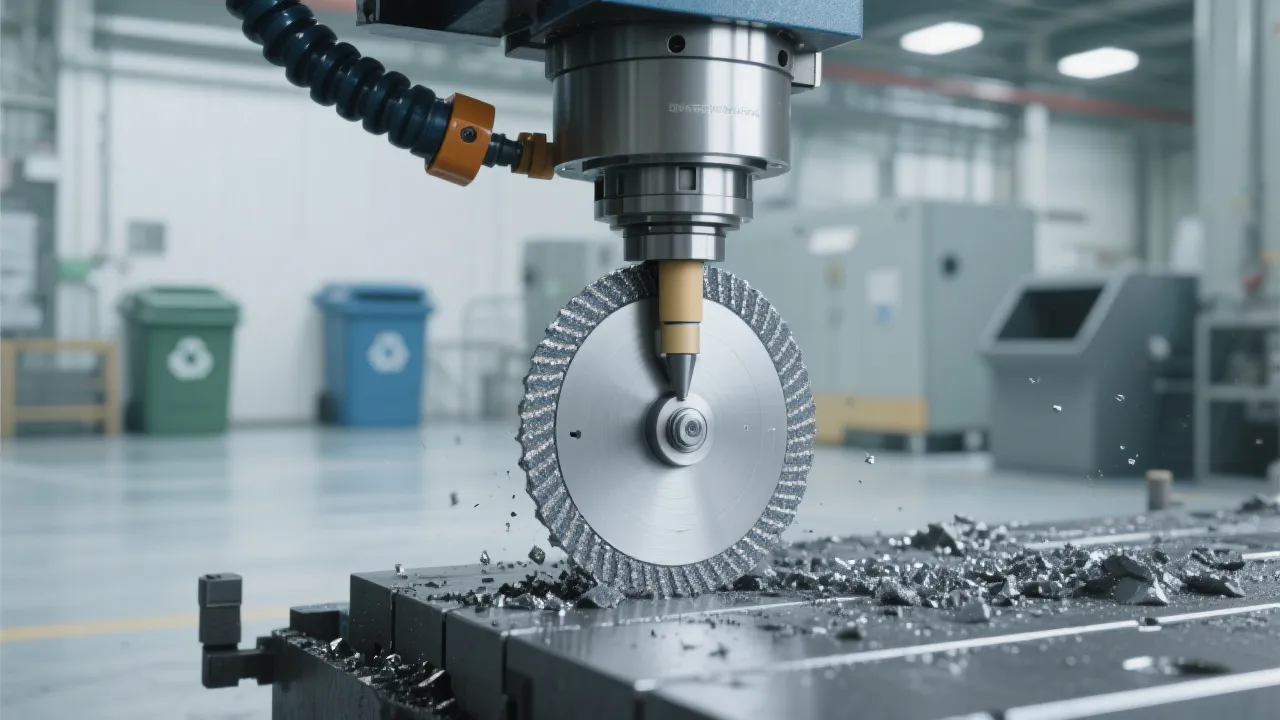
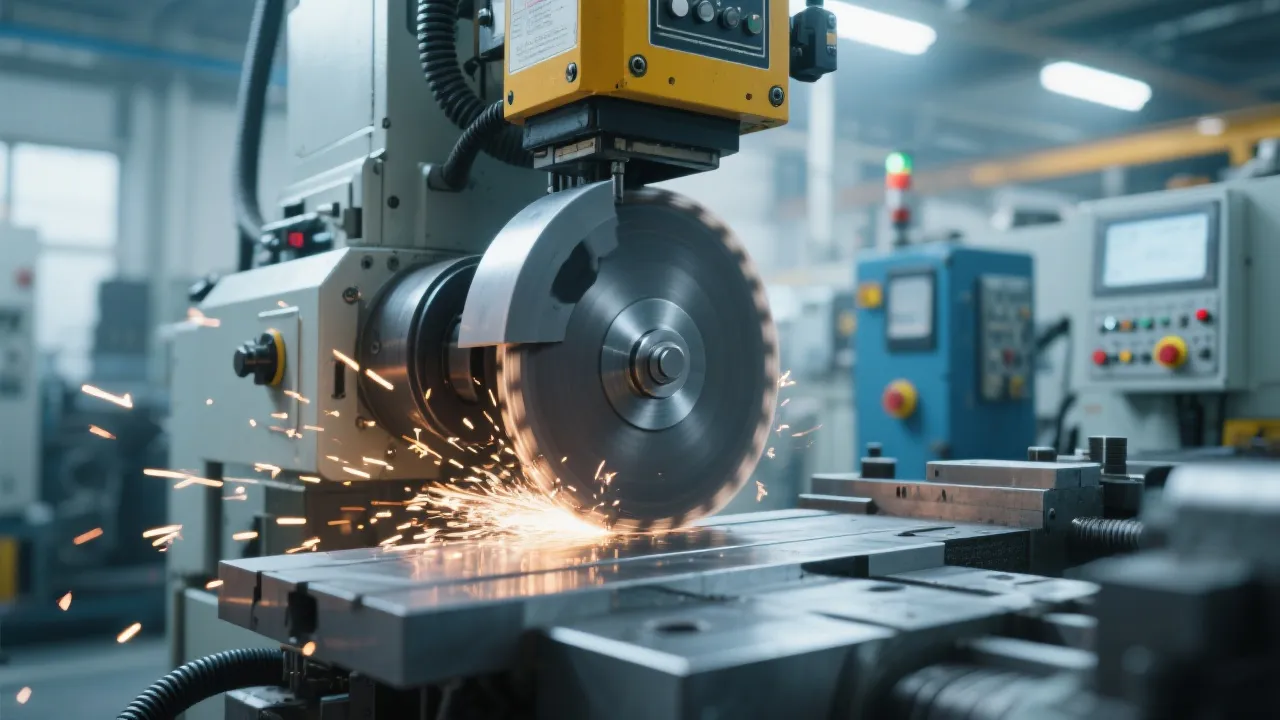
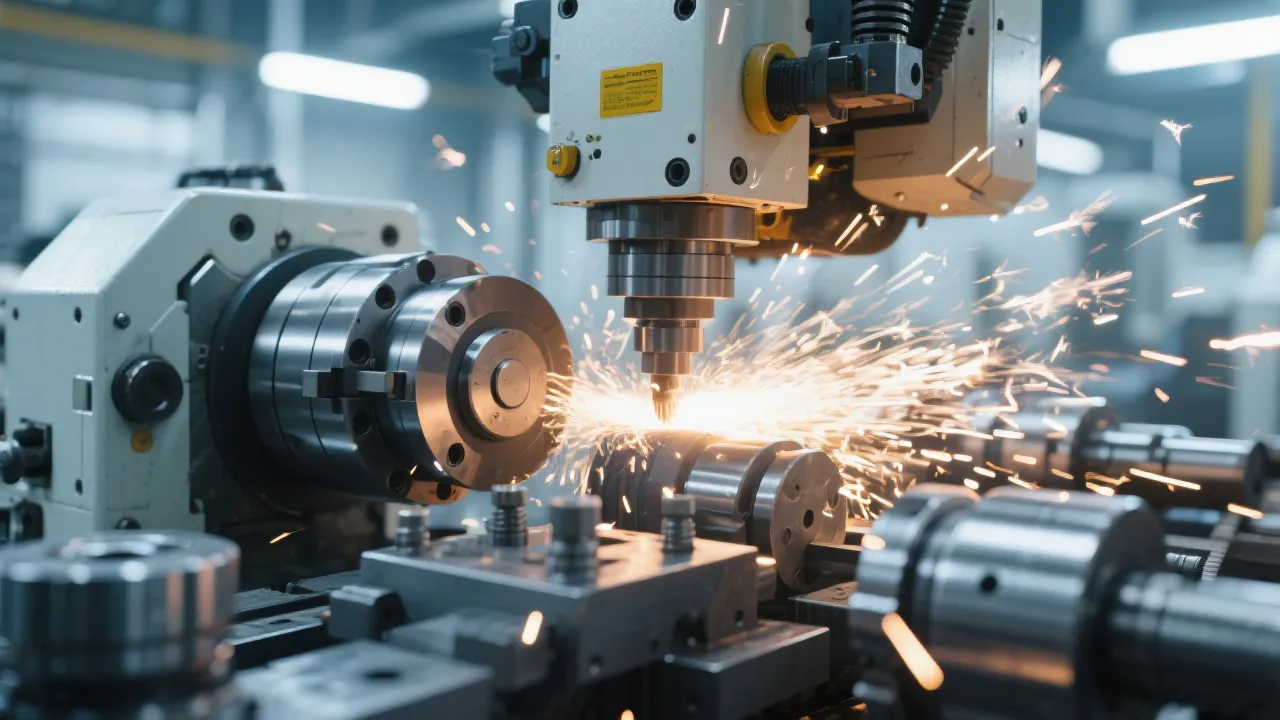
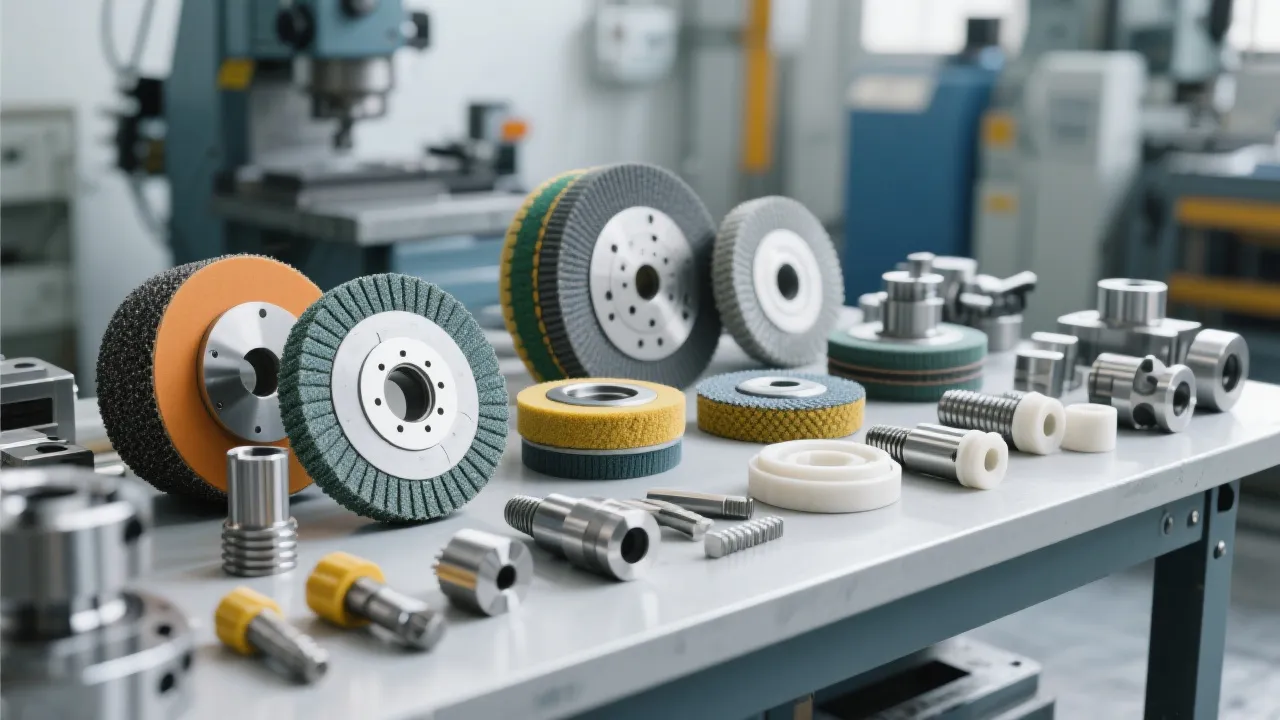
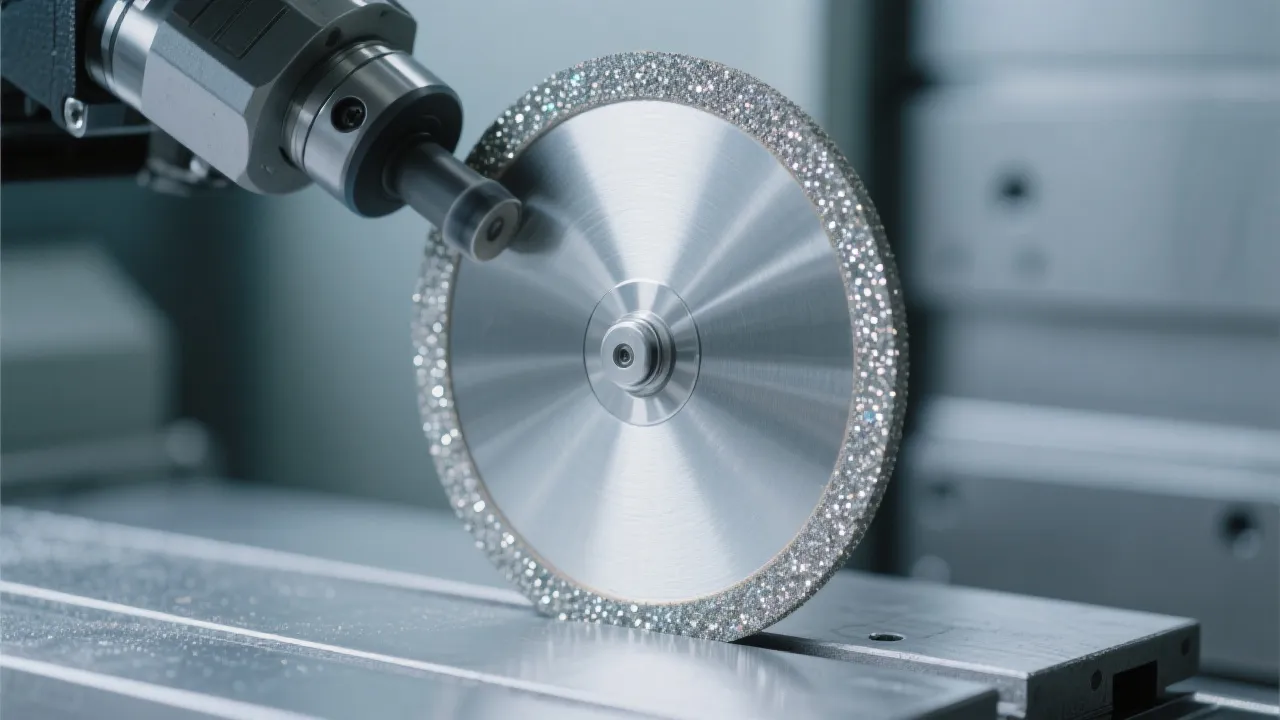
Ultrahard material tools are a class of industrial tools engineered to cut, grind, drill, or finish hard-to-machine materials where conventional steels wear quickly. In practice, this “ultrahard” tool system often centers on diamond-based tooling, abrasives & grinding tools, and carbide-related solutions—each serving a different role in the same production chain.
How to read this page: You’ll learn what ultrahard material tools cover, the main categories, typical industrial uses (metalworking and stone processing), and a practical way to understand how diamond tools, abrasives, and carbide solutions connect and differ.
“Ultrahard material tools” refers to tooling that relies on very high hardness and wear resistance to maintain performance under demanding machining or processing conditions. Depending on the operation, this can include tools built with diamond (especially for cutting and grinding hard, abrasive materials), abrasive products (for controlled material removal and surface finish), and carbide-based tooling concepts (often used where toughness, heat resistance, and predictable edge stability are required).
Diamond tools use diamond as the working abrasive/cutting component. They are widely selected for operations where abrasiveness and wear dominate tool life and process stability. In UHD’s scope, this can include industrial diamond tool systems and custom brazed diamond abrasives when a more application-specific tool geometry or bond concept is required.
Abrasives and grinding tools are used to remove material in a controlled way—often to achieve target surface finish, dimensional accuracy, or to prepare surfaces for subsequent steps. They can work as standalone consumables or as a supporting category paired with diamond tooling, depending on the process route and final quality requirements.
Carbide solutions typically refer to tool concepts or components built around carbide’s balance of hardness and toughness. In an industrial buyer’s selection logic, carbide often represents a practical choice for many machining environments—especially where edge stability, heat resistance, and cost structure must be balanced alongside productivity.
In real production, these categories rarely compete in isolation. They form a tool “ecosystem” that supports different stages of machining and processing—from rough removal to finishing. The key difference is what the tool is optimizing: wear resistance and aggressive cutting (often diamond), controllable finish and process refinement (abrasives), or balanced cutting performance and robustness (carbide).
| Category | Primary role in a process chain | Typical selection focus | Where it often appears |
|---|---|---|---|
| Diamond tools | High-wear cutting/grinding; long-life performance under abrasive conditions | Wear behavior, bond/design fit, stability over runs | Stone processing; demanding industrial cutting & grinding steps |
| Abrasives & grinding tools | Controlled removal and finishing; surface preparation | Finish requirements, consistency, process repeatability | Grinding, polishing, deburring; pre/post diamond operations |
| Carbide-related solutions | General machining and robust cutting performance | Toughness vs. wear balance, edge stability, operating conditions | Metalworking environments requiring reliable cutting tools |
Practical takeaway for buyers: If your bottleneck is rapid wear in abrasive materials, diamond tools are often evaluated first. If your bottleneck is finish, consistency, or process stability, abrasives and grinding tools become central. If your bottleneck is balanced machining reliability across runs, carbide solutions may be the anchor category—often combined with abrasives or diamond tools depending on the workflow.
In metalworking, tool choice is often driven by the required cutting behavior, dimensional control, and production repeatability. Carbide-related solutions commonly serve as dependable workhorse tooling, while abrasives/grinding tools help achieve target finishes and stabilize quality. Diamond tools may be introduced where wear and abrasive effects are prominent in specific operations.
Stone processing frequently emphasizes wear resistance and consistent material removal. Diamond tools and brazed diamond abrasive solutions are often evaluated for cutting, grinding, and shaping tasks, while abrasives and grinding tools support finishing steps, surface preparation, and quality refinement.
UHD Ultrahard Tools Co., Ltd (河南优德超硬工具有限公司) focuses on R&D, manufacturing, and B2B supply of ultrahard material tools, covering diamond tools, abrasives & grinding tools, and carbide-related solutions. Our goal is to provide an engineering-oriented selection logic—matching tools to specific process requirements rather than forcing a one-size-fits-all approach.
With these inputs, UHD can align the recommended category—diamond tools, abrasives/grinding tools, or carbide solutions—and clarify how to combine them within your process chain.
.png?x-oss-process=image/resize,h_1000,m_lfit/format,webp)


.png?x-oss-process=image/resize,h_1000,m_lfit/format,webp)