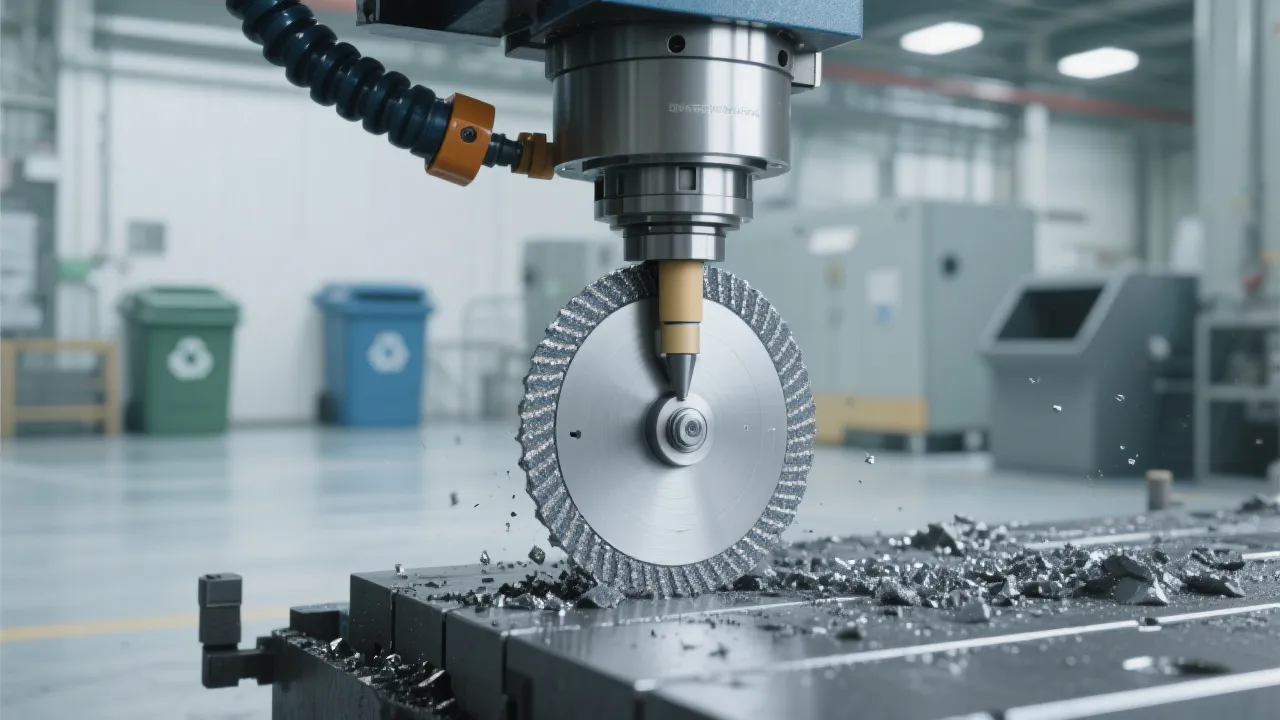
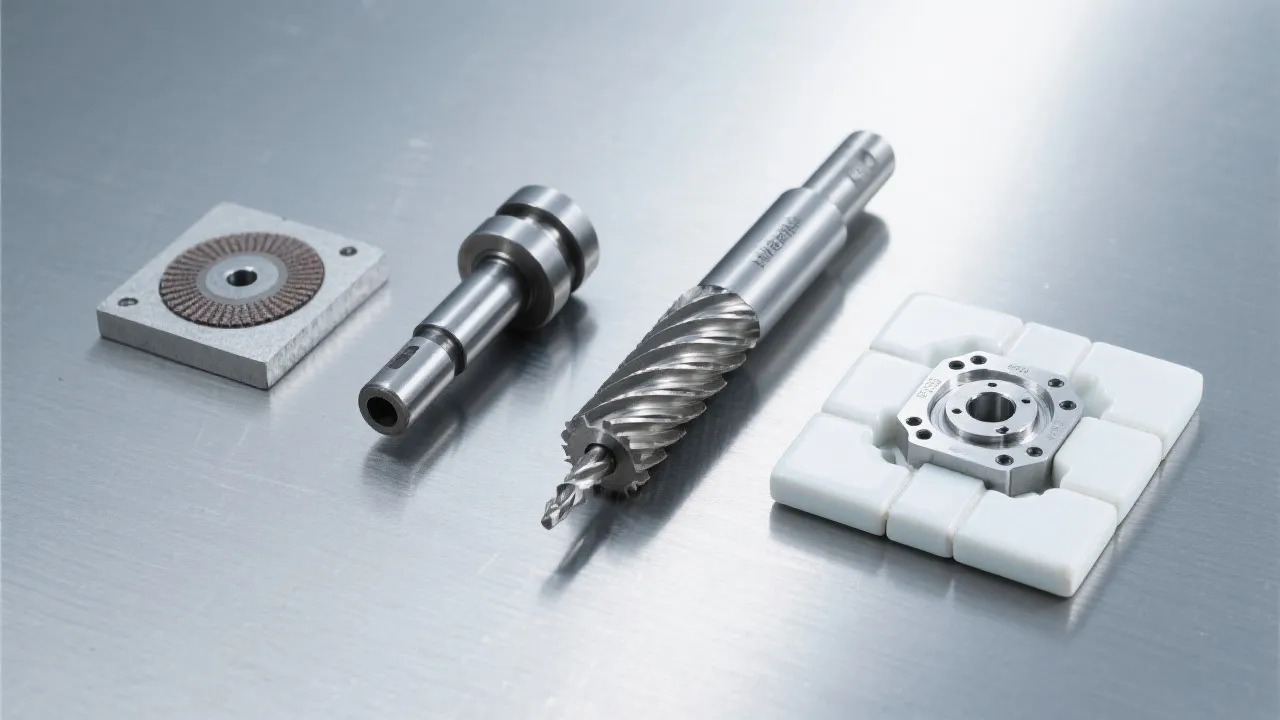
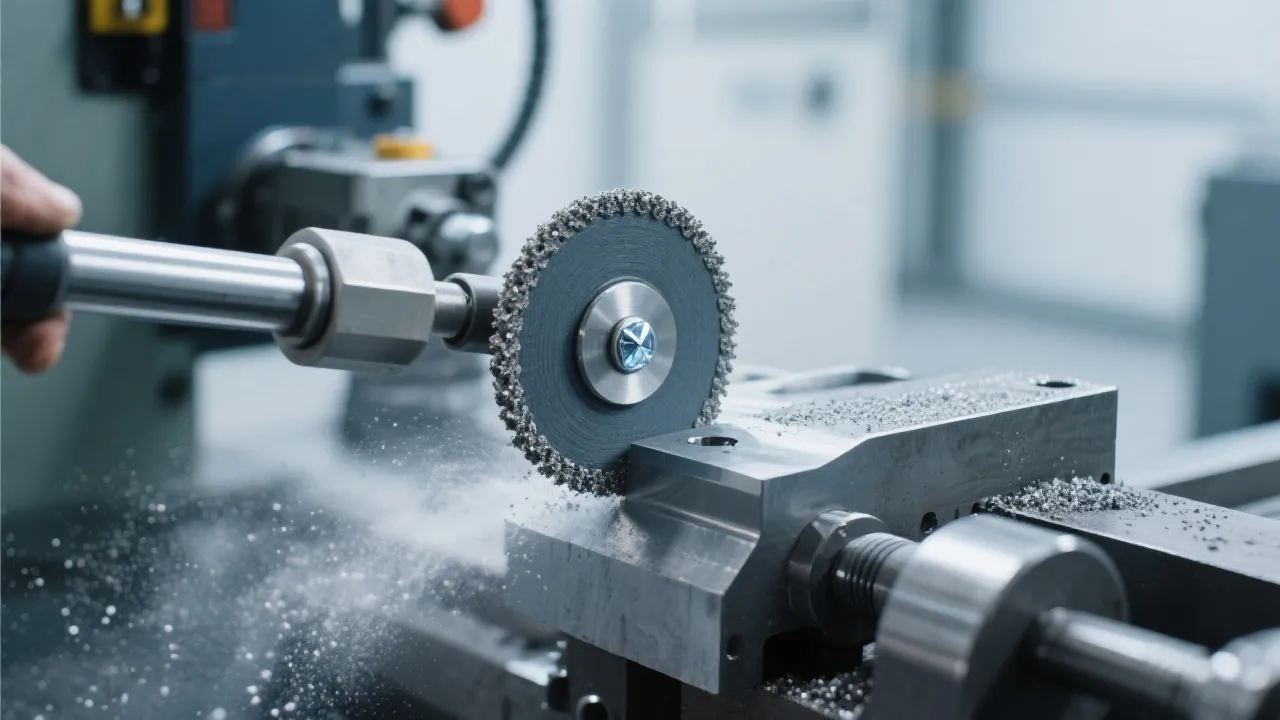
In procurement and engineering discussions, the term “ultrahard material tools” is often used broadly—sometimes too broadly. This page clarifies what ultrahard material tools truly include, how diamond tools, abrasives & grinding tools, and vacuum brazed diamond products differ, and where the boundaries lie—so teams can align terminology, compare options fairly, and communicate technical requirements with confidence in metalworking and stone processing.
Brand context: UHD Ultrahard Tools Co., Ltd (河南优德超硬工具有限公司) develops, manufactures, and supplies ultrahard tool solutions for industrial B2B customers, with product lines covering diamond tools, abrasives/grinding tools, and customized vacuum brazed diamond abrasives.
Ultrahard material tools are tools and consumables that use ultrahard cutting or grinding media (most commonly diamond-based materials) to remove, shape, cut, or finish workpieces that are difficult to machine efficiently using conventional abrasives. In practical industrial selection, the scope typically covers:
The key is not the tool’s appearance, but the working layer and bonding approach—these determine cutting efficiency, wear behavior, heat generation, and the suitability for a given process window.
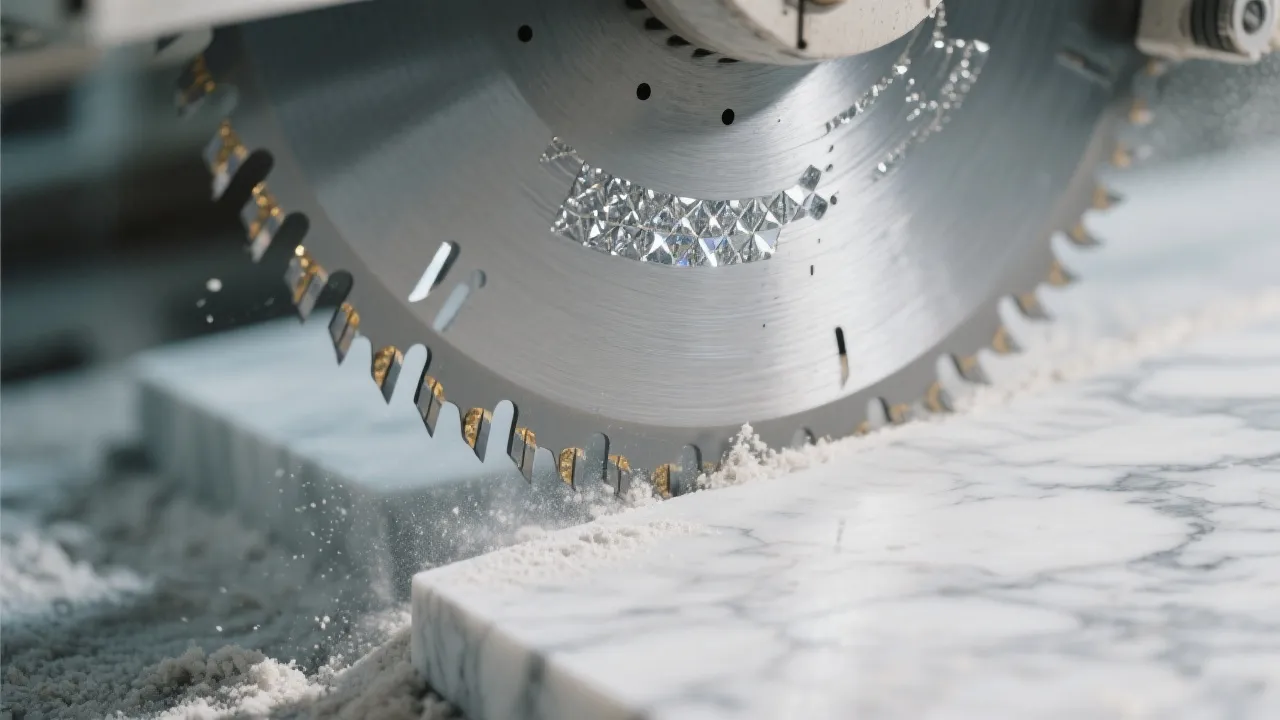
Diamond tools are tools that use diamond as the primary cutting/grinding medium. They are widely used in both metalworking and stone processing where high hardness, abrasion resistance, and dimensional control are required.
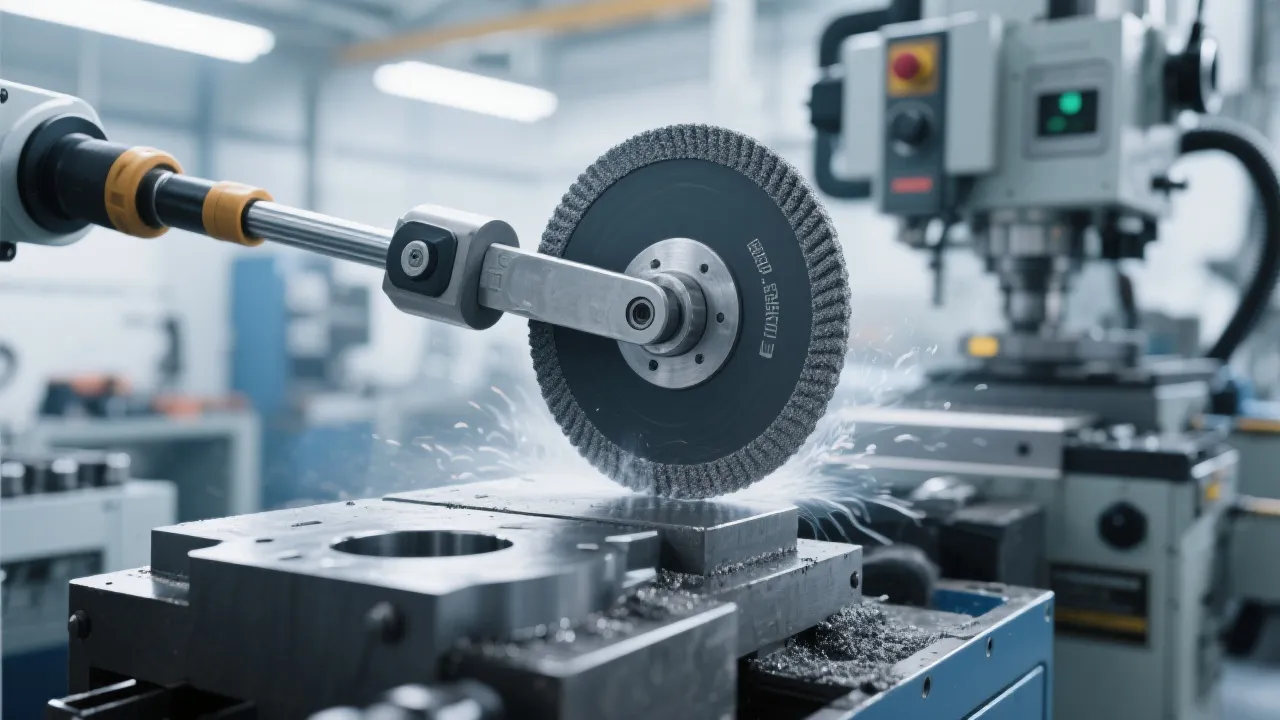
Abrasives and grinding tools refer to consumables and tools designed for controlled material removal and surface finishing. In the context of ultrahard tool selection, this category includes grinding tools that may incorporate ultrahard grains (such as diamond-based abrasives) and are chosen based on finish requirements, stock removal rate, and stability.
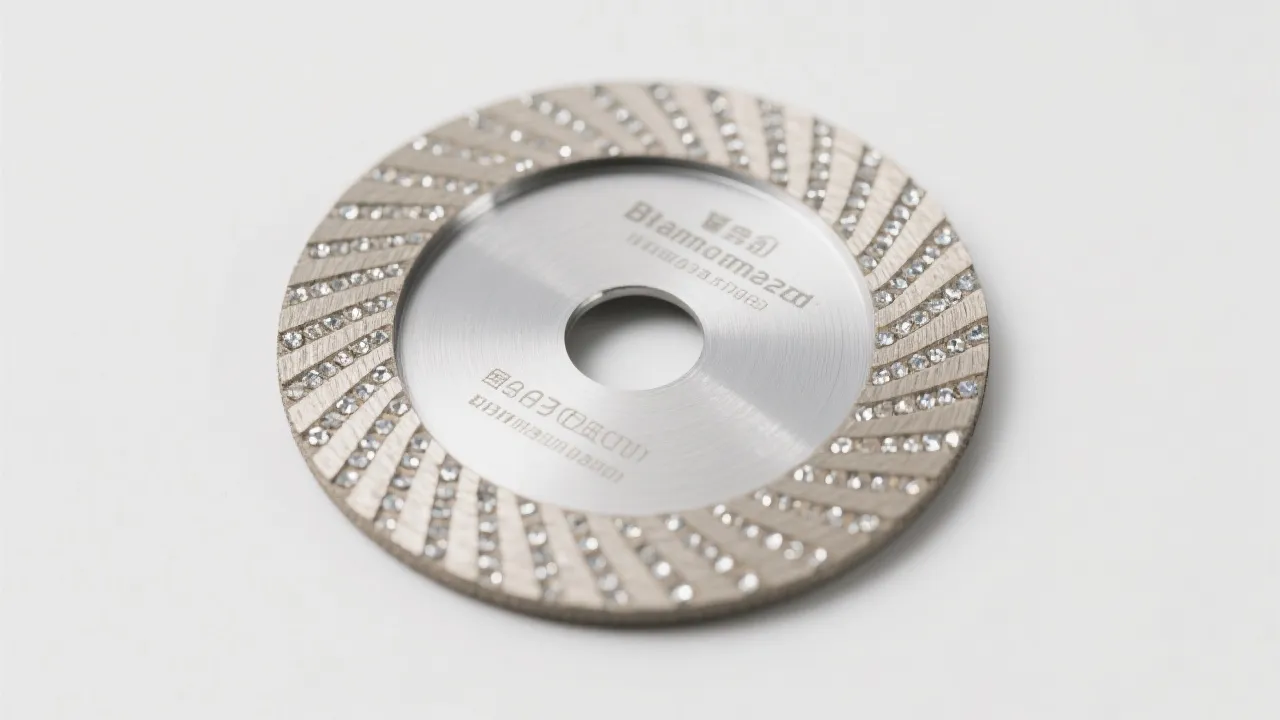
Vacuum brazed diamond products use a brazing alloy to bond diamond grains to a metal substrate in a controlled vacuum environment. The resulting working layer is designed to deliver strong grain retention and stable cutting points, supporting efficient grinding/cutting where robust performance is needed.
| Dimension | Diamond Tools | Abrasives & Grinding Tools | Vacuum Brazed Diamond Products |
|---|---|---|---|
| Primary purpose | Cutting/grinding with diamond as the main working medium | Material removal & finishing via abrasive action (varied abrasive types) | Aggressive cutting/grinding with brazed diamond grains on a substrate |
| Working layer | Diamond-containing layer (varies by tool form and bond) | Abrasive grains in bonded/coated structures, optimized for process needs | Diamond grains metallurgically bonded via vacuum brazing |
| Typical decision inputs | Grit size, concentration, bond, geometry, material, coolant conditions | Abrasive type, grit, bond/structure, target surface quality, stability | Brazed layer design, grit, substrate form, application and duty cycle |
| Common applications | Metalworking and stone processing processes requiring diamond performance | Grinding and finishing across industrial production steps | Industrial grinding/cutting where strong grain retention is beneficial |
Boundary tip: If your requirement statement only says “diamond tool,” it may be incomplete. For accurate quotations and consistent performance evaluation, include the process (cutting/grinding/finishing), workpiece material, tool form, and the bonding approach (including whether vacuum brazed construction is required).
In metalworking, selection typically balances stock removal, dimensional control, tool stability, and process consistency. Clarifying the tool category helps ensure the correct working layer and bonding approach are matched to your machine conditions.
In stone processing, tool choice is closely tied to the target finish, edge quality, and stable cutting action across varying stone hardness and structure. Using consistent definitions (diamond tools vs. abrasives vs. vacuum brazed diamond products) reduces misalignment between expected finish and tool configuration.
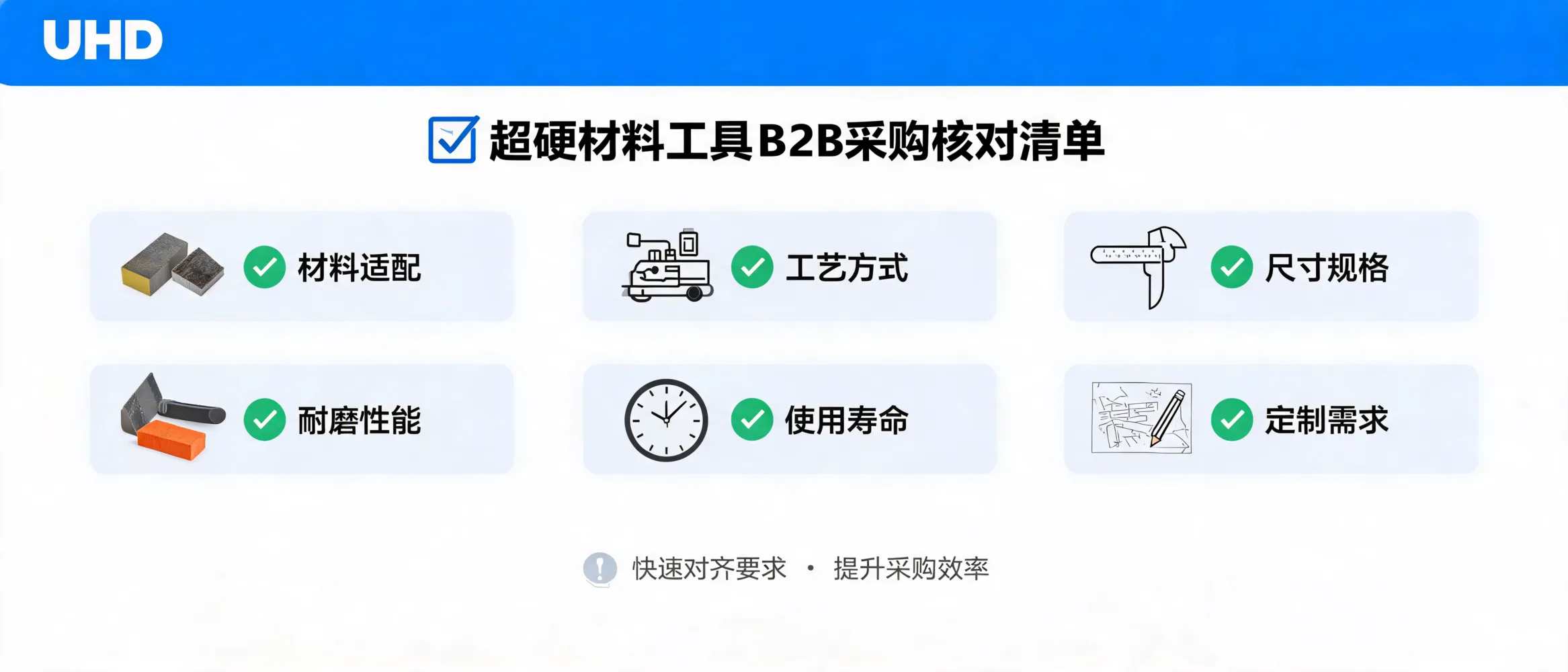
To support smoother sourcing and technical alignment, UHD Ultrahard Tools Co., Ltd recommends structuring inquiries and internal specifications using consistent fields. This reduces back-and-forth and helps suppliers propose a tool configuration that matches your process boundaries.
UHD Ultrahard Tools Co., Ltd focuses on R&D, manufacturing, and B2B supply of ultrahard material tools, including diamond tools, abrasives and grinding tools, and customized vacuum brazed diamond abrasives. With a quality-first approach and ongoing technical development (including collaboration with academic research platforms), UHD supports customers who need clear product positioning and reliable technical communication for industrial selection.
If you want UHD to recommend a category and configuration, prepare your application details using the specification fields above. This helps ensure the proposed ultrahard material tool matches your process boundaries and evaluation criteria—without relying on ambiguous terminology.
.png?x-oss-process=image/resize,h_1000,m_lfit/format,webp)
.png?x-oss-process=image/resize,h_1000,m_lfit/format,webp)