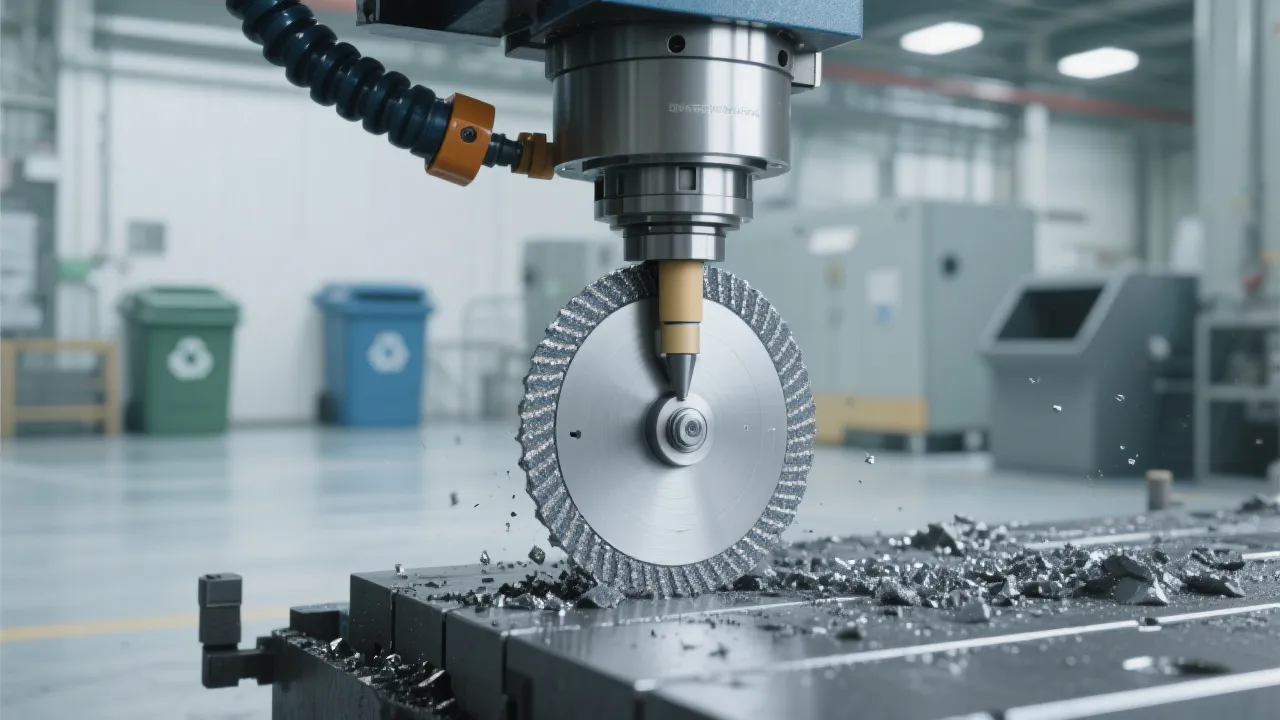
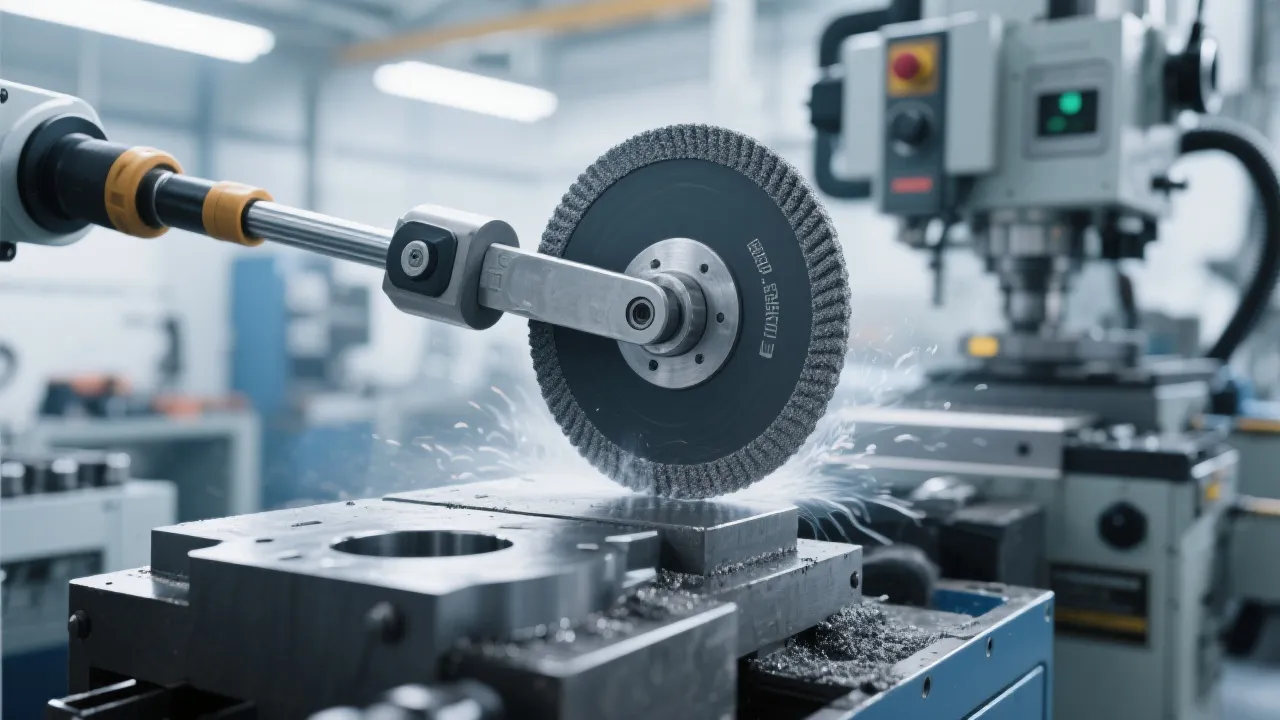
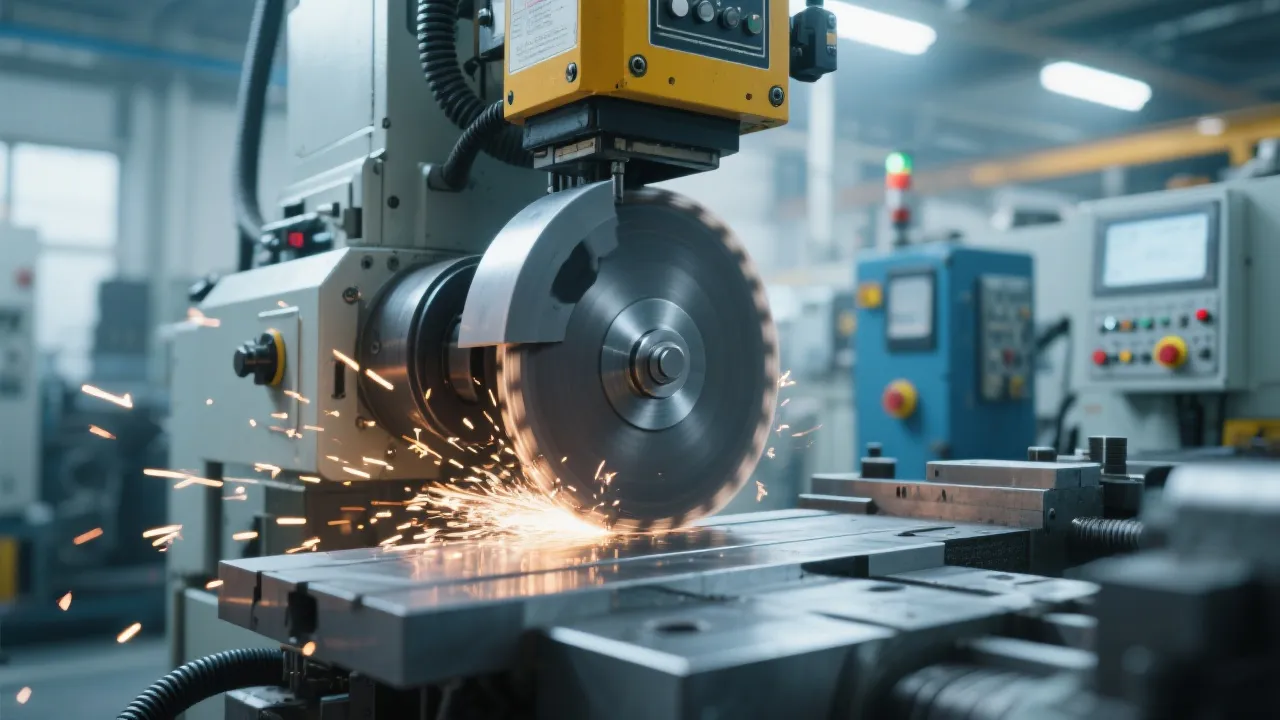
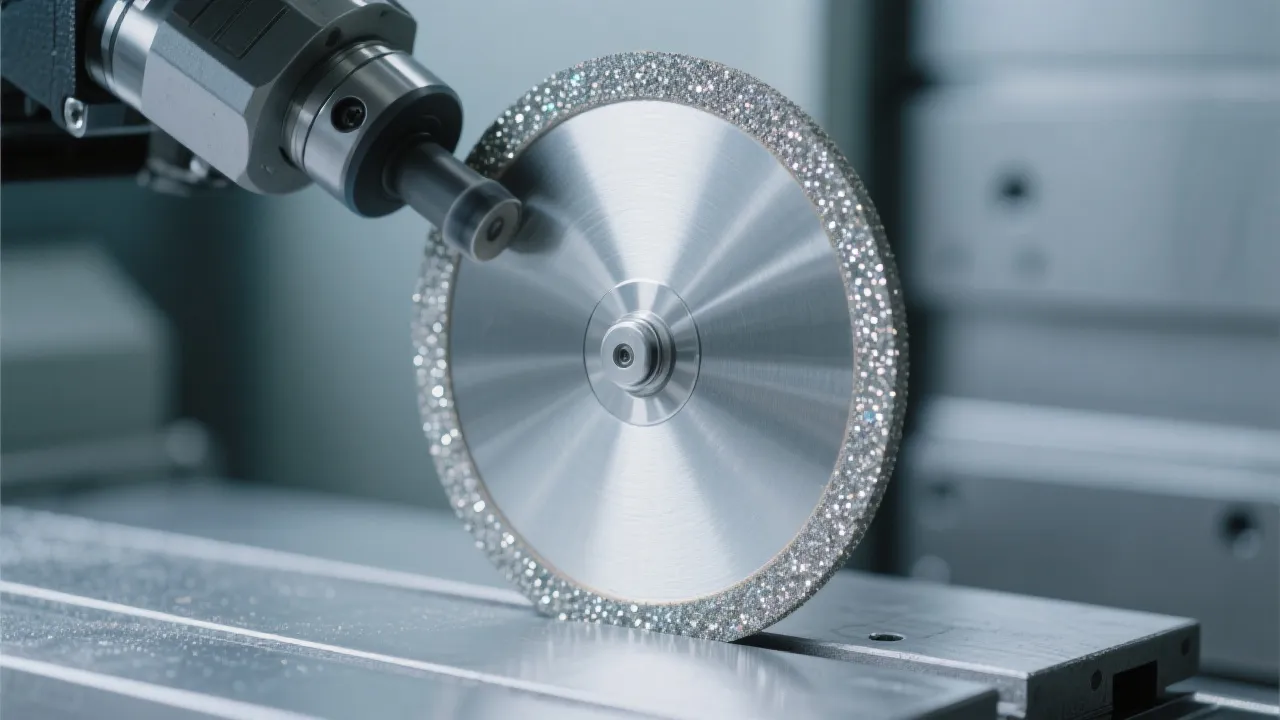
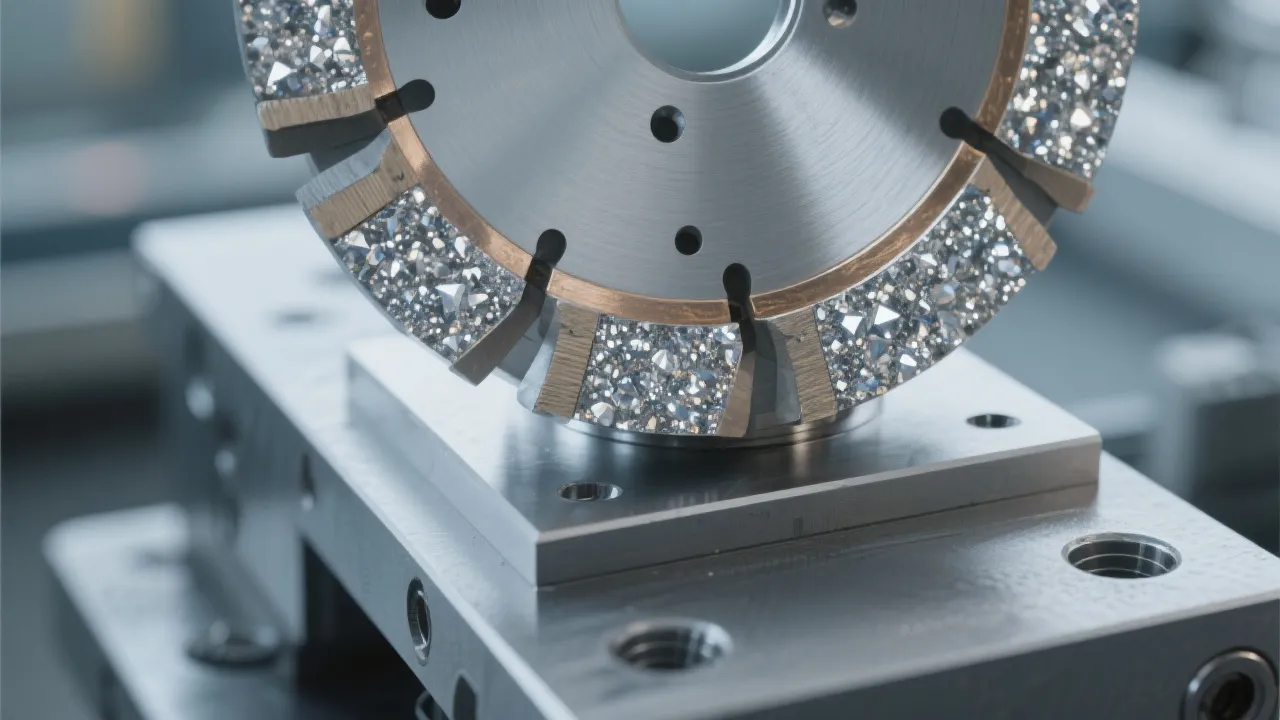
In metalworking, cutting efficiency and part-to-part stability often conflict—especially when material batches vary, tool wear accelerates, or the selected process window is too narrow. This practical application case shares how UHD Ultrahard Tools Co., Ltd applies ultrahard material tools to improve throughput while keeping machining results consistent, with a focus on process adaptation rather than one-size-fits-all settings.
Note: This page focuses on the application logic and selection approach. Operating parameters and performance outcomes depend on material grade, machine rigidity, coolant strategy, and the full process route.
UHD first confirmed what the tool must achieve in the actual metalworking step: target feature type, stability requirement, and the acceptable variation range—so that “improvement” is measured against the right constraint.
Based on the above checks, UHD recommends an ultrahard material tool configuration that prioritizes process fit—balancing cutting aggressiveness with stability to reduce the “parameter guessing” that often causes inconsistency.
By selecting an ultrahard tool approach aligned with the specific operation boundary, the process can be tuned more confidently—supporting higher effective productivity without relying on overly conservative settings.
A better process-fit tool choice helps stabilize cutting behavior across tool life, improving repeatability of finished-part results and reducing fluctuations caused by wear progression.
The case provides a practical selection framework for engineers and buyers: define constraints, identify stability drivers, then map ultrahard tool characteristics to the real cutting task—especially useful for cross-team procurement decisions.
Important: UHD does not recommend copying parameters directly between shops. Tool performance depends on the full process chain (material grade, machine condition, fixturing, coolant, and inspection criteria). UHD supports selection based on your actual operating conditions.
This application case is most relevant for B2B buyers, process engineers, and production teams evaluating ultrahard material tools for metalworking tasks where efficiency must increase without sacrificing consistency.
UHD Ultrahard Tools Co., Ltd focuses on R&D, manufacturing, and sales of ultrahard material tools. The portfolio includes diamond tools, abrasives, and custom brazed diamond abrasives for industrial processing needs, with emphasis on matching tools to specific processes.
UHD maintains technical collaboration with academic partners such as Henan University of Technology, supporting continuous development and application-oriented improvement for ultrahard tooling.
For international buyers, UHD provides structured B2B communication and delivery support through established foreign trade workflows, helping align quality requirements and application expectations across markets.
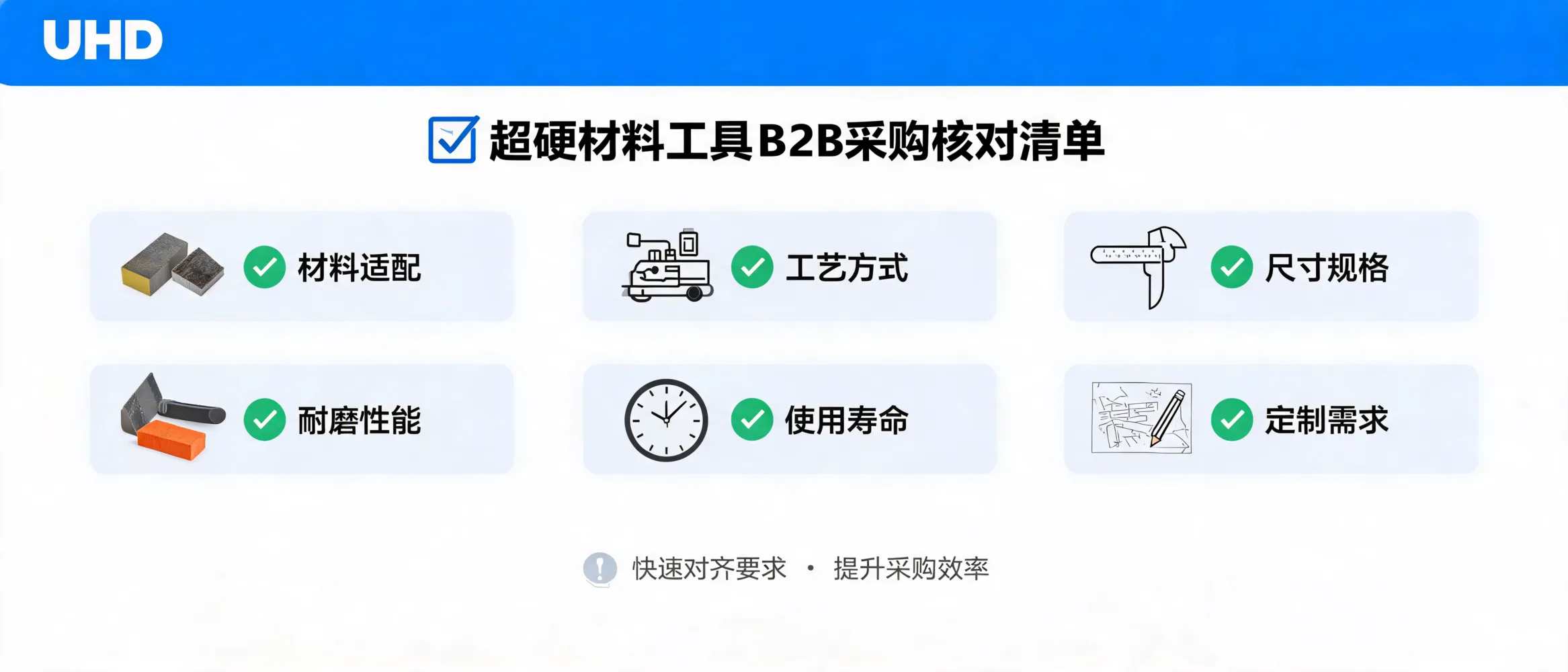
To evaluate process fit and recommend an ultrahard tool configuration for your metalworking project, UHD typically reviews:
With these inputs, UHD can provide clearer selection guidance focused on cutting efficiency, stability, and process adaptation—helping your team make a grounded B2B purchasing decision.


.png?x-oss-process=image/resize,h_1000,m_lfit/format,webp)