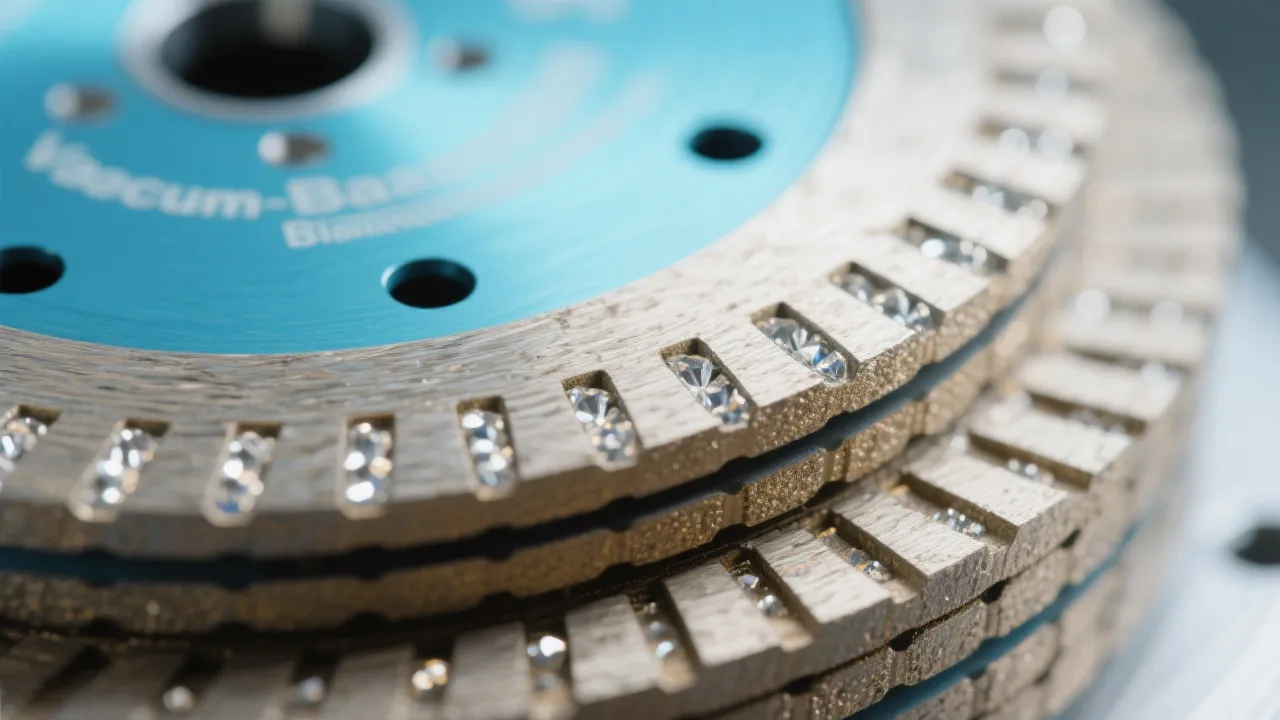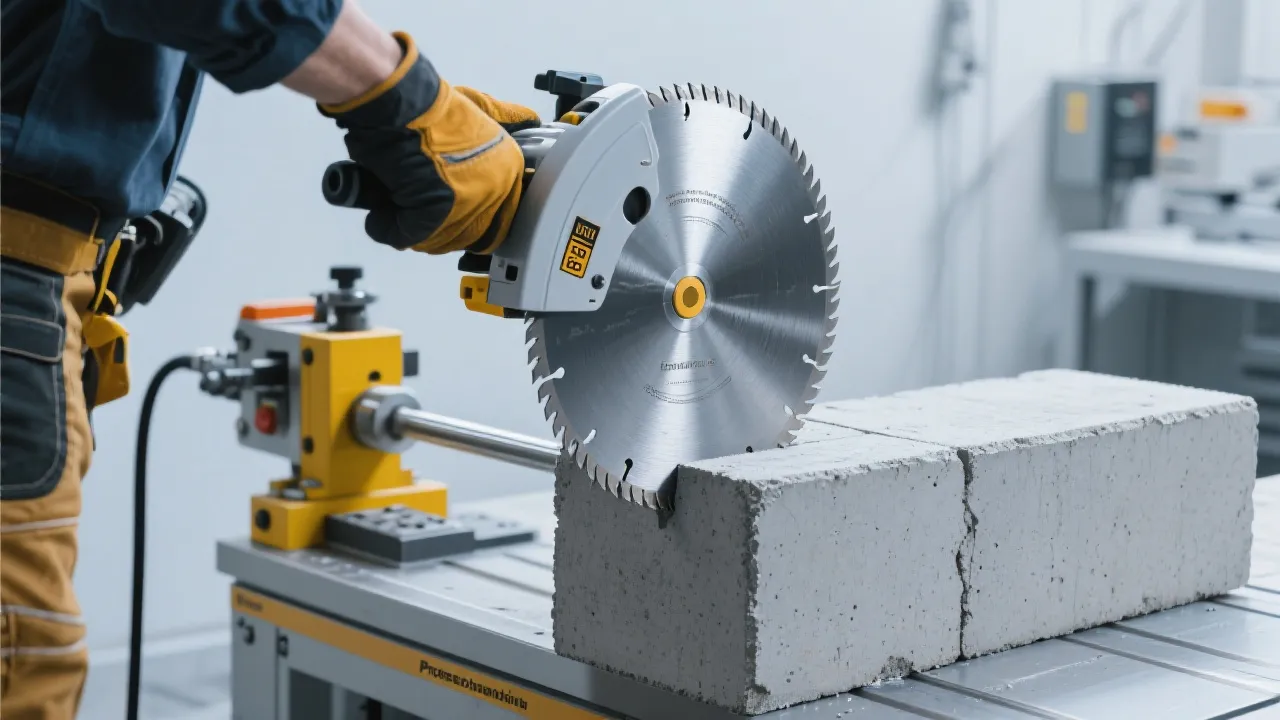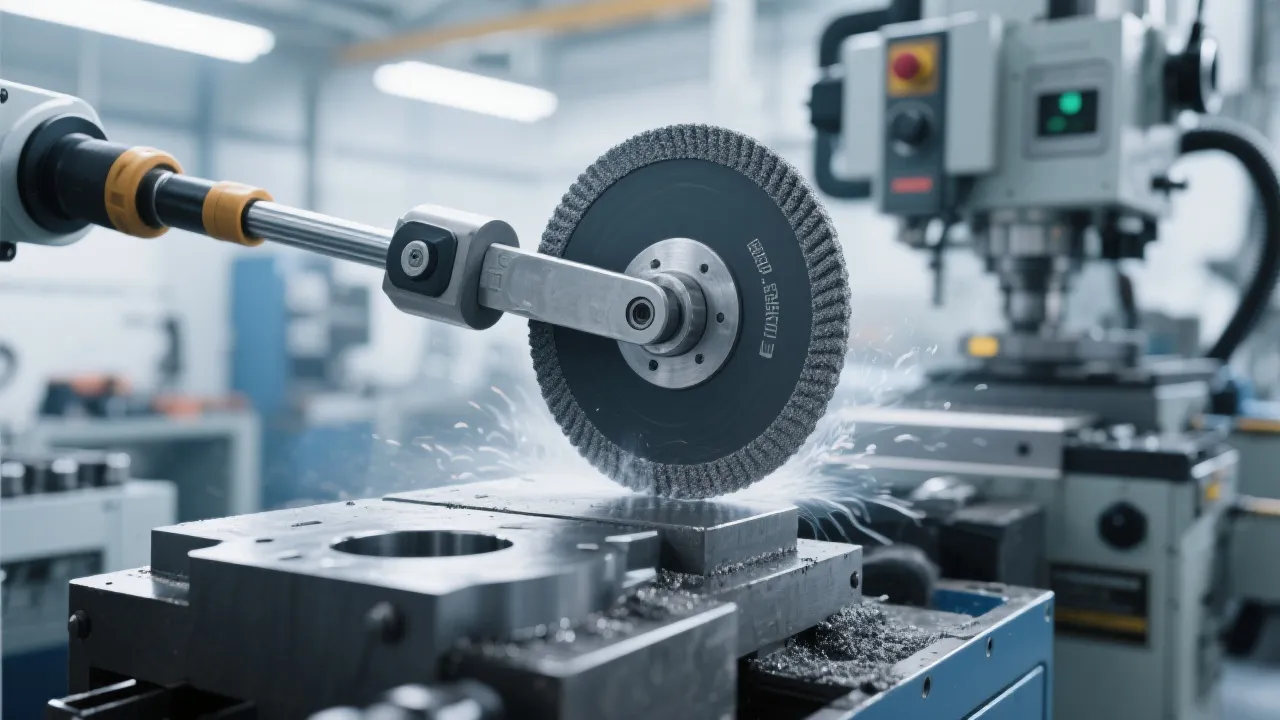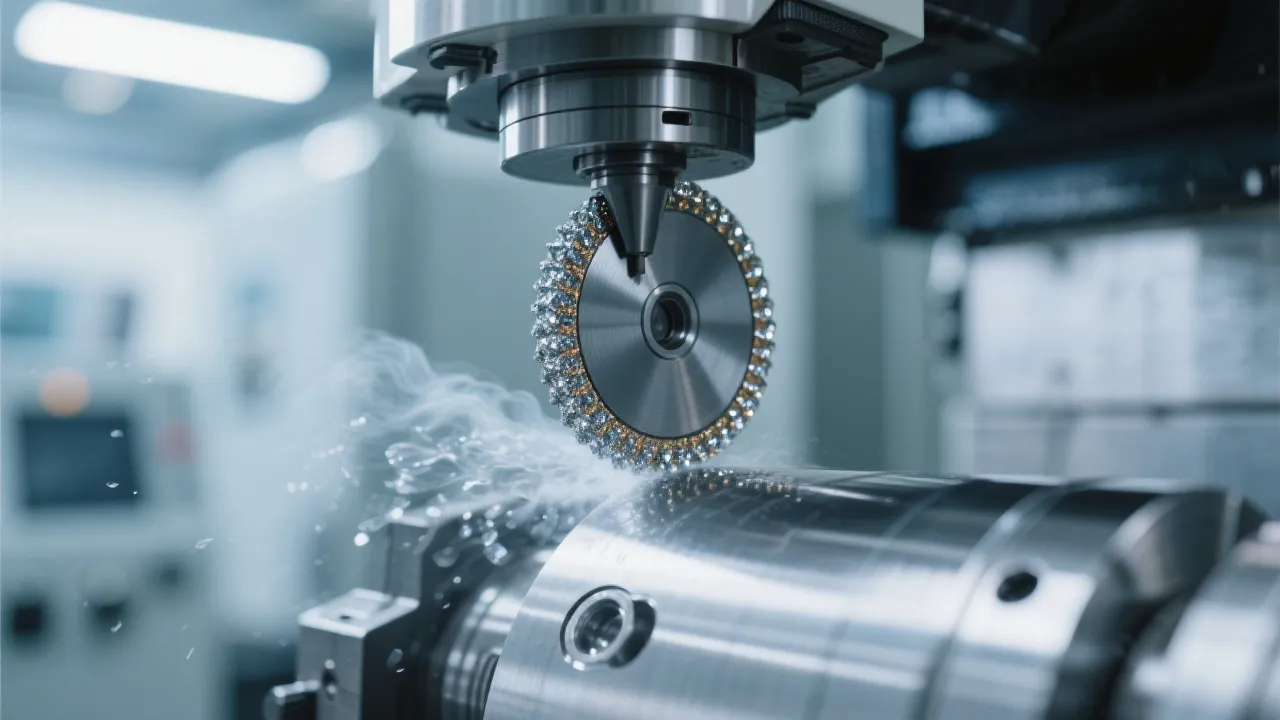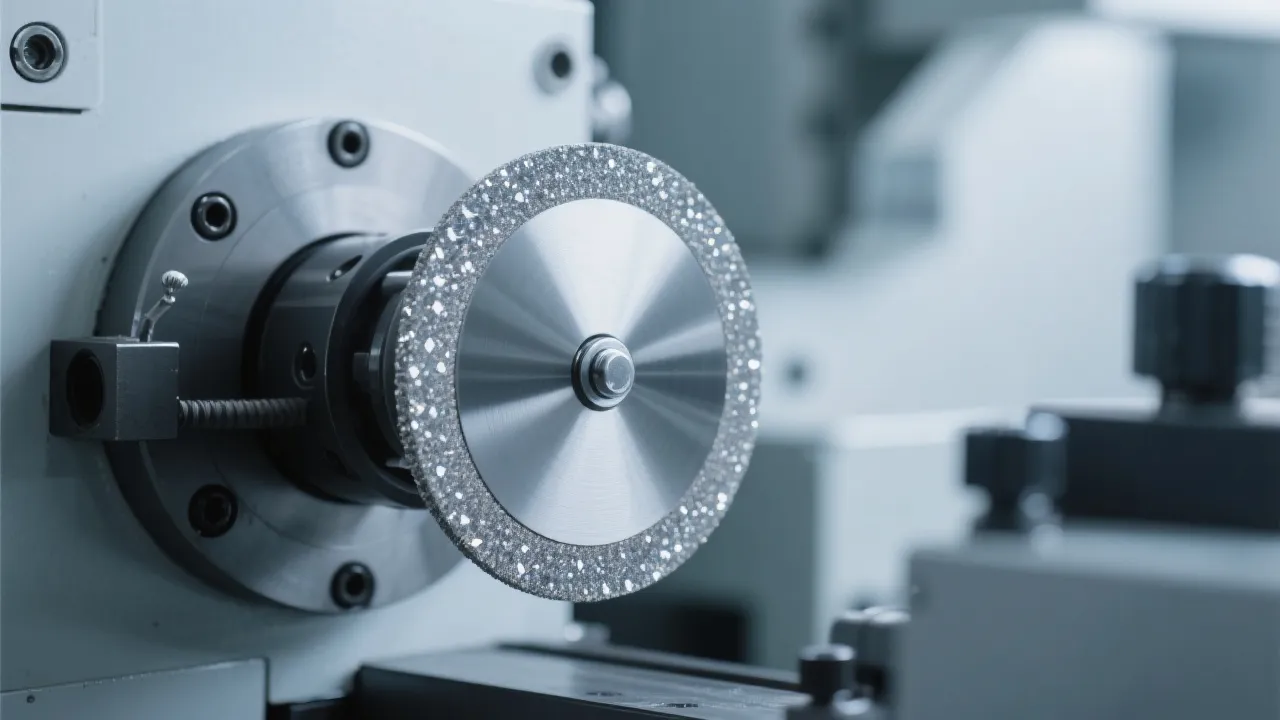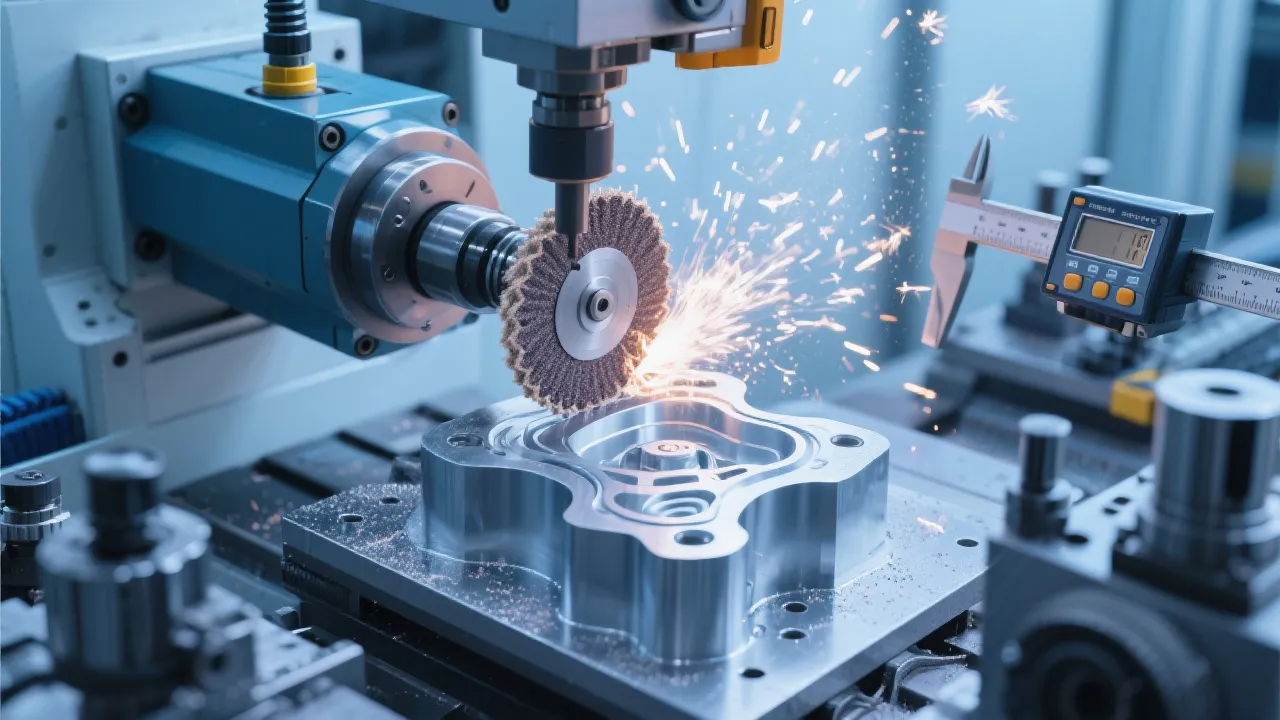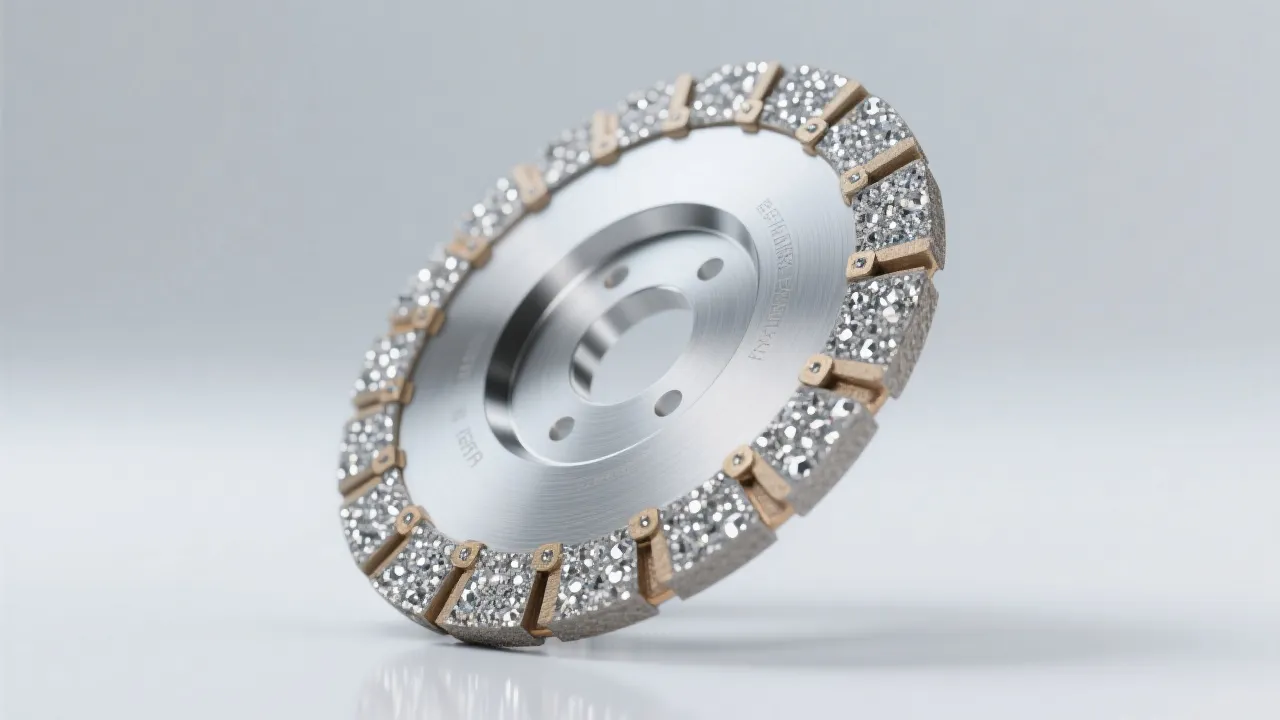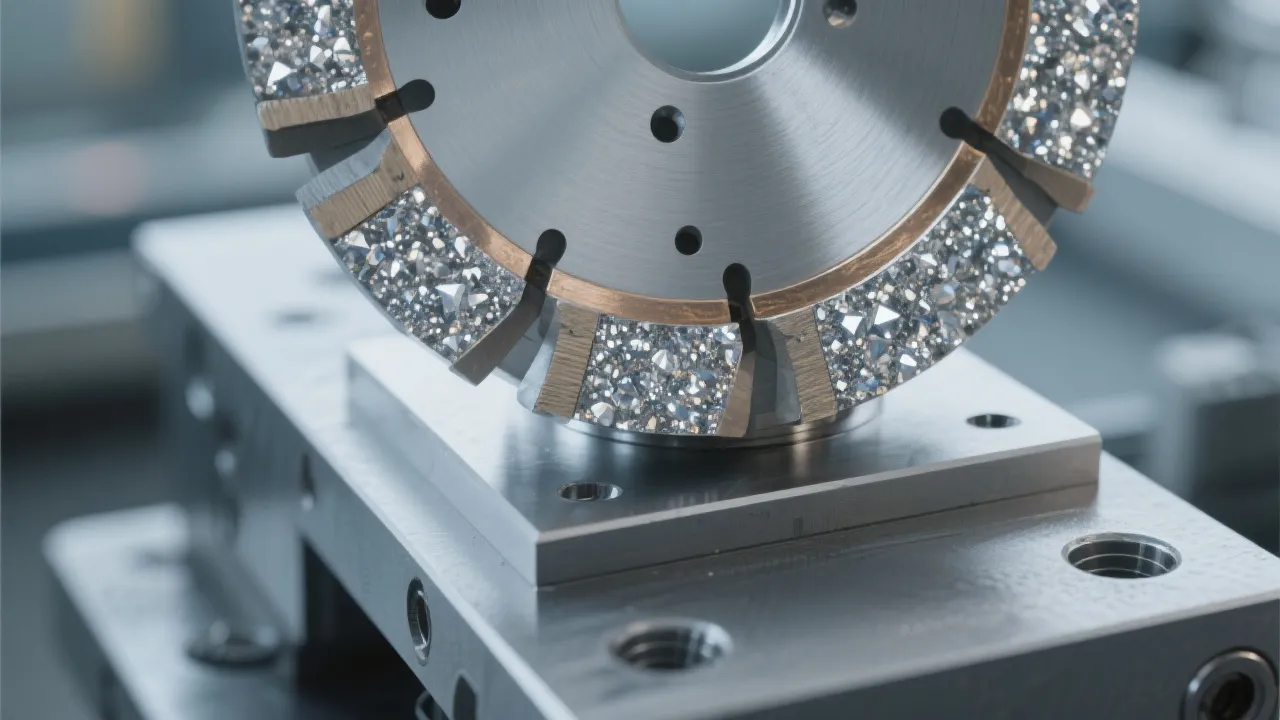
Industrial grinding operations are notorious for generating hazardous dust, posing serious health risks and environmental compliance challenges. The rise of low-dust grinding wheel technologies is transforming how manufacturers tackle these issues — delivering safer, more efficient, and eco-friendly grinding solutions. Central to this innovation is the use of brazed diamond wheels, engineered to minimize dust release while enhancing performance in processing hard materials such as ductile iron and ceramics.
Grinding abrasive processes can release fine particulate matter, with dust concentrations often exceeding recommended exposure limits. According to the U.S. Occupational Safety and Health Administration (OSHA), prolonged inhalation of silica and metal dust can lead to respiratory diseases such as pneumoconiosis and chronic obstructive pulmonary disease (COPD). Moreover, elevated dust levels incur additional maintenance costs due to equipment clogging and premature tooling wear.
Manufacturers face mounting pressure to reduce airborne dust emissions not only to protect workers’ health but also to comply with stringent environmental regulations. These realities establish the critical need for advanced grinding wheels designed with dust suppression as a priority.
The efficiency of low-dust grinding wheels stems from the synergy among three key elements:
Collectively, these factors not only mitigate dust liberation but also improve the service life and grinding effectiveness of the tool, achieving a dual benefit of environmental protection and operational economy.
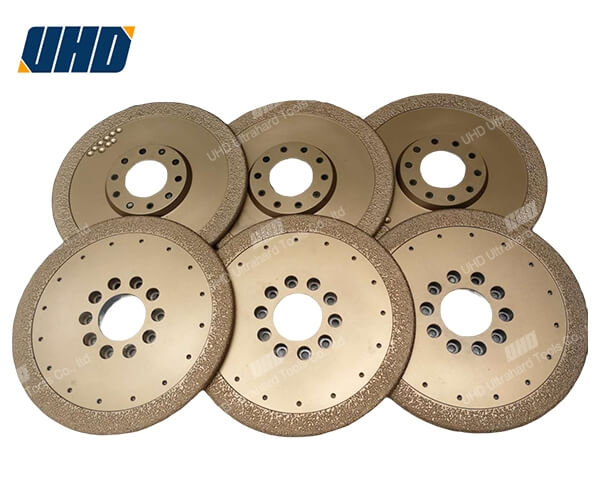
Brazed diamond wheels have emerged as the preferred solution for hard material machining due to their:
In practical terms, users report up to a 40% reduction in airborne dust levels and a 30% increase in wheel lifespan in applications involving ductile iron and ceramic components.
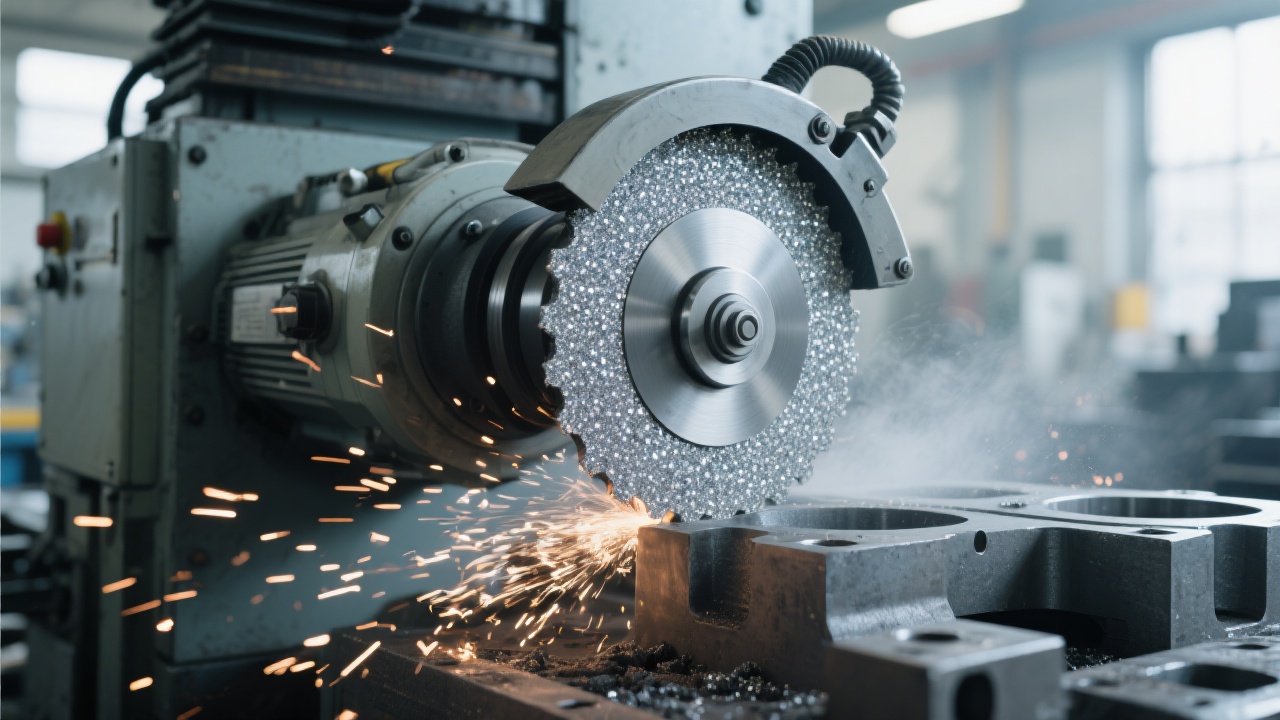
In a recent field study at a foundry specializing in ductile iron parts, replacing conventional resin-bonded wheels with brazed diamond wheels reduced particulate emissions by 35% on average. Simultaneously, grinding cycle times decreased by 20%, thanks to sharper cutting edges sustaining optimal material removal rates.
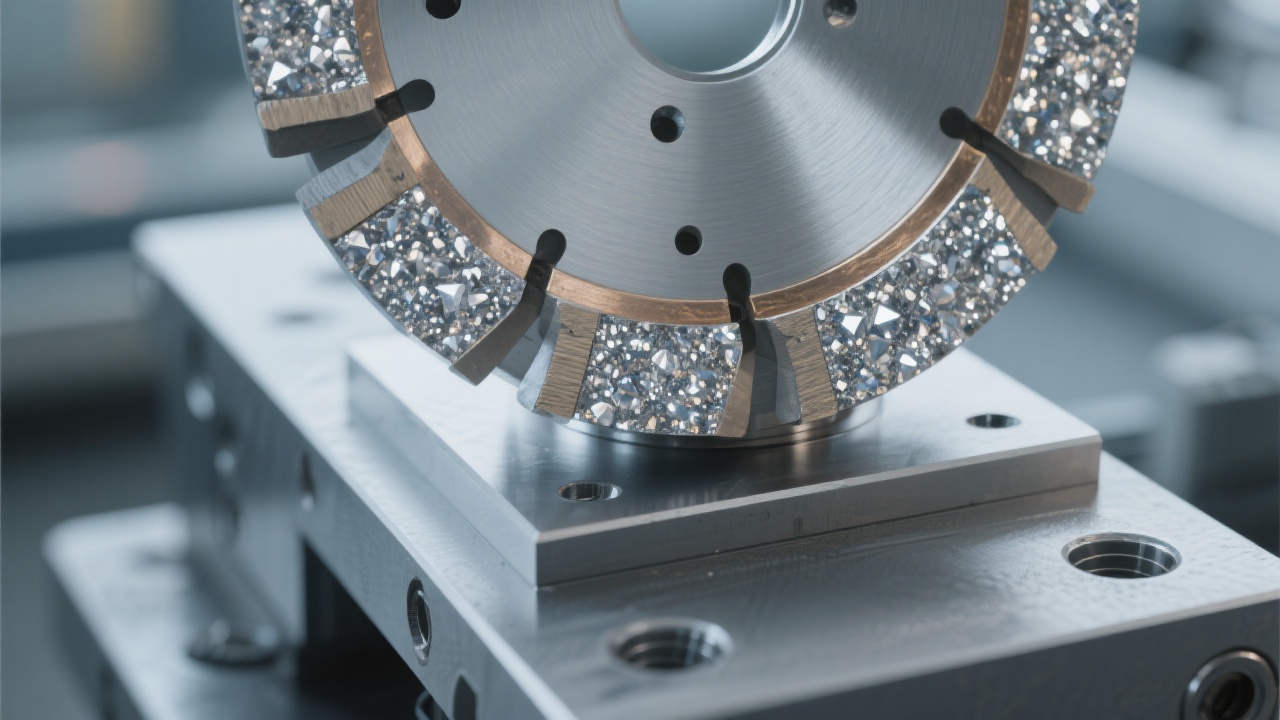
Similarly, a ceramics manufacturer observed that brazed diamond wheels minimized abrasive breakdown and contaminated dust formation, significantly lowering the risk of respiratory hazards among operators.
| Metric | Traditional Resin-Bonded Wheel | Brazed Diamond Wheel | Improvement |
|---|---|---|---|
| Dust Emission (mg/m³) | 120 | 72 | -40% |
| Wheel Lifespan (hours) | 10 | 13 | +30% |
| Maintenance Downtime (hours/month) | 15 | 10 | -33% |
Choosing the right brazed diamond wheel requires careful attention to several factors:
Global environmental policies, such as the European Union's Directive 2009/125/EC and the U.S. EPA’s particulate matter standards, are incentivizing manufacturers to adopt cleaner technologies. Low-dust grinding wheels align perfectly with these evolving mandates, marking a strategic upgrade to meet both ecological and operational excellence goals.
Investing in low-dust grinding wheels is not merely about compliance — it’s a step toward a safer workplace and higher productivity. These innovations empower engineers and procurement professionals to revolutionize grinding processes with measurable gains.
Authority Insight: “Consistent use of brazed diamond grinding wheels can reduce worker exposure to harmful dust by up to 45%, significantly lowering occupational health risks.” – Industrial Safety Research Board (ISRB)
.png?x-oss-process=image/resize,h_1000,m_lfit/format,webp)


.png?x-oss-process=image/resize,h_1000,m_lfit/format,webp)