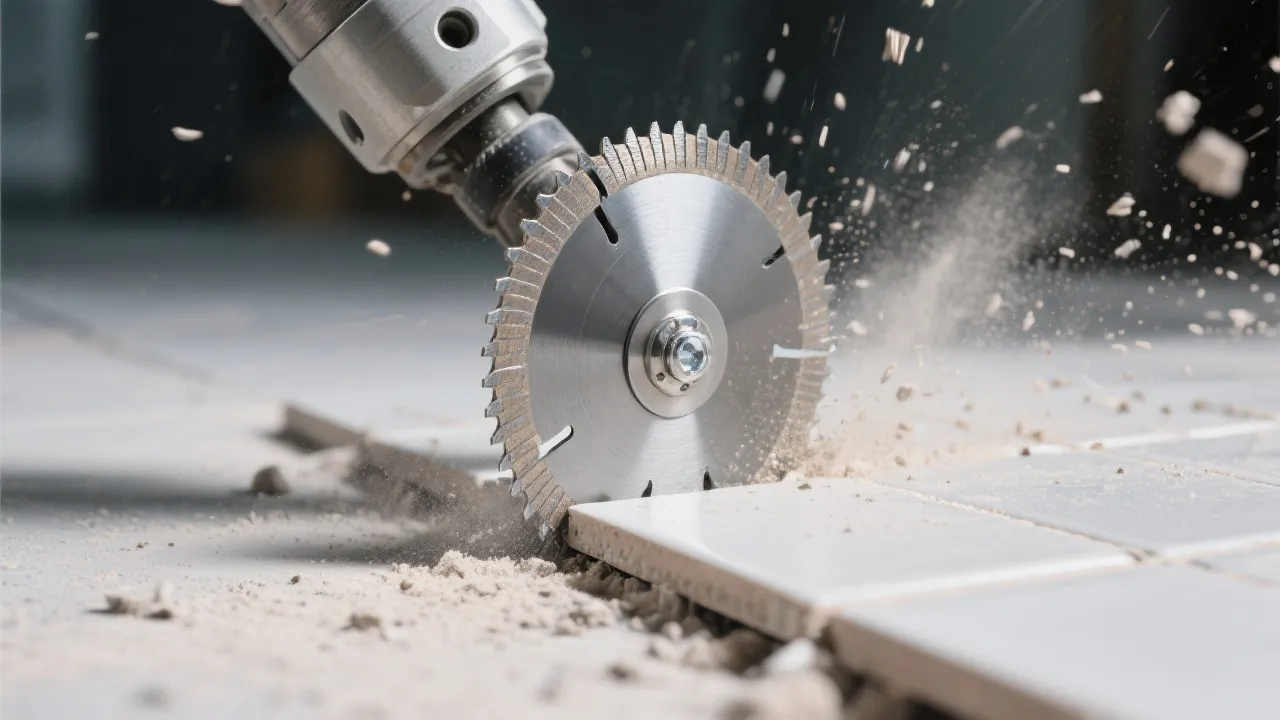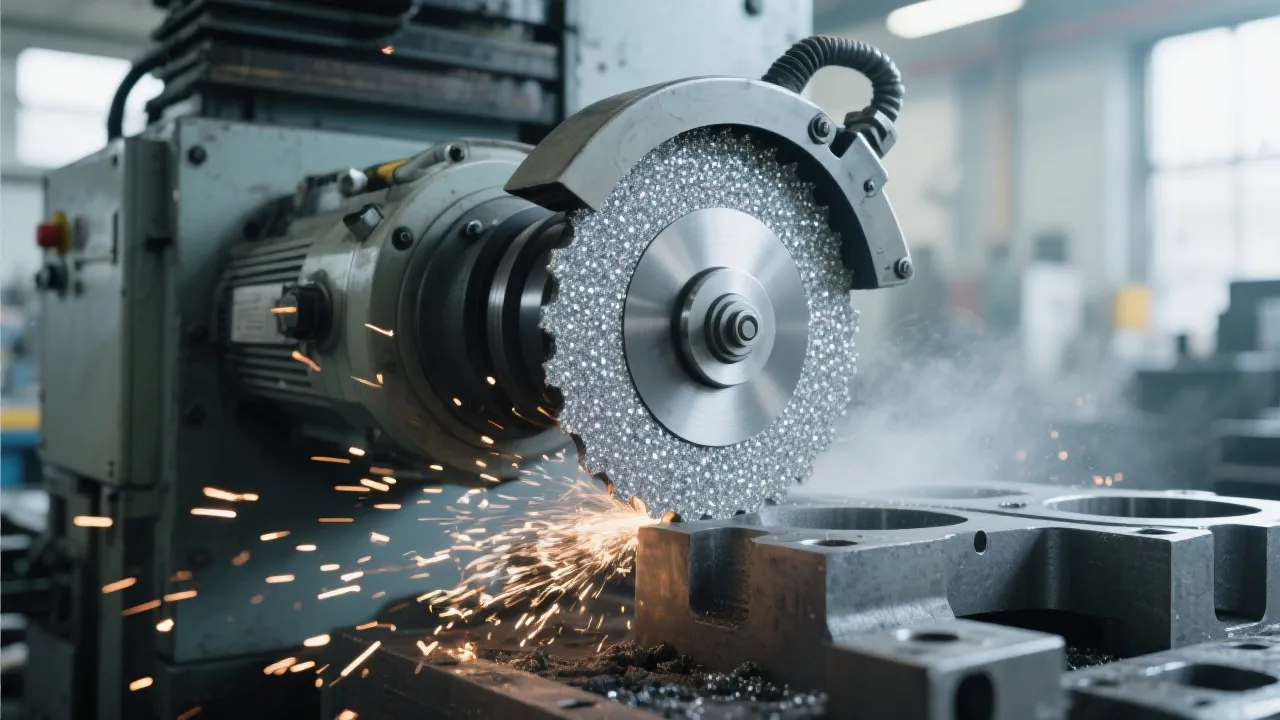
In an era where industrial health and environmental compliance are no longer optional but essential, manufacturing facilities worldwide are seeking innovative solutions to address one of their most persistent challenges: harmful dust emissions during grinding operations. This article explores how low-dust grinding wheel technology, particularly brazed diamond wheels, is transforming metalworking environments while delivering unexpected productivity benefits.
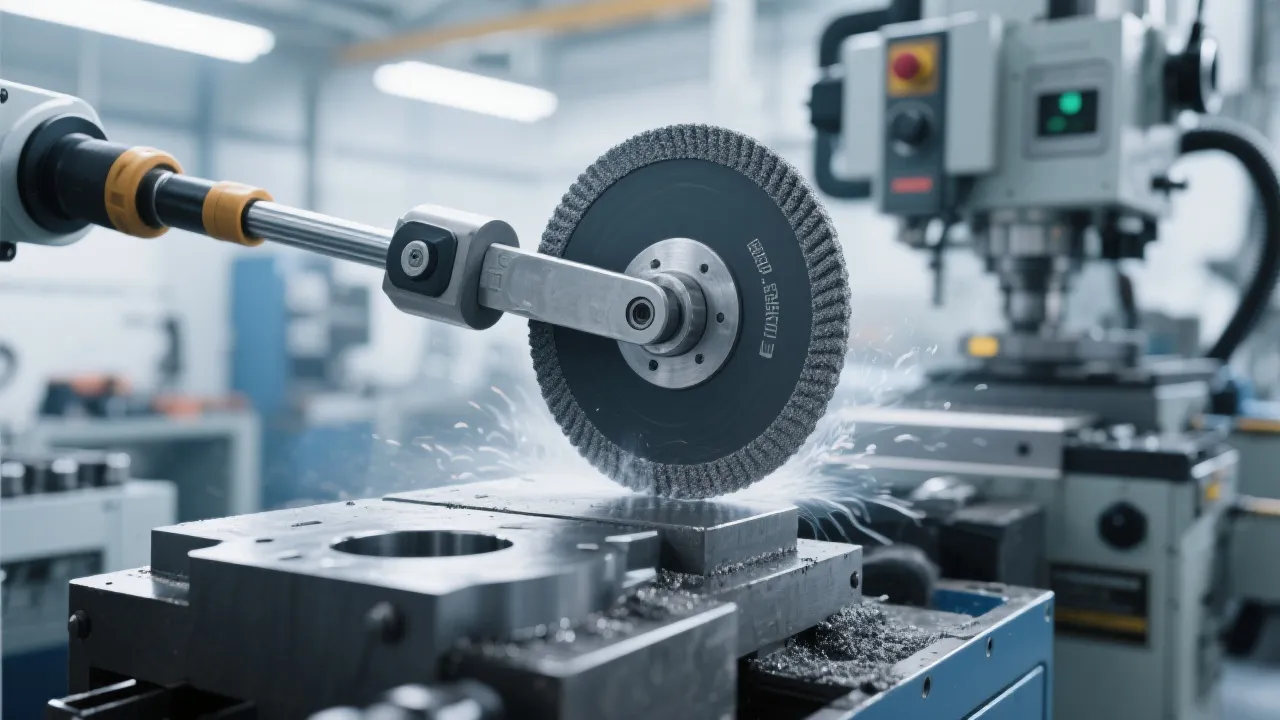
Grinding operations have long been recognized as a significant source of air pollution in manufacturing settings. According to the Occupational Safety and Health Administration (OSHA), metalworking facilities can generate up to 5-8 mg/m³ of respirable crystalline silica dust during conventional grinding processes—far exceeding the permissible exposure limit of 0.05 mg/m³ over an 8-hour workday.
Industry Insight:
A recent study by the National Institute for Occupational Safety and Health (NIOSH) found that metalworkers exposed to grinding dust face a 30% higher risk of developing occupational lung diseases, resulting in an average of 12 lost workdays per affected employee annually.
Beyond the human cost, dust accumulation leads to significant operational expenses: increased equipment maintenance, higher HVAC filtration costs, and potential regulatory fines. In fact, facilities with poor dust control systems spend approximately 22% more on maintenance and cleaning compared to those with effective dust management solutions.
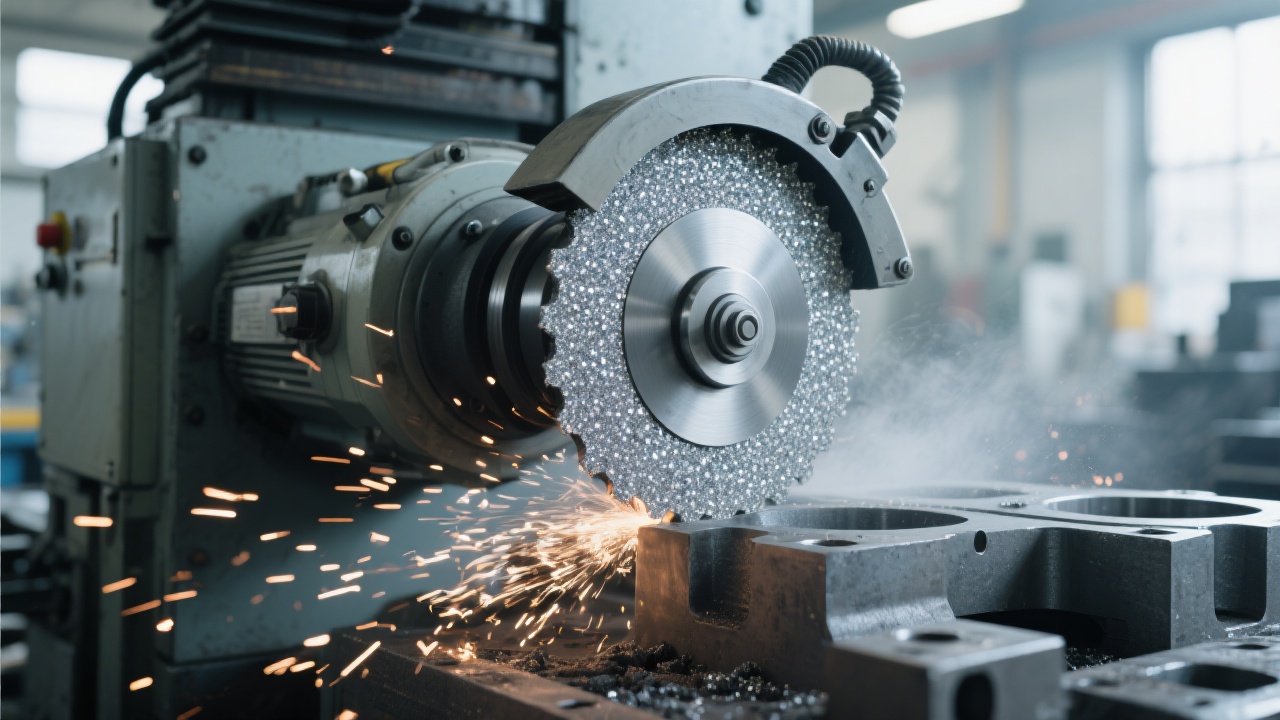
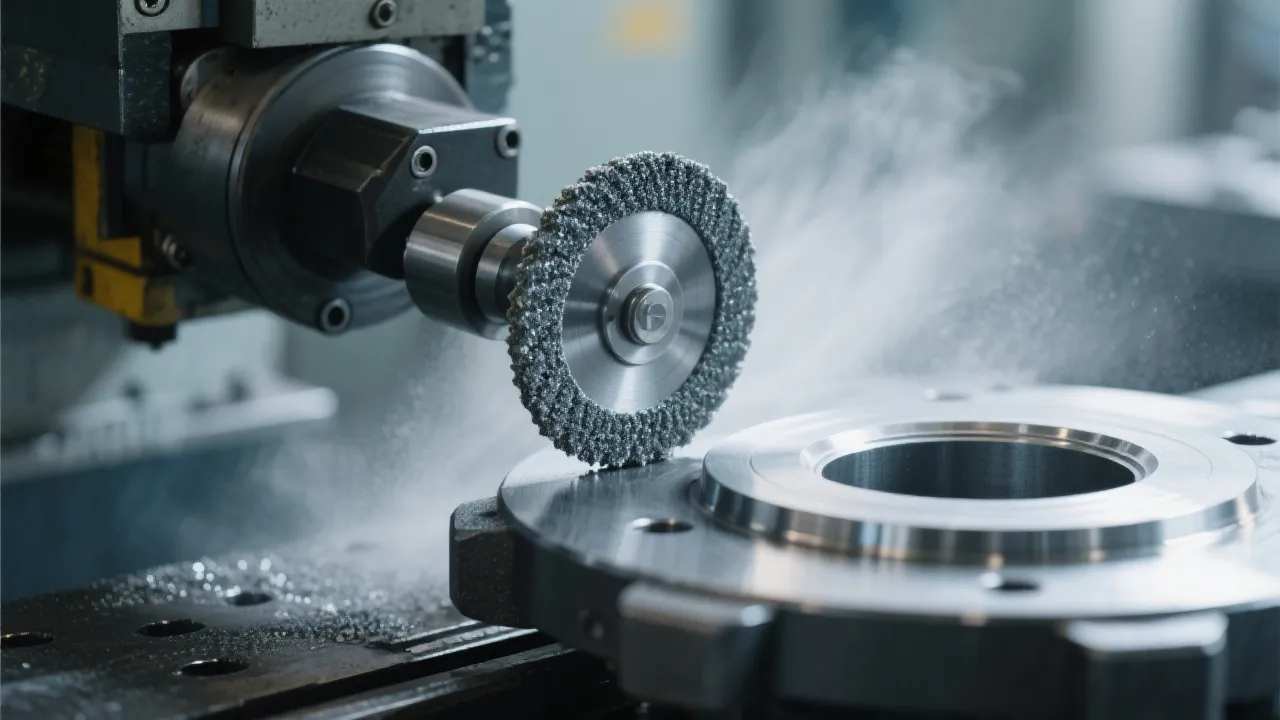
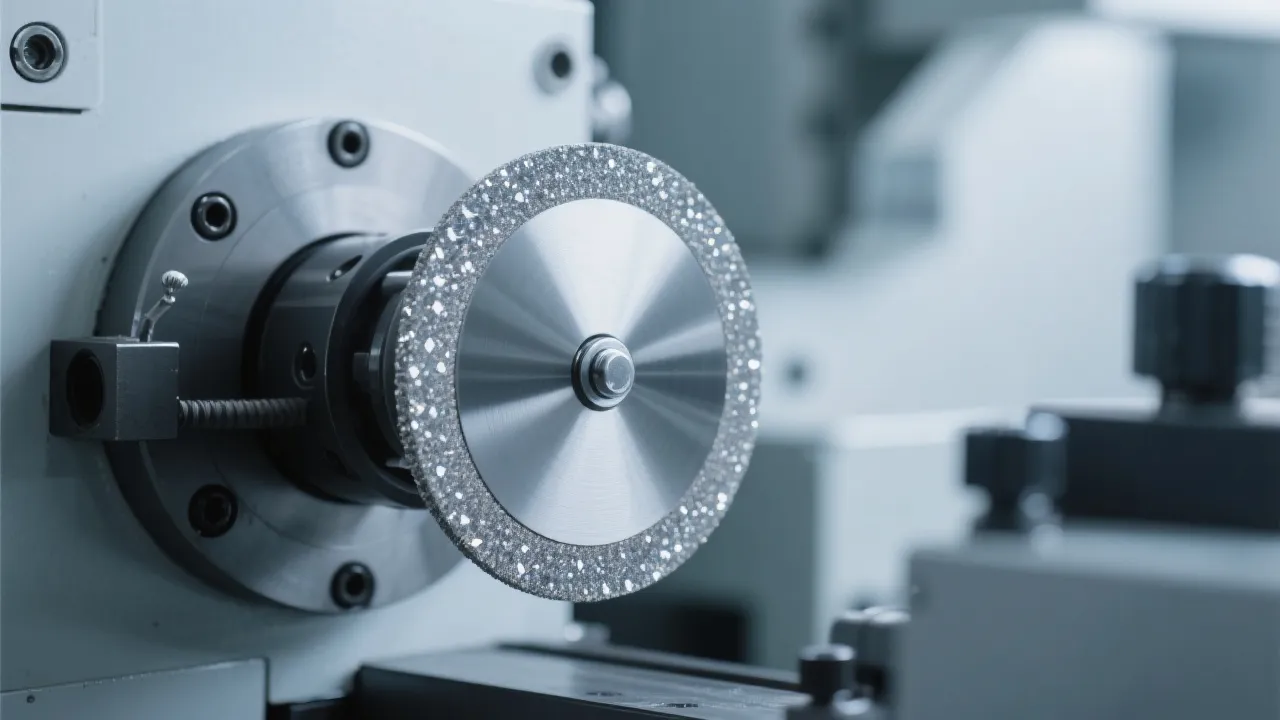
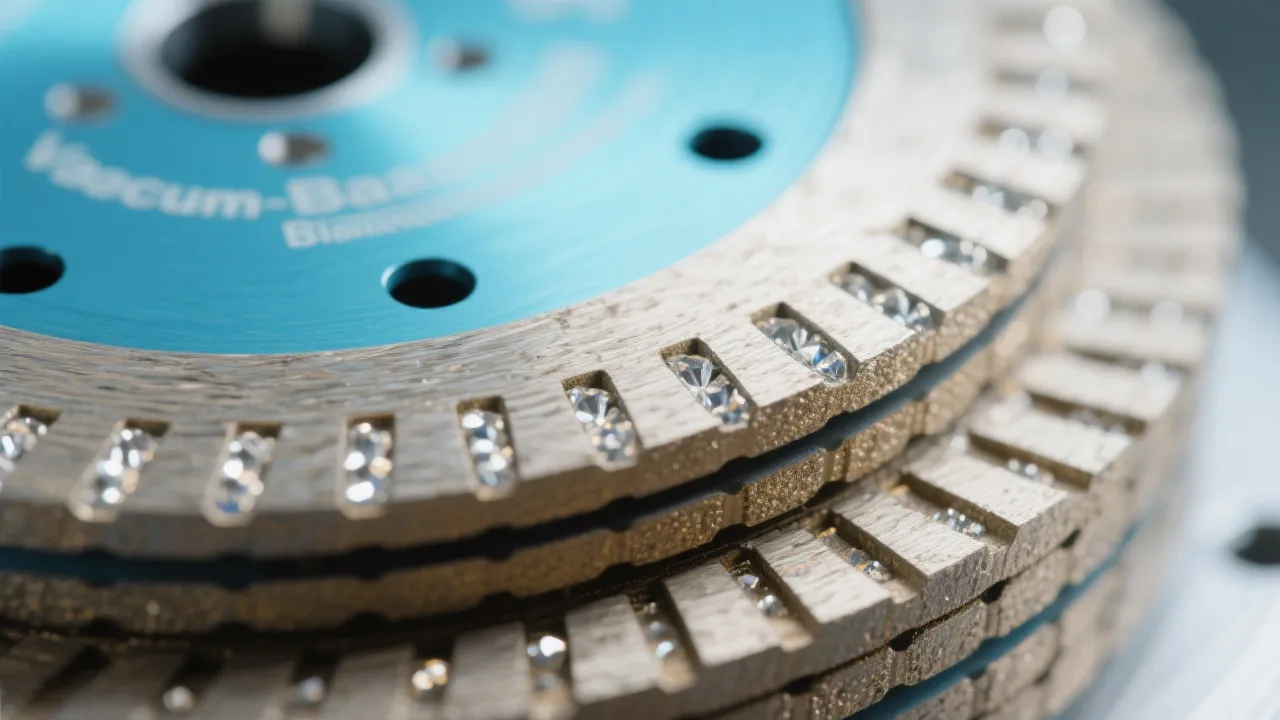
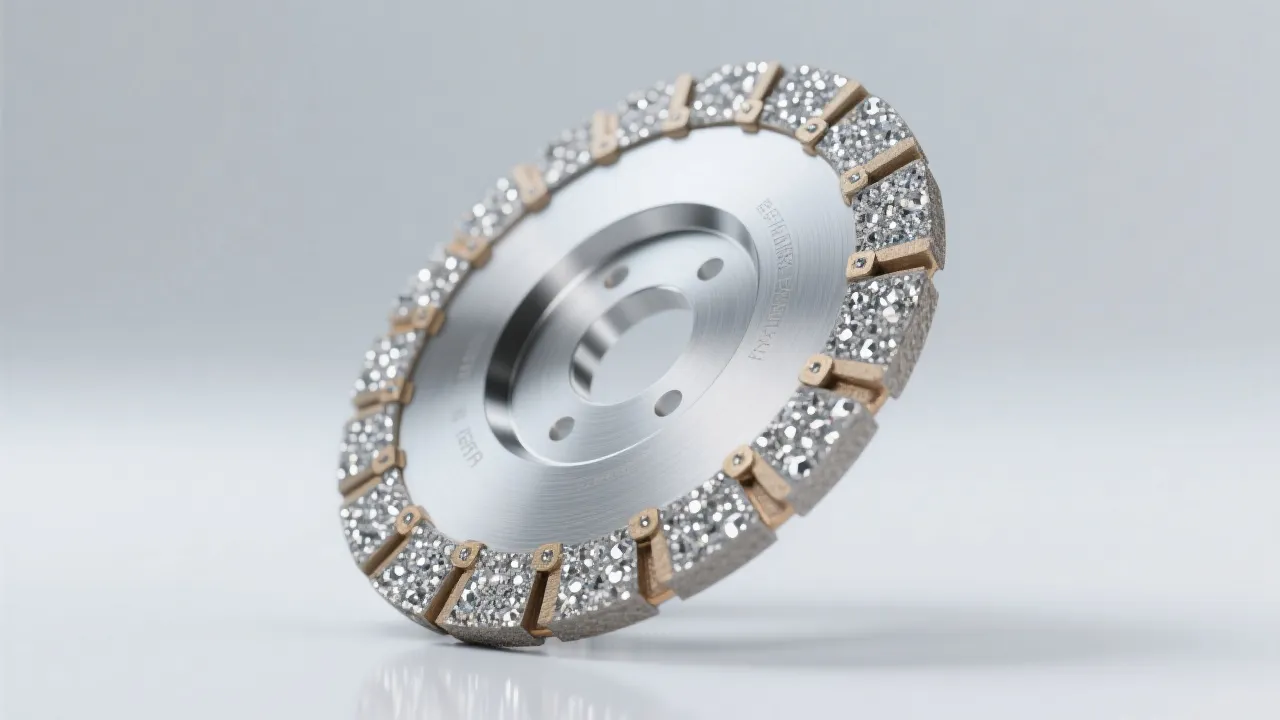
Low-dust grinding wheel technology represents a significant advancement over traditional abrasive tools. The key innovation lies in the brazed diamond bonding system, which securely anchors diamond particles to the wheel substrate at optimal heights and spacing. This precision engineering creates consistent chip formation channels that control particle size and reduce airborne dust by up to 75% compared to conventional wheels.
Unlike resin-bonded wheels that wear unevenly and release more particulate matter, brazed diamond wheels maintain their cutting geometry longer, ensuring stable performance and predictable dust generation throughout their service life.
The manufacturing process of brazed diamond wheels involves high-temperature vacuum brazing, which creates a metallurgical bond between the diamond grit and the wheel's steel core. This process offers several critical benefits:
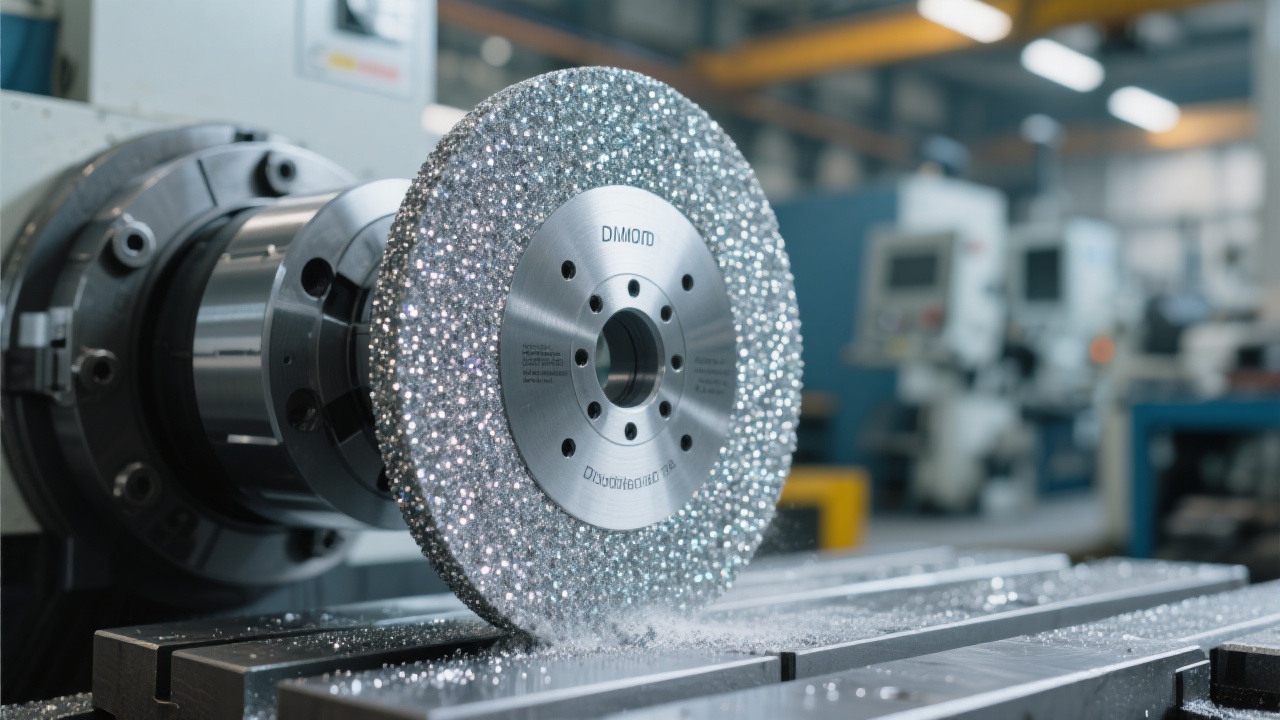
When a leading automotive components manufacturer specializing in ductile iron parts switched to brazed diamond low-dust wheels, they documented impressive results across multiple performance metrics:
| Performance Metric | Traditional Wheel | Low-Dust Brazed Diamond Wheel | Improvement |
|---|---|---|---|
| Dust Emissions | 6.2 mg/m³ | 1.4 mg/m³ | 77% |
| Wheel Lifespan | 8 hours | 45 hours | 463% |
| Material Removal Rate | 12 cm³/min | 28 cm³/min | 133% |
| Maintenance Costs | $42/hour | $18/hour | 57% |
"The transition to low-dust brazed diamond wheels was transformative for our operation," reported the plant manager. "Within the first quarter, we noticed reduced respiratory complaints among operators, decreased downtime for wheel changes, and our quarterly air quality inspection passed with zero violations for the first time in five years."
When evaluating low-dust grinding solutions, focus on these critical performance indicators:
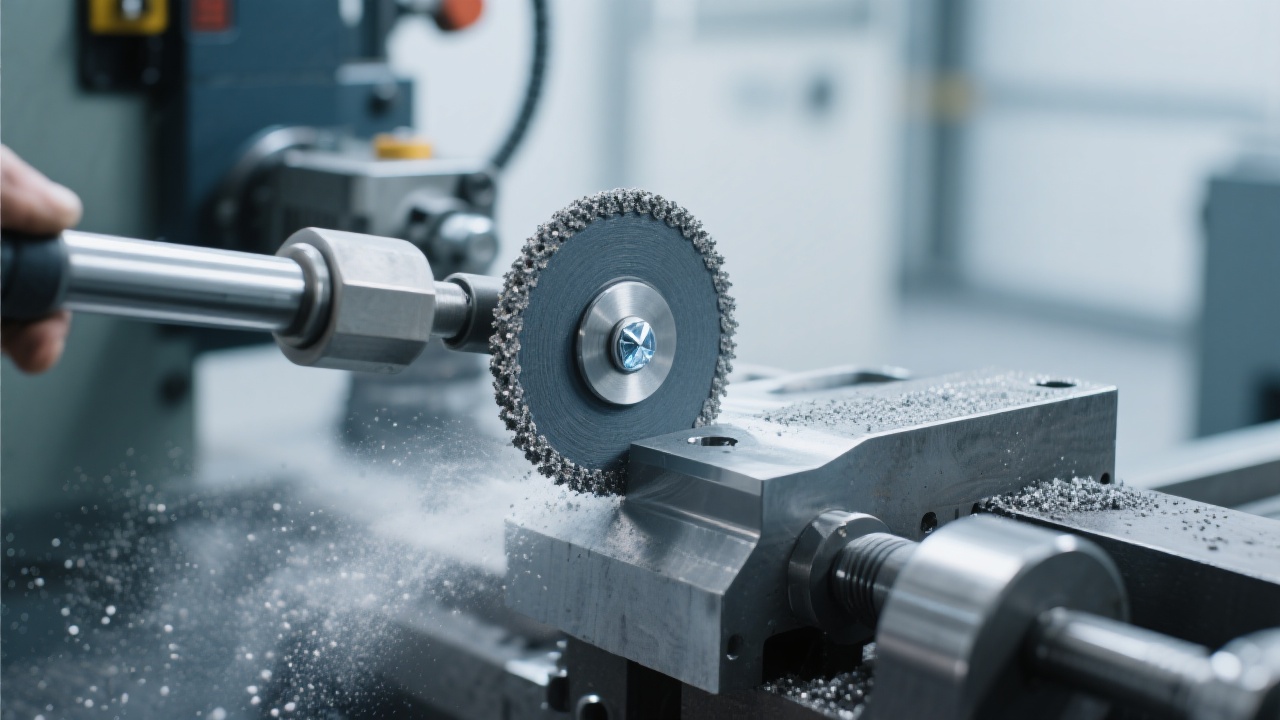
With increasingly stringent regulations worldwide, including the EU's CE Marking requirements and OSHA's Respirable Crystalline Silica Standard (29 CFR 1926.1153), selecting compliant grinding solutions has become a business imperative. Low-dust brazed diamond wheels not only help meet these regulatory requirements but can also contribute to LEED certification points for sustainable manufacturing practices.
Discover how our brazed diamond low-dust grinding solutions can improve air quality, reduce costs, and enhance productivity in your facility.
Request Your Custom Ductile Iron Grinding AnalysisAs manufacturing continues to evolve toward more sustainable practices, low-dust grinding technology represents not just an environmental investment but a strategic business decision that delivers measurable returns through improved worker health, regulatory compliance, and operational efficiency. The transition from conventional to advanced brazed diamond wheels is no longer simply an option for forward-thinking manufacturers—it's becoming an essential competitive advantage in today's industrial landscape.
.png?x-oss-process=image/resize,h_1000,m_lfit/format,webp)