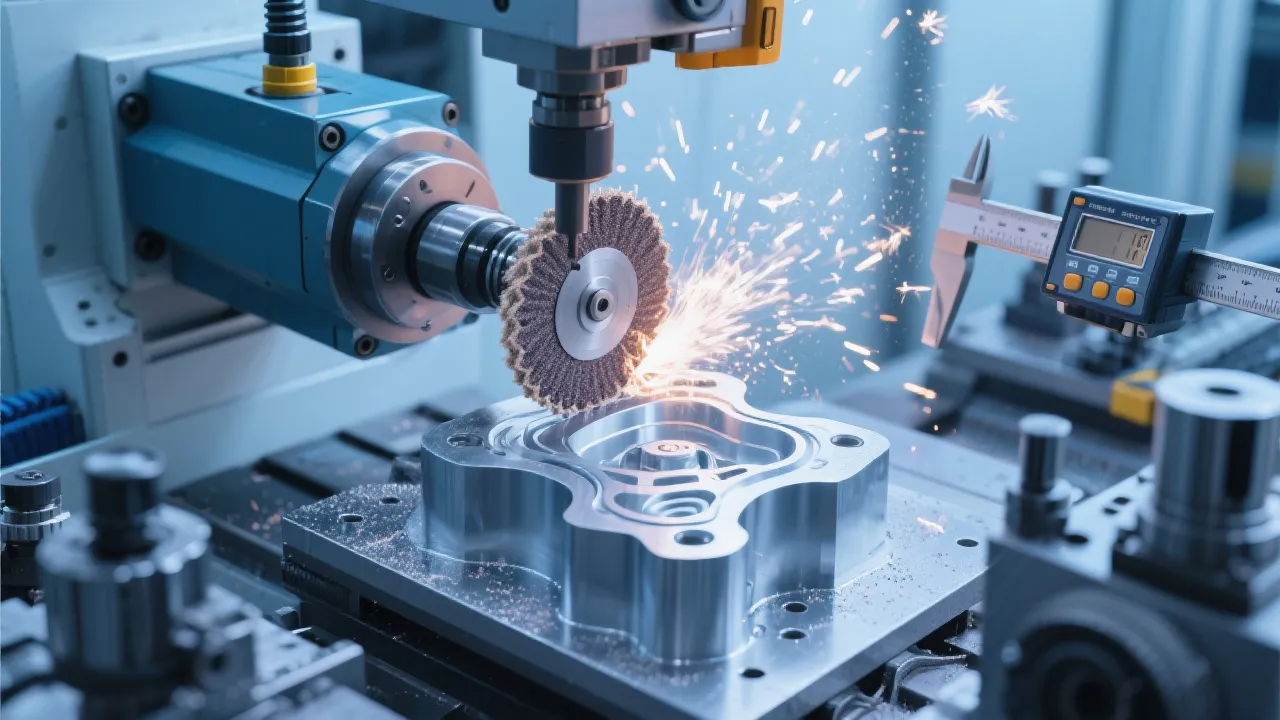
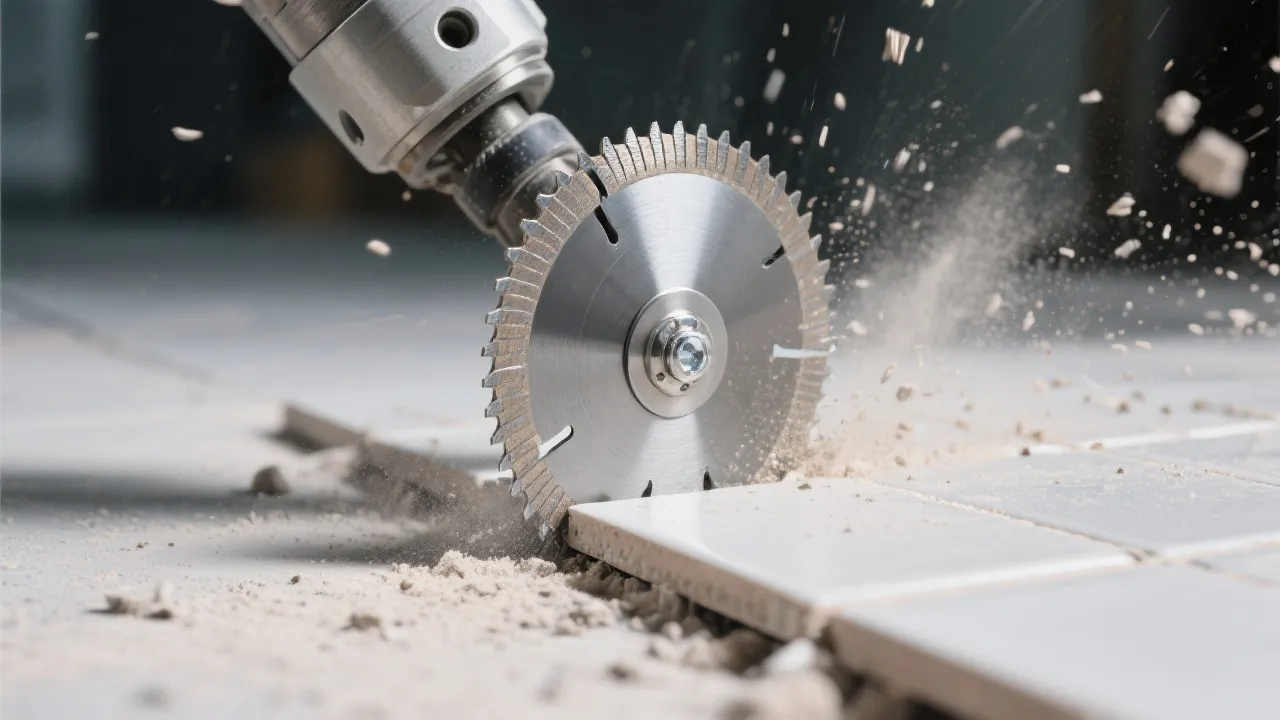
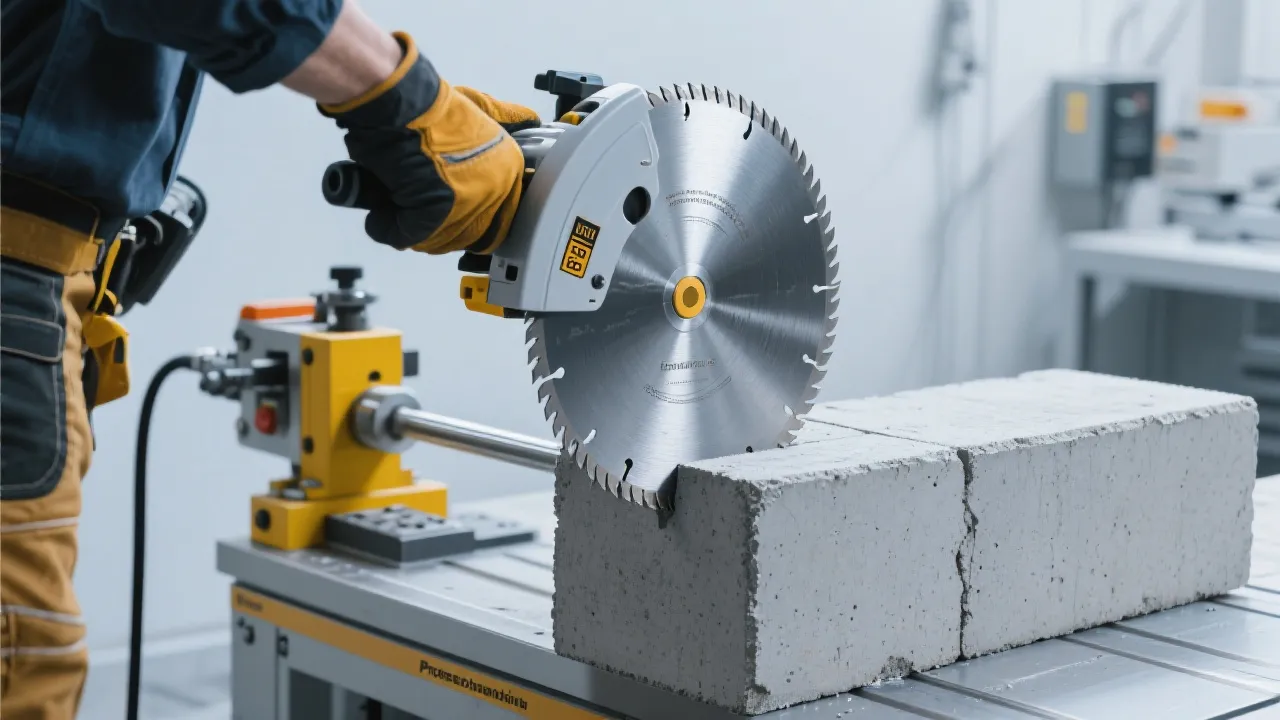
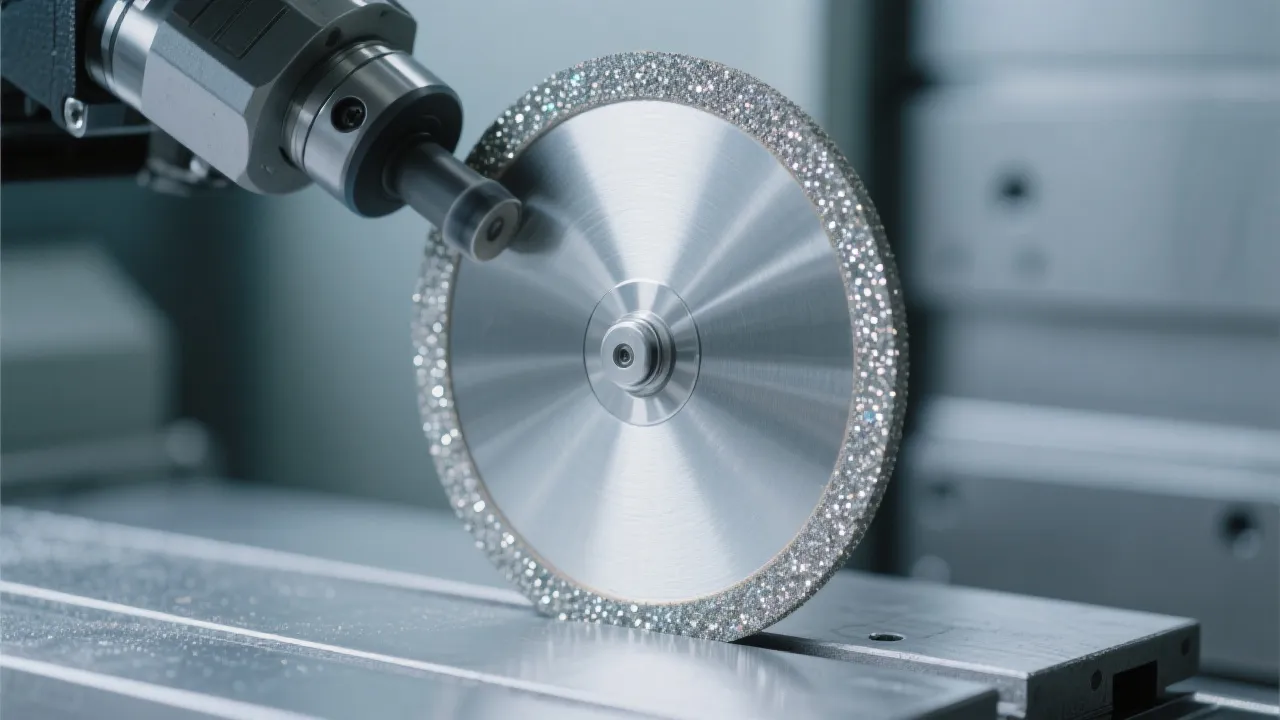
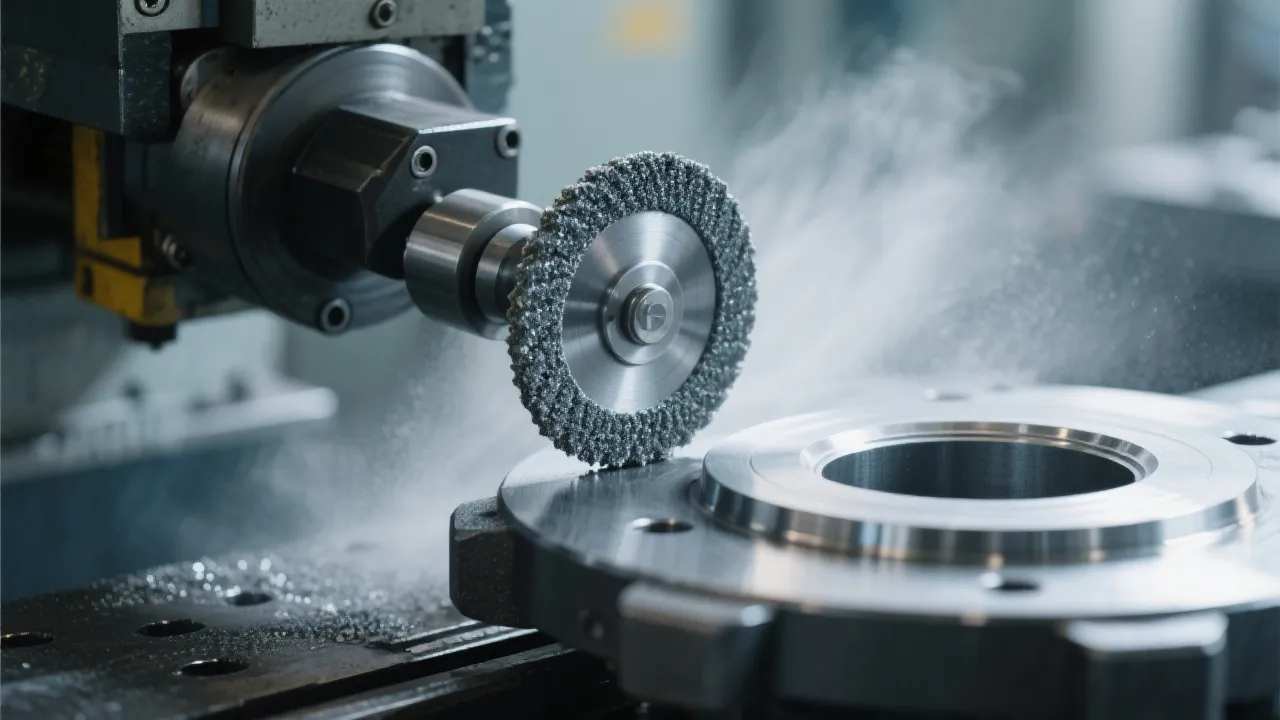
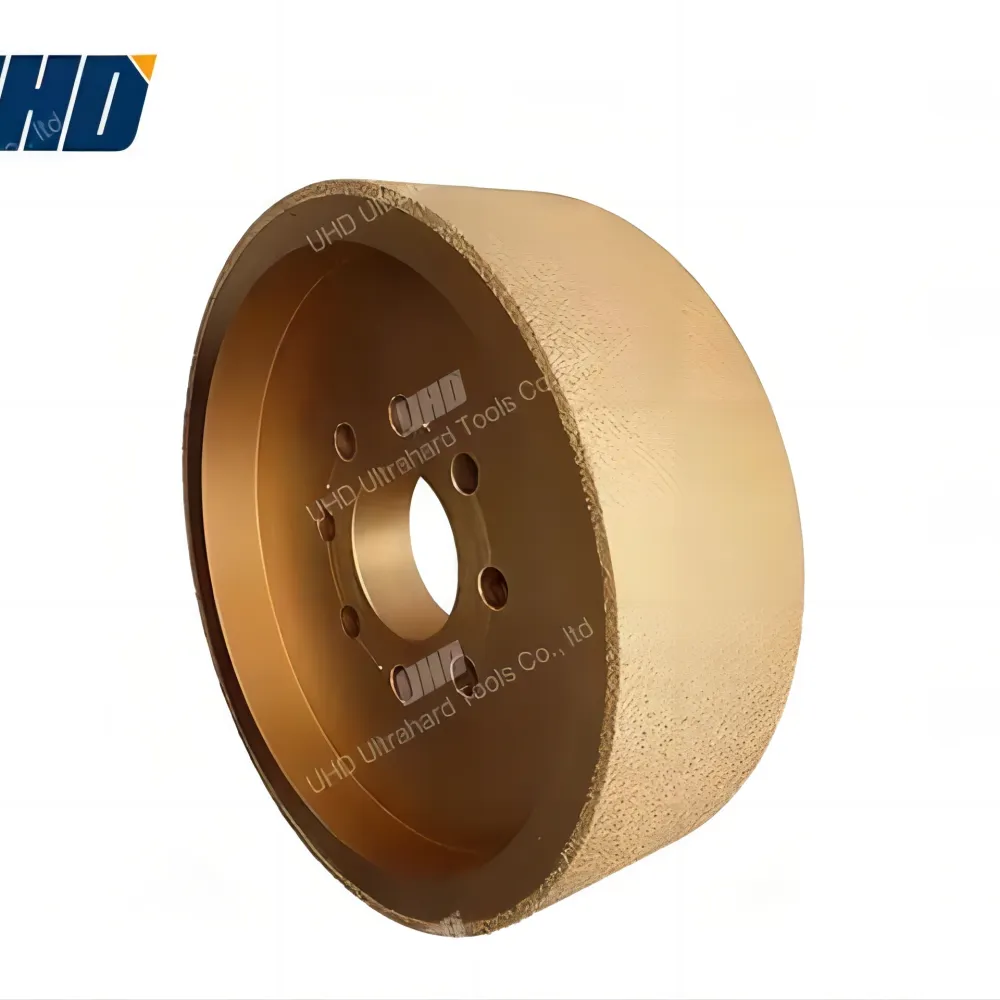
This article explains the working principles of low-dust grinding wheel technology and its role in reducing airborne particulate emissions in industrial grinding. Focusing on brazed diamond grinding wheels developed by Henan Youde Superhard Tools Co., Ltd., it outlines how high-strength brazing, controlled abrasive exposure, and precision manufacturing help stabilize cutting action, reduce wheel loading, and minimize fine dust generation when machining hard-to-grind materials such as ductile iron and ceramics. The article also compares low-dust solutions with conventional wheels in terms of dust output, process stability, maintenance frequency, and operator health protection, referencing common environmental and occupational hygiene expectations used in industrial workplaces. Practical application scenarios and case-style observations are included to show measurable benefits in productivity and equipment upkeep. Finally, it provides selection guidance—covering bond design, grit specification, wheel geometry, and process parameters—to support safer, cleaner, and more efficient grinding, and encourages readers to consult specialists for application-matched low-dust wheel recommendations.
Low-Dust Grinding Wheel Technology Explained: A Practical Path to Cleaner, Safer Industrial Grinding
Grinding dust is not just an “air issue”—it is a productivity issue, a maintenance issue, and a long-term occupational health issue. In shops that grind ductile iron, ceramics, or other hard-to-machine materials, airborne particulate often becomes the hidden cost driver behind frequent filter changes, unstable surface quality, and unwanted downtime. Low-dust grinding wheel technology is built around a simple goal: remove material efficiently while keeping more particles captured at the point of contact, rather than dispersing them into the air. This article breaks down the working principle in plain engineering language, and explains why braze-bonded diamond grinding wheels—such as the solutions developed by Henan Yude Superhard Tools Co., Ltd.—have become a credible route to dust reduction without sacrificing speed.
Why Grinding Creates So Much Dust (and Why It’s Hard to Control)
Dust in grinding is the direct result of high-energy micro-fracture and rubbing. When abrasive grains slide or plough instead of cutting cleanly, the process generates more fine particles—especially in the respirable range (commonly referenced as PM10 and PM2.5). These particles stay suspended longer, migrate farther, and are harder for conventional capture systems to remove.
Typical dust drivers on the shop floor
Dull abrasive behavior: grains become flattened, increasing friction and powdering the material.
Unstable wheel geometry: vibration increases micro-chipping and particle scattering.
High hardness workpieces: ductile iron and advanced ceramics fracture into smaller particles under thermal/mechanical stress.
Many plants rely on extraction systems and PPE to manage exposure, but dust control works best when the wheel itself produces fewer “airborne-ready” fines. That is where low-dust wheel design becomes a process upgrade—not only a compliance add-on.
The Core Principle of Low-Dust Grinding Wheels
Low-dust grinding is not “magic abrasive.” It is a controlled cutting mechanism. The most effective solutions typically combine three engineering ideas: (1) sharper, more stable cutting points, (2) better chip evacuation, and (3) less heat and smearing. When these are achieved, the wheel spends more energy removing chips and less energy pulverizing the workpiece into airborne fines.
How braze-bonded diamond helps
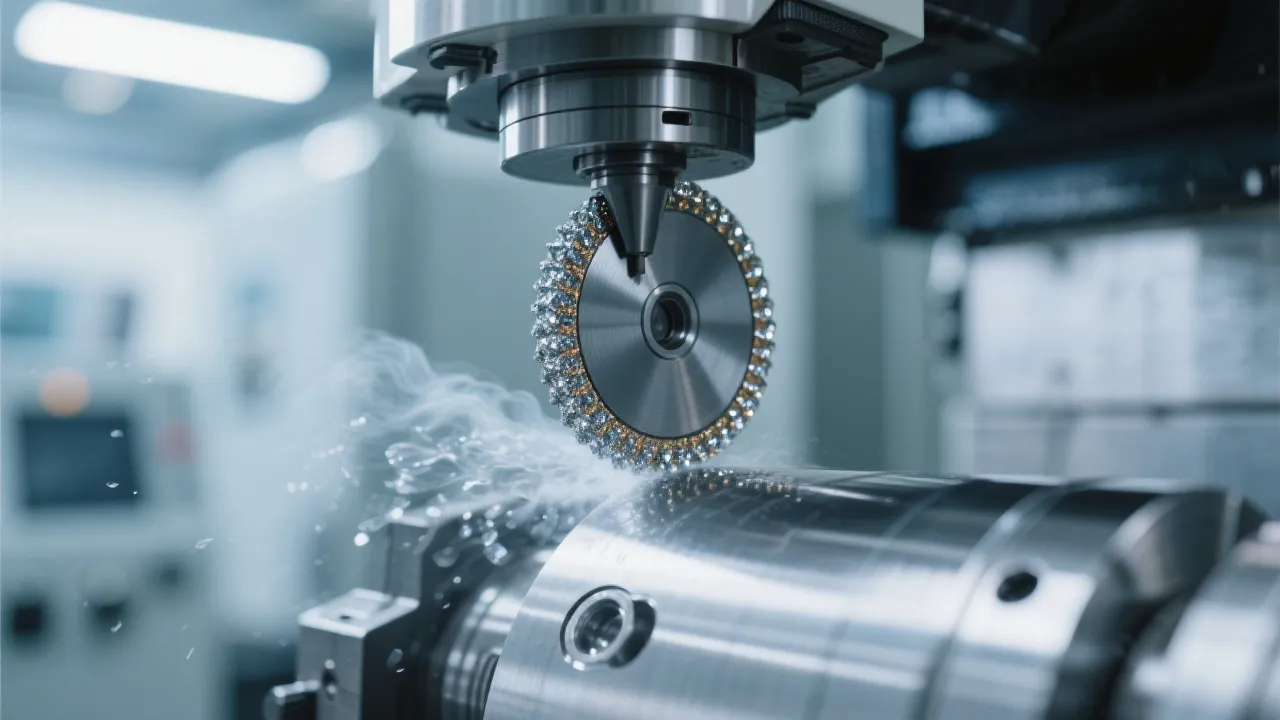
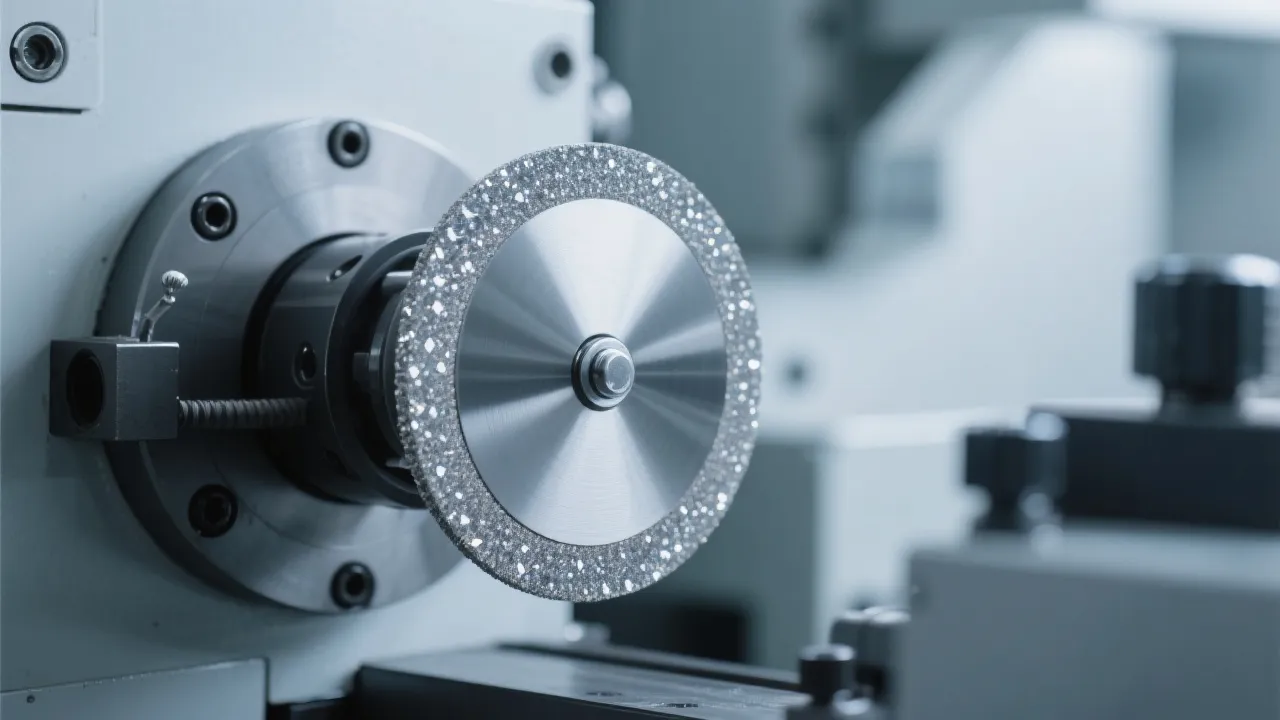
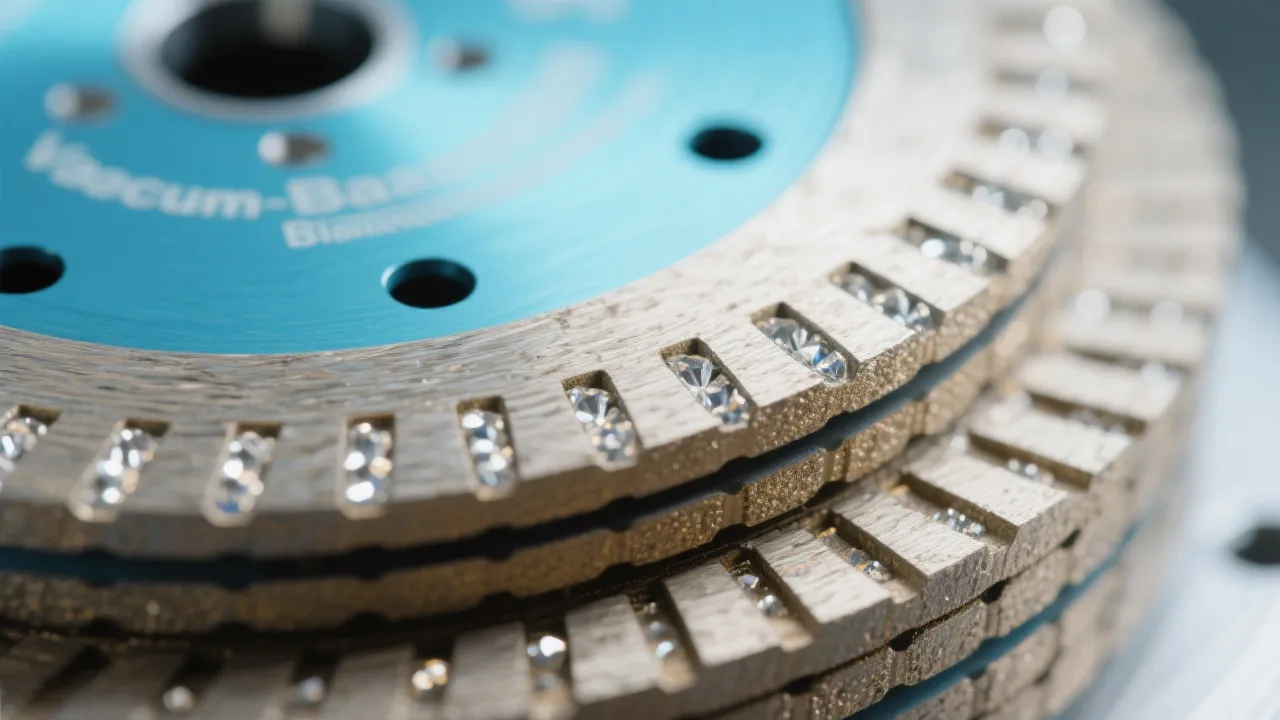
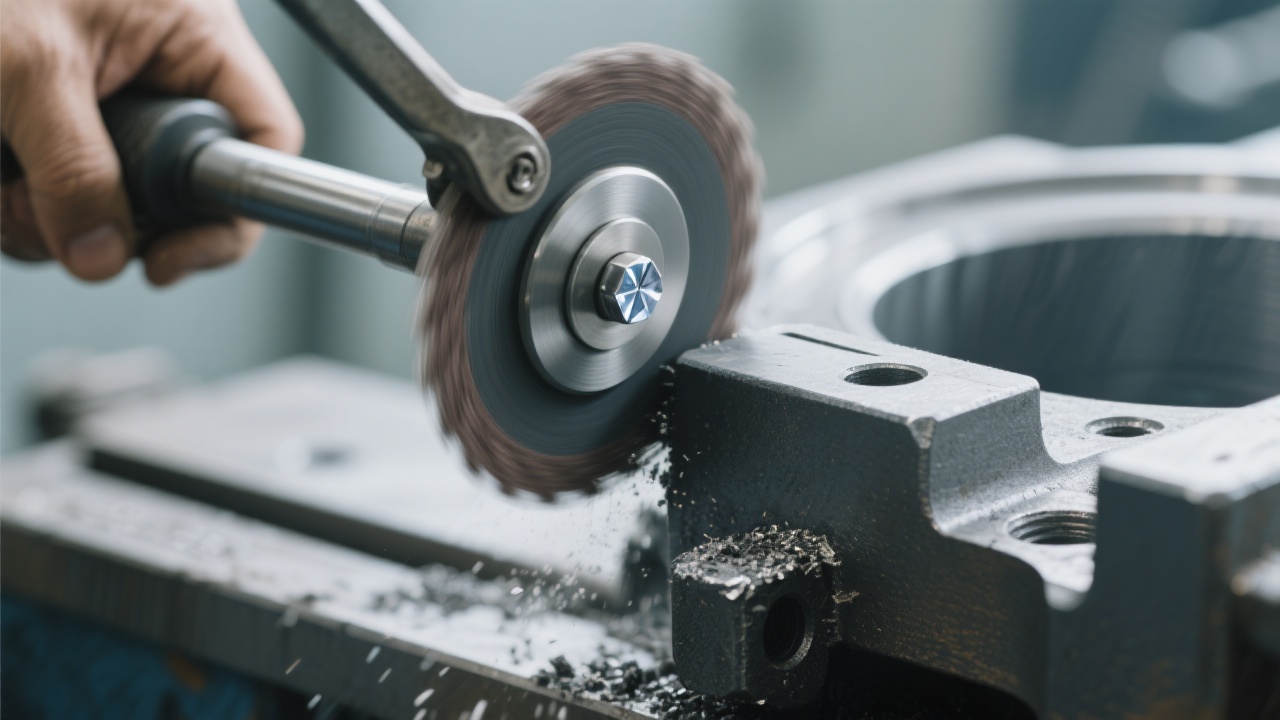
In braze-bonded diamond grinding wheels, diamond grains are metallurgically bonded to the substrate through a brazing alloy. Compared with conventional resin-bond or vitrified systems, brazing can deliver a more robust anchoring effect and a higher grain exposure height. In practice, that means:
More true cutting, less rubbing: higher protrusion encourages chip formation rather than surface burnishing.
Stronger grain retention: fewer random pull-outs and less “powdering” behavior from unstable abrasives.
Open structure potential: space between grains improves debris flow and reduces loading.
Henan Yude’s approach emphasizes high-efficiency bonding and precision manufacturing, which matters because low-dust performance is sensitive to grain distribution, exposure uniformity, and wheel balance. A wheel that is “diamond” in name but inconsistent in geometry can still behave like a dust generator.
What Changes on the Line: Dust, Throughput, and Maintenance
For industrial buyers, the key question is not only “Does it reduce dust?” but also “What does it do to output and operating cost?” Low-dust wheel designs often show value across three operational metrics: airborne dust load, grinding stability, and consumables replacement frequency.
Actual results depend on material grade, machine power, feed strategy, and extraction setup. Still, plants switching from conventional wheels to well-designed braze-bonded diamond wheels commonly report the following ranges as a starting reference:
Metric
Conventional wheel (typical)
Low-dust braze-bonded diamond (typical)
Visible airborne dust
High (frequent haze near operator)
Often reduced by 30–60% with stable cutting and proper extraction
Wheel loading / clogging
Moderate to severe on sticky/ductile materials
Lower due to chip space and grain exposure
Grinding time per part
Baseline
Commonly 10–25% faster on hard, abrasive workpieces
Dressing / reconditioning
Frequent dressing needed to restore cutting
Often reduced (depends on wheel type and application)
Dust collector filter burden
Higher ΔP rise, frequent cleaning
Lower dust load can extend filter cleaning intervals by 15–40%
These improvements tend to stack: when cutting is stable, the surface finish becomes more repeatable, rework goes down, and production planning becomes less fragile.
Application Focus: Ductile Iron and Ceramics (Where Low-Dust Pays Back Fast)
Ductile iron (nodular cast iron) grinding
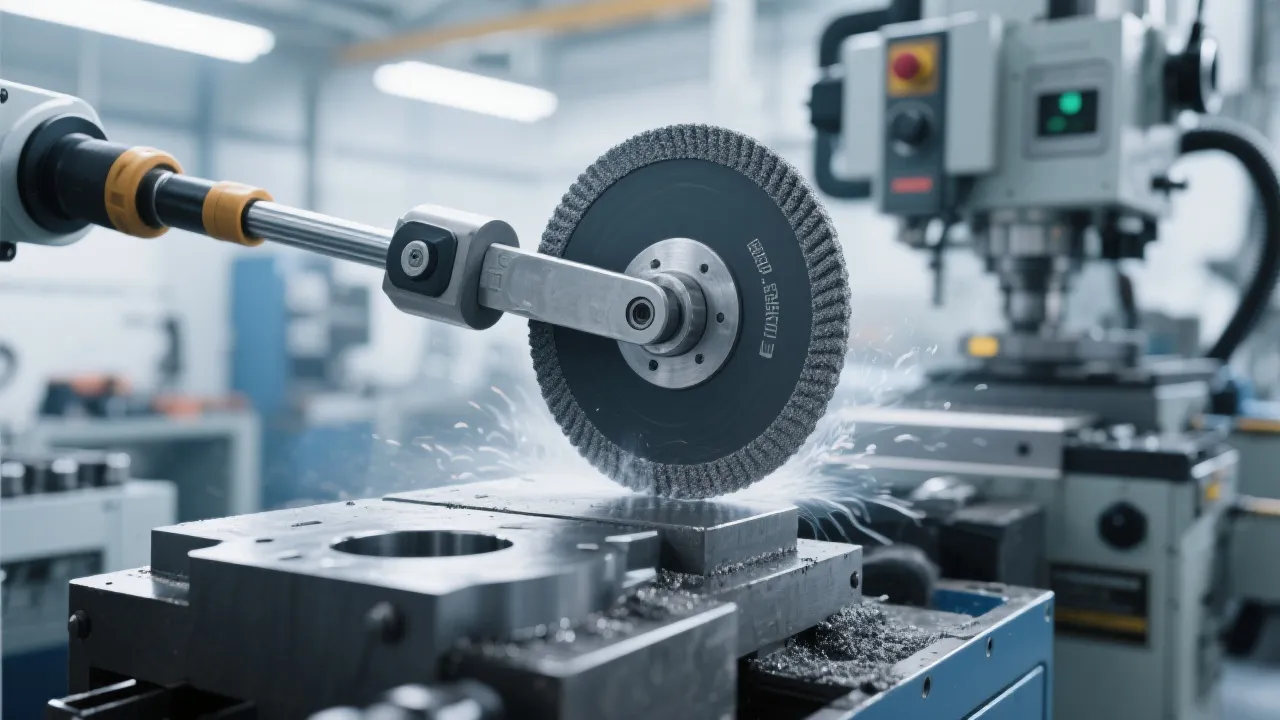
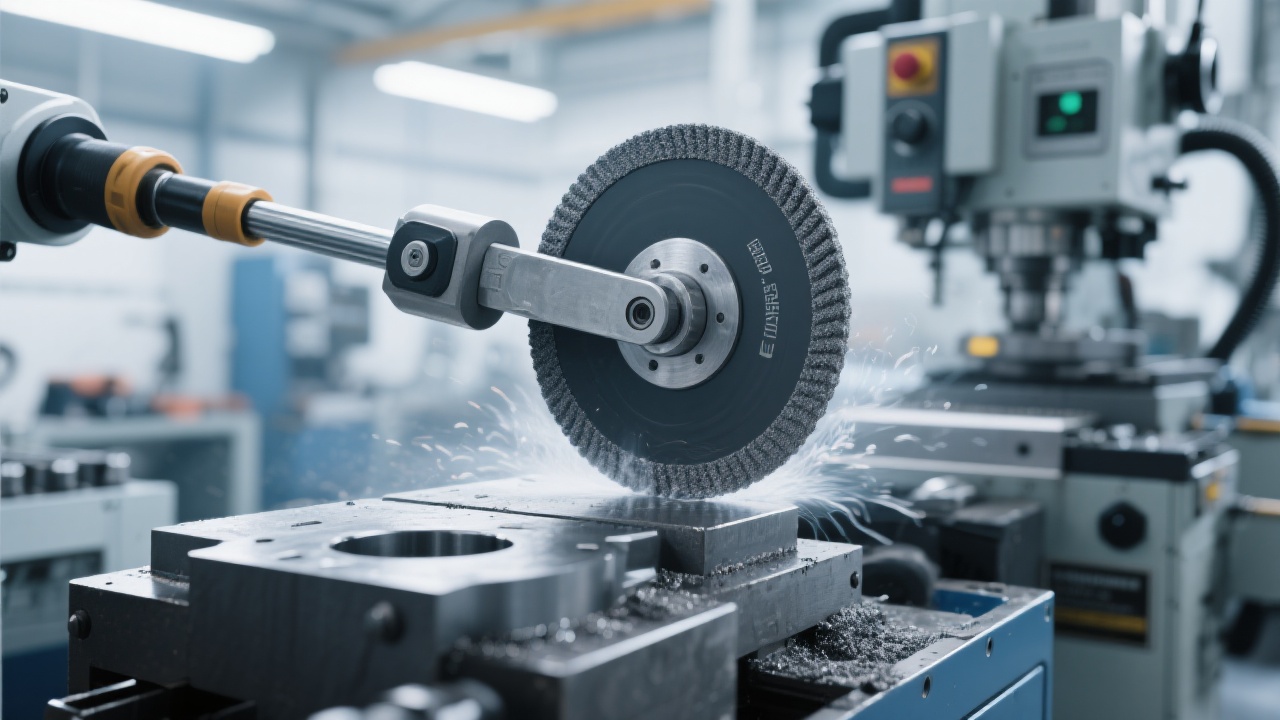
Ductile iron is widely used for automotive and industrial components due to strength and fatigue resistance, but it can be a dust-heavy material when the wheel transitions into friction-dominant behavior. A braze-bonded diamond wheel, properly specified, can maintain sharper cutting edges longer—reducing the tendency to smear and pulverize. Plants often notice the biggest shift in operator visibility near the contact zone and lower residue accumulation on nearby fixtures and guards.
Ceramics grinding
Technical ceramics are inherently brittle; they fracture into fine particles under aggressive or unstable grinding. Low-dust outcomes here rely on precise control: consistent grain exposure, stable wheel balance, and a process window that limits thermal shock. In many ceramic operations, upgrading the wheel is the easiest lever to pull because it immediately influences chip formation without requiring a full machine retrofit.
Compliance & Occupational Health: What Buyers Usually Ask First
Low-dust wheels are frequently adopted during audits or EHS upgrades. While exact legal obligations vary by country and industry, two widely referenced frameworks help buyers align technical decisions with workplace exposure expectations:
OSHA (U.S.) — Respirable Crystalline Silica
OSHA’s permissible exposure limit (PEL) for respirable crystalline silica is commonly cited as 50 μg/m³ (8-hour TWA). Even when grinding materials other than silica-heavy substrates, the standard drives broader investments in capture, monitoring, and process controls.
EU Good Practice — Dust Risk Management
EU workplaces commonly align with risk-based dust management practices, using a combination of local exhaust ventilation, housekeeping, PPE, and process optimization. In procurement terms, “low-dust” performance becomes a meaningful process control rather than a marketing label.
In practical purchasing discussions, engineering teams increasingly ask suppliers for a wheel that can help them hit EHS goals with less operational friction—fewer emergency cleanups, fewer dust complaints, and better stability for long shifts.
How to Select a Low-Dust Grinding Wheel (A Buyer’s Technical Checklist)
A “low-dust” claim is only valuable if it is supported by design details and a matching process window. For ductile iron, ceramics, and other hard materials, buyers typically evaluate these criteria before running trials:
Key specification factors
Bond system: braze-bonded diamond for stable grain retention and consistent protrusion.
Workpiece target: ductile iron vs ceramic needs different aggressiveness and thermal control.
A simple trial method that produces meaningful data
During sampling, buyers can compare wheels using consistent machine parameters and track: (1) part cycle time, (2) surface quality stability, (3) wheel loading tendency, and (4) dust collector pressure differential trend. Even without lab-grade particle counters, the ΔP rise rate plus housekeeping time can function as an operational proxy for airborne dust burden.
A Practical Use Case: When “Cleaner” Also Means “Faster”
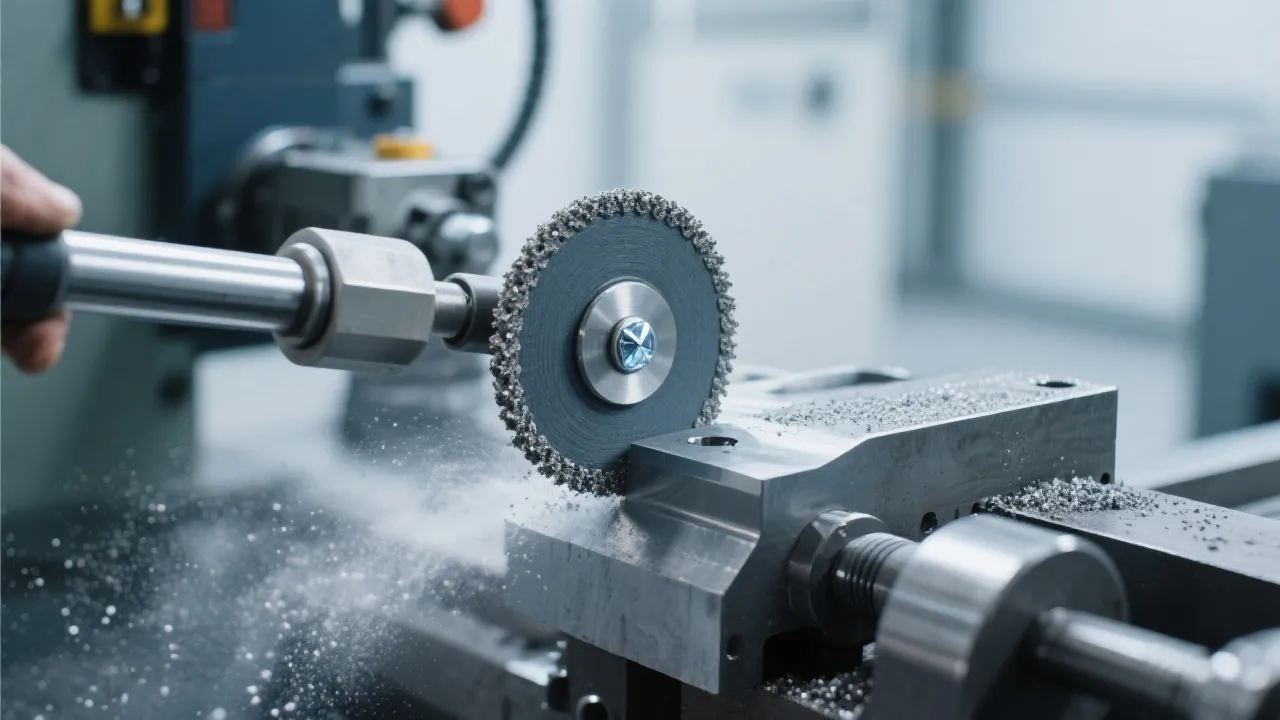
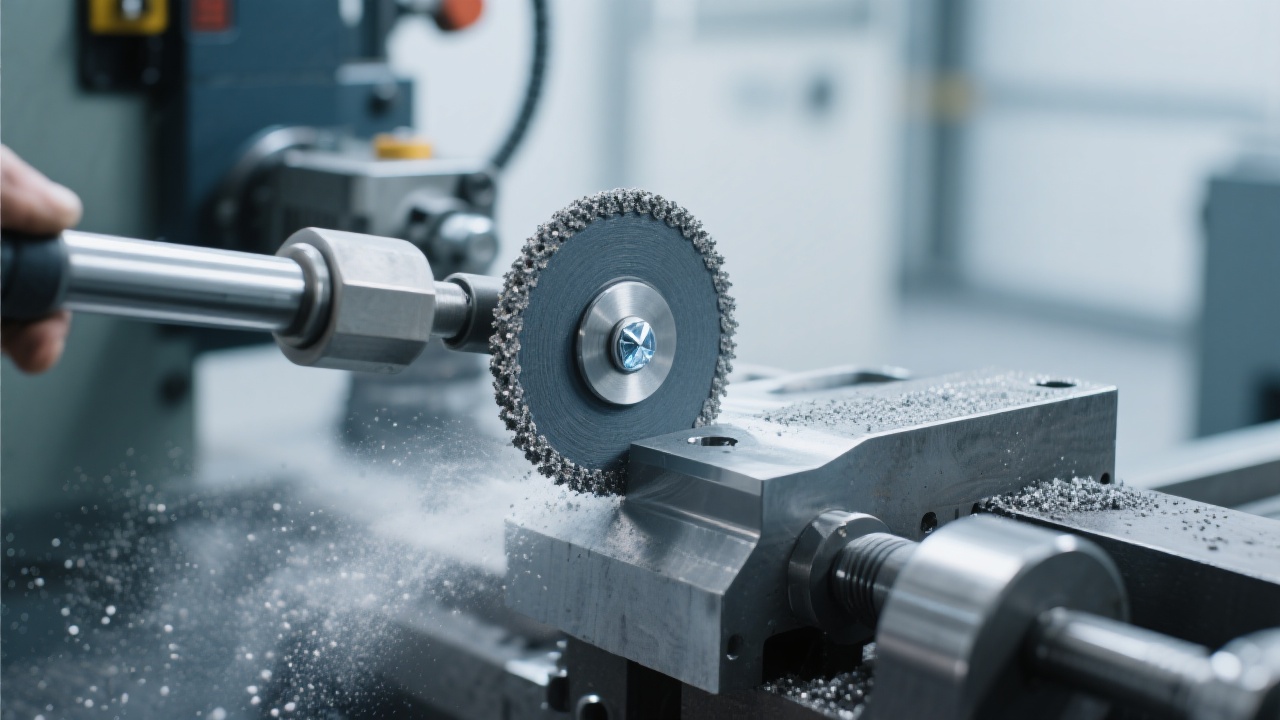
In many industrial environments, dust is treated as a necessary byproduct. But process engineers often see the opposite during optimization: when the wheel is cutting efficiently, the shop becomes cleaner almost as a side effect. A well-matched braze-bonded diamond wheel can reduce the need for frequent dressing and lower the tendency for thermal damage—two common triggers of rework and operator intervention.
This is where Henan Yude’s precision manufacturing focus becomes commercially relevant. For buyers, the outcome is less about the wheel category and more about repeatability: consistent batches, predictable performance, and a wheel that behaves the same on day five as it did on day one.



.png?x-oss-process=image/resize,h_1000,m_lfit/format,webp)
.png?x-oss-process=image/resize,h_1000,m_lfit/format,webp)