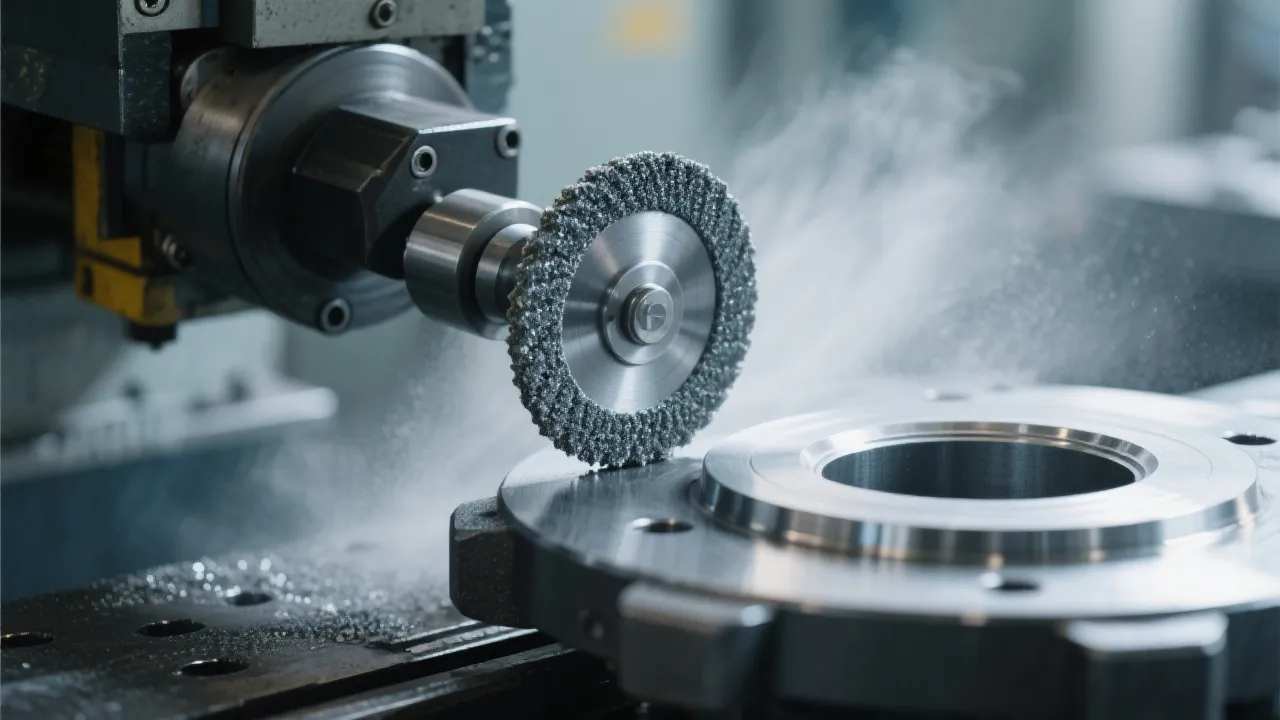
1) “Cutting” instead of “rubbing”
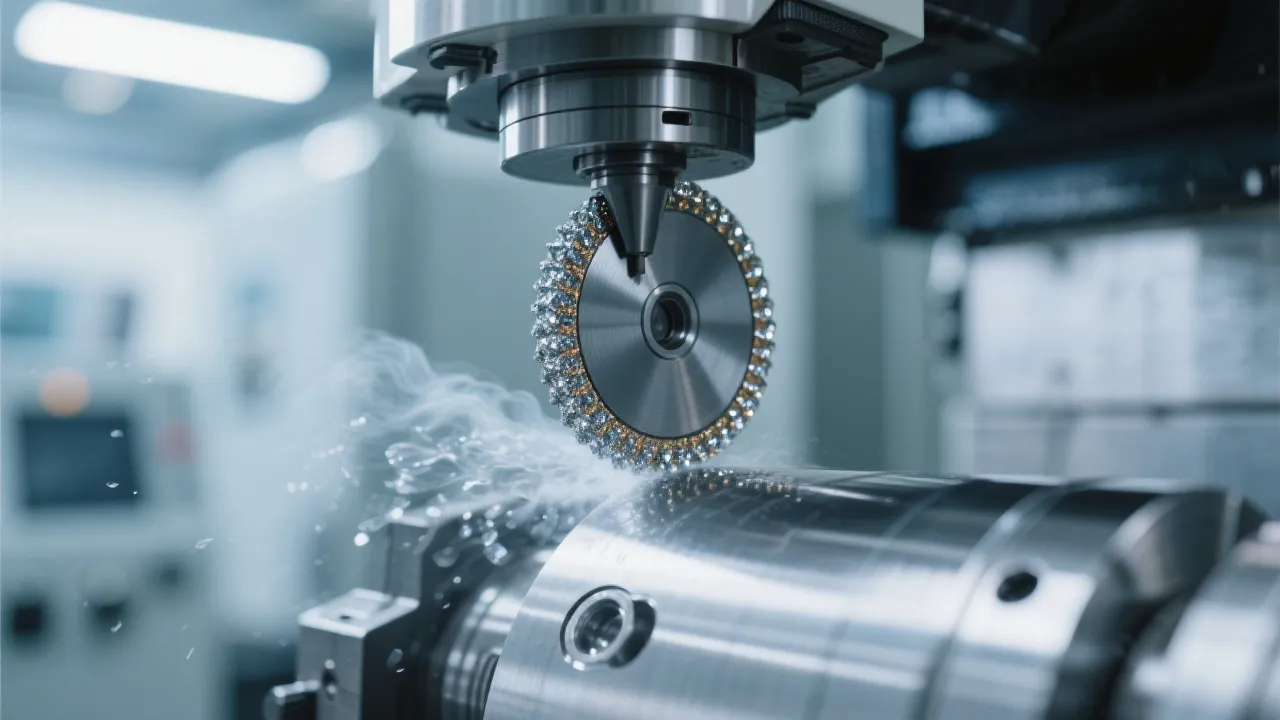
Higher effective sharpness can reduce frictional heating. In practice, many factories report noticeably fewer sparks and a more stable sound during grinding—signals of cleaner cutting and less powder-like debris.
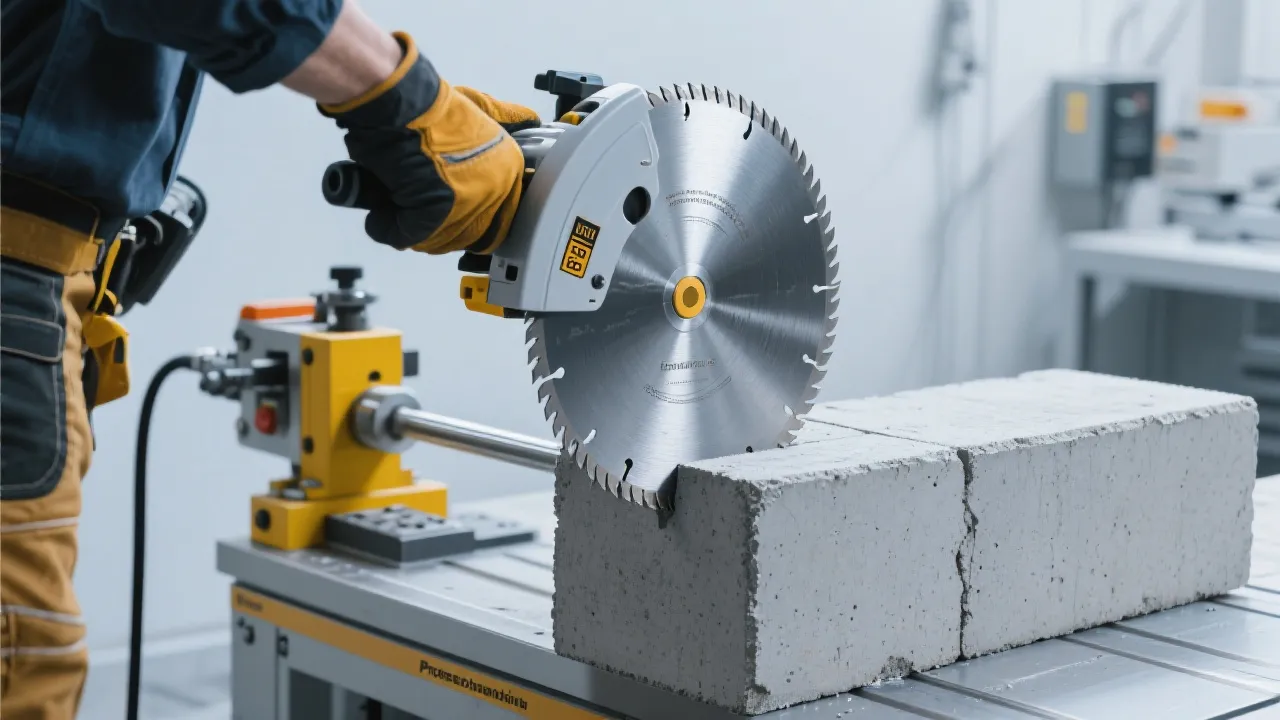
In metalworking plants, foundries, and ceramics workshops, grinding dust is more than an annoyance—it is a measurable production risk. Airborne particulate can accelerate machine wear, compromise surface quality, and raise health and compliance pressure for employers. Practical shop-floor audits often show that dry grinding can generate 10–30 mg/m³ of respirable dust near the operator zone if local extraction is not optimized, while stricter occupational limits in many markets require far lower exposure levels for nuisance dust and certain mineral particulates.
This is why low-dust brazed diamond grinding wheels have become a fast-growing solution: by redesigning the wheel’s cutting interface and chip evacuation path, they aim to reduce the amount of fine powder that stays suspended in the air—without sacrificing removal rate on hard, abrasive materials such as ductile iron, gray iron, and ceramics.
Dust is not produced only by the workpiece. It’s a combined outcome of abrasive interaction, heat, and chip breakage. When conventional wheels “rub” rather than cut, they increase micro-fracture and thermal damage, turning chips into ultrafine particles that easily become airborne.
Field insight: In many workshops, improving dust extraction alone may not solve the issue, because the wheel itself can be the “dust generator.” A wheel that cuts cleanly produces larger chips that are easier to capture and less likely to stay suspended.
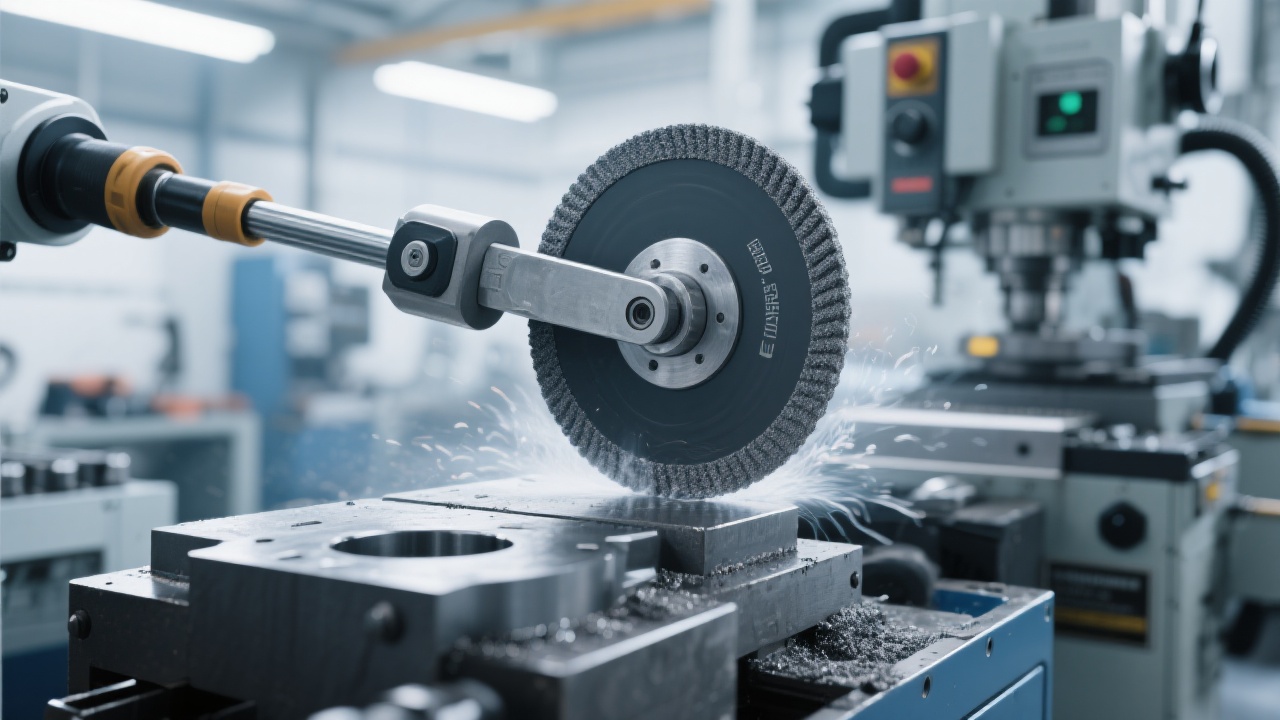
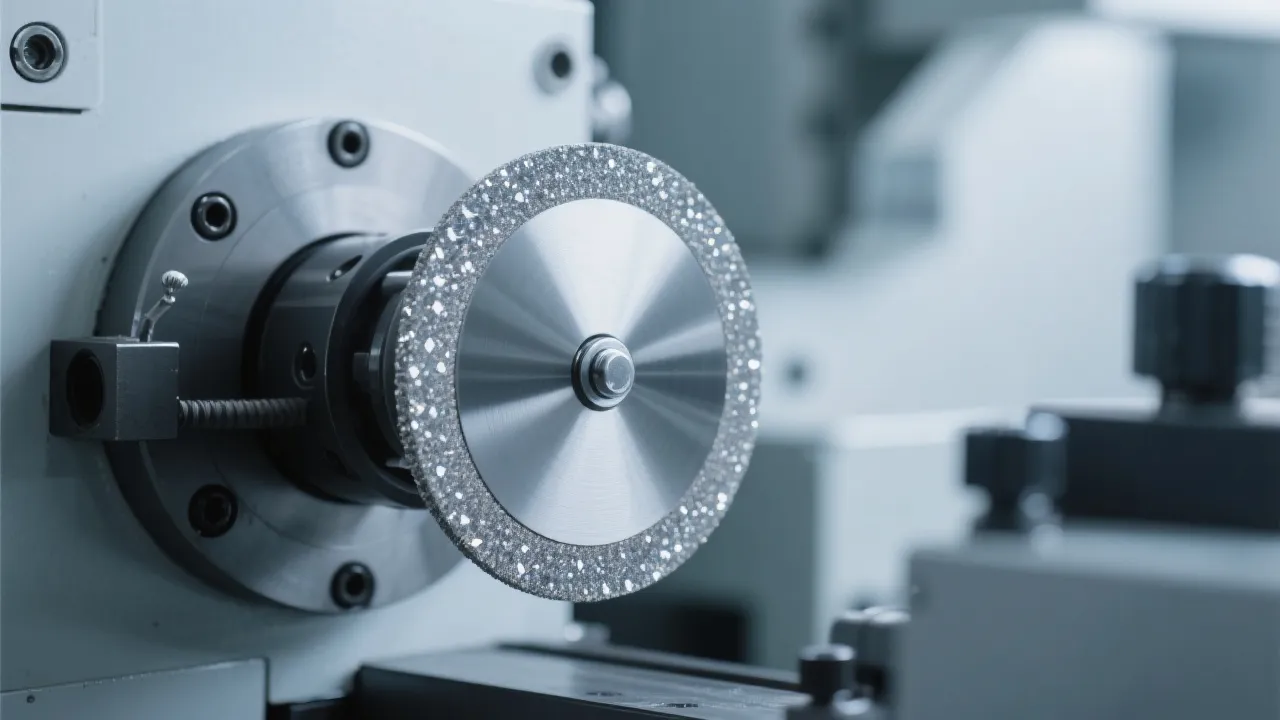
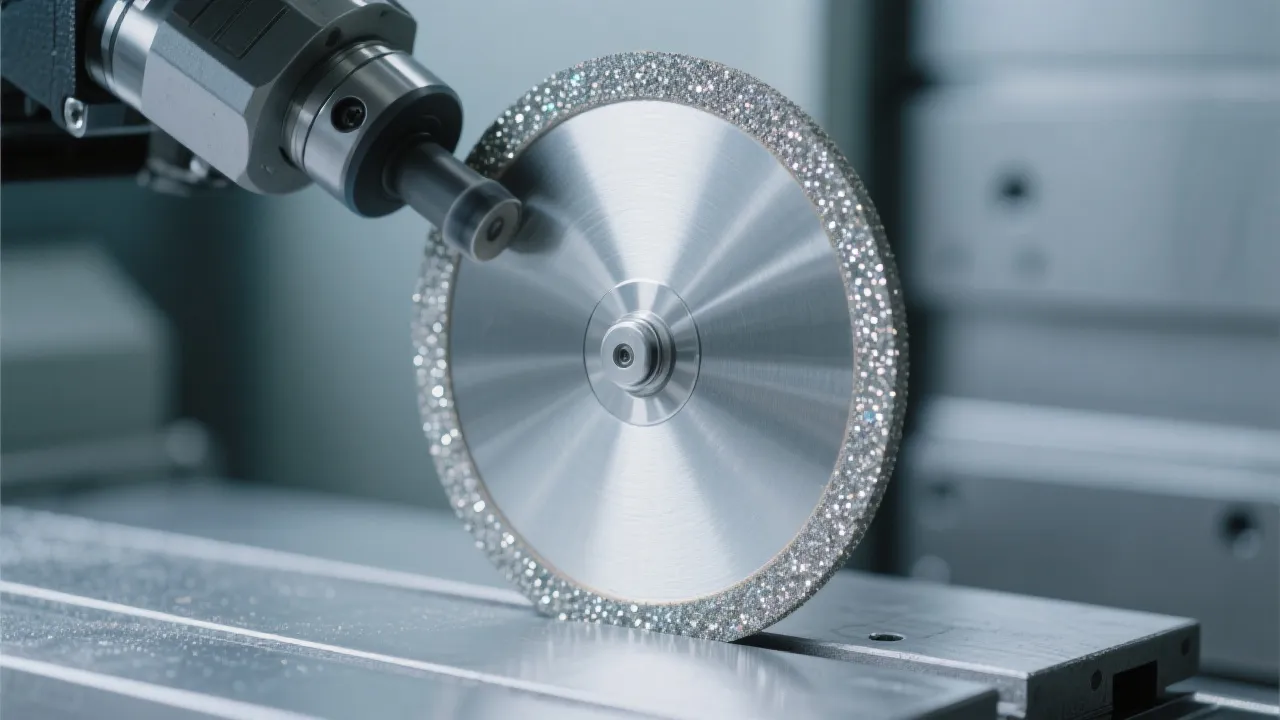
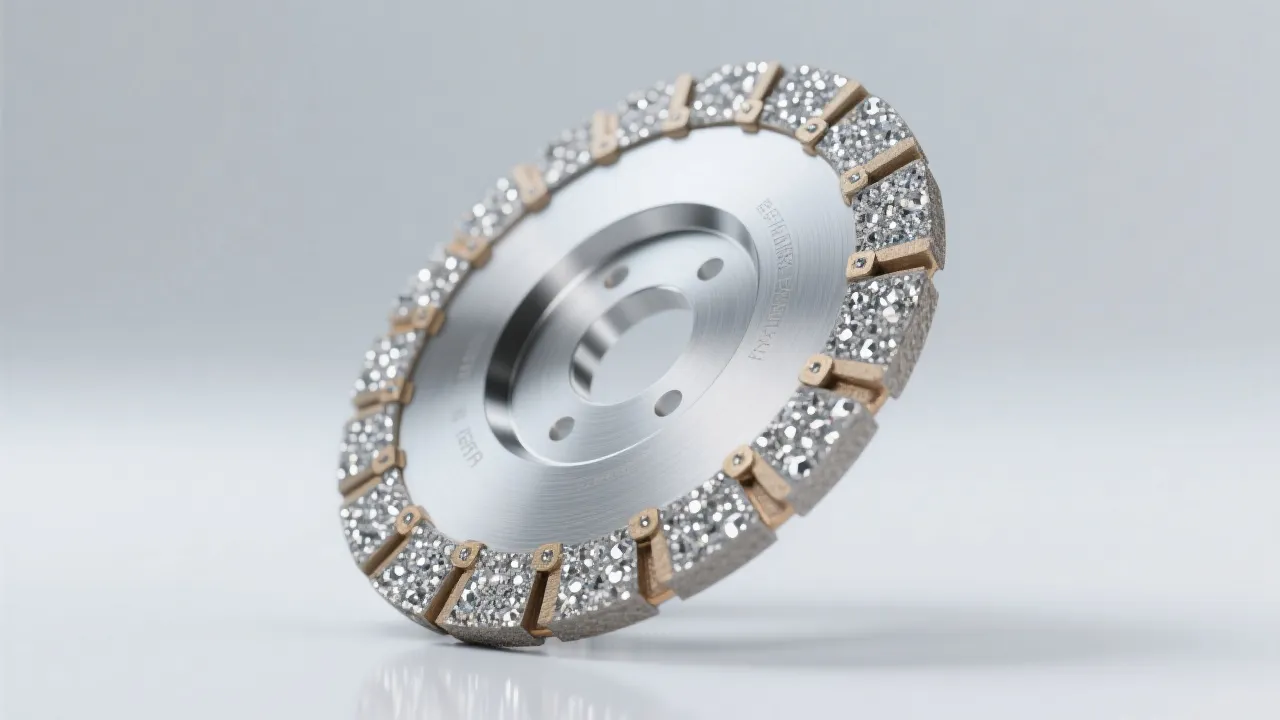
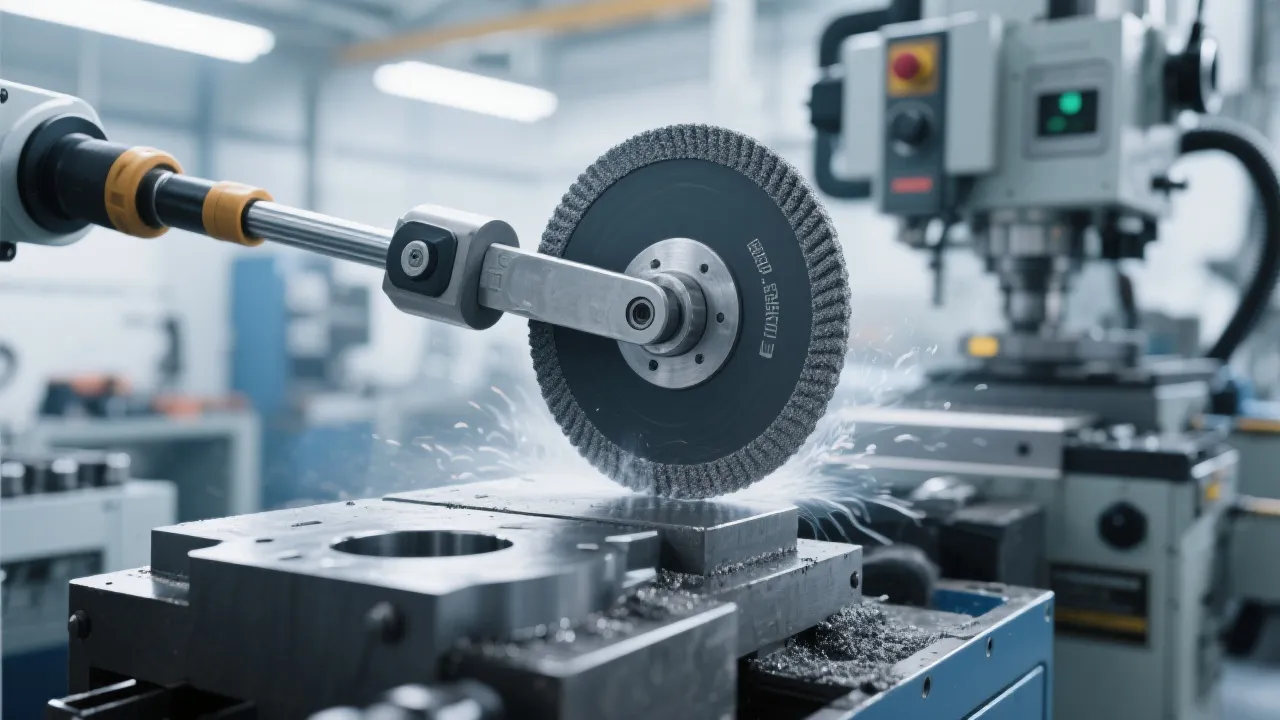
A brazed diamond grinding wheel uses a metallurgical brazing layer to anchor diamond particles onto a steel body. Unlike resin or vitrified bonds that rely heavily on matrix wear to “self-sharpen,” brazed designs can keep diamond protrusion and cutting geometry more consistent for longer runs. In low-dust designs, the key is not one single feature—it is the combined effect of sharp cutting, controlled chip formation, and fast evacuation.
Higher effective sharpness can reduce frictional heating. In practice, many factories report noticeably fewer sparks and a more stable sound during grinding—signals of cleaner cutting and less powder-like debris.
When the wheel promotes chip formation over micro-fracture, the “dust fraction” decreases. Larger chips have higher settling velocity and are more easily captured by standard extraction systems.
Low-dust brazed wheels often incorporate structured patterns or segment geometry to create chip-flow paths. This reduces clogging, stabilizes the contact zone, and limits the burst of fines caused by packed swarf.
With fewer dressing events and more consistent cutting edges, dust spikes caused by “wheel condition swings” can be reduced. Many production teams value this for stable takt time and predictable finishing.
Performance depends on manufacturing discipline as much as design intent. For brazed diamond wheels, consistency in the diamond grade, brazing alloy formulation, and thermal cycle directly affects grain retention, protrusion uniformity, and ultimately dust behavior. Henan Yude Superhard Tools Co., Ltd. focuses on process stability for industrial repeatability, supporting both standard models and custom wheel engineering for specific materials and machines.
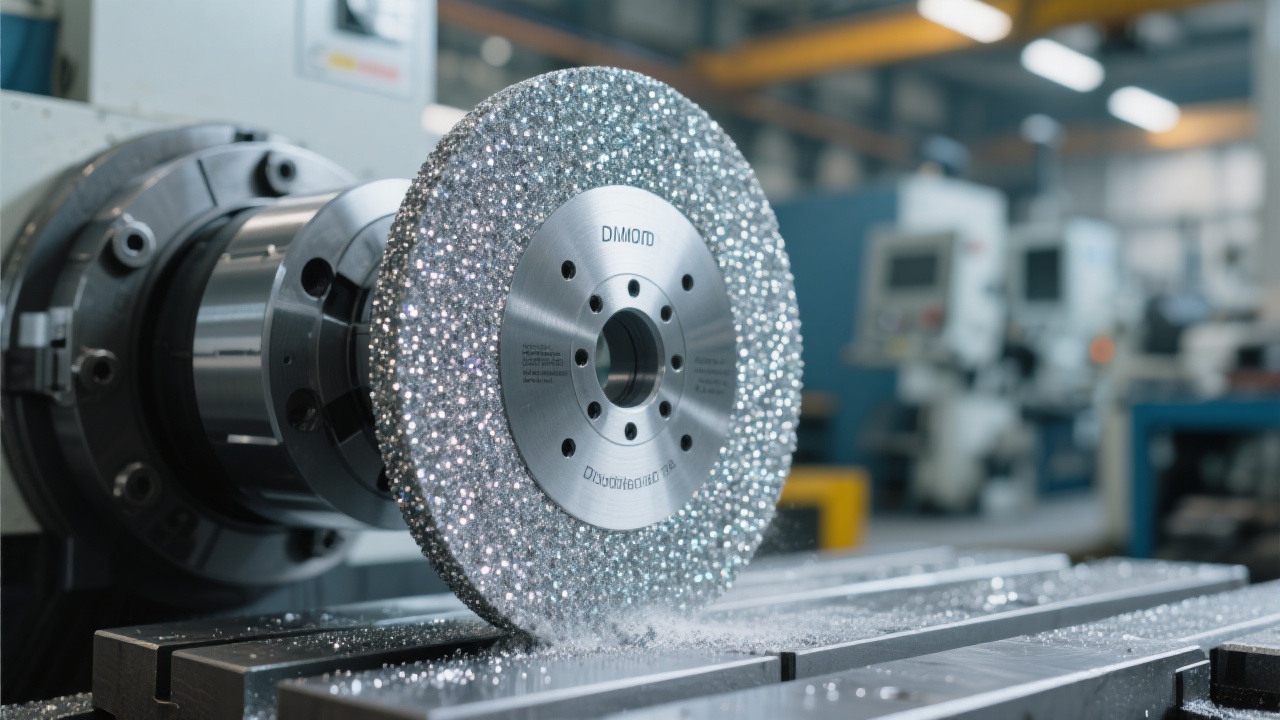
In ductile iron and gray iron grinding, the goal is often to remove gates, risers, or casting flash quickly while keeping the workstation safe and compliant. In ceramics, the challenge shifts to abrasion resistance and minimizing edge chipping. Low-dust brazed diamond wheels are typically selected when a factory needs high removal rate + cleaner air + longer intervals between wheel changes.
Plants commonly target a measurable reduction in visible airborne dust around the operator. In practical evaluations with improved wheel geometry and the same extraction, some workshops observe 20–40% lower airborne dust readings in the breathing zone, alongside 15–30% faster stock removal depending on machine power and operator technique.
For technical ceramics, consistent diamond exposure helps maintain a stable cutting action, which can reduce micro-chipping and rework. Users often value the steady grinding feel and predictable surface quality over long batches, especially when tight dimensional control is required.
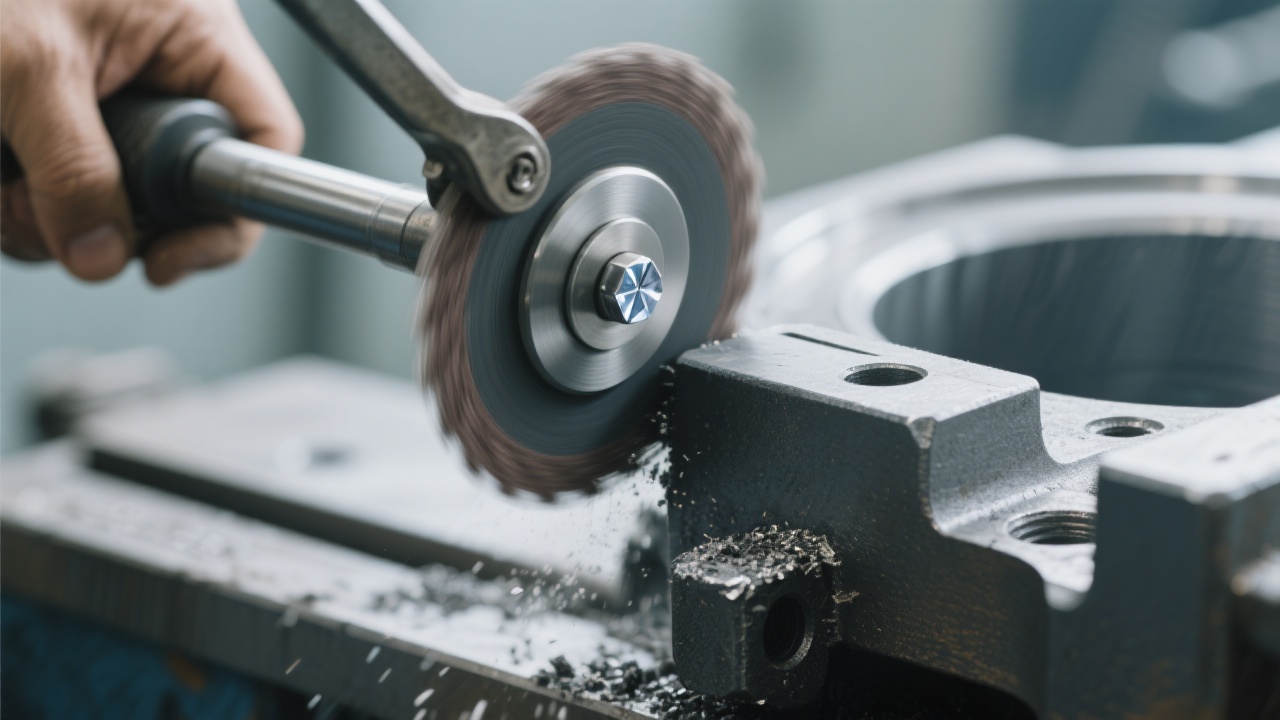
Purchasing teams usually compare tooling not only by unit cost, but by throughput, downtime, and compliance risk. The table below summarizes common differences seen in industrial settings when switching from conventional wheels to low-dust brazed diamond solutions for hard materials.
| Evaluation item | Traditional grinding wheel (typical) | Low-dust brazed diamond wheel (typical) |
|---|---|---|
| Dust tendency | More fines from rubbing/clogging | More chip-like debris; easier capture |
| Removal rate | Often declines as wheel dulls | More stable over long batches |
| Wheel change & dressing | More frequent | Less frequent in many applications |
| Heat generation | Higher risk during heavy grinding | Lower friction when cutting is optimized |
| Maintenance impact | Dust infiltration may rise | Cleaner environment supports uptime |
Across global markets, environmental inspections and occupational hygiene expectations continue to tighten. Many factories now treat dust reduction as a “design-in” requirement rather than an afterthought. For employers, the value is not only compliance: better air quality can lower cleaning time, reduce unplanned downtime from dust-related wear, and support workforce stability.
“When grinding dust is reduced at the source, extraction becomes more effective and more predictable—because the system is capturing heavier chips instead of chasing airborne fines.”
Henan Yude Superhard Tools Co., Ltd. supports industrial users with application-driven wheel selection, specification matching, and custom low-dust brazed diamond grinding wheel development for ductile iron, gray iron, and ceramics—aiming for cleaner workshops and higher throughput.
Talk to an Engineer About a Low-Dust Brazed Diamond Grinding WheelRecommended to prepare: material type, current wheel spec, machine RPM/power, target removal rate, and any dust measurement or extraction details.


.png?x-oss-process=image/resize,h_1000,m_lfit/format,webp)
.png?x-oss-process=image/resize,h_1000,m_lfit/format,webp)