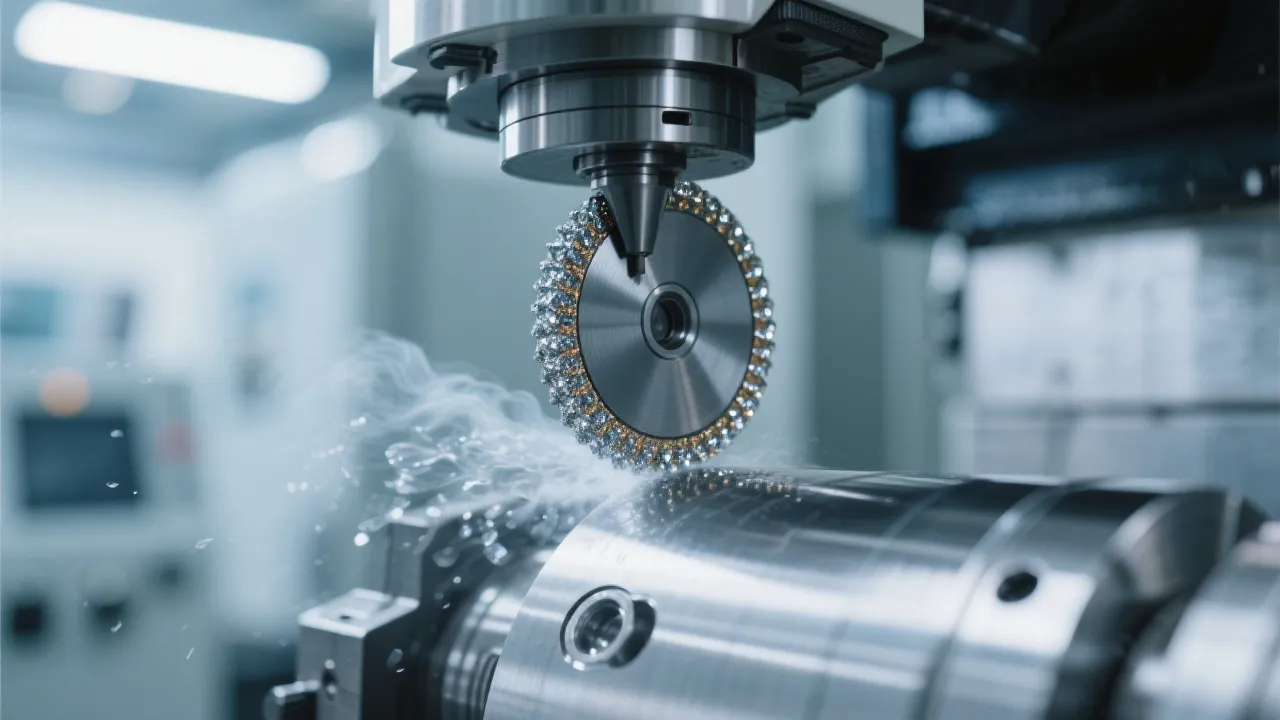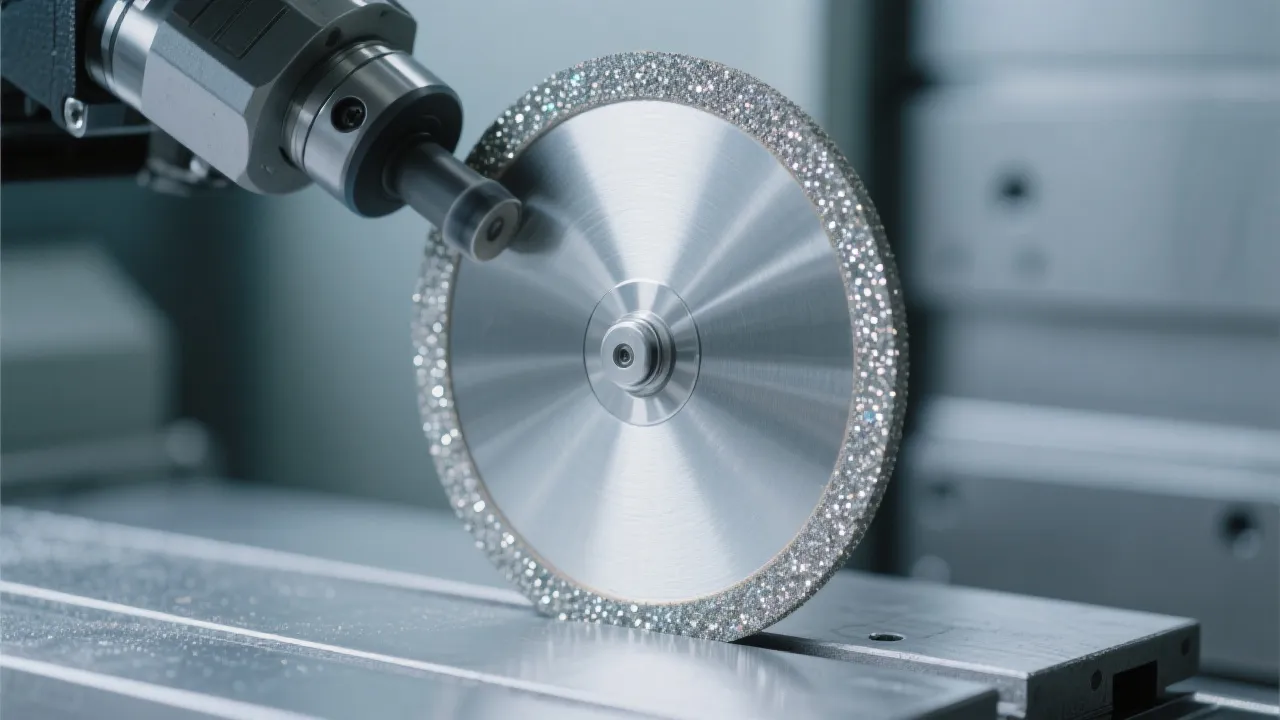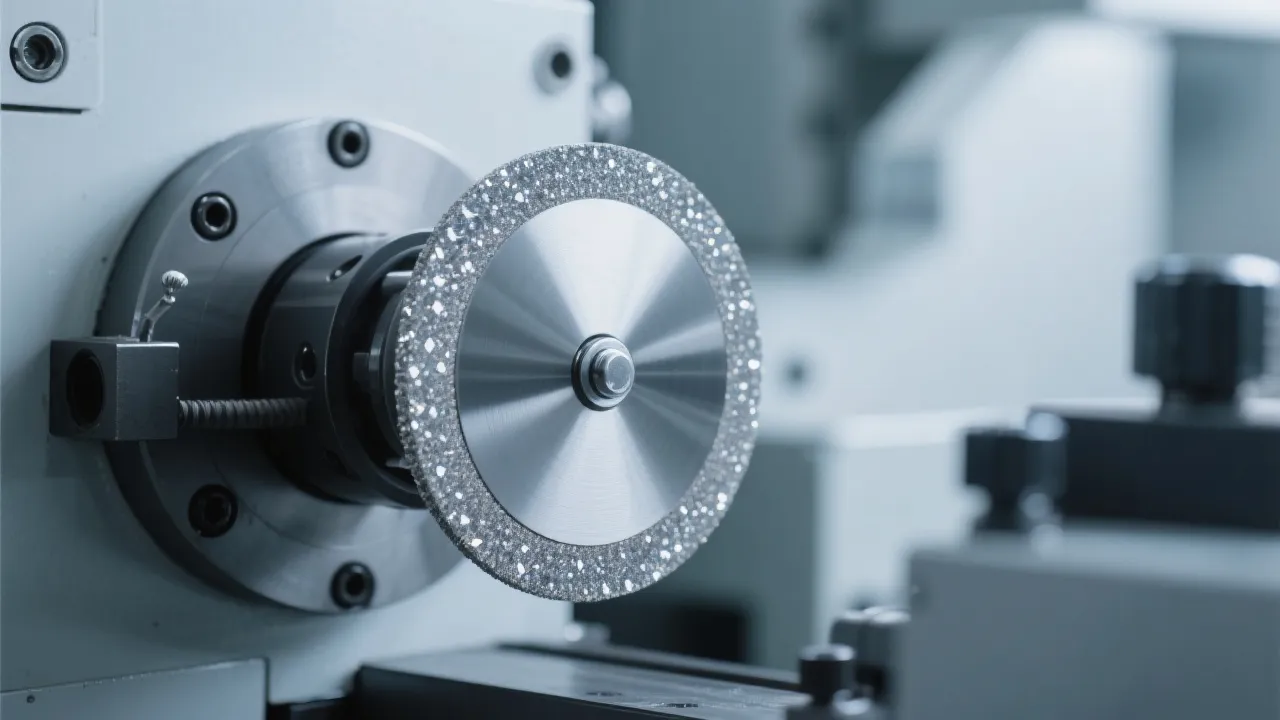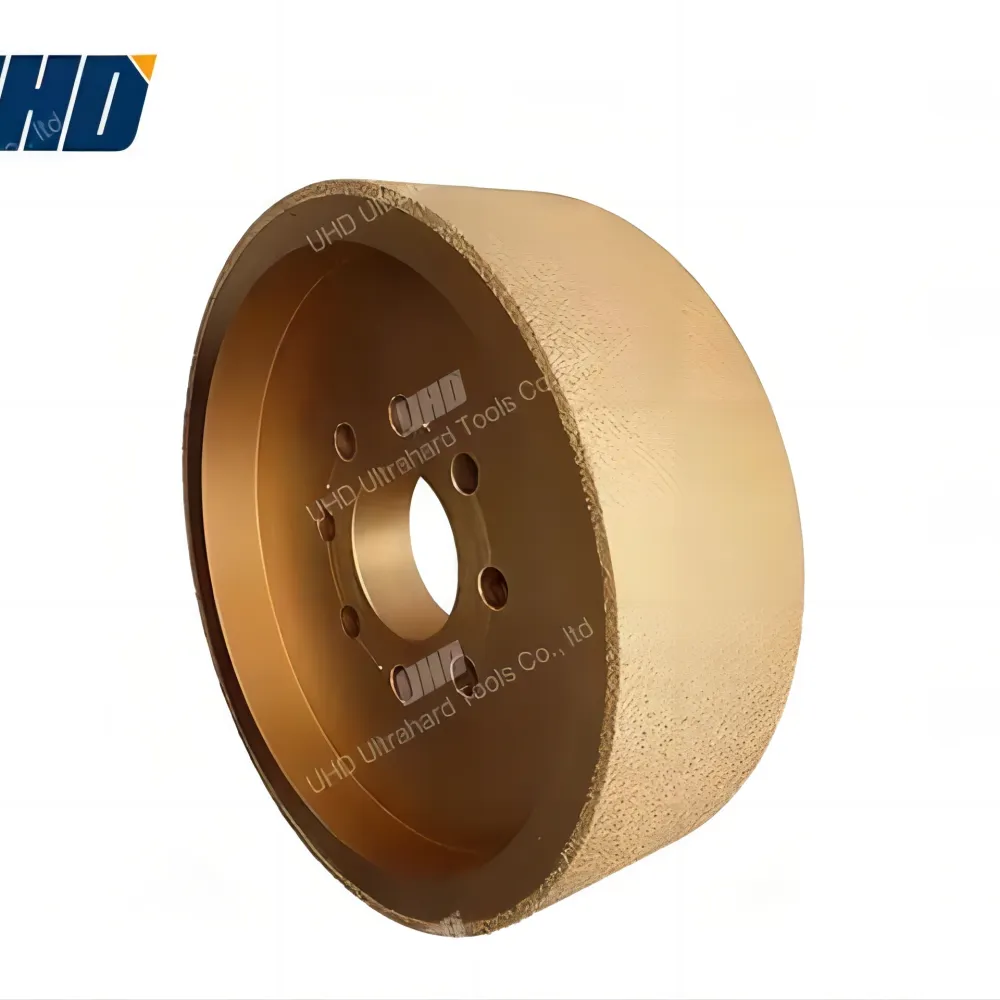
Gray cast iron is a widely used material in the manufacturing industry, known for its excellent casting properties and good machinability. However, its unique graphite flake structure significantly affects the grinding process and the lifespan of the grinding wheel. The graphite flakes act as lubricants during grinding, reducing the friction between the workpiece and the grinding wheel. But they can also cause uneven wear on the grinding wheel, as the graphite flakes can break off and clog the pores of the wheel, reducing its cutting ability. For example, in a grinding operation with a high feed rate, the graphite flakes may cause the grinding force to fluctuate, leading to surface roughness and reduced dimensional accuracy of the workpiece.
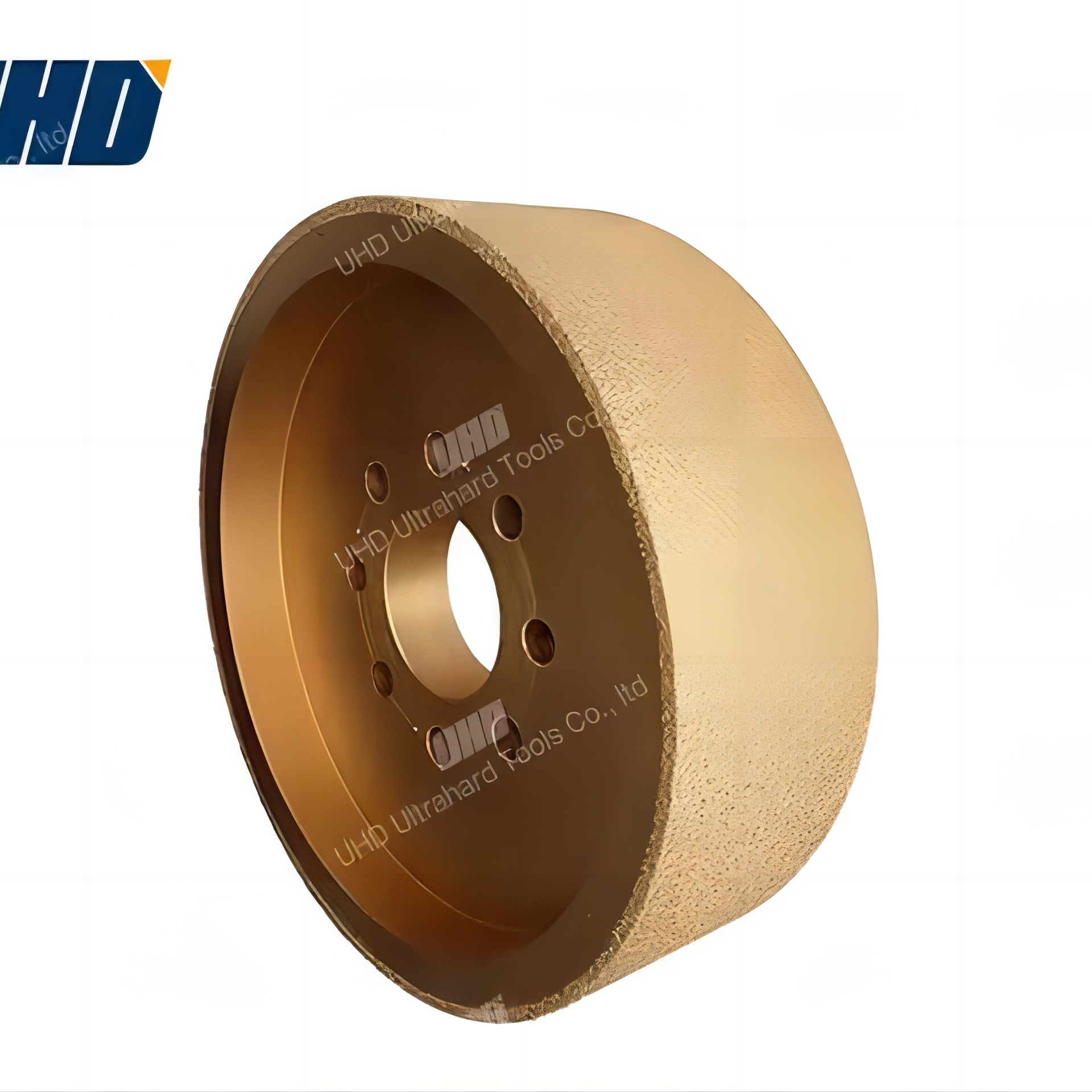
The diamond grain size is a crucial factor in determining the surface finish and material removal rate of the grinding process. A smaller grain size provides a finer surface finish but lower material removal rate, while a larger grain size allows for faster material removal but may result in a rougher surface finish. For gray cast iron grinding, a grain size ranging from 100 - 200 mesh is commonly used for general precision grinding, while a finer grain size of 325 - 400 mesh may be selected for high - precision grinding applications.
Diamond concentration refers to the amount of diamond in the grinding wheel. Higher concentrations result in more cutting edges, leading to higher material removal rates and longer wheel life. For most gray cast iron grinding operations, a diamond concentration of 75 - 100 is suitable. However, in high - precision or fine - finishing applications, a lower concentration of 50 - 75 may be used to achieve a better surface finish.
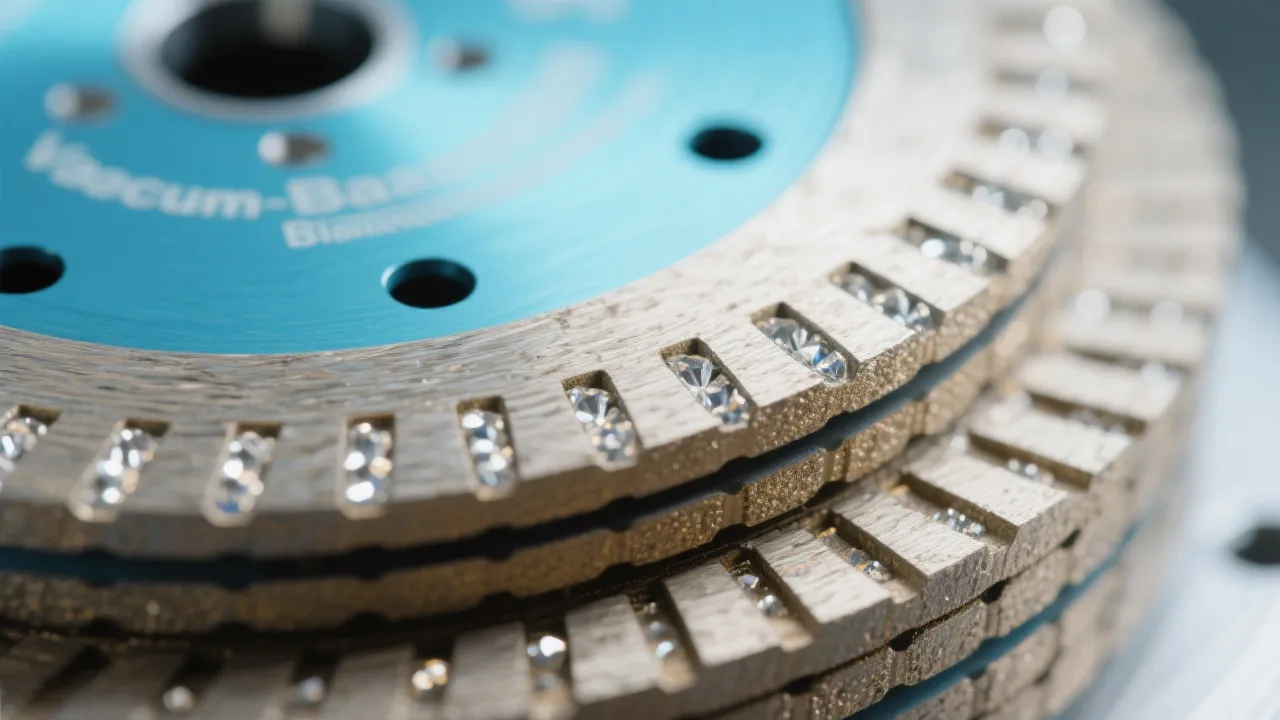
There are several types of bonds available for diamond grinding wheels, including resin, metal, and vitrified bonds. Resin bonds are flexible and provide a good surface finish, making them suitable for applications requiring high precision. Metal bonds are more rigid and have a longer lifespan, which is ideal for high - volume production. Vitrified bonds offer a balance between the two, with good self - sharpening properties and high grinding efficiency. When grinding gray cast iron, resin bonds are often preferred for finishing operations, while metal bonds are used for rough grinding and high - productivity applications.
"Selecting the right diamond grinding wheel for gray cast iron requires a deep understanding of the material's characteristics and the specific requirements of the grinding operation. By carefully considering the diamond grain size, concentration, and bond type, manufacturers can optimize the grinding process for better efficiency and quality." - Dr. John Smith, Grinding Technology Expert
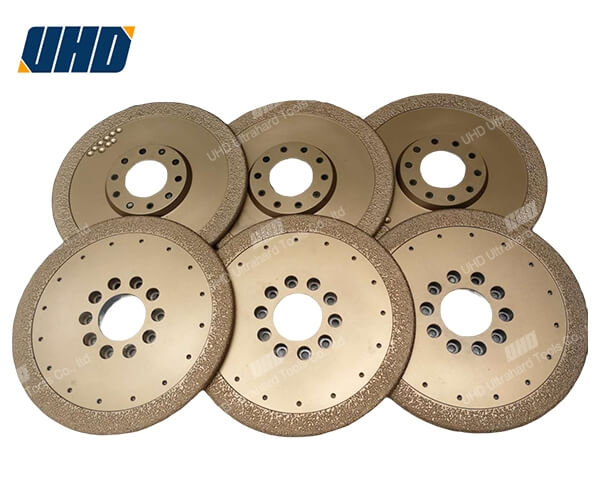
In different working conditions, the configuration of the grinding wheel needs to be adjusted accordingly. For high - precision grinding, a fine - grained, low - concentration resin - bonded diamond grinding wheel is recommended to ensure the dimensional accuracy and surface finish of the workpiece. In mass - production scenarios, a coarse - grained, high - concentration metal - bonded grinding wheel can significantly increase the material removal rate and improve production efficiency. For workpieces with complex shapes, a vitrified - bonded diamond grinding wheel with good self - sharpening properties can adapt to different grinding angles and contours.
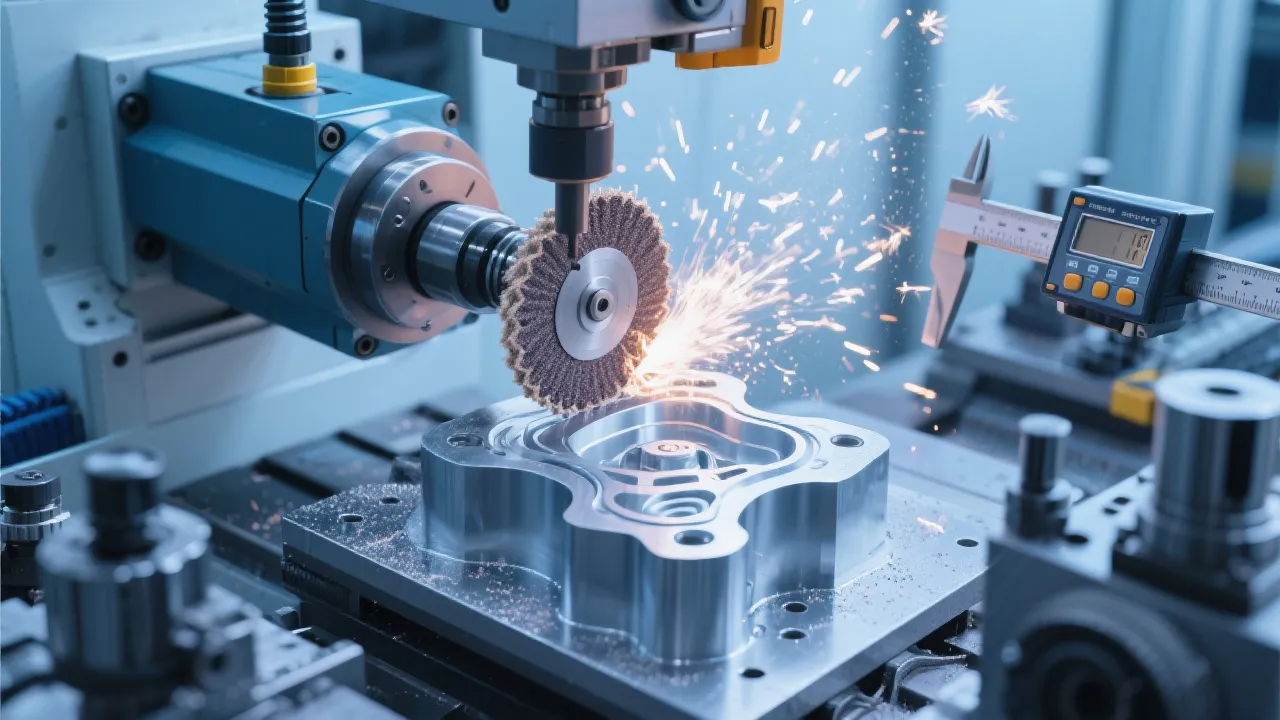
During the gray cast iron grinding process, several common problems may occur. Uneven wear of the grinding wheel is often caused by improper selection of diamond grain size or concentration, or uneven distribution of the graphite flakes in the workpiece. Surface burns can be attributed to excessive grinding pressure, high grinding speed, or insufficient coolant. Fluctuations in cutting force are usually related to the clogging of the grinding wheel by graphite flakes or the instability of the grinding machine. To address these issues, adjusting the grinding parameters, cleaning the grinding wheel regularly, and using appropriate coolants can effectively improve the grinding quality.
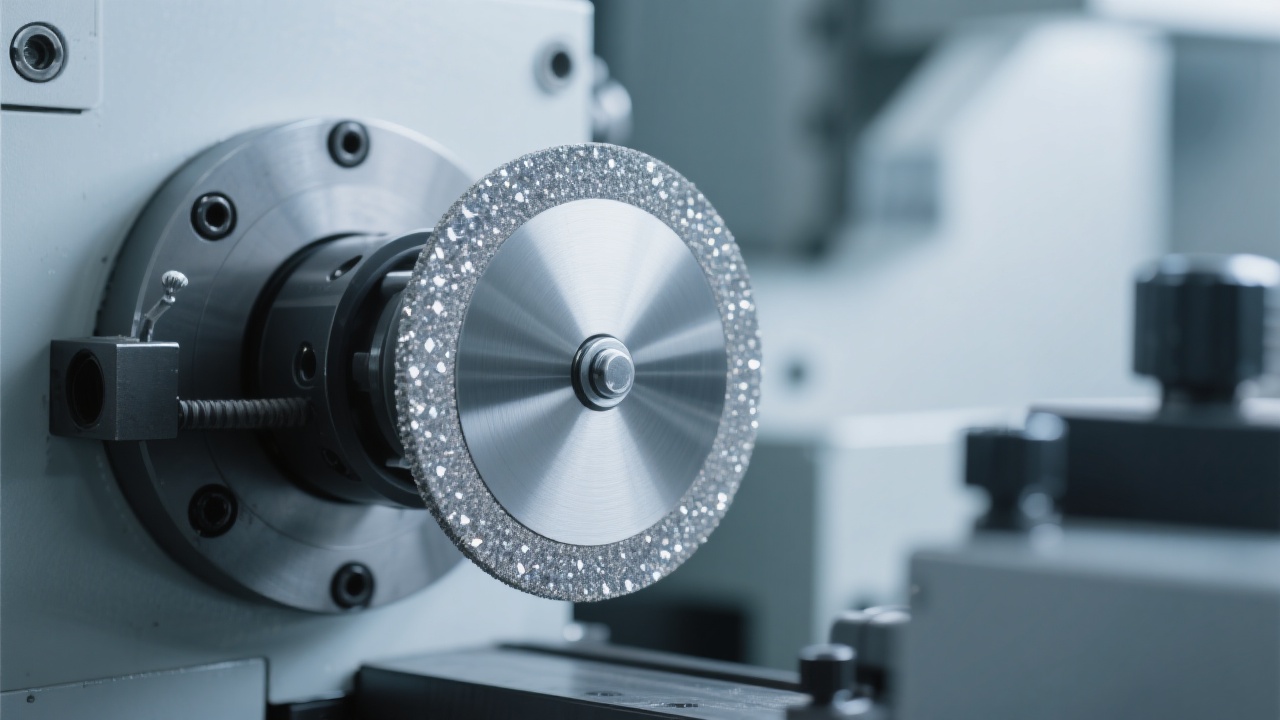
Many manufacturers have achieved remarkable results by optimizing the selection of diamond grinding wheels for gray cast iron grinding. For example, a leading automotive parts manufacturer reduced the grinding time by 30% and improved the surface finish quality by 20% after switching to a custom - designed metal - bonded diamond grinding wheel with the appropriate grain size and concentration. Another machinery manufacturing company solved the problem of surface burns by using a resin - bonded diamond grinding wheel with a special coolant system, increasing the production yield from 85% to 95%.
At Henan Youde Superhard Tools Co., Ltd., we understand that every customer has unique requirements. That's why we offer customized services for non - standard sizes and special - shaped diamond grinding wheels. Whether you need a grinding wheel for a complex - shaped workpiece or a specific precision requirement, our professional team can design and manufacture the perfect solution for you. Our customized grinding wheels are engineered to provide optimal performance, increased productivity, and cost - effective operation.


.png?x-oss-process=image/resize,h_1000,m_lfit/format,webp)

.png?x-oss-process=image/resize,h_1000,m_lfit/format,webp)