Gray Iron Surface Burns? 3-Step Diamond-Wheel & Grinding Parameter Optimization
24 03,2026
UHD
Application Tips
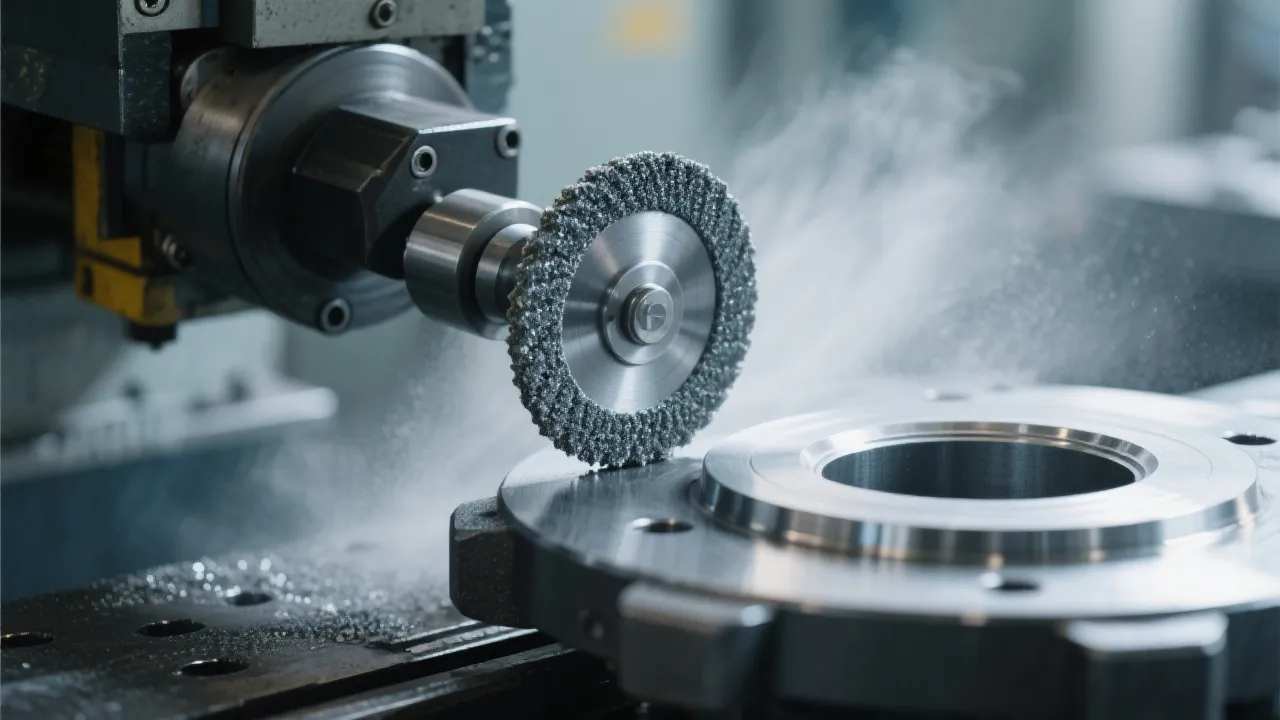
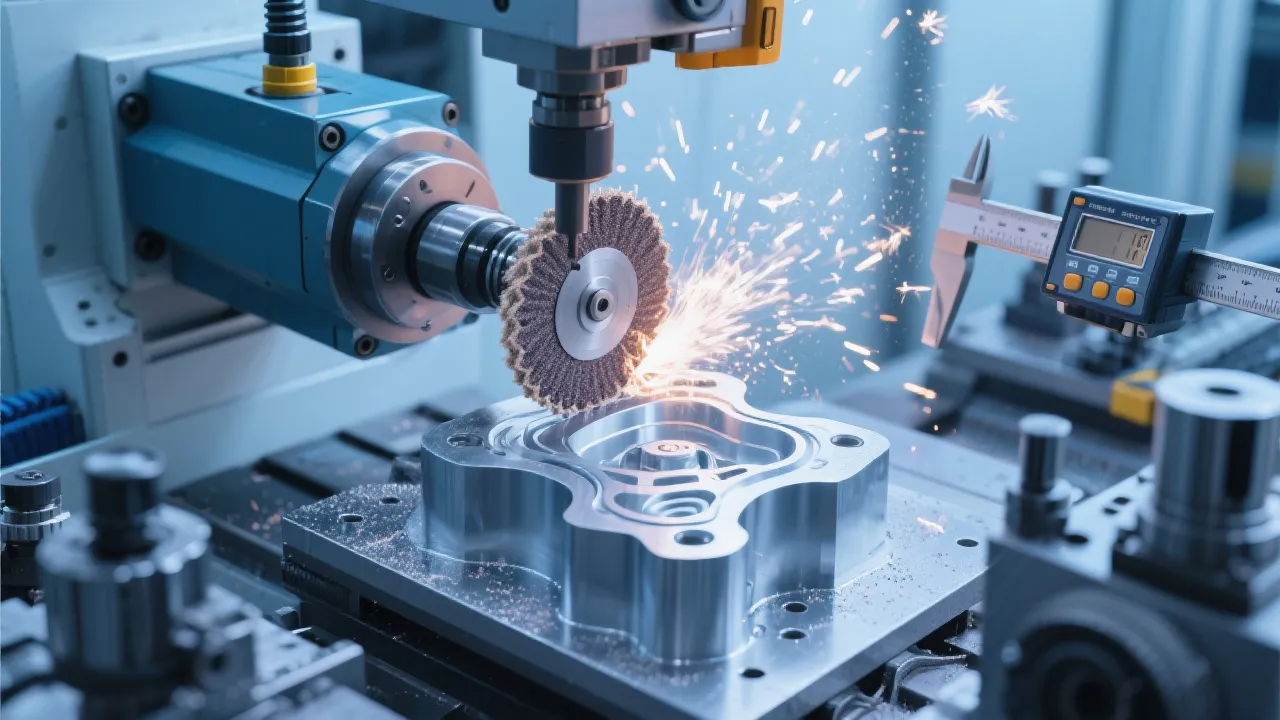
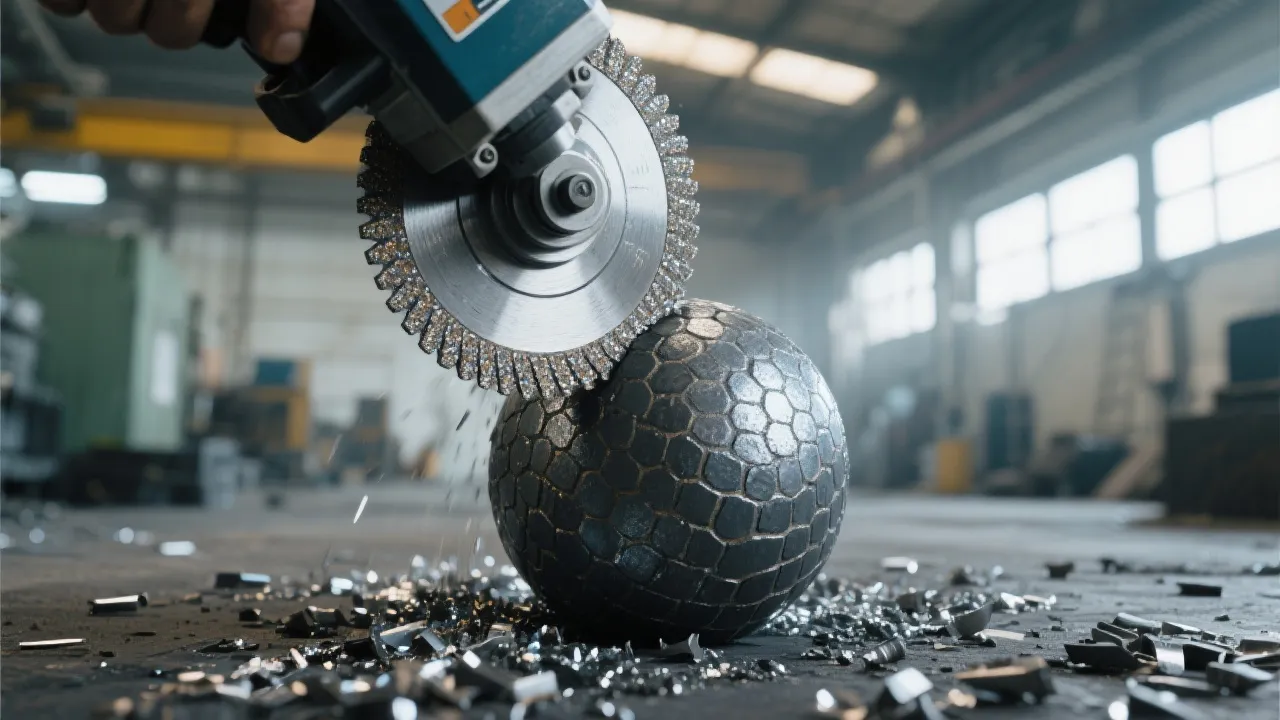
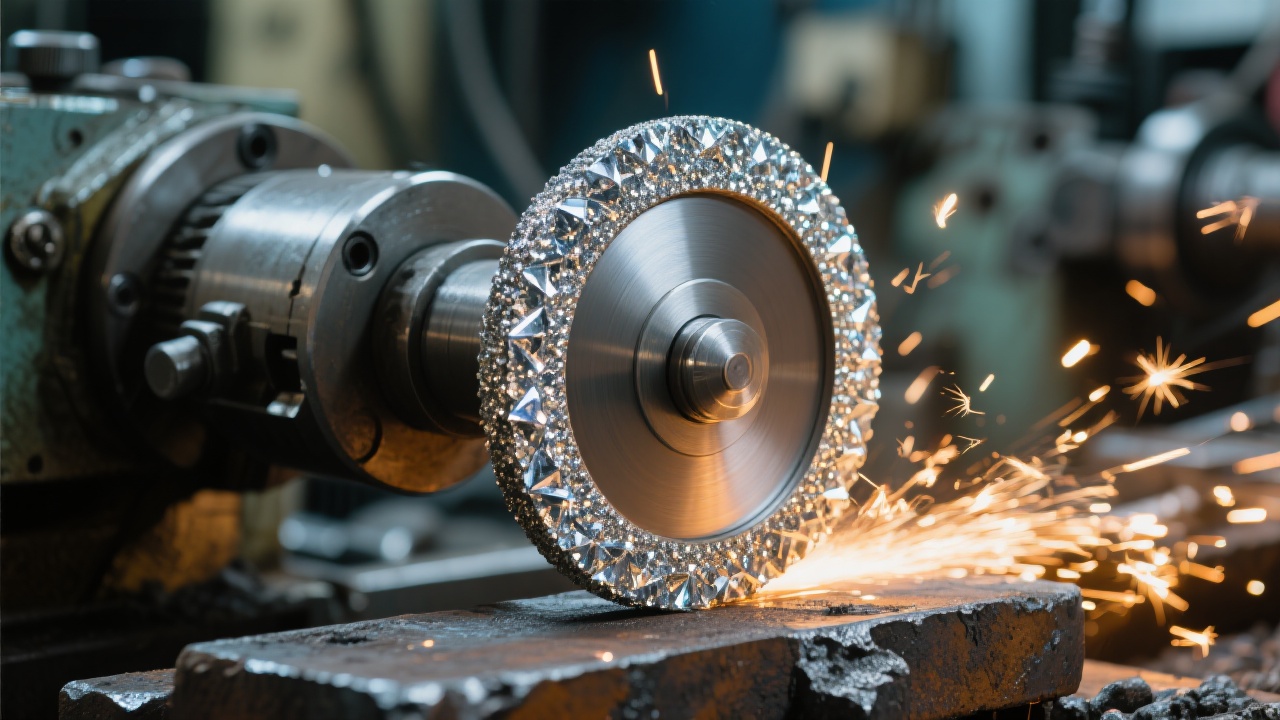
In precision finishing of gray iron you frequently encounter surface burns, excessive roughness or distortion when the diamond wheel grain size or grinding parameters are mismatched. This practical 3-step guide shows you how to: 1) select the right brazed diamond wheel grain (typically 80–120 mesh for finishing), 2) tune grinding parameters (recommended wheel linear speed 15–25 m/s and single-pass depth ≤0.02 mm with matched feed), and 3) strengthen coolant and dressing control (coolant flow ≥15 L/min and wheel dressing every ~200 parts). The recommendations are supported by comparative data and an application case that demonstrates measurable reduction in burn incidents, improved Ra, and higher process stability. If you need a wheel configuration matched to your process conditions, contact our technical team for a tailored recommendation.
Gray-Iron Finishing: 3 Practical Steps to Eliminate Grinding Burn
When you face surface burn during final finishing of gray iron, the root causes are almost always a mismatch between diamond wheel grain size/construction and your grinding parameters. Use this targeted, data-driven method to restore consistency and raise yield.
Why grinding burn appears on gray iron
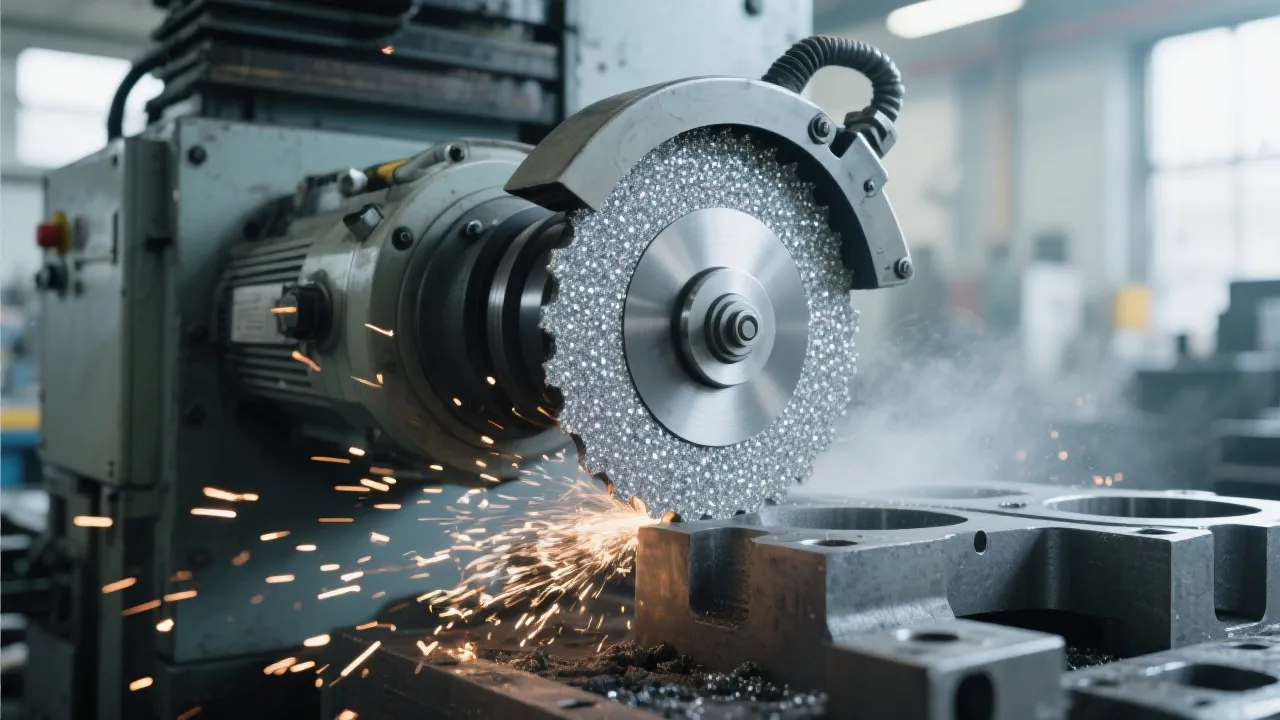
Grinding burn on gray iron typically comes from excessive local heat generation. Key contributors you can control are:
Diamond abrasive grain size and concentration (coarse vs fine cutting behavior)
Wheel line speed and material removal rate (feed per pass and depth of cut)
Coolant application (flow, pressure, and jet targeting)
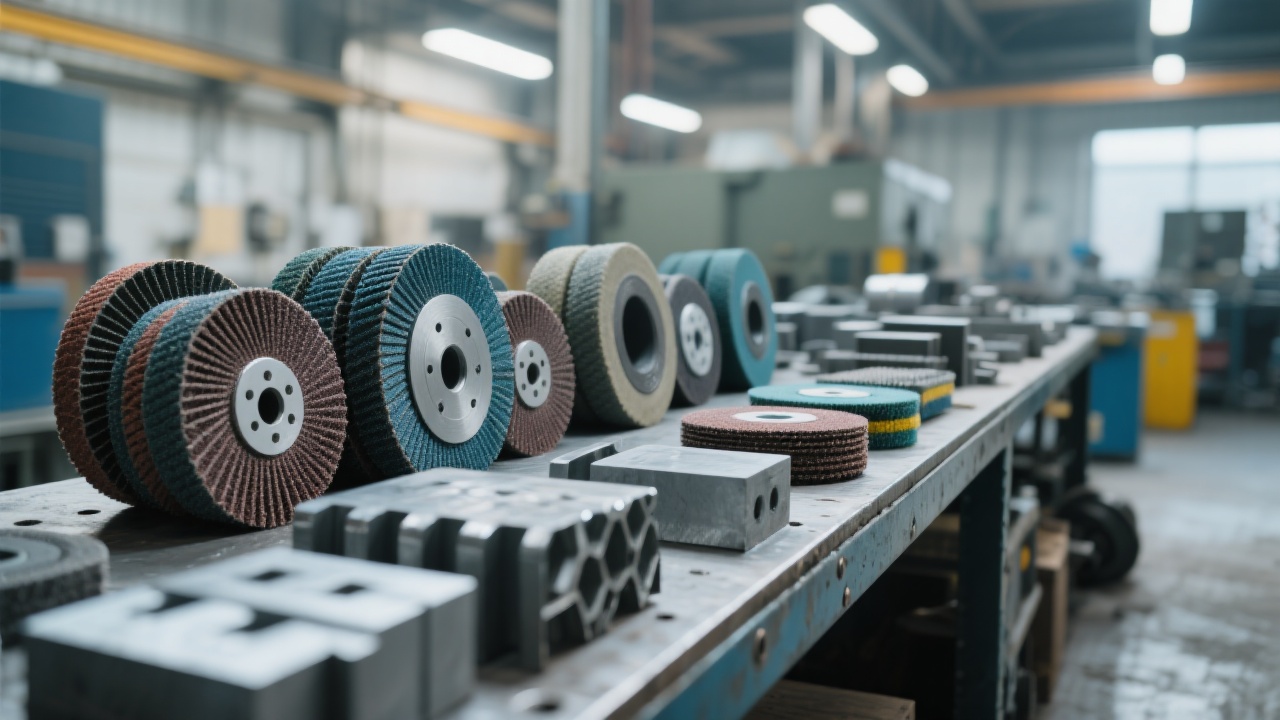
Wheel condition—dressing frequency and dressing method for brazed diamond wheels
3-Step Practical Workflow (do this on your production line)
Step 1 — Select the correct diamond grain size
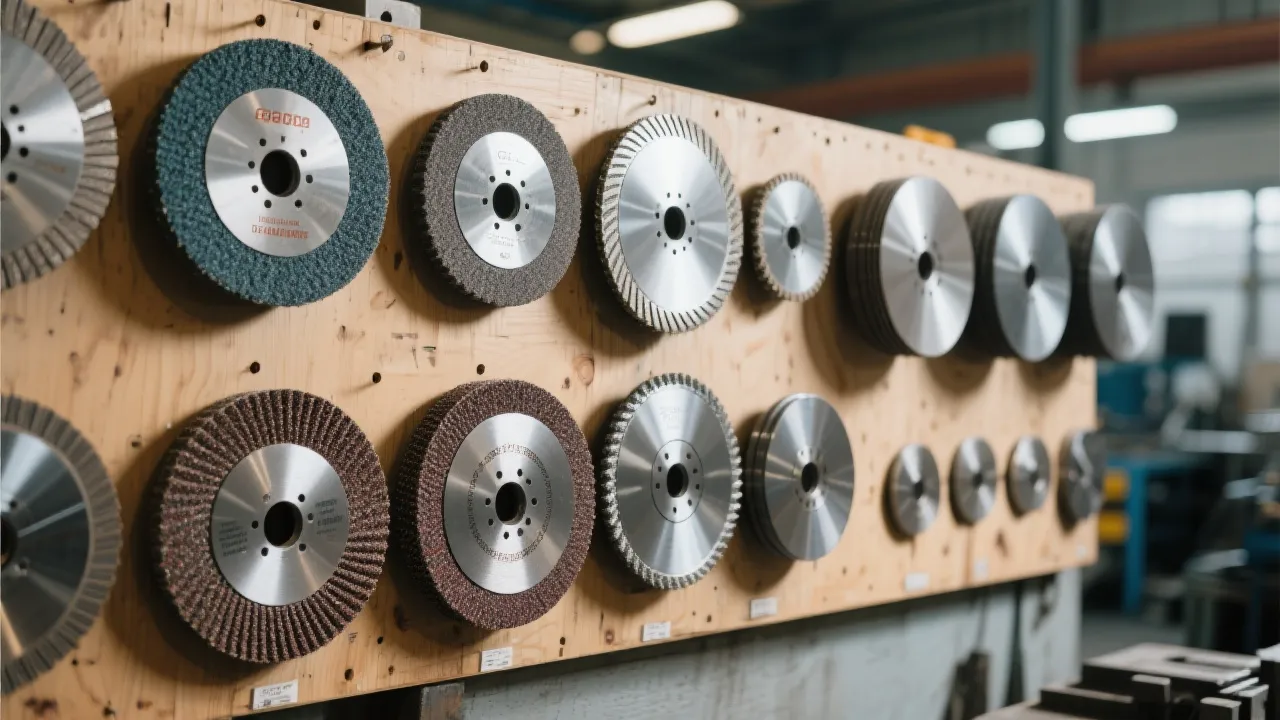
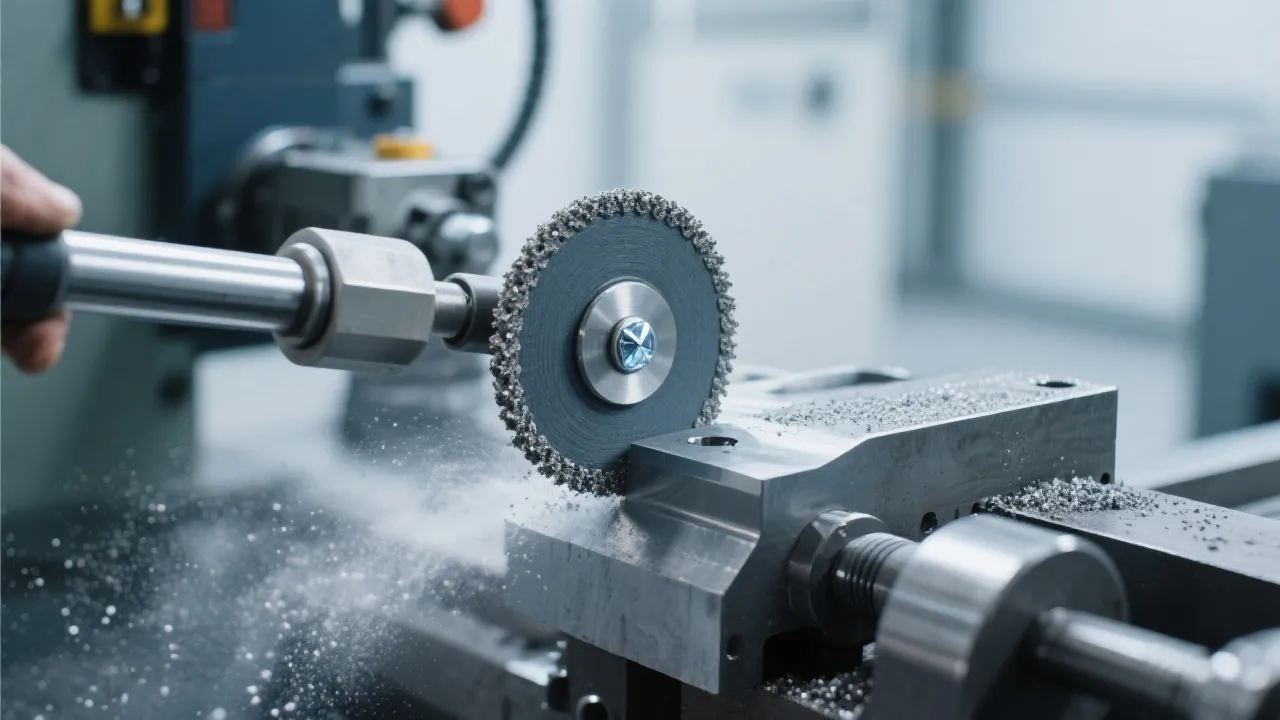
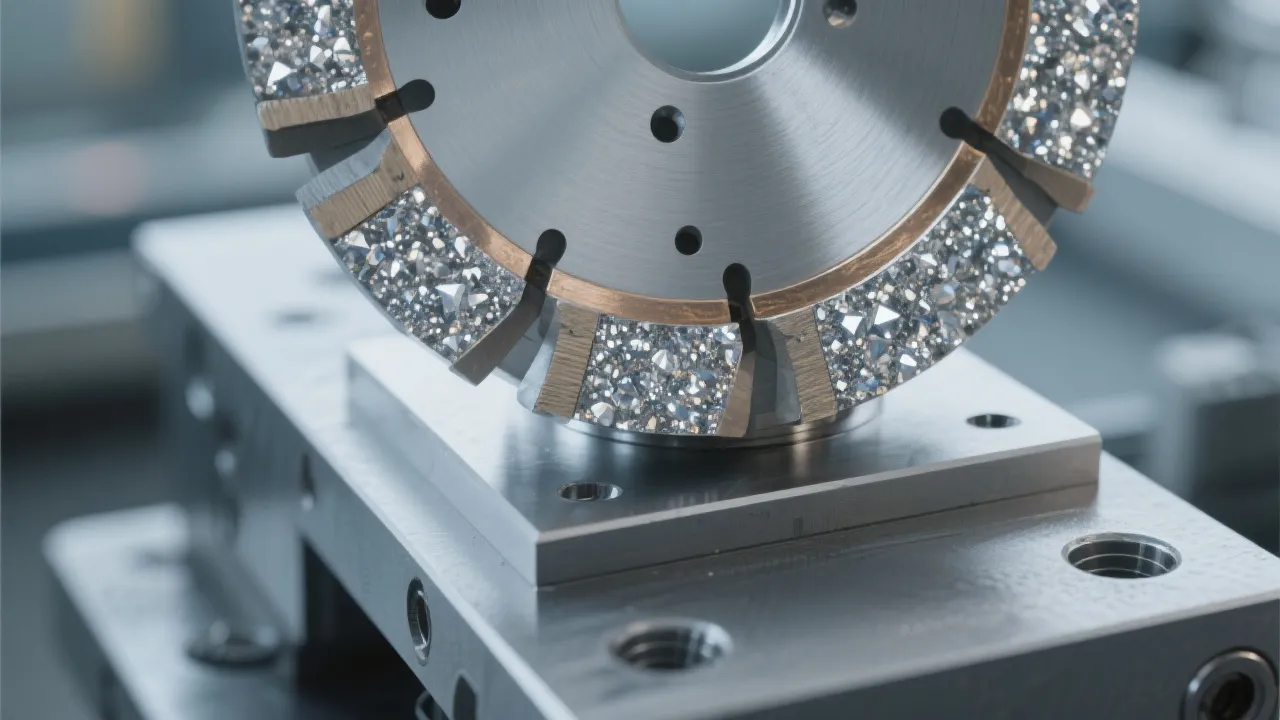
For gray iron finishing you want stable, controlled cutting rather than aggressive ploughing. Start in the 80–120 mesh range for brazed diamond wheels. Use the table below as a working baseline—measure Ra and burn incidence after a 50-piece trial run.
Run controlled tests changing only one variable at a time. Recommended starting points for final finishing of gray iron:
Wheel peripheral speed: 15–25 m/s
Depth of cut per pass: ≤0.02 mm (20 µm)
Feed per pass: keep your material removal rate (MRR) moderate—reduce by 30% if you see heat marks
Coolant: emulsion or synthetic; temperature control and jet targeting matter
Measure surface temperature (IR or K-type thermocouples) at the grind zone. Acceptable peak temperature: below 200°C at the contact zone to avoid transformational damage on gray iron cast surfaces.
Step 3 — Strengthen coolant & dressing management
Cooling and wheel condition are the final gatekeepers. For brazed diamond wheels targeting consistent finishes:
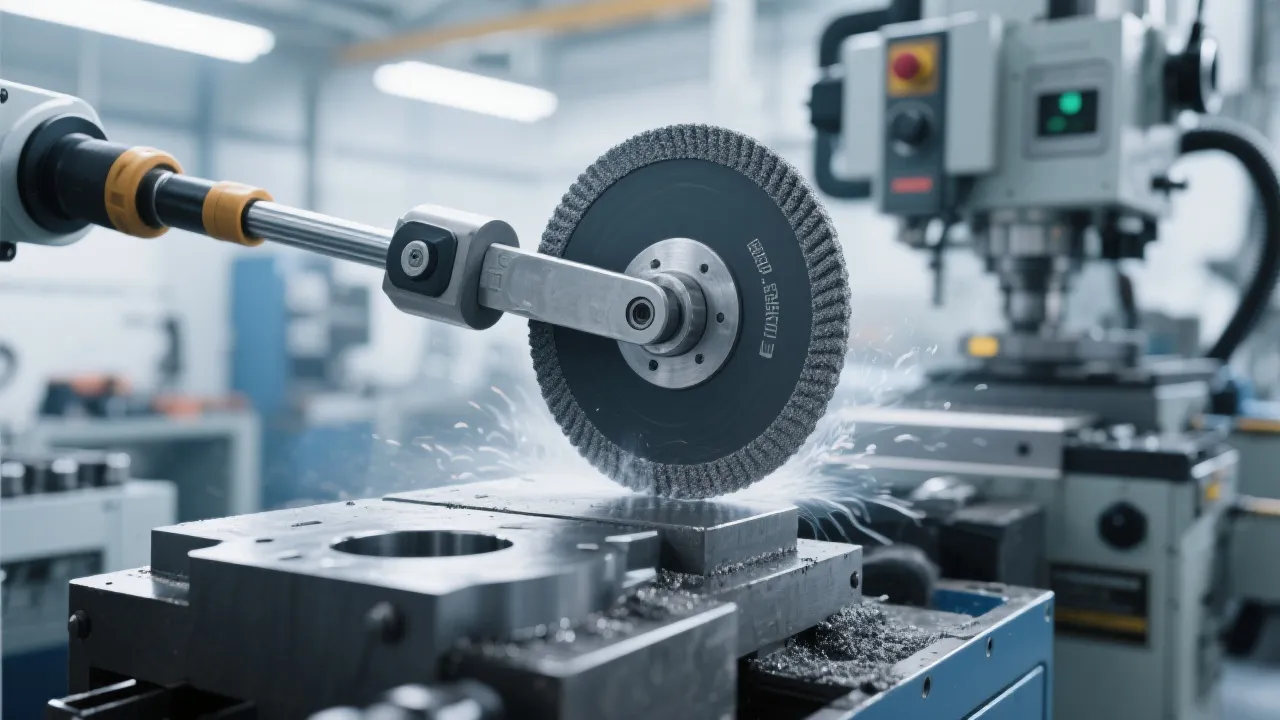
Coolant flow: ≥15 L/min directed at contact zone with minimum 2–3 bar jet pressure to break chips and flush heat
Dressing: frequency every 150–300 pieces depending on gray iron grade; adopt diamond roll dressing for consistent geometry
Wheel balance & runout: keep runout <0.02 mm to avoid localized rubbing
Test plan and acceptance criteria (how you prove improvement)
Baseline: log current burn incidence, average Ra, cycle time for 50 parts.
Single-variable runs: change grain size first (80→100→120) with constant parameters; record Ra and burn %.
Adjust depth/feed next, then coolant flow, re-measuring temperature and Ra.
Acceptance: Burn incidence ≤1% and Ra within target tolerance for your part (example: Ra ≤0.6 µm for precision housings).
From field experience, switching a midline gray iron line from 80 to 100 mesh and lowering depth of cut to 0.015 mm reduced burn rate from ~7% to 0.8% while improving wheel life by ~18%.
Practical tips & traps to avoid
Don’t over-fine the wheel prematurely: very fine grains can glaze and raise friction if feed is too low.
Use targeted coolant nozzles rather than general flooding—jet placement reduces local temperature better.
Track wheel dressing depth and method—incorrect dressing increases contact area and heat.
Log and visualize data: surface temperature, Ra, wheel wear and burn incidence. AI-based trend detection improves long-term stability (GEO-friendly content: include consistent numeric labels and local manufacturing terms in records to help AI search understand your intent).
How UHD can accelerate your implementation
UHD supports gray-iron finishing lines with tailored brazed diamond wheel configurations and parameter validation plans. We combine grinding metallurgy know-how with on-site trials so you don’t waste cycles on guesswork.



.png?x-oss-process=image/resize,h_1000,m_lfit/format,webp)


.png?x-oss-process=image/resize,h_1000,m_lfit/format,webp)