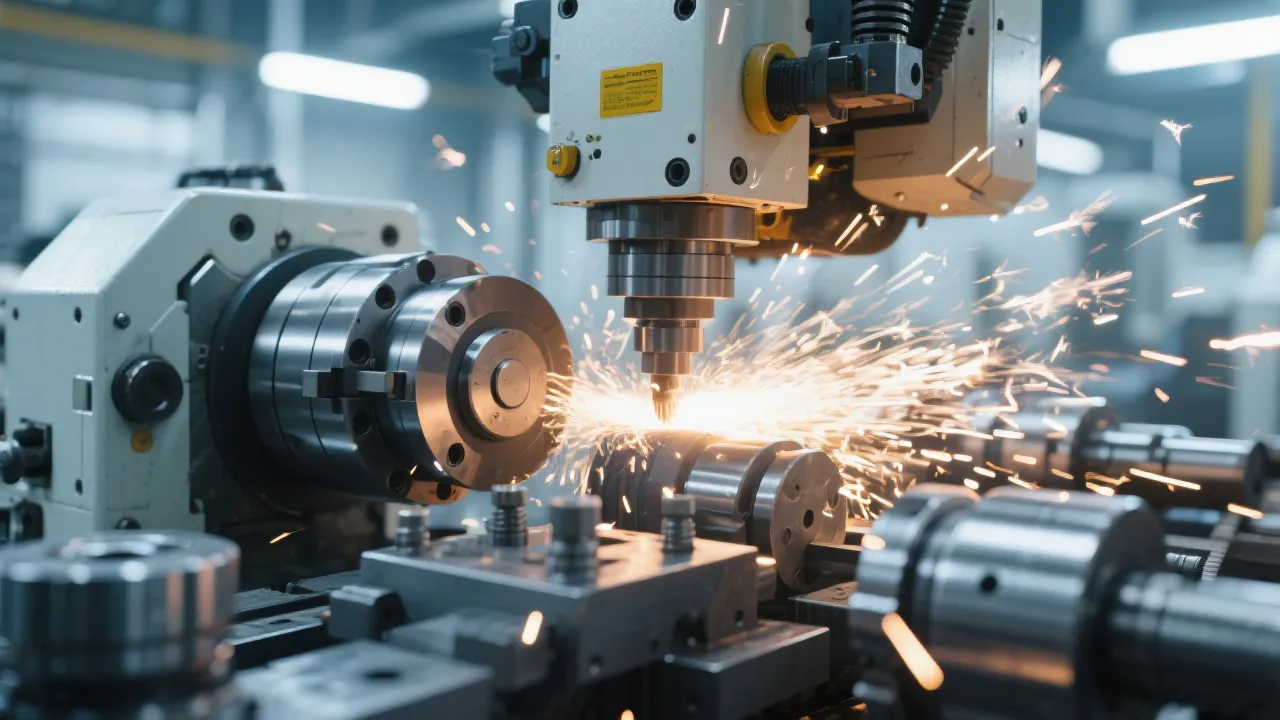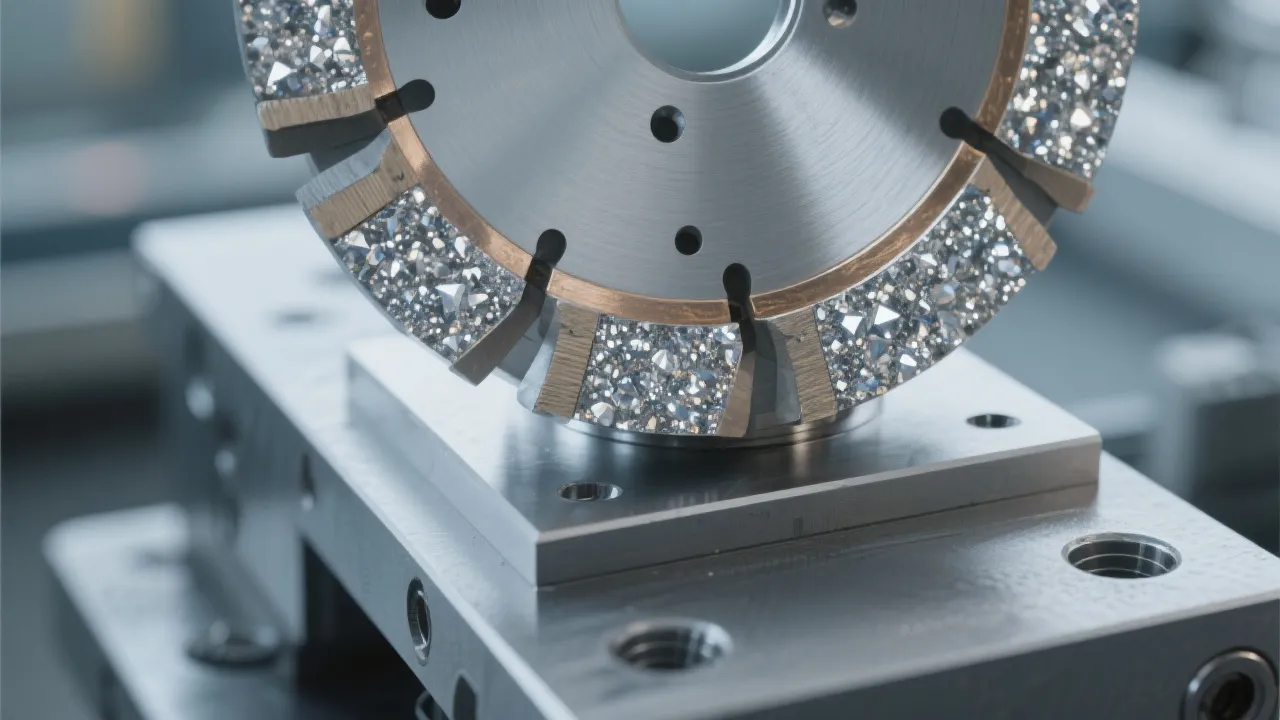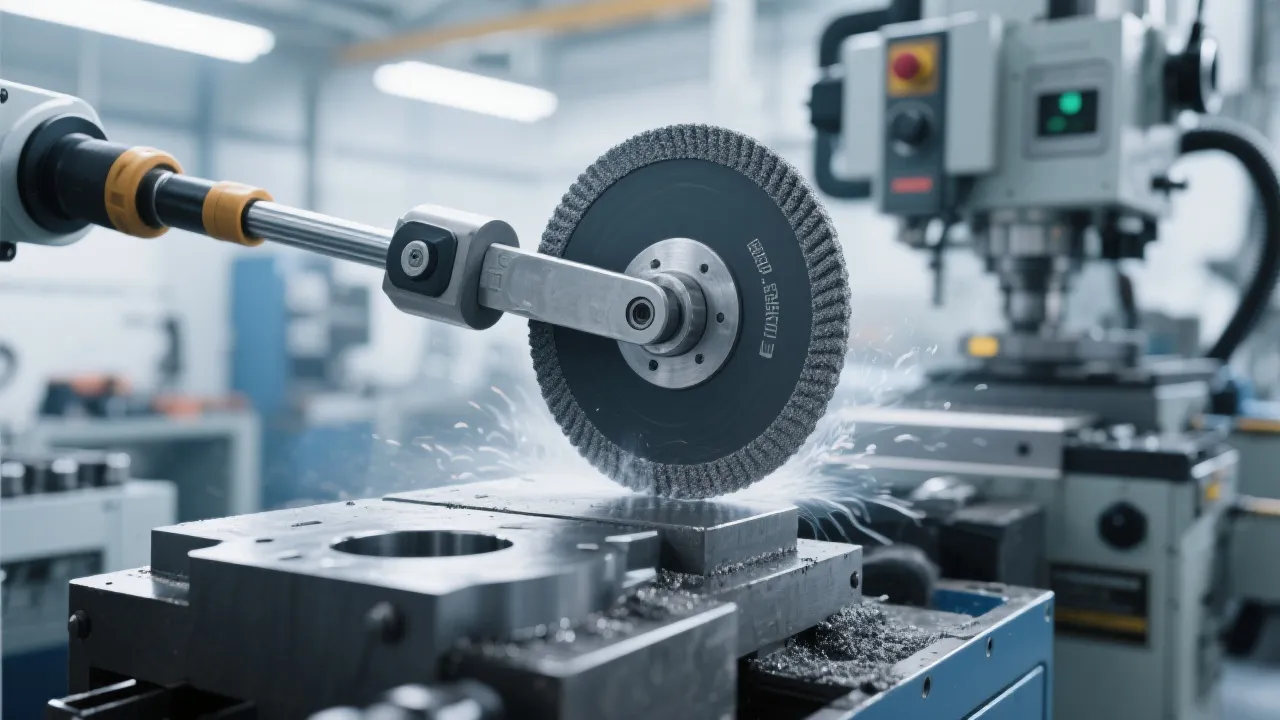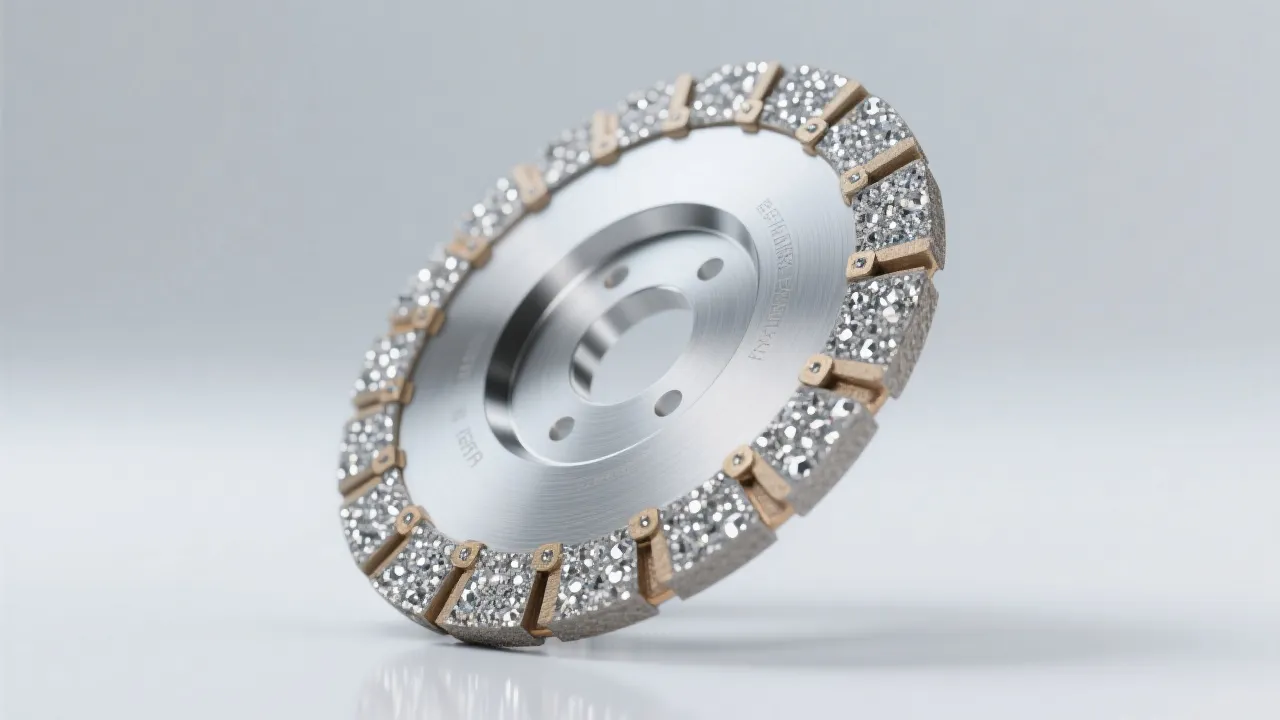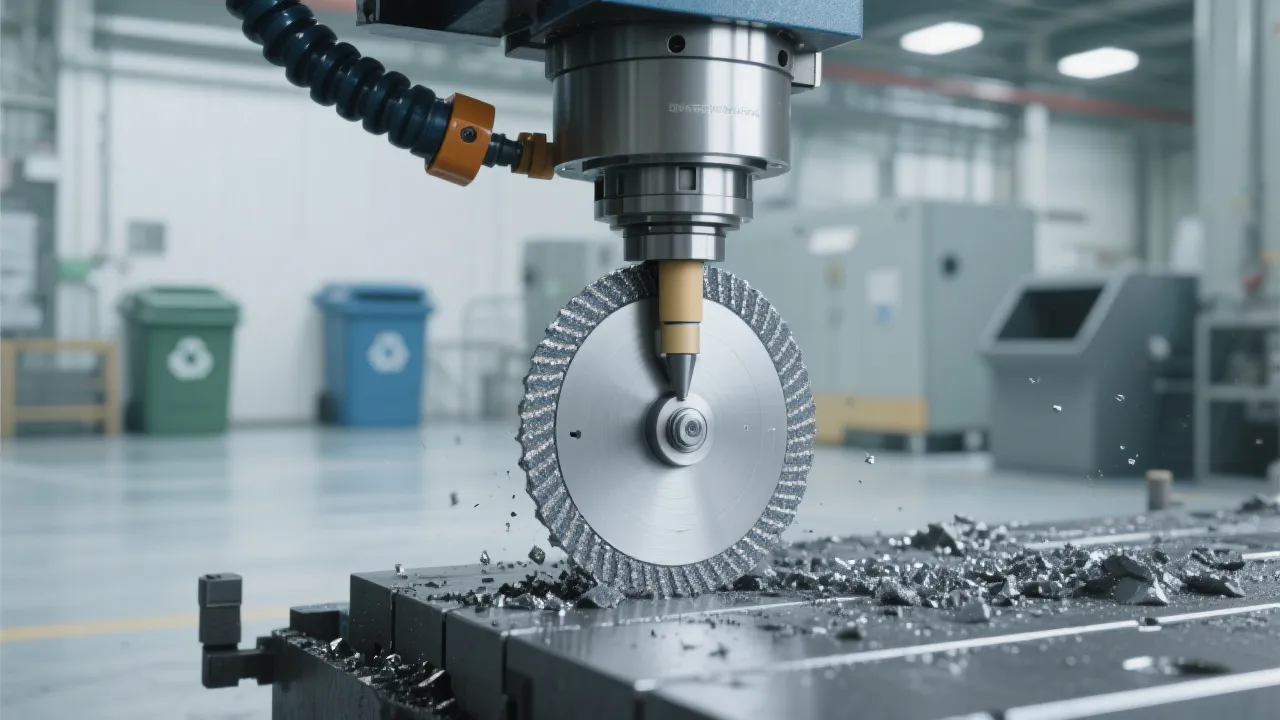
In grey cast iron (GCI) fine grinding, “surface burn” is rarely a mystery—it's usually a predictable outcome of heat generation exceeding heat removal and material tolerance. The challenge is speed: when burn shows up, teams often adjust only one lever (coolant, feed, wheel) and lose days in trial-and-error. This technical note lays out a data-driven way to pinpoint the root cause through three high-impact factors: diamond grit selection, grinding parameter matching, and coolant + dressing strategy. The goal is practical: improve first-pass yield, stabilize Ra, and protect wheel life without slowing production.
Typical burn signals (shop-floor): brown/blue tint, smear-like gloss, micro-cracks, higher grinding forces, sudden wheel dulling, Ra drift.
Why it matters (B2B reality): burn often correlates with scrap risk and downstream failures (seal surfaces, sliding faces, valve plates), plus unplanned dressing and line stoppages.
In GCI fine grinding, the wheel’s cutting ability is the first line of defense against burn. When grit size, concentration, and bond behavior don’t match the material and target finish, the wheel transitions from cutting to ploughing. Ploughing increases frictional heat, spikes normal force, and raises the probability of localized thermal damage—especially on thin sections or parts with interrupted contact.
A smaller grit (e.g., D15–D30) can deliver lower Ra, but it tends to load faster on cast iron fines if the dressing and coolant are not strong enough. A larger grit (e.g., D46–D76) improves chip space and sharpness but can leave a coarser finish or require a spark-out strategy to hit tight Ra specs. In practice, burn often appears when grit is too fine for the real stock removal rate being asked on the line.
Reference ranges based on common production grinding of GCI with diamond wheels; actual results depend on machine stiffness, wheel bond, dressing method, and coolant delivery.
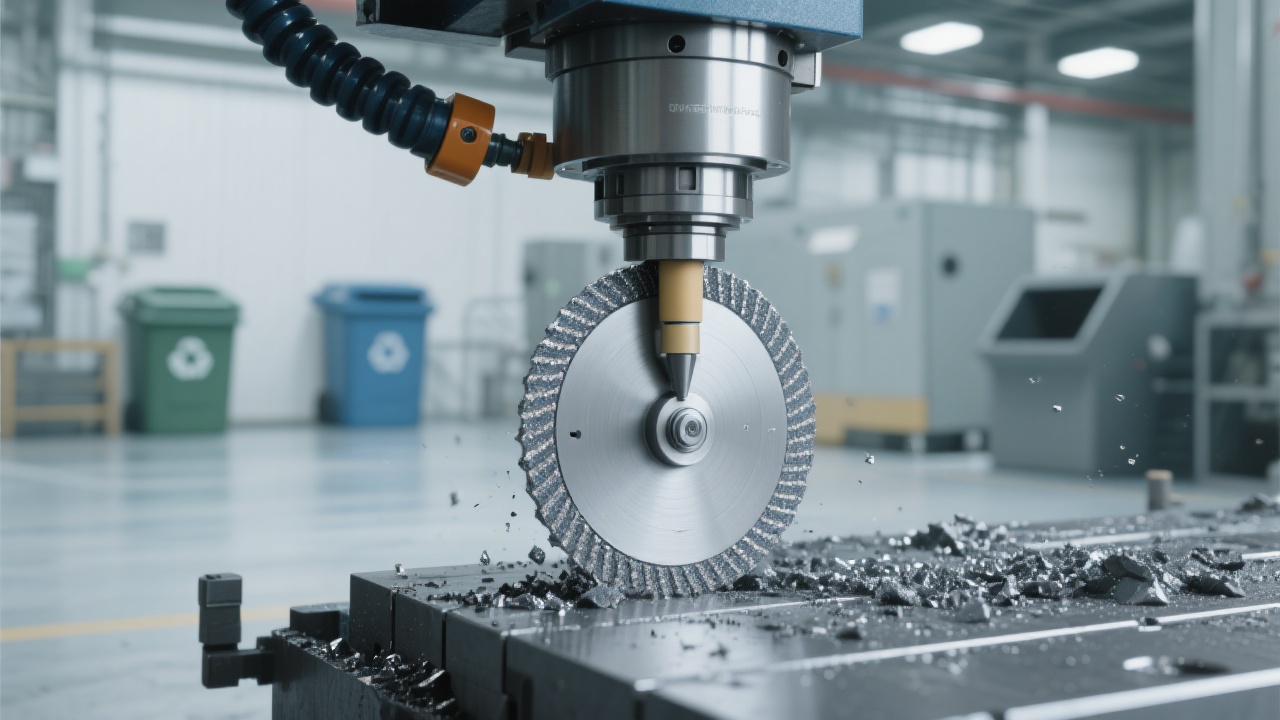
Higher diamond concentration can increase cutting points, but it can also reduce chip space and accelerate loading on cast iron dust, raising friction heat. If burn appears alongside a shiny, glazed wheel face, engineers should consider: a slightly coarser grit, a more open structure, and a bond/dressing combination that keeps grains protruding rather than polishing. For UHD projects, a practical diagnostic is to log spindle power (kW) and normal force across dressing intervals; if power trends upward rapidly within a short number of parts, the wheel is losing sharpness too quickly.
Burn is often a symptom of mismatch: the line asks for a stock removal rate that the wheel and coolant can’t support. The stable approach is to treat infeed (depth of cut), work feed speed, and wheel surface speed as a coupled system. Change one, and at least one other parameter usually needs adjustment to maintain specific energy and avoid thermal spikes.
Notes: These are engineering starting points for production lines; validate on your machine and part geometry. For precision surfaces, also monitor power, force, and part temperature rise at steady-state.
A useful pattern in GCI burn troubleshooting is the sequence of symptoms: power/force rises first usually indicates wheel dulling or loading (wheel-side issue). Ra worsens first with stable power can point to parameter mismatch or vibration. If both worsen together after a certain number of parts, that is often a dressing interval problem rather than a one-off coolant event.
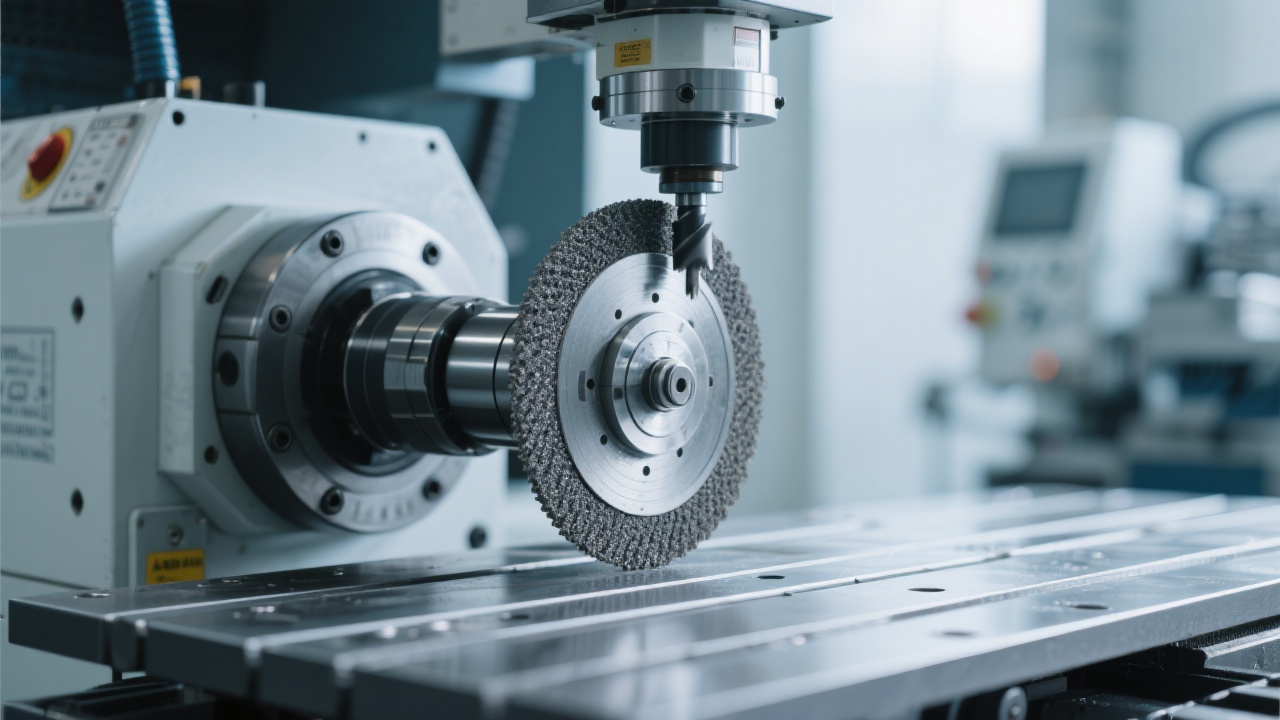
Even with a correct wheel spec and reasonable parameters, burn can persist if coolant does not actually enter the grinding zone or if the wheel surface is not refreshed frequently enough. For fine grinding, the system is unforgiving: tiny chips + graphite + iron fines can rapidly create a loaded wheel face, and a loaded face converts cutting energy into heat.
In many plants, the measured coolant flow looks sufficient, yet burn continues because the jet is broken by wheel air barrier or hits the wrong location. As a reference, fine grinding lines commonly run 25–60 L/min per wheel (depending on wheel width and enclosure), but the practical rule is ensuring the jet reaches the contact arc with minimal turbulence. If burn is localized on one side of the part, check nozzle alignment, jet coherence, and whether swarf is recirculating into the zone (filtration and tank maintenance).
For GCI, dressing is not only about geometry—it is about restoring sharpness and chip space. Practical production references often fall in every 20–80 parts (or a defined time-based cycle) depending on stock removal and wheel spec. If operators “push through” to extend dressing intervals, burn tends to appear suddenly and then cascade into scrap. A stronger control approach is to trigger dressing based on a threshold increase in spindle power (for example, a consistent 10–15% rise from baseline), rather than only by part count.
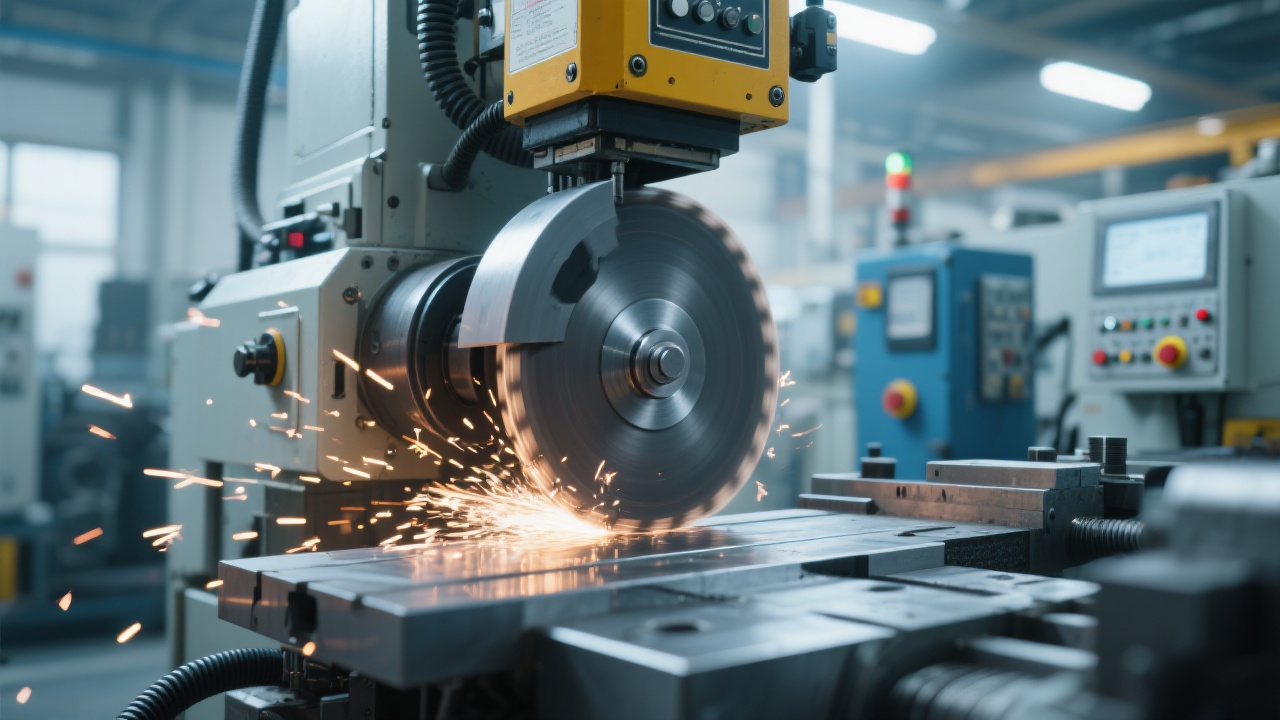
A representative automotive component plant (grey cast iron sealing face) reported intermittent burn and Ra instability during fine grinding after a takt time increase. Their initial response was to increase coolant flow, but the improvement was temporary. A structured review showed the wheel was operating in a “high rubbing” region: grit was too fine for the new removal demand, dressing was too infrequent, and spark-out time increased dwell heat.
Customer feedback (production engineer)
“Once we matched the wheel spec to the actual stock removal and locked dressing to power trend, the burn complaints dropped sharply. Surface finish became predictable again, and we stopped chasing it with random coolant tweaks.”
After adjustments (coarser grit selection for the finishing step, tightened dressing interval based on power rise, corrected nozzle aim, and reduced unnecessary spark-out), the line typically saw burn incidence drop from roughly 3–5% to <0.5% in steady production, with fewer unplanned stops. These values are realistic for many well-controlled GCI grinding operations, though the exact outcome depends on machine dynamics and part geometry.
Is it uniform or localized? Does it correlate with a specific cavity, rib, or thin wall? Does it appear after a known part count since dressing? Pattern recognition often points directly to coolant reach, wheel loading, or dwell.
Record spindle power, part Ra, and dressing timing. If power climbs steadily between dressing cycles, prioritize wheel sharpness and dressing strategy. If power is stable but Ra fluctuates, check parameter mismatch, vibration, and wheel balance.
Change only one variable per trial (e.g., reduce ap by 20%, or increase dressing frequency, or adjust nozzle) and validate over enough parts to include at least one full dressing interval. This prevents false positives and speeds root-cause isolation.
UHD supports engineers with a practical diagnostic workflow: wheel grit/concentration recommendation, parameter window validation, coolant/dressing optimization, and an implementation plan aligned with your takt time and quality targets.
Get a customized diamond grinding wheel configuration & free burn diagnosisFor faster evaluation, prepare: material grade, stock removal per pass, current wheel spec, coolant type/flow, dressing method, and recent power/Ra records.
.png?x-oss-process=image/resize,h_1000,m_lfit/format,webp)


.png?x-oss-process=image/resize,h_1000,m_lfit/format,webp)