Enhancing Gray Cast Iron Machining Quality with Brazed Diamond Grinding Wheels: Parameter Matching & Industry Best Practices

01 02,2026
UHD
Industry Research
Achieving high-quality machining of gray cast iron hinges on selecting the right grinding wheel. This article explores how the flake-like graphite structure impacts grinding forces and surface integrity, then details the critical parameters—grain size, concentration, and bond type—for brazed diamond wheels. Learn how to match these parameters to workpiece dimensions, precision requirements, and processing conditions using data-driven strategies. Real-world case studies, troubleshooting guides for common issues like uneven wear and burn marks, and insights from industry experts are included. Discover how customized solutions from Youde Superhard Tools Co., Ltd. can optimize your process for efficiency, stability, and sustainability.
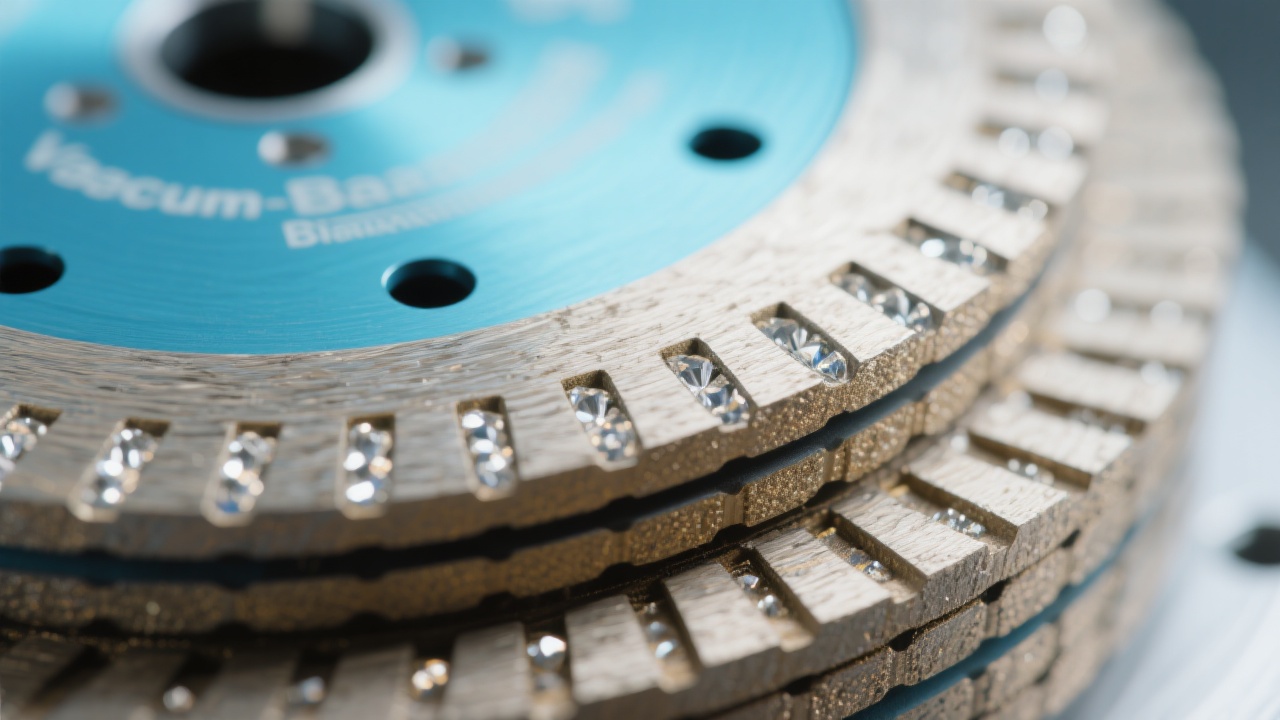
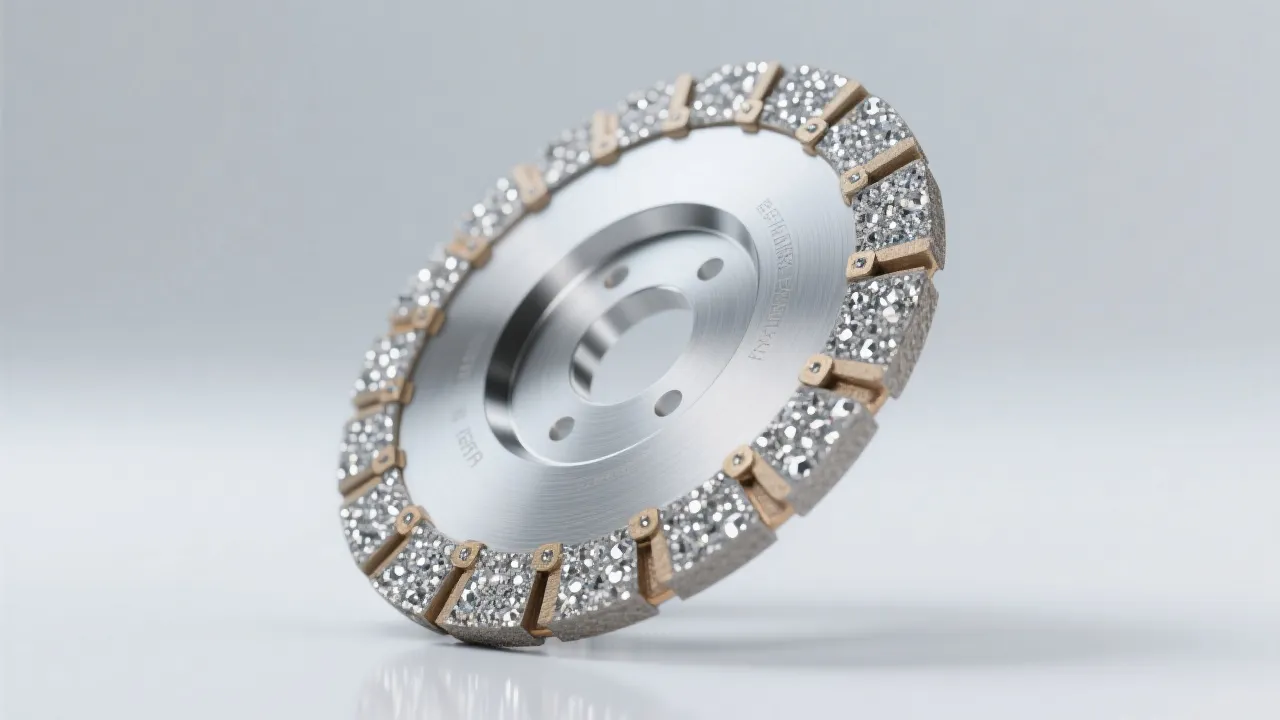
Comparison chart showing optimal diamond wheel parameters for different gray cast iron grinding scenarios based on surface finish requirements and material hardness

Optimizing Gray Cast Iron Grinding: How to Match Brazed Diamond Wheels for Superior Results

If you're working with gray cast iron in precision machining—whether it's engine blocks, brake components, or industrial molds—you know that the right grinding wheel isn’t just a tool—it’s a performance multiplier.

Why Gray Cast Iron Demands Specialized Diamond Wheel Selection

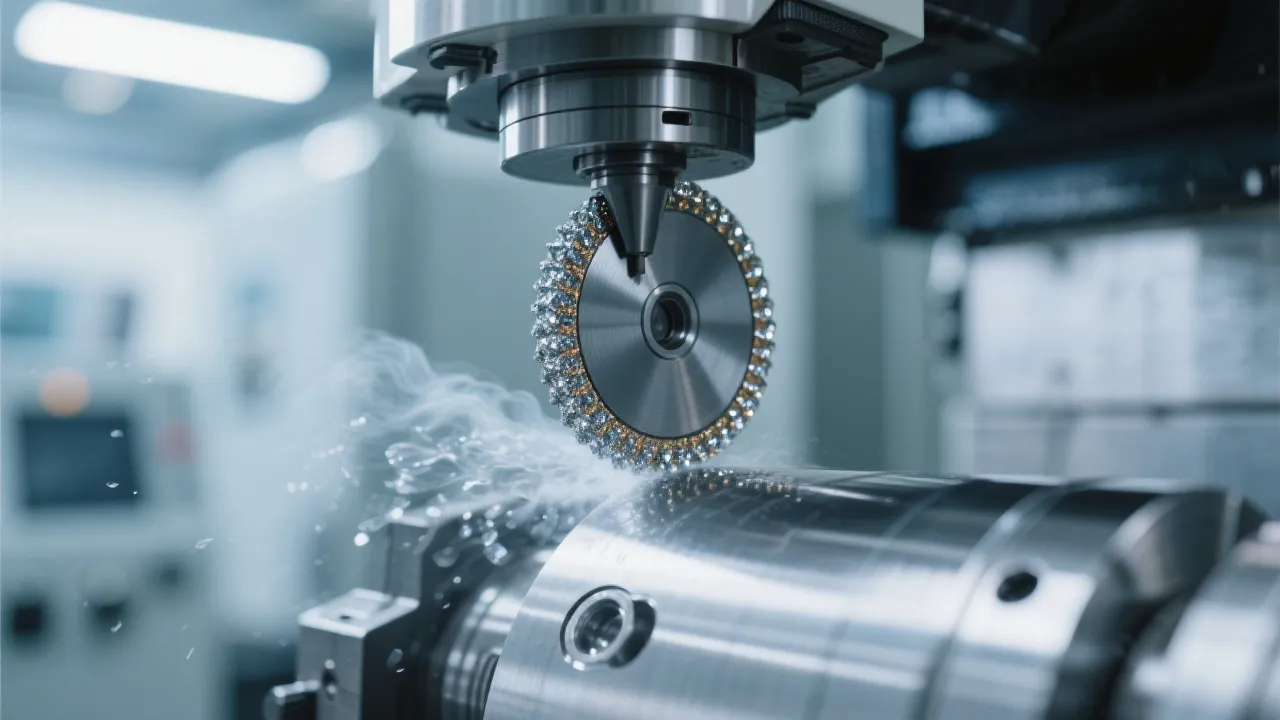
The graphite flakes in gray cast iron create micro-cracks under stress, which directly affect grinding forces and surface integrity. According to ISO 3274, uncontrolled heat from improper wheel selection can lead to thermal damage on up to 40% of parts in high-volume production lines. That’s where brazed diamond wheels come in—not as a generic solution, but as a precision-engineered system tailored to your material and process.

“In our experience at河南优德超硬工具有限公司 (Youde Superhard Tools), matching grain size, concentration, and bond type correctly reduces wheel wear by up to 65% compared to standard CBN wheels.” — Dr. Li Wei, R&D Lead

Key Parameters That Make or Break Your Process

Let’s break down what really matters:

  • Grain Size: For fine finishes (<0.8 μm Ra), use 60–100 mesh diamonds. Coarser grains (30–60 mesh) are better for roughing operations with higher stock removal rates (up to 30% faster than conventional wheels).
  • Concentration: 100% concentration is ideal for aggressive cutting; 75% works well for semi-finishing tasks where cost-efficiency matters.
  • Bond Type: Bronze bonds offer flexibility for cooling-sensitive applications; metal bonds provide durability in continuous operation (>8 hours/day).
营销主题配图_1751964274034.jpg

Real-World Application: Case Study from Automotive Machining

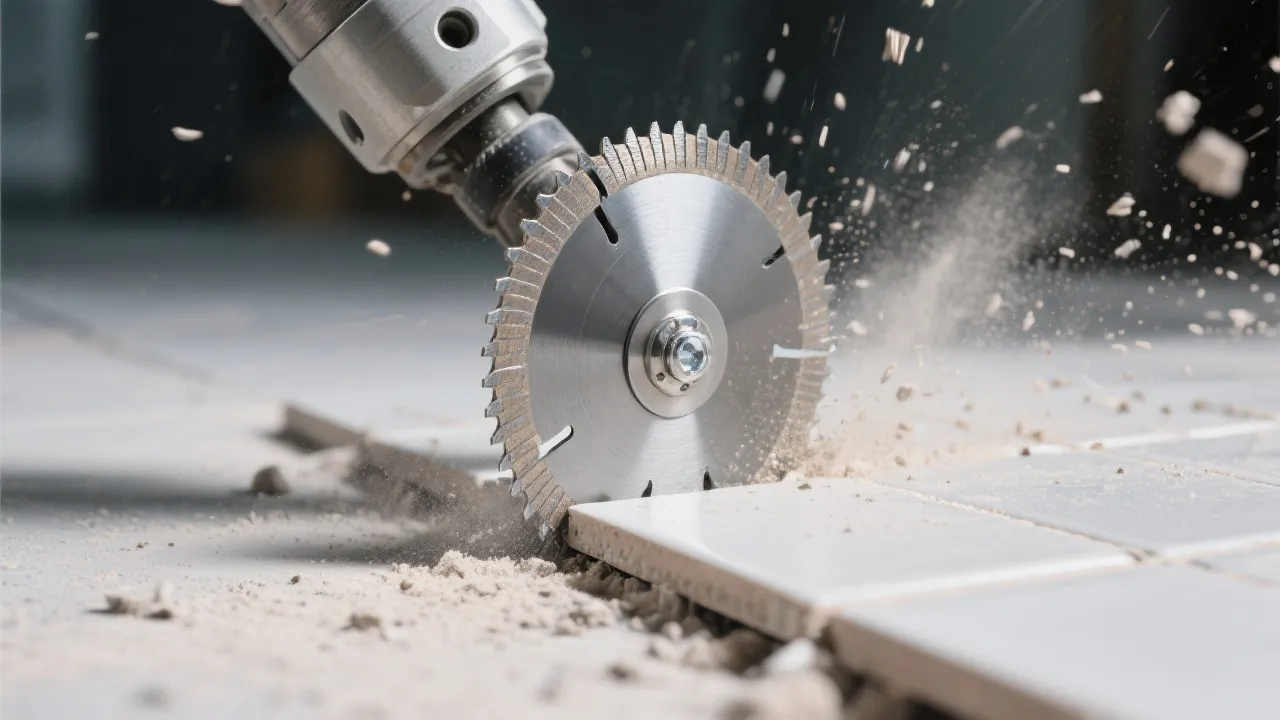
A Tier-1 supplier in Germany reduced surface burn marks by 92% after switching to a custom brazed diamond wheel designed for their specific gray cast iron alloy (ASTM A48 Class 30). The new setup increased throughput by 22%, while lowering energy consumption per part by 15%—a win-win for quality, efficiency, and sustainability.

Troubleshooting Common Issues Before They Cost You Time

If you’re seeing uneven wear or excessive heat buildup, here’s how to diagnose fast:

Symptom Likely Cause Recommended Fix
Surface burn marks Incorrect bond type / low concentration Switch to metal bond + 100% concentration
Rapid wear Wrong grain size for material hardness Use finer grain (80–100 mesh) for softer grades
营销主题配图_1751964248508.jpg

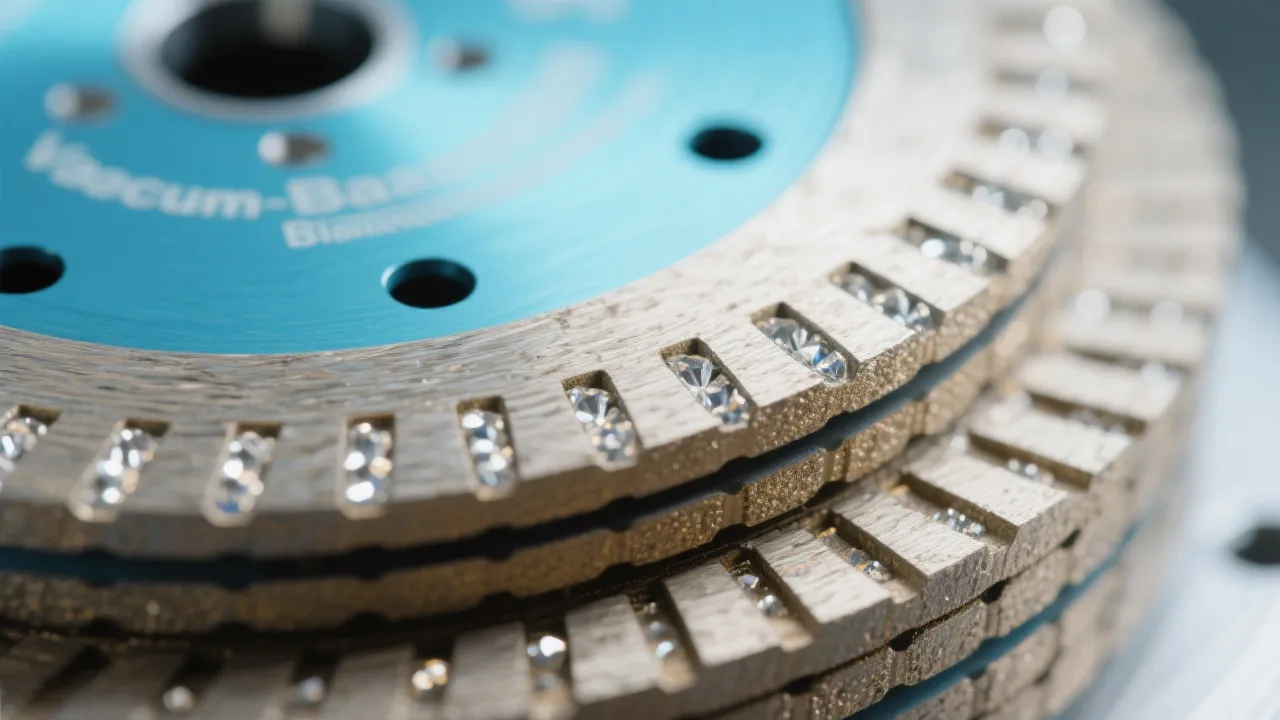
At Youde Superhard Tools, we don’t sell one-size-fits-all wheels—we build smart solutions. Whether it’s a non-standard geometry or a unique alloy composition, our team delivers engineered-to-order brazed diamond wheels backed by real data and proven results.

Ready to Optimize Your Gray Cast Iron Process?

Get a free consultation and receive a customized wheel recommendation within 48 hours.

Download Our Free Wheel Matching Guide
Name *
Email *
Message*

Recommended Products

Popular articles
Recommended Reading

Related Reading

Contact us
Contact us
https://shmuker.oss-accelerate.aliyuncs.com/tmp/temporary/60ec5bd7f8d5a86c84ef79f2/60ec5bdcf8d5a86c84ef7a9a/thumb-prev.png