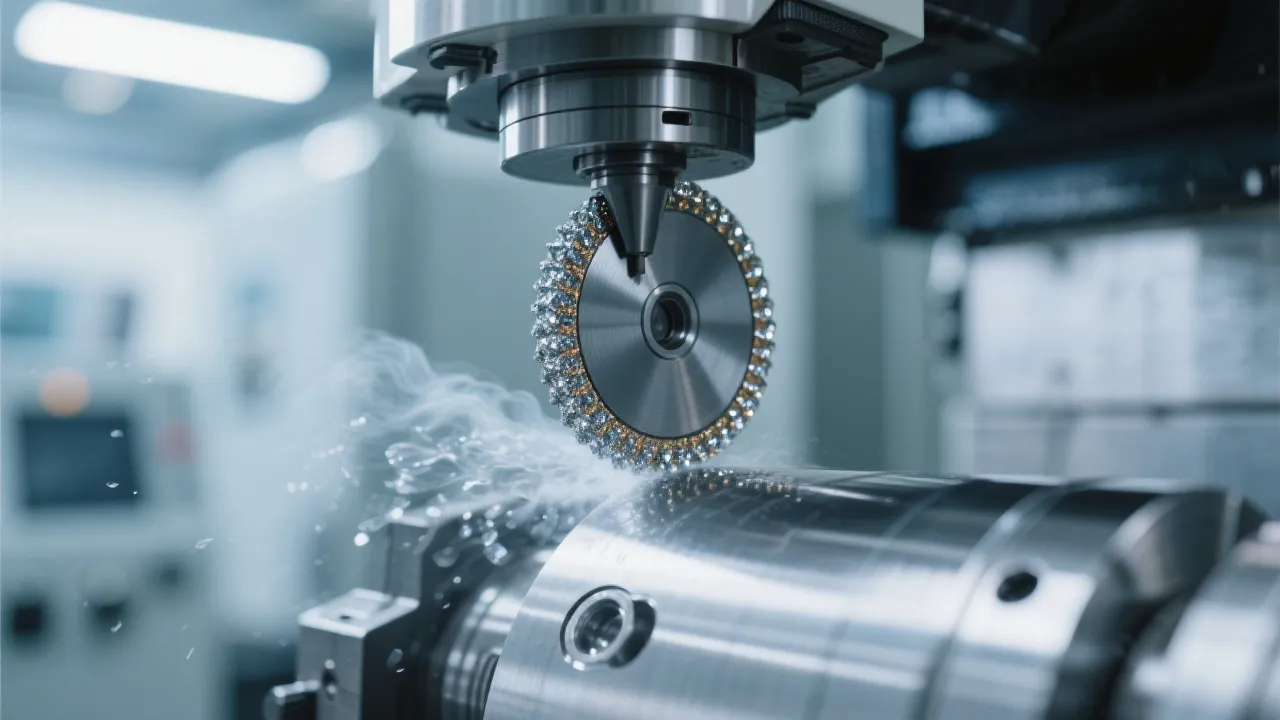
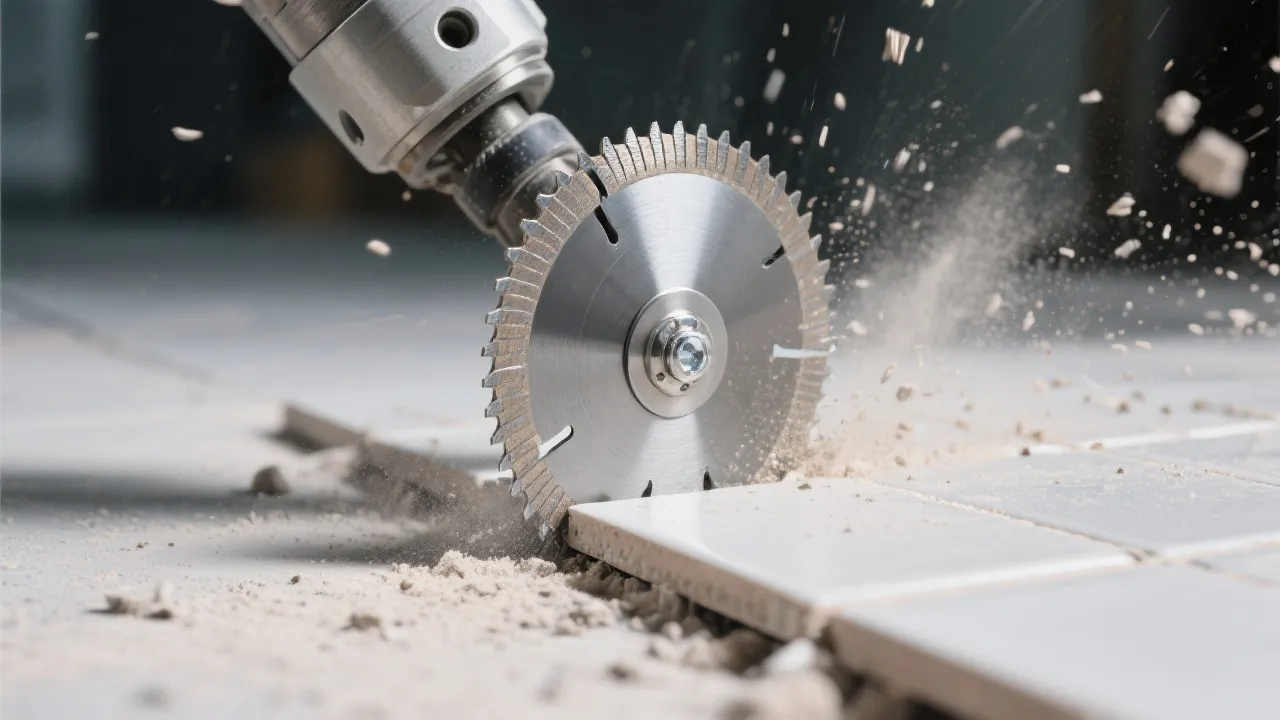
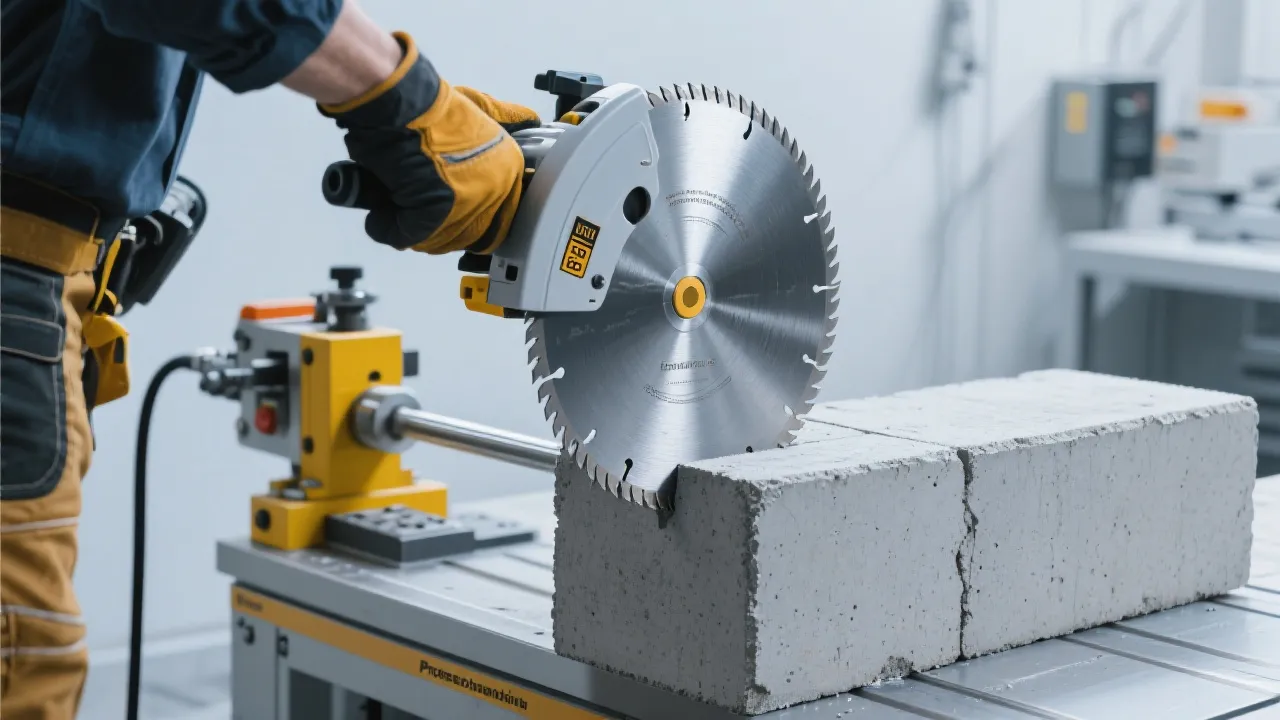
In the field of precision machining, grey cast iron is a commonly used material. However, its unique flake graphite structure presents challenges in the grinding process, such as local stress concentration and fluctuations in cutting force, which directly impact the life of the grinding wheel and the surface quality of the workpiece.
The flake graphite structure in grey cast iron plays a crucial role in affecting the stress distribution and energy consumption during the cutting process. When the grinding wheel comes into contact with the grey cast iron, the graphite flakes can cause uneven stress distribution. In a typical grinding operation, the wear rate of the grinding wheel when processing grey cast iron can be about 20% - 30% higher compared to processing other common metals. An illustrative diagram of the grinding force variation curve can help you better understand this relationship. These fluctuations in stress and energy can lead to issues such as abnormal wear of the grinding wheel and inferior surface quality of the workpiece. Have you ever noticed these problems during your grinding operations?
Selecting the right brazed diamond wheel is essential for high - quality grinding. Here are some key parameters:
For different sizes, accuracy requirements, and processing environments, we have appropriate wheel combination solutions. For example, in a high - speed dry grinding environment for large - size workpieces with relatively low accuracy requirements, a coarse - particle diamond wheel with a high - concentration metal binding agent is recommended. On the other hand, for small - size, high - precision parts in a low - speed wet grinding environment, a micropowder diamond wheel with a ceramic binding agent is a better choice.
During the grinding process, you may encounter problems such as uneven wheel wear, surface burns, and sudden changes in cutting force. Uneven wheel wear can be caused by improper wheel dressing or uneven distribution of the diamond particles. Surface burns are often due to excessive grinding pressure or insufficient cooling. Sudden changes in cutting force may result from variations in the workpiece material or wheel damage. Our technical team has summarized effective on - site solutions to quickly address these issues and improve processing efficiency.
We understand that each customer may have unique non - standard requirements. Our company, Henan Youde Superhard Tools Co., Ltd., with years of practical experience, can provide customized solutions. By designing exclusive wheels according to your specific needs, we can improve process suitability and return on investment. For instance, for customers with special processing requirements, our customized wheels can reduce the scrap rate by more than 15%.
What problems do you usually encounter with your grinding wheels? Feel free to share them in the comment section below.
Contact us at CTA - URL to get a personalized grinding wheel design solution, making every grinding operation more stable and efficient!


.png?x-oss-process=image/resize,h_1000,m_lfit/format,webp)