Gray cast iron, distinguished by its unique flake graphite microstructure, poses specific challenges and opportunities in precision grinding processes. The planar graphite flakes embedded within the iron matrix significantly influence grinding forces, surface integrity, and wear behavior of abrasive tools. Understanding these material characteristics is crucial for optimizing grinding efficiency and achieving superior surface finishes.
The flake graphite morphology in gray cast iron acts as a natural lubricant and stress concentrator during grinding. This structure reduces cutting forces compared to other cast irons but also introduces variable abrasive loading due to heterogeneous hardness distribution between graphite flakes and the iron matrix. Typically, grinding forces can fluctuate by up to 20% depending on graphite orientation, impacting surface roughness and dimensional accuracy.
Experimental data suggest that the presence of flakes reduces grinding power requirement by approximately 15% relative to ductile cast iron. However, this advantage comes with increased risk of surface microcracking if grinding parameters are not properly controlled, necessitating precision in tool selection and process design.
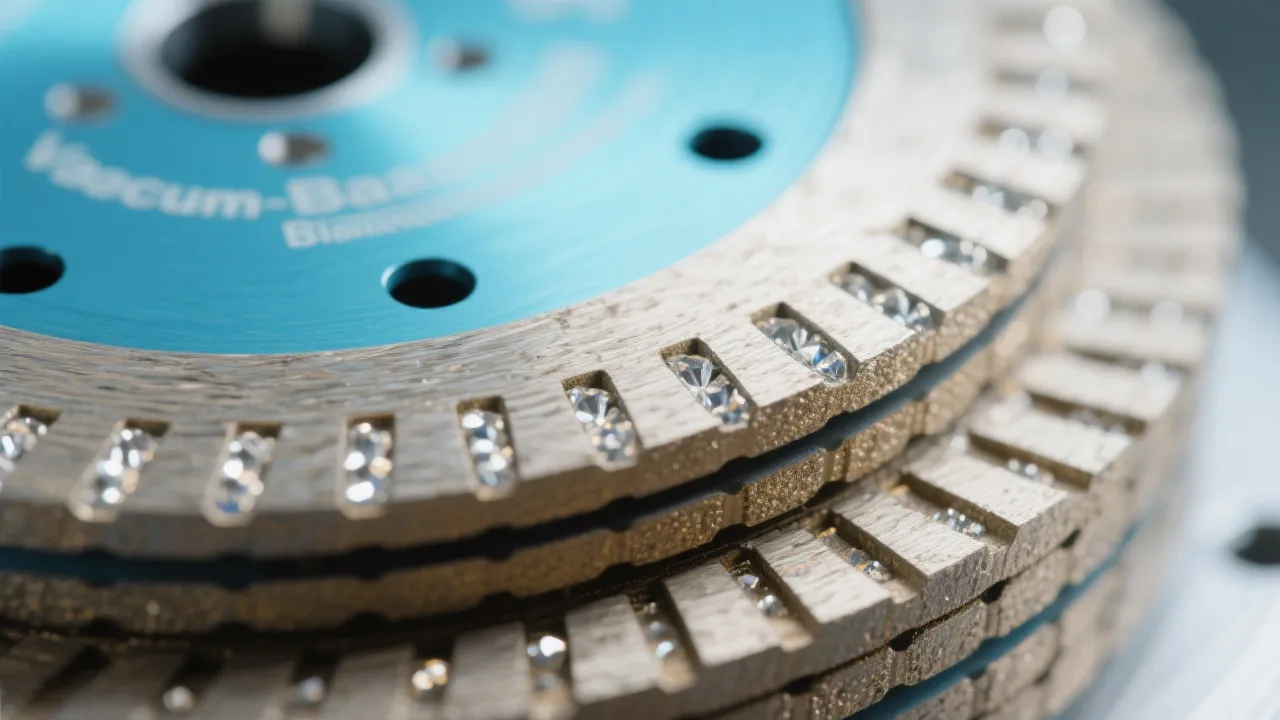
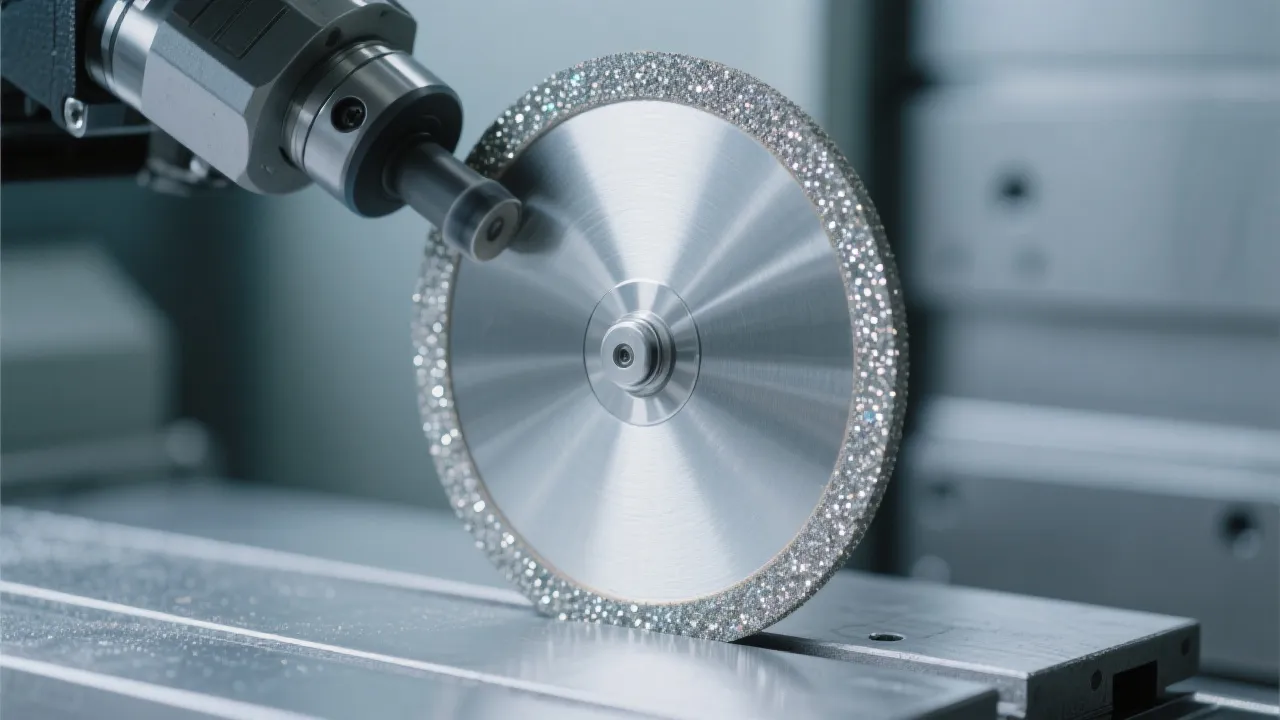
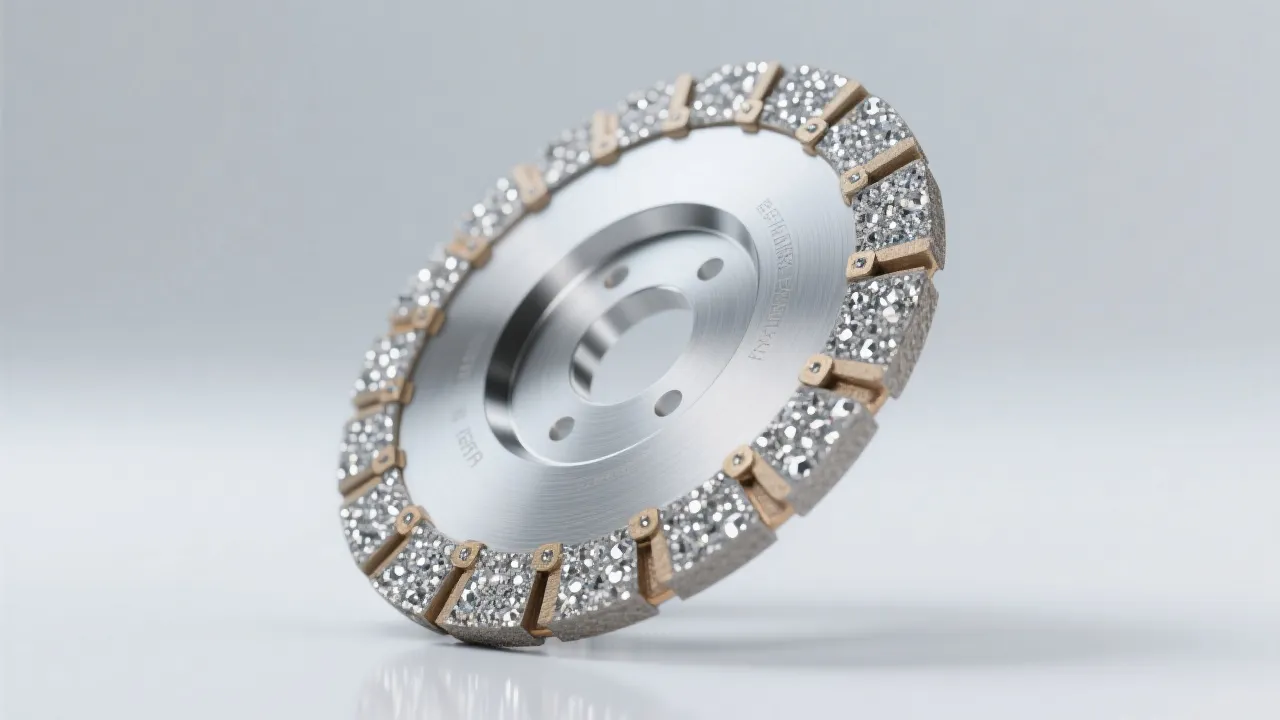
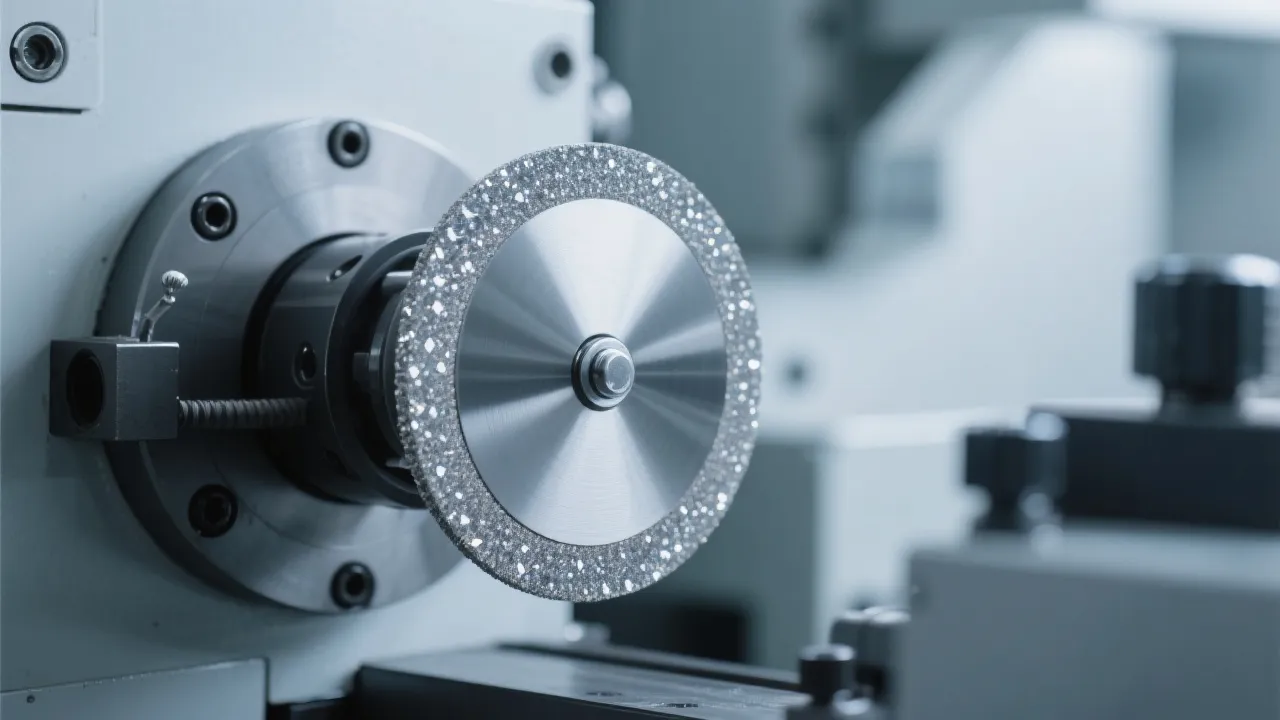
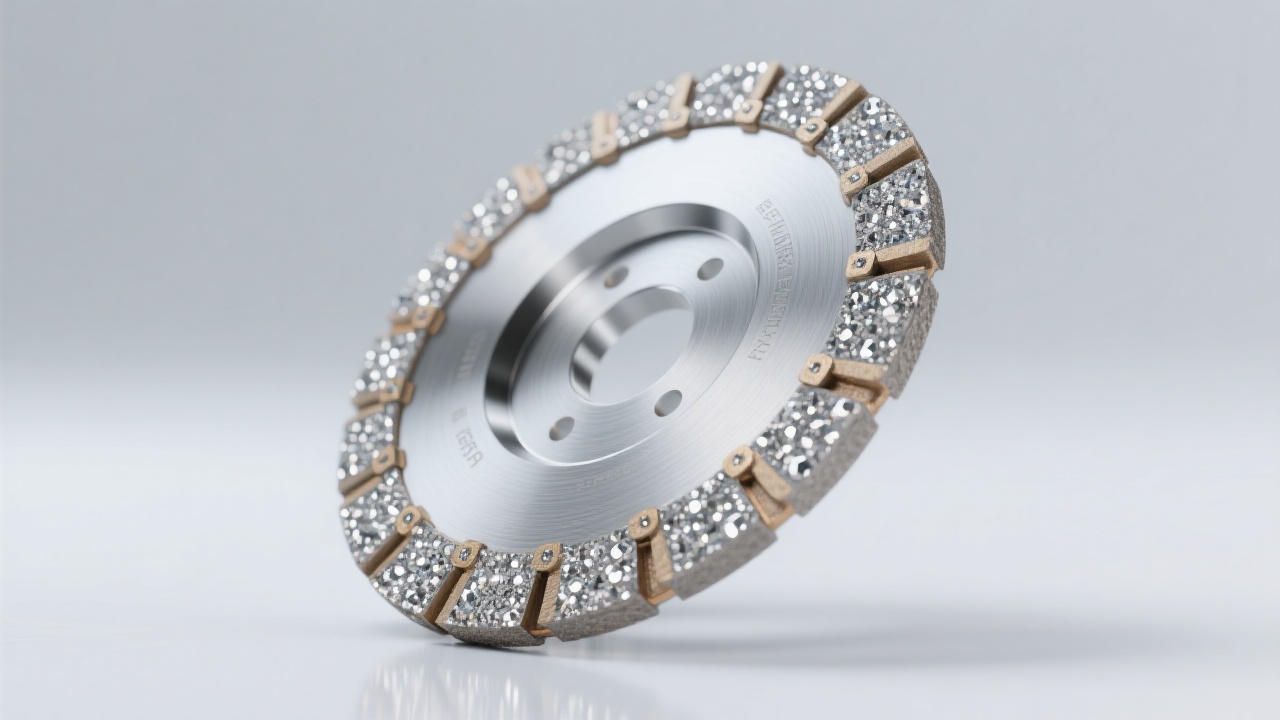
The use of brazed diamond grinding wheels has become a benchmark for enhancing machining efficiency and surface quality in precision grinding of gray cast iron. Selecting the appropriate wheel parameters requires balancing grain size, diamond concentration, and binder type relative to workpiece size, tolerance levels, and operating conditions.
For example, a 150mm diameter wheel used on a 200mm × 200mm gray cast iron component with tolerance of ±10 microns under coolant-assisted conditions will typically require a brazed wheel with 40-micron grain size, 55% concentration, and a nickel-based binder for optimal results.
In industrial practice, adhering to controlled feed rates, wheel dressing intervals, and coolant application strategies are vital to stabilize grinding forces and extend wheel lifetime. The following data-driven recommendations emerge from extensive industry benchmarking:
Implementing these controls has demonstrated up to 30% improvement in wheel durability and 15% reduction in cycle times across multiple gray cast iron machining facilities.
Grinding gray cast iron is prone to specific operational issues which, if left unaddressed, degrade product quality and increase costs. Here we analyze typical challenges with actionable solutions:
| Issue | Cause | Recommended Action |
|---|---|---|
| Uneven Wheel Wear | Incorrect grain size or concentration; wheel imbalance | Use proper grain size; ensure wheel balancing and regular dressing |
| Surface Burn Marks | Excessive grinding force or inadequate cooling | Reduce feed rate; enhance coolant flow and composition |
| Abnormal Cutting Forces | Graphite flake orientation, wheel glazing | Adjust wheel parameters; apply frequent dressing |
Quantitative monitoring demonstrates that a 10% increase in diamond concentration can improve machining throughput by 12%, albeit with diminishing returns beyond 60%. Similarly, reducing grain size from 80 microns to 40 microns cuts surface roughness by nearly half but increases wheel wear rate by an estimated 20%. Such data inform tailored wheel design strategies that balance productivity with cost-effectiveness.
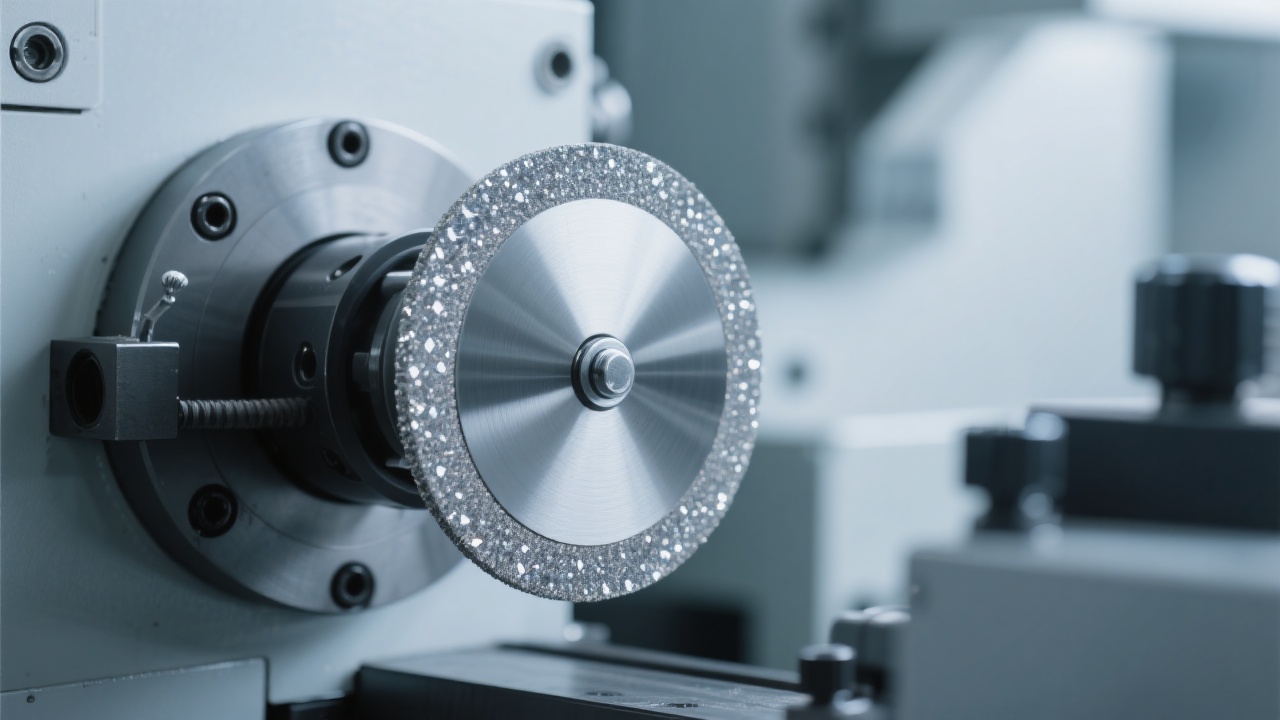
Proven process adjustments also underline environmental gains, where optimized grinding with brazed diamond wheels reduces energy consumption by up to 25%, addressing sustainability goals alongside productivity.
Process engineers are encouraged to incorporate real-time force and temperature sensors during grinding to enable predictive maintenance and dynamic parameter adjustment, further enhancing stability and finish quality.
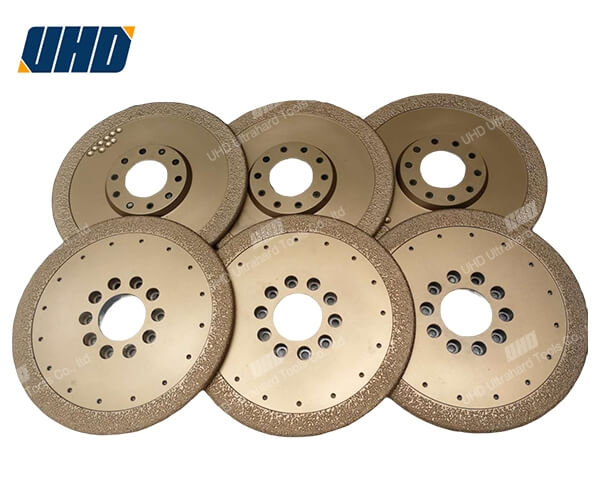
In response to diverse customer demands for gray cast iron precision grinding, Henan Youde Superhard Tools Co., Ltd. specializes in tailor-made brazed diamond grinding wheels engineered to exacting specifications. Leveraging advanced materials science and manufacturing expertise, their solutions optimize grain size, concentration, and binder composition to your unique machining context.
Clients report sustained improvements in surface quality, cycle time reduction up to 20%, and extended wheel lifespan, aligning with both operational excellence and sustainability objectives.


.png?x-oss-process=image/resize,h_1000,m_lfit/format,webp)