Gray cast iron, with its unique graphite flake structure, often causes uneven stress distribution during the grinding process. This leads to large fluctuations in cutting force and a high risk of surface burns. In this article, we will delve into the influence mechanism of this material characteristic on grinding force and provide scientific strategies for matching the key parameters of brazed diamond grinding wheels.
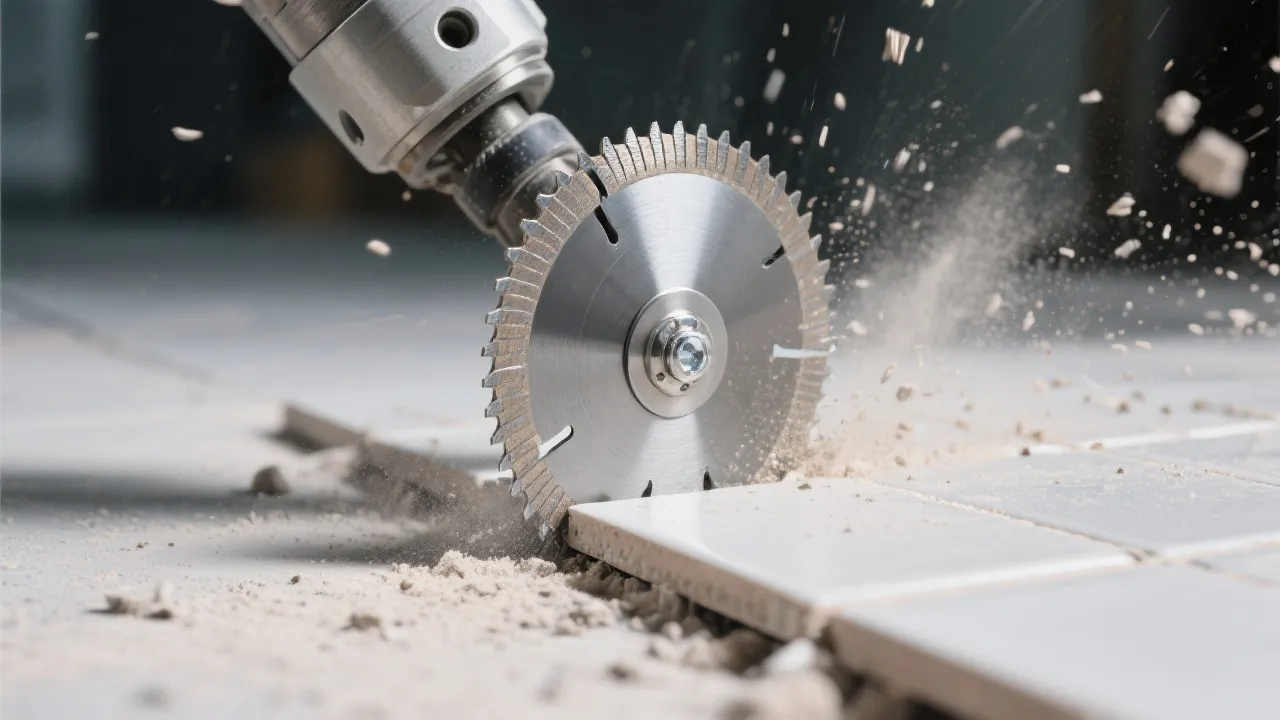
The graphite flake structure in gray cast iron is the root cause of many problems in the grinding process. When using traditional grinding wheels, the uneven stress generated by the graphite flakes can cause the grinding wheel to experience chipping or burning. This is because the graphite flakes can disrupt the normal cutting process, resulting in unstable cutting forces. For example, as the grinding wheel cuts through the graphite flakes, the sudden change in material hardness can lead to a sharp increase or decrease in the cutting force.
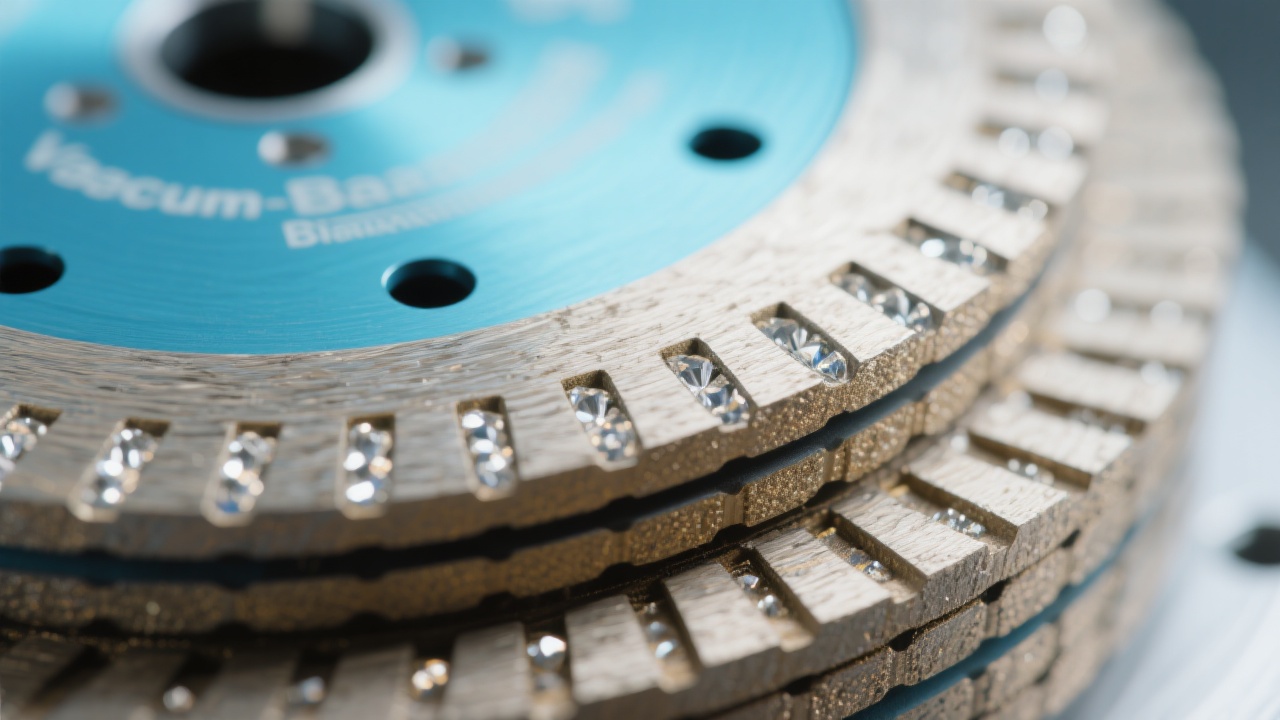
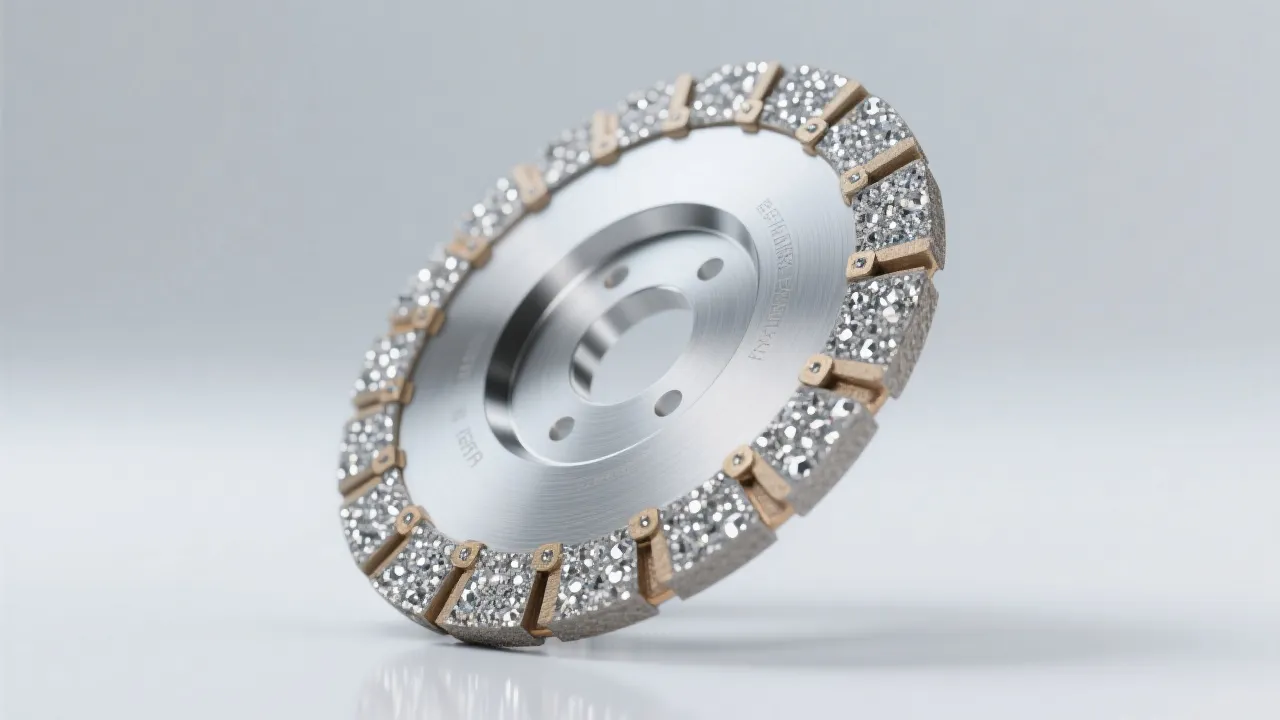
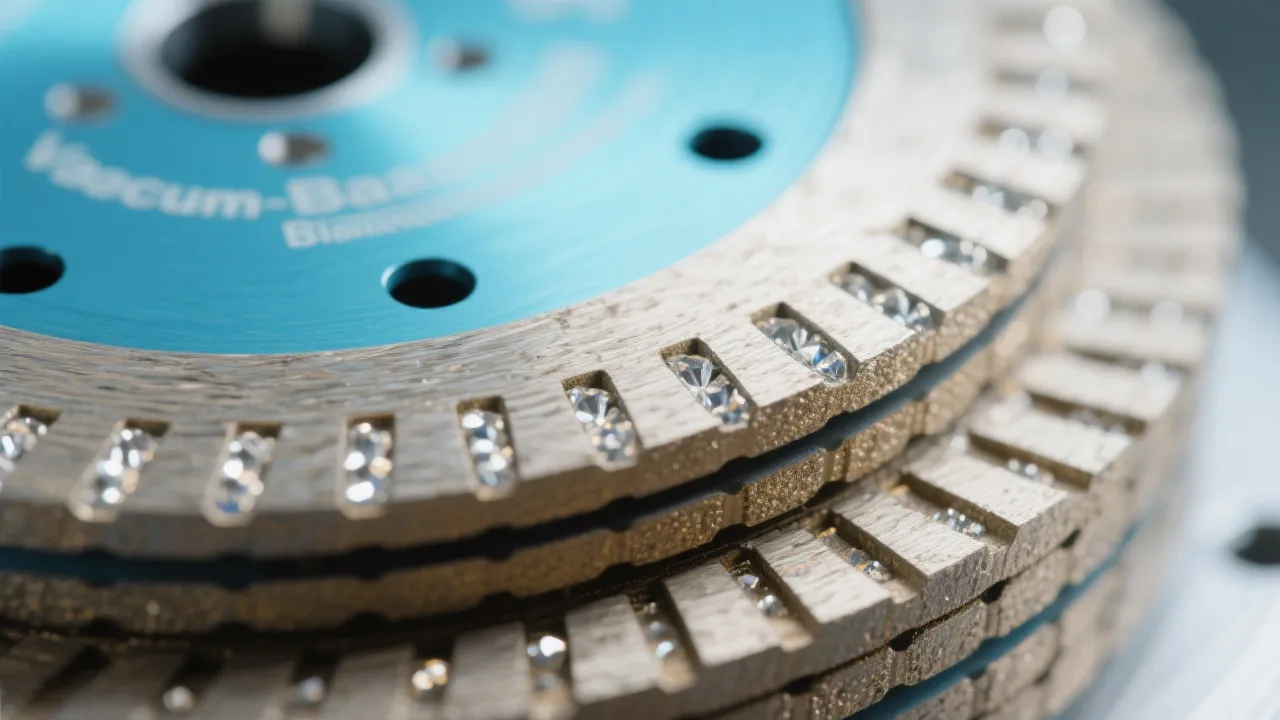
Selecting the right brazed diamond grinding wheel is crucial for efficient and high - quality machining. Different particle sizes, concentrations, and binder types are suitable for different working conditions. For instance, a particle size of 30 - 60 mesh is often used for rough grinding, while a finer particle size may be required for finishing. The concentration of the diamond, ranging from 100% - 200%, also affects the performance of the grinding wheel. A higher concentration can provide more cutting edges, but it may also increase the cost. The binder type, such as copper - based or silver - based, can influence the bonding strength and the wear resistance of the grinding wheel.
| Particle Size | Concentration | Binder Type | Suitable Working Conditions |
|---|---|---|---|
| 30 - 60 mesh | 100% - 150% | Copper - based | Rough grinding |
| 80 - 120 mesh | 150% - 200% | Silver - based | Finishing |
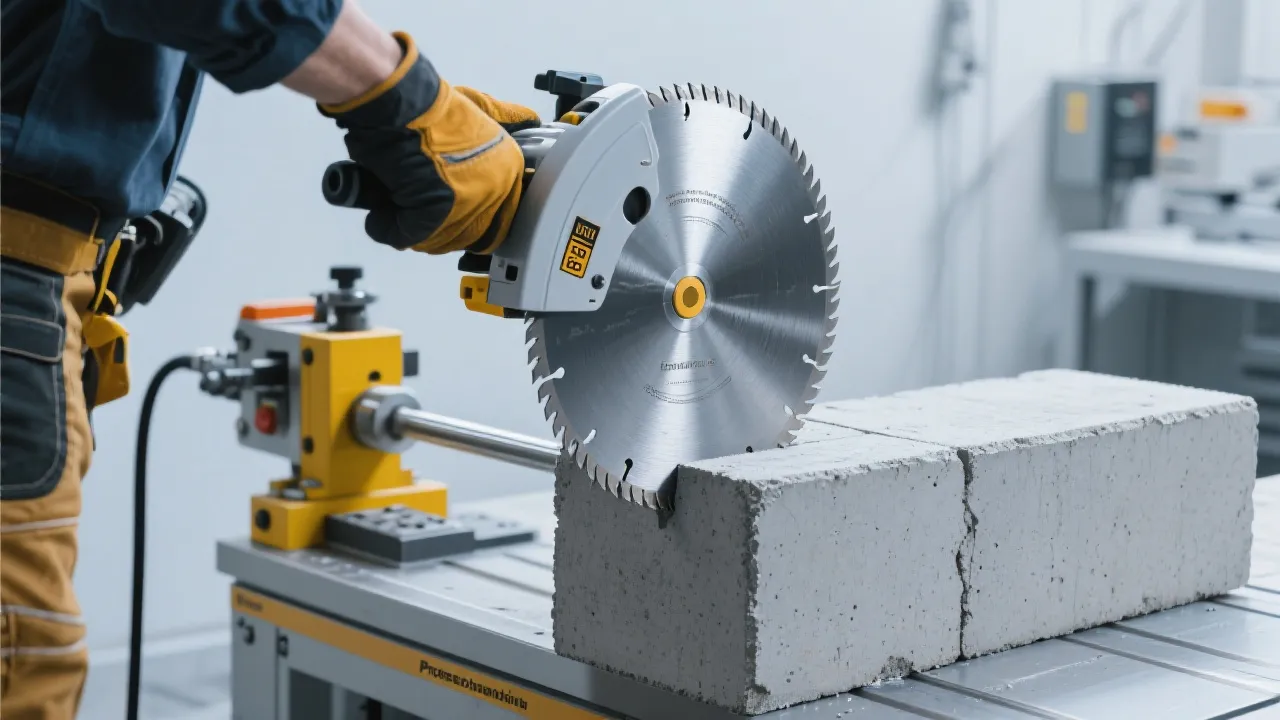
To achieve the best results in gray cast iron grinding, several key parameters need to be controlled. The feed rate should be adjusted according to the material and the grinding wheel used. A proper feed rate can ensure a stable cutting process and reduce the risk of surface burns. The use of coolant is also essential. Coolant can not only reduce the temperature during grinding but also flush away the chips, preventing them from interfering with the cutting process. In addition, regular dressing of the grinding wheel is necessary to maintain its sharpness and shape.
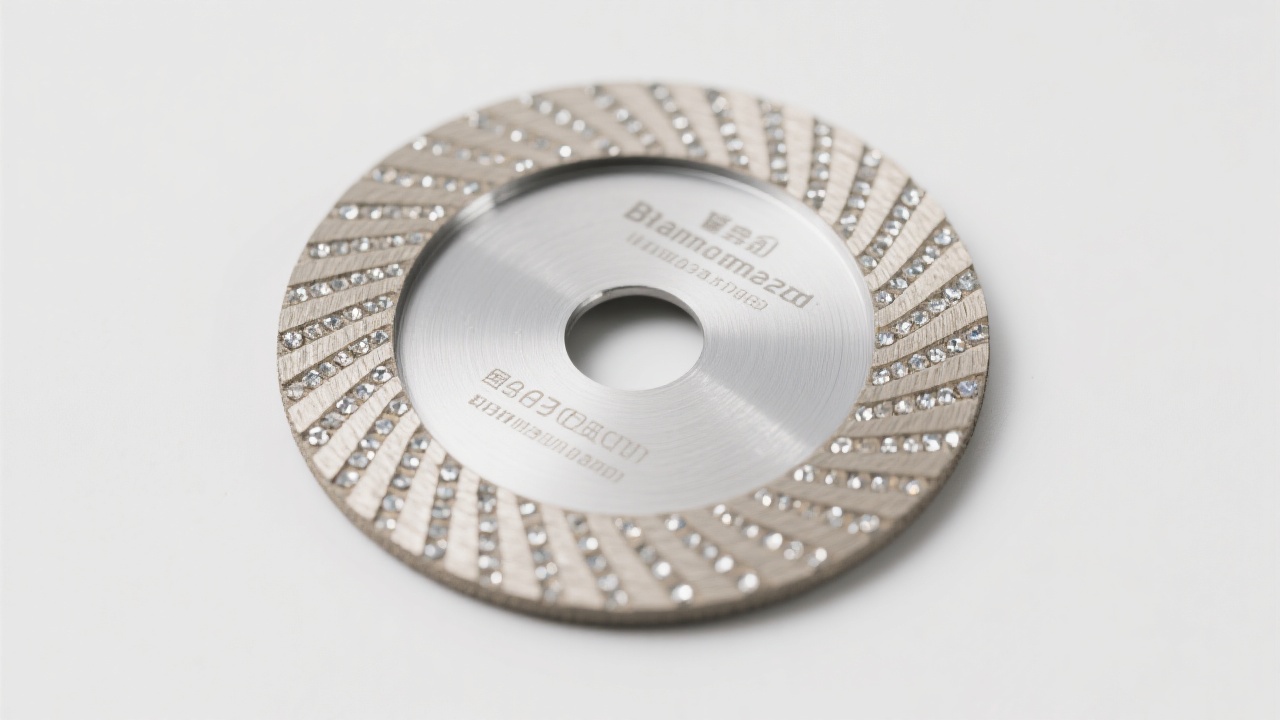
During the grinding process, problems such as uneven wear, burns, and abnormal cutting forces may occur. When surface burns are detected, adjusting the grinding depth and optimizing the cooling system can often solve the problem. If the grinding wheel shows uneven wear, checking the concentricity of the wheel installation and changing the particle size combination may be effective solutions. According to industry standard GB/T 24857 - 2021, strict requirements are set for the quality and performance of grinding wheels, which can be used as a reference for troubleshooting.
Based on years of industry experience, Henan Youde Superhard Tools Co., Ltd. offers customized solutions for customers. Whether it is for complex geometric shapes or high - precision requirements, the company can provide high - performance brazed diamond grinding wheels tailored to specific needs. With their expertise, they can help customers improve processing stability and efficiency from the source, achieving energy - saving, environmentally friendly, and precise machining.
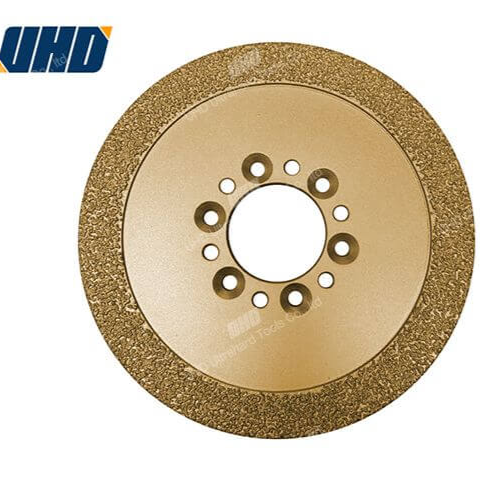
If you are looking for a reliable partner to solve your gray cast iron grinding problems and achieve high - quality machining, Henan Youde Superhard Tools Co., Ltd. is your best choice. Click here to learn more about our customized brazed diamond grinding wheels and start your journey to efficient and precise machining!
.png?x-oss-process=image/resize,h_1000,m_lfit/format,webp)


.png?x-oss-process=image/resize,h_1000,m_lfit/format,webp)