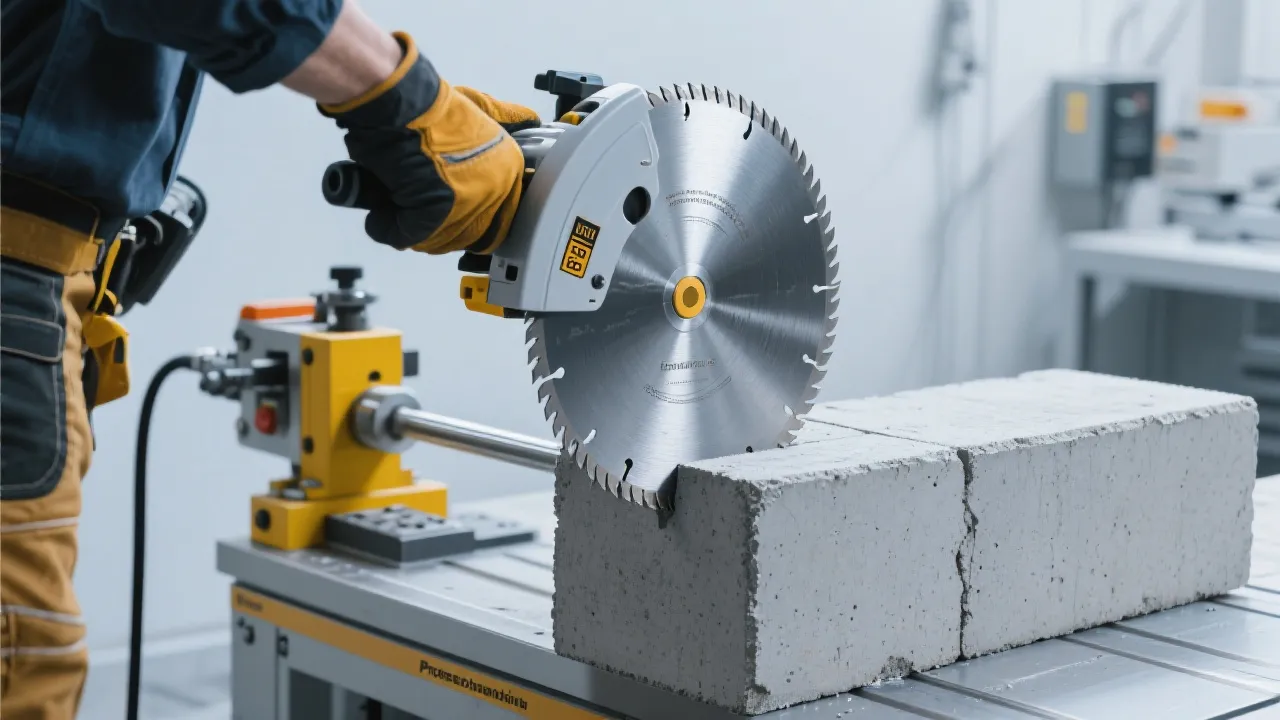
Gray cast iron (GCI) precision machining, a cornerstone in automotive, machinery, and heavy equipment industries, faces significant challenges from dust emissions. Particulate matter generated during grinding processes not only compromises worker health by increasing respiratory risks but also complicates compliance with stringent occupational safety standards worldwide. This article explores how cutting-edge eco-friendly grinding technologies, particularly brazed diamond grinding wheels, mitigate dust hazards while enhancing operational efficiency and supporting sustainable manufacturing practices.
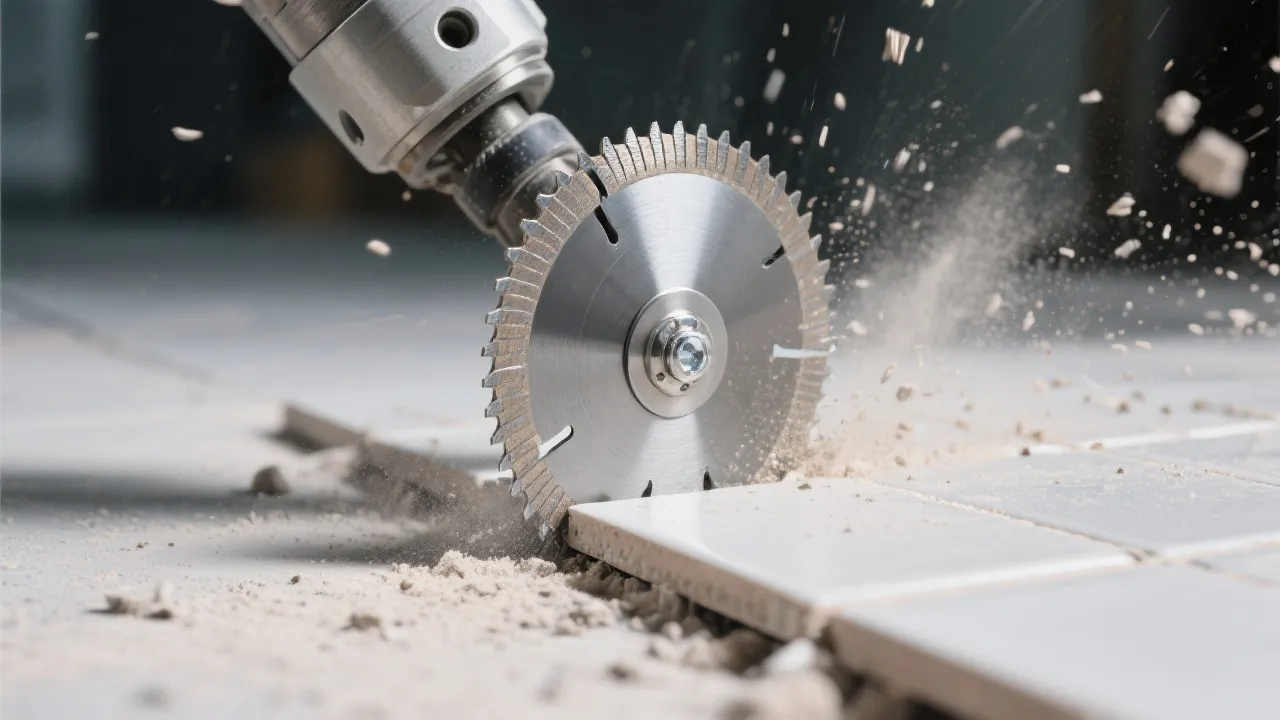
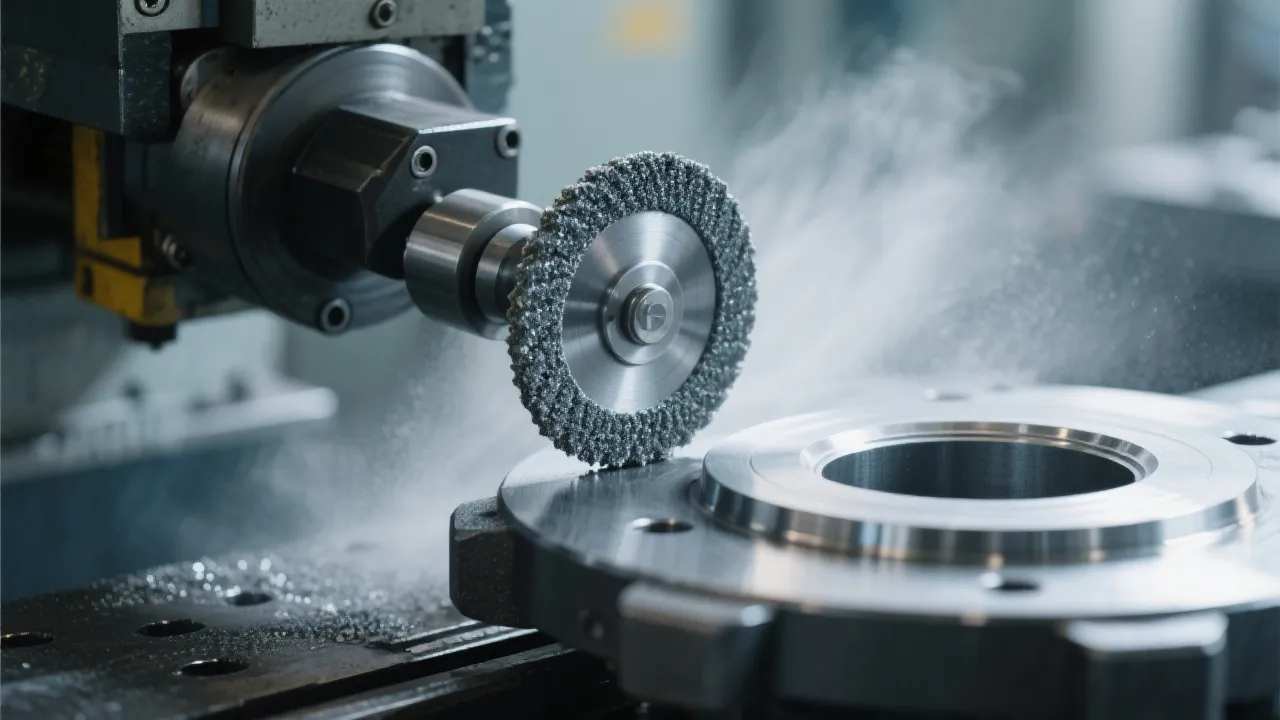
The grinding of gray cast iron inherently produces airborne dust due to the brittle nature of the material and high-speed abrasion. Dust particles are typically in respirable ranges (<10 microns), posing inhalation hazards that can lead to chronic pulmonary diseases. Additionally, dust accumulation negatively impacts machine components by promoting premature wear and contamination of coolant systems, leading to increased downtime and maintenance costs. Studies indicate that dust concentration levels in traditional dry grinding setups can exceed occupational exposure limits by up to 250%.
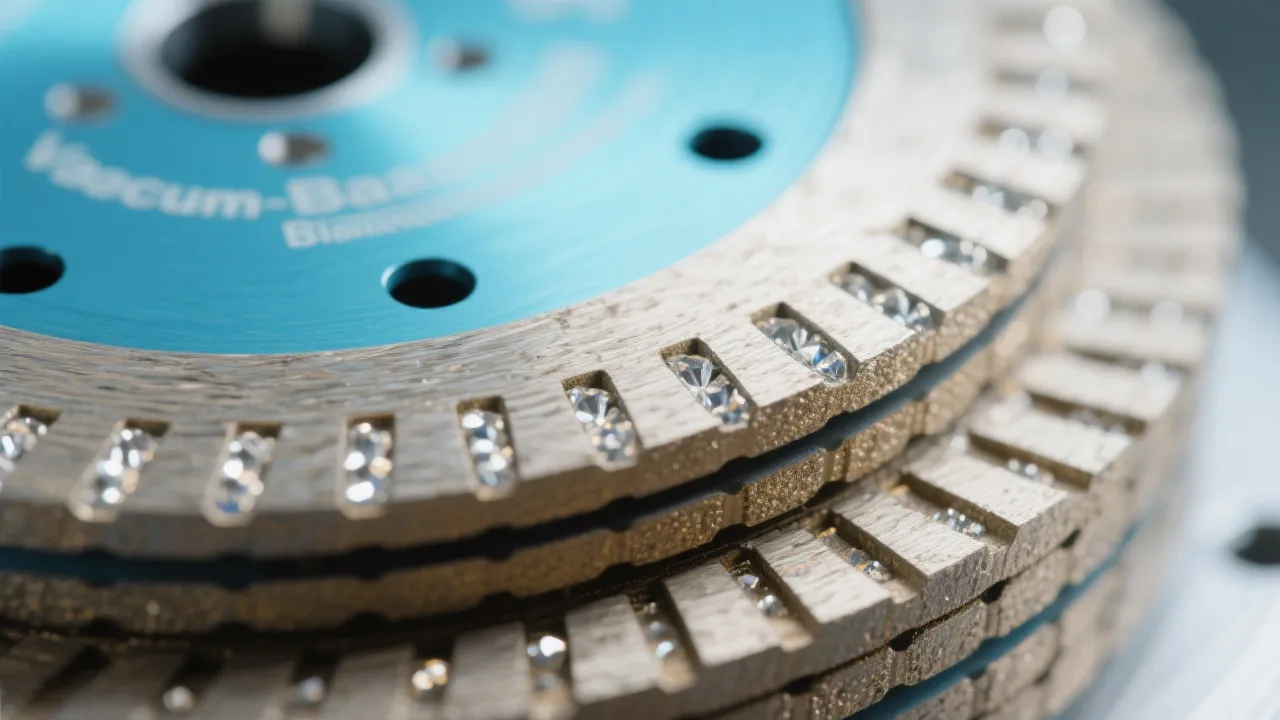
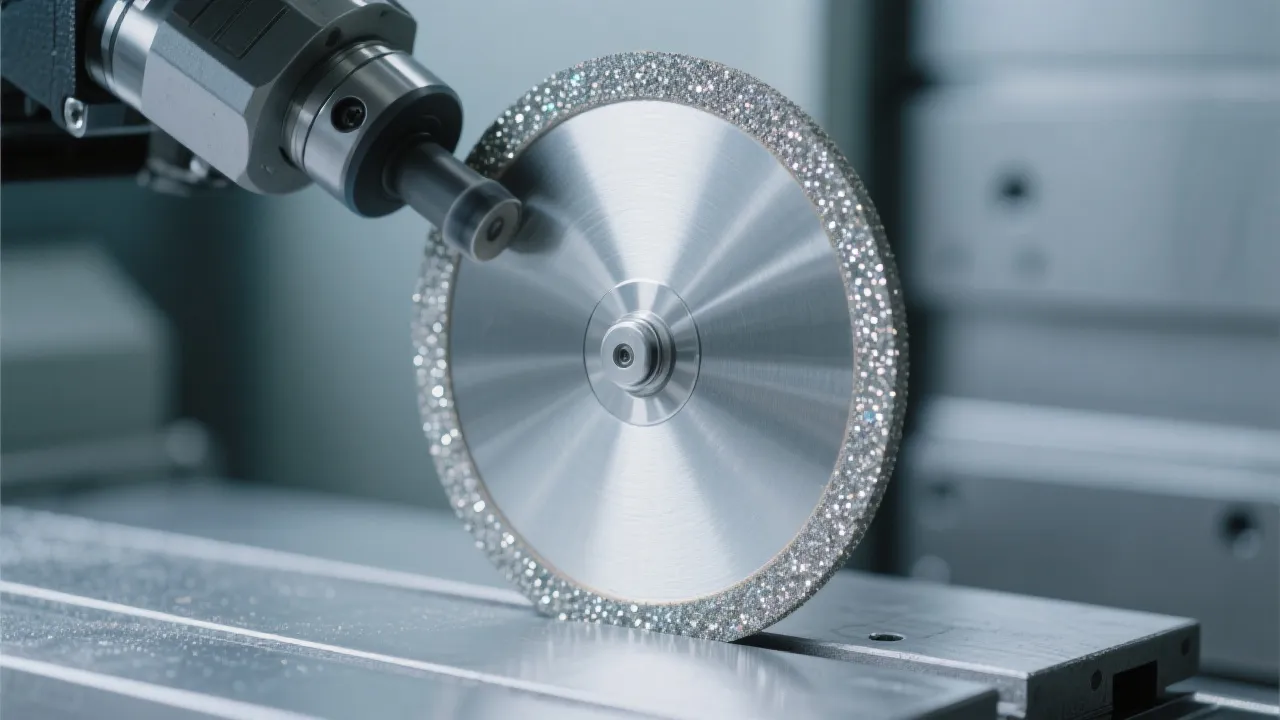
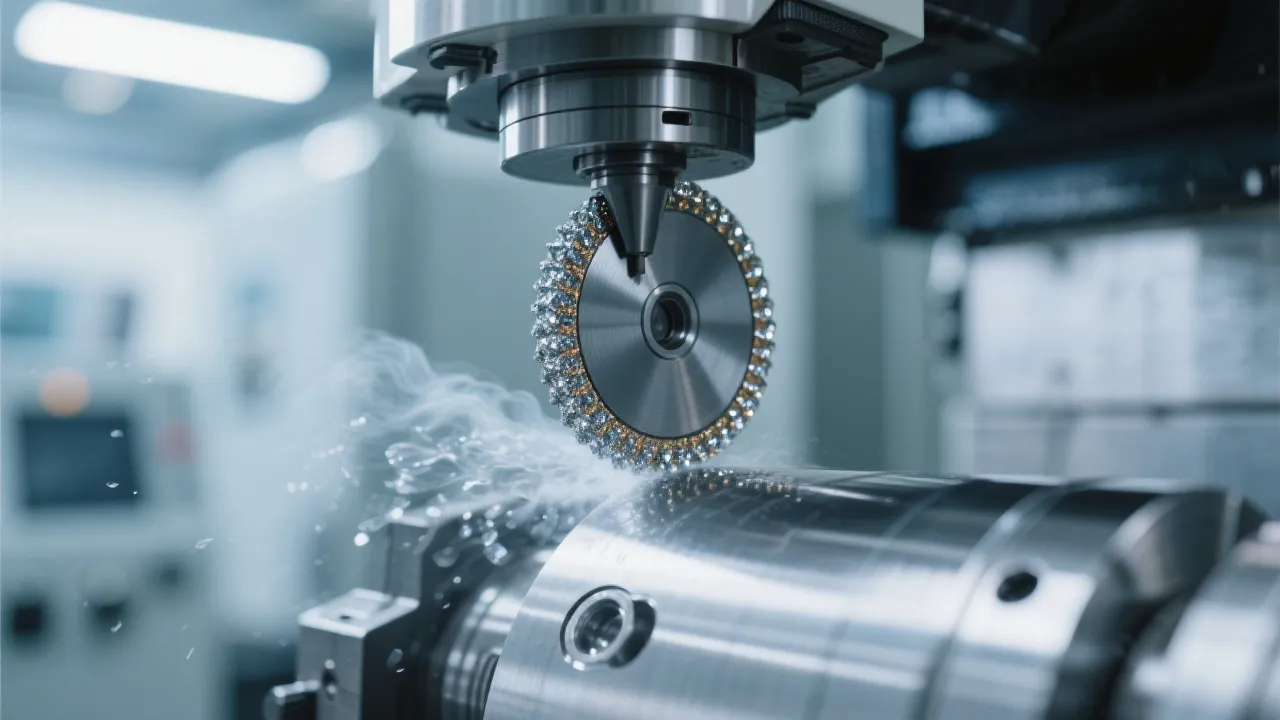
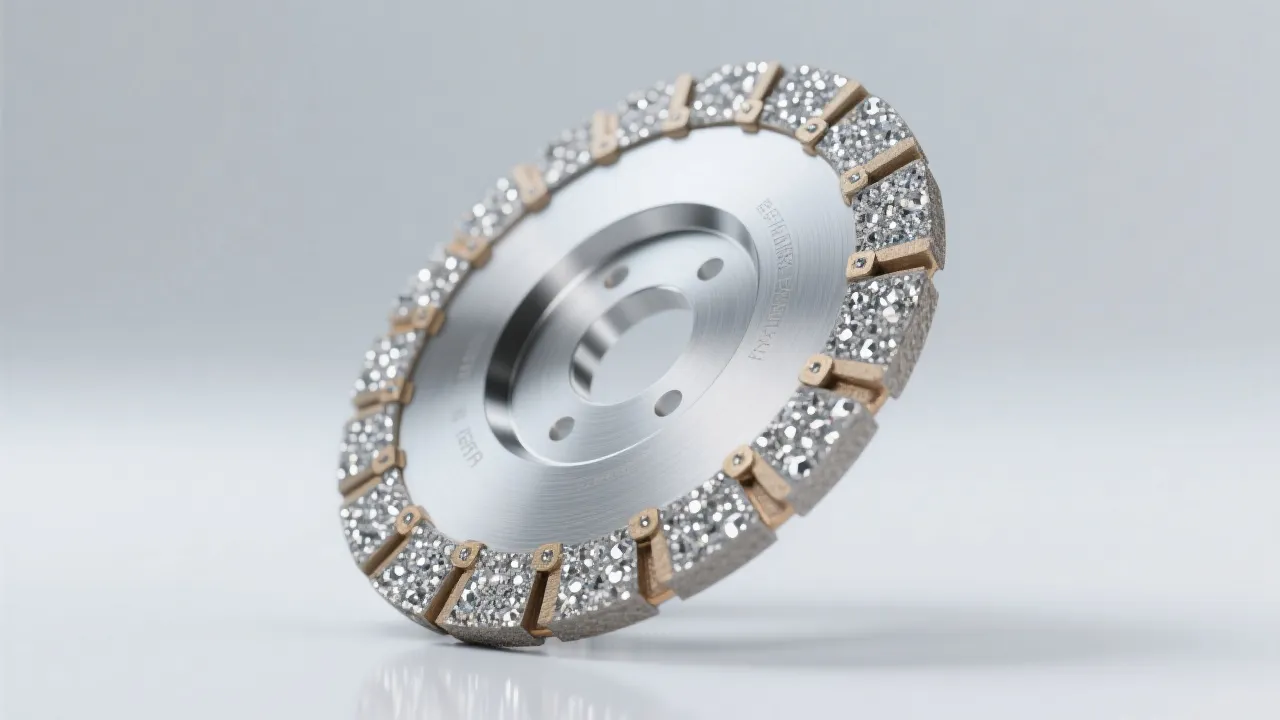
Brazed diamond grinding wheels revolutionize dust control in GCI precision machining through their dense, crack-resistant structure and unmatched abrasive durability. Unlike conventional abrasive wheels, their brazed bonding eliminates friable edges that cause material detachment and dust generation. The high hardness and precise abrasive grain placement ensure sharp cutting with minimal plowing, which substantially decreases surface chipping and particulate dispersion.
Performance data from industry case studies show these wheels reduce dust emissions by over 70% compared to vitrified bonded wheels, while improving surface finish quality and cycle time by approximately 15-20%. Their superior wear resistance also translates to longer wheel life and consistent grinding accuracy, critical for strict tolerance requirements in automotive and aerospace components manufacturing.
The synergistic effect of combining brazed diamond wheels with wet grinding systems and localized dust extraction units elevates dust control to an advanced level. Wet grinding utilizes fluid coolants to suppress dust dispersion, reduce grinding temperatures, and lower noise emissions. The coolant also helps remove debris, improving wheel performance and reducing environmental contamination.
Complementary localized dust extraction devices strategically placed near the grinding zone capture residual airborne particles with an efficiency exceeding 85%. When paired with routine equipment cleaning and maintenance protocols, these systems collectively lower workplace particulate concentrations from hazardous levels (>10 mg/m³) to below recommended thresholds (<2 mg/m³).
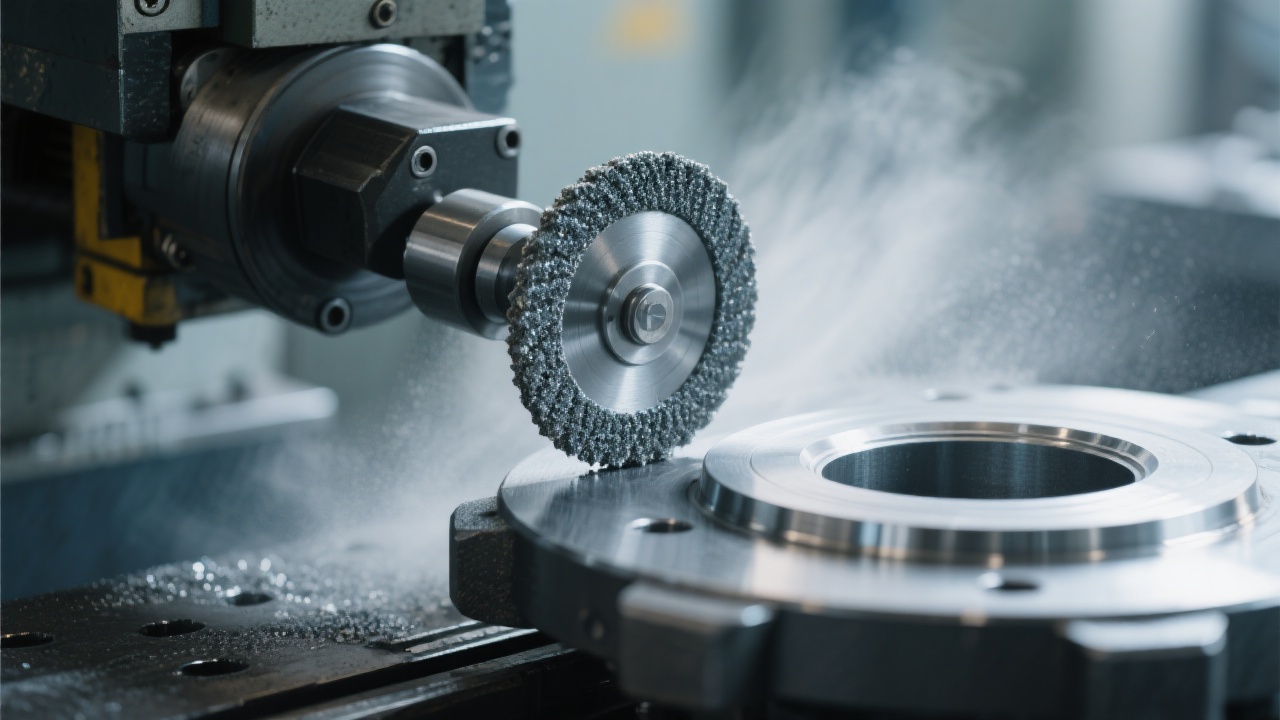
A leading European automotive parts manufacturer integrated brazed diamond grinding wheels with a customized wet grinding setup and advanced dust extraction systems in 2022. Pre-implementation dust measurements averaged 12 mg/m³ in the grinding area—almost three times the OSHA permissible exposure limit. Within six months post-installation, average dust concentrations fell to 2.5 mg/m³, correlating with a 35% increase in grinding throughput and a 25% reduction in abrasive wheel replacement frequency.
Furthermore, worker health monitoring revealed a significant drop in reported respiratory symptoms, underscoring the system's contribution to occupational wellbeing. This comprehensive approach exemplifies how technology adoption paired with process optimization fosters not only regulatory compliance but also productivity and worker satisfaction.
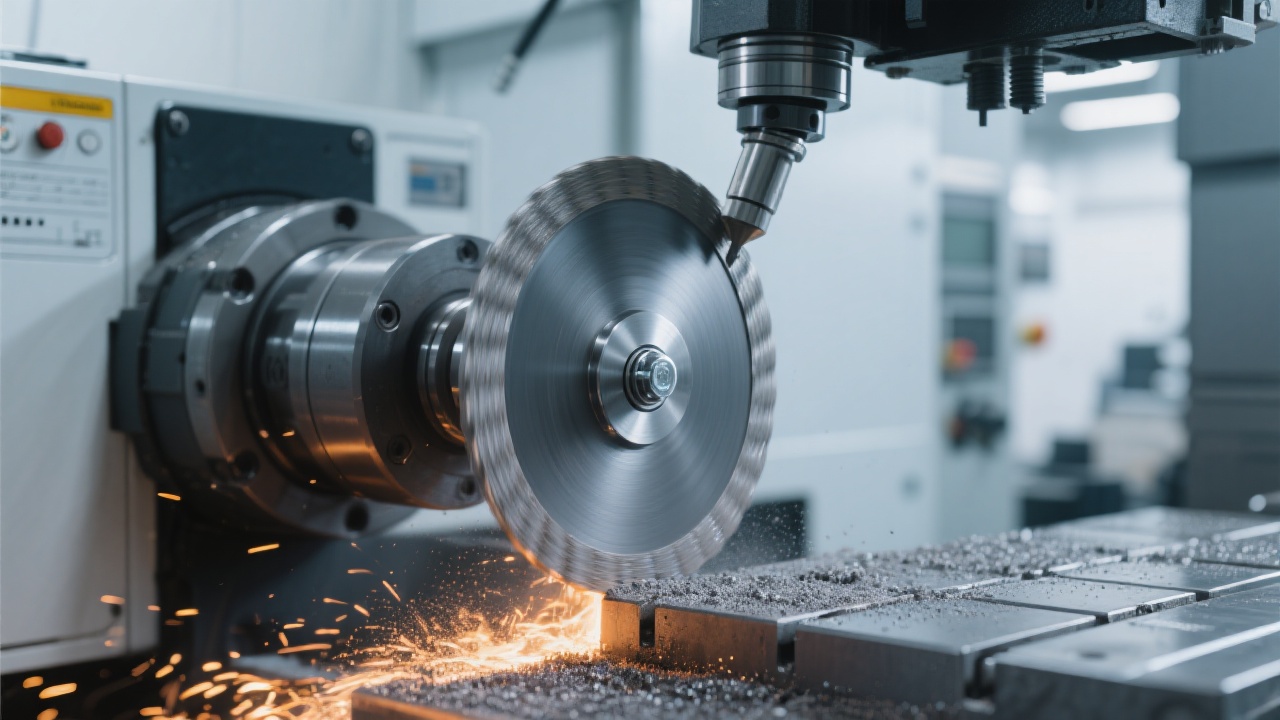
Designing an effective dust control strategy requires a thorough assessment of the production line’s unique variables, including grinding wheel material, machine type, environmental parameters, and compliance obligations. Key considerations include:
Continuous data-driven evaluation and iterative improvements transform these measures into a scalable sustainability roadmap aligned with Industry 4.0 standards.
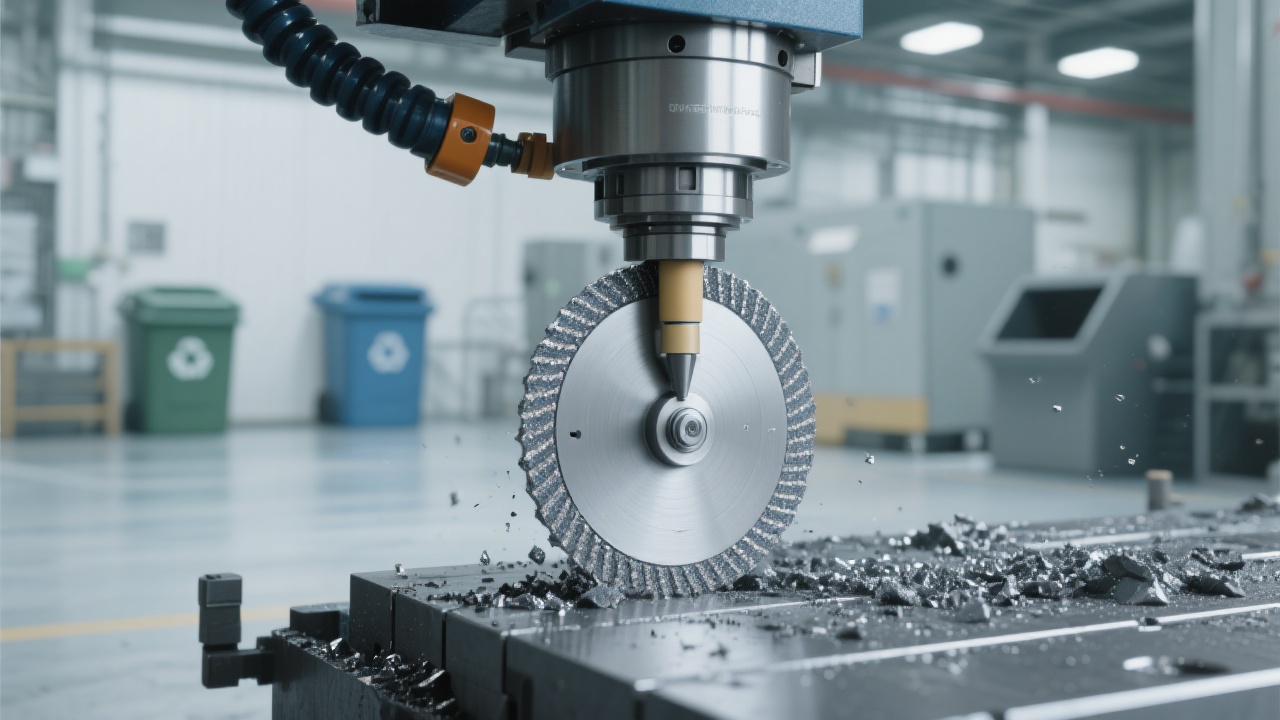
“Implementing brazed diamond grinding wheels complemented by wet grinding and dedicated dust extraction systems aligns perfectly with current industrial hygiene standards (NIOSH, OSHA). Our employees' respiratory health has demonstrably improved while achieving production gains.” — Quality Manager, Automotive Components Factory
.png?x-oss-process=image/resize,h_1000,m_lfit/format,webp)