Efficient Grinding of Ceramic Materials: Practical Guide to Diamond Tool Grit Size and Concentration Selection
24 02,2026
Tutorial Guide
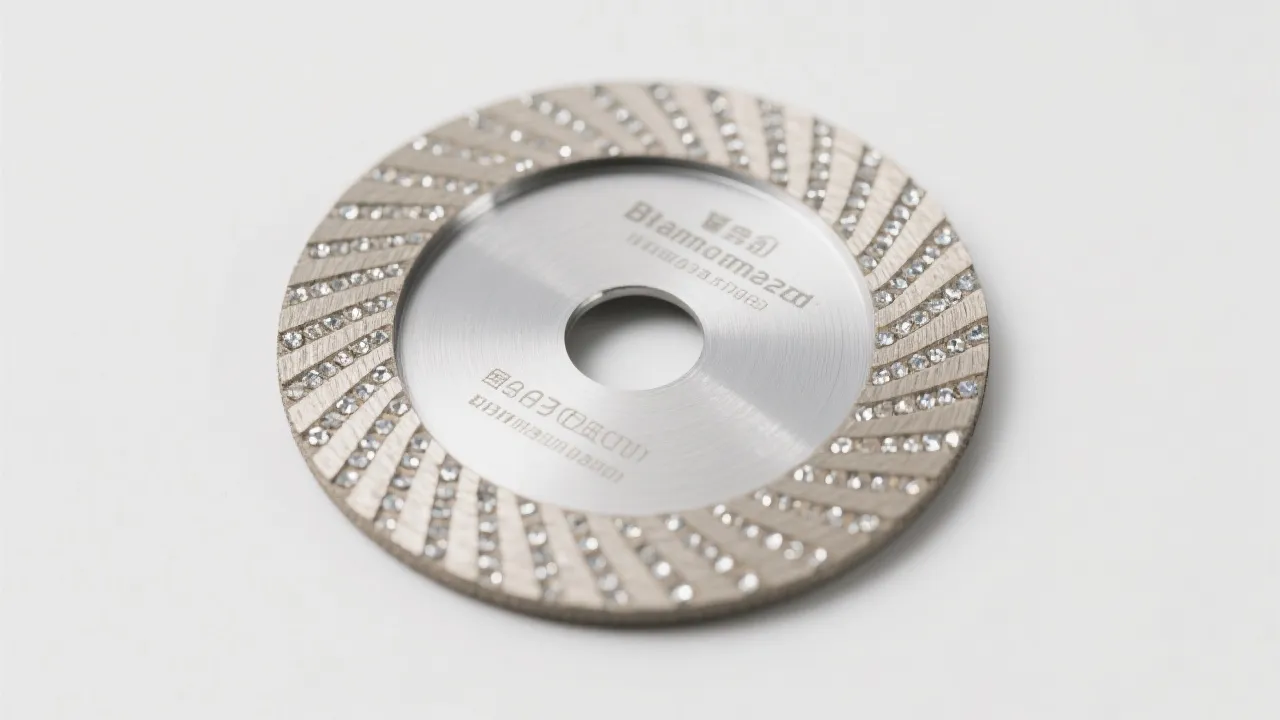
This article delves into the critical techniques for high-efficiency grinding of ceramic materials, focusing on brazed diamond grinding tools' grit size and concentration selection. Considering ceramics' inherent high hardness and brittleness, it analyzes suitable applications and effects of various grit sizes during processing, alongside the influence of bond materials and geometric parameters on grinding performance. Through common issue diagnosis and targeted solutions, the guide assists engineers and technicians in optimizing grinding processes to enhance tool life and machining efficiency. Featuring practical selection guidelines and troubleshooting tips, the content bridges theory with practice, providing a dependable technical reference for improving yield rates and equipment utilization in ceramic manufacturing.
Mastering High-Efficiency Ceramic Grinding: Practical Guide on Diamond Tool Grit Size & Concentration Selection
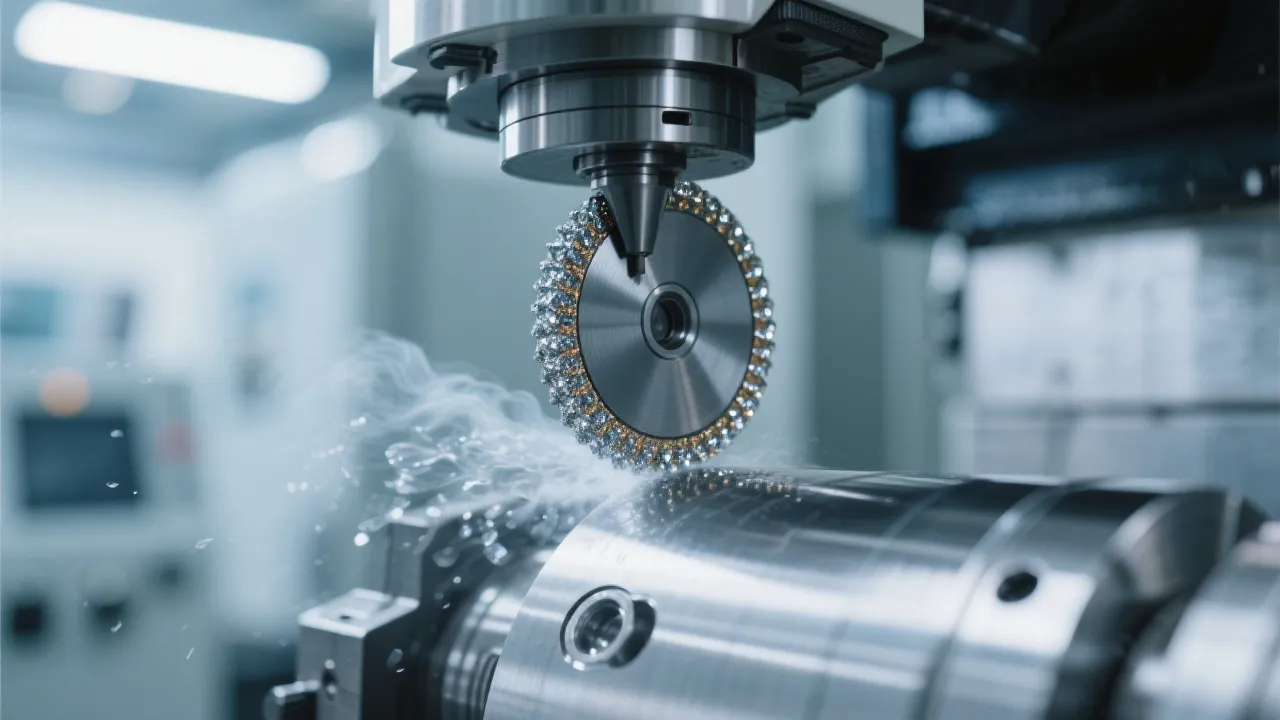
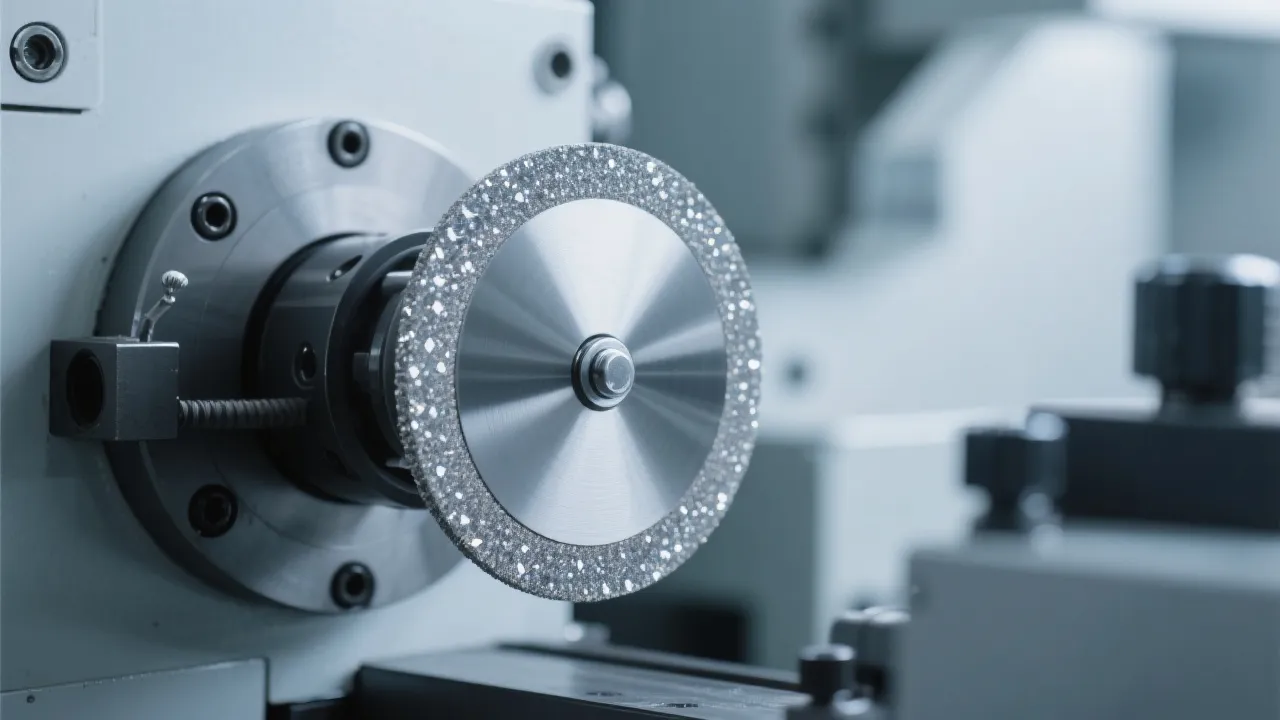
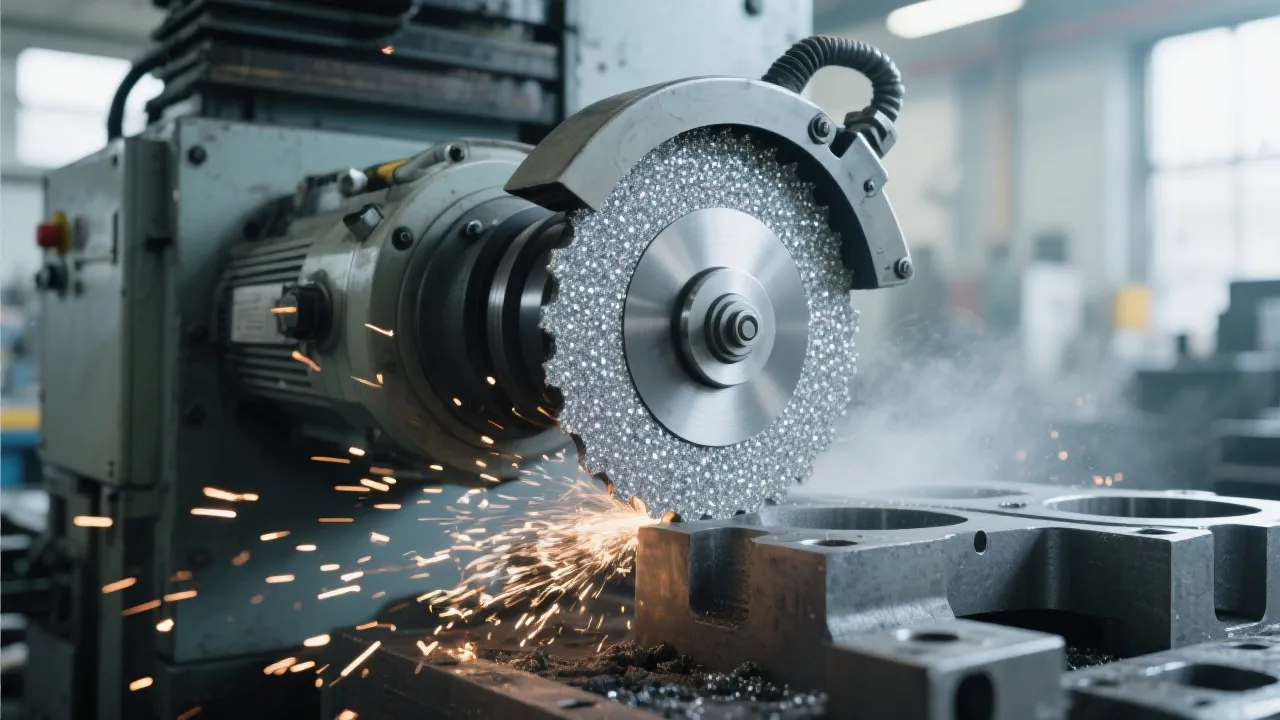
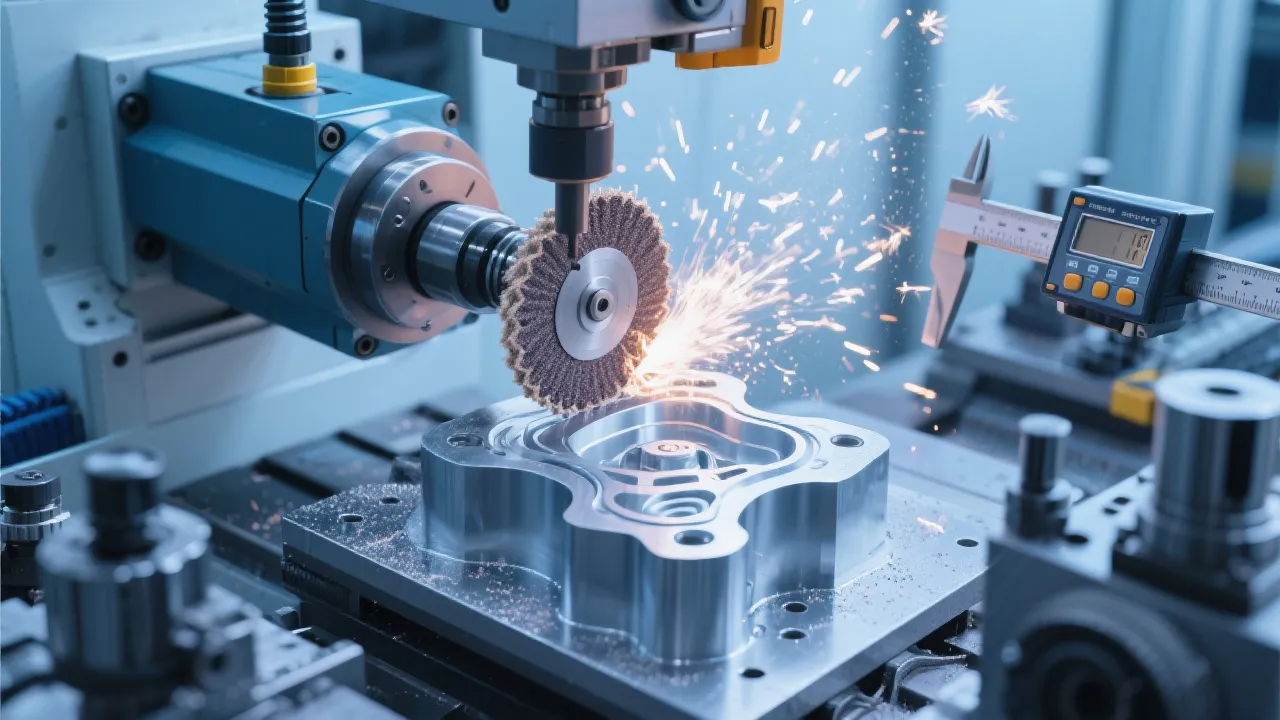
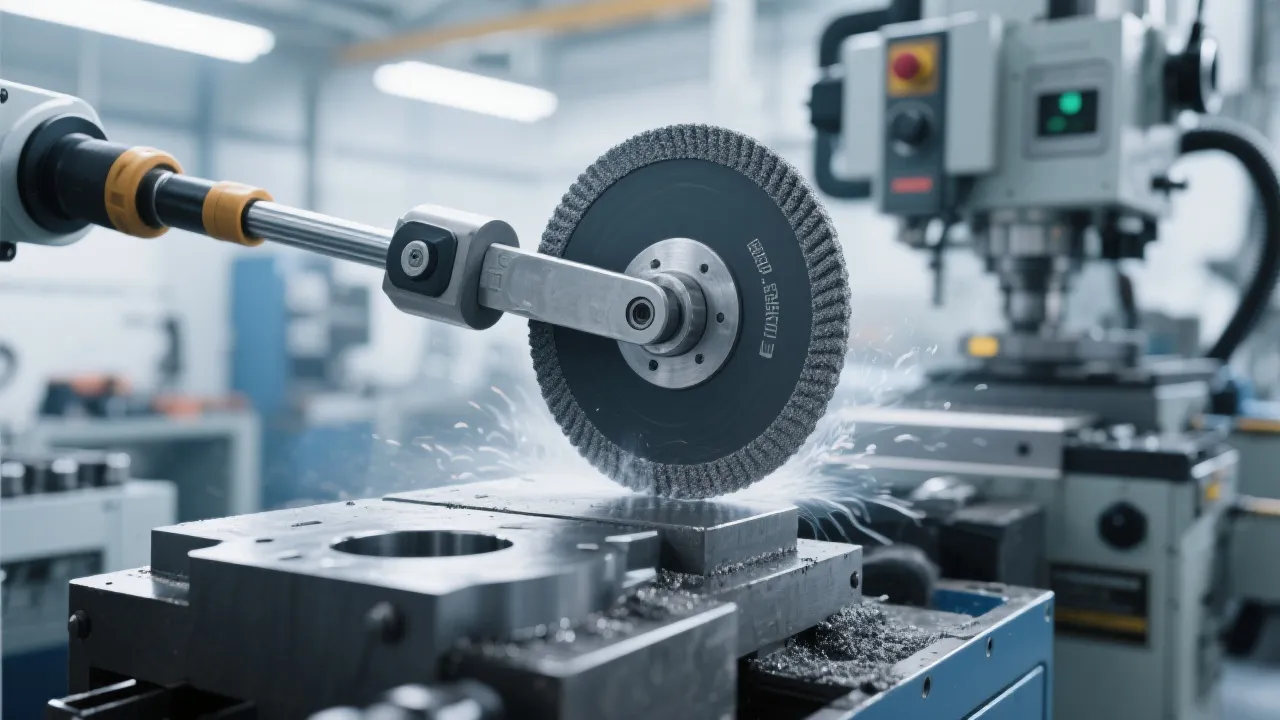
Effective grinding of ceramic materials poses a unique challenge due to their inherent high hardness and brittleness. Selecting the right diamond abrasive tool—particularly concerning grit size and concentration—is pivotal to enhancing machining efficiency and extending tool life. This guide delves into the key parameters influencing diamond soldered grinding tool performance, offering engineers and technical professionals actionable insights for process optimization in ceramic grinding applications.
Understanding Ceramic Material Properties Impacting Grinding
Ceramics typically feature a hardness exceeding 1500 HV and exhibit low fracture toughness, making them susceptible to chipping and thermal damage during conventional grinding. These characteristics necessitate a specialized approach:
- Hardness: Demands superabrasive tools with superior wear resistance.
- Brittleness: Requires controlled material removal rates to prevent cracking.
- Thermal Sensitivity: Calls for optimized grinding parameters to reduce heat generation.
Diamond Tool Grit Size & Concentration: Selection Logic
The grit size—the diameter of diamond particles—and the concentration—the volume percentage of diamonds in the bonding matrix—directly affect cutting efficiency, surface finish, and tool life.
| Parameter |
Recommended Range for Ceramics |
Key Effects |
| Diamond Grit Size |
15–40 μm (Fine to Medium) |
Improves surface finish; reduces chipping risks |
| Diamond Concentration |
40–70 vol.% |
Balances cutting efficiency and thermal conductivity |
Fine grit sizes (15–25 μm) are preferred for finishing operations where surface integrity is critical, whereas medium grit (30–40 μm) suits rough grinding, offering faster material removal but with increased edge chipping risk if unoptimized. Higher diamond concentrations provide more cutting points, enhancing tool life and grinding stability but require sophisticated bonding matrices to maintain structural integrity.
Base Material & Geometric Parameters: Matchmaking for Optimal Grinding
The tool base material and geometrical configuration influence vibration damping, heat dissipation, and mechanical strength—critical for processing ceramic components with complex shapes or tight tolerances.
Examples include:
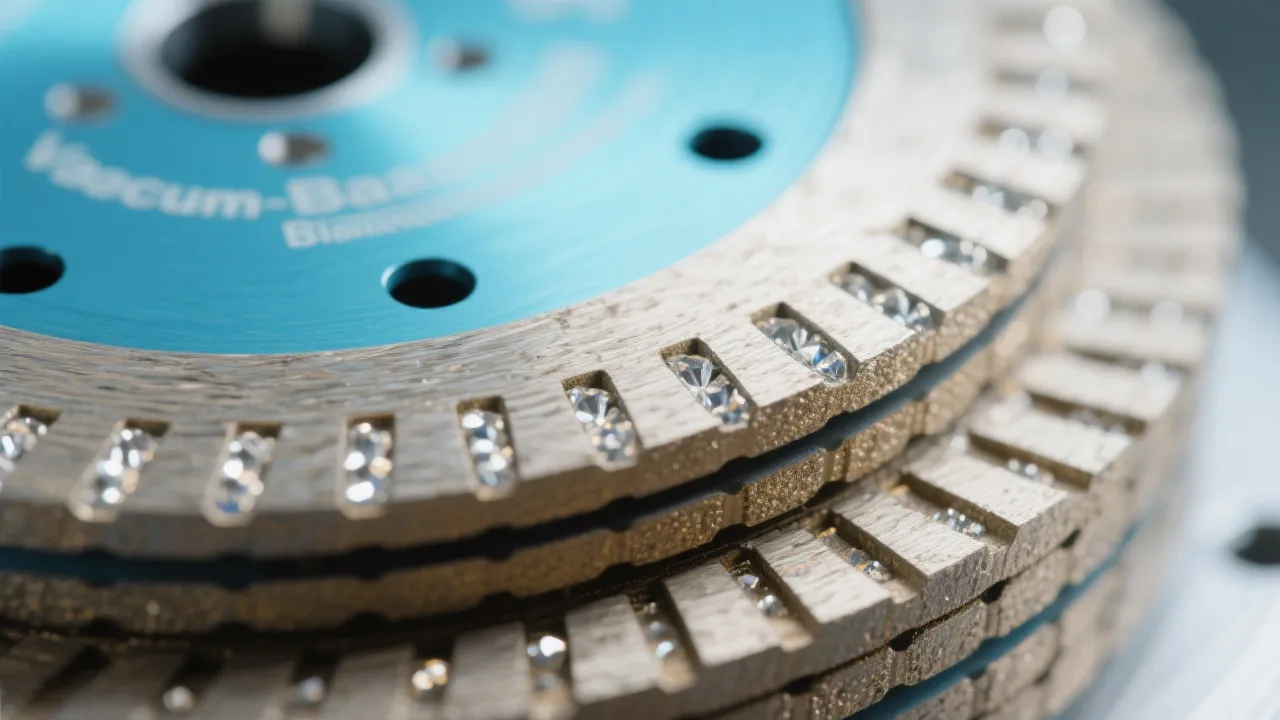
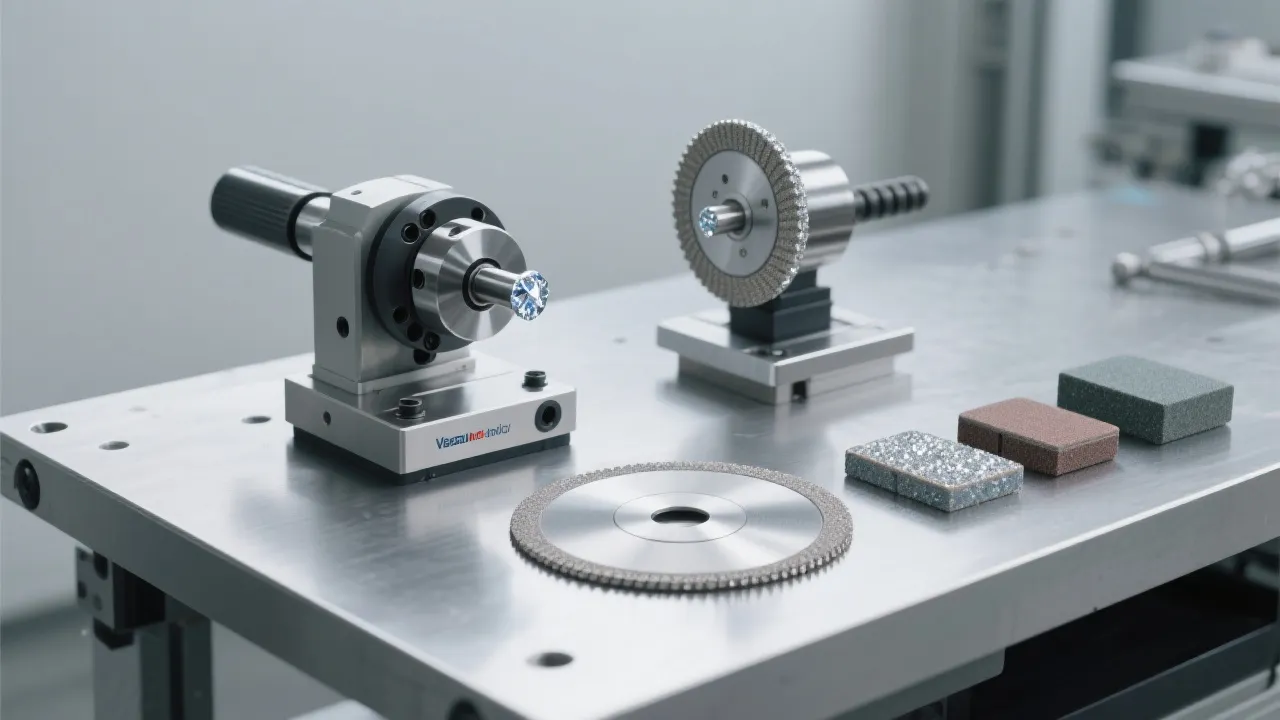
- Cobalt-based bonds: Offer excellent toughness and thermal resistance, suitable for high-feed grinding.
- Nickel-based bonds: Provide uniform diamond distribution for precision finishing.
- Segment geometry: Must ensure optimal chip clearance and coolant penetration to minimize burn and cracks.
Practical Selection Workflow & Case Insights
A thorough selection process considers:
- Workpiece Material Hardness and Toughness: Select grit size low enough to prevent chipping while maintaining throughput.
- Component Shape & Features: Adapt tool geometry to accommodate intricate profiles, avoiding stress concentration points.
- Production Rhythm: Balance feed rate and tool concentration to harmonize efficiency and quality.
- Surface Finish Demands: Opt for finer grits and nickel-base bonds for premium finishes.
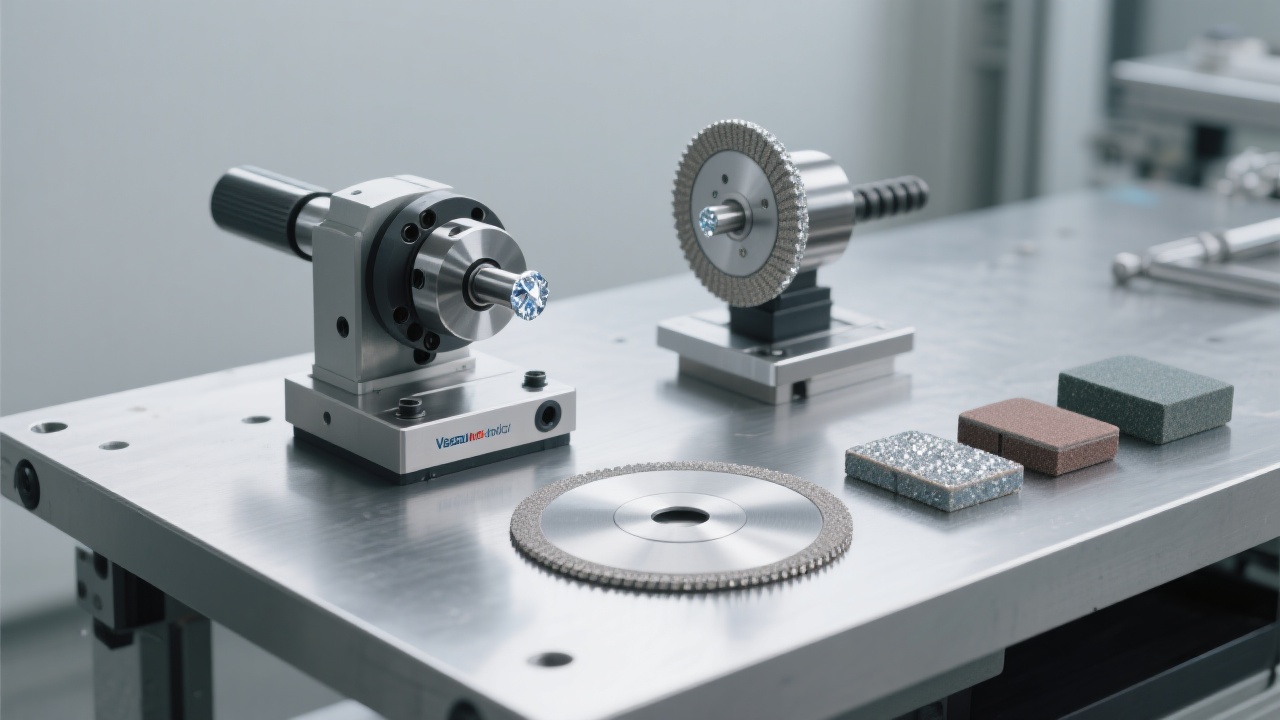
For instance, in grinding zirconia dental components, using a 20 μm grit size with 60 vol.% diamond concentration and a cobalt-based bonding matrix achieved a 15% increase in tool life and 10% better surface roughness compared to conventional setups.
Troubleshooting Common Grinding Issues in Ceramics
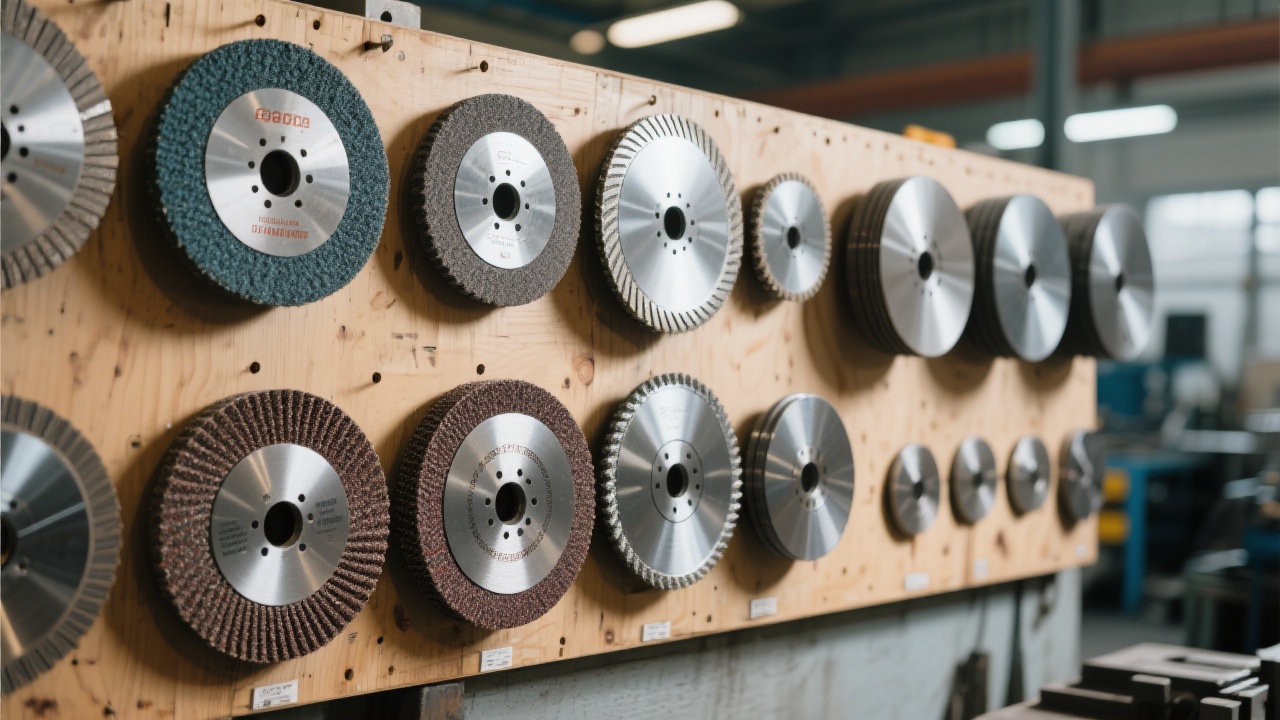
During machining, issues such as thermal burns, edge chipping, and poor surface finish frequently occur. Our analysis identifies root causes and countermeasures:
| Issue |
Cause |
Recommended Solution |
| Thermal Burn |
Excessive grinding heat due to high feed or coarse grit |
Switch to finer grit; increase coolant flow; reduce feed rate |
| Edge Chipping |
High grit concentration with aggressive geometry |
Lower grit size; optimize segment design for lower stress |
| Poor Surface Finish |
Too coarse grit size or inefficient bonding allowing diamond pull-out |
Use higher quality soldering technique; finer grit tools |
Optimizing Process Control for Maximum Efficiency
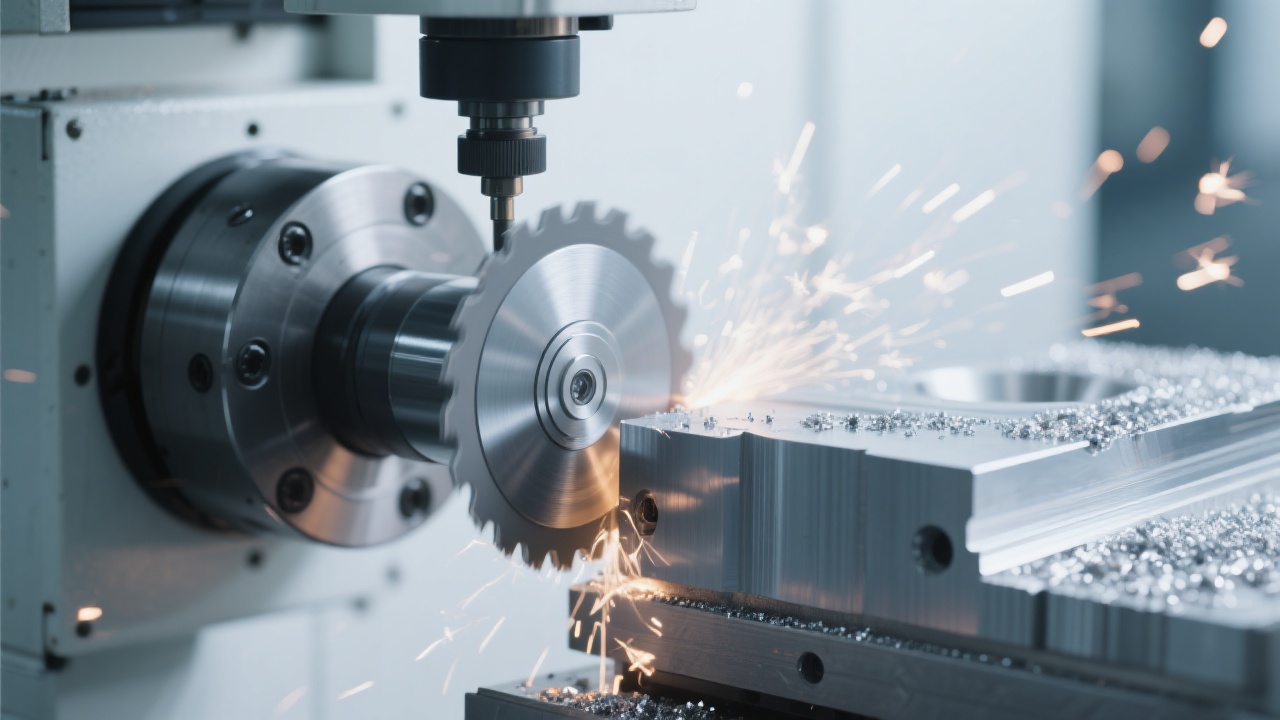
Data-driven monitoring of grinding conditions is vital:
- Utilize real-time temperature sensors to prevent thermal overload above 250°C, the threshold at which ceramic microcracks manifest.
- Implement vibration analysis tools to detect segment wear and potential diamond pull-out early.
- Adjust feed rate dynamically using feedback from surface finish measurements to maintain optimal balance.
Discover More Technical Insights on Diamond Soldered Tools & Elevate Your Ceramic Grinding Efficiency

.png?x-oss-process=image/resize,h_1000,m_lfit/format,webp)


.png?x-oss-process=image/resize,h_1000,m_lfit/format,webp)