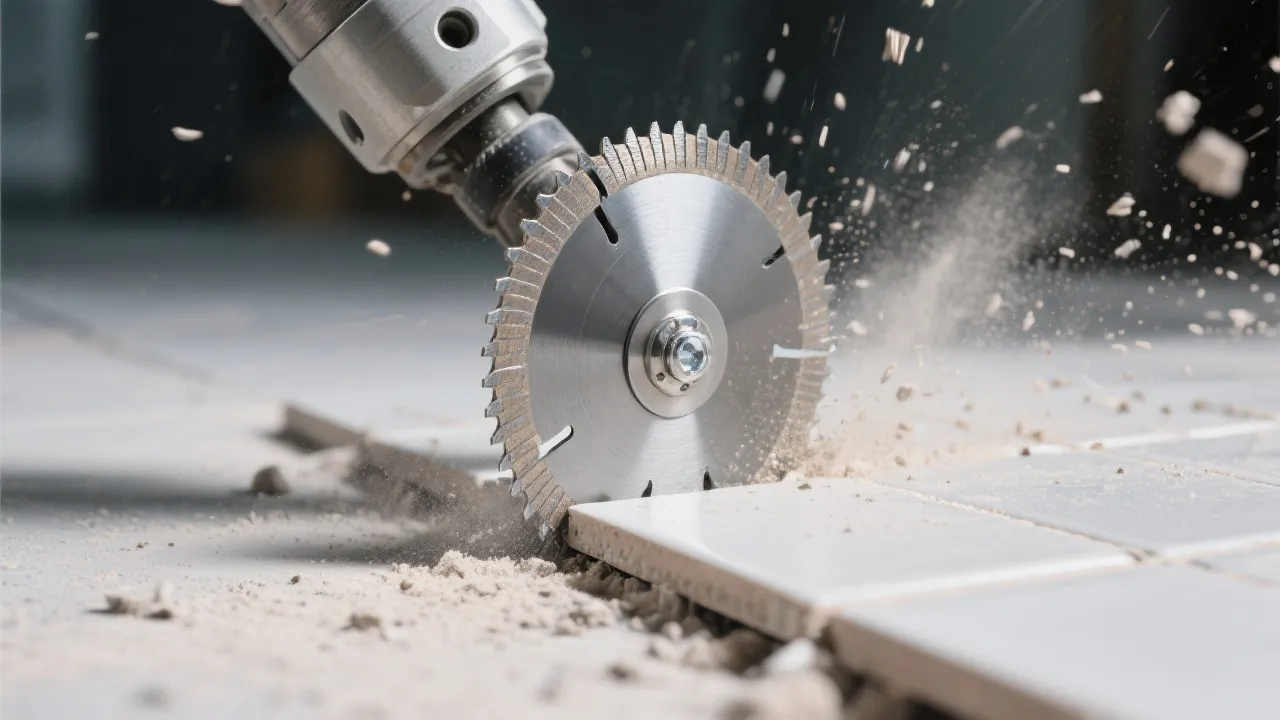
In the precision machining of gray cast iron, dust isn’t just an annoyance—it’s a compliance risk, a health hazard, and a productivity killer. According to OSHA standards, airborne particulate matter (PM10) levels above 10 mg/m³ in workspaces can lead to respiratory issues and fines for non-compliance. That’s where environmentally friendly brazed diamond grinding wheels come in—not as a luxury, but as a necessity for modern manufacturers.
“The key to sustainable grinding lies not in adding more filters—but in reducing dust at the source.”
— Dr. Lena Müller, Industrial Materials Specialist, Fraunhofer Institute
Traditional abrasive wheels often suffer from uneven wear, micro-fractures, and inefficient cutting action—leading to higher friction, heat buildup, and excessive dust generation. In contrast, brazed diamond wheels feature a dense structure with uniform grain distribution, allowing for smoother engagement with gray cast iron. Studies show these wheels reduce dust emissions by up to 60% compared to conventional alternatives during fine finishing operations.
A real-world test conducted at a German automotive component manufacturer revealed:
To maximize environmental and operational benefits, pairing the wheel with proper process controls is essential:
One U.S.-based machine shop reported a 40% reduction in tool change frequency after switching to this integrated approach—a direct result of less wheel degradation and better thermal management.
“We used to have our operators wearing N95 masks daily,” says Tom Nguyen, Production Manager at Vortex Precision Tools. “After installing brazed diamond wheels and a simple water mist system, our workshop air quality improved dramatically—and we didn’t lose any production time. It’s now part of our ISO 14001 certification checklist.”
✅ Reduced dust emissions by 60%
✅ Extended wheel life by 75%
✅ Lower maintenance costs & fewer safety incidents
For companies in the metalworking, automotive, or aerospace sectors looking to meet global ESG goals while improving efficiency, the shift to eco-friendly brazed diamond grinding is no longer optional—it’s strategic.
Get a free consultation tailored to your grinding setup and material type.
Customize Your Green Grinding Solution Today
.png?x-oss-process=image/resize,h_1000,m_lfit/format,webp)
.png?x-oss-process=image/resize,h_1000,m_lfit/format,webp)