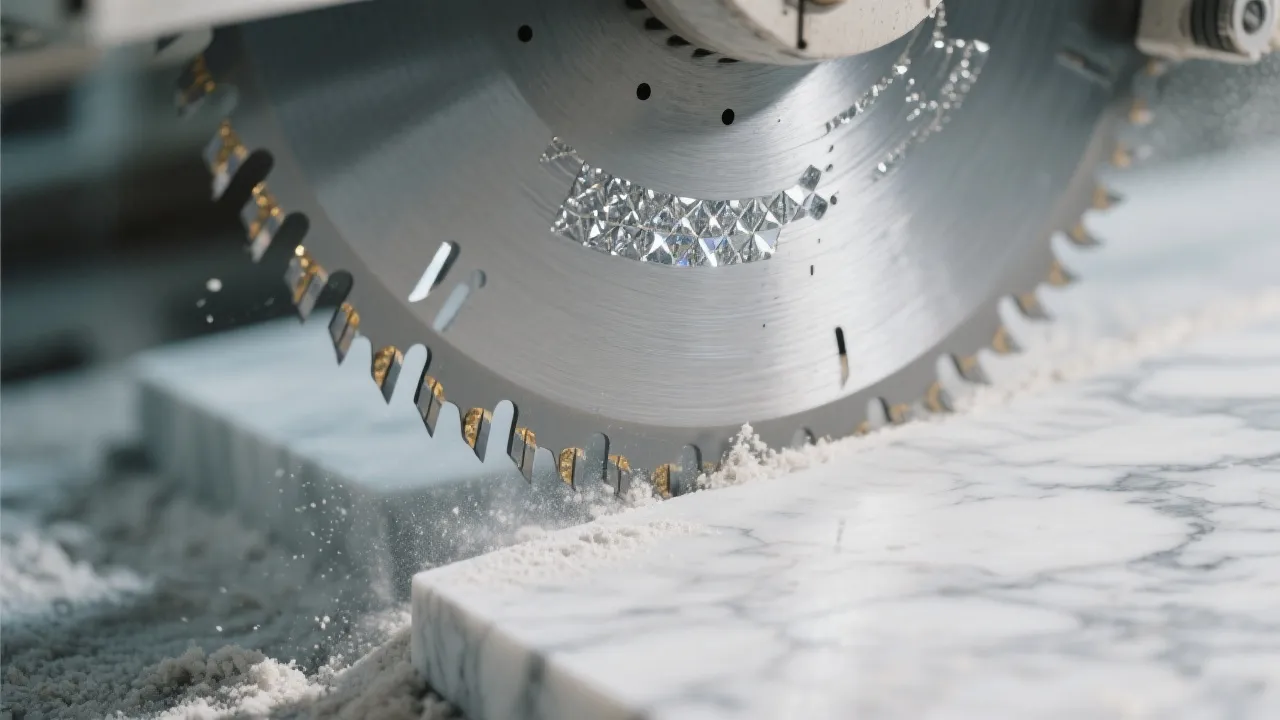
Industrial buyers often face a practical question: Should we use diamond tools or conventional abrasive tools for a given cutting or grinding task?
This page provides a structured comparison across efficiency, wear resistance, applicable materials, service life, and total cost of ownership—so you can match tooling to operating conditions rather than relying on assumptions.
Brand context
UHD Ultrahard Tools Co., Ltd (UHD) develops and supplies ultrahard-material tooling—covering diamond tools, abrasives, and customized brazed diamond abrasives—serving metalworking and stone-processing applications in B2B industrial markets.
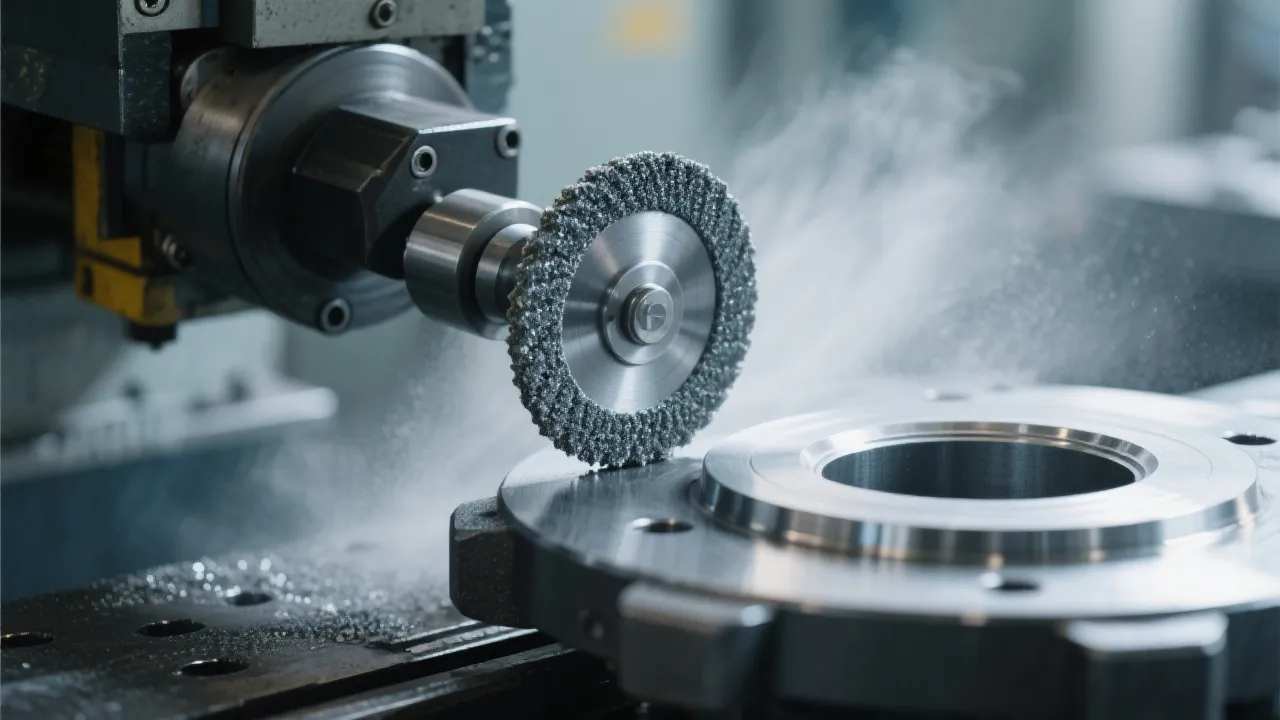
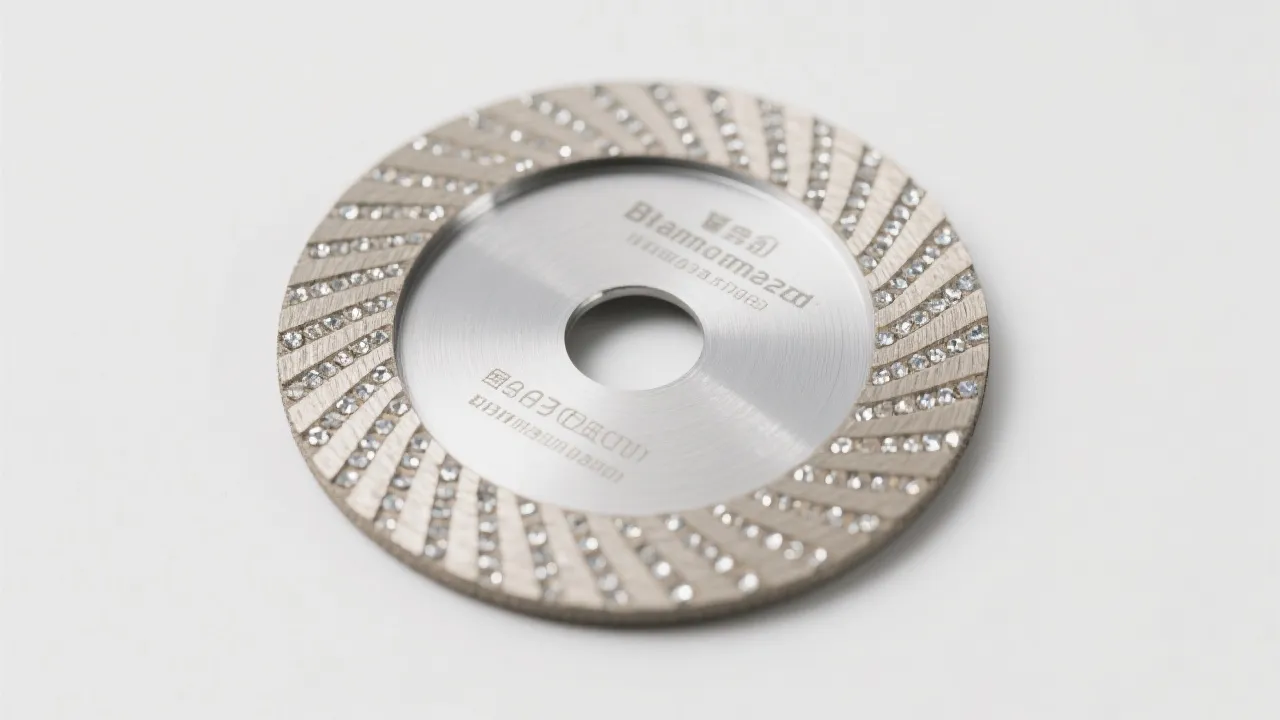
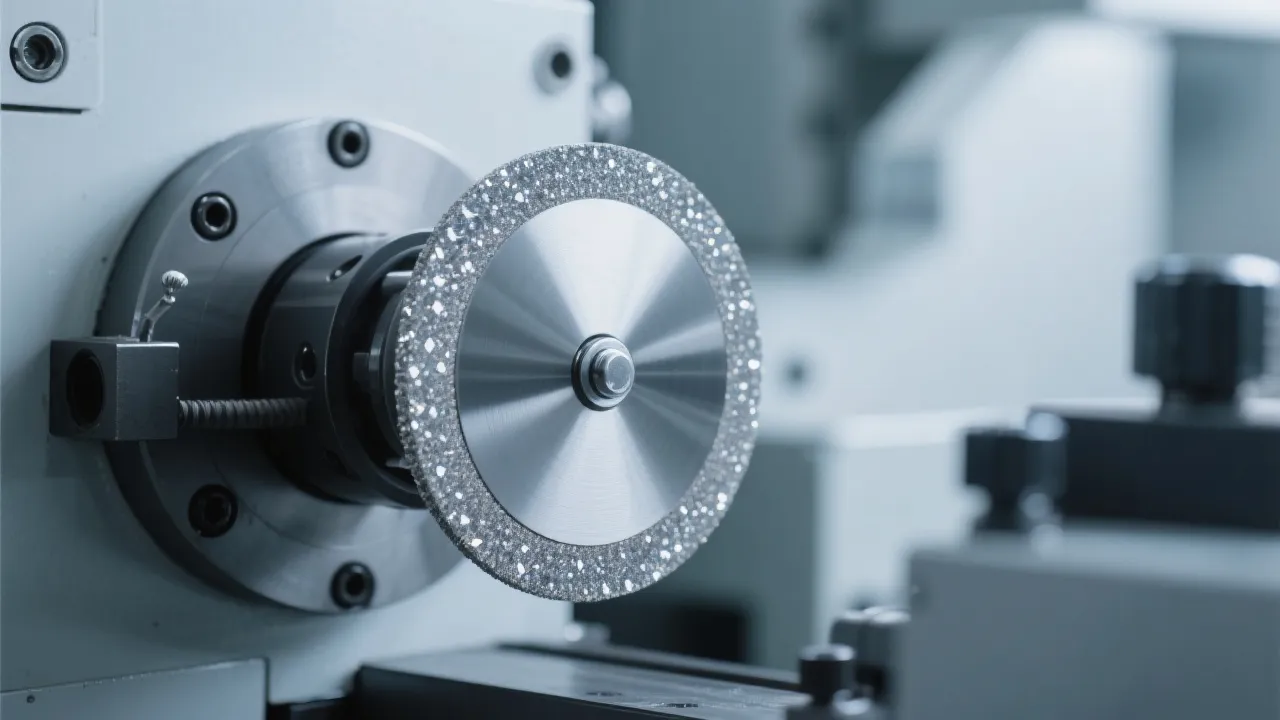
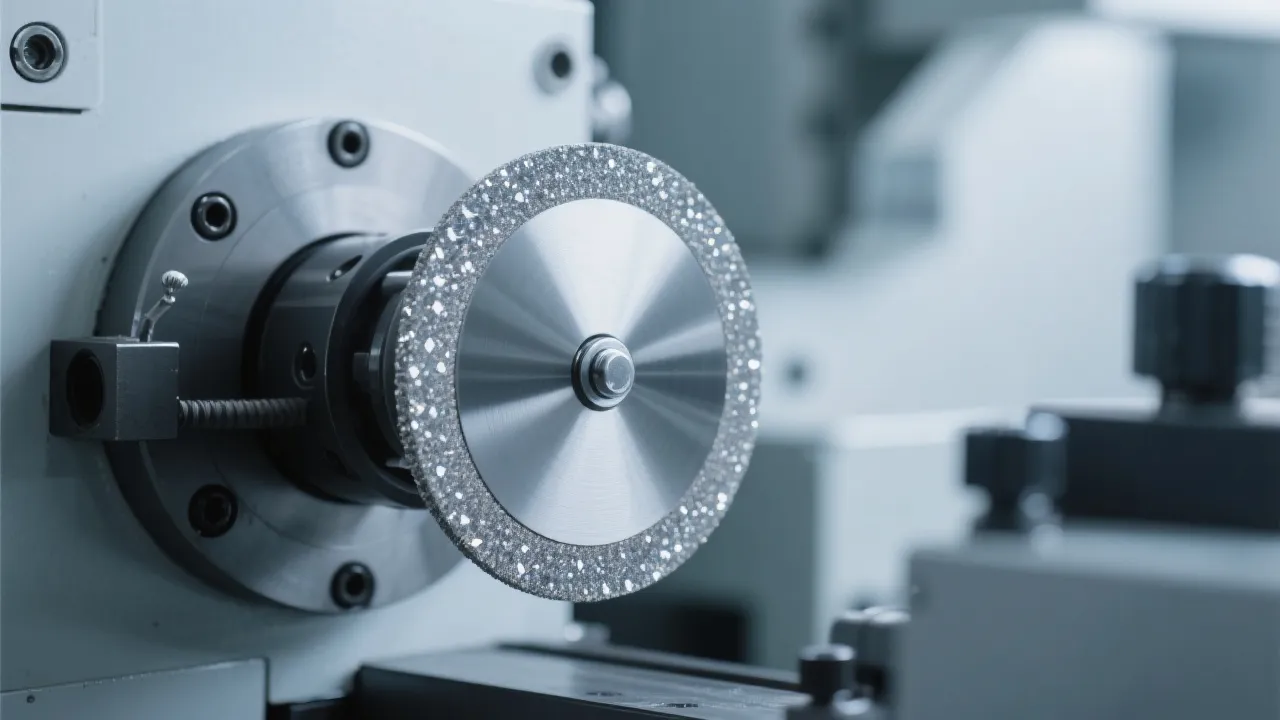
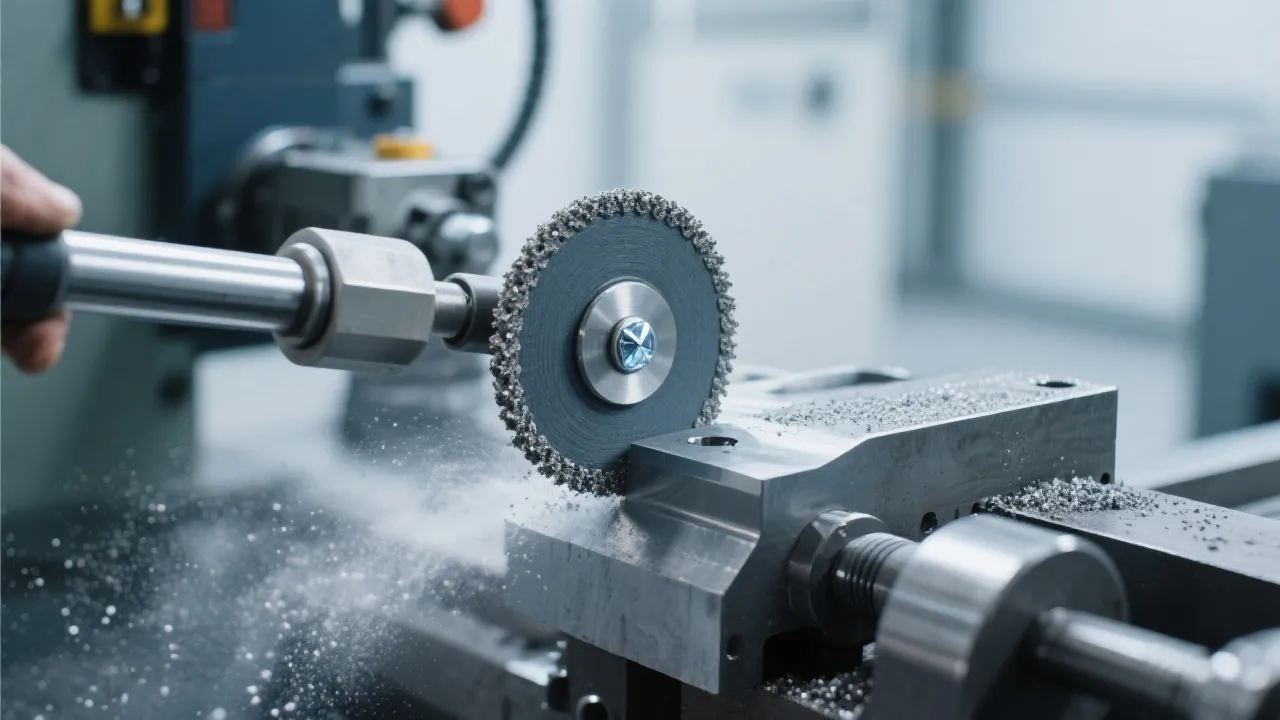
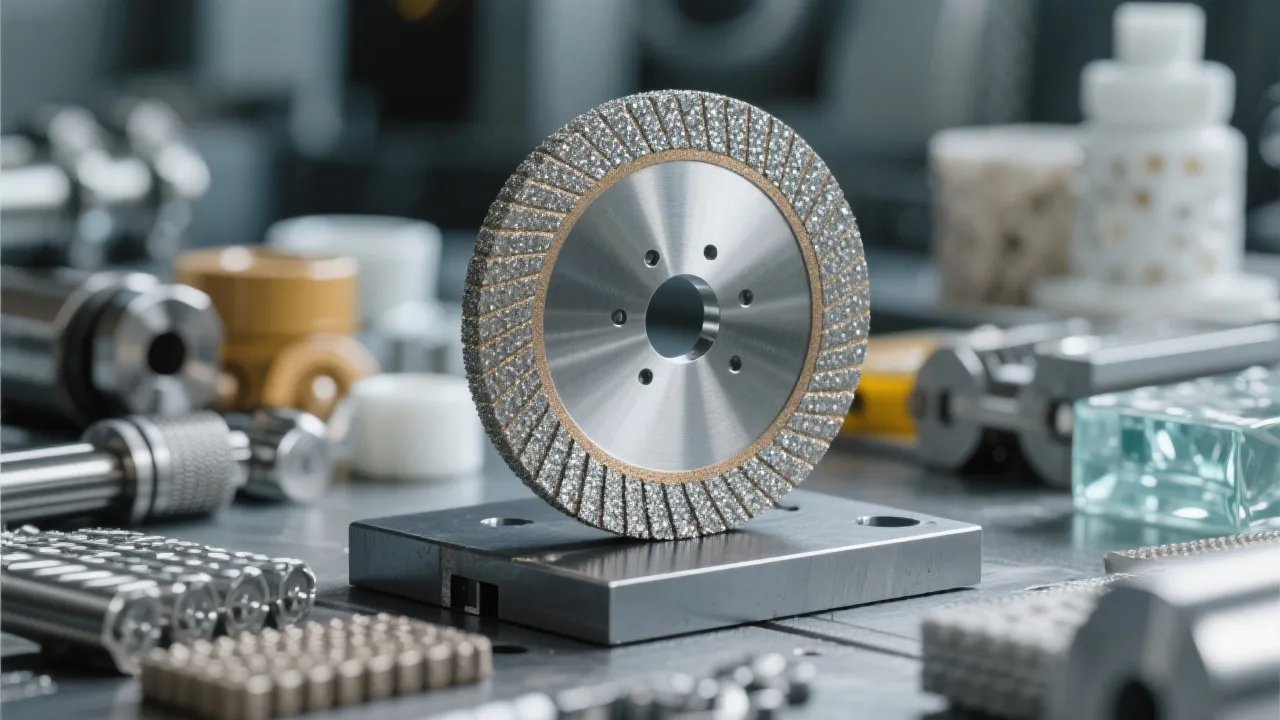
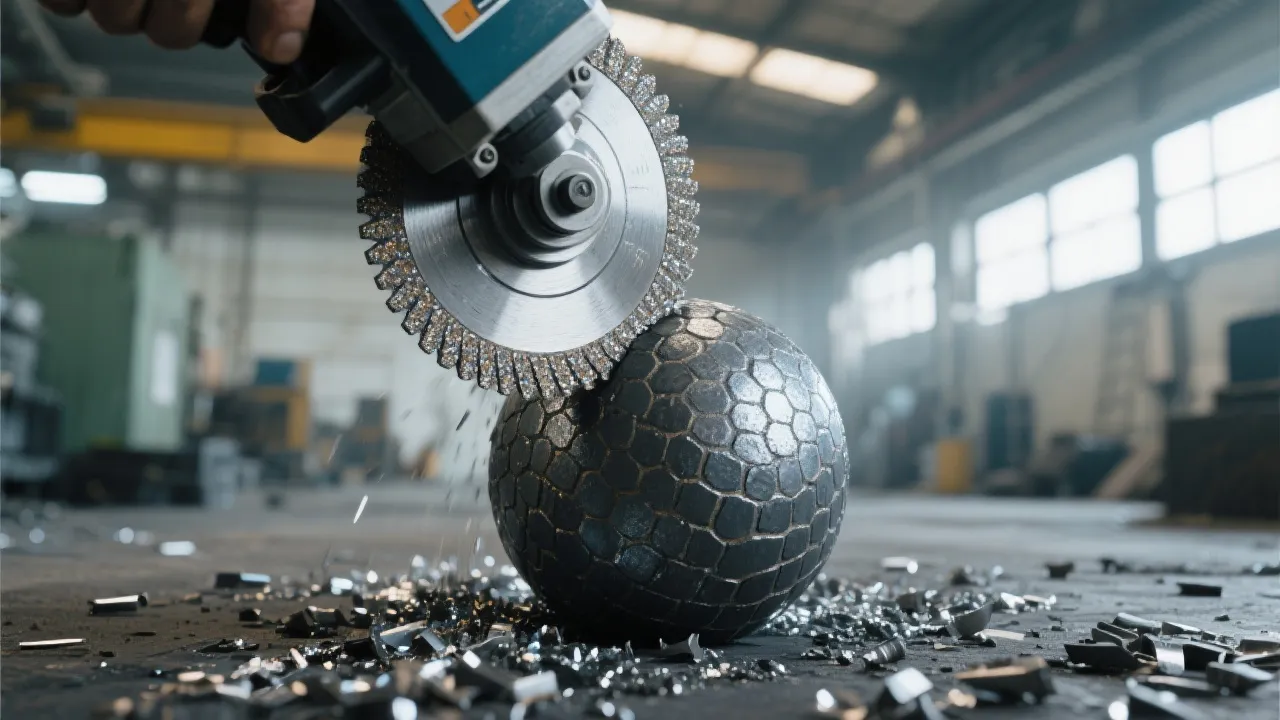
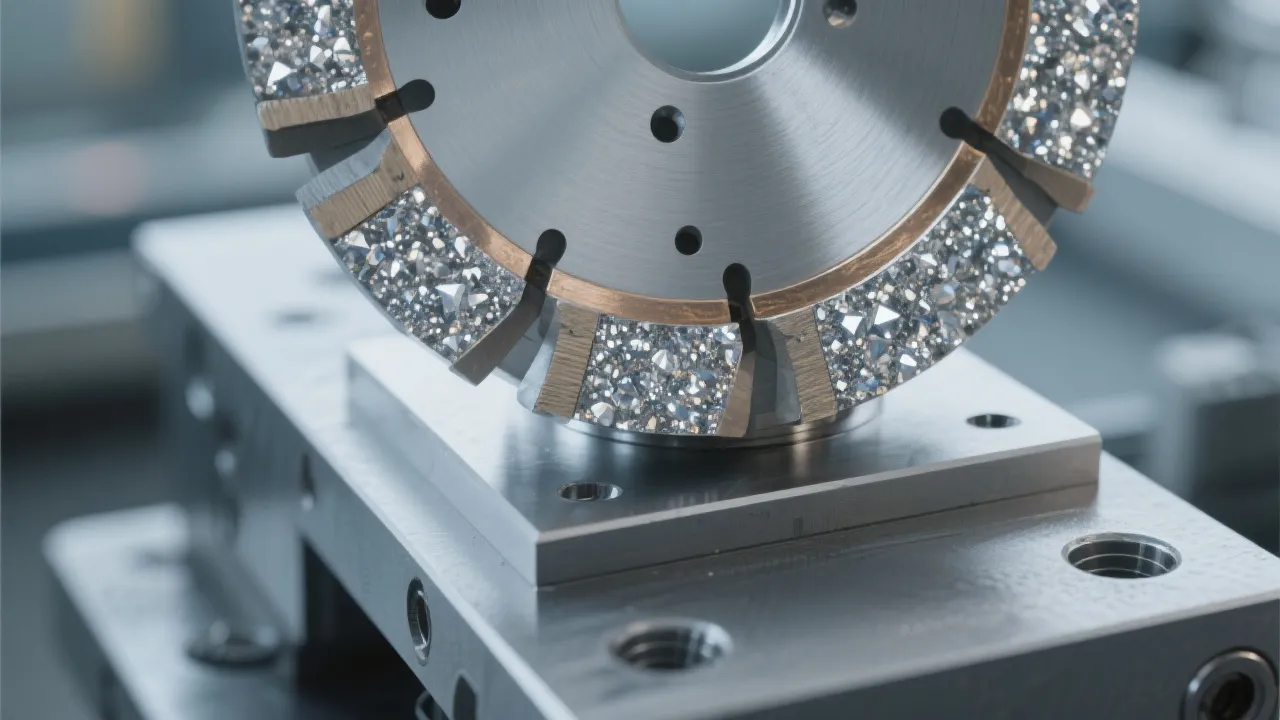
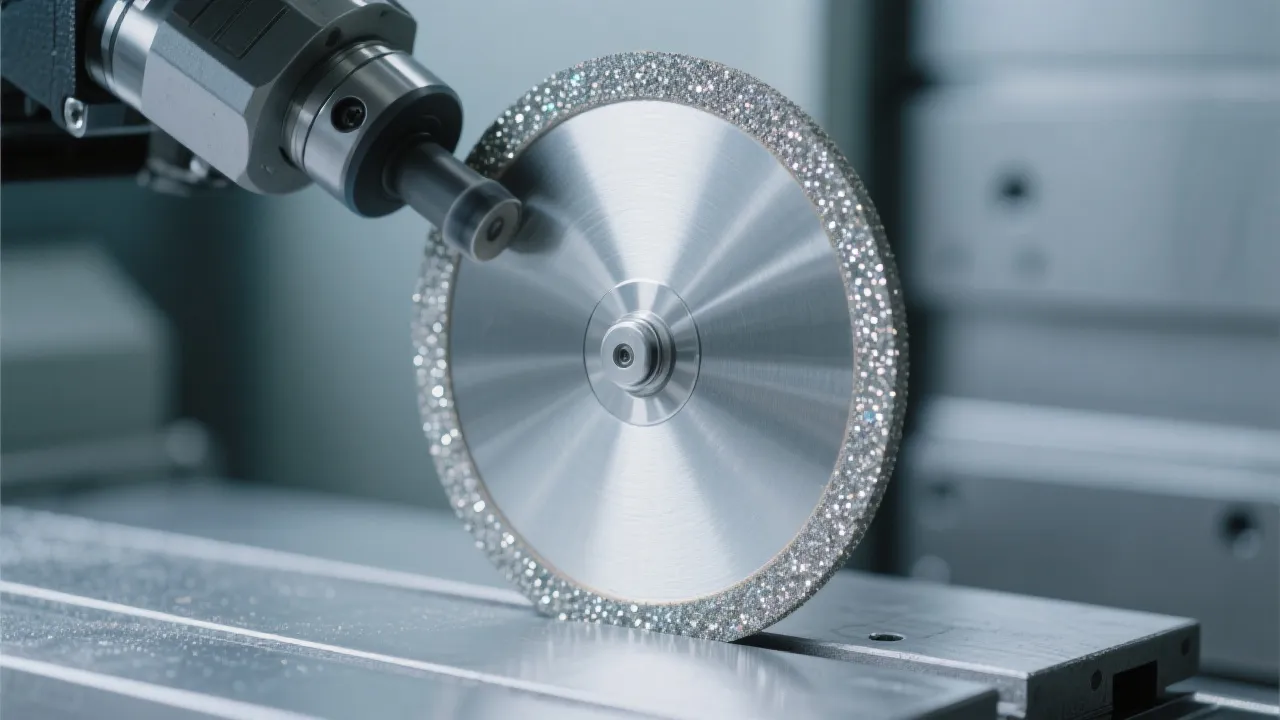
Tools that use diamond as the cutting or grinding medium, commonly selected for hard, abrasive workpieces and applications where stable performance and wear resistance are required.
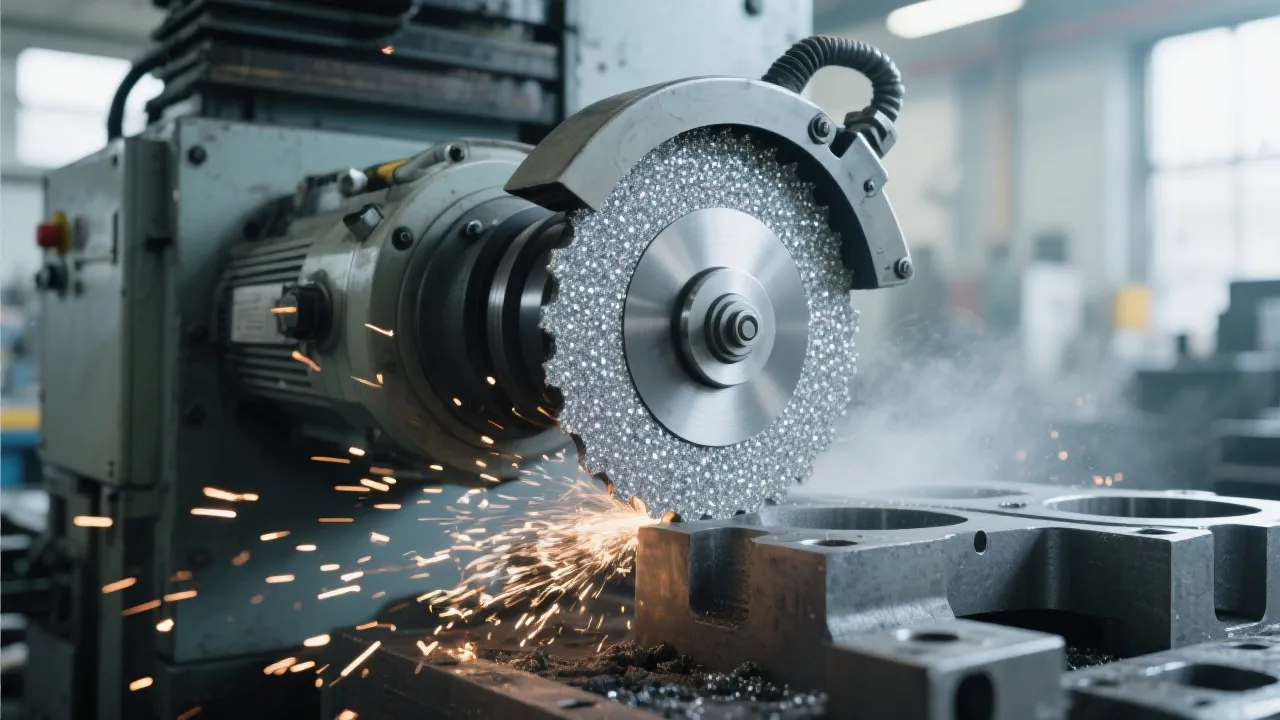
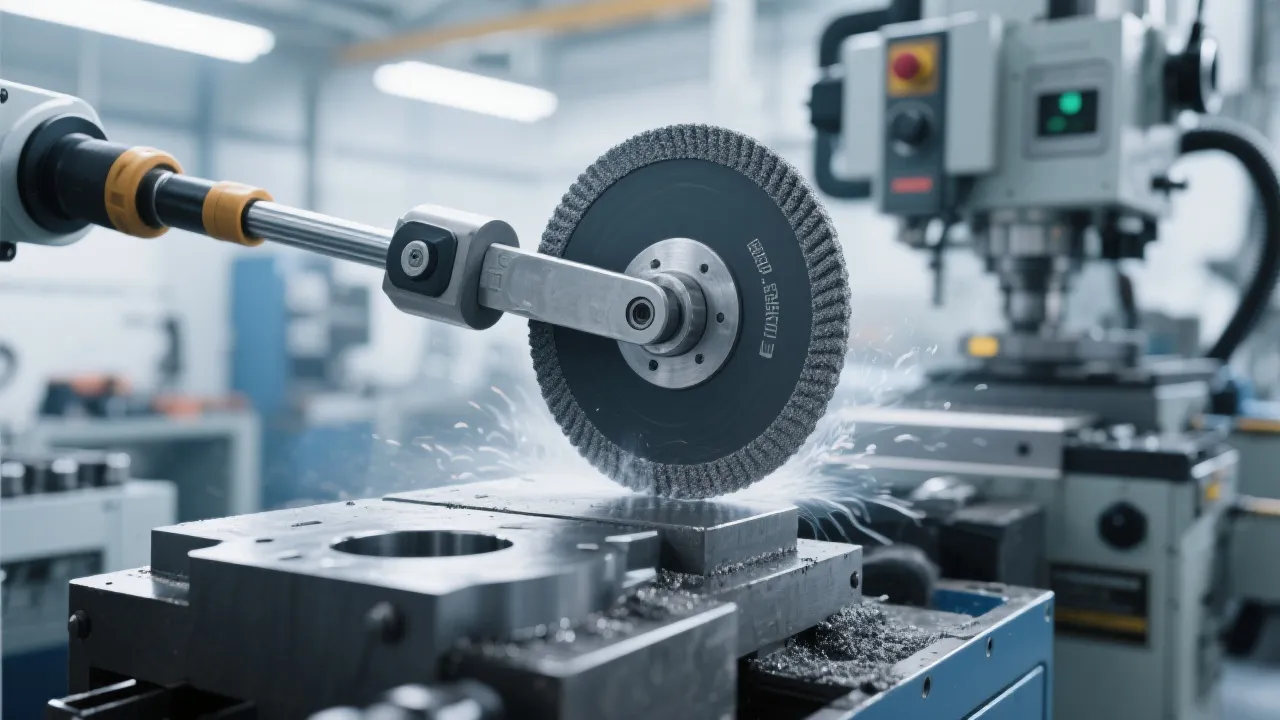
Tools based on traditional abrasives (non-diamond), often chosen for general-purpose grinding/cutting and for conditions where upfront tool cost is a primary constraint.
Selection is rarely “better vs. worse.” It is about fit: the material, the process window, and the cost model you manage.
| Dimension | Diamond tools (typical considerations) | Conventional abrasive tools (typical considerations) |
|---|---|---|
| Cutting / grinding efficiency | Often preferred where material hardness/abrasiveness drives faster wear in conventional abrasives, and where maintaining productivity is a key target. | Often effective for general machining and finishing needs; efficiency can be acceptable when wear is manageable and process constraints are moderate. |
| Wear resistance | Commonly selected for applications where abrasive wear is the dominant failure mode and longer tool stability is required. | Wear performance depends strongly on abrasive type, bond, and operating parameters; may require more frequent dressing or replacement in demanding conditions. |
| Suitable workpiece materials | Common in stone processing and other hard, abrasive materials; also used in certain metalworking operations depending on process design and tool construction. | Widely used across general metalworking and routine grinding/cutting tasks; material suitability varies by abrasive specification and wheel/tool design. |
| Service life & consistency | Often chosen when buyers prioritize more consistent output over longer runs, reducing interruptions related to tool changeovers. | Suitable when changeover and dressing are operationally acceptable, and when the process is already optimized around conventional consumables. |
| Total cost of ownership (TCO) | Upfront tool cost may be higher, but TCO can improve when it reduces downtime, scrap risk, rework, and labor for tool changes under harsh conditions. | Often lower upfront cost; TCO remains attractive when consumption rates are stable and process interruption costs are low. |
Practical note: “Efficiency” and “lifespan” are highly dependent on parameters such as speed, feed, coolant, and contact pressure. A fair comparison requires aligning the test/production conditions.
Buyer tip: When evaluating quotes, ask suppliers to clarify recommended operating windows and the failure modes the tool is designed to resist (wear, glazing, loading, chipping, thermal damage, etc.).
Selection often depends on the machining objective (roughing vs. finishing), thermal sensitivity, and whether wear or surface integrity is the main constraint. Comparing tools under the same parameters is essential for a meaningful conclusion.
For hard, abrasive stone materials, buyers commonly evaluate diamond tooling because wear resistance and sustained cutting/grinding ability can strongly affect output stability and maintenance rhythm.
If materials vary between orders, a flexible tooling strategy may be required—sometimes combining diamond tools for demanding steps and conventional abrasives for secondary operations.
To compare diamond tools and conventional abrasive tools fairly, provide a consistent information set. UHD typically supports B2B buyers by aligning tool selection with process requirements and application constraints.
As a high-tech enterprise focused on ultrahard tooling, UHD Ultrahard Tools Co., Ltd supports industrial customers with diamond tools, abrasives, and customized brazed diamond abrasives. Our approach emphasizes application matching—selecting tool specifications that align with your material, process parameters, and operational priorities.
UHD maintains active technical development capabilities and cooperates with academic partners, helping translate application needs into tool design choices suitable for production conditions.
With an established foreign trade service system, UHD supports global buyers with clear specifications, consistent communication, and quality-focused fulfillment aligned to different market needs.
If you are comparing diamond tools vs. conventional abrasive tools for a specific job, sharing your material, machine, and target output helps shorten the selection cycle and improves the relevance of any recommendation.
This comparison is intended for industrial evaluation and tool selection discussions. Actual results depend on application conditions and tool specification details.
.png?x-oss-process=image/resize,h_1000,m_lfit/format,webp)
.png?x-oss-process=image/resize,h_1000,m_lfit/format,webp)