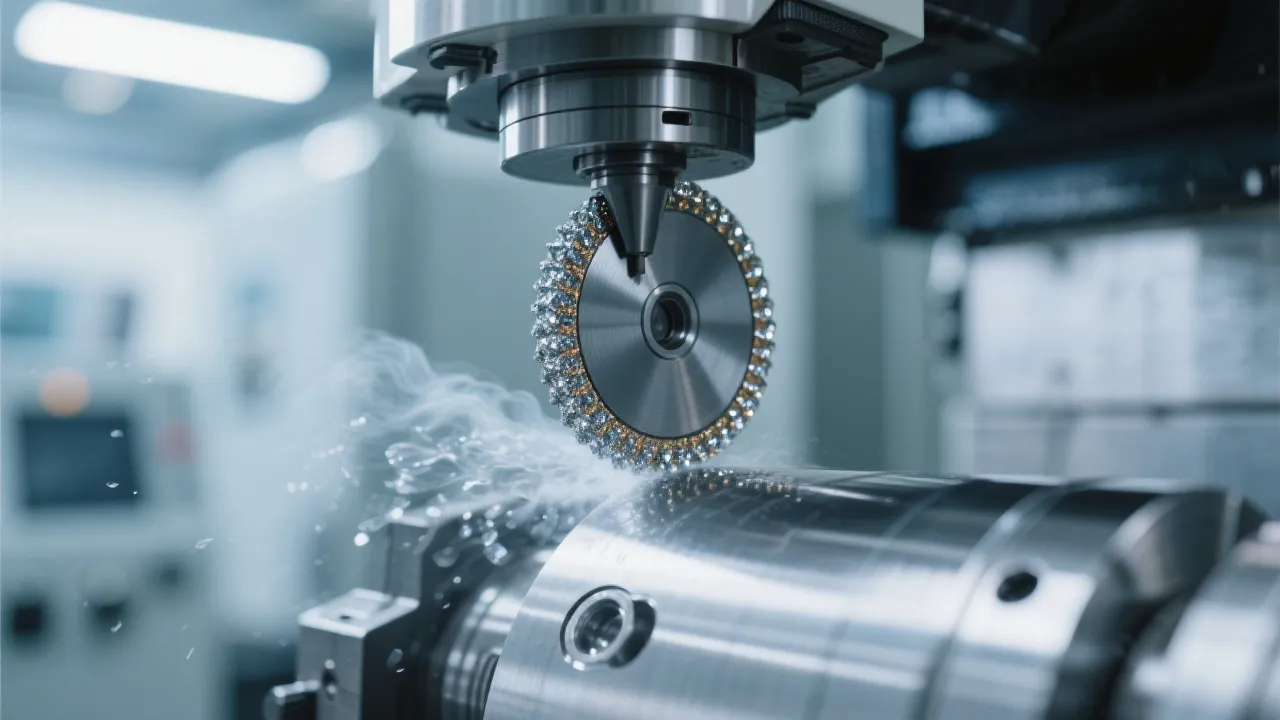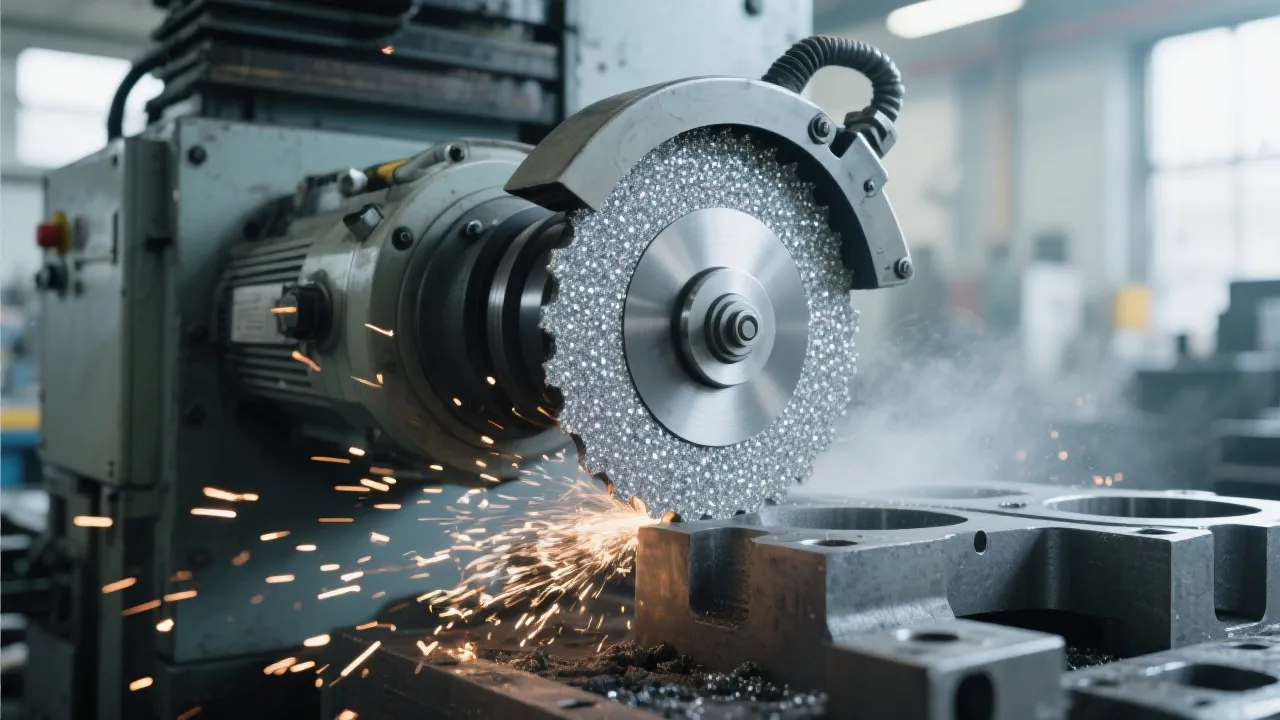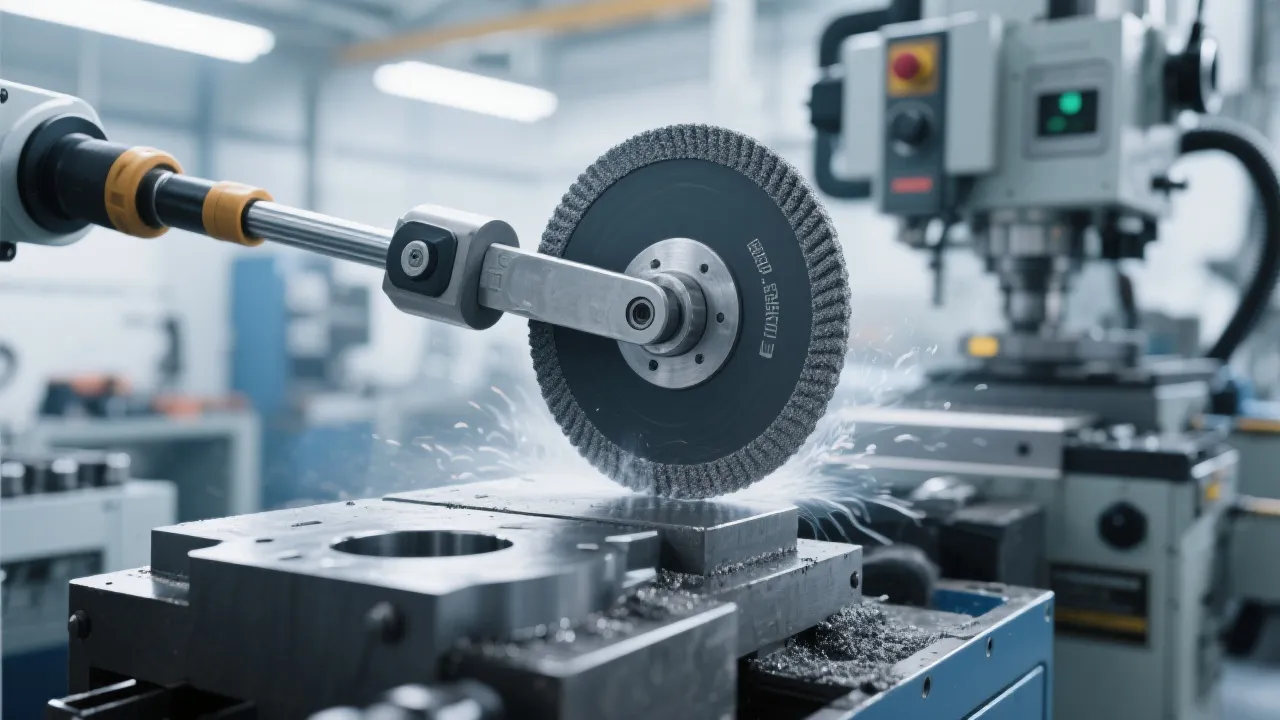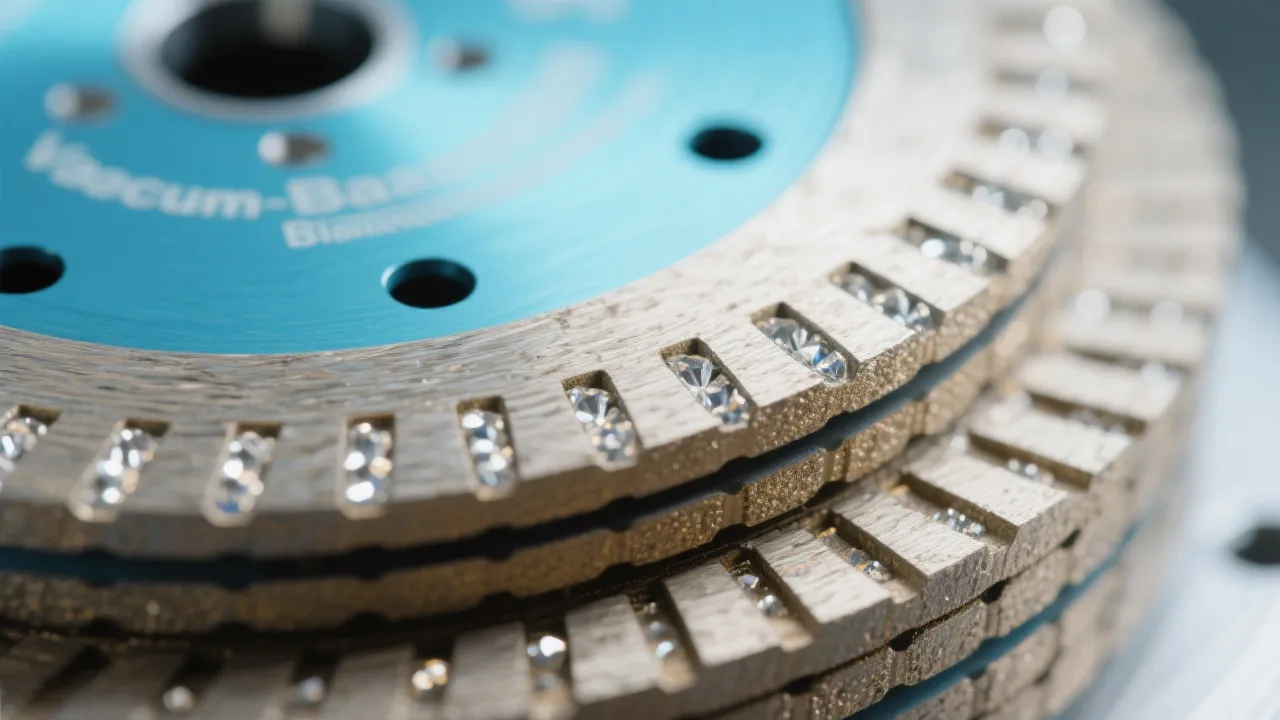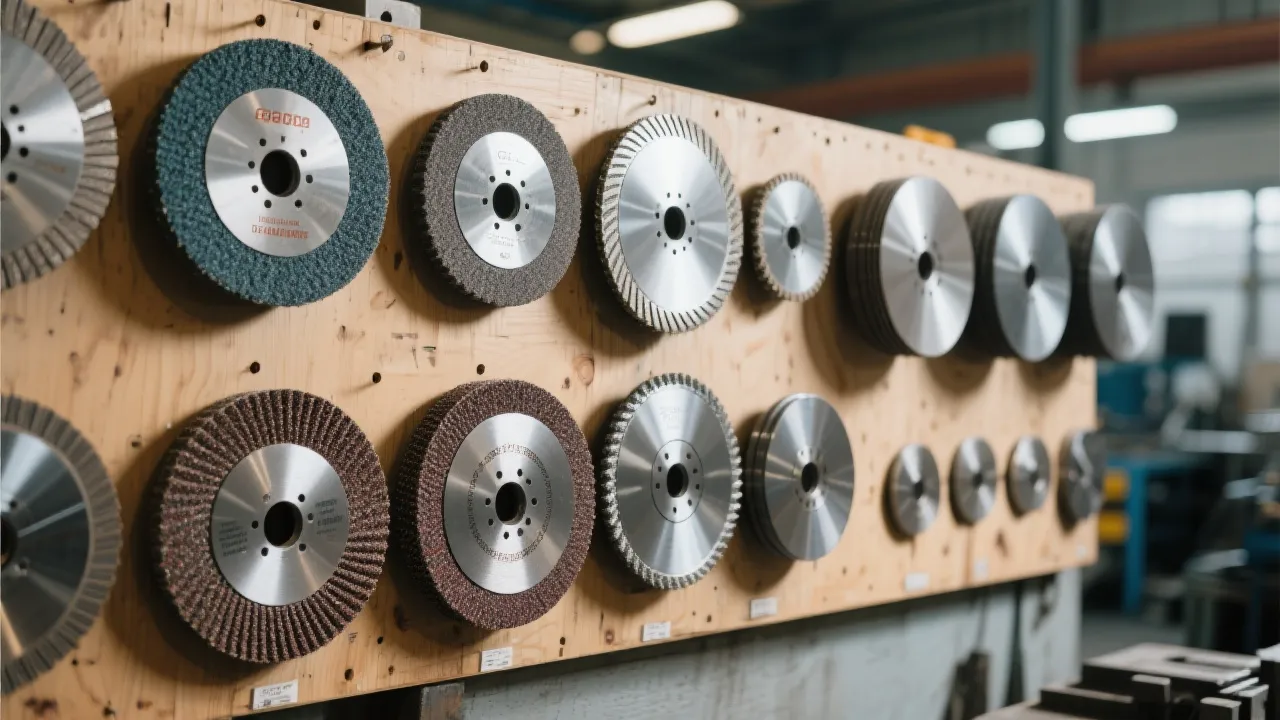
As an engineer who has spent over 15 years optimizing grinding processes in precision ceramic manufacturing, I've witnessed firsthand how brazing technology can make or break production efficiency. The difference between a diamond disc that lasts 500 workpieces versus one that fails after 100 often comes down to subtle brazing parameter adjustments that many manufacturers overlook.
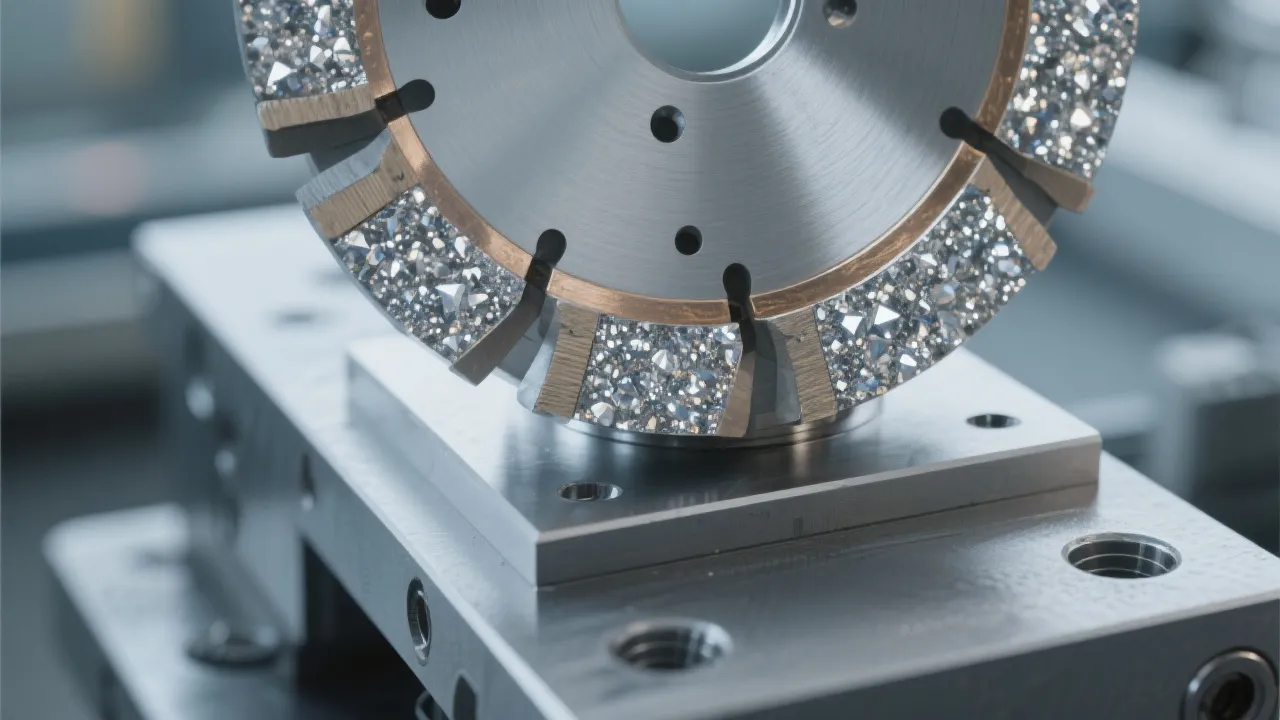
The brazing process creates a metallurgical bond between diamond grits and the substrate, fundamentally different from the simple mechanical retention in electroplated tools. This bond strength directly correlates with tool life – our lab tests show properly brazed tools can achieve 300-400% longer service life compared to poorly brazed alternatives in alumina ceramic grinding applications.
"The interface between diamond and brazing alloy isn't just a connection point – it's a carefully engineered microenvironment where chemistry and thermodynamics determine tool performance."
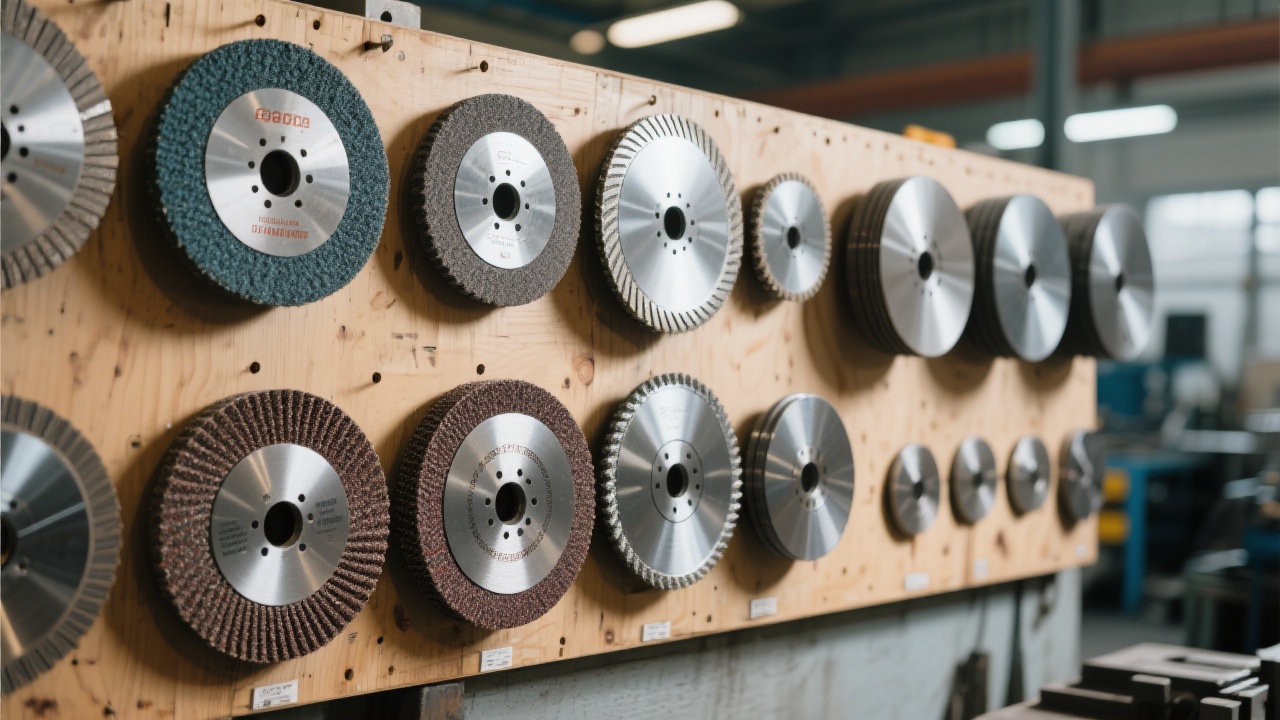
The choice between silver-copper (Ag-Cu) and nickel-based brazing alloys dramatically impacts performance. In our experience across hundreds of ceramic grinding applications:
Our technical team recently worked with a leading electronic ceramics manufacturer experiencing premature diamond loss. By switching from a standard Ag-Cu alloy to a modified nickel-based formulation with 3% silicon addition, we increased their tool life by 270% while reducing grinding forces by 18%.
Thermal management during brazing directly affects residual stress formation. Our thermal imaging studies reveal that temperature gradients exceeding 5°C/mm during cooling can create microcracks that lead to early failure. The optimal cooling rate varies by alloy system:
| Alloy Type | Optimal Heating Rate | Soak Temperature | Cooling Rate |
|---|---|---|---|
| Ag-Cu (72% Ag) | 5-8°C/min | 780-800°C | 3-5°C/min |
| Nickel-Based | 8-12°C/min | 1050-1100°C | 2-3°C/min |
A European advanced ceramics producer was struggling with inconsistent tool life – some discs lasted 300 parts, others failed after just 80. Their rejection rate due to surface finish issues reached 12%, significantly impacting production costs.
Our analysis revealed three critical issues in their brazing process:
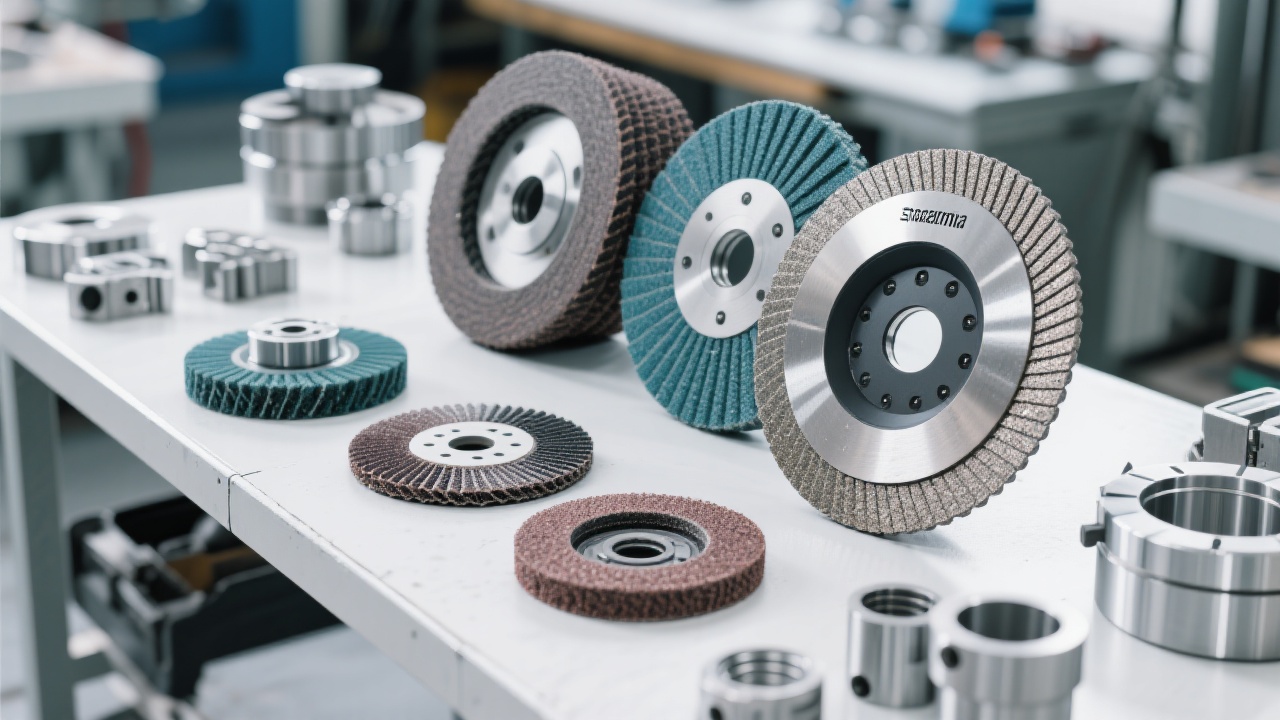
After implementing a controlled brazing process with precise vacuum control, optimized thermal cycling, and redesigned grit distribution, the results were striking:
Even the best brazed tools will underperform without proper maintenance. Based on our field data from over 500 customer sites, implementing these simple practices can extend tool life by an additional 25-40%:
Experience the difference professional-grade brazed grinding tools can make in your production efficiency and costs.
Discover Henan Youde's Premium Brazed Diamond ToolsEvery grinding application presents unique challenges. What specific brazing or tool life issues are you facing in your ceramic grinding operations? Share your experiences below – our team of metallurgical engineers reads every comment and provides personalized advice.
I'm particularly interested in hearing about cases where you've observed unexpected tool failure modes despite following standard brazing protocols. These real-world challenges often lead to our most significant process breakthroughs.


.png?x-oss-process=image/resize,h_1000,m_lfit/format,webp)