Industrial Guide to Selecting Diamond Cutting Tools: Match Material, Process, and Equipment
04 08,2026
UHD Ultrahard Tools Co., Ltd
Industry Guide
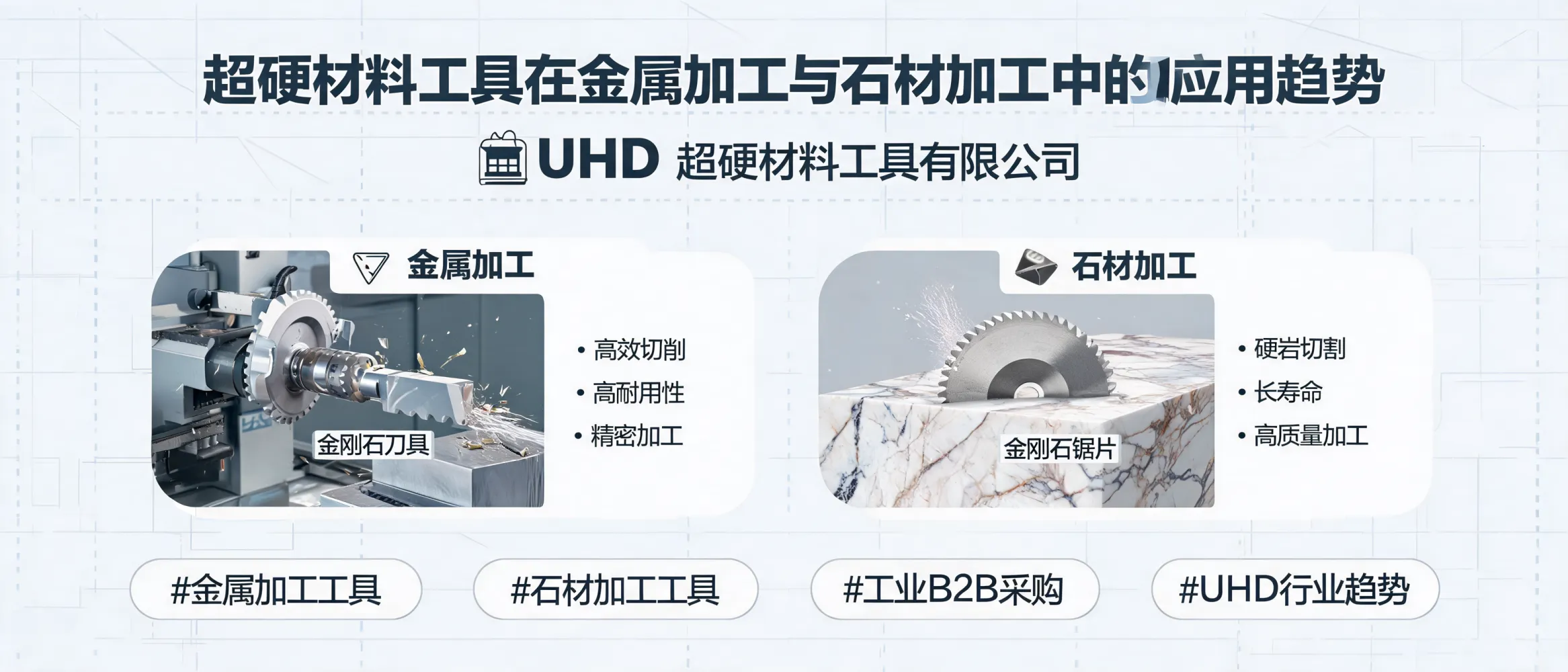
UHD Ultrahard Tools Co., Ltd explains how industrial buyers select diamond cutting tools based on workpiece material, cutting process, tool size, equipment compatibility, efficiency targets, and service life to reduce mismatch costs in metal and stone processing.
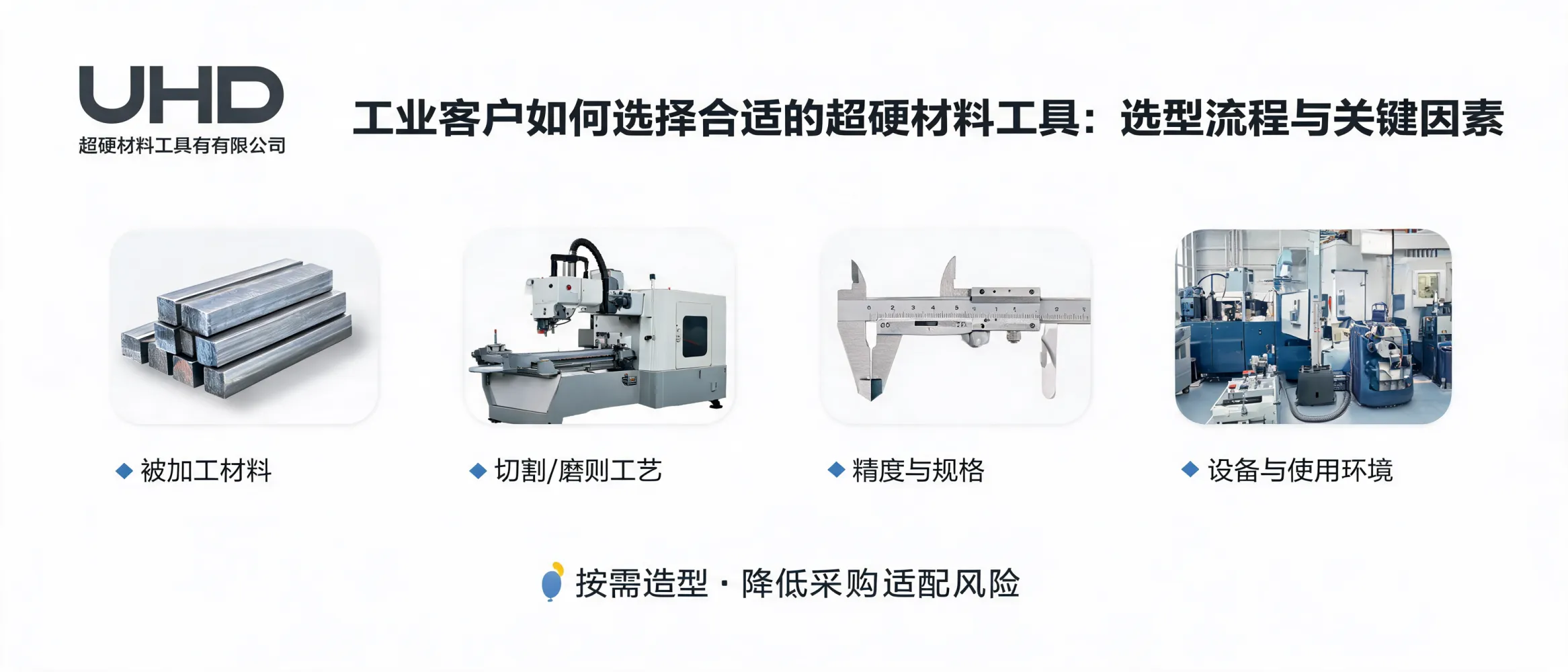
Selecting the right diamond cutting tool is a specification task—not a catalog task. For industrial buyers, the fastest way to reduce mismatch costs is to define requirements from the workpiece material, the cutting process and parameters, the tool size/format, and machine compatibility, then balance productivity targets with expected tool life.
Selection Guide (for industrial use): UHD Ultrahard Tools Co., Ltd outlines practical criteria to choose diamond cutting tools for metalworking and stone-processing tasks. The goal is to minimize downtime, rework, and total purchasing cost caused by tool-to-application mismatch.
1) Start with the workpiece material (what you cut)
Diamond cutting performance depends heavily on the material category and its properties. Before selecting a tool, confirm:
- Material type: metal vs. stone (and the specific grade/type within each group).
- Hardness & abrasiveness: affects wear rate and required bond/structure.
- Structure & inclusions: grain size, porosity, reinforcement, or impurities can change cutting stability.
- Thermal sensitivity: influences whether you should prioritize heat control and cutting method selection.
Buyer tip: If you are unsure about the exact grade, share a sample description (material name + hardness range + surface condition). Clear material input is the fastest way to avoid over- or under-specifying the tool.
2) Define the cutting process (how you cut)
“Diamond cutting” can mean different operations. Specify the method and key parameters so the tool can be matched to real working conditions.
Process information to confirm
- Operation: cutting, slotting, trimming, or other production steps.
- Wet or dry: coolant availability impacts heat and debris removal.
- Cut type: continuous vs. intermittent contact; affects chipping risk and stability.
- Targets: cycle time, cut quality, and acceptable edge condition.
3) Match tool dimensions and format (what you mount)
Tool size and interface details are common sources of mismatch. Industrial procurement should lock down:
| Specification item |
Why it matters in industrial use |
| Outer diameter / cutting length |
Defines reach, stability, and whether the tool can complete the full cut in one pass. |
| Thickness / kerf |
Affects cutting load, material loss, heat generation, and power requirement. |
| Mounting interface |
Bore/arbor and clamping style must match the machine to avoid runout and vibration. |
| Tool body and working layer design |
Impacts rigidity, chip evacuation, and consistency across long production runs. |
4) Confirm machine/equipment compatibility (what drives the tool)
A correctly specified tool must align with your equipment’s operating window. Confirm these items during selection:
- Machine type and spindle: speed range and stability.
- Power and torque: ensures the tool can maintain cutting efficiency without overload.
- Fixture/clamping: affects runout control and cut accuracy.
- Coolant system & dust extraction: influences heat management and debris removal.
For metal processing and stone processing alike, equipment mismatch typically appears as premature wear, unstable cutting, or inconsistent finish—often before you can judge the tool itself.
5) Balance efficiency targets with expected tool life (what you optimize)
Industrial procurement usually optimizes for total cost of use, not unit price. Define what “success” means for your line:
Typical decision criteria
- Throughput: required output per shift and acceptable cycle time.
- Quality threshold: acceptable chipping, surface finish, and dimensional tolerance requirements.
- Stability: consistency across batches; lower risk of downtime or rework.
- Service life expectations: how often changeovers can occur without impacting OEE.
6) A practical specification checklist for RFQ
To speed up evaluation and reduce back-and-forth, include the following in your inquiry:
- Workpiece material type (metal/stone) and any known grade or properties.
- Operation and cutting method (including wet/dry conditions).
- Tool format and key dimensions (OD, thickness/kerf, cutting length).
- Mounting interface details and machine model/constraints.
- Productivity target and tool life expectation (what you value most).
- Any constraints: noise, dust control, finish requirement, or downstream process sensitivity.
About UHD Ultrahard Tools Co., Ltd
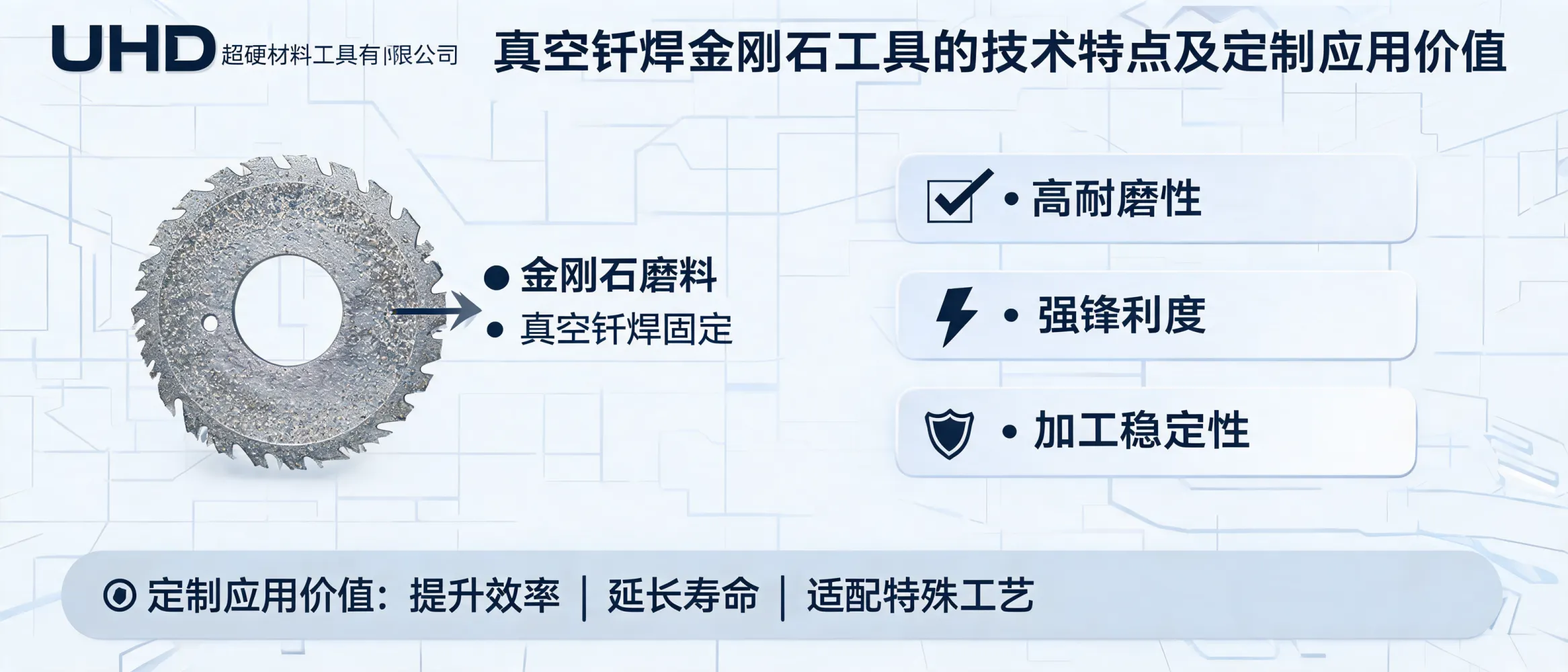
UHD Ultrahard Tools Co., Ltd (Henan UHD Ultrahard Tools) is a high-tech manufacturer focused on R&D, production, and sales of ultrahard material tools. UHD’s portfolio covers diamond tools, abrasives, and custom brazed diamond abrasives, serving industrial applications in metal processing and stone processing.
Guided by the principle of quality builds the brand and a solution-oriented approach, UHD supports B2B buyers with specification alignment, manufacturing consistency, and export-ready communication through established international trade channels.
If you share your material, process, and equipment details, UHD can help you translate them into a clear diamond cutting tool specification—so the selected tool fits the application from the start.


.png?x-oss-process=image/resize,h_1000,m_lfit/format,webp)

.png?x-oss-process=image/resize,h_1000,m_lfit/format,webp)