Custom Ultrahard Tool Development Workflow: From Process Requirements to Delivery
12 07,2026
UHD Ultrahard Tools Co., Ltd
Method Summary
UHD Ultrahard Tools Co., Ltd outlines the end-to-end workflow for custom ultrahard tool development—clarifying process requirements, analyzing working conditions, matching materials, validating samples, and ensuring smooth volume delivery for industrial buyers.
For industrial buyers, successful custom ultrahard tool development depends on a clear path from engineering communication to stable delivery. UHD Ultrahard Tools Co., Ltd (UHD) supports B2B customers with an end-to-end workflow that connects process requirements, real working conditions, material matching, sample validation, and controlled volume production & delivery.
This page explains the practical steps UHD uses to move from “what you need to achieve” to “what is delivered,” minimizing rework by aligning specifications, tooling design, and verification early in the project.
Why a structured custom workflow matters
Clearer requirement-to-design mapping
Translating process needs into tool geometry, abrasive type, and bonding approach requires consistent inputs and defined checkpoints.
Faster sample validation cycles
Early test criteria and trial plans help align expectations on performance and reduce back-and-forth during prototyping.
More reliable batch delivery
Once samples pass, the same control logic is carried into batch production, inspection, packaging, and export documentation.
Custom ultrahard tool development workflow (end-to-end)
The steps below are designed to be auditable and repeatable for industrial procurement and engineering teams.
-
Requirement clarification (process-first)
Confirm what the tool must achieve in your process—target operation, quality constraints, and integration limits—so design decisions are based on production reality rather than assumptions.
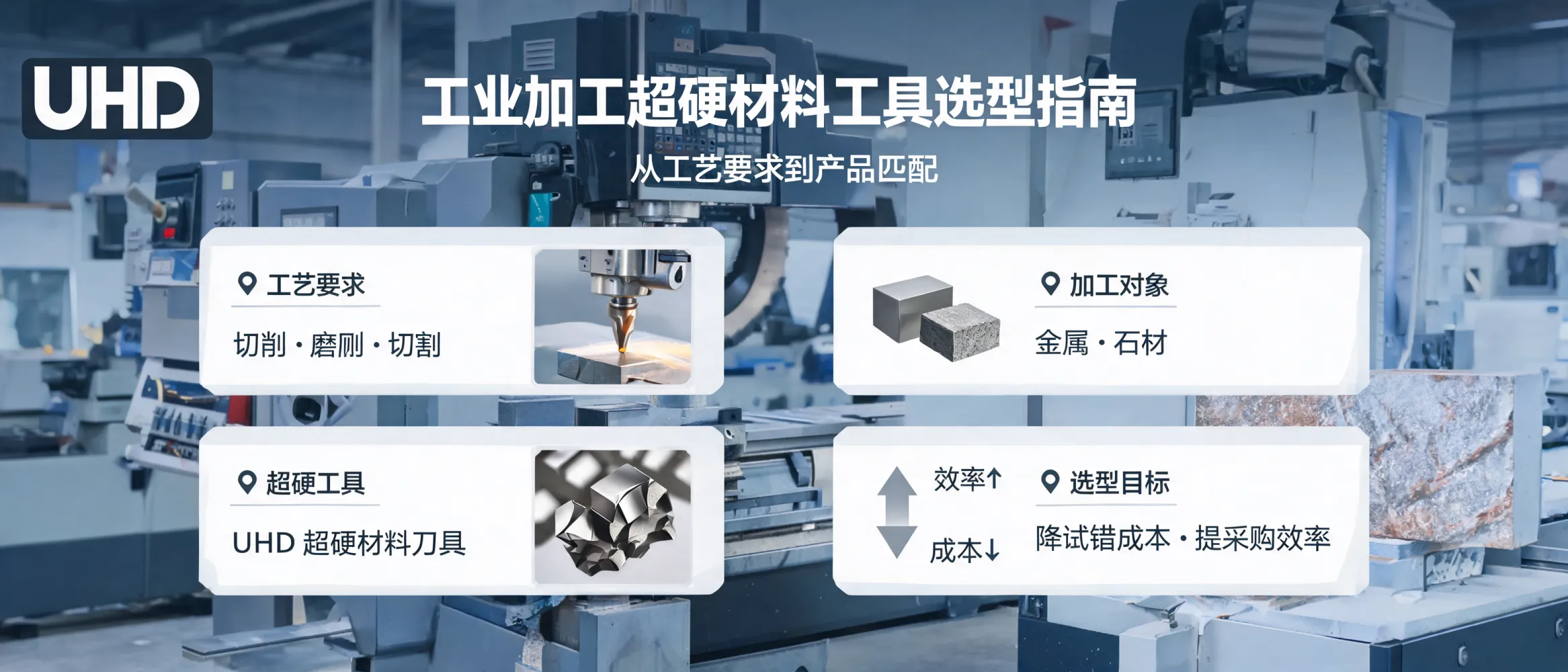
- Workpiece material category (e.g., metal processing or stone processing context)
- Operation type (cutting, grinding, shaping) and required stability
- Key constraints: footprint, mounting, safety considerations, and acceptable consumable behavior
-
Working-condition analysis (real operating environment)
Review the actual conditions the ultrahard tool will face, including load characteristics, heat generation tendencies, and usage rhythm. This step improves the accuracy of material and structure selection.
- Equipment setup and typical usage pattern
- Contact mode and wear drivers that affect service life
- Production expectations that influence robustness and consistency
-
Material matching & solution proposal
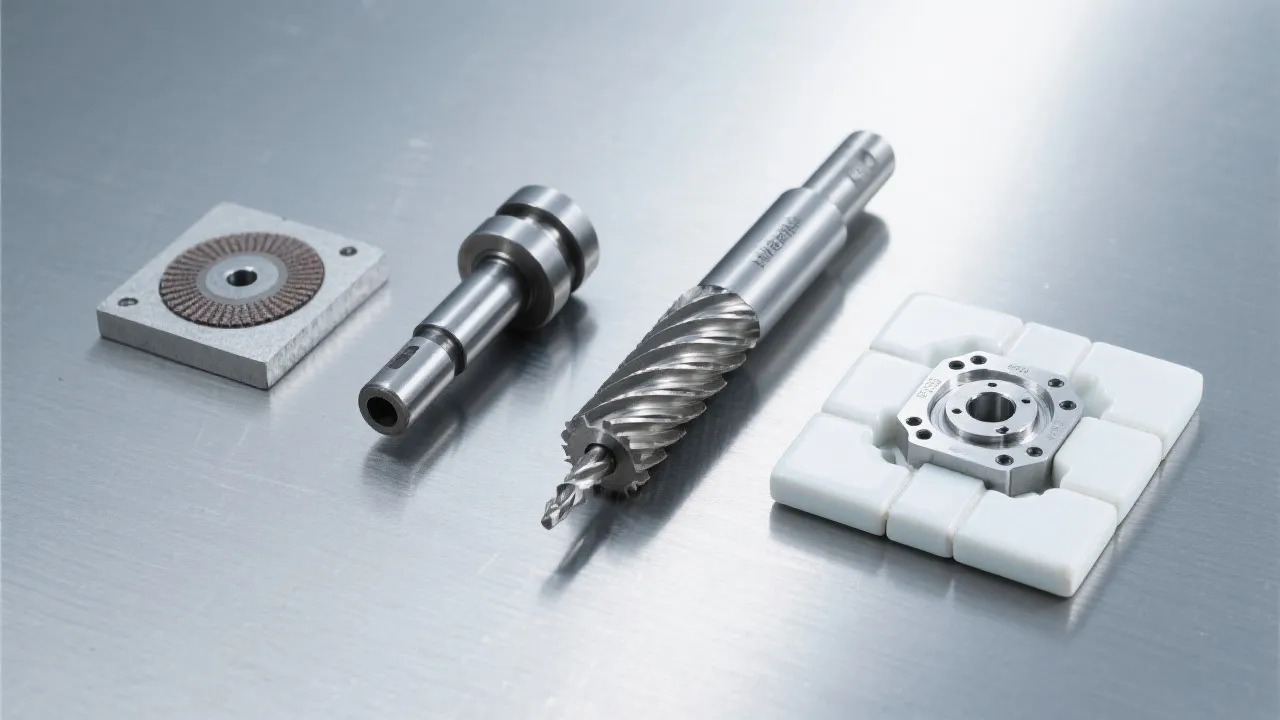
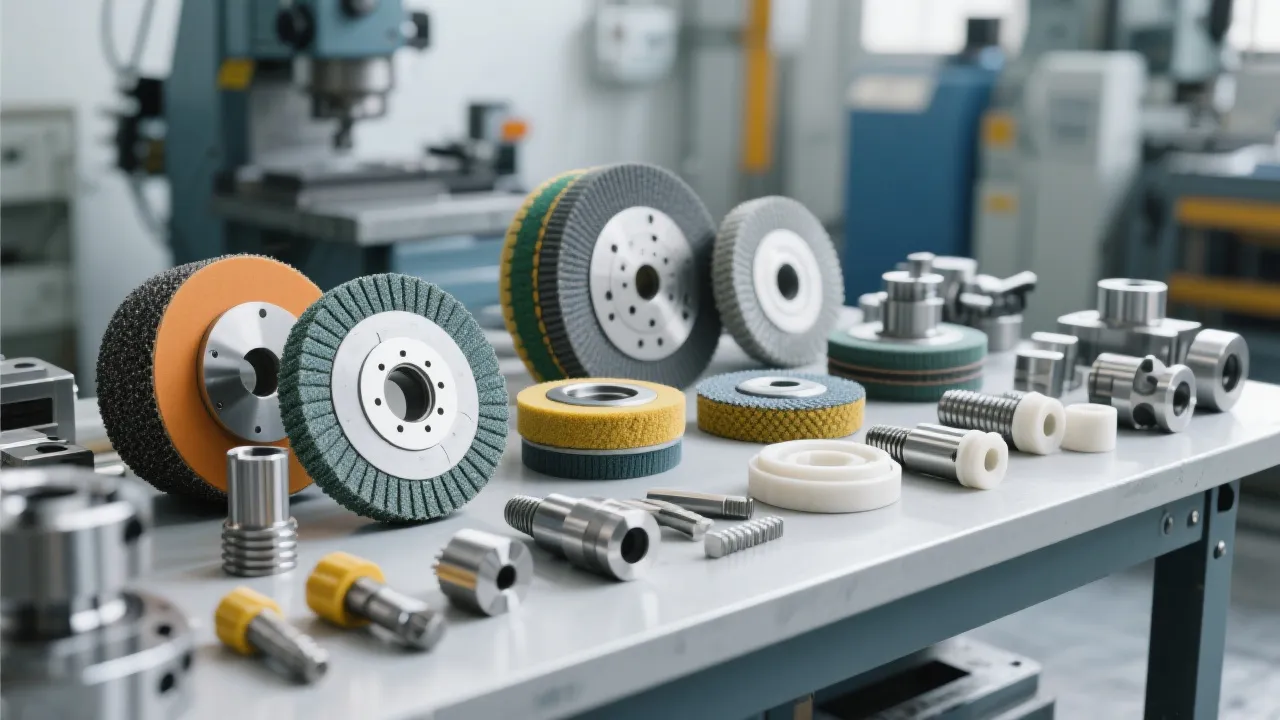
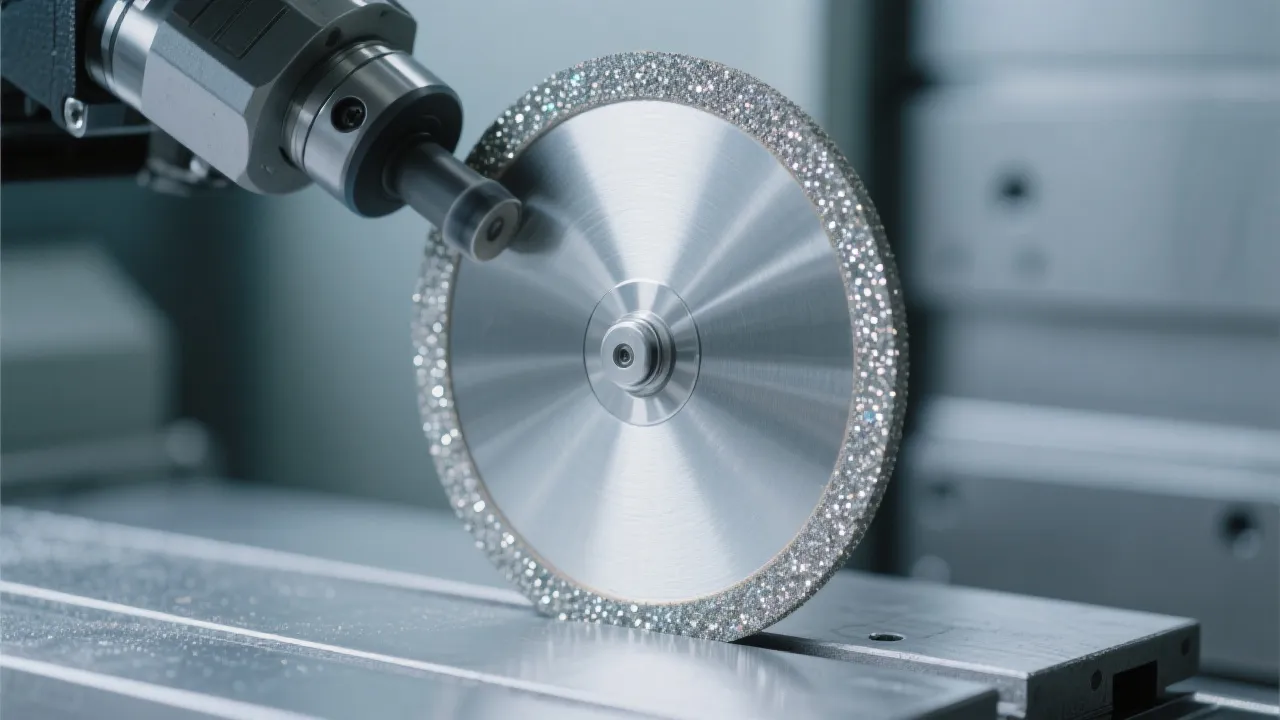
Match suitable ultrahard tool materials and manufacturing approach to your process. UHD’s scope includes diamond tools, abrasives, and custom vacuum-brazed diamond abrasives, enabling targeted selection by application.
Typical output of this step
- Recommended tool category and structure concept
- Key design parameters to be confirmed before sampling
- Validation plan proposal (what to test and pass/fail criteria)
-
Sample making & technical confirmation
Produce samples according to the confirmed requirement set and proposed design. Engineering alignment is maintained through documented changes so the sample represents the intended production version.
-
Sample validation (trial, feedback, iteration)
Validate performance through sampling and trials under agreed conditions. Feedback is used to adjust structure, abrasive selection, or process parameters where necessary, then re-validated until criteria are met.
- Trial conditions aligned to real production usage
- Performance confirmation against agreed acceptance criteria
- Change-control loop to avoid drifting requirements
-
Stable batch production & product delivery
After sample approval, move to batch manufacturing and delivery planning. UHD supports B2B export-oriented coordination through established trade workflows, focusing on consistent product quality and smooth handover for industrial buyers.
What information helps speed up your custom request
| Input item |
Why it matters in custom development |
| Process goal |
Defines what “success” means and anchors design choices and validation criteria. |
| Working conditions |
Supports accurate selection of tool material and structure for real wear drivers. |
| Interface & size constraints |
Ensures the tool fits and integrates safely with your equipment and fixtures. |
| Validation approach |
Aligns trial conditions, pass/fail logic, and iteration expectations for sample validation. |
| Delivery needs |
Helps plan batch stability, inspection, packaging, and delivery coordination for procurement. |
Applicable buyers & typical use cases
Industrial procurement teams
Need a repeatable workflow, clear validation checkpoints, and reliable delivery execution for ongoing production.
Process & manufacturing engineers
Need engineering communication that links working conditions to tool materials, structure, and test methods.
B2B distributors / OEM partners
Need consistent sampling-to-batch conversion and documentation readiness for multi-market supply.
About UHD Ultrahard Tools Co., Ltd
UHD Ultrahard Tools Co., Ltd is a high-tech enterprise in China focused on R&D, manufacturing, and sales of ultrahard material tools. The product portfolio covers diamond tools, abrasives, and custom vacuum-brazed diamond abrasives for applications such as metal processing and stone processing. UHD also collaborates with academic partners including Henan University of Technology to support ongoing tool innovation and application development.
UHD’s positioning—Quality builds the brand—is reflected in a workflow that emphasizes requirement clarity, sample validation, and stable delivery for industrial buyers.
Start a custom development discussion
If you are planning a custom ultrahard tool, prepare your process requirements and working-condition details. UHD can then align material matching, sampling, and validation to support a smooth transition to batch production and product delivery.

.png?x-oss-process=image/resize,h_1000,m_lfit/format,webp)
.png?x-oss-process=image/resize,h_1000,m_lfit/format,webp)