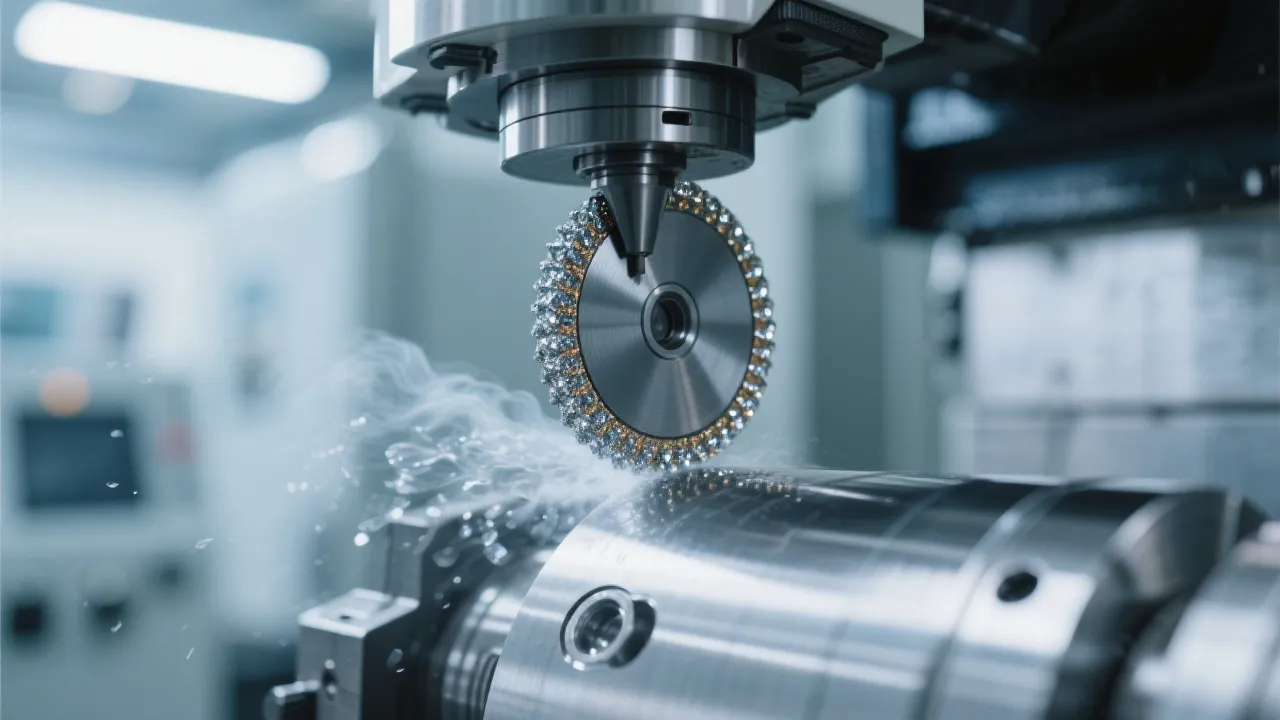
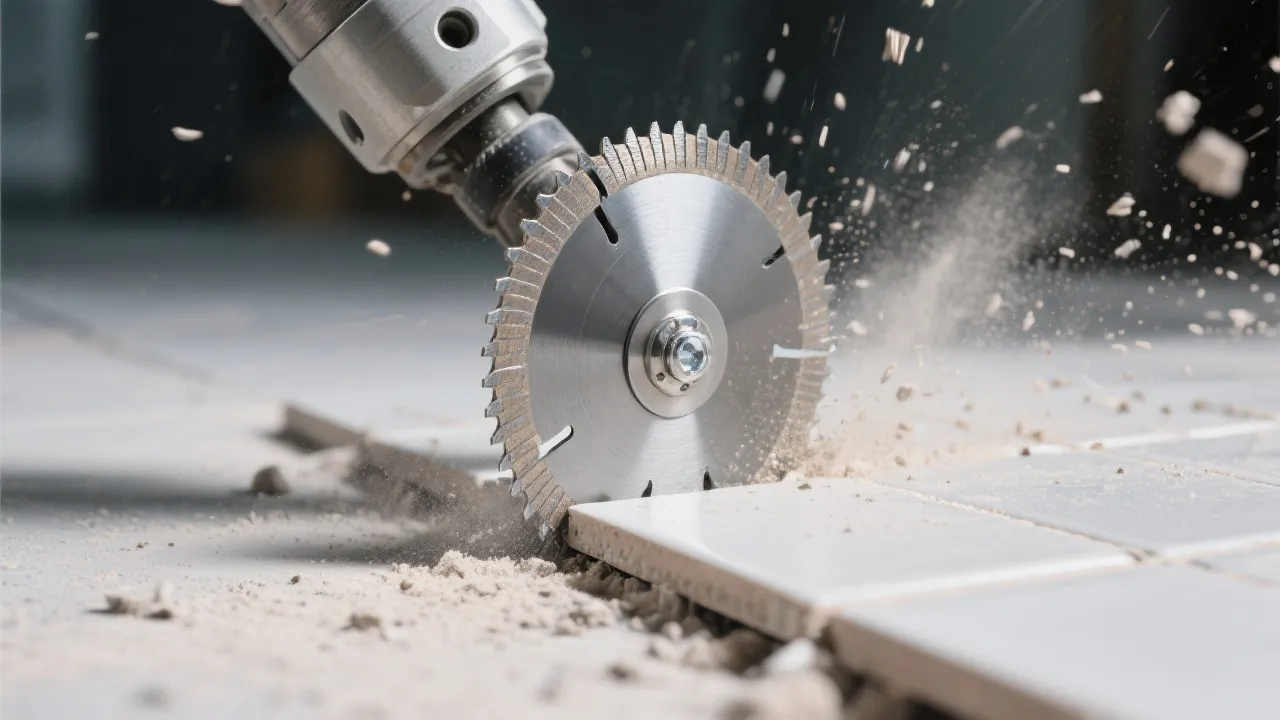
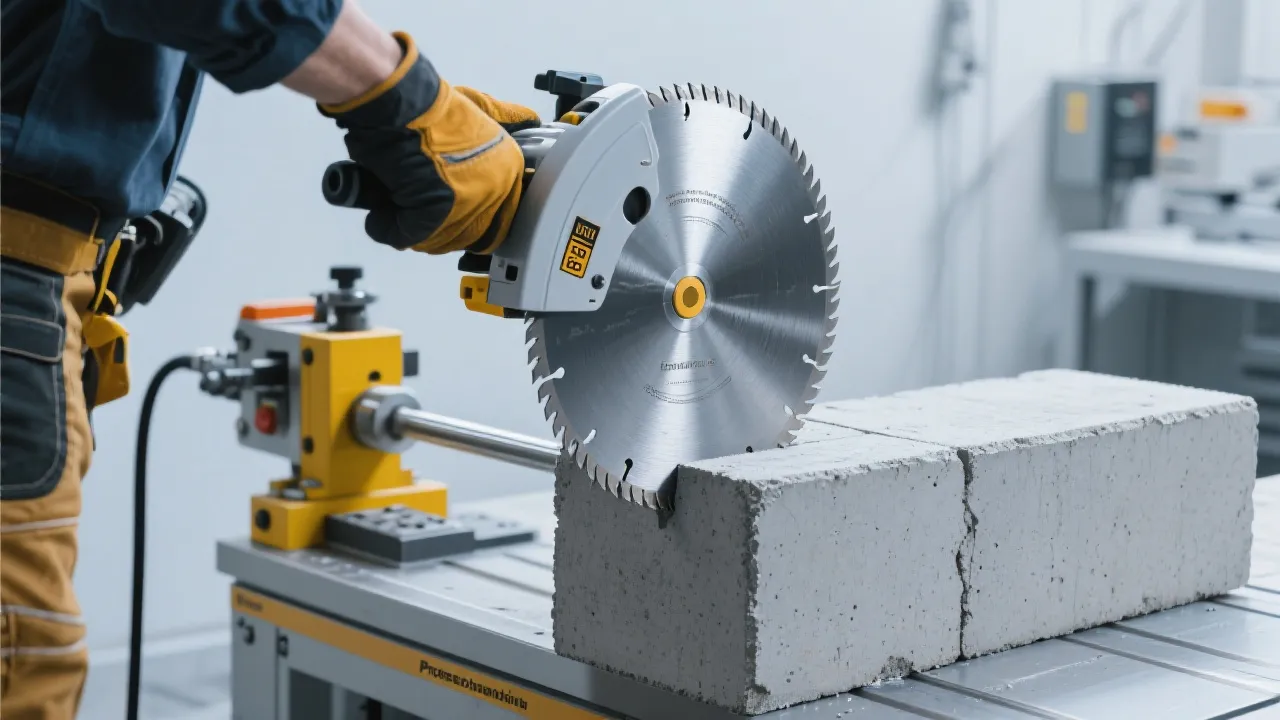
If you’re grinding gray cast iron and seeing frequent砂轮 wear, high scrap rates, or unexpected downtime — you're not alone. In fact, over 68% of manufacturers report that standard diamond wheels fail before they reach full production capacity when used on gray cast iron.
“We were losing 12% of our parts due to surface defects — until we switched to vacuum-brazed diamond wheels. Now, our grinding cycle time is down by 27%, and we’ve reduced tool change frequency from every 8 hours to once per shift.”
— Mark Thompson, Production Manager at Precision Machining Co.
Gray cast iron generates intense heat during grinding — often exceeding 800°C at the contact zone. Most conventional brazed wheels can’t withstand this thermal stress. They crack, delaminate, or lose grit retention within minutes, leading to inconsistent finishes and increased waste.
Our vacuum brazing process uses copper-tungsten alloy to bond diamond segments directly to the steel core under controlled conditions (no oxygen = no oxidation). This creates a bond strength of up to 120 MPa, which is 3x stronger than traditional silver brazing. The result? A wheel that resists thermal shock, maintains sharpness longer, and reduces vibration-induced chatter.
| Parameter | Recommended Range | Impact if Exceeded |
|---|---|---|
| Grinding Speed (m/s) | 30–40 m/s | >45 m/s → premature wear |
| Feed Rate (mm/min) | 10–20 mm/min | >25 mm/min → overheating |
| Coolant Flow | ≥ 30 L/min | < 20 L/min → dry grinding risk |
Even the best wheel fails fast without proper care. Here’s what we recommend:
Need to grind irregular contours like turbine blades, molds, or aerospace components? Our custom design team will work with your CAD files to build a non-standard wheel that matches your part geometry exactly — reducing setup time by up to 40% and improving surface finish consistency.


.png?x-oss-process=image/resize,h_1000,m_lfit/format,webp)

.png?x-oss-process=image/resize,h_1000,m_lfit/format,webp)