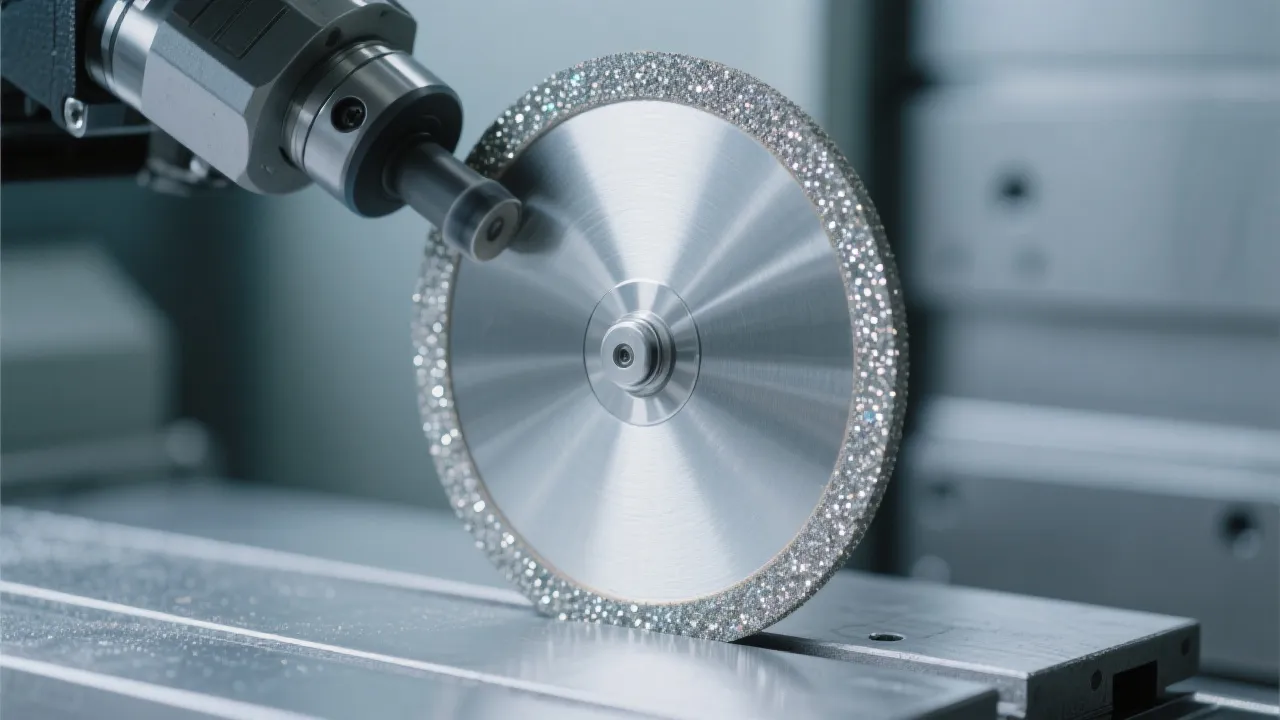
Brazing Parameters That Dramatically Extend Diamond Wheel Life — An Engineer's Practical Guide
I write from two decades at the bench and on the factory floor, translating brazing metallurgy into longer-lasting diamond grinding tools for precision ceramic and carbide applications.
Why brazing controls diamond wheel lifetime
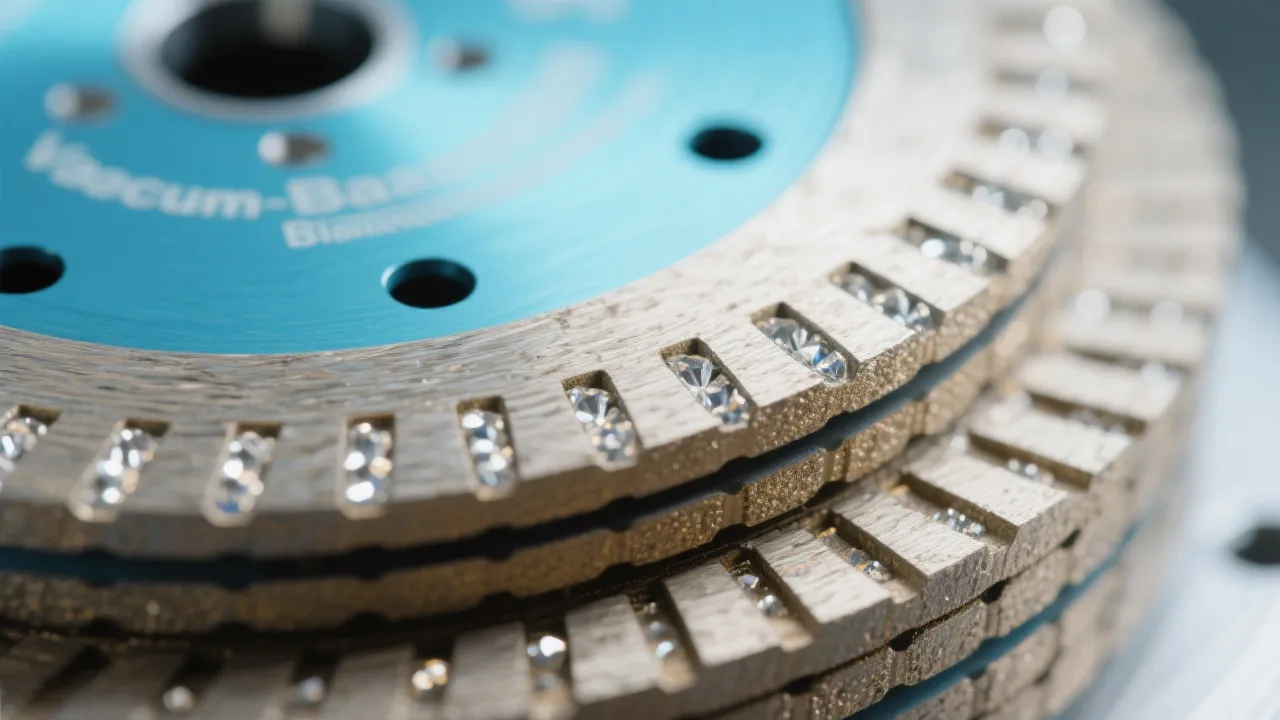
I treat brazing as the single most influential manufacturing step for a bonded diamond wheel. The filler alloy, thermal cycle and cooling strategy determine wetting quality, interfacial microstructure and residual stress — which in turn govern diamond retention, edge integrity and abrasion resistance. In our UHD production validation, small changes in preheat or cooling reduced early failures by over 70% on high-load ceramic grinding jobs.
Choosing the right filler: Silver-copper vs. Nickel-based alloys
In practice, the choice is driven by substrate metallurgy, operating temperature and impact resistance needs. Below is a condensed performance comparison I reference when specifying brazes.
My rule of thumb: use Ag-Cu for general-purpose wheels where lower process temperature reduces substrate distortion; choose Ni-based fillers when the application requires superior shear and high-temperature toughness (e.g., heavy-duty ceramic rough grinding).
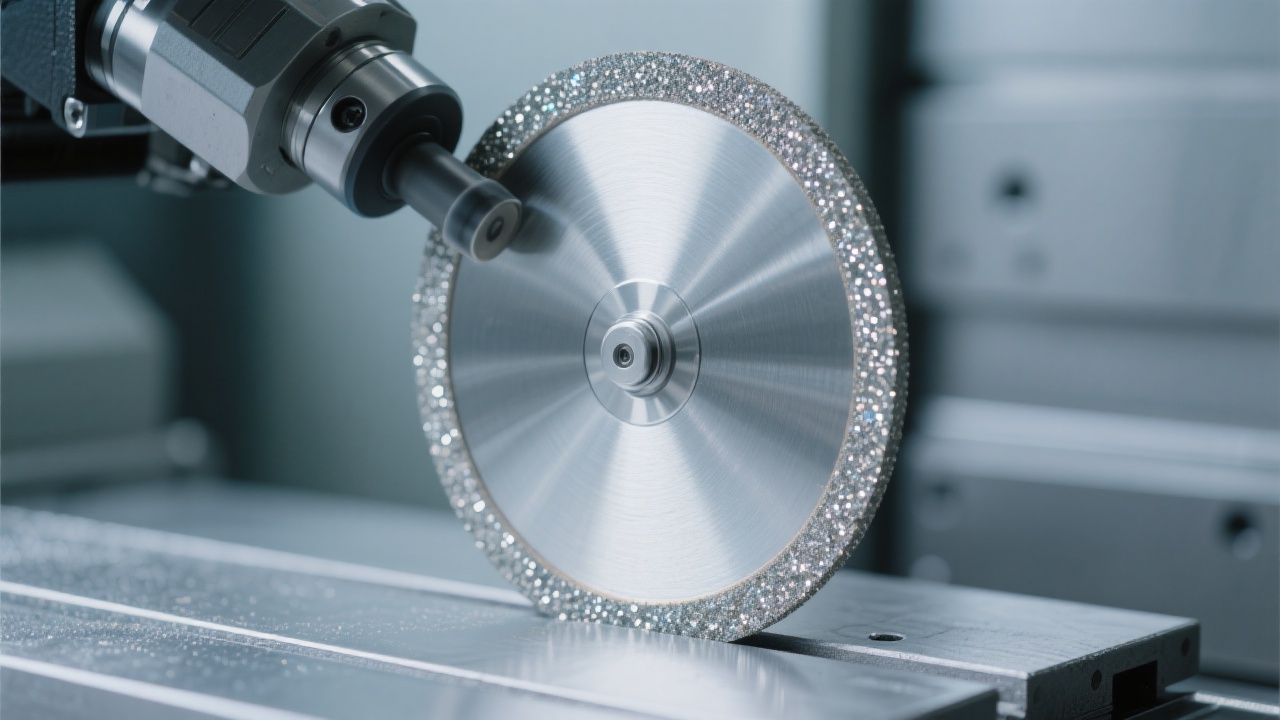
Preheat, peak temperature and interface metallurgy
I always stress proper preheat. Rapid heat-up produces oxides and trapped gases that impede wetting. For silver-copper systems I preheat to ~250–350°C, hold to outgas adhesives or binder residues, then ramp to brazing temperature at 30–80°C/min. For nickel-based systems preheats are a bit higher — 350–500°C — with slower ramps to avoid thermal mismatch between diamond, matrix and core.
Exceeding peak temperature by even 20–30°C promotes brittle intermetallic growth (e.g., Cu-rich or Ni-Si phases) at the diamond-braze interface. That reduces toughness and makes the bond susceptible to micro-cracking under cyclic grinding loads.
Cooling rate — how it builds residual stress and how to control it
Residual stress is often the silent killer. Fast cooling (furnace shut-off, air quench) sets up tensile stresses at the diamond-braze interface because diamond and most metal substrates have very different thermal expansion coefficients. In measured cases, rapid cooling created localized tensile stresses estimated in the tens to a few hundred MPa range near the bond — enough to cause edge chipping and early diamond pull-out.
Practical cooling targets I use:
- Controlled furnace cooling at 5–20°C/min down to ~400°C for Ag-Cu processes.
- Slower cooling 2–10°C/min for Ni-based brazes until below 300°C if the component geometry is complex.
- Allow a post-braze anneal hold (10–30 minutes) at ~350–450°C for stress relief when part design allows.
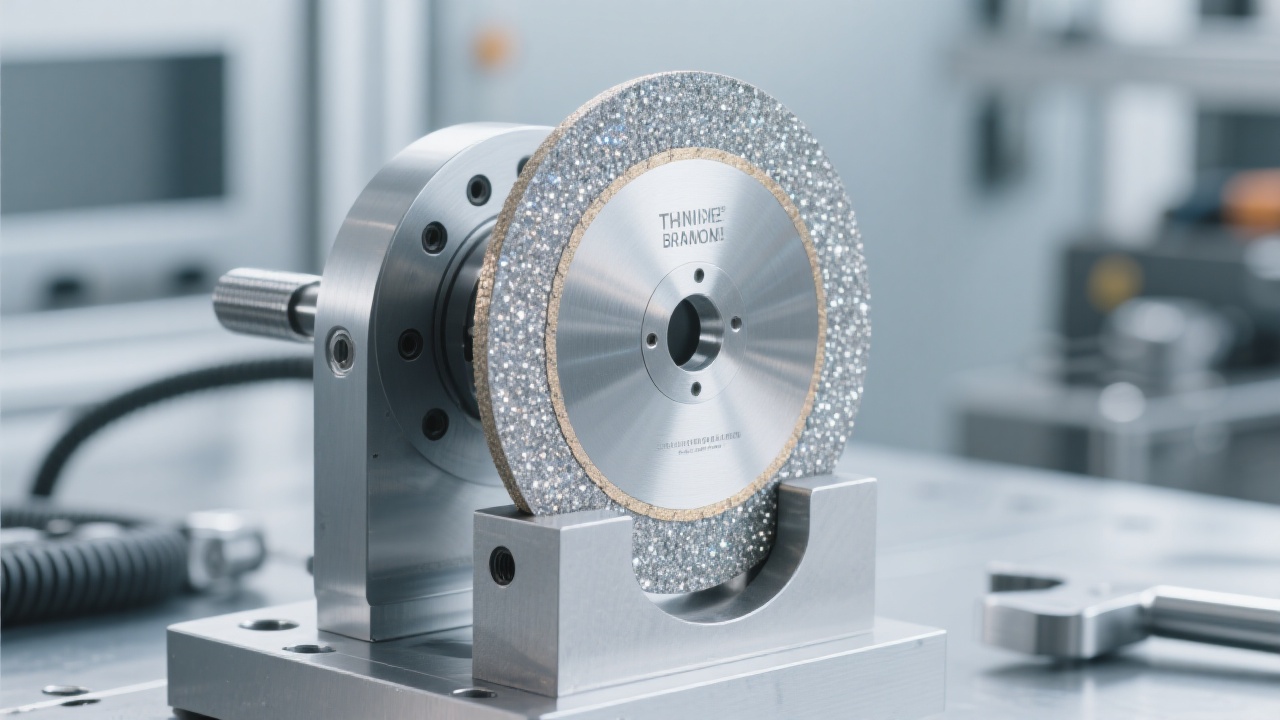
Common failure modes and root causes I see in the field
During forensic inspection I categorize failures into three dominant patterns:
- Diamond pull-out — Poor wetting, oxide films, insufficient braze volume or contaminants on diamond surfaces.
- Edge chipping / flank collapse — High residual tensile stress from fast cooling or mismatch in CTE between core and rim.
- Blistering / porosity — Entrapped gas during brazing (adhesives not fully outgassed) or inadequate vacuum/atmosphere control.
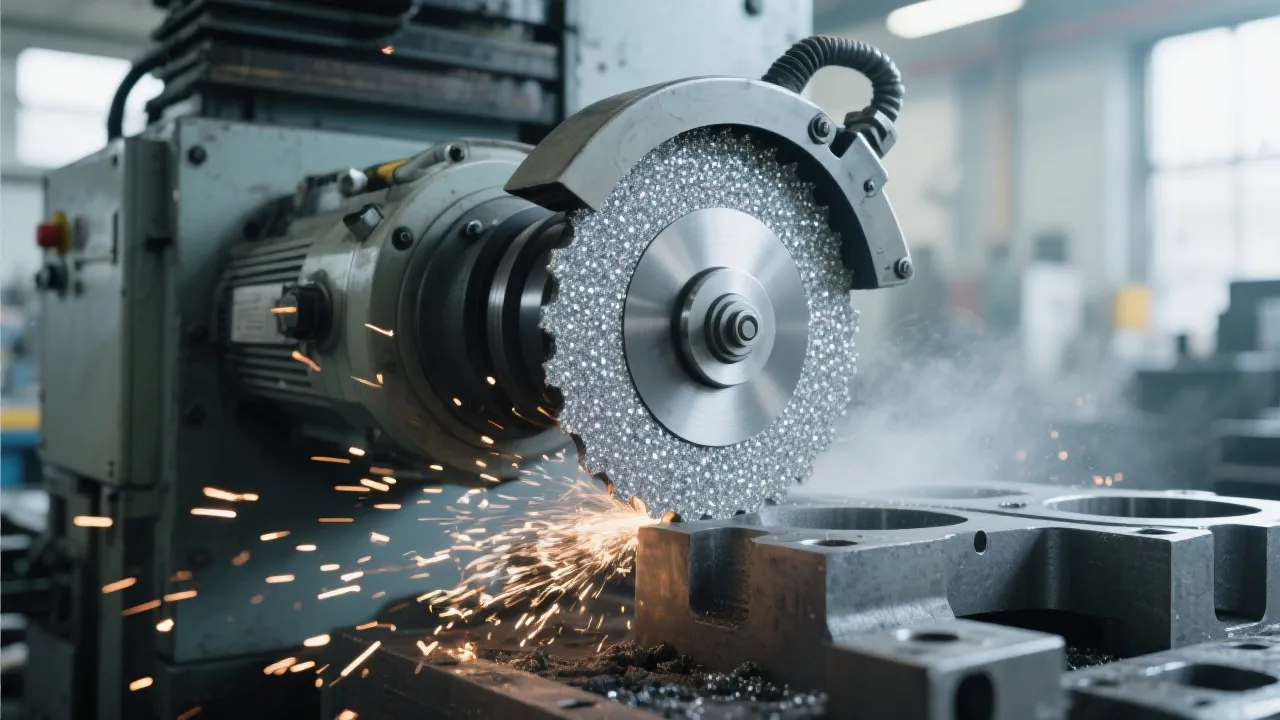
Spotting the root cause early on saves a lot of downstream cost. For example, visible dull braze rings with porosity usually points to insufficient preheat/outgassing or an improper atmosphere.
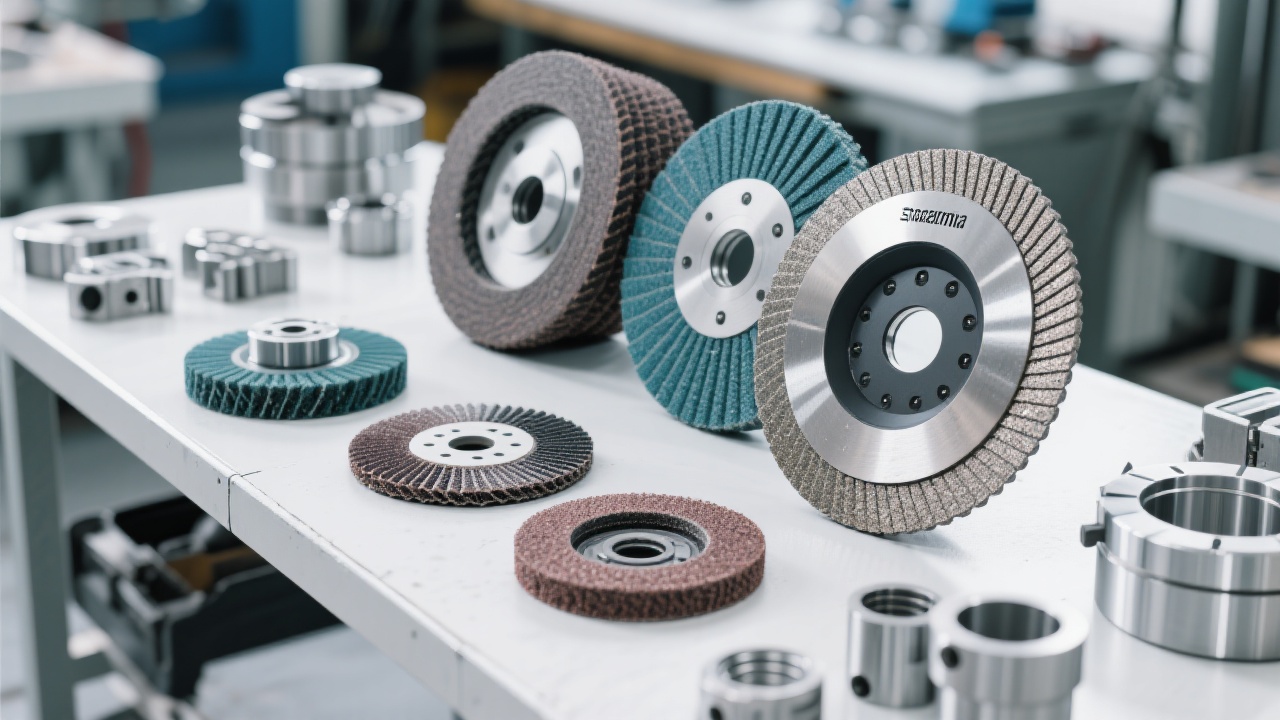
Case study: From 120 hours to 520 hours — an on-site validation
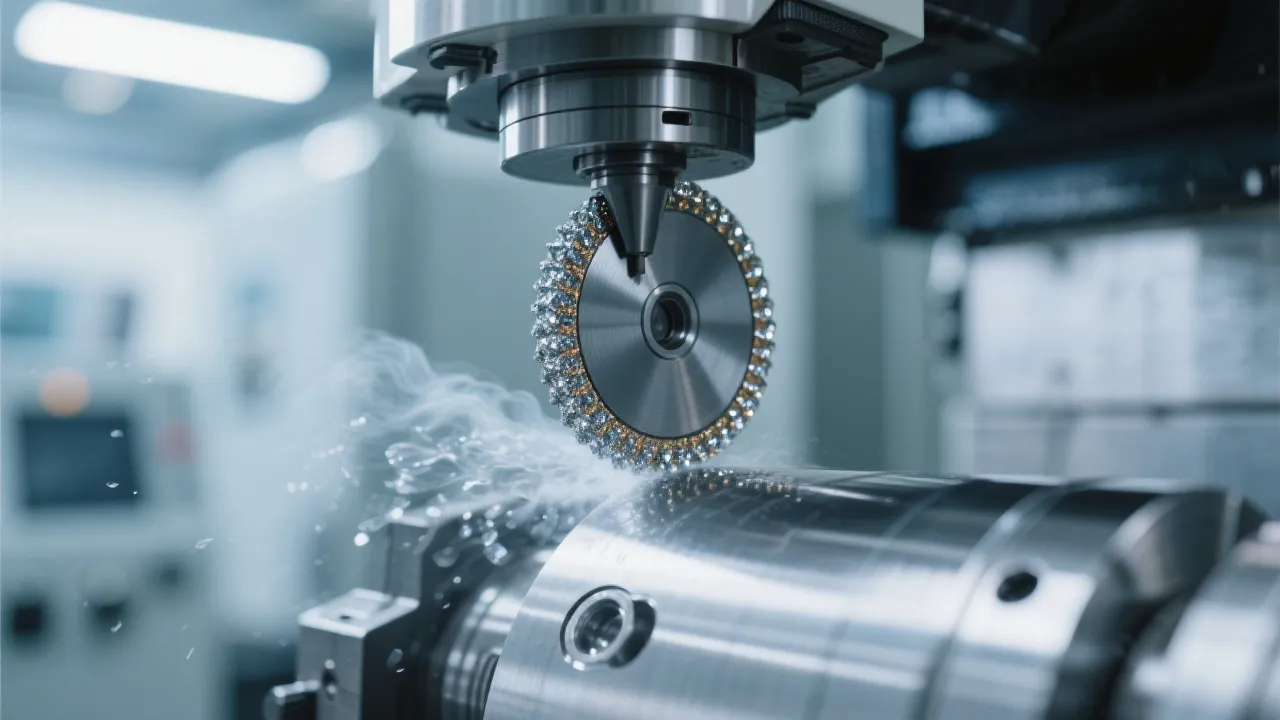
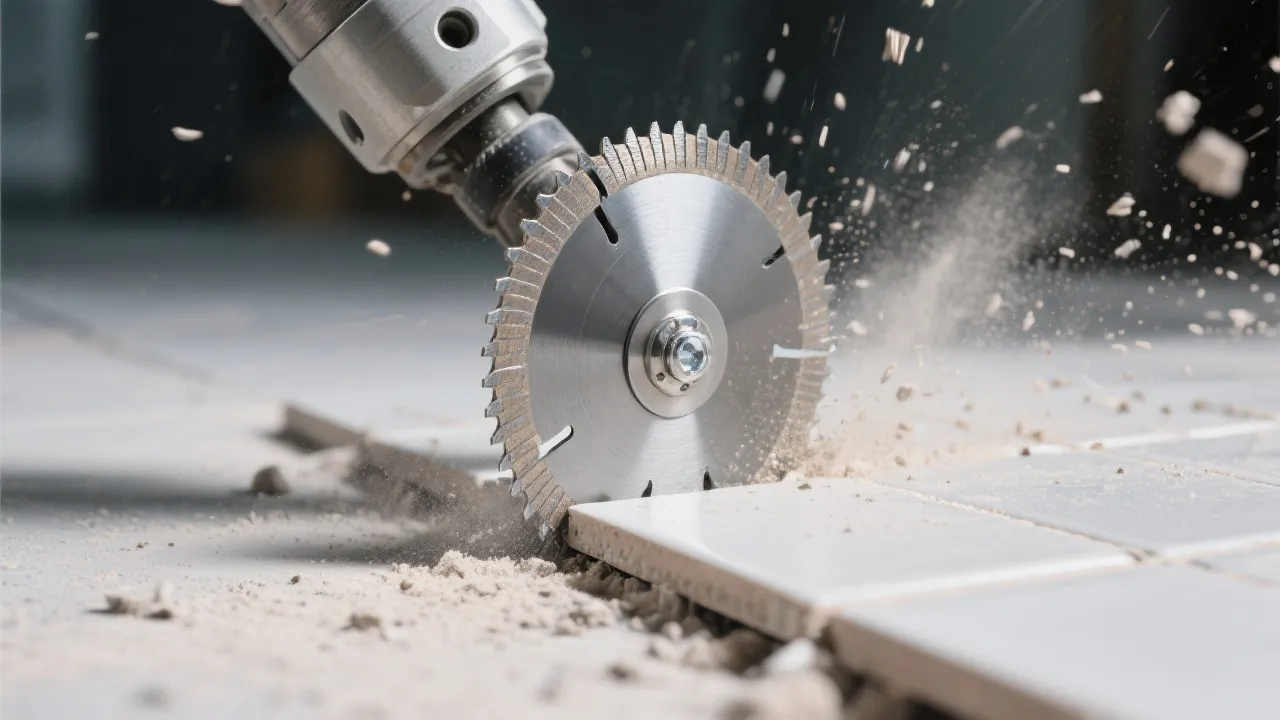
I’ll share a concrete example. A customer grinding dense technical ceramics reported diamond pull-out and loss of profile after ~120 hours on a heavy-duty roughing cycle. We implemented three changes in a controlled A/B run:
- Replaced an off-the-shelf low-melt Ag filler with a formulated Ag-Cu-Ni alloy that improves wetting at the same peak temperature.
- Introduced a 15-minute 300°C preheat hold to fully outgas binder residues.
- Adopted furnace-controlled cool-down at 10°C/min to 350°C, then natural cooling.
Result: the optimized wheels achieved an average life of 520 hours in identical process conditions — a ~4.3× improvement. Edge integrity and surface finish were stable throughout the run. These gains translated to fewer tool changes, lower rework time and measurable cost savings on the production line.
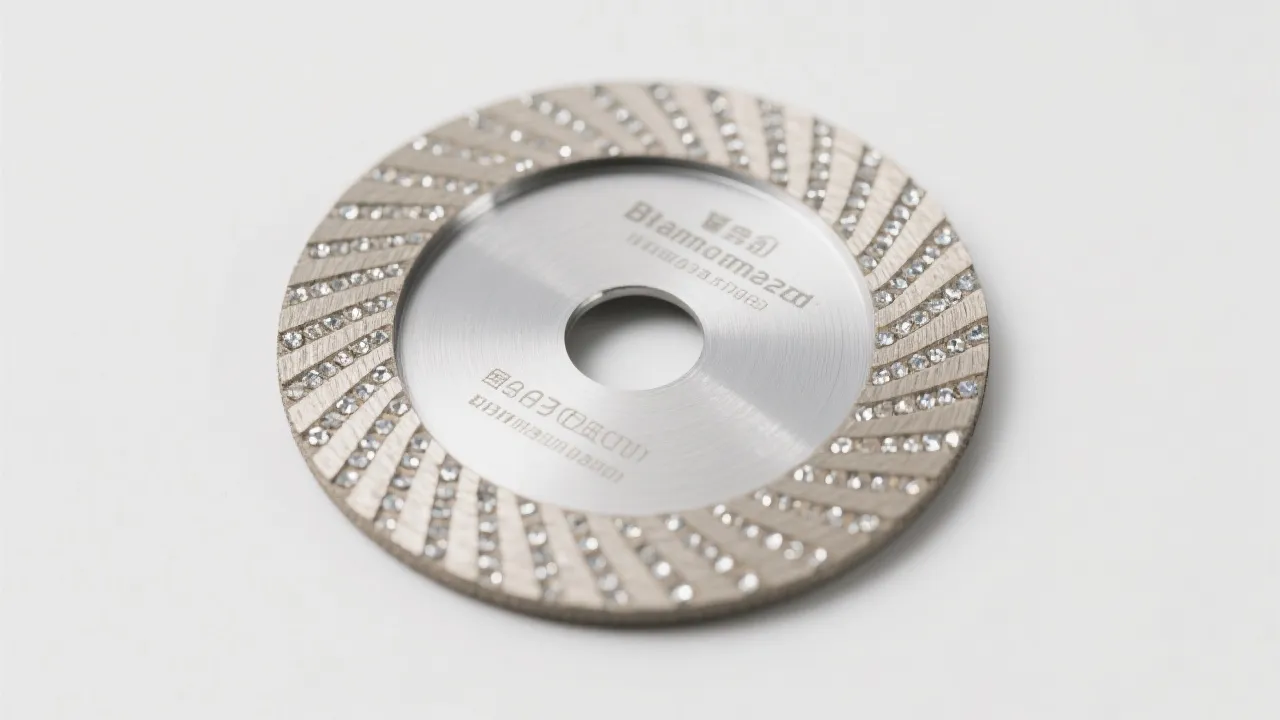
At UHD, we adopt advanced brazing processes to ensure every wheel delivers superior wear resistance and impact toughness — these process controls are baked into our standard production flow.
Practical, day-to-day steps to prolong service life
Beyond manufacturing, operator practices extend life as well. Some simple rules I provide to customers:
- Store wheels in a dry, controlled environment; avoid temperature cycling that stresses bonds.
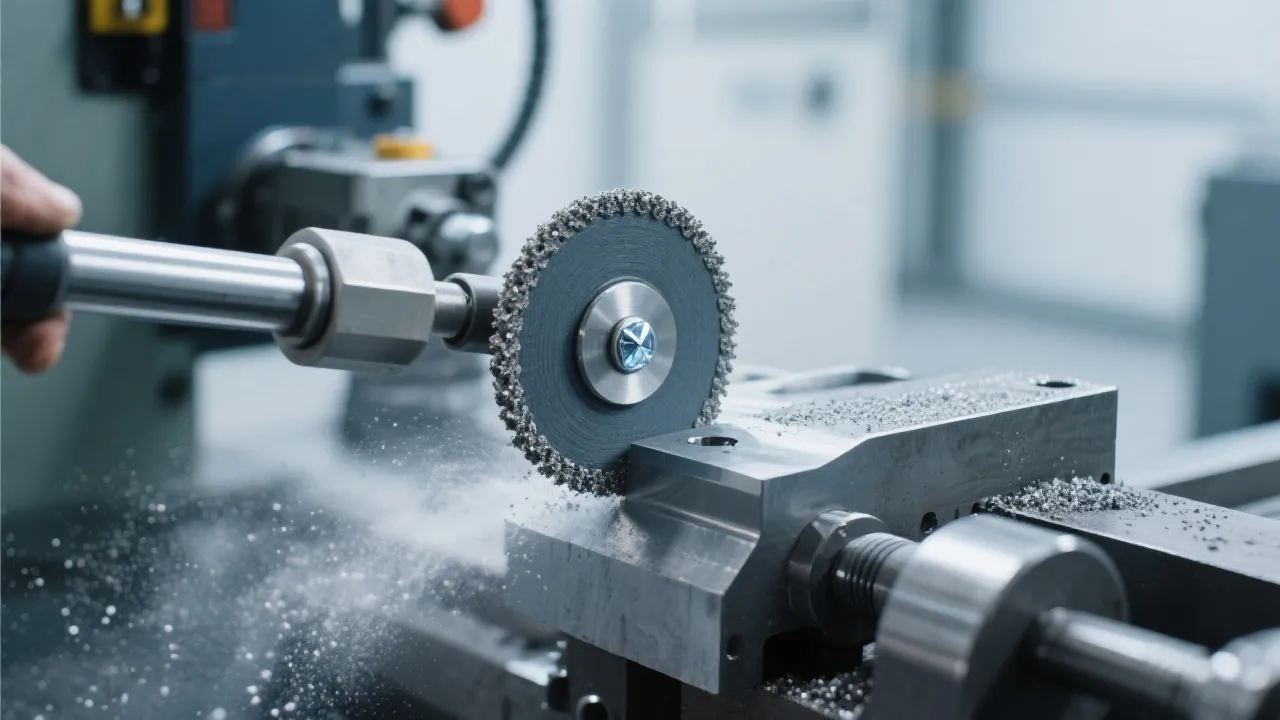
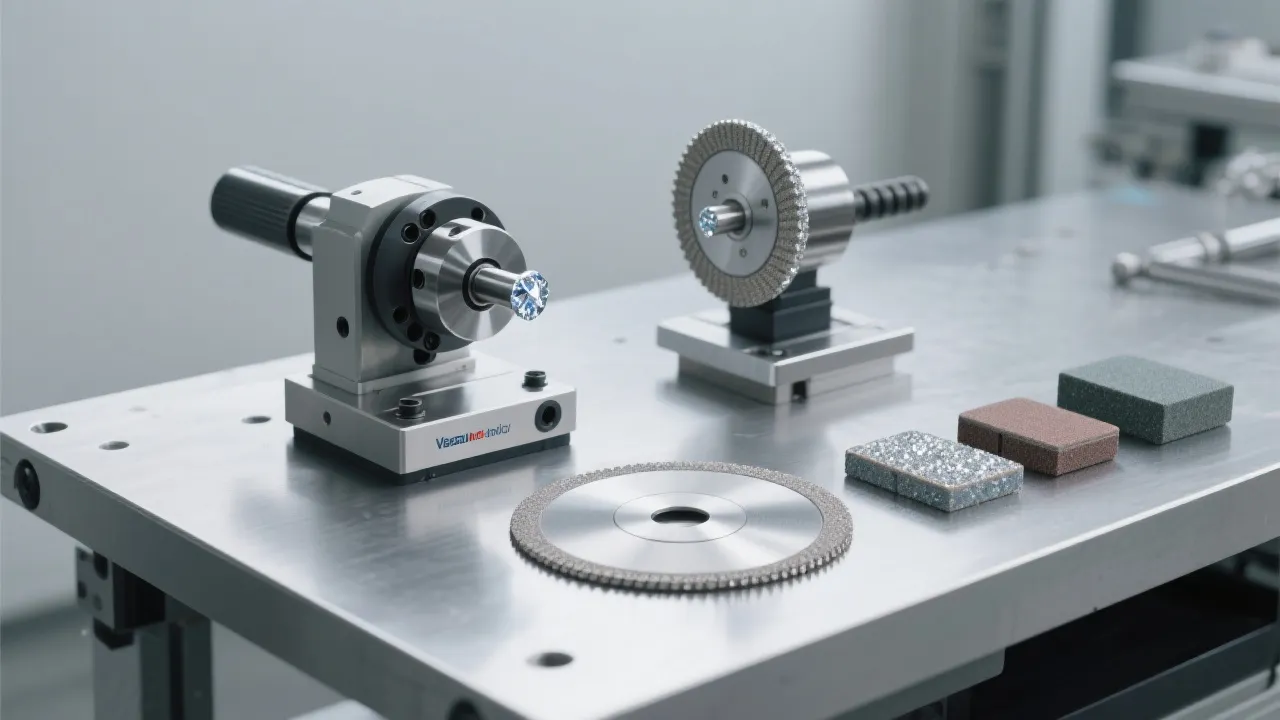
- Pre-dress with recommended dressing stones at low feed to seat diamond protrusion evenly.
- Avoid thermal shock: do not spray coolants directly onto a hot wheel; use gradual coolant introduction.
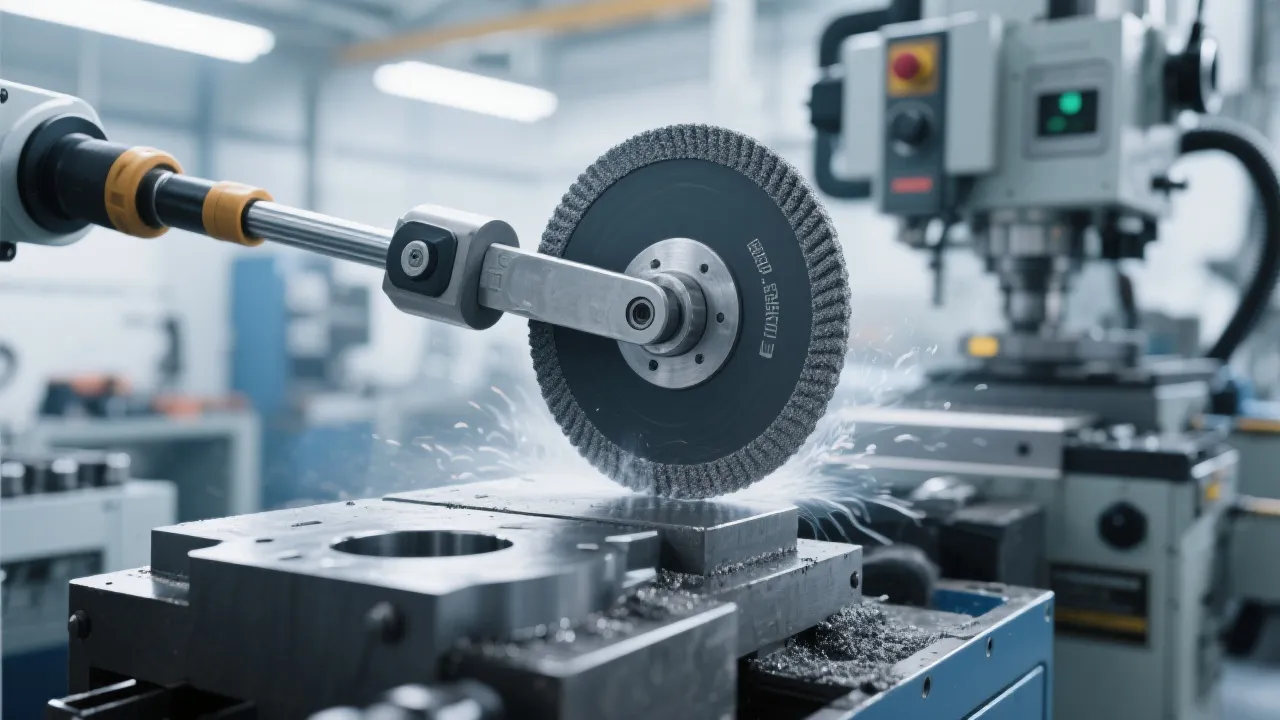
- Inspect periodically for early signs of pull-out or porosity; early intervention (re-dress or swap) prevents catastrophic failures.
Try UHD brazed wheels — request a sample
If you're evaluating brazed diamond wheels for high-stress ceramic grinding, I'd be happy to share process-specific recommendations or a sample run. Click the button below to request UHD brazed diamond wheel samples and a brief process audit:


.png?x-oss-process=image/resize,h_1000,m_lfit/format,webp)