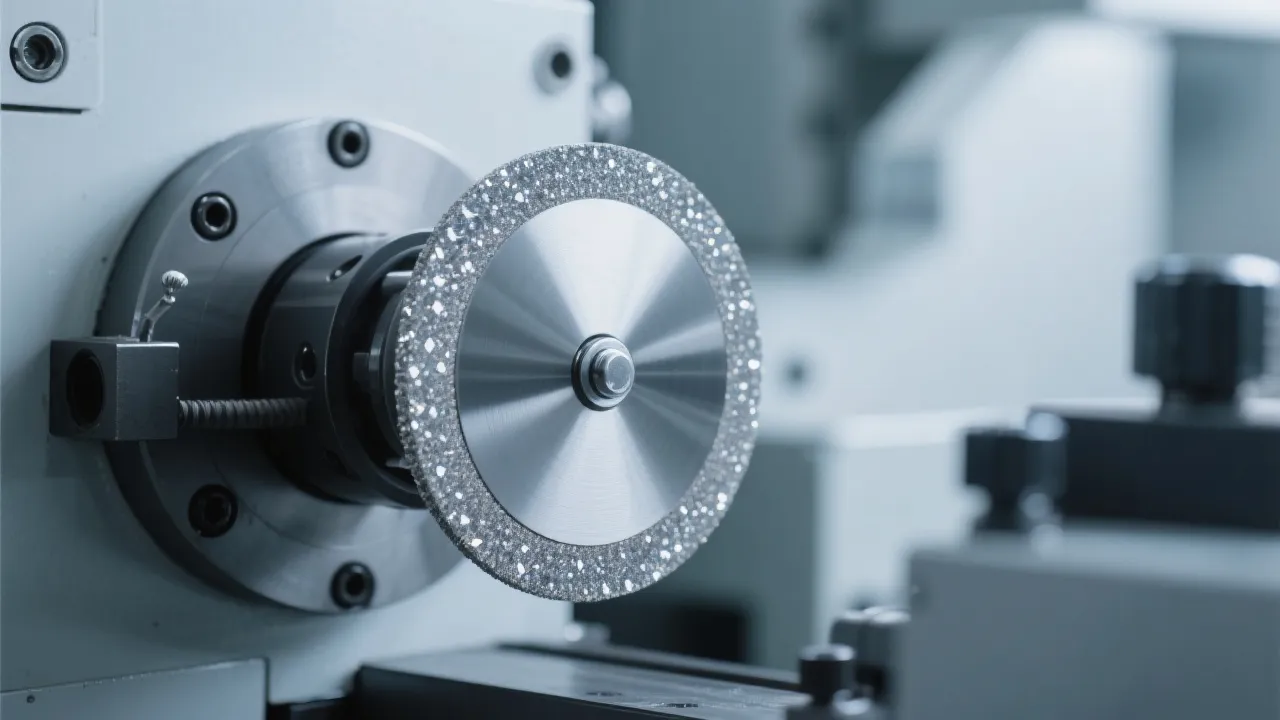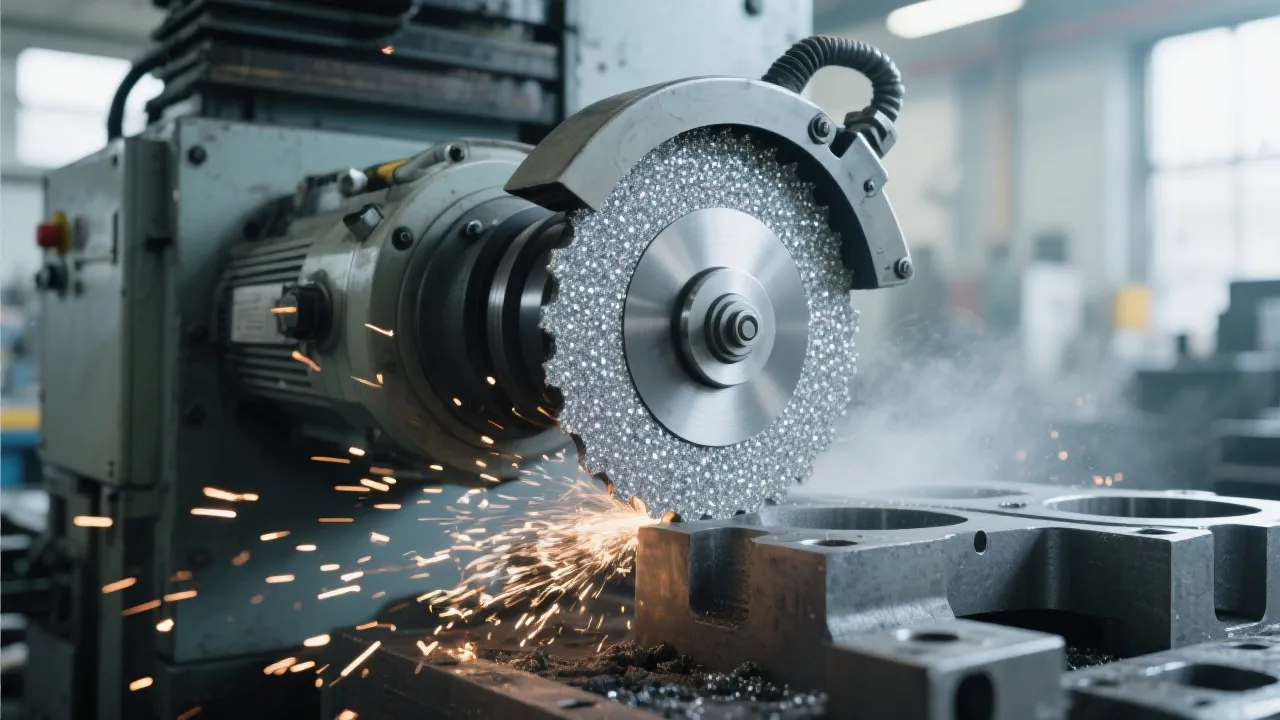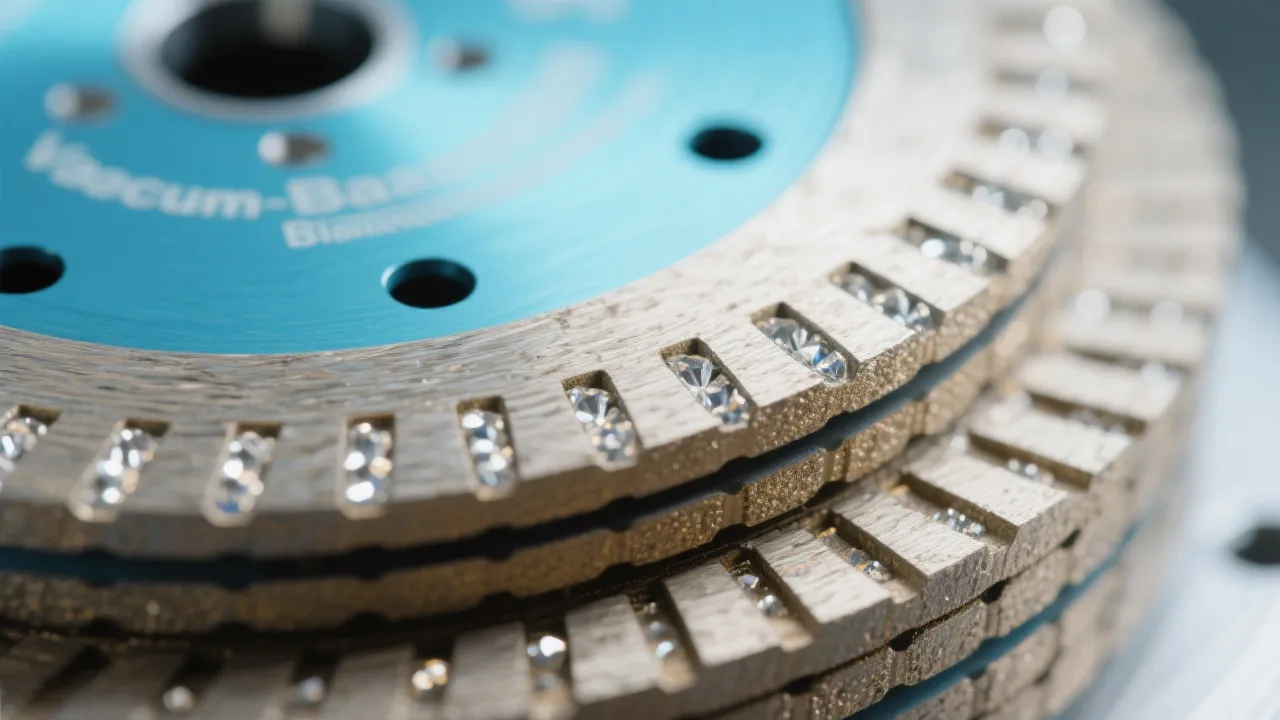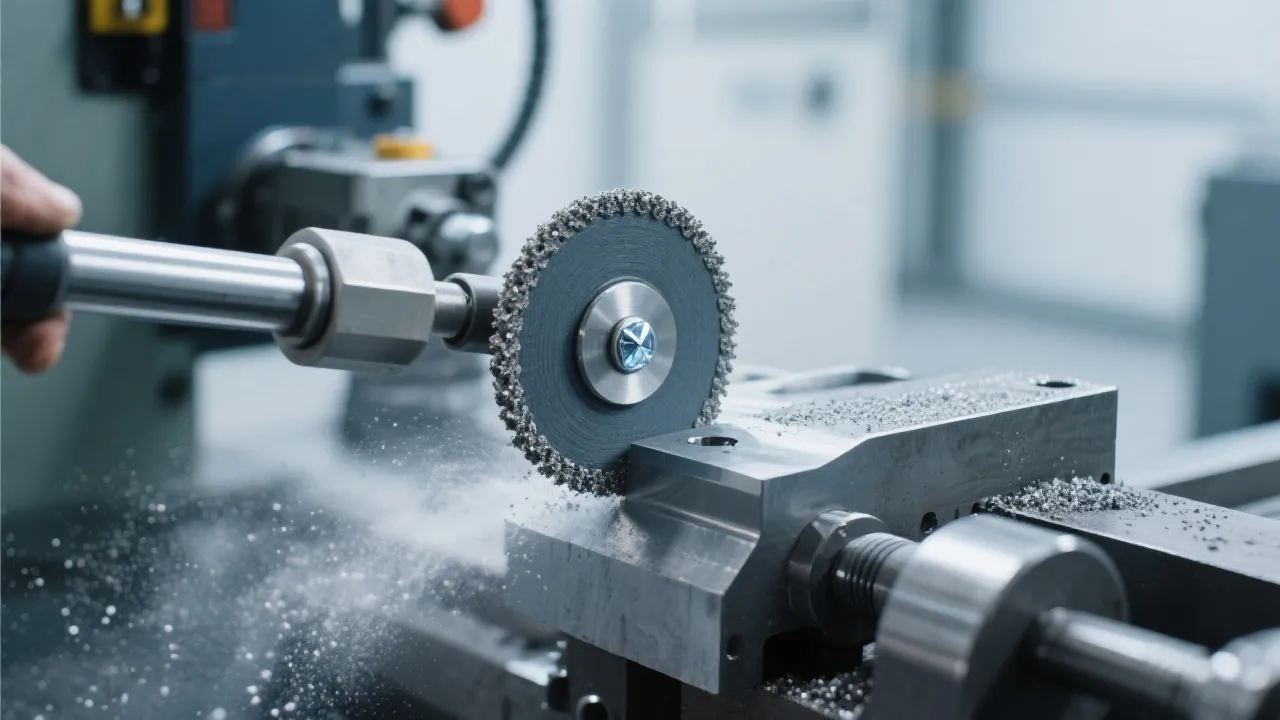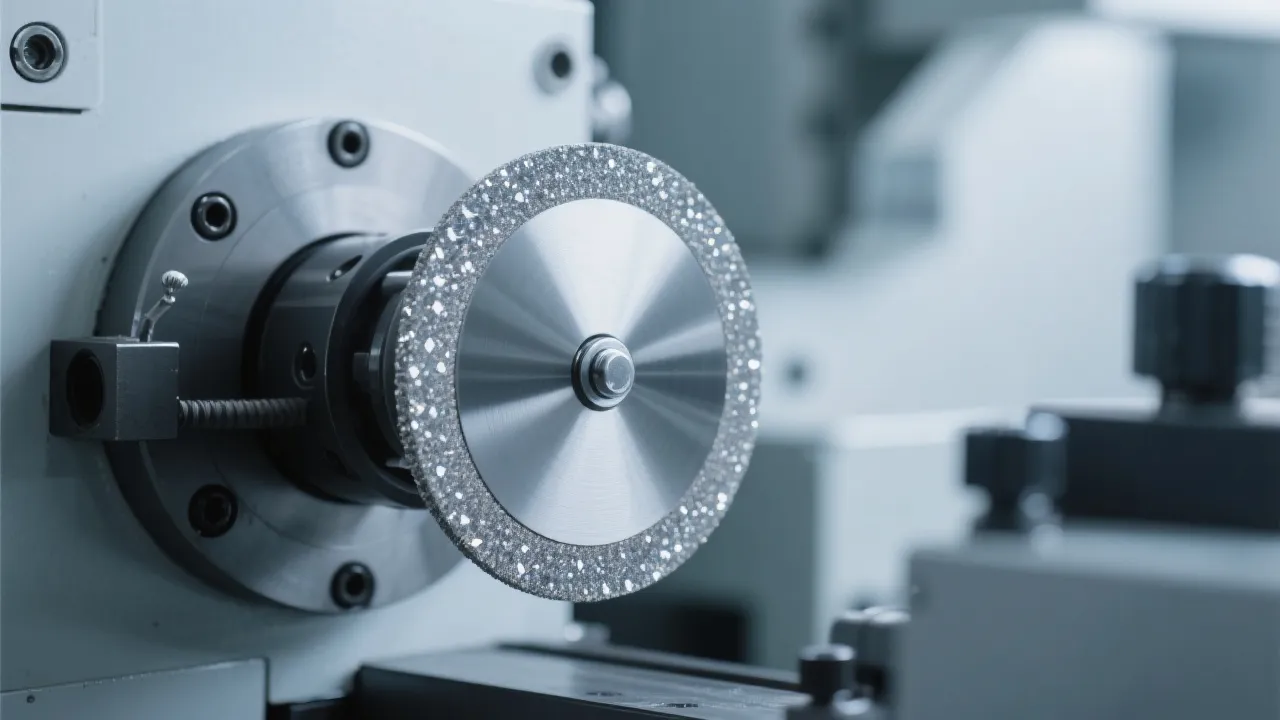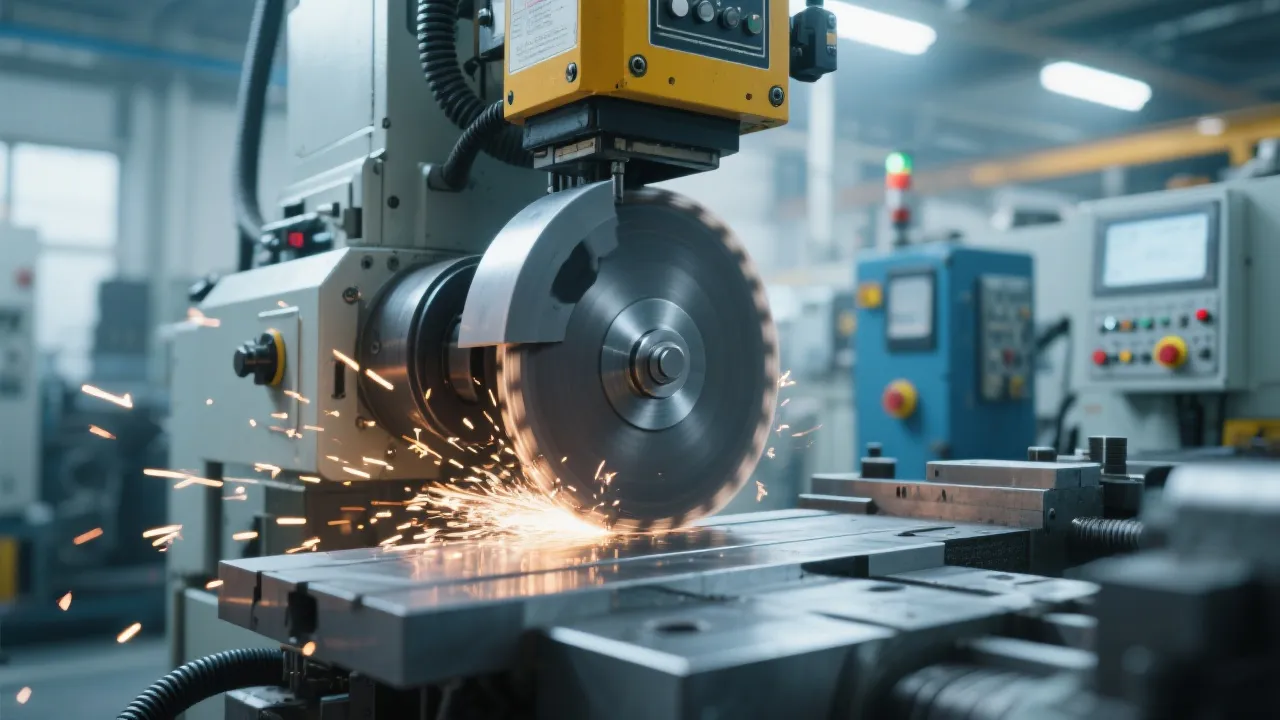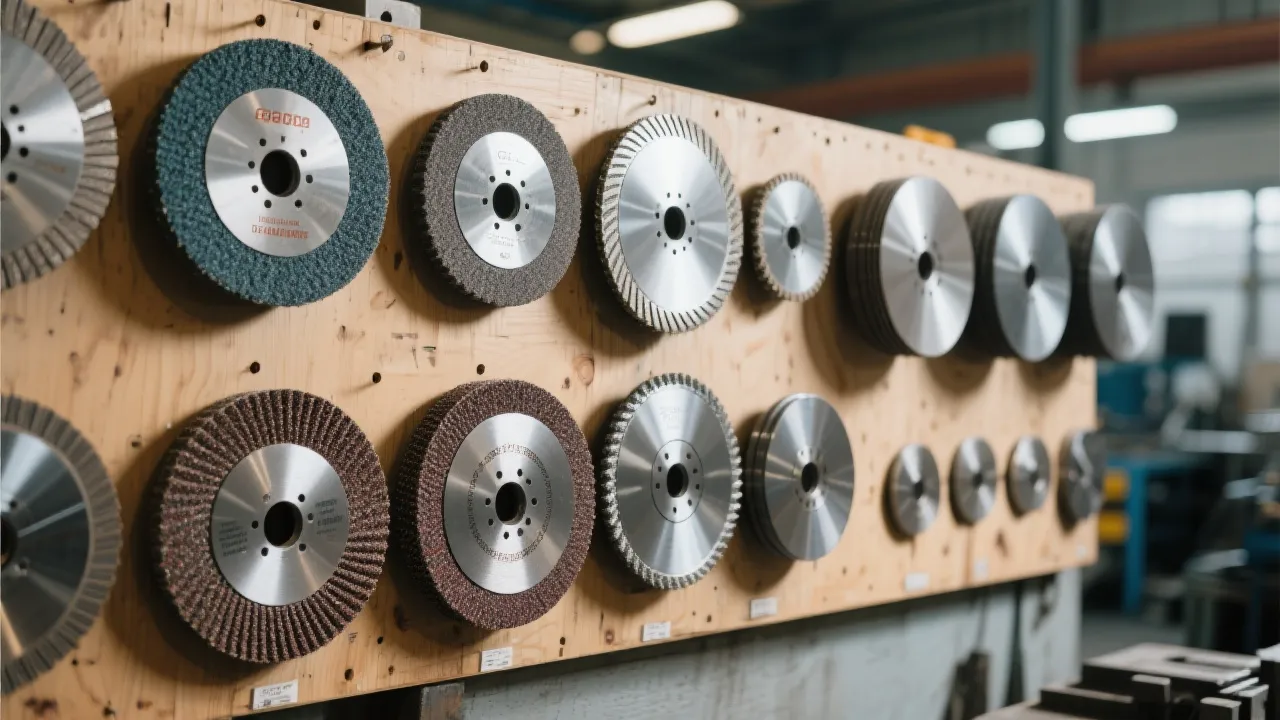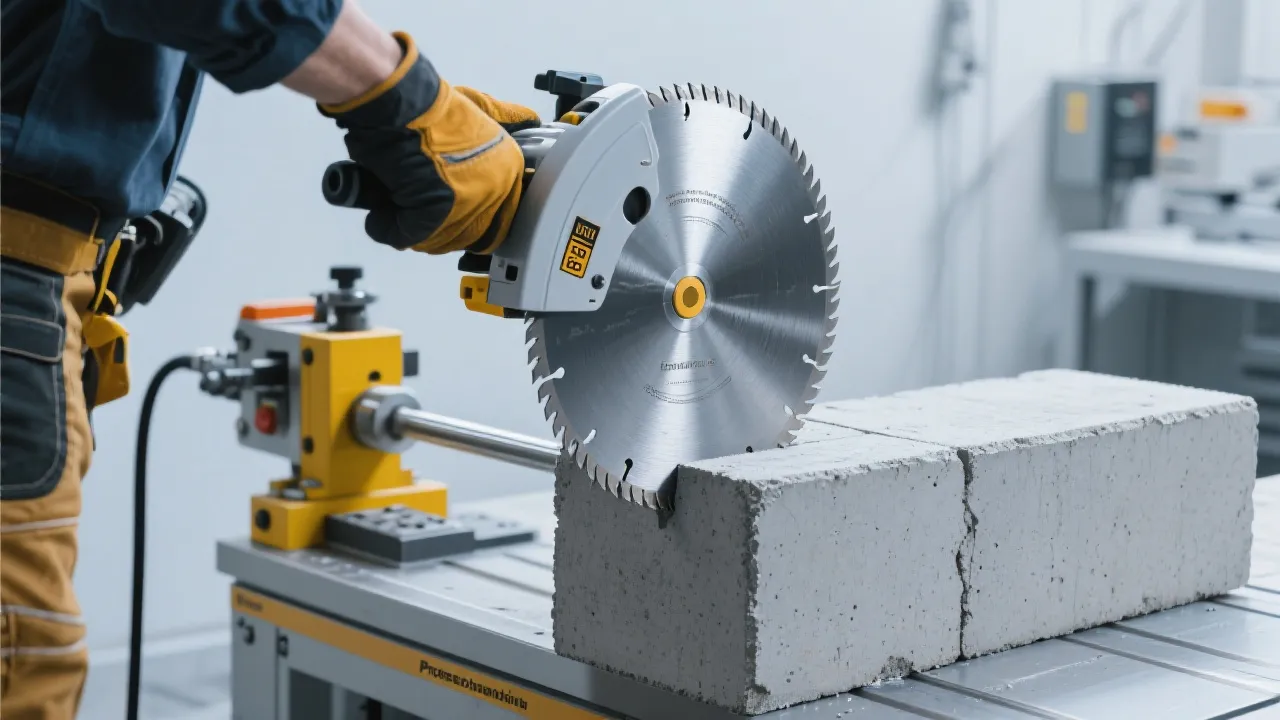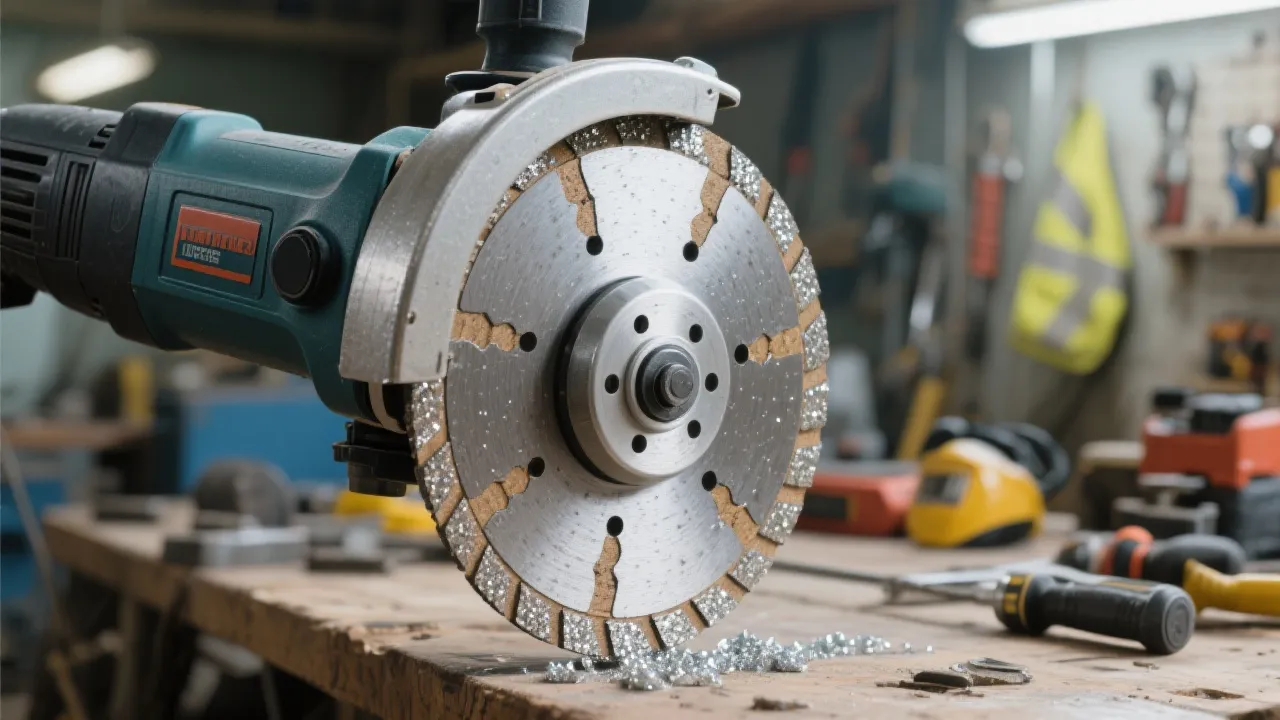
In granite fabrication, braze-welded diamond tools are often chosen for their aggressive cutting action and shape retention. Yet many workshops still lose output to familiar problems—glazing, vibration marks, overheating, premature diamond pull-out, edge chipping, or inconsistent finish. This guide breaks down what actually causes these issues in real production, and how technicians can correct them using controllable variables: mounting accuracy, parameter windows, cooling strategy, and maintenance discipline.
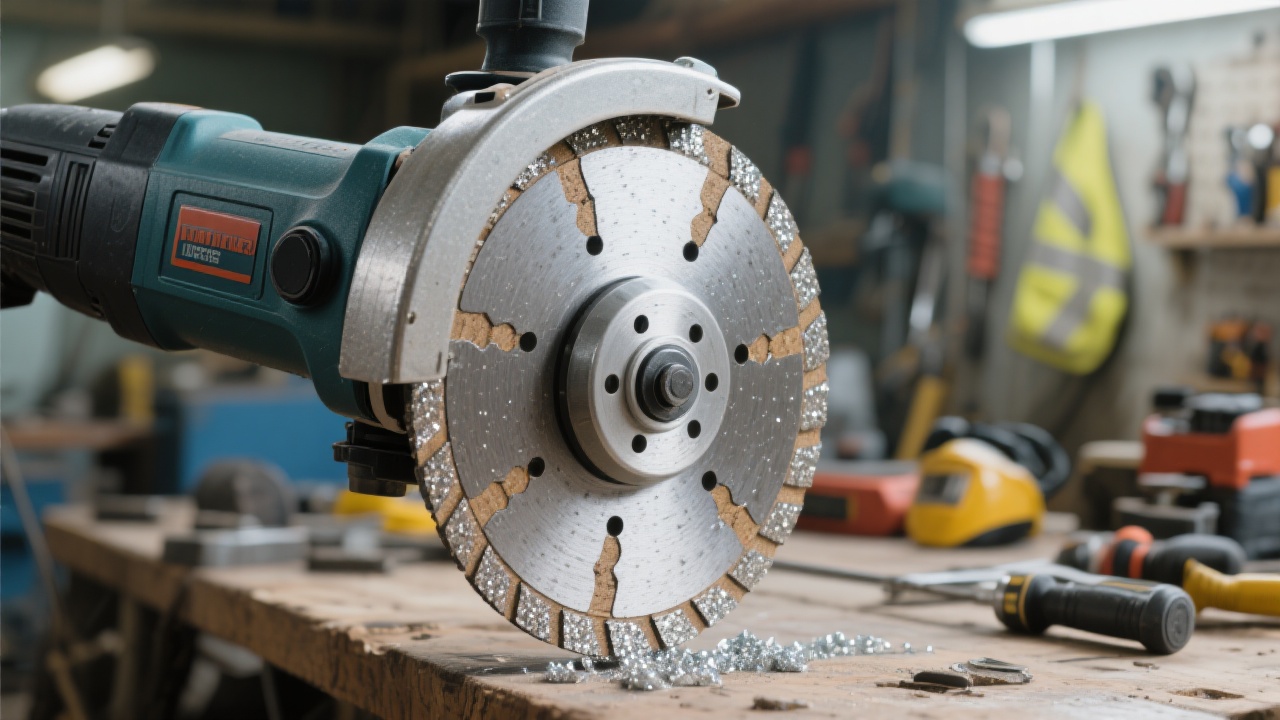
In decision-stage evaluations, buyers often compare diamond grade or brazing strength first. On site, however, a large share of failures come from basic mounting errors—especially on angle grinders, bridge saw polishing heads, CNC routers, and manual profiling stations. A wheel with excellent diamond exposure can still perform poorly if runout, flange seating, or spindle balance is off.
In granite, high hardness plus silica dust makes safety inseparable from quality. Maintain dust extraction or wet processing, keep guards installed, and never exceed the tool’s rated RPM. A practical rule: if the tool needs more force to “start cutting,” the process is already drifting into overheating and accelerated wear.
Granite typically ranges around Mohs 6–7 and tends to generate heat quickly when the tool rubs instead of cuts. Braze-welded diamond tools rely on exposed diamond edges; once the contact becomes “polishing by friction,” temperature rises and diamonds dull faster. The goal is stable chip formation: consistent sound, controlled sparks (dry), and uniform slurry (wet).
| Operation | Tool Type | RPM / Surface Speed | Feed / Pass Guidance | Cooling |
|---|---|---|---|---|
| Edge profiling / shaping | Braze diamond profile wheel | 2,000–4,500 RPM (depending on Ø) | Multiple light passes; avoid forcing; keep contact stable | Wet preferred |
| Surface grinding (rough) | Braze diamond cup wheel | 5,000–8,500 RPM (angle grinder class) | Keep steady traverse; do not dwell in one spot | Wet or strong vacuum + breaks |
| Finish refinement (pre-polish) | Braze diamond wheel / pad holder system | Lower-mid range to reduce heat | Increase feed slightly rather than pressing harder | Wet recommended |
Practical tuning logic technicians trust: when burn marks appear, reduce contact pressure first, then adjust RPM down or feed up to prevent rubbing. When chipping increases, reduce depth of cut and stabilize entry/exit with consistent hand motion or CNC ramp-in.
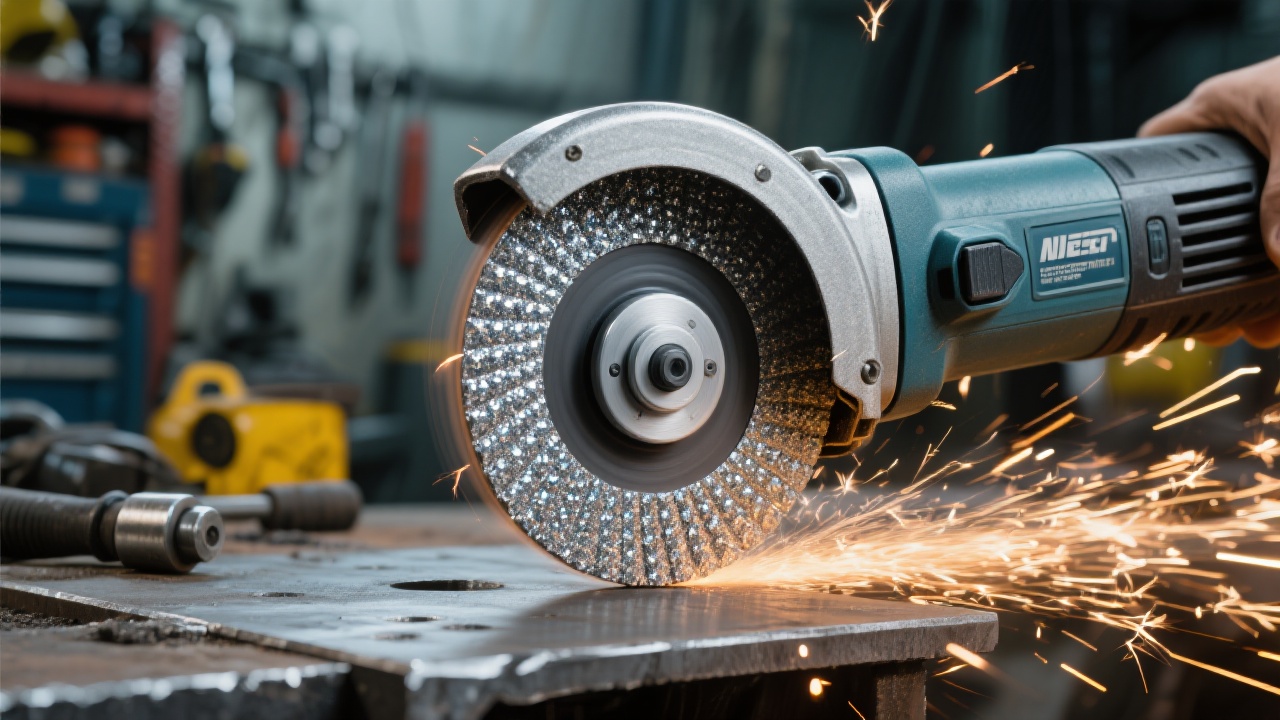
Overheating is one of the fastest ways to degrade cutting performance—especially in granite with dense mineral structure. In braze-welded tools, heat can also weaken the matrix around exposed diamonds if the operator dwells on one area. In many workshops, a “normal” mistake is using water but delivering it after the contact zone, or at too low flow to flush swarf.
For decision-stage buyers comparing brands, the most valuable proof is repeatability. The list below focuses on failures that reappear across different machines and granite types, with diagnosis steps that can be done in minutes. UHD production teams often see that once a plant standardizes these checks, scrap rates and rework hours drop noticeably within 2–4 weeks.
Likely causes: RPM too high + pressure too low (rubbing), insufficient flushing, or wrong contact angle.
Fix: increase feed slightly, reduce RPM 10–15%, improve coolant aim/flow, and avoid hovering in one spot. If needed, dress lightly on an abrasive stone to re-open cutting edges.
Likely causes: dwelling, poor coolant delivery, or excessive force creating friction heat.
Fix: reduce pressure first, then shorten contact time; ensure coolant hits the entry point. On CNC, add a ramp-in and avoid stopping inside the cut path.
Likely causes: too aggressive depth of cut, unstable entry/exit, vibration from runout, or wrong grit progression.
Fix: lighten depth, stabilize motion, check runout, and use a stepwise grit path rather than jumping too far (e.g., avoid skipping directly from coarse shaping to fine finishing on brittle granites).
Likely causes: flange damage, spindle bearing wear, tool imbalance, or runout beyond tolerance.
Fix: re-seat the tool, inspect flange faces, verify runout, and test on a known flat sample. If the pattern frequency matches RPM harmonics, suspect imbalance or bearing issues.
Likely causes: overheating, shock loading (slamming into edges), or incorrect angle that concentrates load on a small area.
Fix: improve cooling, reduce impact at entry, keep consistent contact angle, and use multiple lighter passes. Also confirm the tool is matched to granite hardness and the machine power class.
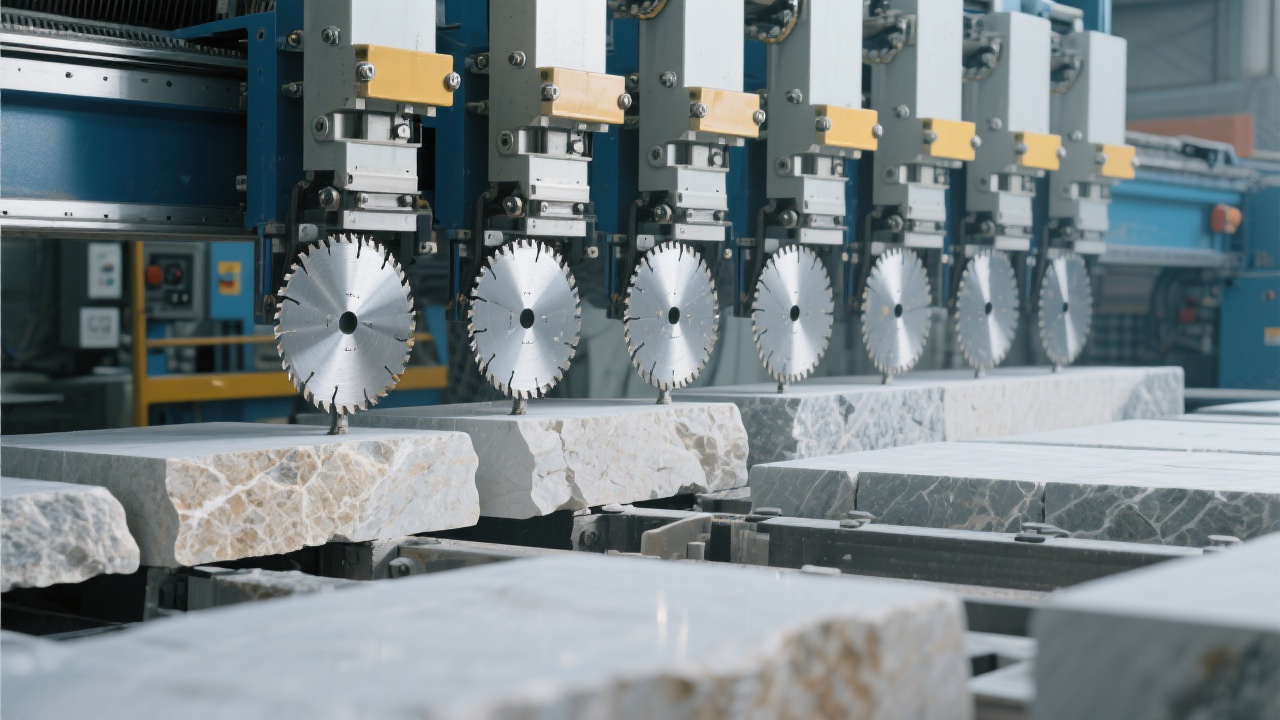
The best-maintained tools are not the ones cleaned “when there’s time,” but the ones handled with repeatable micro-routines. For braze-welded diamond tools, maintenance directly supports cutting sharpness and thermal stability. In many granite shops, consistent maintenance can improve usable life by 15–30% compared with the same tool in an unmanaged process (results vary with granite type, wet/dry method, and operator discipline).
In a mid-size granite countertop line, technicians were seeing burn haze and early glazing during edge shaping. They corrected three variables: runout was reduced from 0.12 mm to 0.04 mm by replacing worn flanges; coolant nozzle was repositioned to the leading edge; and operators changed from “push harder” to “keep feed constant, reduce dwell.” Within two weeks, rework hours fell by roughly 20%, and tool change intervals stabilized. The critical insight was not a single magic setting—rather, the process stopped oscillating between rubbing and cutting.
Many workshops run mixed jobs. If the same braze-welded diamond tool concept is used across stones, parameter discipline becomes even more important:
UHD supports fabrication teams with application-matched selection—based on stone type, machine class, wet/dry constraints, target finish, and throughput goals. If you want to reduce trial-and-error and lock in stable parameters faster, use the guide below.
Click to explore a tool selection guide tailored to your operating conditionsTip for faster matching: prepare your tool diameter, machine RPM range, cooling method, and a photo of the current wear pattern.
.png?x-oss-process=image/resize,h_1000,m_lfit/format,webp)


.png?x-oss-process=image/resize,h_1000,m_lfit/format,webp)