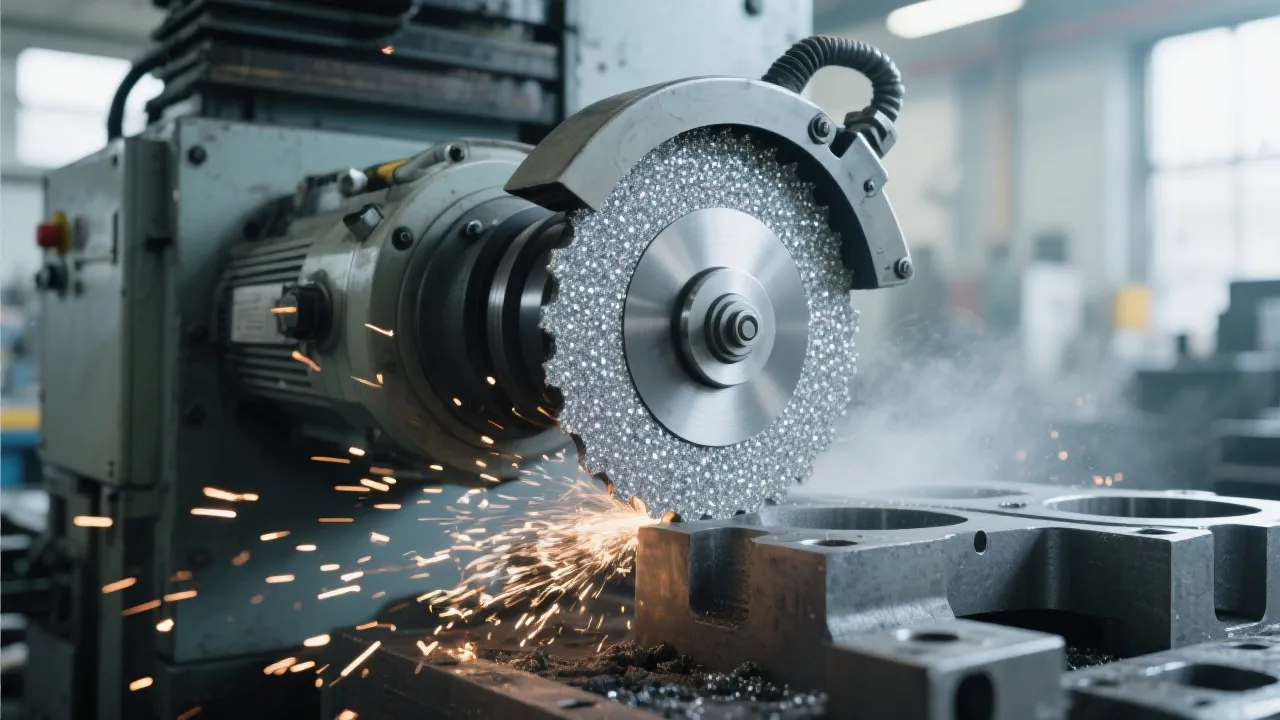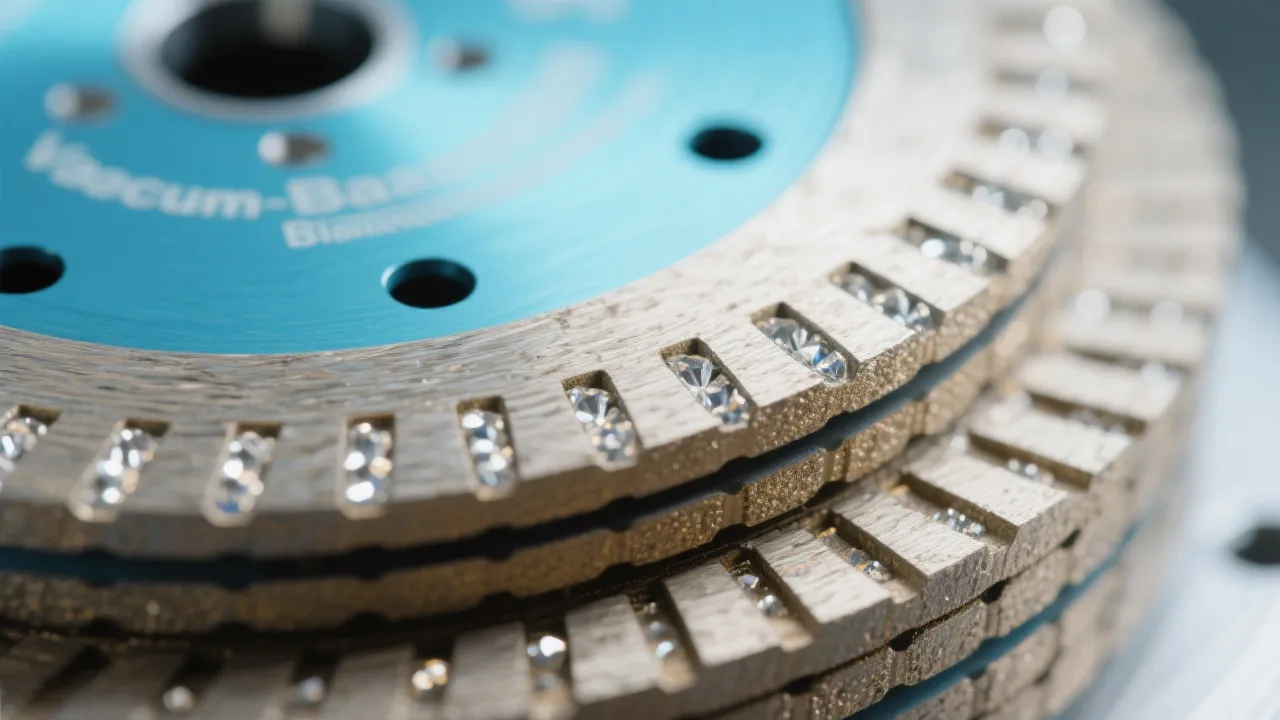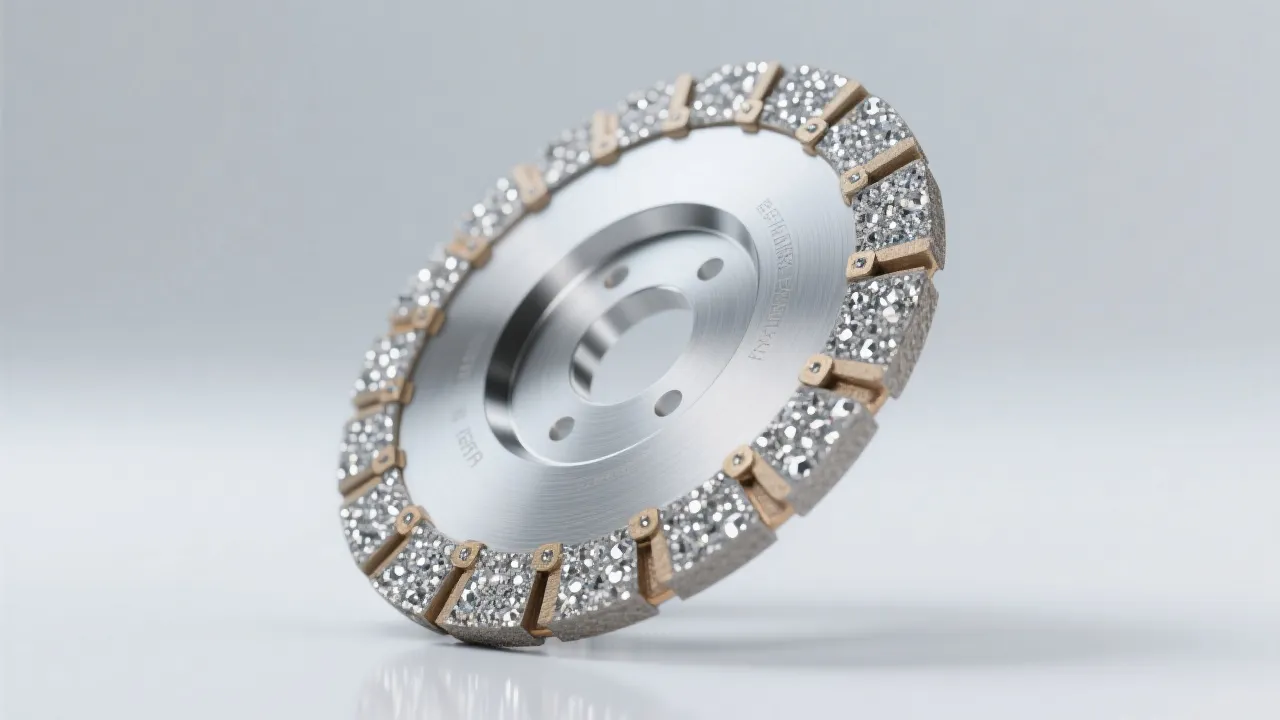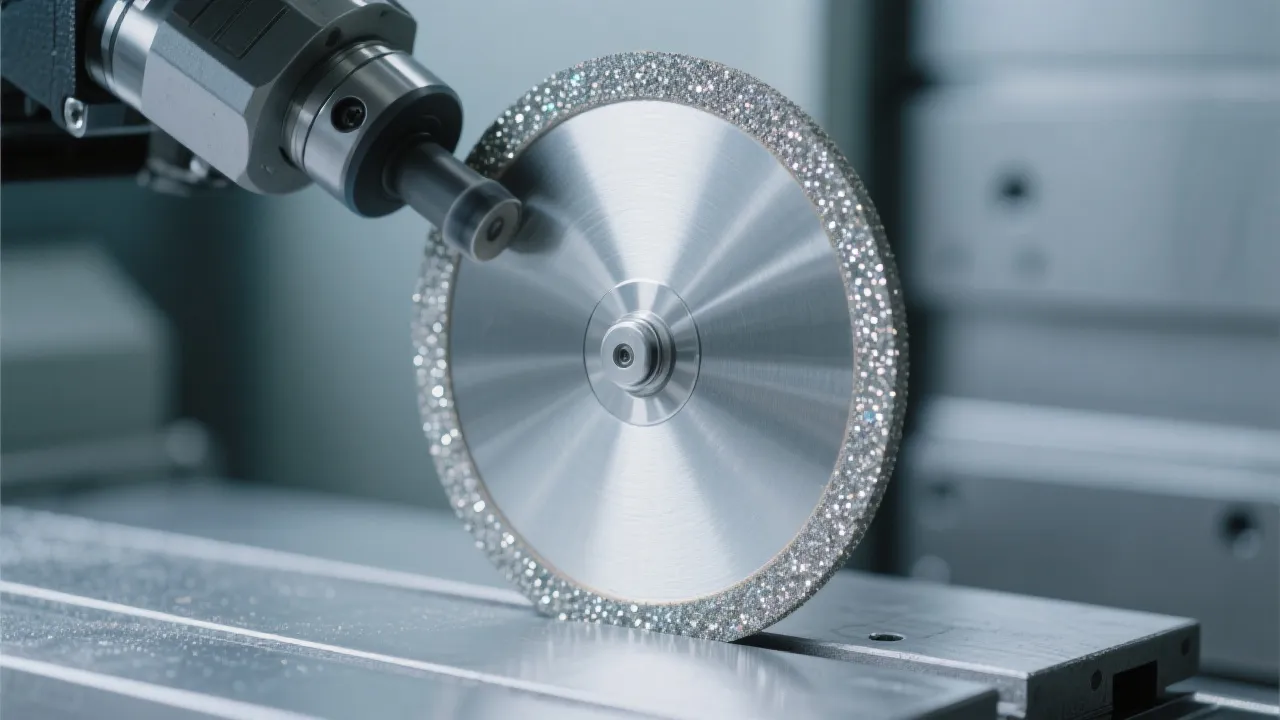
In today's manufacturing landscape, where precision and efficiency are non-negotiable, the choice of grinding tools directly impacts production outcomes. For workshops dealing with materials like ductile iron, gray iron, ceramics, and rubber, the constant battle against tool wear and production downtime has long been a frustrating reality. Imagine a production line where operators spend valuable time replacing worn grinding wheels instead of focusing on value-added tasks—a scenario that costs manufacturers an average of $2,500 per hour in downtime losses, according to recent industry studies.
"Manufacturing facilities report a 37% increase in production efficiency after switching to brazed diamond grinding wheels, with tool change frequency reduced by 65% compared to conventional abrasive solutions." — International Machining Technology Association, 2023
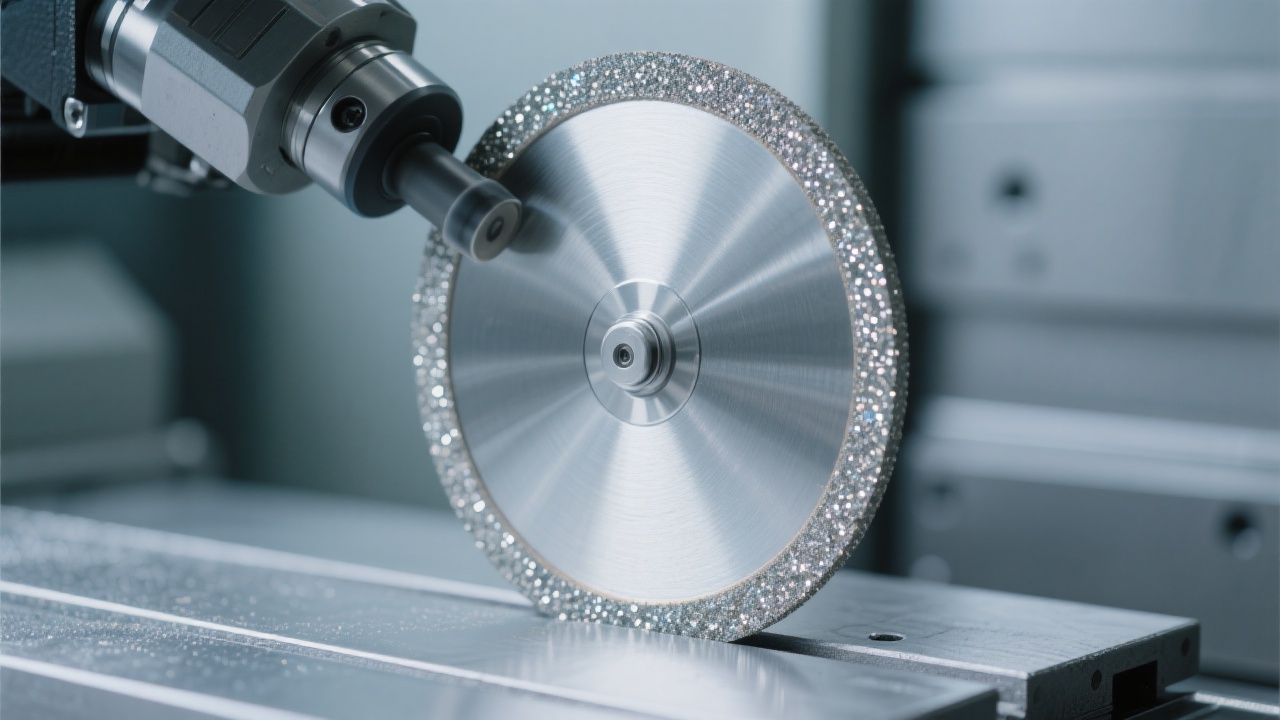
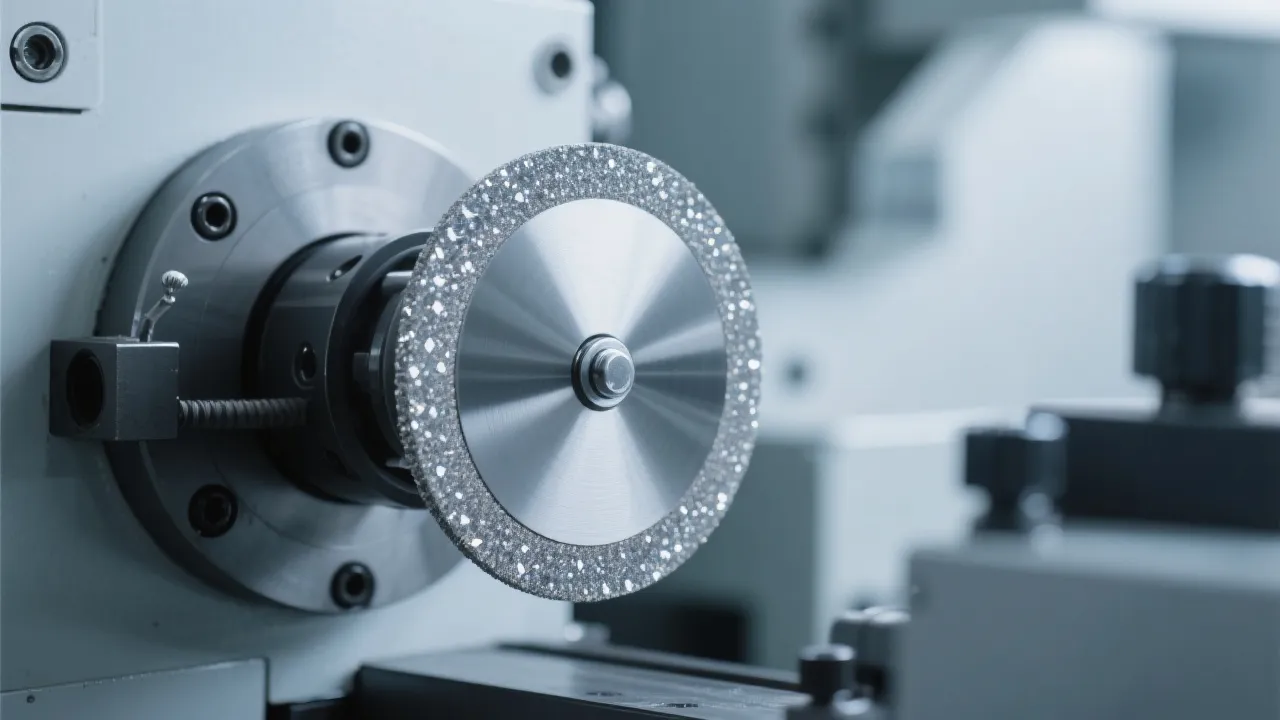
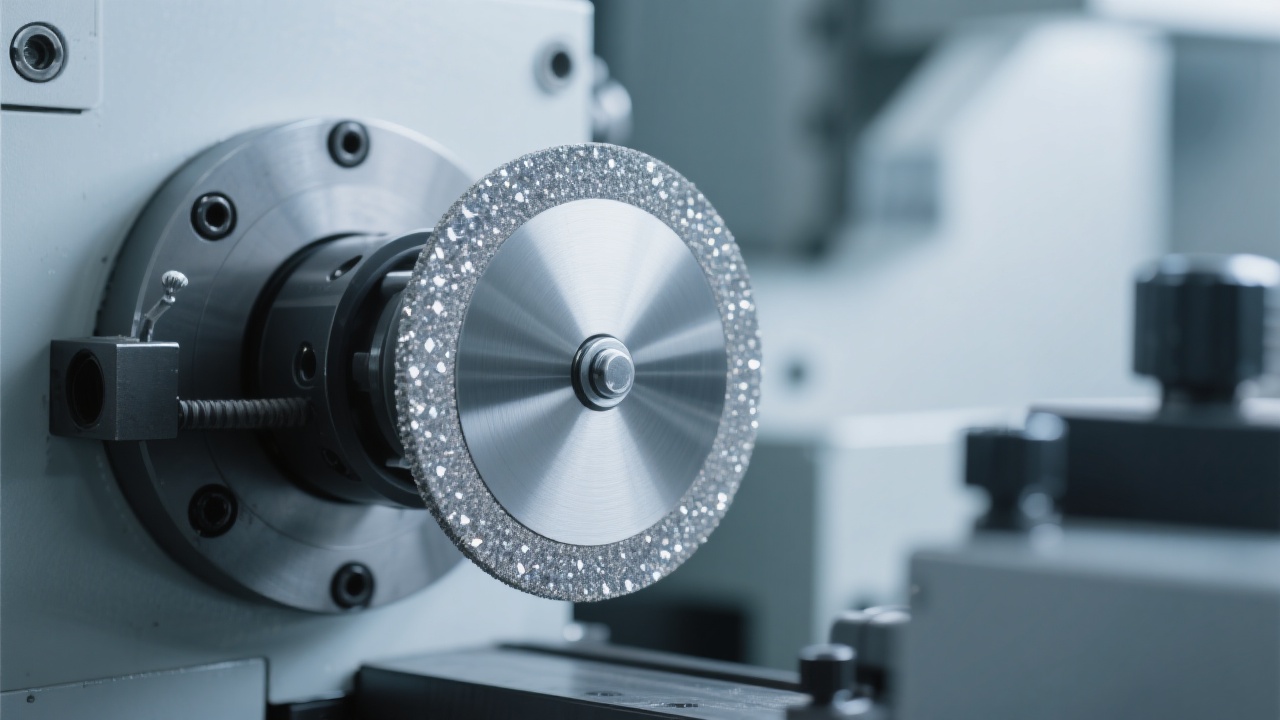
The vacuum brazing process represents a significant leap forward in grinding wheel technology. Unlike traditional electroplating or sintering methods that merely coat diamond particles onto the wheel surface, vacuum brazing creates a metallurgical bond between the diamond grit and the wheel matrix. This process occurs in a controlled vacuum environment at temperatures exceeding 800°C, allowing the brazing alloy to form a chemical bond with both the diamond particles and the steel substrate.
The result? Diamond retention strength increases by up to 400% compared to conventional methods, effectively eliminating the common industry problem of "grit pull-out." This translates to a wheel that maintains its cutting efficiency throughout its lifespan, rather than degrading rapidly after initial use.
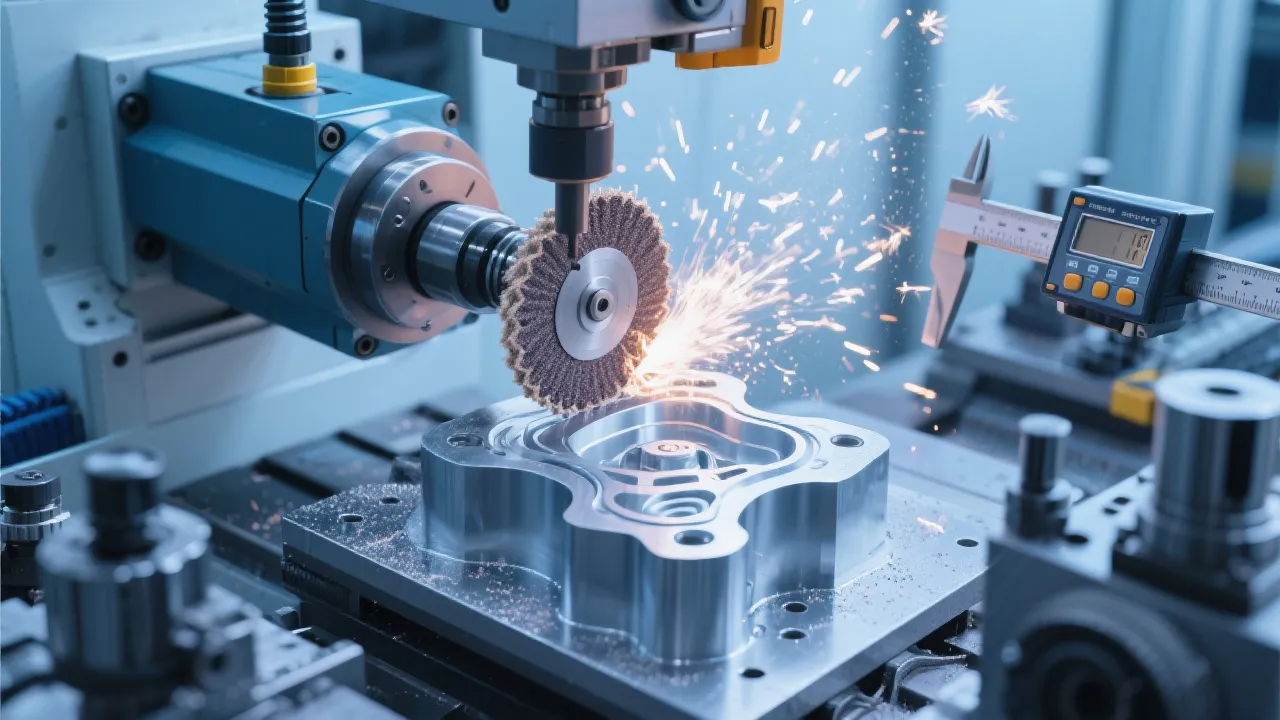
Consistency in grinding operations directly impacts product quality and manufacturing costs. The 400 series brazed diamond wheels are engineered to maintain dimensional accuracy within ±0.01mm, a level of precision that ensures uniform material removal across all workpieces. This tight tolerance control eliminates the common issue of workpiece-to-workpiece variation, reducing reject rates by an average of 22% in precision machining applications.
Manufacturers working with complex geometries or tight tolerance requirements report a 35% reduction in secondary finishing operations after implementing these precision-engineered wheels, directly contributing to lower production costs and faster time-to-market.
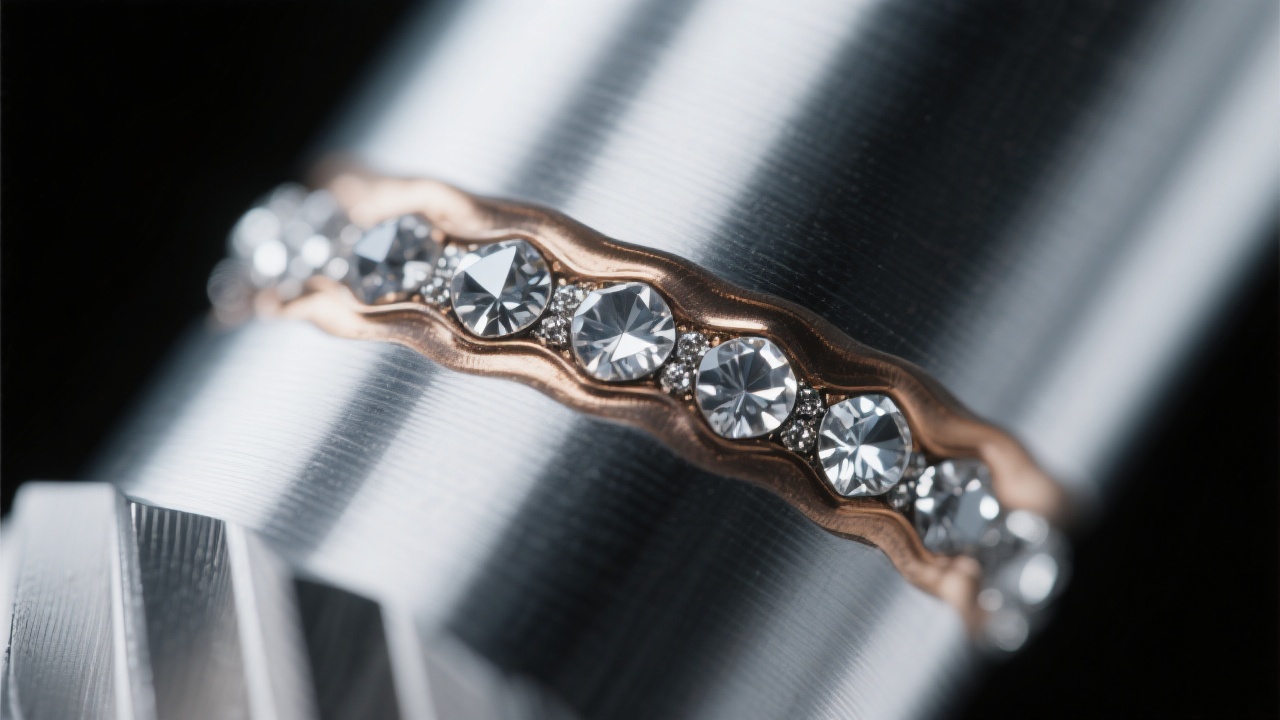
Beyond performance metrics, modern manufacturing operations must prioritize workplace safety and environmental compliance. The unique open structure of brazed diamond wheels promotes efficient chip evacuation, reducing airborne dust particles by up to 58% compared to traditional grinding wheels. This not only creates a healthier work environment but also helps manufacturers meet increasingly stringent OSHA and EU粉尘排放标准.
In facilities where silica dust is a concern, the implementation of brazed diamond technology has resulted in a 70% reduction in respiratory protection requirements, while simultaneously lowering HVAC and air filtration costs by an average of $12,000 annually per production line.
Each material presents unique challenges that conventional grinding wheels struggle to address. For example, when machining ductile iron—a material valued for its strength and ductility but notoriously difficult to grind—brazed diamond wheels maintain consistent cutting action even as workpiece hardness varies between 180-250 HB. This versatility eliminates the need for wheel changes during production runs, a common source of downtime in foundry operations.
Manufacturing engineers and production managers can proactively identify grinding inefficiencies using these key indicators:
Inconsistent surface texture often indicates uneven grit wear or diamond pull-out, signaling the need for a more robust bonding technology.
Excessive machine vibration during grinding typically points to wheel imbalance or uneven wear patterns, common with conventional bonding methods.
If your wheels require dressing more than once per 8-hour shift, you're losing valuable production time to maintenance.
Consider this: A mid-sized automotive component manufacturer recently switched to brazed diamond wheels for their gray iron brake rotor finishing line. Within the first three months, they documented a 42% reduction in wheel consumption, a 28% increase in throughput, and a 15% improvement in surface finish quality. These improvements translated to an annual cost savings of approximately $147,000—after accounting for the higher initial investment in premium grinding technology.
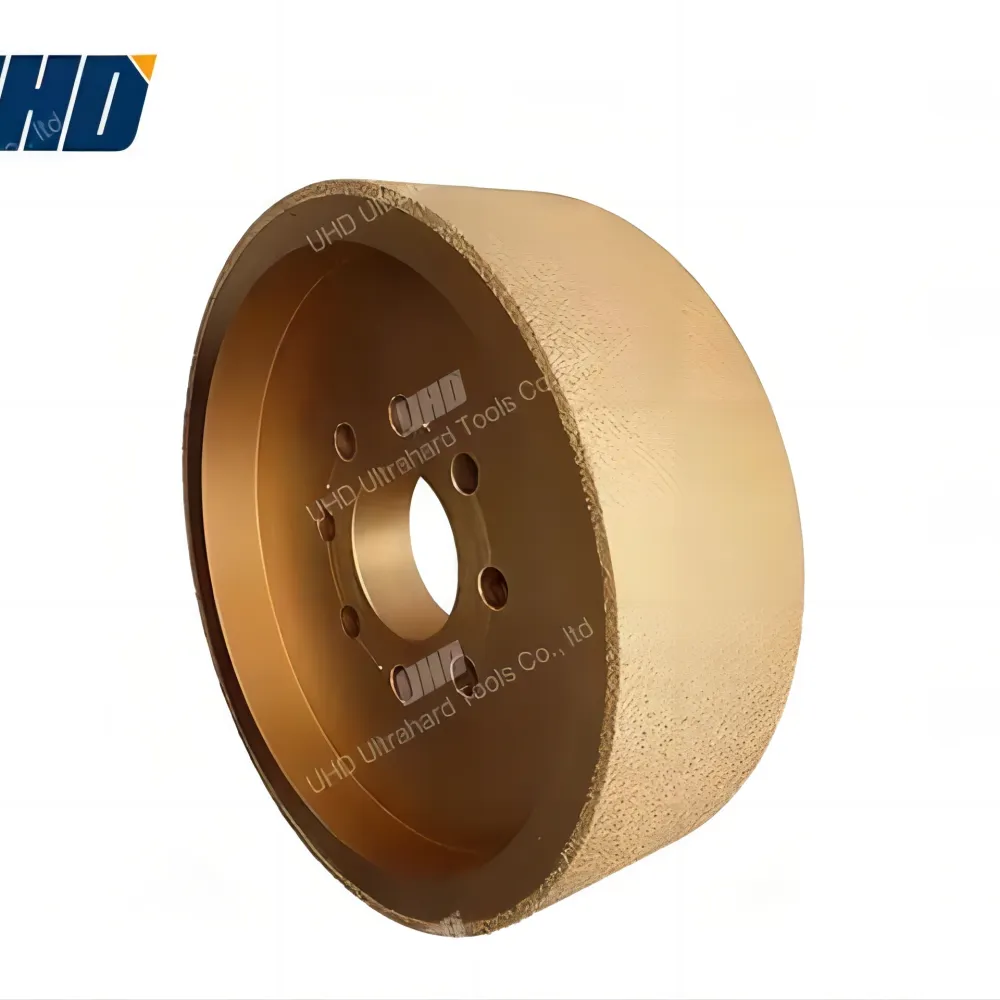
Discover how the 400 series brazed diamond grinding wheels can be customized to your specific equipment parameters and material requirements.
Find Your Perfect Grinding SolutionAs manufacturing processes continue to evolve toward higher precision and greater efficiency, the tools that shape our products must evolve as well. The transition from conventional abrasive wheels to brazed diamond technology represents not just an incremental improvement, but a fundamental shift in how manufacturers approach material removal operations. Those who embrace this technology today are positioning themselves to meet tomorrow's manufacturing challenges with greater confidence and competitiveness.
.png?x-oss-process=image/resize,h_1000,m_lfit/format,webp)


.png?x-oss-process=image/resize,h_1000,m_lfit/format,webp)