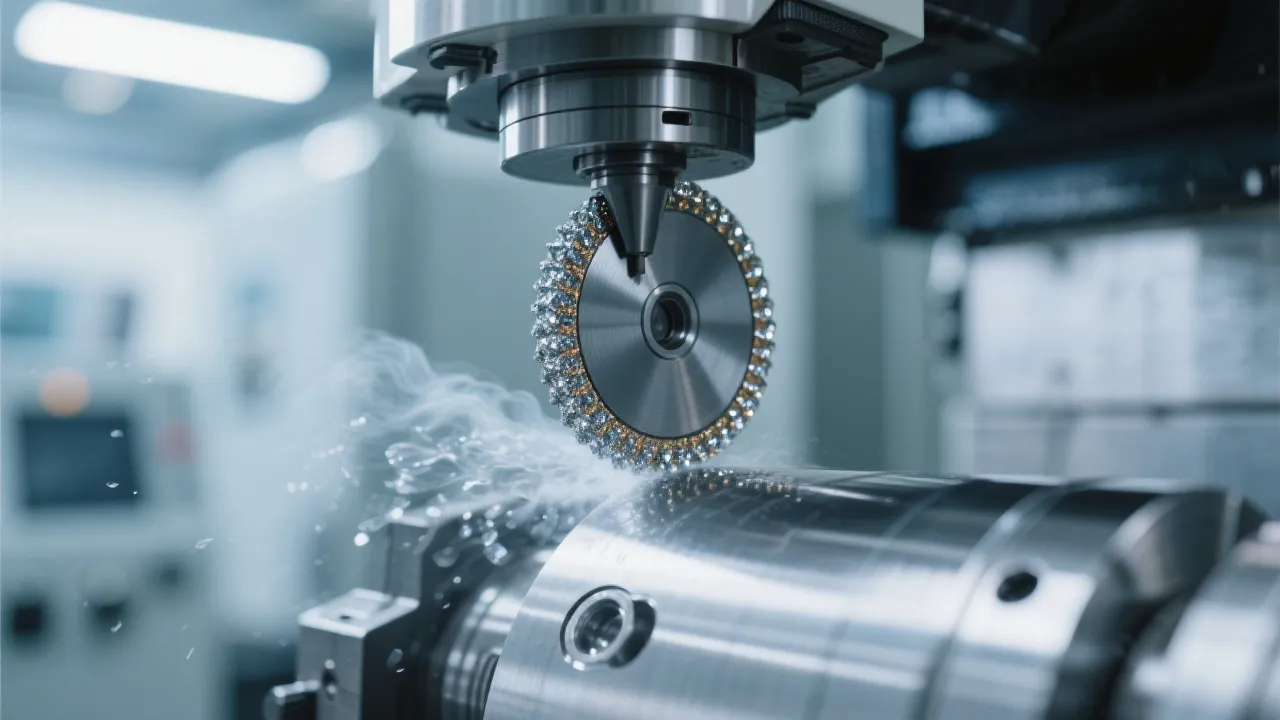
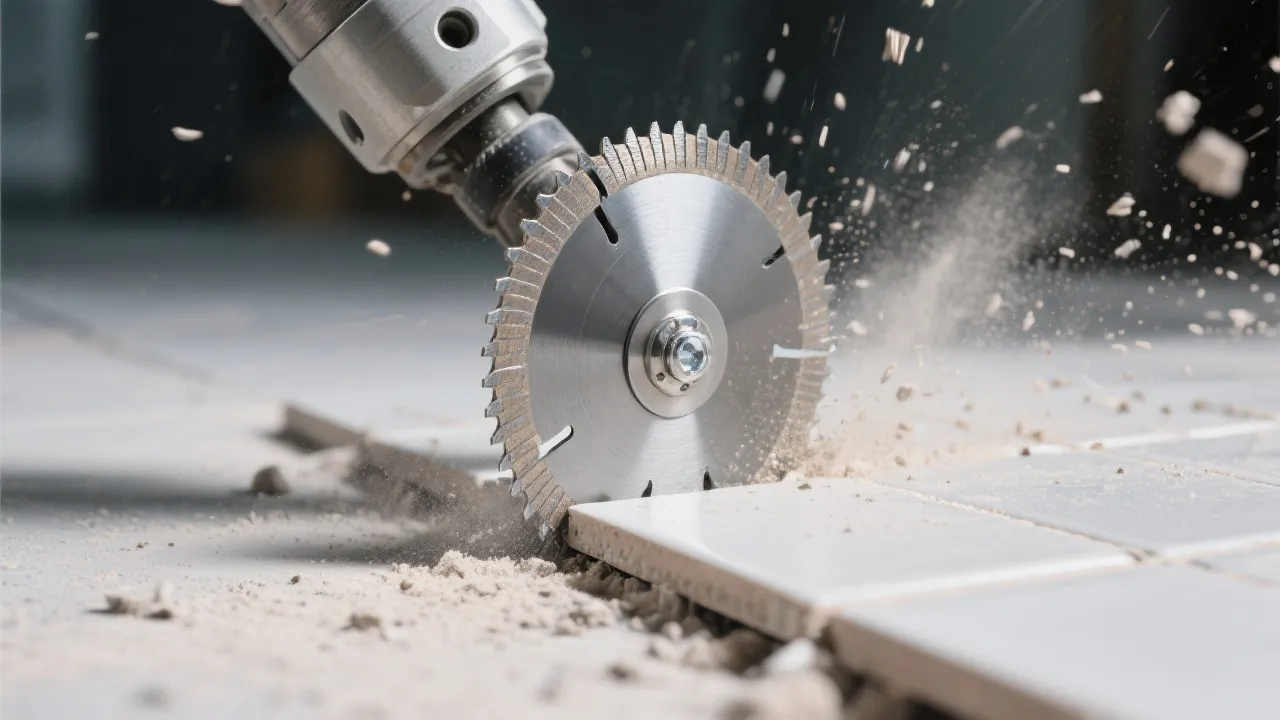
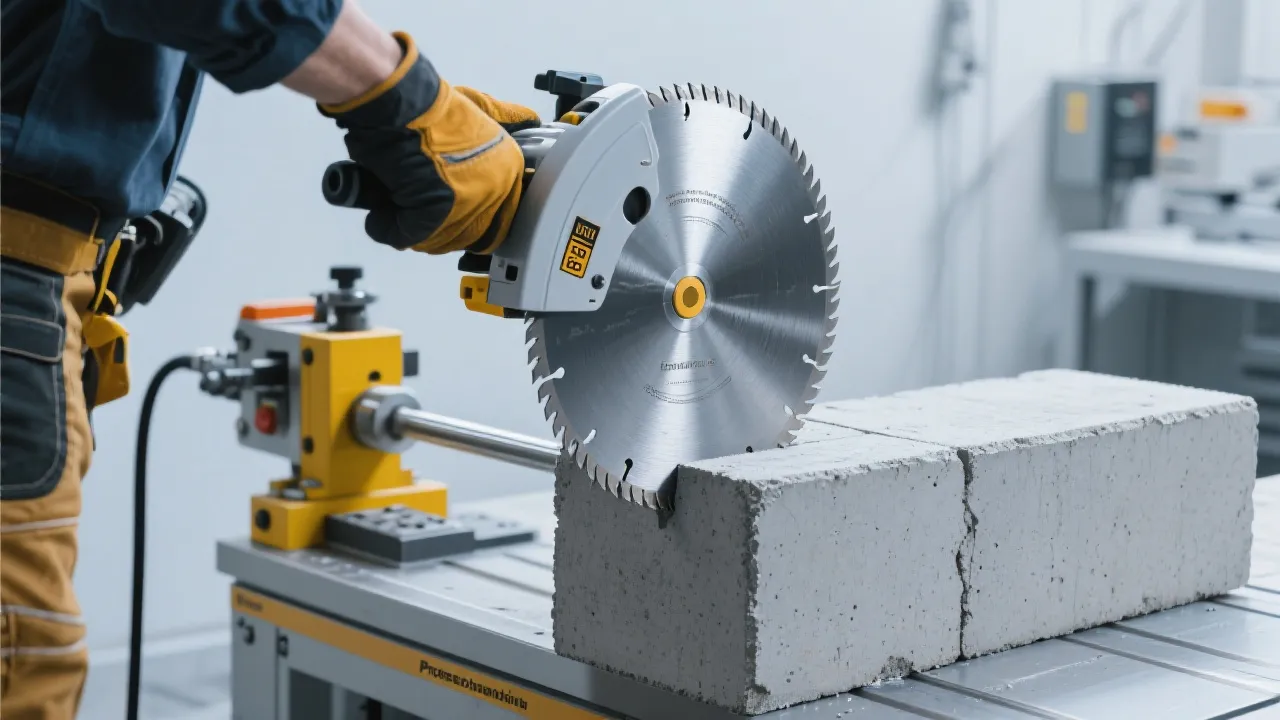
In the realm of gray cast iron machining, short wheel life significantly impairs production efficiency and escalates operational costs. Such challenges are particularly pronounced when using abrasive tools like tungsten carbide or conventional grinding wheels, which tend to wear rapidly under harsh cutting conditions. However, with the advancement of sintered diamond wheel technology, especially through vacuum brazing processes, new horizons have opened to tackle these issues effectively.
Vacuum brazing is a sophisticated joining technique where diamond abrasives are bonded to the steel core under a vacuum environment. This process enhances the bond’s strength beyond traditional brazing by eliminating oxidation and impurities, resulting in sintered diamond wheels with greater mechanical integrity and improved heat resistance.
The high bond strength achieved through vacuum brazing reduces abrasive particle dropout and maintains wheel structure integrity under thermal shock conditions common in gray cast iron grinding. According to industry data, vacuum brazed wheels can offer up to 50% longer lifespan compared to conventional resin-bonded wheels when processing gray cast iron with similar parameters.
Extending the life of sintered diamond wheels in gray cast iron machining hinges on the precise control of three interrelated parameters: grinding speed, feed rate, and cooling method.
| Parameter | Recommended Range | Impact on Wheel Life |
|---|---|---|
| Grinding Speed (m/s) | 30 - 40 | Maintains optimal abrasiveness; excessive speed leads to heat buildup. |
| Feed Rate (mm/min) | 20 - 40 | Balances material removal with controlled wheel wear. |
| Cooling Method | High-pressure flood coolant preferred | Prevents thermal damage and enhances abrasive longevity. |
Maintaining grinding speeds within 30 to 40 meters per second avoids excessive frictional heat generation, which can weaken the brazing bond. Similarly, feed rates should be optimized to neither overload the wheel nor cause inefficient machining—this commonly falls between 20 and 40 millimeters per minute depending on machine rigidity and workpiece complexity.
Cooling is equally critical. Employing a high-pressure flood coolant system dissipates heat effectively, significantly reducing the risk of thermal cracks and abrasive degradation. Studies show that neglecting adequate cooling can reduce wheel lifespan by up to 40%.
Beyond parameter optimization, regular wheel maintenance plays an essential role in prolonging service life. Best practices include:
Gray cast iron components often present challenging geometries requiring tailored wheel solutions. Non-standard wheel customization allows adjustment of diamond grain size, concentration, bond thickness, and wheel shape to precisely match specific machining objectives.
For example, ultra-fine grain wheels suited for precision finishing can achieve surface roughness improvements of up to 30%, while coarser grain configurations facilitate bulk removal with enhanced wheel durability.
Employing expert manufacturers who leverage vacuum brazing to produce these custom wheels ensures optimal adhesion and thermal properties remain intact, granting consistent performance across diverse applications.
A leading automotive parts manufacturer in Henan province replaced their conventional resin-bonded wheels with vacuum brazed diamond wheels from Youde Superhard Tools. By optimizing grinding speed to 35 m/s, feed rate to 25 mm/min, and utilizing flood cooling, they observed:
This translated directly into cost savings and reduced environmental impact due to less wheel consumption and lower power usage per part.
Utilizing vacuum brazed sintered diamond wheels in gray cast iron grinding aligns with global trends towards sustainable manufacturing. Extended wheel life reduces resource waste, cutting down on consumable disposal. Efficiency gains lower energy consumption and carbon footprint.
When combined with precise parameter control and routine maintenance, these wheels become a strategic investment that enhances productivity, ensures machining quality, and supports environmentally responsible operations.
.png?x-oss-process=image/resize,h_1000,m_lfit/format,webp)