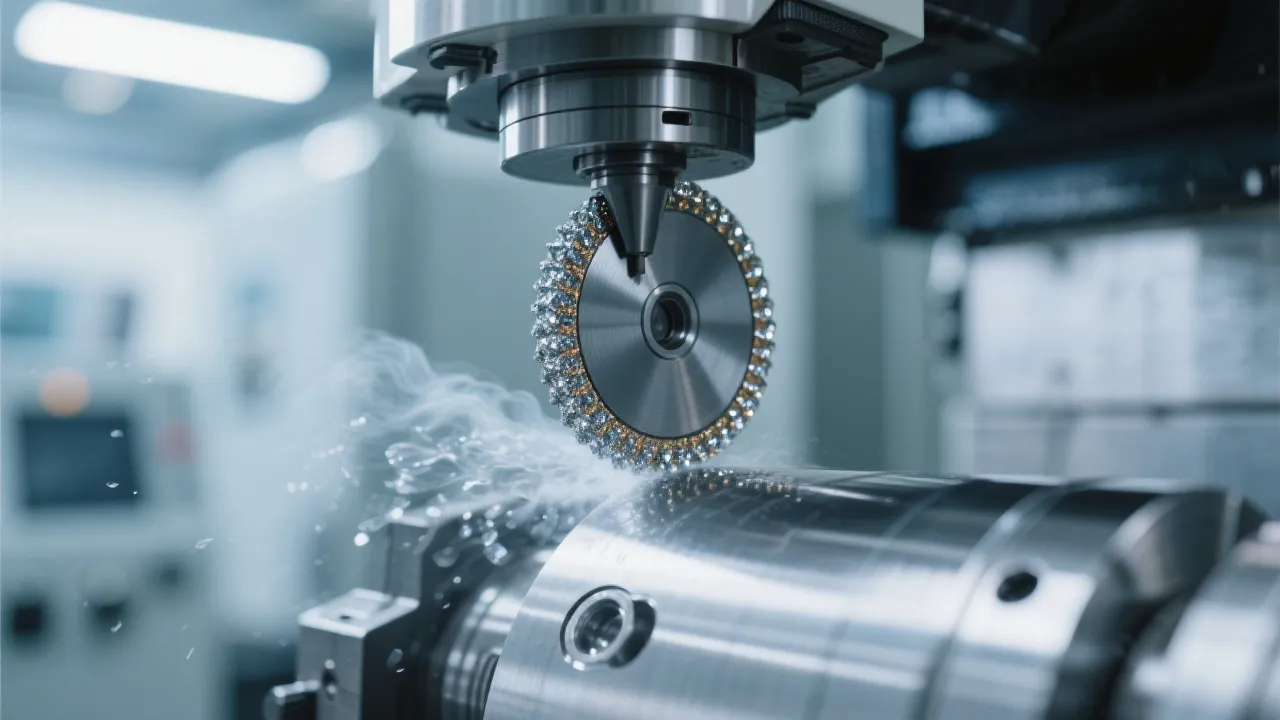
Gray cast iron remains a staple material in automotive, aerospace, and heavy machinery sectors due to its excellent machinability and cost-effectiveness. However, the grinding process—especially when using conventional abrasives—often generates significant airborne particulate matter. According to the U.S. National Institute for Occupational Safety and Health (NIOSH), exposure to fine dust from grinding gray cast iron can lead to respiratory issues such as bronchitis and even long-term lung damage if not properly controlled.
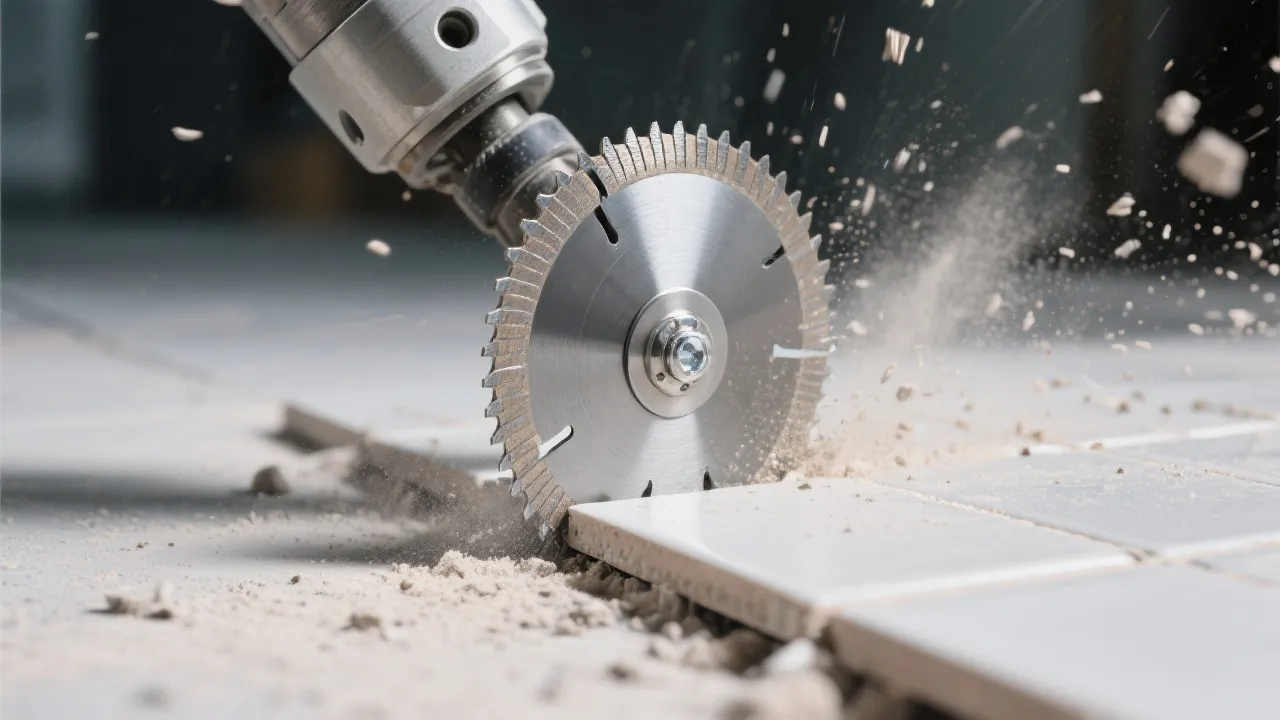
Conventional aluminum oxide or silicon carbide wheels tend to fracture under high heat and pressure during gray cast iron grinding. This leads to frequent edge chipping, increased friction, and excessive debris generation. In fact, studies show that traditional wheels produce up to 45% more airborne dust compared to advanced diamond tools—especially in dry grinding environments where no coolant is used.
“We saw our workshop air quality degrade rapidly after switching to standard wheels. The new brazed diamond solution cut dust by over 60% within just one month.” — Customer feedback from a German automotive supplier
Brazed diamond wheels feature a dense, uniform structure with precisely bonded diamond grains. Unlike electroplated or sintered types, they resist micro-fractures and maintain sharp cutting edges longer—resulting in smoother cuts and less energy wasted on ineffective friction. This directly reduces both noise and particulate emissions.
Industry data indicates that brazed diamond wheels reduce dust generation by approximately 55–70% when paired with proper wet grinding systems. Their thermal stability also allows for higher feed rates without compromising surface finish—a key factor in productivity-driven manufacturing lines.
To maximize environmental compliance and worker safety, manufacturers should combine these wheels with:
A case study from a U.S.-based precision machining shop shows a drop from an average PM2.5 level of 120 μg/m³ (above OSHA limits) to 45 μg/m³ after implementing this integrated approach—with minimal downtime and no major equipment overhaul.
Switching to brazed diamond wheels alone isn’t enough. For best results, assess your entire grinding setup—including coolant flow rate, machine vibration levels, and operator training—to achieve true green manufacturing efficiency.
Whether you're upgrading an existing line or building a new facility, adopting a holistic strategy centered around brazed diamond technology offers measurable benefits in health, compliance, and operational savings.
.png?x-oss-process=image/resize,h_1000,m_lfit/format,webp)

.png?x-oss-process=image/resize,h_1000,m_lfit/format,webp)