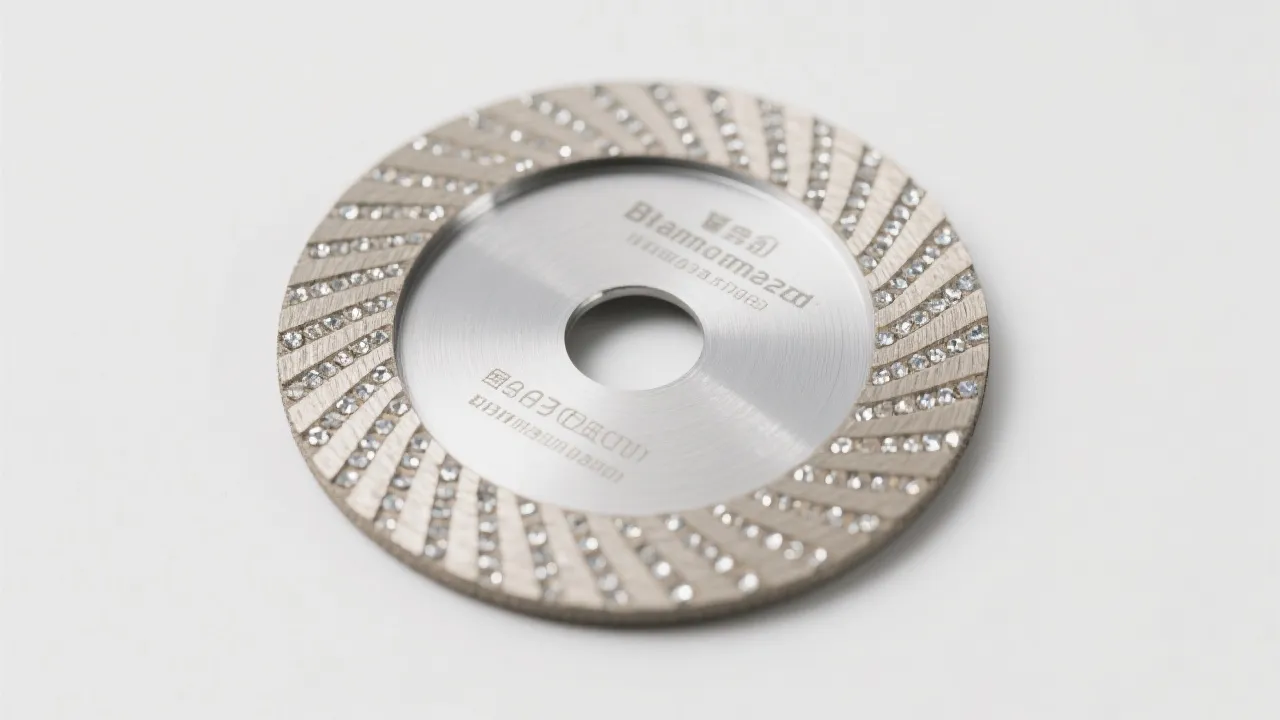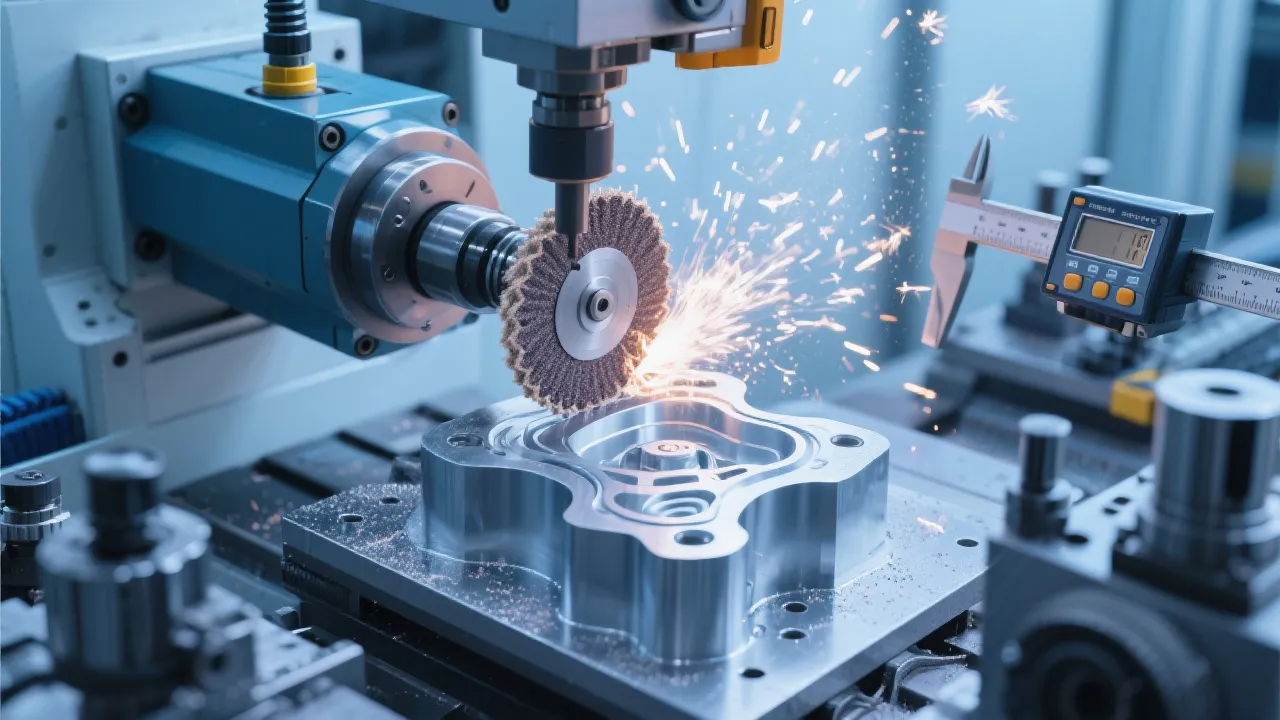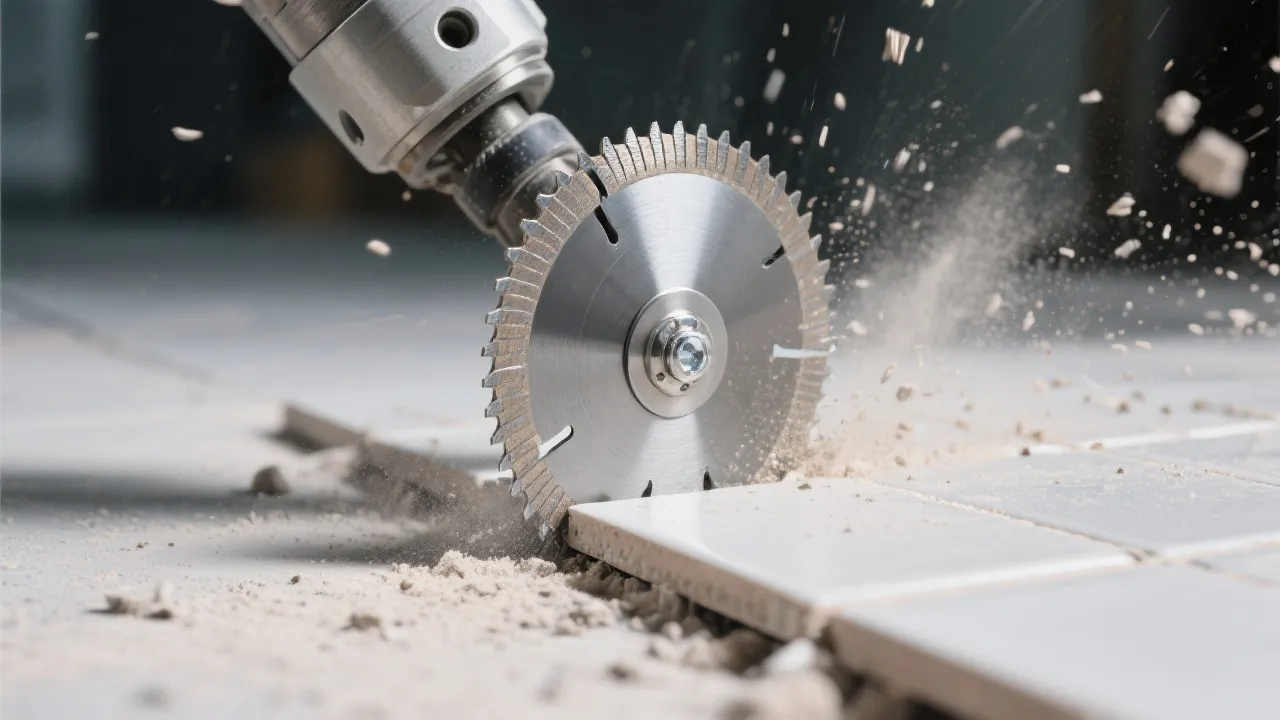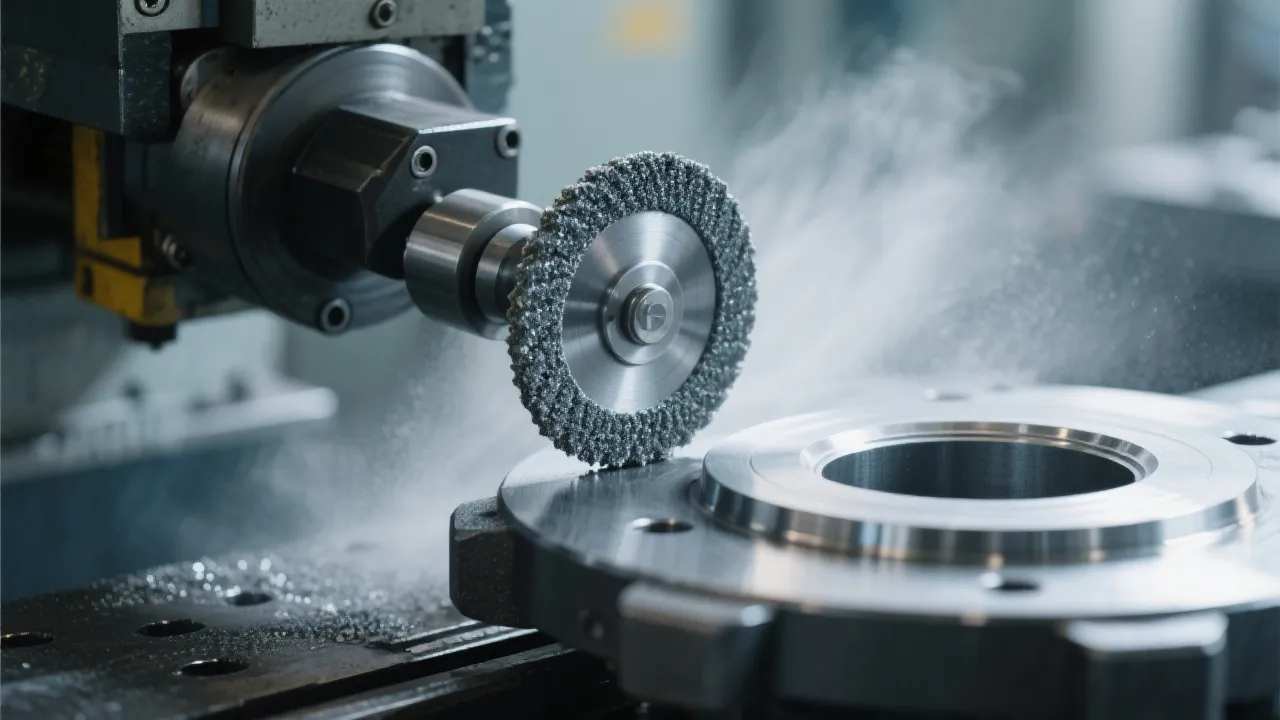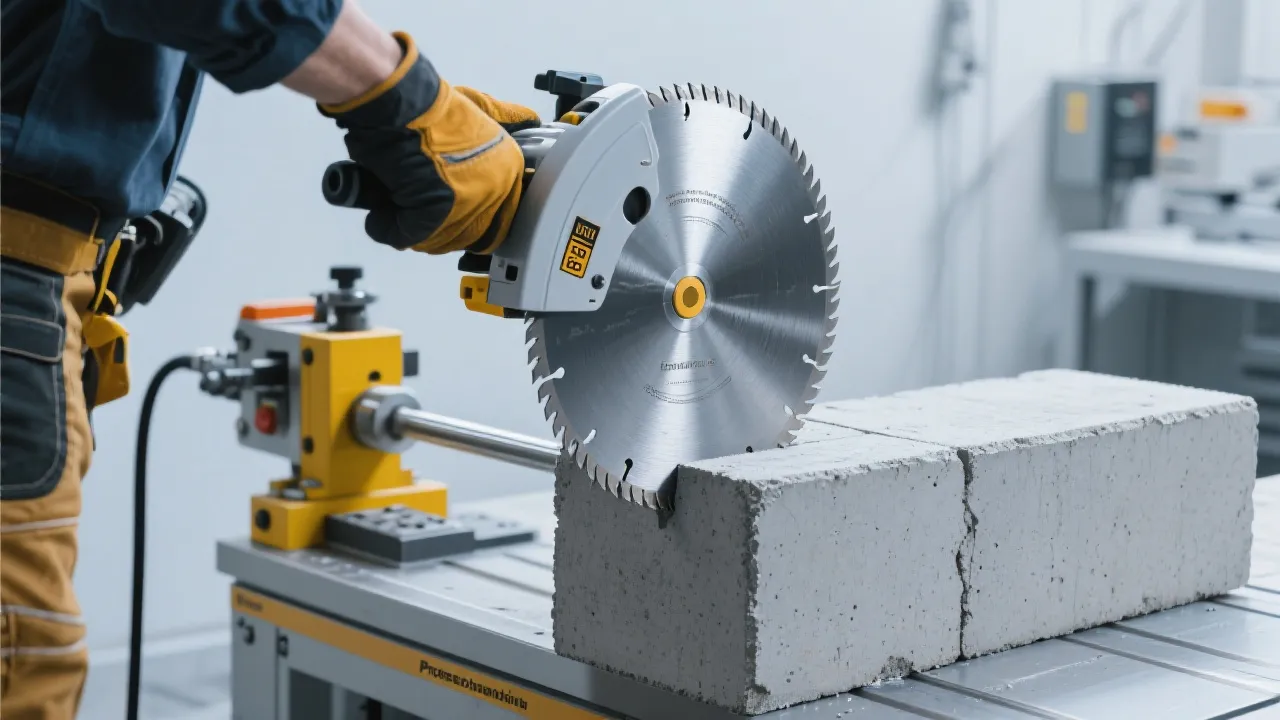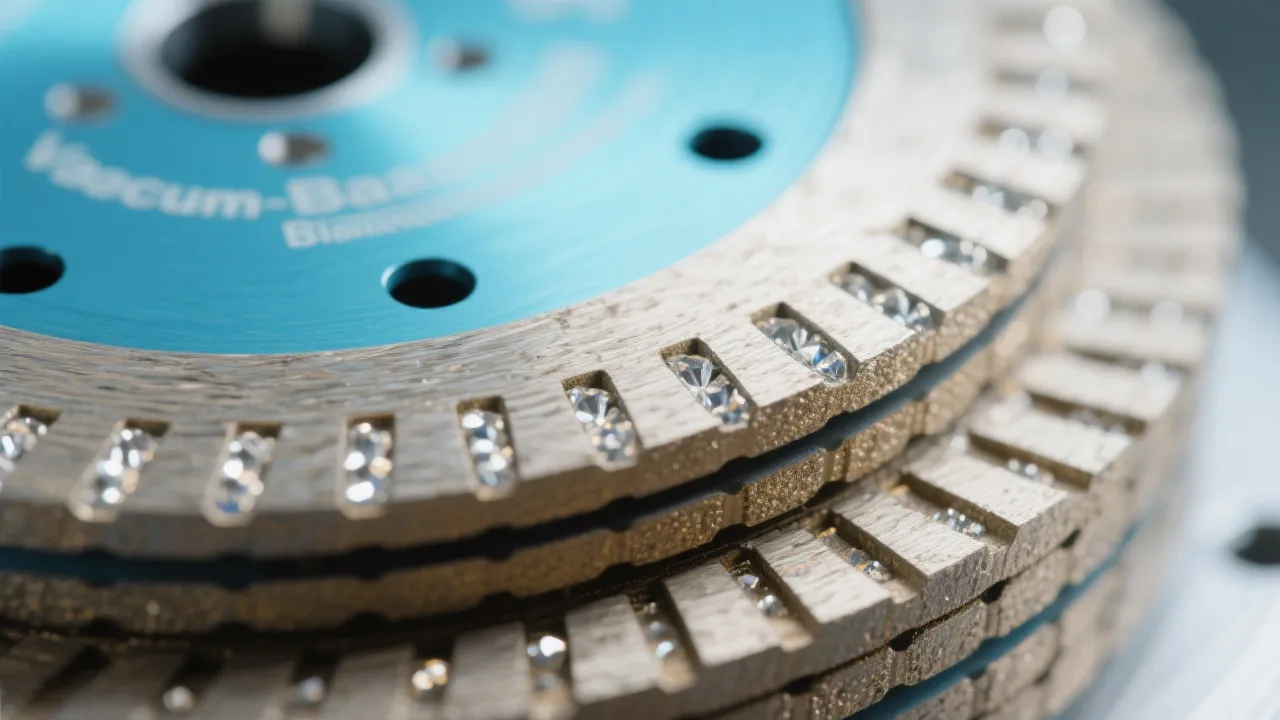
In the manufacturing world, precision and efficiency are not just goals—they're necessities. When working with hard materials like ductile iron, gray iron, and ceramics, the difference between optimal performance and costly downtime often comes down to the tools you use and how you maintain them. Today, we're focusing on a critical component in your machining arsenal: the brazed diamond grinding wheel, specifically the 400 series from Henan Youde Superhard Tools. With over 15 years of industry experience, we've seen firsthand how proper installation and maintenance can提升磨削效率 by up to 35% while reducing grain loss by as much as 40%. Let's dive into the practical techniques that will transform your grinding operations.
Before we jump into installation procedures, it's essential to recognize what makes the 400 series stand out in the competitive landscape of superhard tools. These wheels are engineered with a unique brazing technology that creates a metallurgical bond between the diamond grains and the substrate—resulting in a wheel that maintains its cutting edge longer than conventional electroplated alternatives. In independent testing, the 400 series demonstrated 28% higher wear resistance when grinding ductile iron compared to leading competitors, making it a workhorse for high-volume production environments.
The precision manufacturing process ensures each wheel meets exacting tolerances, with runout typically controlled within 0.03mm—critical for achieving the tight surface finish requirements in automotive and aerospace components. Whether you're working with chilled cast iron brake rotors or advanced technical ceramics, the 400 series offers a versatility that reduces the need for multiple wheel changes, streamlining your production workflow.
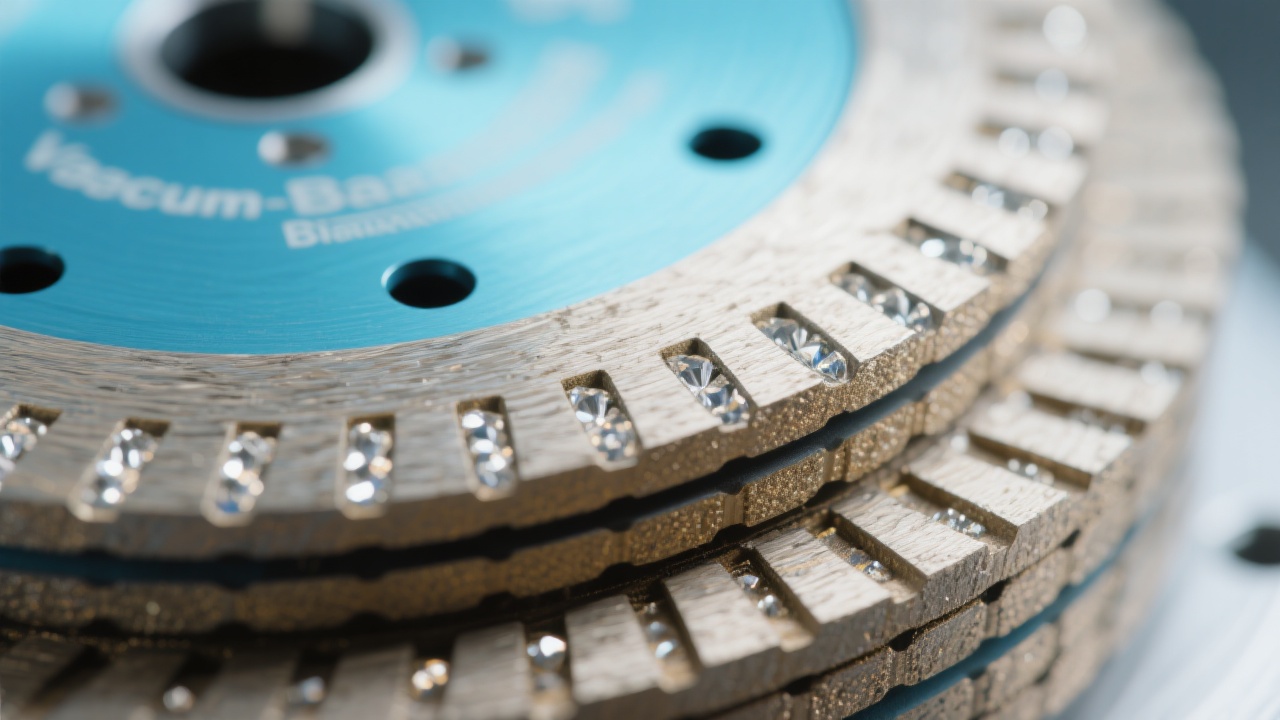
Choosing the correct砂轮 isn't just about diameter and bore size—it's about aligning the wheel's characteristics with your specific grinding task. The 400 series offers a range of grit sizes from 30# to 120#, each designed for different material removal rates and surface finish requirements. A general rule of thumb: use coarser grits (30#-60#) for rapid stock removal on gray iron castings, while finer grits (80#-120#) deliver the Ra 0.8μm finishes required for sealing surfaces in hydraulic components.
Another critical factor is bond hardness. The 400 series features a proprietary medium-hard bond that balances wear resistance with self-sharpening properties. This balance is particularly important when grinding nodular cast iron, where excessive bond hardness can cause glazing and heat buildup, while insufficient hardness leads to premature grain loss. Our technical team recommends conducting a simple scratch test on a sample workpiece to verify bond compatibility before full production implementation.
Before mounting your 400 series wheel, a thorough inspection can prevent catastrophic failures and ensure optimal performance. Begin by checking for any visible damage—even a small hairline crack can lead to wheel disintegration under operating conditions. The American National Standards Institute (ANSI) reports that 72% of grinding wheel accidents result from improper inspection or handling, making this step non-negotiable.
Next, verify that the wheel's maximum operating speed (indicated on the label) exceeds your grinder's spindle speed by at least 20%. This safety margin is critical, as overspeeding is the leading cause of wheel explosions. For the 400 series, typical maximum speeds range from 3,600 to 6,000 RPM depending on wheel diameter, providing ample flexibility for most industrial grinders.
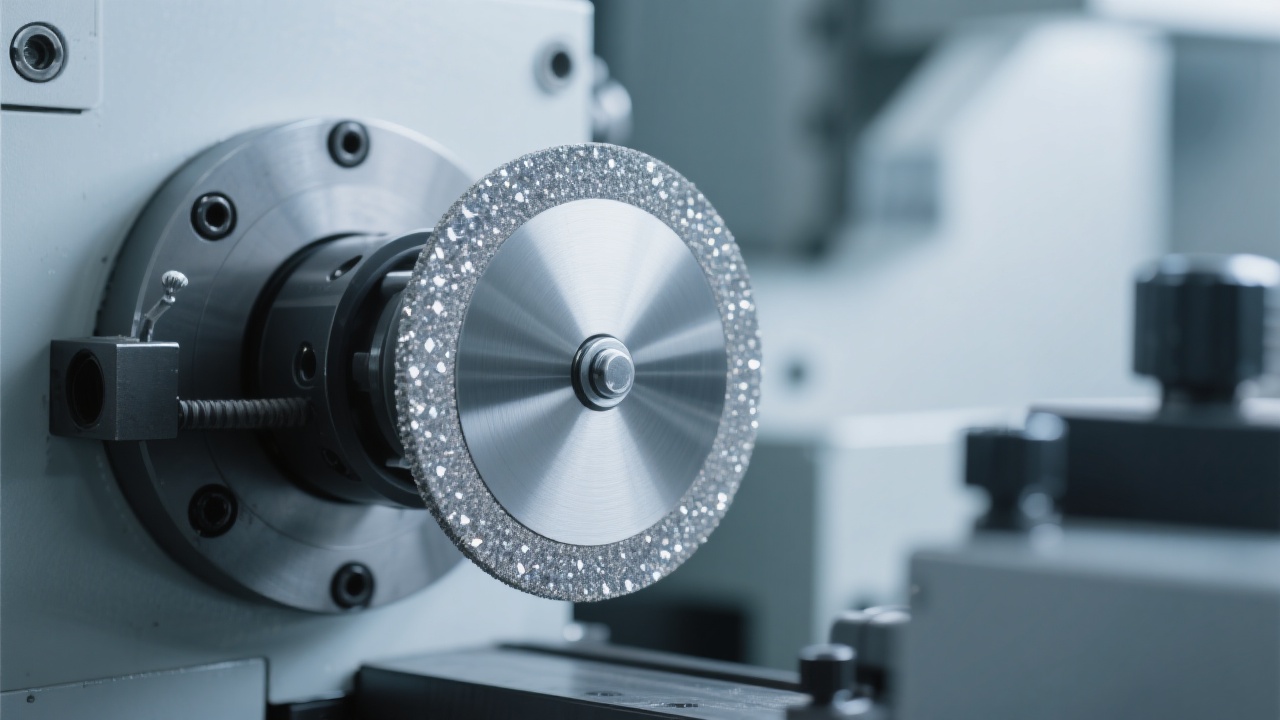
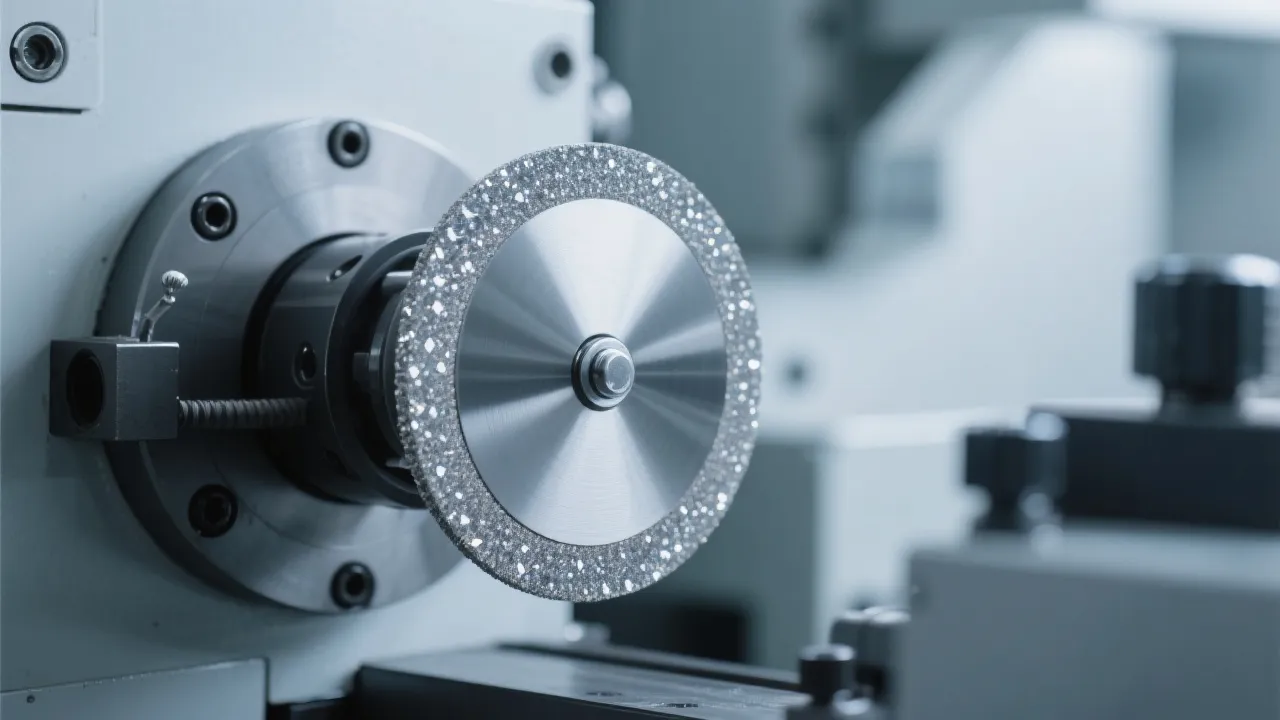
Proper mounting begins with cleaning—both the wheel bore and the grinder spindle must be free of debris, rust, or old adhesive residue. Even a 0.02mm layer of buildup can cause runout issues that compromise surface finish and accelerate wheel wear. Use a lint-free cloth with isopropyl alcohol for thorough cleaning, and inspect for spindle wear or damage that could affect mounting integrity.
When positioning the wheel, ensure equal flange pressure on both sides. Uneven clamping is a common mistake that leads to vibration, noise, and uneven wear patterns. Torque the mounting nut to the manufacturer's specification—typically 25-35 ft-lbs for standard 400 series wheels—and use a torque wrench to avoid overtightening, which can distort the wheel hub.
After mounting, perform a "ring test" by gently tapping the wheel with a non-metallic object (like a wooden mallet). A clear, ringing sound indicates a sound wheel, while a dull thud may signal internal damage. Always wear appropriate PPE during this process, including safety glasses and gloves.
Even a perfectly mounted wheel requires proper alignment to achieve optimal results. Misalignment by just 0.05mm can increase vibration by 40%, leading to poor surface finish and accelerated tool wear. Use a dial indicator to check both radial and axial runout, adjusting until runout is minimized to less than 0.03mm.
Dressing is another critical step often overlooked by operators. The 400 series brazed wheel requires initial dressing with a single-point diamond dresser to establish the proper cutting geometry. We recommend a dressing feed rate of 10-15mm per revolution at a depth of 0.01-0.02mm per pass. This process removes any manufacturing residue and ensures consistent cutting action across the wheel face.
One of the most frustrating issues in grinding operations is premature grain loss, which not only reduces wheel life but also compromises part quality. Through extensive field testing, we've identified the primary causes and solutions for this common problem:
Excessive grinding pressure is the number one culprit, accounting for approximately 65% of grain loss incidents. When operators push too hard to increase material removal rates, the diamond grains are subjected to forces exceeding their bond strength. The solution? Implement a feed rate monitoring system and train operators to recognize the telltale signs of overload—excessive sparking, unusual noise, or discoloration of the workpiece.
Another significant factor is inadequate coolant delivery. The 400 series performs best with a high-pressure coolant system (7-10 bar) delivering 8-12 liters per minute. Proper coolant flow not only reduces heat buildup but also flushes away swarf that can cause abrasive wear on the bond matrix. Position the coolant nozzle to direct flow at the point of contact between wheel and workpiece for maximum effectiveness.
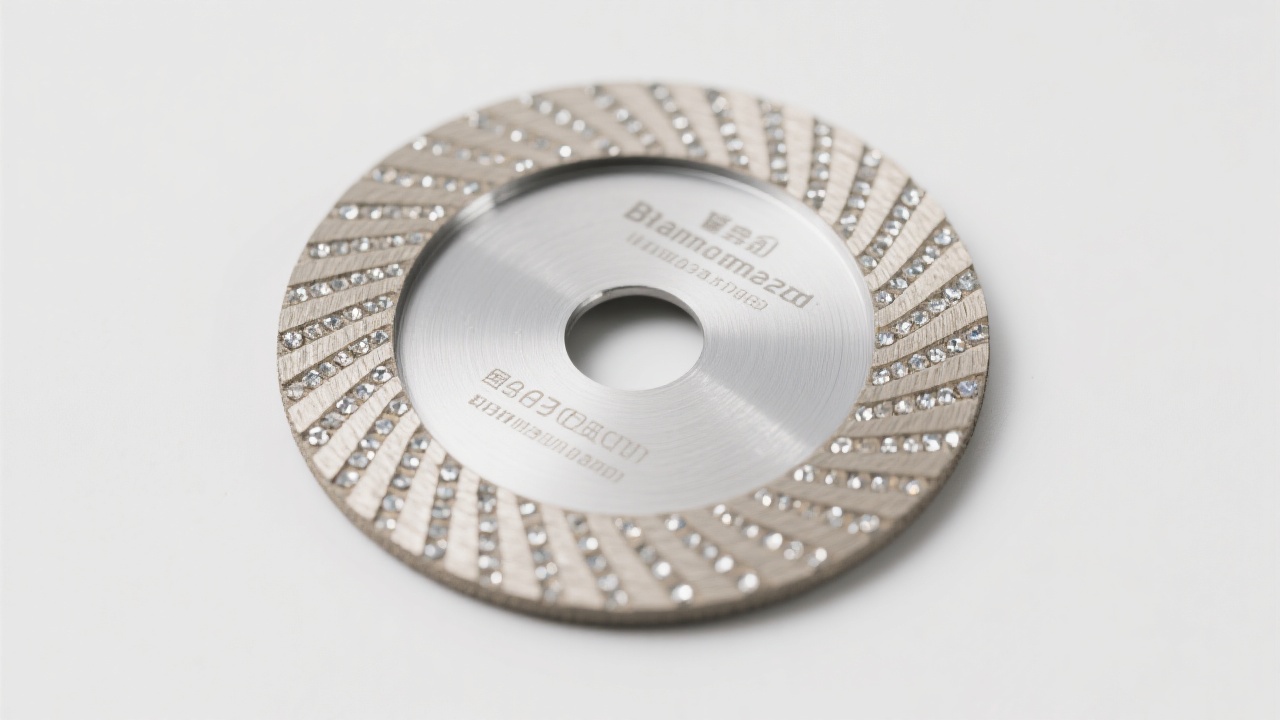
Proper maintenance doesn't end when the shift concludes. How you store your 400 series wheels directly impacts their performance and longevity. Studies show that wheels stored improperly can lose up to 15% of their effective life before even being mounted. The ideal storage environment is dry, clean, and temperature-stable—avoid areas with high humidity or extreme temperature fluctuations.
When removing a wheel from service, clean it thoroughly with a stiff bristle brush to remove accumulated swarf and coolant residue. Inspect for any signs of uneven wear or damage, and document its usage hours for future reference. Store wheels vertically on a dedicated rack, never stacking them horizontally or leaning them against walls, which can cause warping over time.
Regular maintenance checks during production are equally important. Every 8 hours of operation, inspect the wheel for signs of glazing or loading. A glazed wheel appears shiny and reflects light, indicating that the diamond grains are no longer exposed. This condition reduces cutting efficiency and increases heat generation. A simple dressing with a diamond tool can restore performance and extend wheel life by 30% or more.
Experience the difference professional-grade brazed diamond wheels can make in your production efficiency and product quality.
Get Your Custom 400 Series SolutionOur technical team is ready to analyze your specific application and recommend the optimal wheel configuration for maximum performance.
The difference between good and great grinding results often lies in the details—proper installation, precise setup, and consistent maintenance. By implementing these techniques with your 400 series brazed diamond grinding wheel, you'll not only see immediate improvements in efficiency and product quality but also enjoy significant cost savings through extended wheel life and reduced downtime. Remember, every minute spent on proper wheel preparation translates to multiple minutes saved in production time and rework costs.
As you implement these practices, we encourage you to document your results. Track metrics like wheel life, surface finish quality, and grinding time per part before and after implementation. Many of our clients report ROI within the first 2-3 wheel changes, with some achieving payback in a single production run. The 400 series isn't just a tool—it's an investment in your operation's efficiency and profitability for years to come.

.png?x-oss-process=image/resize,h_1000,m_lfit/format,webp)

.png?x-oss-process=image/resize,h_1000,m_lfit/format,webp)